Fast food menus may look huge, but behind the counter things are often simpler than they seem. Former employees of Taco Bell have shared a few surprising details about how the chain really operates. From ingredient tricks to ordering strategies, some of these insights change how you look at the menu. Others reveal the challenges employees deal with during busy shifts. If you’ve ever wondered what actually happens behind the drive-thru window, these insider secrets offer a closer look.
The Menu Is Built From the Same Ingredients

One of the most surprising realities is how simple the ingredient list actually is. According to former workers, the entire menu at Taco Bell relies on a small set of core ingredients that get rearranged in different ways. Tortillas, seasoned meat, beans, cheese, and sauces are combined to create dozens of menu items. The biggest difference is often how the tortilla is shaped—rolled, folded, or fried. This strategy keeps kitchens efficient while still making the menu feel huge to customers. It’s a clever system that saves time, storage space, and money.
Sauce Packets Follow a Quiet Rule

If you’ve ever felt like you didn’t get enough sauce packets, there’s actually a reason. Employees often follow a guideline of giving one sauce packet and one napkin per menu item ordered. The rule isn’t meant to be stingy—it’s simply part of portion control. However, workers say customers can usually get more sauce just by asking. The extra packets are typically free if you request them politely. So sauce lovers don’t have to settle for just one.
Nacho Cheese Portions Can Be Inconsistent
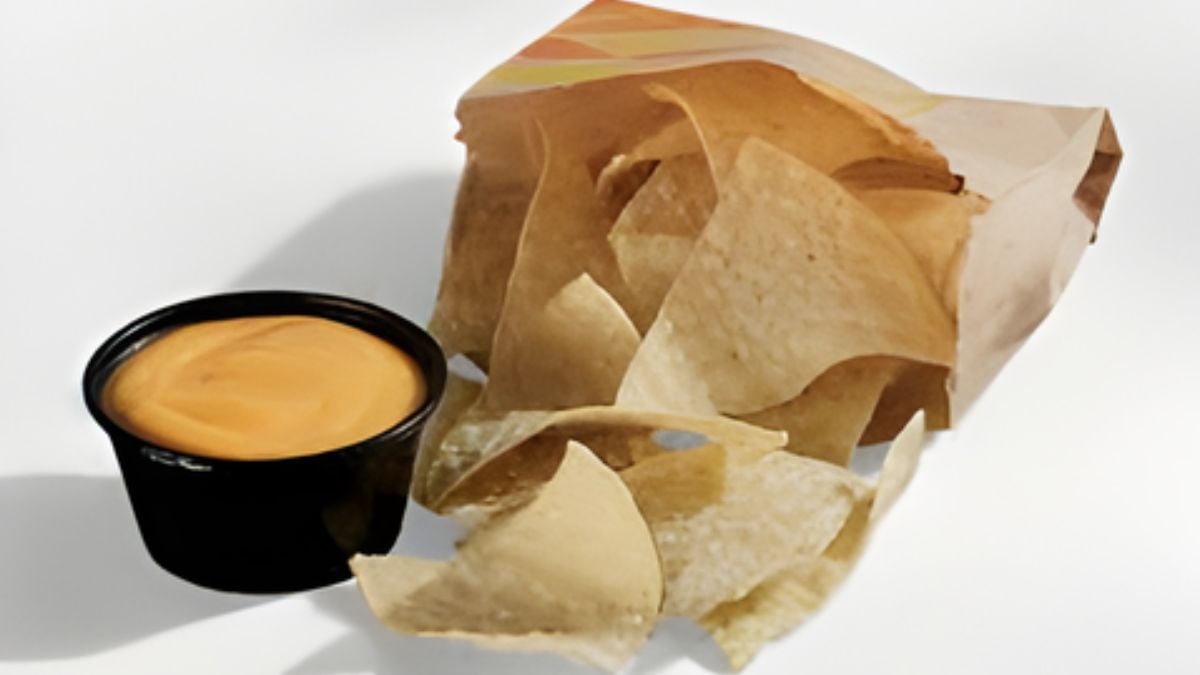
That little cup of nacho cheese might not always be filled the same way. Employees are supposed to use two pumps from a dispenser when portioning cheese. The problem is that the pumps don’t always work consistently. During busy moments, workers sometimes have to guess what two pumps should look like. That’s why one visit might come with a full cup while another feels half empty.
The Beans Start Out Completely Dry
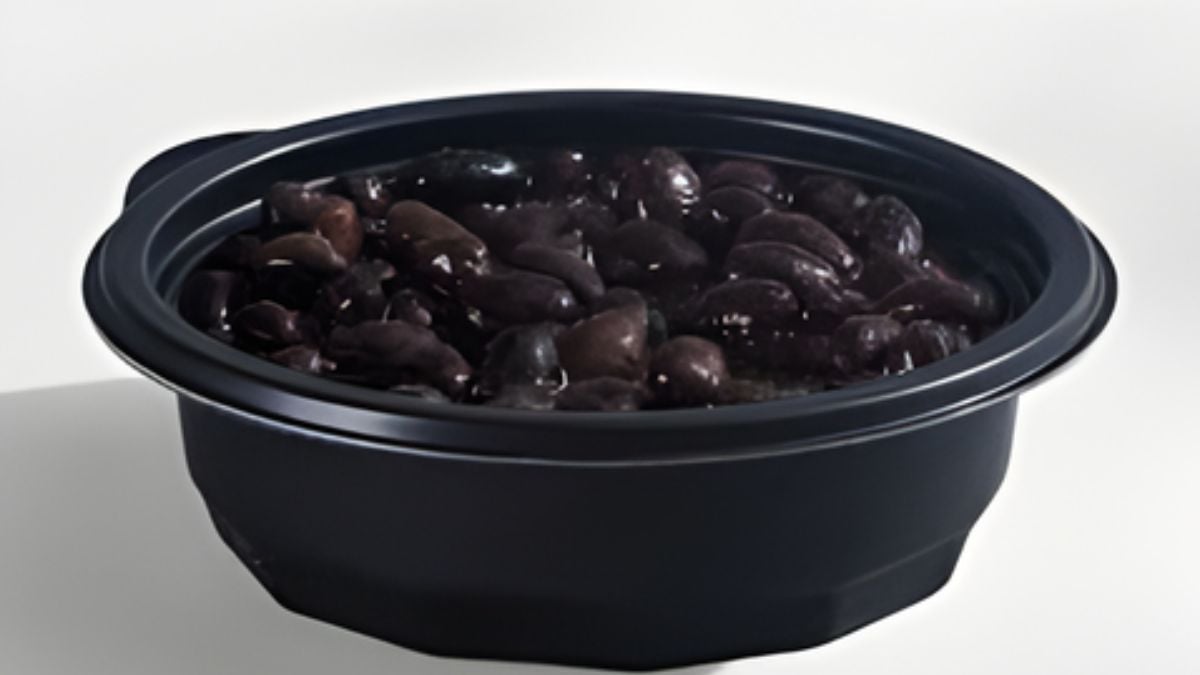
Many customers assume the beans arrive ready to serve, but that’s not the case. At Taco Bell, the refried beans typically arrive in dry form. Employees prepare them daily by rehydrating the beans with boiling water. While that may sound unusual, dried beans are common in large-scale food service. The process helps with storage and shelf life while still producing the familiar texture used in burritos and tacos.
Custom Orders Can Slow the Kitchen
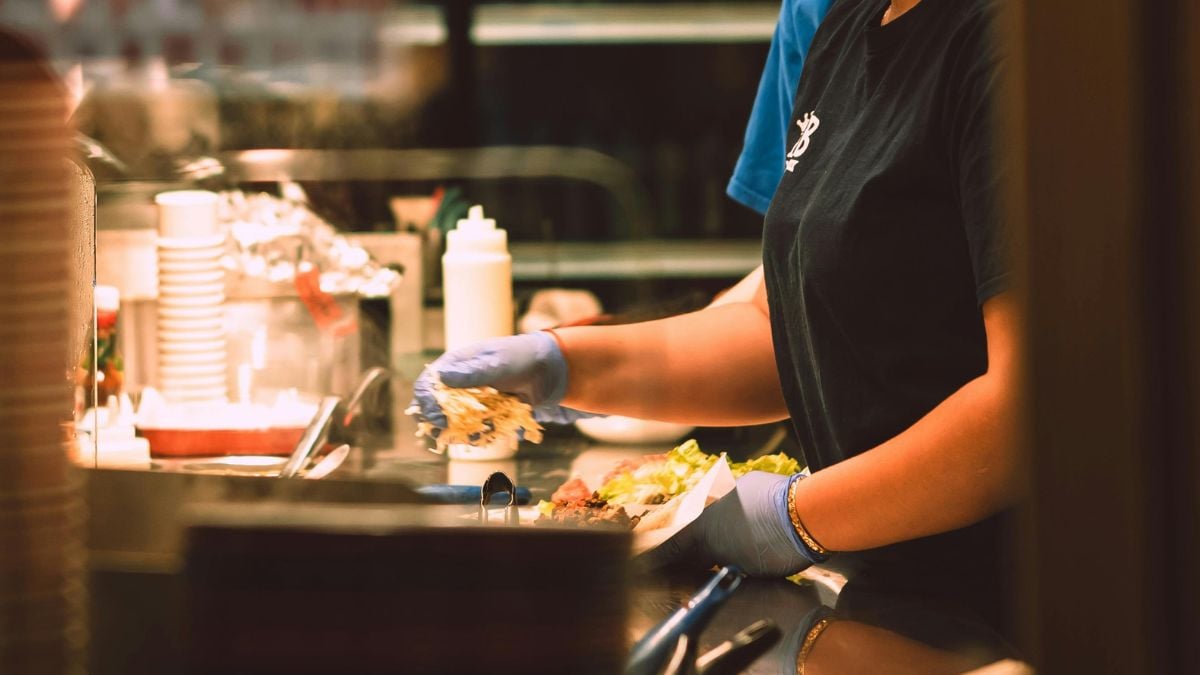
Fast food kitchens are designed for speed, and complicated orders can disrupt that rhythm. Workers say heavy customizations are often the most frustrating orders to prepare. Changing too many ingredients can cause mistakes or waste if items have already been added. Employees recommend saying what you want removed first before asking for extra ingredients. Clear instructions help the kitchen get your order right the first time.
You Can Actually Buy Sauce in Bulk
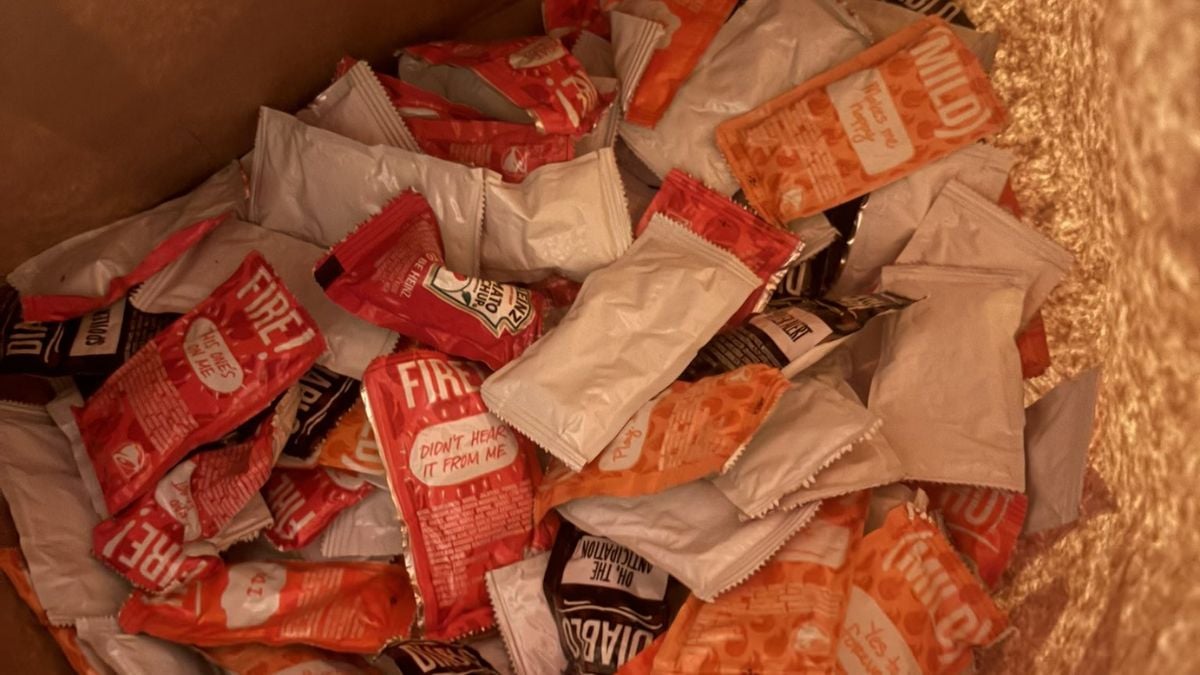
That favorite sauce might be easier to stock up on than you think. Some employees say customers can order large numbers of sauce sides for just a few dollars. In theory, someone could walk out with dozens of containers for the price of a single menu item. While the system technically allows it, workers admit it’s not their favorite request to fulfill. Still, it shows how flexible the ordering system can be.
Value Boxes Are the Best Deals
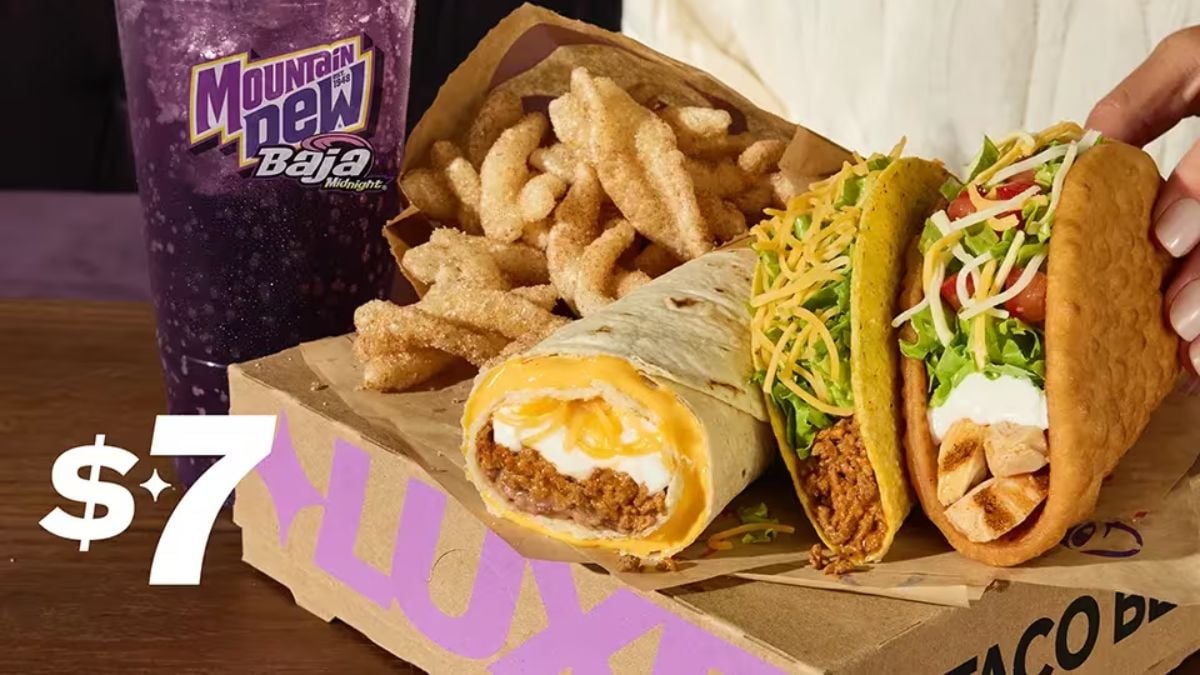
When customers ask employees how to save money, the answer is usually the same. Value boxes are often the best deal on the menu. These combo meals include several items bundled together for less than ordering each piece separately. According to staff, the boxes deliver the most food for the price. For budget-conscious diners, it’s usually the smartest choice on the menu.
A Dozen Tacos Can Be Made Shockingly Fast
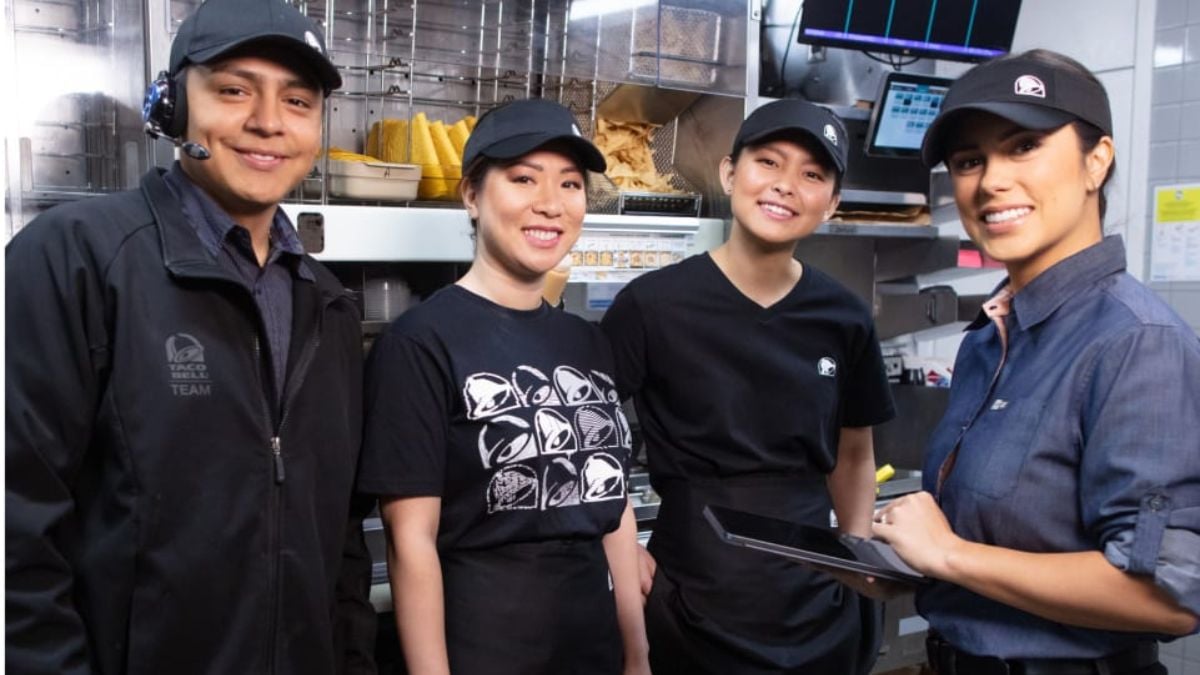
Ordering a big batch of tacos might seem like it would slow everything down. But experienced teams can move incredibly quickly. Well-staffed kitchens at Taco Bell can sometimes produce a dozen tacos in under two minutes. The speed depends on how many employees are working and how experienced they are. Crunchy tacos are usually faster to assemble than soft ones. That’s why the same order might take longer during understaffed shifts.
Late Nights Can Extend Employee Shifts
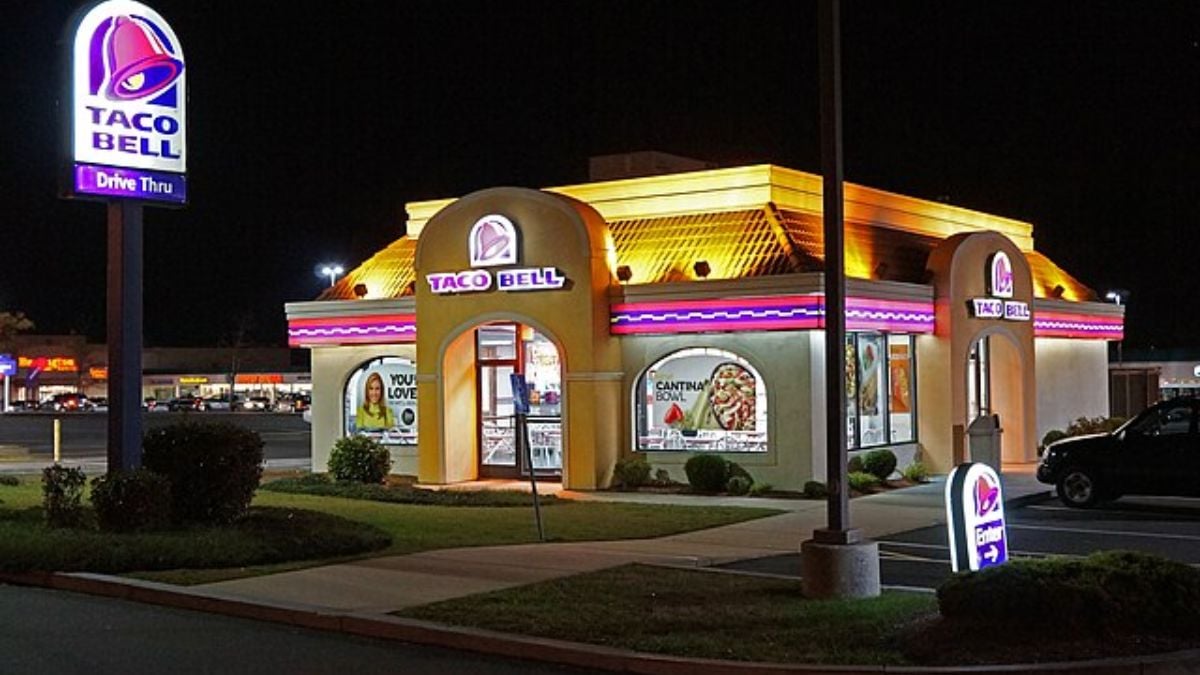
Closing time isn’t always the end of the workday. In some cases, stores that continue making money late at night may stay open longer than planned. If customers keep showing up and sales stay strong, employees can be asked to keep serving. That means workers sometimes can’t predict when their shift will truly end. While it’s good for business, it can make long shifts even longer.
The Secrets Behind the Counter
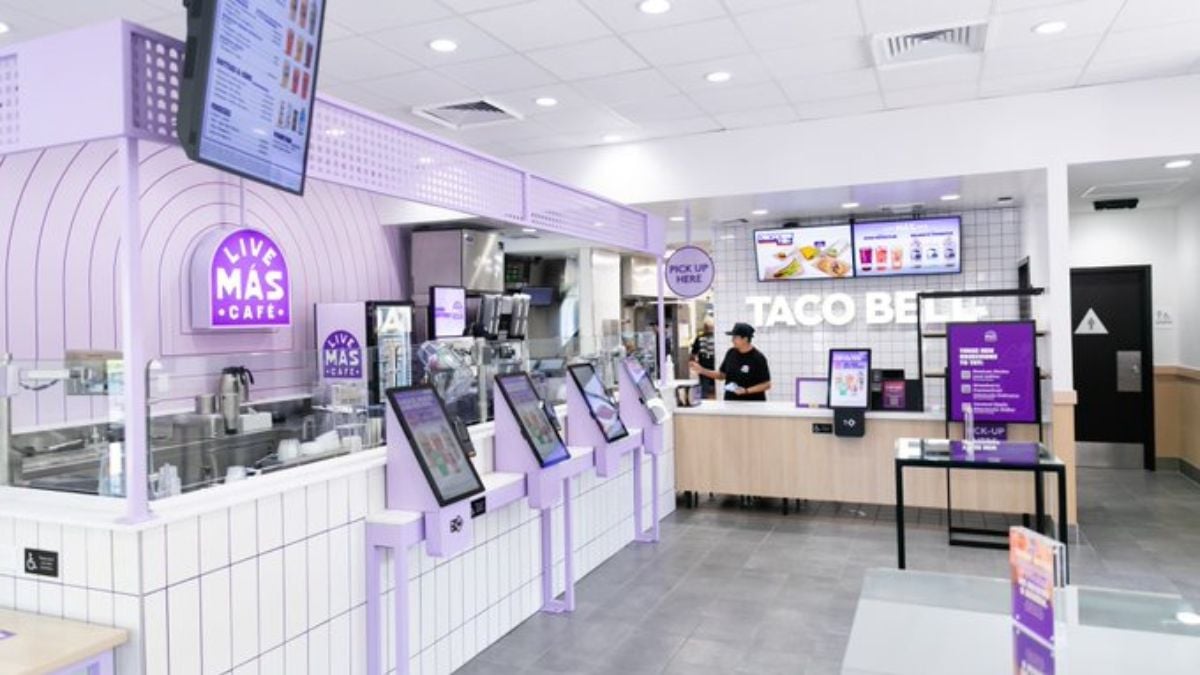
Fast food may seem simple from the customer side, but there’s a lot happening behind the scenes. From recycled ingredients to surprisingly strict sauce rules, these insider details show how Taco Bell keeps its operations running smoothly. Some secrets are practical business strategies, while others reveal the challenges employees deal with every day. Either way, knowing a few insider tips can change how you order your next taco run. Did any of these surprise you, or is there a Taco Bell trick we missed? Share your thoughts in the comments!