Fast-food chains are suddenly obsessed with one thing: value. Rising prices have made many customers rethink how often they grab burgers, tacos, and fries, forcing big brands to rethink their menus. While rivals slash prices and promote deals, Taco Bell is taking a different approach. The chain is quietly tweaking what you order — and how much you spend — without making it feel expensive. A new dessert launch is just the latest step in a much bigger strategy.
The Fast-Food Value Crisis
Fast food used to mean cheap, quick meals — but that perception is slipping. Surveys show most Americans still eat fast food weekly, yet many are cutting back because prices feel too high. In fact, a majority say they’ve been shocked by their fast-food bill recently. That’s a big problem for chains built on affordability. As a result, major brands are scrambling to prove they still offer value.
Rivals Rush to Offer Cheaper Deals

Chains across the industry are trying to win back budget-conscious customers. McDonald’s has revived its Everyday Value Menu and rolled out low-priced items like $2.99 Snack Wraps. The company has also pushed app deals, including $1 Sausage McMuffins. Competitors like Wendy’s and Burger King are making similar moves. Everyone wants to convince diners they’re still getting a bargain.
Taco Bell Chooses a Different Strategy
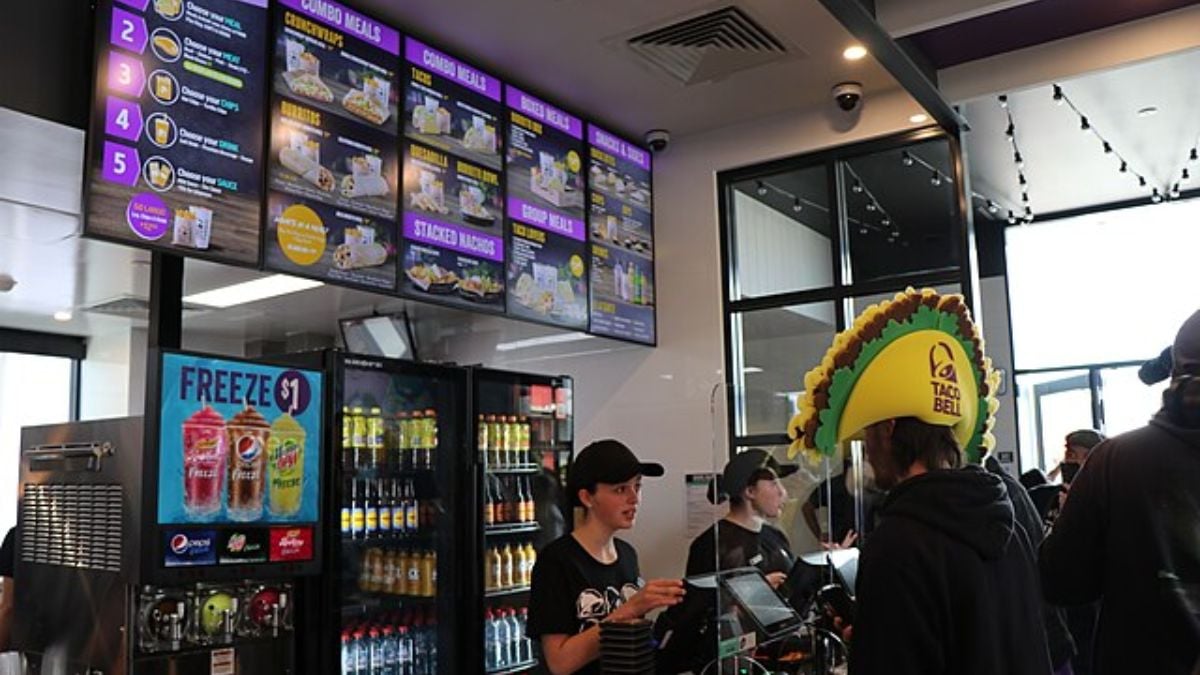
While other chains focus heavily on discounts, Taco Bell is playing a smarter game. The brand has always balanced affordable items with more premium options. Instead of simply lowering prices, it’s introducing new menu items designed to increase what customers spend per visit. The trick is doing it without making people feel like they’re paying more. And desserts are a perfect way to do that.
Why Fast-Food Chains Love Desserts

Desserts may seem like a small add-on, but they can be incredibly profitable. Compared with main dishes that rely on costly proteins, sweets are relatively inexpensive to make. That means restaurants earn better margins when customers tack them onto a meal. For many chains, convincing someone to order a dessert can significantly increase the final bill. It’s a simple upsell that can have a big financial impact.
The New Empanada Dessert Arrives
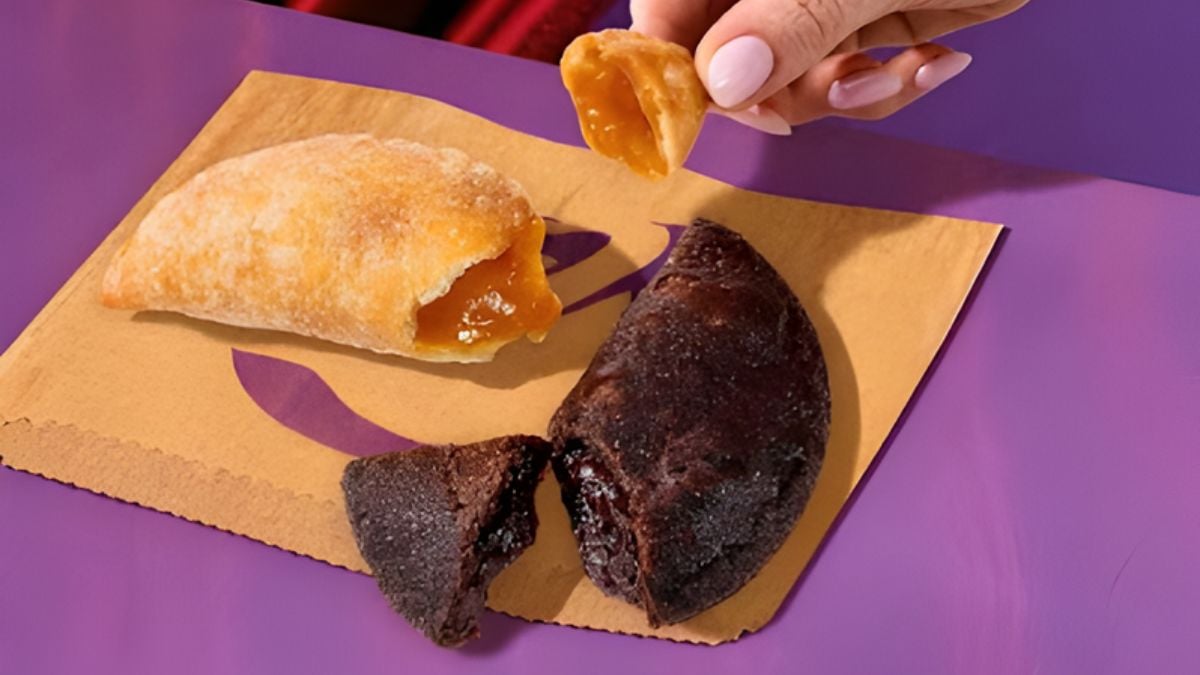
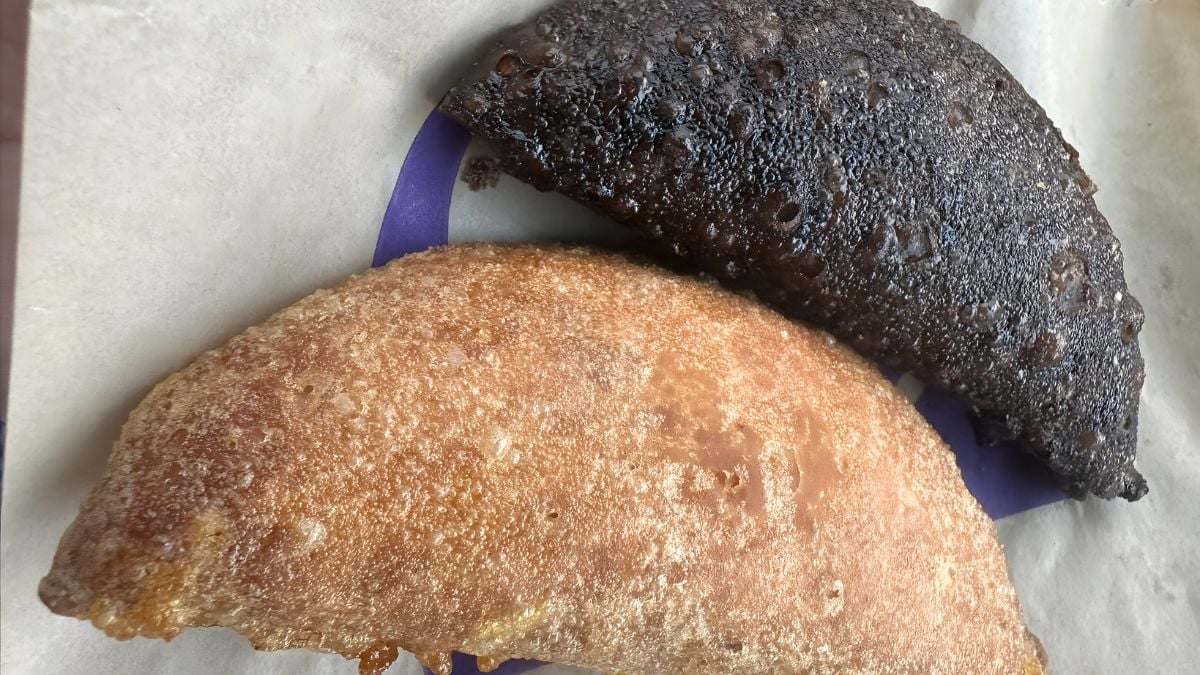
Taco Bell’s latest move is a new line of sweet empanadas. Inspired by the beloved Caramel Apple Empanada, the new version delivers a richer twist. The offering includes two warm pastries served together. One features salted caramel in a classic crust, while the other has a chocolatey shell filled with chocolate fudge. The pair is priced at $2.99 and designed to feel indulgent without seeming expensive.
A Limited-Time Sweet Temptation
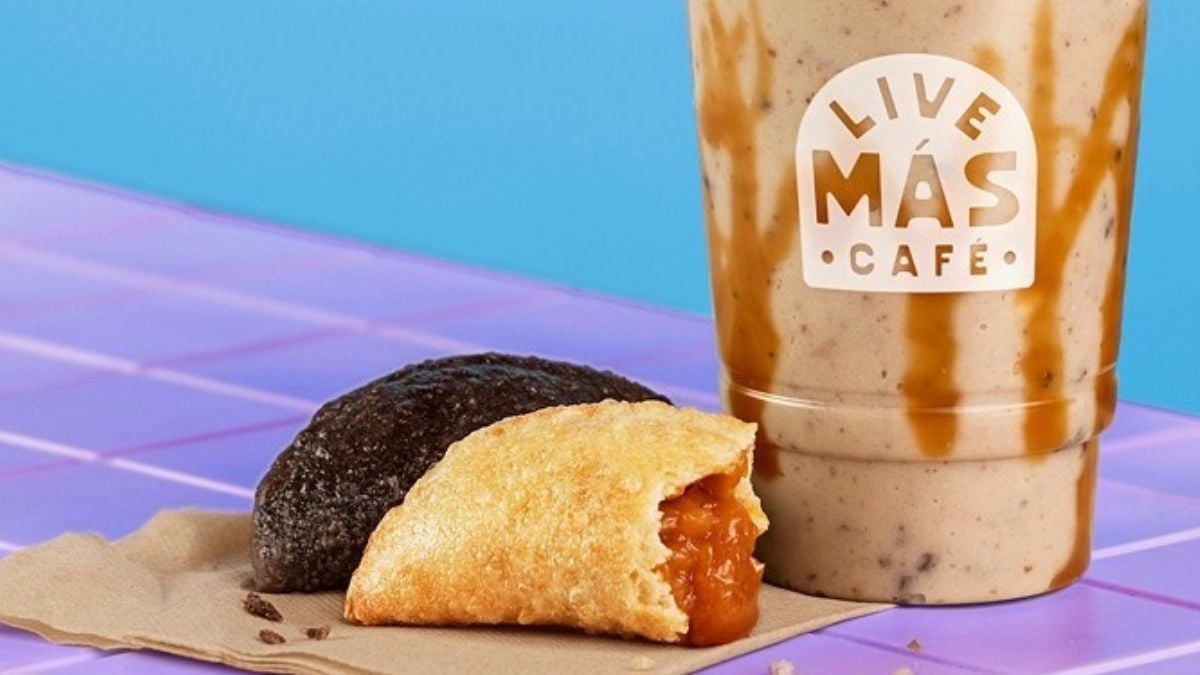
The Chocolate Fudge & Caramel Empanadas officially join Taco Bell’s Luxe Value Menu starting March 19. However, they’re not meant to stay forever. Like many Taco Bell offerings, the dessert is a limited-time release. This creates urgency for fans who don’t want to miss out. Limited-time items are a tactic the brand has used repeatedly to drive excitement and repeat visits.
Taco Bell’s Sales Momentum

The strategy appears to be working. Taco Bell has reported strong same-store sales growth in the United States. In fact, the brand has been outperforming the broader fast-food category by several points. That means more customers are visiting Taco Bell compared with competitors. It’s a sign the chain’s menu and marketing tactics are hitting the mark.
The Power of Limited-Time Hype
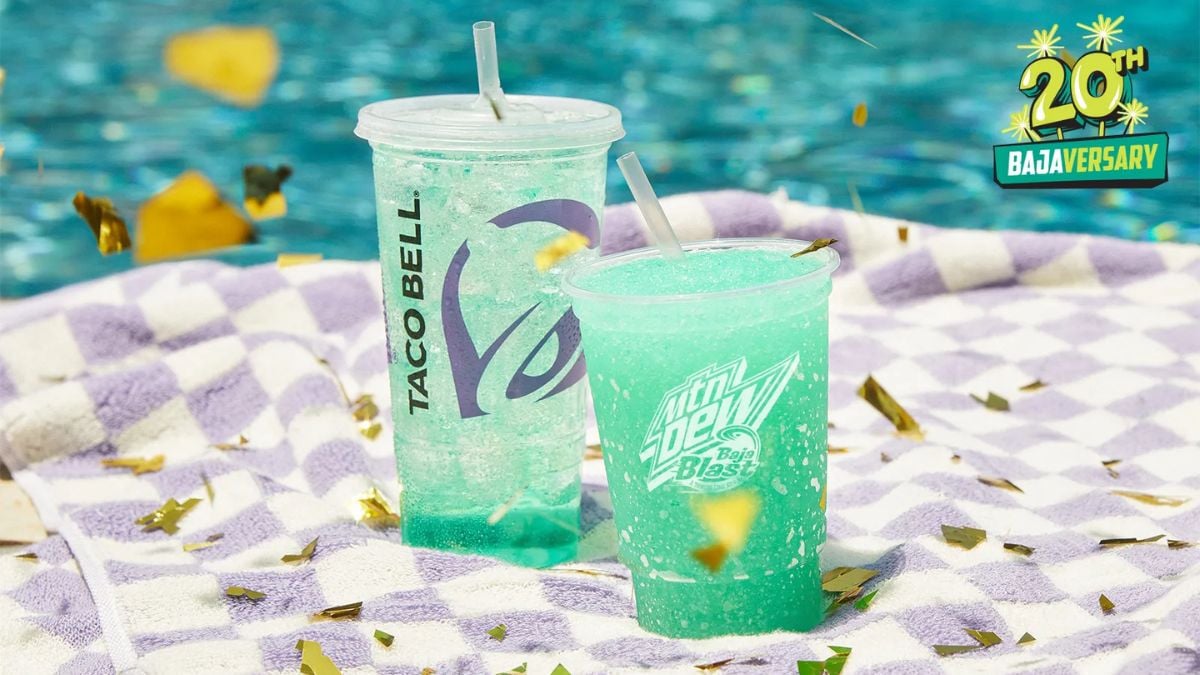
Another reason Taco Bell thrives is its marketing playbook. The brand has become known for clever limited-time promotions that spark curiosity. Campaigns like the “Bajaversary” celebration for Baja Blast have boosted store traffic. These promotions create a sense that something exciting is always happening on the menu. And that keeps fans coming back to see what’s next.
Small Add-Ons, Big Profit Margins

Restaurant operators have long known the power of incremental sales. Drinks and desserts typically cost far less to produce than entrees. Even if the margins aren’t massive on their own, the fact that they’re an extra purchase makes them highly profitable. Fast-food chains benefit even more because their ingredient costs are often lower. Every added item boosts the average check.
The Long-Term Growth Vision
Dessert empanadas aren’t just a random menu tweak. They fit into Taco Bell’s broader growth strategy. The company has ambitious plans for the coming years, including major sales and expansion goals. That includes pushing average U.S. restaurant sales toward $3 million per location. It also plans to grow its international footprint dramatically.
A Bigger Global Future
Taco Bell’s long-term ambitions stretch well beyond the United States. The brand hopes to expand to around 3,000 international locations. That expansion would bring its taco-focused menu to even more markets worldwide. Strong profit margins are key to making that growth sustainable. And upselling menu items plays a major role in achieving those margins.