New federal dietary guidelines are here — and they’re already stirring debate. Under Health and Human Services Secretary Robert F. Kennedy Jr., the latest recommendations put red meat and full-fat dairy back in the spotlight. Supporters call it a reset. Critics warn it could send Americans in the wrong direction on heart health.
Protein at Every Meal

The updated guidance encourages prioritizing protein at every meal — including red meat, poultry, seafood, eggs, and plant-based sources. Officials frame it as a correction to past carbohydrate-heavy messaging. It’s a noticeable departure from earlier advice that emphasized limiting red meat.
Red Meat Makes a Comeback

Red meat is now specifically named as part of a balanced diet. It provides iron, zinc, potassium, B vitamins, and protein. Supporters highlight those nutrients, while skeptics question whether the emphasis may encourage overconsumption.
The Saturated Fat Concern

Many nutrition professionals note red meat can be high in saturated fat. The American Heart Association has long linked saturated fat to increased LDL (“bad”) cholesterol and cardiovascular risk. Critics stress moderation and leaner cuts.
Scientific Report Suggested Scaling Back

The 2025 Scientific Report that informs the guidelines suggested reducing saturated fat sources — including red meat — in favor of plant-based proteins to lower heart disease risk. That contrast fuels concern about the new direction.
Are Americans Already Eating Enough Protein?

Some experts argue protein was never truly “demonized,” noting most Americans already meet or exceed basic protein needs. The new guidance suggests 1.2 to 1.6 grams per kilogram of body weight daily — a target not all specialists believe is necessary for everyone.
The Full-Fat Dairy Debate

The guidelines also ease previous restrictions on dairy fat. Earlier recommendations favored low-fat or fat-free options. Now, the tone is more permissive toward whole milk and full-fat dairy products.
What Dairy Actually Delivers

According to the United States Department of Agriculture, dairy provides calcium, magnesium, potassium, protein, and vitamins A and D. The debate centers less on nutrients and more on saturated fat content.
Industry Influence Raises Questions

Critics point out that some experts involved in shaping recommendations have ties to groups like the National Cattlemen’s Beef Association and the National Dairy Council. Industry praise for the new guidelines has intensified scrutiny. Officials maintain the process was science-driven.
Advocacy Groups Push Back
The nonprofit Physicians Committee for Responsible Medicine filed a complaint urging reconsideration of the guidelines, citing concerns about saturated fat and industry influence. The disagreement underscores how politically charged nutrition policy can become.
Not Everything Changed
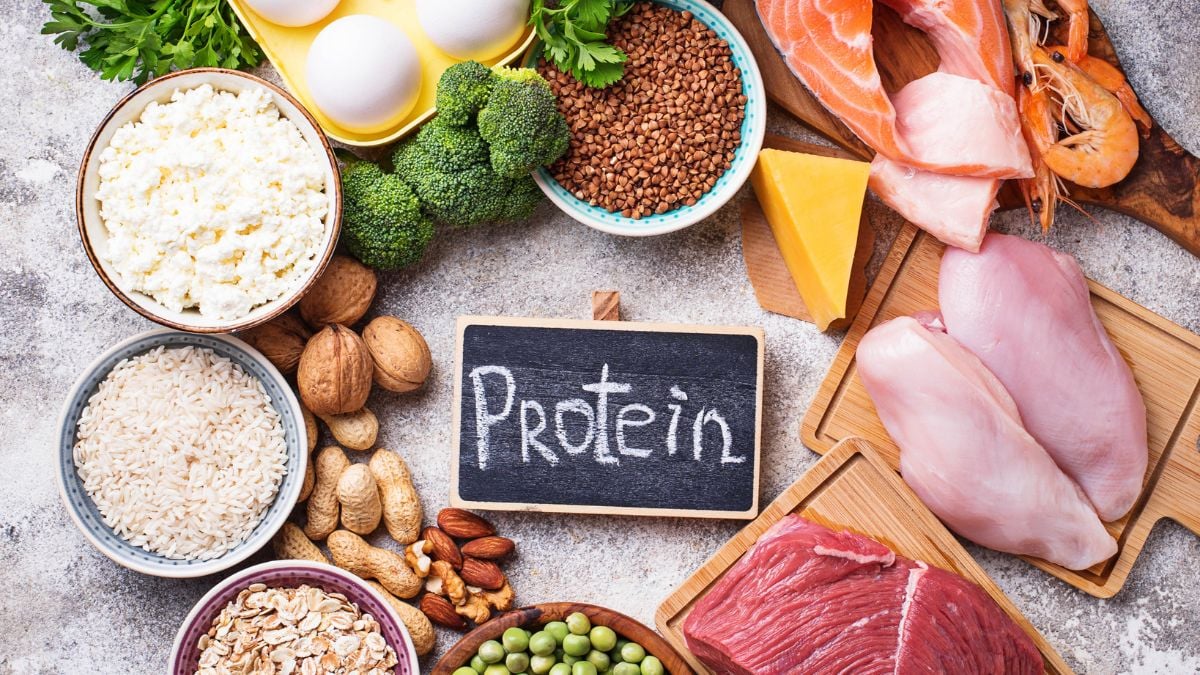
Despite headlines, core recommendations remain: limit ultra-processed foods, reduce added sugars, and prioritize fruits and vegetables. Protein and dairy may dominate discussion, but broader healthy-eating advice still stands.
The Bottom Line on the New Guidelines
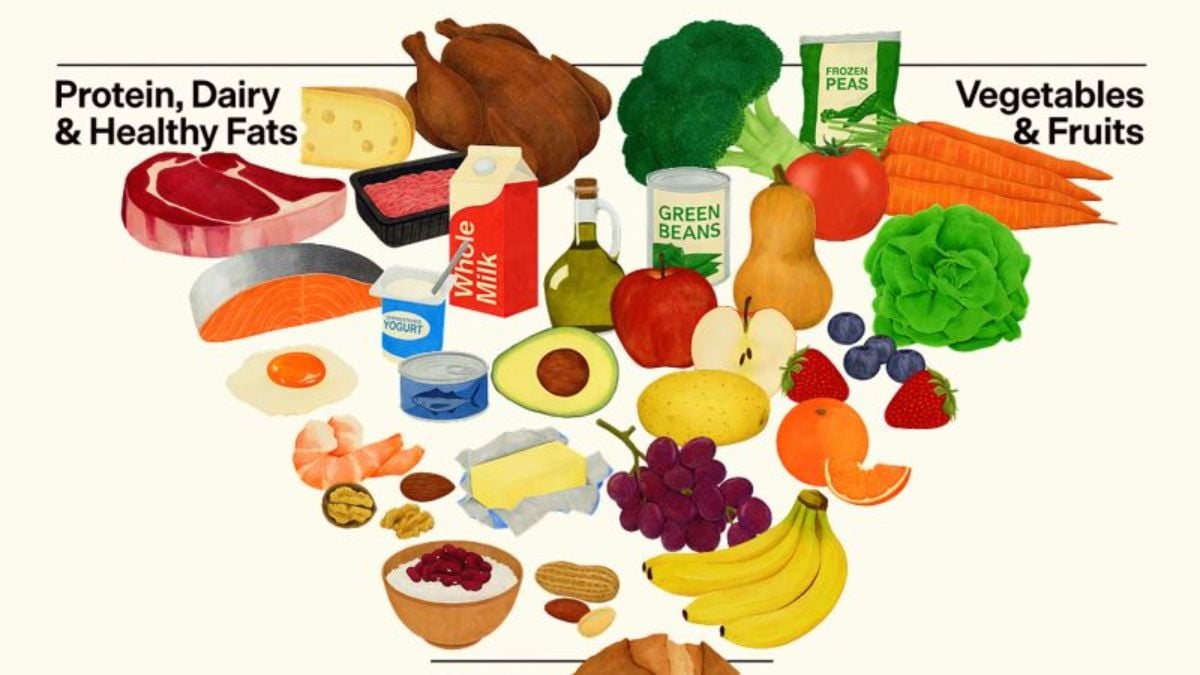
The updated Dietary Guidelines for Americans signal a tonal shift on red meat and full-fat dairy. Supporters see flexibility and evolving science. Critics worry about heart health risks and mixed messaging. As always, personal health needs matter more than any single food trend.