Not long ago, many people thought Red Lobster’s story was over. The seafood chain had filed for bankruptcy, closed restaurants, and become the punchline of industry jokes after a costly promotion gone wrong. Now the brand is trying to stage a comeback—and surprisingly, its biggest marketing tool might be its young CEO. Damola Adamolekun, a 37-year-old turnaround specialist, has become the face of Red Lobster’s revival. His strategy mixes menu fixes, viral social media moments, and a renewed focus on the seafood dishes fans love most. The question now is whether that energy can truly bring the 56-year-old chain back to life.
A CEO Who Became the Story
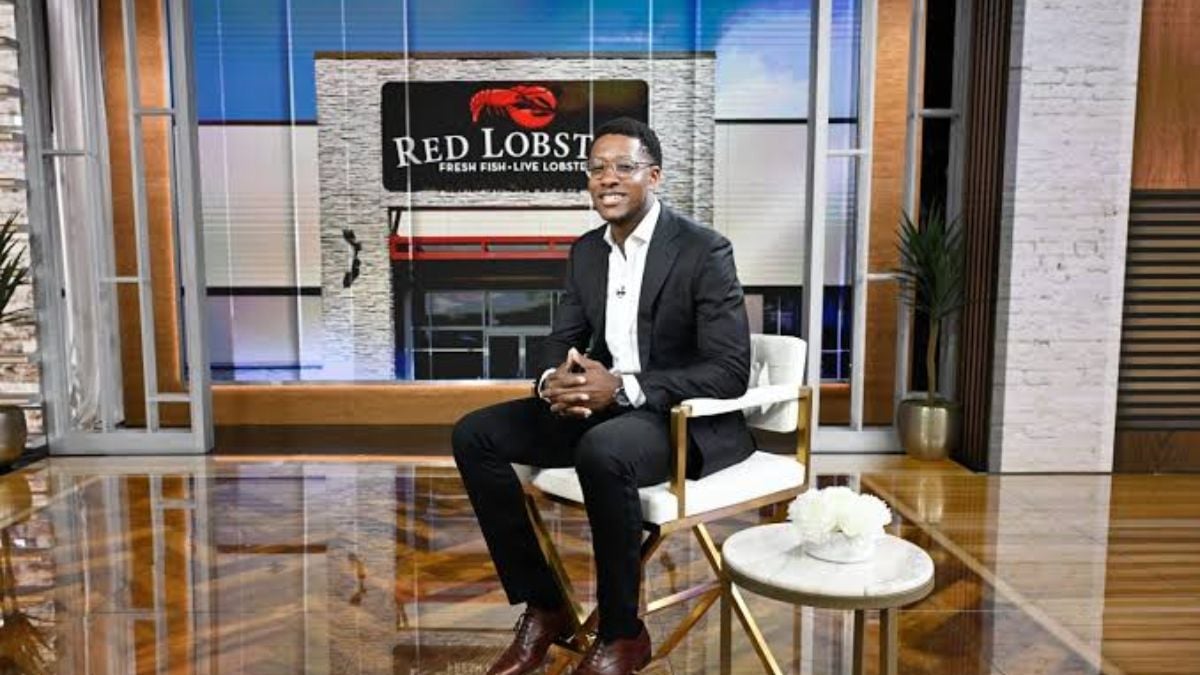
Most restaurant executives stay quietly behind the scenes. Damola Adamolekun has done the opposite. Since becoming CEO in 2024, he has stepped directly into the spotlight as the face of Red Lobster’s comeback. Diners are even visiting the restaurant because they’re curious about his turnaround plan. That kind of attention is unusual in the restaurant world.
Red Lobster Was Nearly Written Off
Before the revival talk began, the chain was struggling badly. Red Lobster filed for bankruptcy in May 2024 with more than $1 billion in debt. Years of ownership changes had created instability and frustrated loyal customers. Some longtime favorites even disappeared from the menu. By the time bankruptcy arrived, many observers assumed the brand’s best days were over.
The Endless Shrimp Disaster
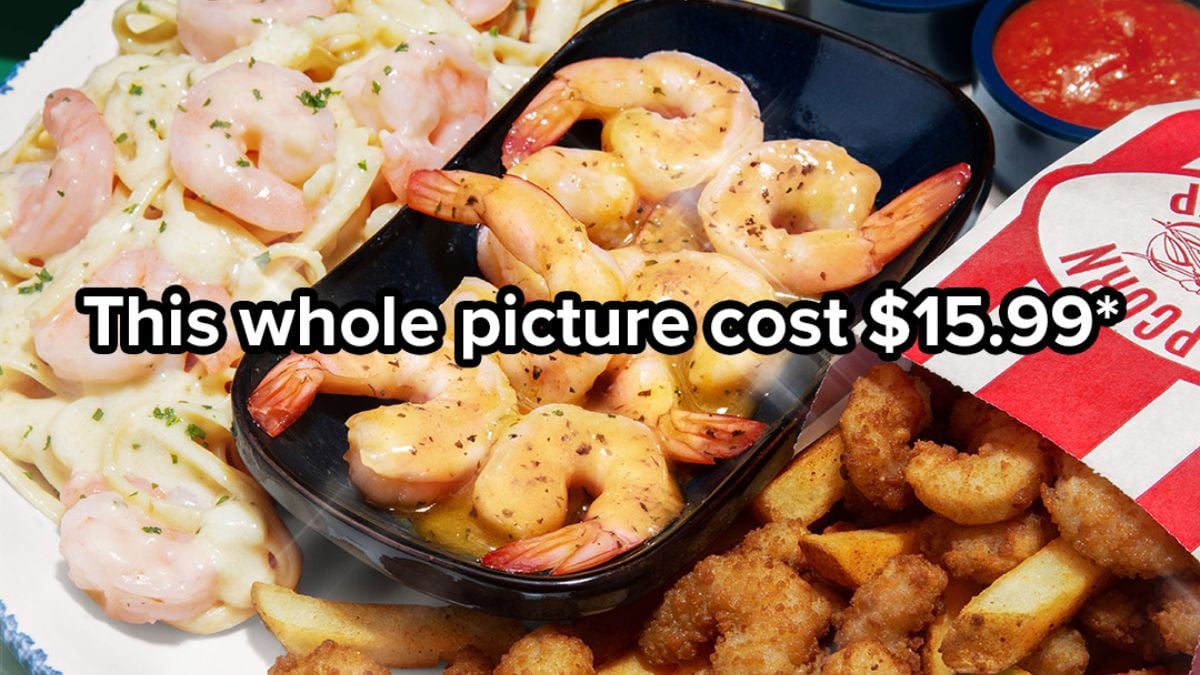
One moment symbolized the company’s struggles more than anything else. A promotion offering endless shrimp turned into a costly miscalculation. Diners stayed for hours and ate far more than expected. In just three months, the promotion reportedly cost the company $11 million. What was meant to bring customers in instead highlighted deeper financial problems.
A Turnaround Specialist Steps In
Adamolekun joined Red Lobster in August 2024 after leading another restaurant turnaround. He previously served as CEO of P.F. Chang’s, where he helped guide the chain through major changes during the pandemic. His success there made him an attractive candidate to lead Red Lobster’s recovery. At just 37, he is among the younger CEOs in the restaurant industry. That unusual background quickly drew attention.
Seafood Boils That Went Viral

One of the biggest surprises came from social media. Red Lobster introduced shake-and-serve seafood boils inspired by a viral trend. Customers received steaming bags packed with seafood to crack open at the table. Videos of diners enjoying the messy, fun experience spread quickly on TikTok. The sudden buzz helped drive new interest in the brand.
Celebrity Moments Boost the Brand
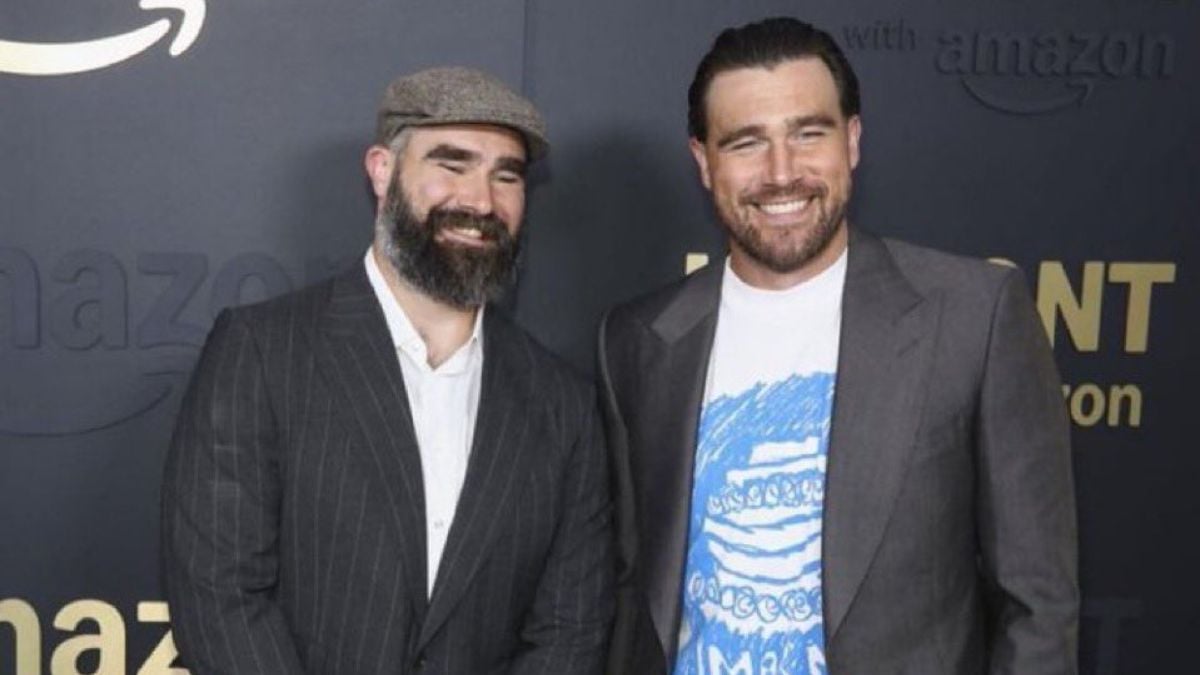
Adamolekun has also leaned into internet culture. When podcast hosts Jason and Travis Kelce joked about lobster being just a “delivery system for butter,” he responded publicly on TikTok with an invitation to visit Red Lobster. The visit never happened, but the exchange generated significant online engagement. Moments like that helped keep the brand in the conversation.
A Listening Tour Across America
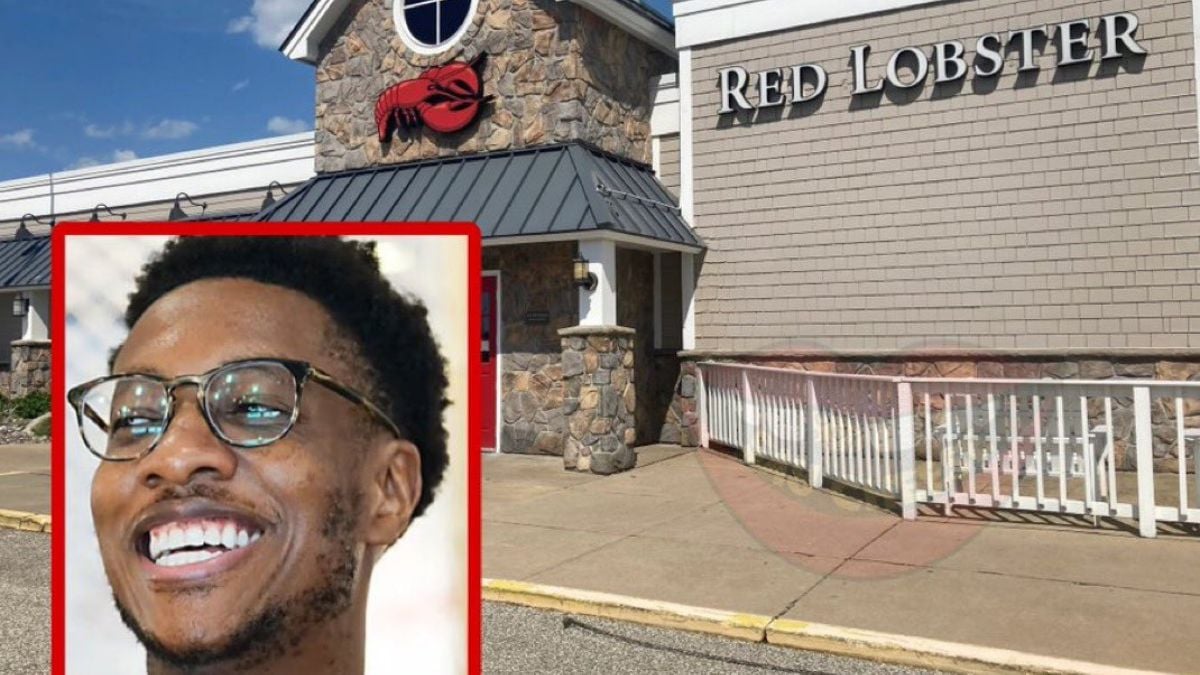
When Adamolekun began evaluating Red Lobster, he didn’t start with a boardroom strategy session. Instead, he visited restaurants across the country to hear directly from employees and customers. The goal was to understand what longtime fans loved—and what had gone wrong. That feedback shaped many of the early changes to the menu and brand identity.
Bringing Back What Fans Loved

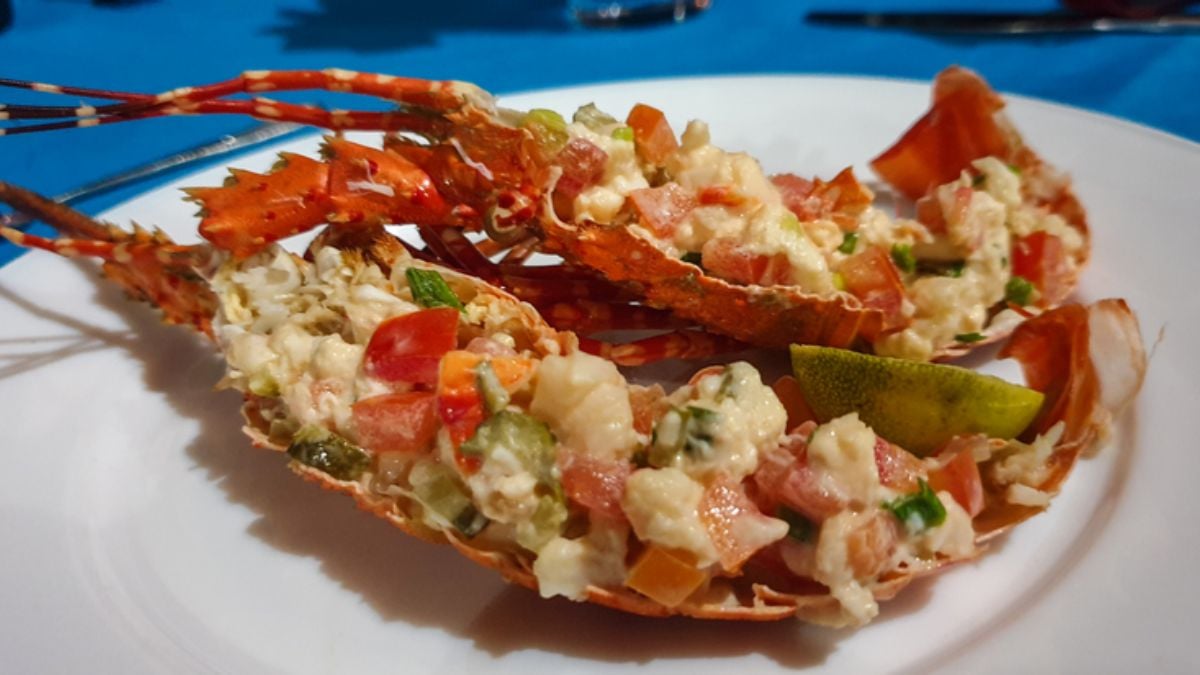
Many of the adjustments focused on restoring trust with loyal diners. Items that had disappeared from the menu were brought back. Classic sauces and recipes were revived. The strategy emphasized returning to the seafood dishes people originally came for. According to Adamolekun, the brand’s core strengths remain lobster, crab, and shrimp.
Signs the Comeback Is Working
Early numbers suggest the strategy may be gaining traction. Data tracking firms reported rising restaurant visits beginning in mid-2024. That marked the first sustained increase in foot traffic in more than a year. Average spending per visit also rose about 10% year over year in 2025. For a brand that had just emerged from bankruptcy, those trends were encouraging.
A Restaurant Makeover Is Coming
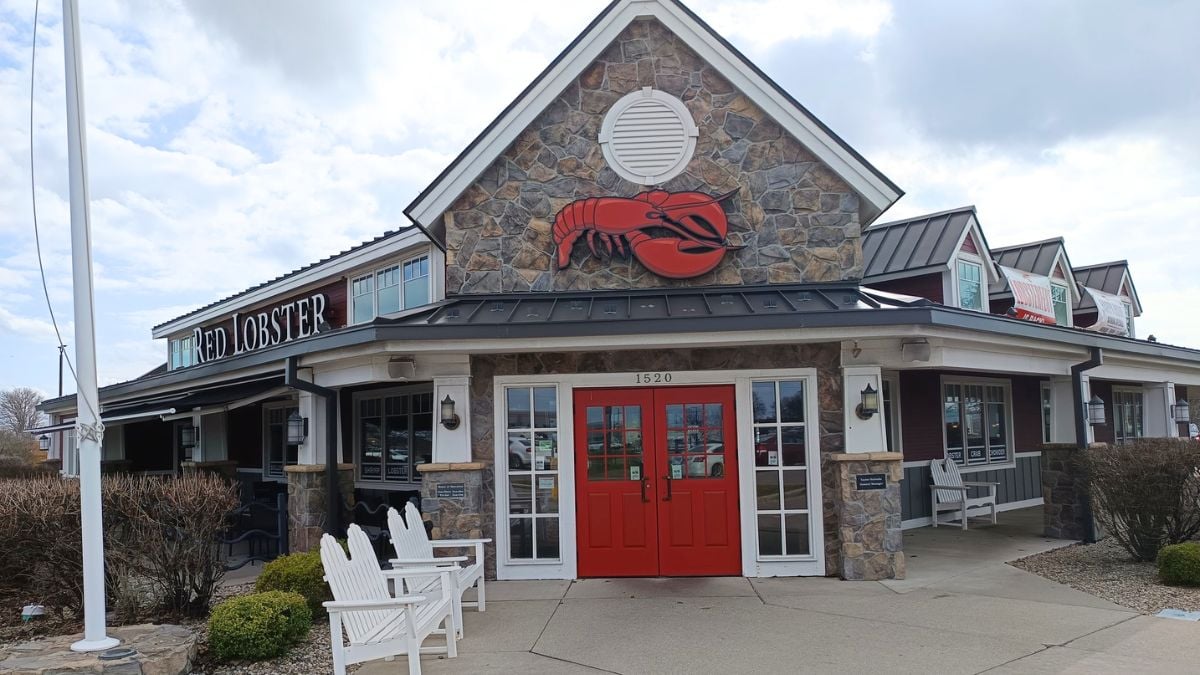
Another major priority is updating the look of the restaurants themselves. Many Red Lobster locations are decades old. Adamolekun has acknowledged that the aging spaces need modern upgrades. Refreshed interiors could help change how customers perceive the brand. For a chain approaching its 60th anniversary, appearances matter.
The Challenges Aren’t Over
Even with positive signs, the road ahead remains difficult. Americans are eating out less frequently than they used to. Meanwhile, food and labor costs have risen roughly 35% over the past five years. Red Lobster may also close additional locations to reduce expenses. The turnaround still faces significant headwinds.
Critics Question the Strategy

Some analysts believe the company’s changes are too cautious. They see the turnaround as more of a cleanup than a full reinvention. That approach might stabilize the business but may not make it stand out in a crowded restaurant market. Others wonder if the company needs a bolder transformation to truly thrive.
A Comeback Tied to One Person
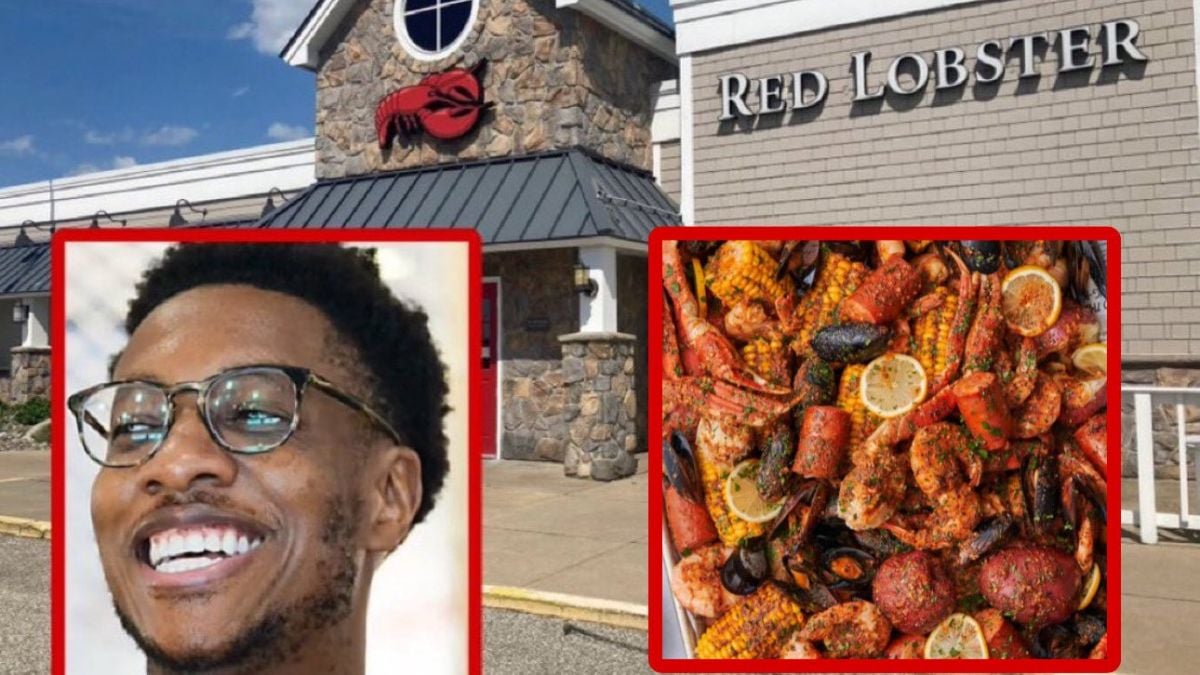
Another risk lies in the company’s reliance on Adamolekun himself. By putting the CEO front and center, the brand’s story has become closely tied to his personal reputation. If he were to leave, the narrative could shift quickly. That’s especially common in private-equity-backed companies where leadership changes happen frequently.
Why Some Diners Are Rooting for Him
For many customers, the comeback story feels personal. Some diners say seeing a young, ambitious CEO leading the revival gives them hope for the brand. Others say representation matters, especially when they see someone who reflects their own background. That emotional connection has helped build enthusiasm around the effort.
The Long Game for Red Lobster
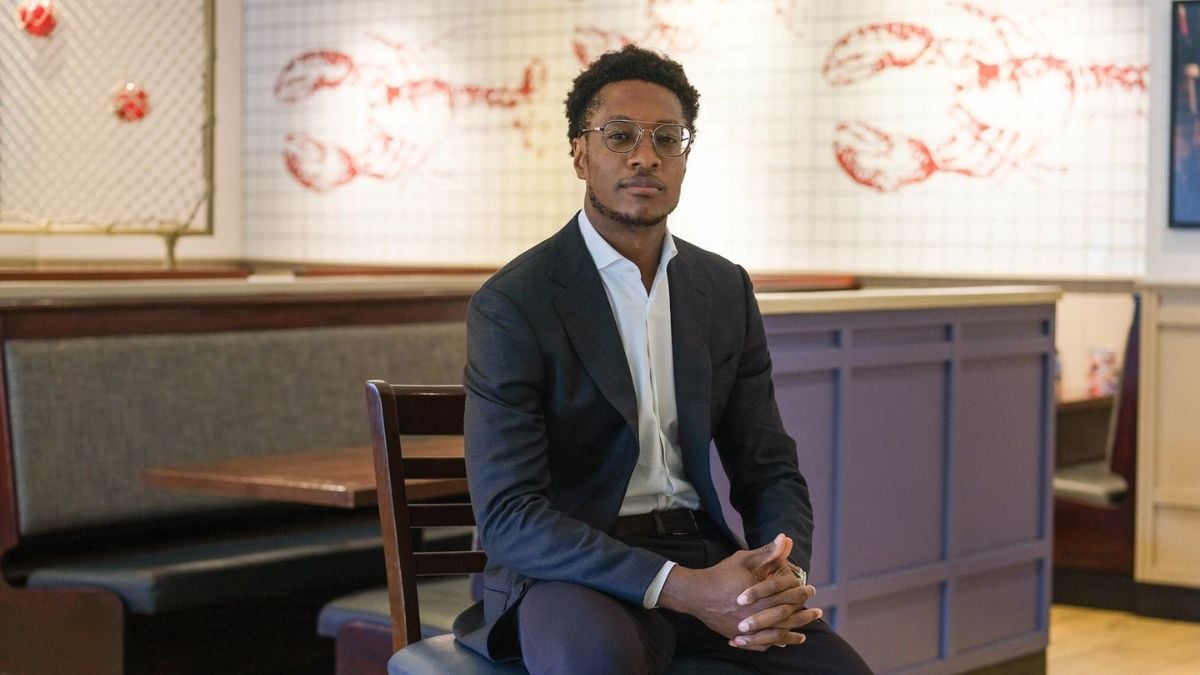
Adamolekun has made it clear he isn’t expecting instant results. The problems that pushed Red Lobster into bankruptcy developed over many years. Fixing them will likely take just as long. His approach focuses on steady improvements rather than overnight transformation. In his view, rebuilding the brand’s reputation is the real goal.