You’ve probably obsessed over what’s on your dinner plate. But what if the bigger issue is when you’re eating it? A growing body of research suggests late dinners may quietly sabotage your metabolism, your sleep, and even your long-term health. Scientists are now looking beyond calories and into the clock. And the timing of your evening meal might matter more than you think.
Your Body Isn’t the Same at Night

Your body runs on an internal clock, and it changes how you process food throughout the day. According to experts in medical chronobiology, the same meal can affect you differently at 6 p.m. than it would at 10 p.m. That’s because your metabolism, hormones, and energy regulation shift as the day winds down. In simple terms, your body handles food better earlier. Late at night, it’s just not as efficient.
The 6 p.m. vs. 10 p.m. Dinner Experiment

In one controlled study, 20 healthy young adults ate identical dinners at two different times: 6 p.m. and 10 p.m. The later meal caused higher blood sugar spikes and reduced fat processing compared to the earlier one. That means the body stored more and regulated less. Same food, same people—different timing, different outcome. The clock clearly made a difference.
Melatonin May Be Working Against You

At night, your body releases melatonin to prepare for sleep. But melatonin doesn’t just make you drowsy—it also appears to interfere with blood sugar control. As levels rise, your body may struggle more to manage glucose after a meal. That can lead to higher and longer-lasting blood sugar spikes. So eating late means you’re working against your own biology.
Late Dinners May Encourage Fat Gain

Lab research shows people feel hungrier and burn fewer calories when they eat dinner later. On top of that, late eating appears to trigger tissue-level changes that promote fat storage. So it’s not just about willpower or portion size. Timing alone may push the body toward weight gain. That’s a tough reality for habitual late-night diners.
The Obesity and Diabetes Connection

Many meal-timing studies happen in tightly controlled labs, but real-world research paints a similar picture. Habitually eating dinner late has been linked to higher risks of obesity and type 2 diabetes. Scientists believe the repeated strain on blood sugar regulation may play a role. Over time, that nightly pattern could add up. It’s not just one late dinner—it’s the habit that matters.
Early Calories, Better Results

On the flip side, people who consume more of their daily calories earlier in the day often see improvements in metabolic health. Some studies even suggest front-loading calories may support weight loss. This flips the typical American pattern, where dinner is often the largest meal. Experts now recommend shifting more calories toward breakfast or midday. Your body seems better prepared to handle them than.
Late Eating Could Disrupt Your Sleep

Meal timing doesn’t just affect your waistline—it may also impact how well you rest. Research suggests people who stop eating after 6 p.m. tend to sleep longer than those who snack until midnight. Digesting food late into the evening may interfere with the body’s natural wind-down process. If you’re struggling with restless nights, your dinner hour might be part of the problem.
A Sobering Link to Early Death

One 2024 study even found a potential connection between late eating and a higher risk of death. While researchers caution that more studies are needed, the findings add weight to existing concerns. When multiple systems—blood sugar, fat storage, sleep—are affected, long-term consequences become more plausible. It’s a reminder that daily habits can carry a serious impact.
So What’s the Ideal Dinner Time?

There’s no single magic minute, but experts agree that avoiding late-night eating is wise. Aiming for dinner between 5 p.m. and 7 p.m. is generally considered a healthy target. It’s also recommended to allow at least two hours—ideally more—between dinner and bedtime. That window gives your body time to digest before melatonin ramps up. Think of it as giving your metabolism a head start.
Dinner Shouldn’t Be the Biggest Meal

Contrary to tradition, research suggests dinner shouldn’t be your largest calorie hit of the day. Experts recommend eating most of your calories earlier, close to when you wake up or around midday. A lighter evening meal may reduce metabolic strain. That doesn’t mean skipping dinner. It just means shifting the balance forward.
What If Life Forces You to Eat Late?

Real life doesn’t always cooperate with ideal schedules. Experts say not to panic over the occasional late dinner. The key is avoiding heavy, oversized meals right before bed. Consistency matters more than perfection. It’s the nightly routine—not the rare exception—that shapes your health.
How to Train Yourself to Eat Earlier
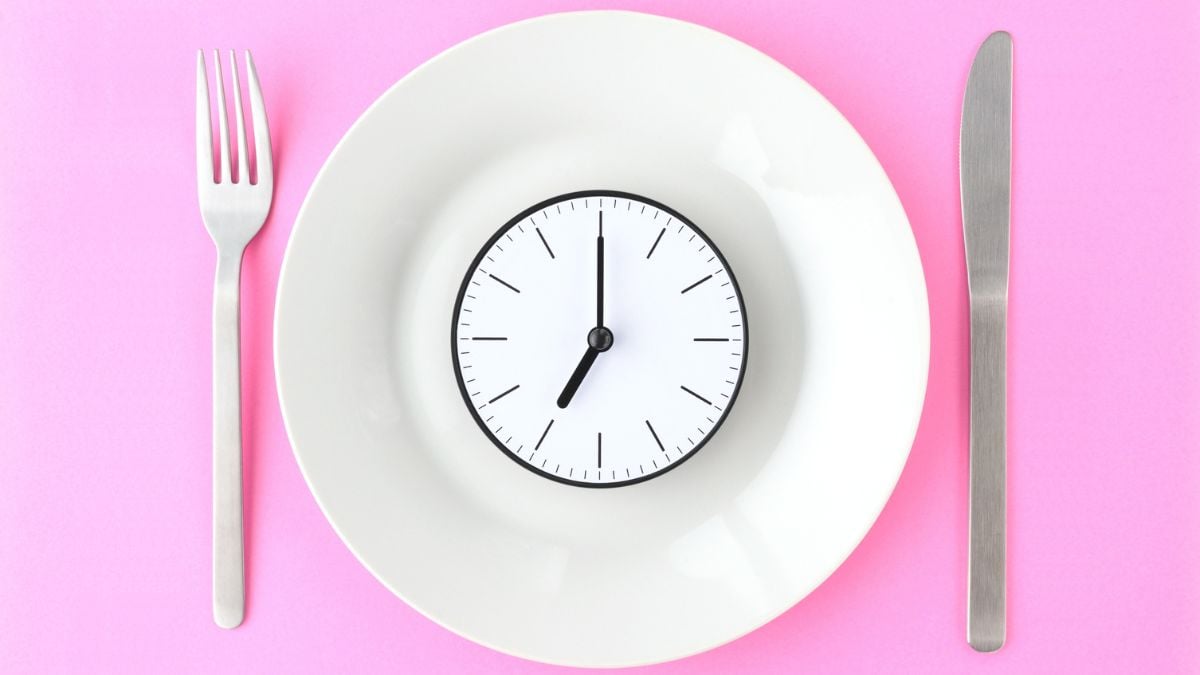
If you’re used to late dinners, change can feel tough. One strategy is to strengthen your earlier meals. Skipping breakfast and rushing through lunch can leave you starving at night. Focus on protein, fiber, and healthy fats earlier in the day to control evening hunger. When daytime meals are balanced, late-night cravings often shrink.
Set a Kitchen “Closing Time”

Some people succeed by setting a firm eating cut-off. Instead of vaguely aiming to eat earlier, they decide the kitchen closes at a specific hour. You can ease into it gradually—start by stopping food 30 minutes before bed, then extend it to an hour or more. Small steps can make the shift sustainable. Meet yourself where you are and build from there.
Your Dinner Clock Might Be the Missing Piece

We’ve long debated carbs versus fats, portion sizes, and calorie counts. But the clock on your wall may deserve just as much attention as what’s on your plate. Research continues to show that earlier dinners support better metabolism, steadier blood sugar, and even improved sleep. You don’t need perfection—just awareness and small adjustments.
Do you eat early, or are you a lifelong late-dinner fan? Share your routine in the comments—and tell us if shifting your dinner time made a difference.