A surprising shift is unfolding across the American restaurant landscape. Several well-known chains are closing locations in 2026 as the industry faces rising costs, changing customer habits, and intensifying competition. Even brands that have been around for decades are trimming their footprints to stay profitable. Some closures are part of planned restructures, while others happened suddenly with little warning. The result is a wave of restaurant shutdowns that could reshape where Americans grab burgers, pizza, and late-night comfort food.
Pizza Hut Shrinks Its U.S. Footprint
Pizza Hut is also scaling back, with plans to close about 250 U.S. locations in early 2026. The closures target underperforming restaurants as the brand faces increased competition in the pizza market. Same-store sales have struggled, with several quarters of declines. Parent company Yum! Brands has even explored the possibility of selling the chain. The move signals a major shift for a brand that once dominated the American pizza scene.
Noodles & Company Continues Downsizing
Noodles & Company is also trimming its restaurant network. The fast-casual chain expects to close between 30 and 35 locations in 2026. Leaders say the decision is meant to strengthen profitability and focus on stronger-performing restaurants. The company already reduced its footprint the previous year with dozens of closures. Executives believe concentrating resources on high-potential locations will improve long-term financial stability.
Wendy’s Plans Hundreds of Closures in 2026
Wendy’s is preparing one of the biggest shutdowns on the list. The chain plans to close roughly 5% to 6% of its U.S. restaurants in the first half of 2026, which could result in between 298 and 358 locations closing. The move comes after declining sales and profits in the United States. Despite the closures, the company says the strategy is about strengthening the brand for the future. Executives say the goal is to build a stronger foundation for long-term growth.
Denny’s Sees Unexpected Restaurant Shutdowns
Denny’s finished a large closure plan in 2025, shutting down 150 restaurants. But some additional locations have reportedly closed in early 2026 without advance notice. Reports mention shutdowns in cities such as Grand Rapids, Kalamazoo, and Midland. The company has not confirmed whether more closures are coming this year. These changes arrived during a major corporate transition that included a $620 million acquisition and leadership changes.
Jack in the Box Launches a Turnaround Strategy
Jack in the Box is planning to close between 50 and 100 restaurants this year. The decision is part of its broader “Jack on Track” turnaround plan aimed at improving financial performance. The company has already taken major steps, including selling the Del Taco brand. Same-store sales dropped significantly in early fiscal 2026, prompting the need for a reset. Executives say the focus now is innovation, improved service, and stronger restaurant locations.
Papa John’s Trims Older, Struggling Locations
Papa John’s is preparing to close about 200 restaurants in 2026. Most of the affected stores are older franchise locations that have been operating for more than a decade. Company leaders say many of these restaurants no longer show strong long-term profitability. The closures are part of a bigger plan to shut down around 300 underperforming stores by 2027. The company says the effort will help streamline operations and strengthen its overall strategy.
Red Robin Quietly Closes Restaurants
Red Robin has already shuttered several restaurants across the country. Locations in states such as Illinois, California, and New Jersey have closed suddenly, catching some customers off guard. The company previously announced a plan to close underperforming restaurants to reduce debt. However, stronger-than-expected turnaround efforts at some locations may limit the total number of closures. Executives say new value menu deals have helped boost customer traffic.
Rising Costs Are Pressuring Restaurant Chains
Many of these closures stem from the same economic pressures. Inflation, rising labor costs, and shifting customer preferences have created a difficult environment for restaurants. Even popular chains are struggling to maintain consistent profits across all locations. The result is a push to eliminate weaker restaurants while strengthening more successful ones. Industry analysts say this kind of consolidation may continue in the coming years.
Menu Innovation May Be the Real Survival Strategy
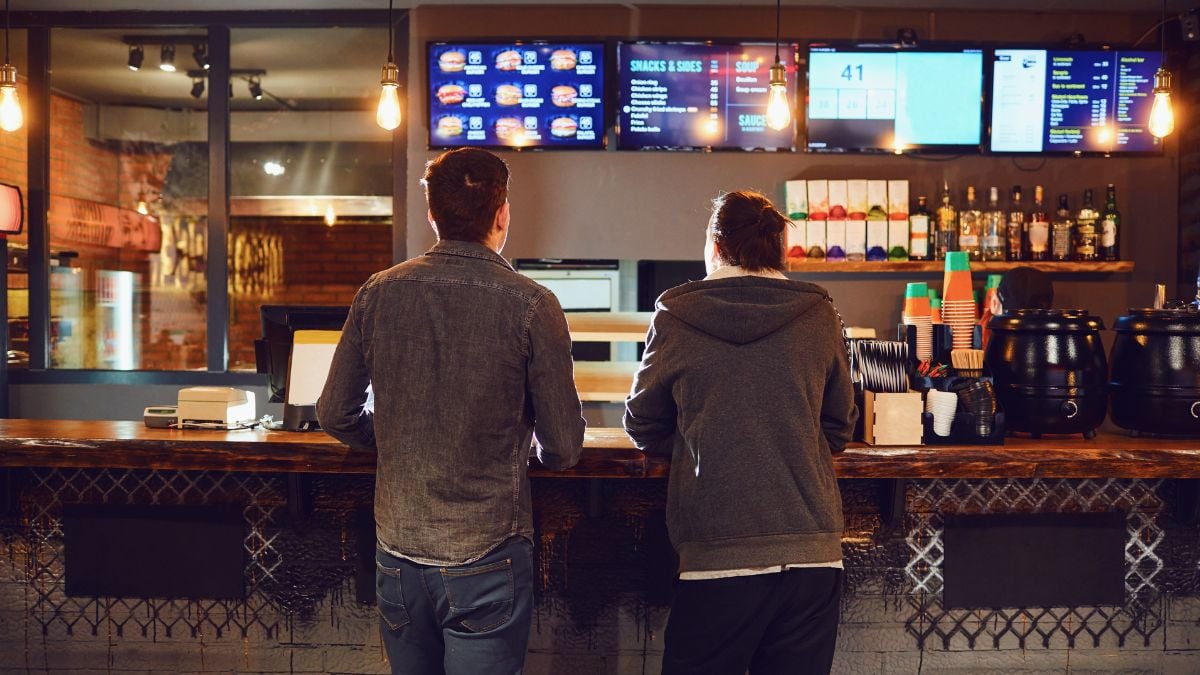
Experts say value meals alone may not be enough to turn things around. Restaurant chains often see stronger customer response when they introduce new menu items or creative marketing campaigns. Innovation can generate excitement and bring customers back through the door. Companies that fail to adapt risk losing ground to competitors. For many brands, refreshing the menu may be just as important as cutting costs.
Not All News Is Bad for These Brands

Despite the closures, some chains are seeing positive signs. Wendy’s, for example, reported stronger international sales even as U.S. numbers slipped. Pizza Hut has also seen modest growth in global same-store sales. Red Robin reported encouraging traffic gains tied to its new value menu. These signals suggest that many companies are adjusting rather than collapsing. The closures are often part of a larger reset strategy.
The Fast-Food Landscape Is Changing

The wave of restaurant closures highlights a major shift in the dining industry. Chains are becoming more selective about where they operate and which locations remain profitable. Some older restaurants are being replaced with newer, more efficient concepts. Others are disappearing entirely as companies streamline their operations. For customers, that means the local fast-food lineup could look very different in the near future.
The Restaurant Industry’s Big Reset

The closures happening across major chains show how dramatically the restaurant industry is evolving. From burger giants to pizza staples, brands are reshaping their footprints to stay competitive. While hundreds of locations may disappear, many companies believe the changes will ultimately make them stronger. For customers, it may mean saying goodbye to some familiar spots while discovering new ones. Did your favorite chain make the list—or have you already seen a location close to you? Share your experience in the comments.