Bologna might bring back simple lunchbox memories, but what’s actually inside those slices can vary wildly. This classic deli meat has roots stretching back centuries, yet today’s versions range from high-quality to heavily processed. Some brands focus on cleaner ingredients and traditional methods, while others rely on additives, preservatives, and fillers. If you’re paying closer attention to what you eat, the difference matters more than you think. Here’s a closer look at which bologna brands stand out—and which ones might not deserve a spot in your sandwich.
Classic Bologna Isn’t Always What It Seems
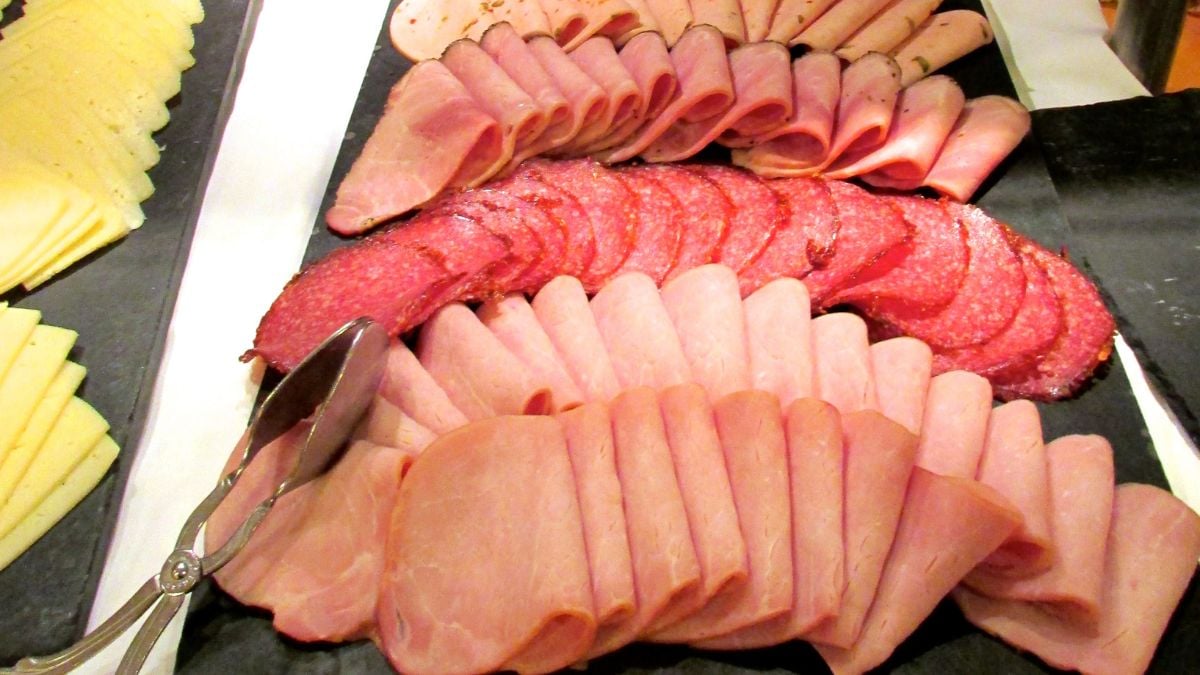
Bologna may look simple, but it’s far from uniform. At its core, it’s a seasoned sausage made from finely processed meat. The quality depends heavily on the ingredients and how it’s made. Some versions stick to traditional methods, while others lean on shortcuts. That’s why two slices from different brands can taste—and impact your health—very differently.
Why Ingredients Matter More Than Nostalgia
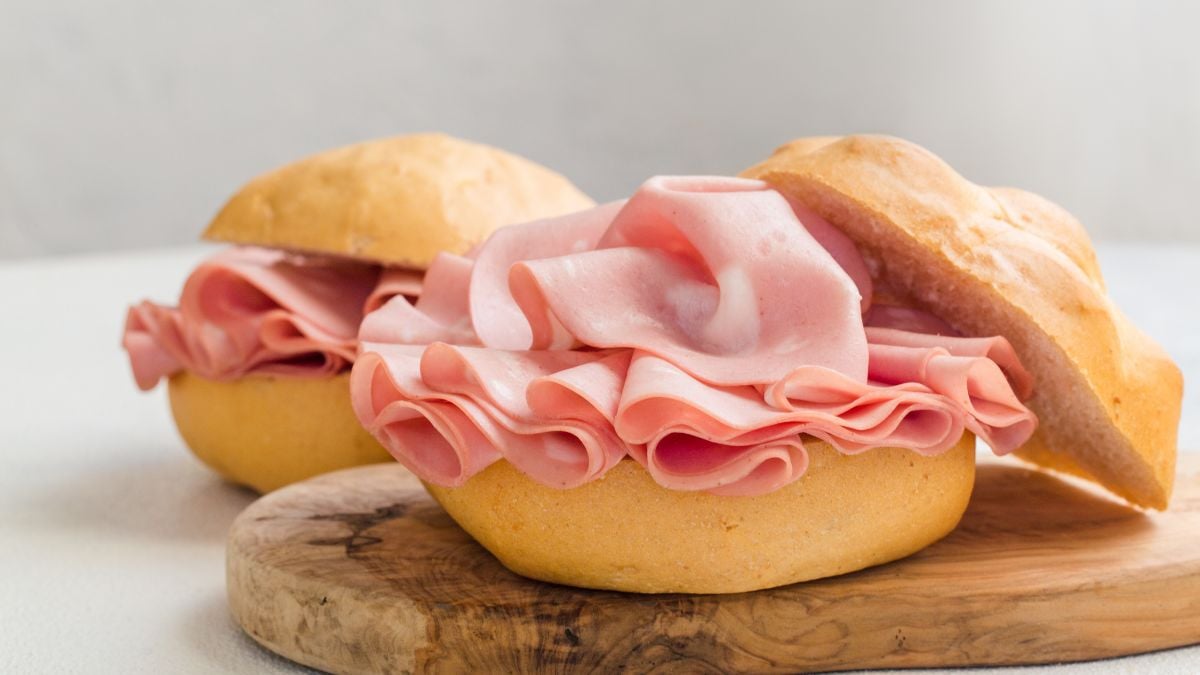
It’s easy to associate bologna with childhood lunches, but modern labels tell a different story. Many brands include high sodium levels, preservatives, and saturated fats. These ingredients can add up quickly if you eat them often. Even small differences between brands can make a big impact over time. Looking past nostalgia is key when choosing better options.
This Popular Brand Raises Red Flags
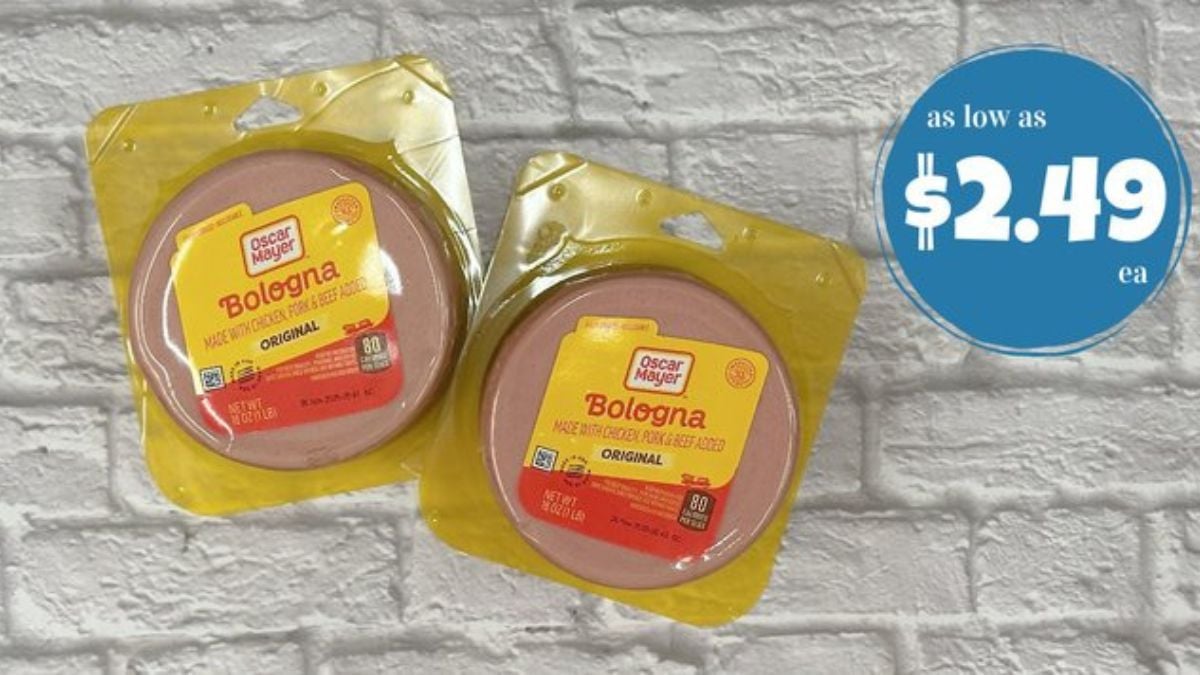
Oscar Mayer remains one of the most recognizable names in bologna. However, its ingredient list includes preservatives like sodium nitrite. Some studies have linked these additives to potential health risks. It also contains corn syrup and a high percentage of calories from fat. For many shoppers, that combination is enough to pause before buying.
Mechanically Separated Meat Explained
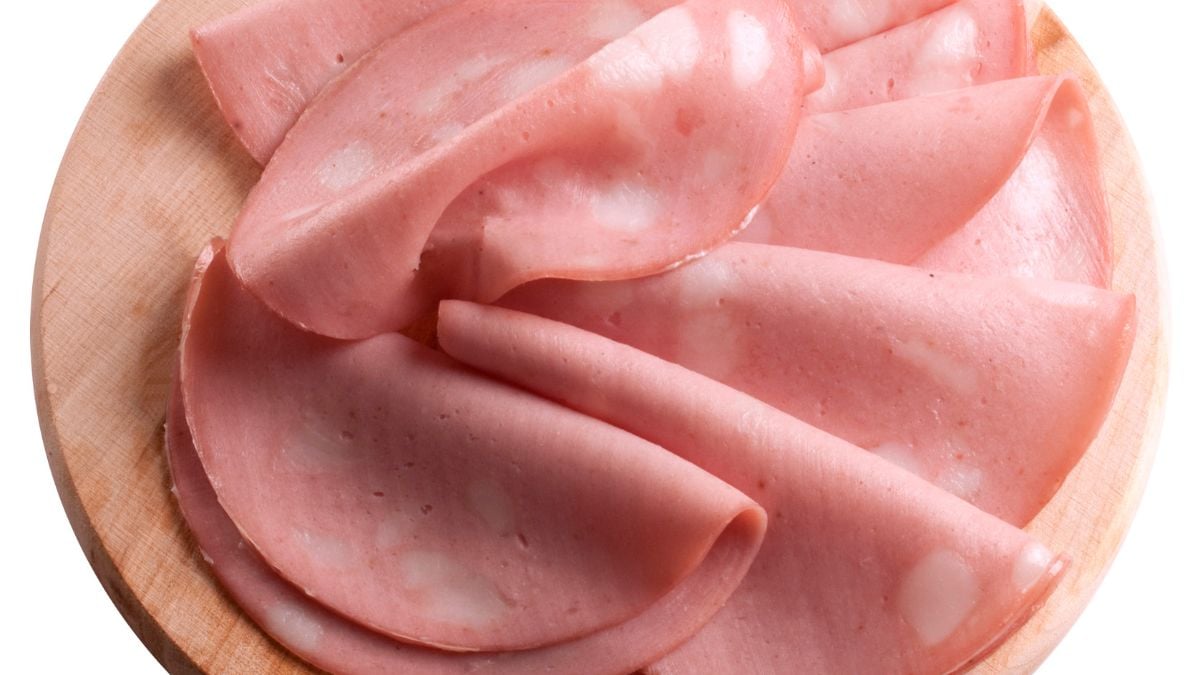
Some lower-cost bologna relies on mechanically separated chicken. This process involves forcing cooked meat through a screen under pressure. The result is a paste that includes small bits of meat and fat. While it’s considered safe, it’s not exactly appetizing to think about. Brands using this method often prioritize cost over quality.
One Budget Brand Comes With Trade-Offs
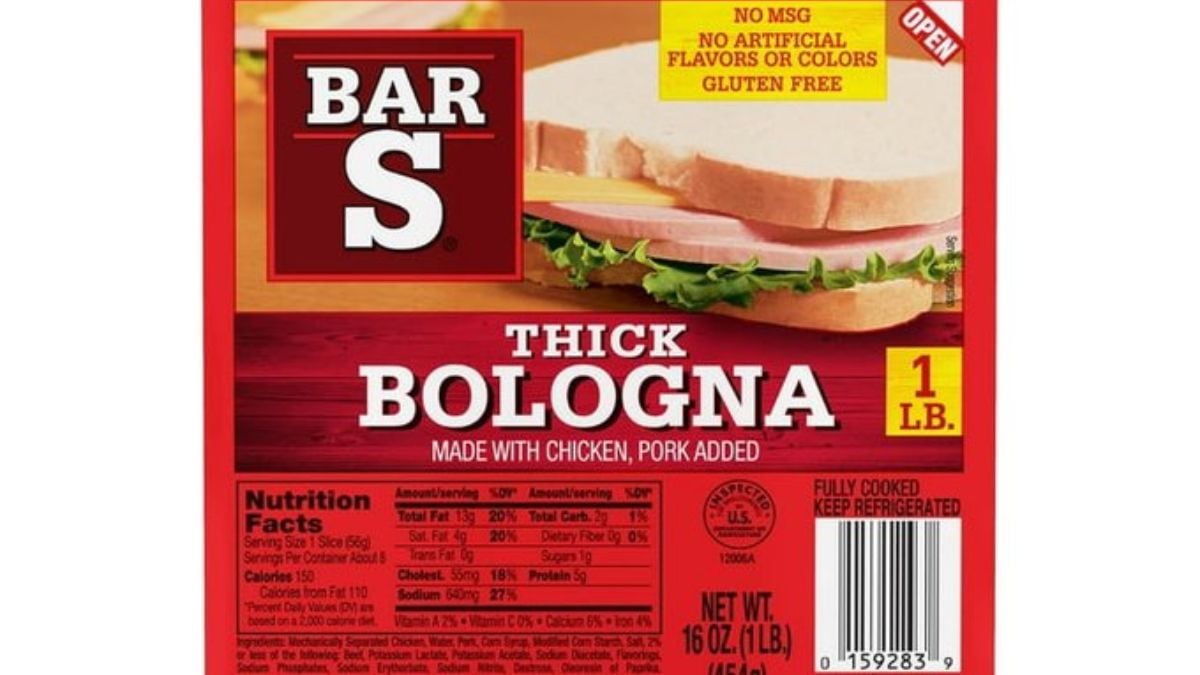
Bar-S Thick Bologna is a clear example of budget-focused production. It includes added sugars like corn syrup and dextrose. The product also contains multiple preservatives and vague “flavorings.” These ingredients can affect both nutrition and transparency. It’s a reminder that cheaper options often come with compromises.
Sodium Levels Can Add Up Fast
Salt is a major concern across many bologna brands. Some slices contain hundreds of milligrams of sodium each. Eating just a few slices can push you close to your daily limit. High sodium intake is linked to blood pressure and heart risks. Not all brands are equal, so checking labels makes a difference.
One Brand Packs Shockingly High Sodium
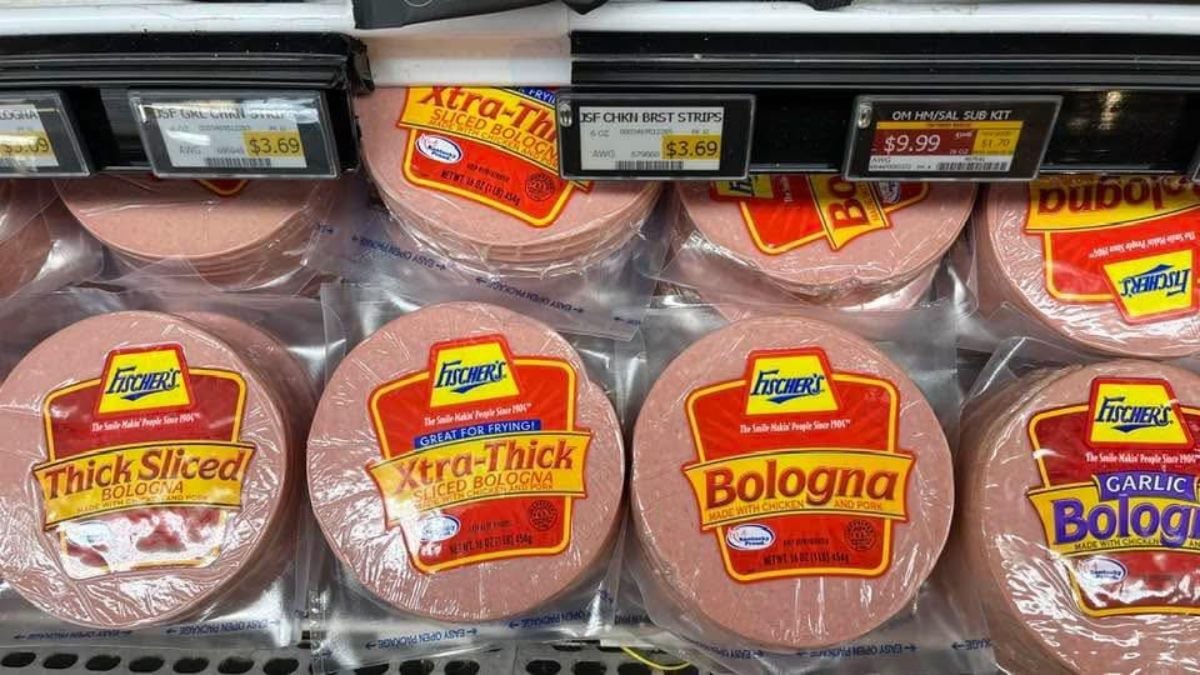
Fischer’s Thick Sliced Bologna stands out for its salt content. A single slice delivers a significant amount of sodium. Eating two slices can exceed half of the recommended daily intake. It also includes multiple sodium-based preservatives. For those watching salt, it’s a tough sell.
Store Brands Aren’t Always the Best Deal
Great Value Beef Bologna may look like a bargain at first glance. However, it includes trans fats, which are widely considered harmful. It also relies on several preservatives and additives. While it’s low in sugar, the fat content tells another story. Value doesn’t always equal quality.
Get the Recipe: Store Brands Aren’t Always the Best Deal
Some Brands Stick to Simpler Ingredients
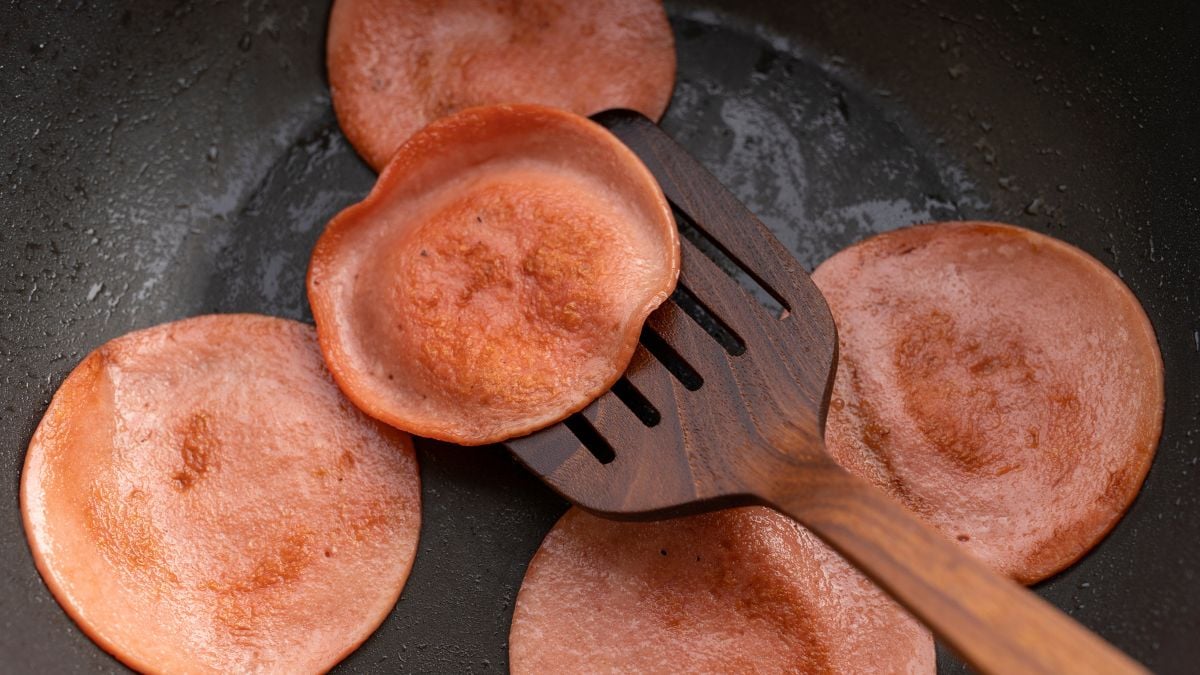
On the other end of the spectrum, certain brands aim for cleaner labels. 365 by Whole Foods Market Uncured Beef Bologna uses more natural ingredients. Instead of synthetic preservatives, it relies on alternatives like celery powder. While still high in sodium, it avoids many common additives. It’s a step toward a more mindful choice.
Old-School Methods Still Make a Difference
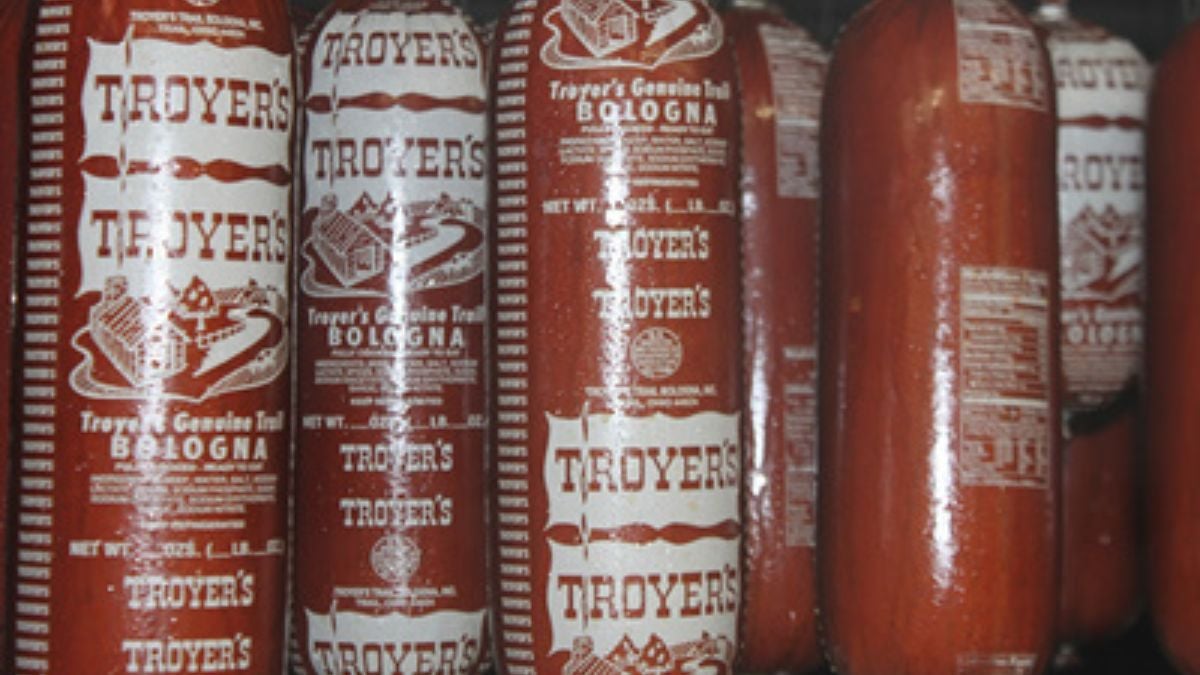
Troyer’s Genuine Trail Bologna takes a traditional approach. The company focuses on natural ingredients and avoids fillers. Its products are made in smaller batches, preserving a more classic style. While not completely free of preservatives, the overall quality stands out. It’s closer to how bologna was originally made.
Lower Sodium Options Do Exist
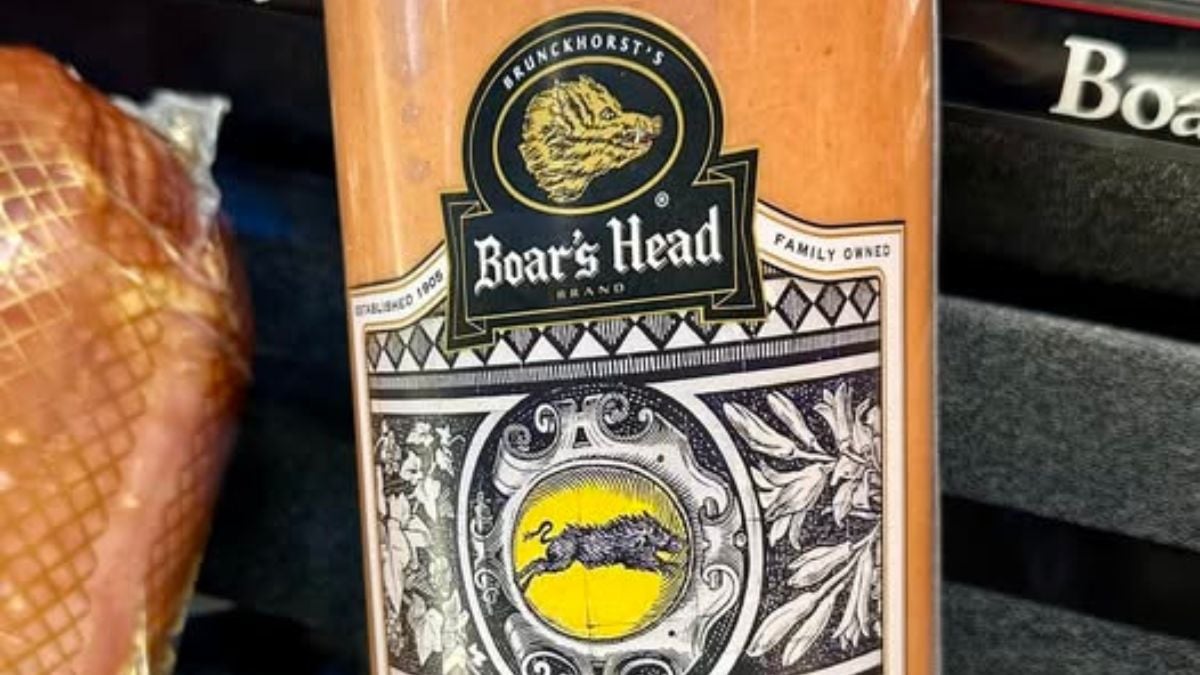
Boar’s Head offers a reduced-sodium version of its bologna. It still contains some preservatives, but avoids fillers and artificial colors. The lower sodium content makes it a better option compared to many competitors. That said, it’s not exactly low-sodium overall. It’s more of a middle-ground choice.
A Different Take on Traditional Bologna
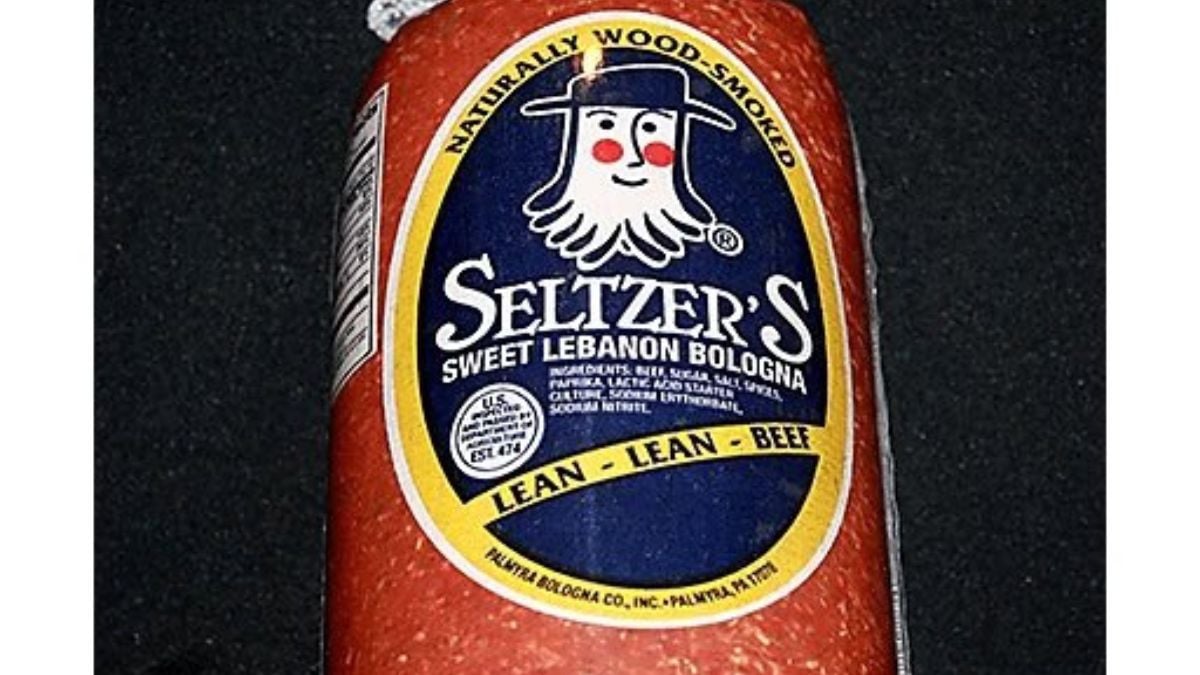
Seltzer’s Lebanon Bologna looks and tastes different from standard versions. It has a smoky flavor created through wood-fire smoking. The fat content is lower than many typical bolognas. Its texture and appearance also set it apart. This version offers a more artisanal feel.
Plant-Based Bologna Is Gaining Attention
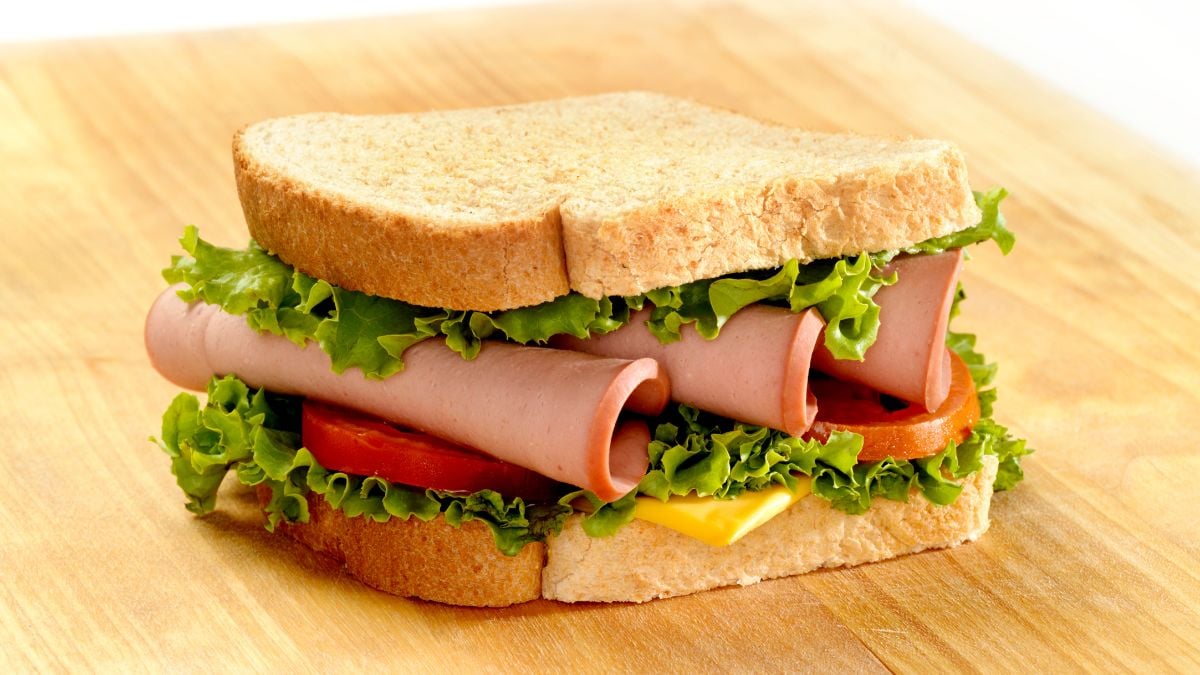
For those avoiding meat entirely, Yves Veggie Cuisine offers a vegan alternative. These slices are low in fat and contain no cholesterol. They’re also enriched with vitamins and minerals. While not suitable for everyone due to soy or gluten, they check many “healthy” boxes. It’s a modern twist on a classic product.
Preservatives Are a Common Concern
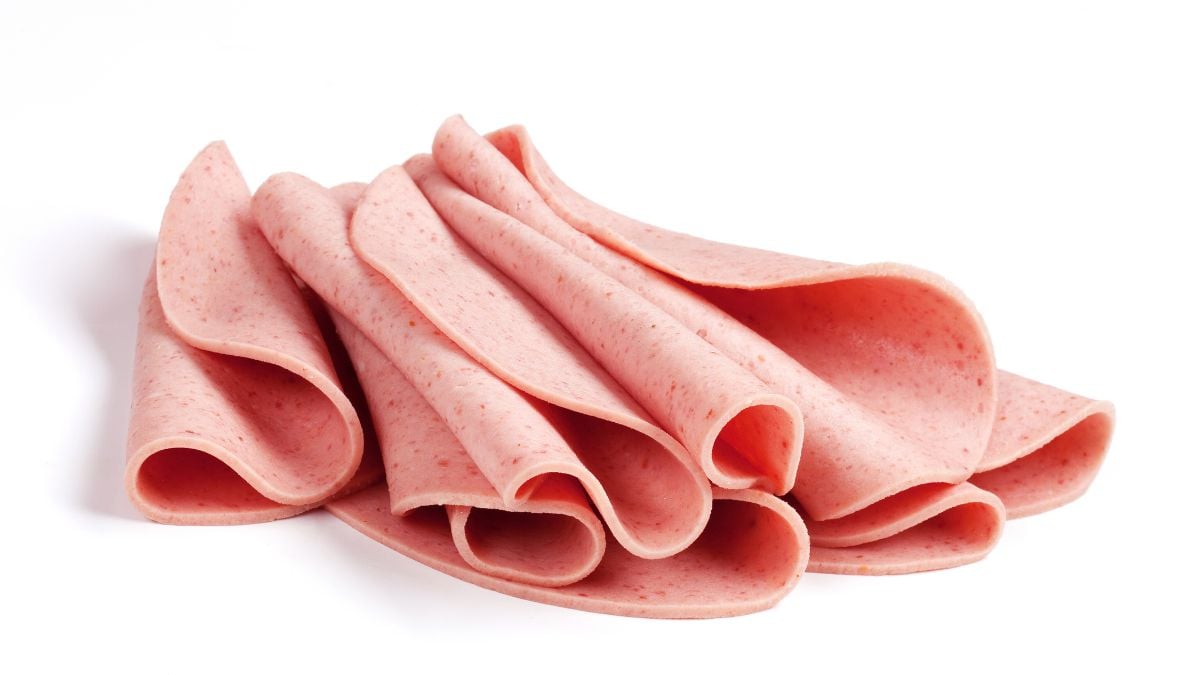
Many bologna brands rely on preservatives to extend shelf life. Ingredients like sodium nitrite and sodium phosphate are widely used. While approved for consumption, they’ve been linked to health concerns in higher amounts. These additives also contribute to sodium levels. Choosing brands with fewer additives can make a difference.
Not All Bologna Is Created Equal
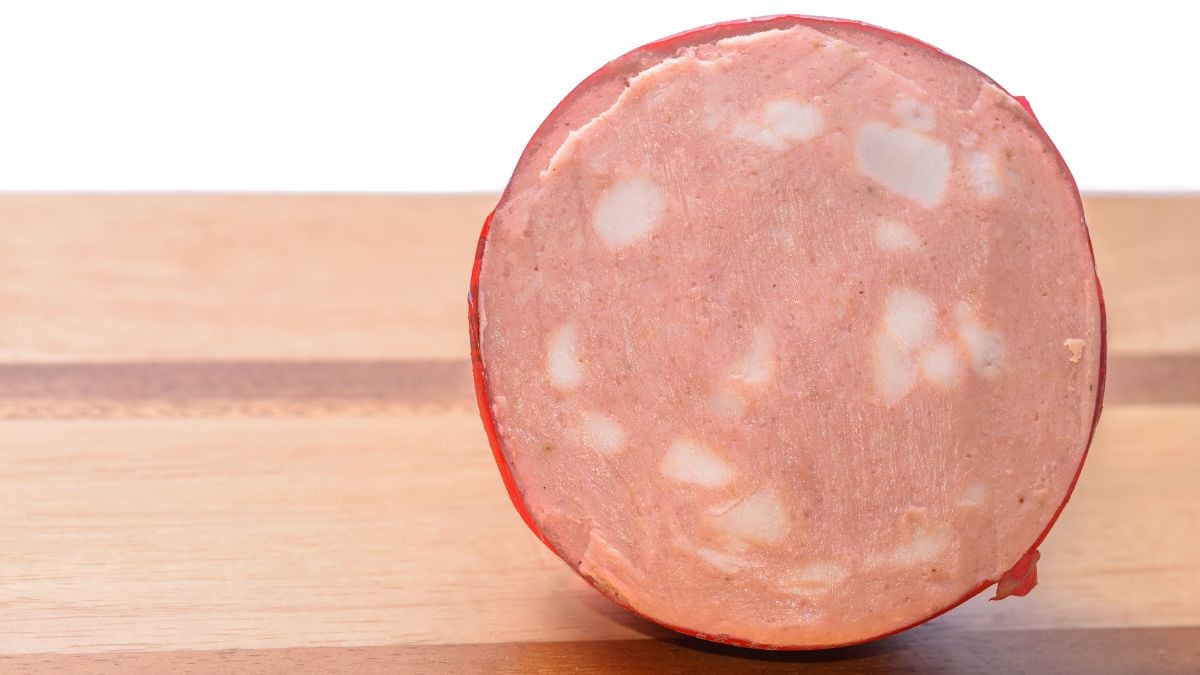
Even within the same category, quality varies widely. Some brands prioritize cost and shelf life, while others focus on ingredients. This leads to big differences in nutrition and taste. Paying attention to labels helps you make a smarter choice. A little awareness goes a long way.
What’s Really Worth Putting in Your Sandwich?
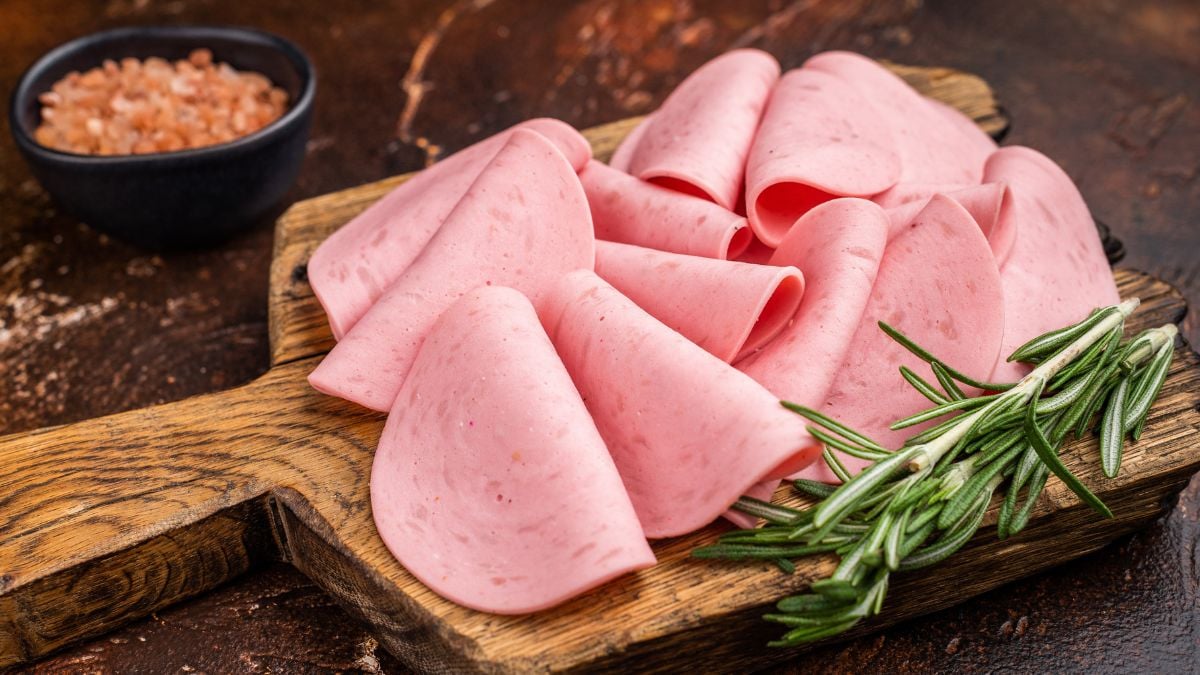
Bologna isn’t off-limits—but not all options are created equal. Some brands offer cleaner ingredients and better quality, while others rely heavily on additives and fillers. The key is knowing what to look for and deciding what matters most to you. Whether you’re chasing nostalgia or making healthier choices, there’s a version that fits your needs. Which bologna brand do you actually trust—or avoid completely? Share your thoughts, and let’s compare picks.