Food delivery apps make it seem like everyone is ordering dinner with a tap. But the reality looks very different when you dig into the numbers. A new survey shows that most Americans still rely heavily on home cooking rather than delivery or takeout. In fact, many people cook multiple times every week and rarely order food to their door. Age, income, and where you live all play a role in how often delivery shows up on the dinner table. The results reveal a surprising truth about how Americans actually eat today.
Cooking Still Dominates American Kitchens
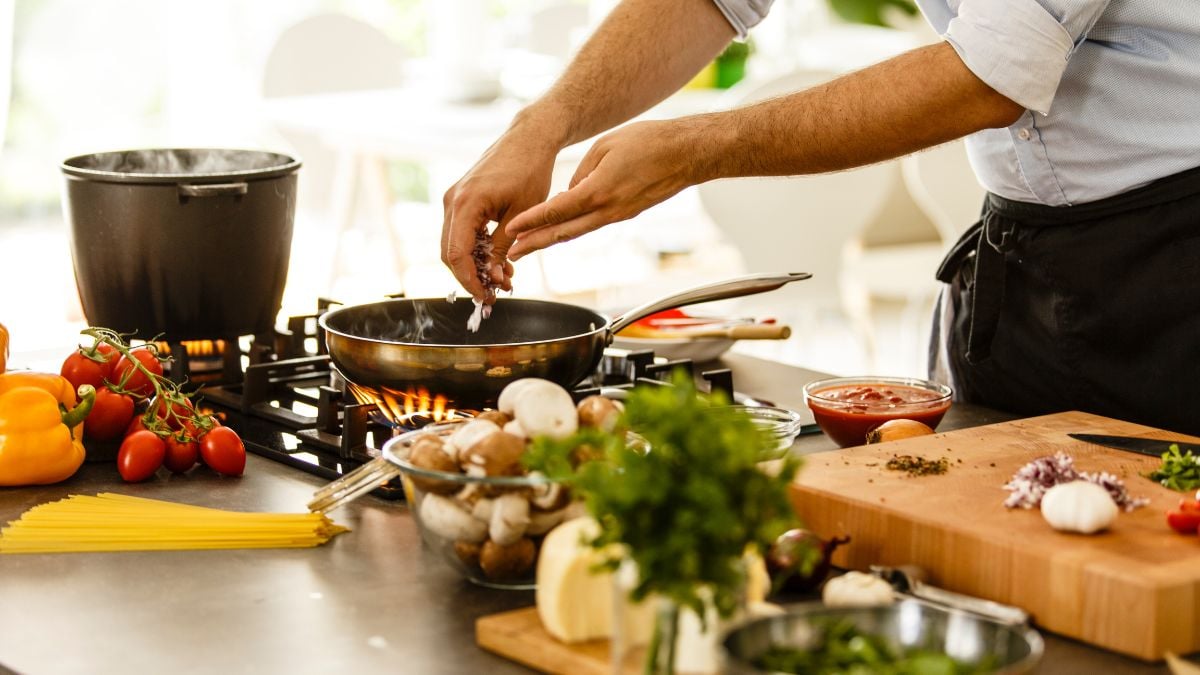
Despite the popularity of delivery apps, cooking remains a major part of everyday life. About three-quarters of Americans say they cook at least a few times each week. That means preparing meals at home is still the norm for most households. Very few people completely avoid cooking. In fact, only a tiny percentage say they never cook at all.
The Myth of Constant Food Delivery
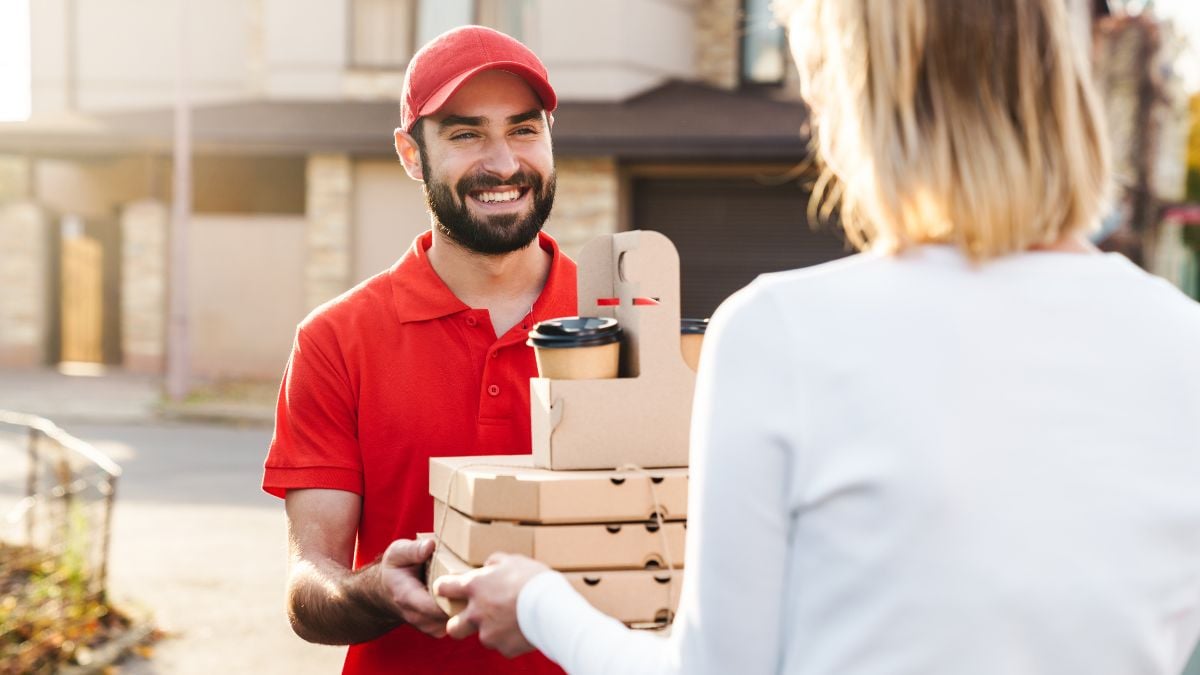
It might feel like delivery has taken over, but the numbers tell another story. Nearly half of Americans say they never order food delivery. Another large group only does it once a month or even less often. That means regular delivery orders are actually relatively uncommon. The idea that everyone constantly orders delivery simply isn’t accurate.
Weekly Delivery Is Still a Minority Habit
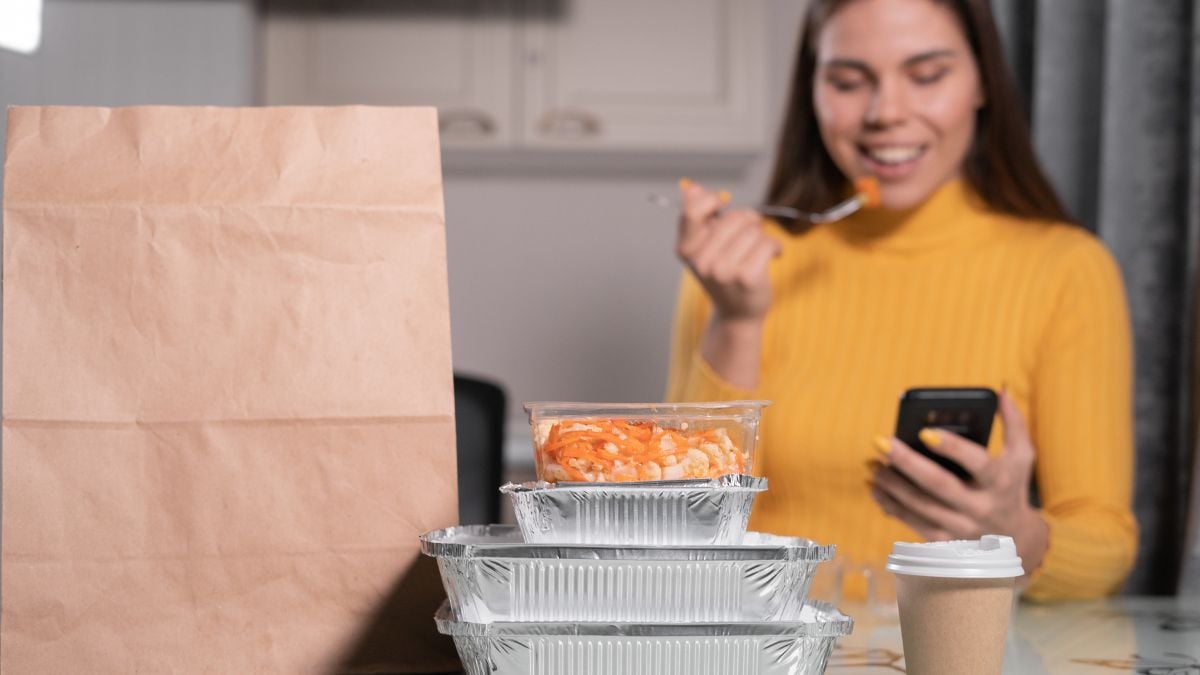
Only a small slice of Americans rely on delivery regularly. Just 17% say they order food delivered at least once per week. That means fewer than one in five people use delivery that often. While delivery services are visible and convenient, they’re not yet a weekly routine for most households.
Takeout Beats Delivery by a Wide Margin
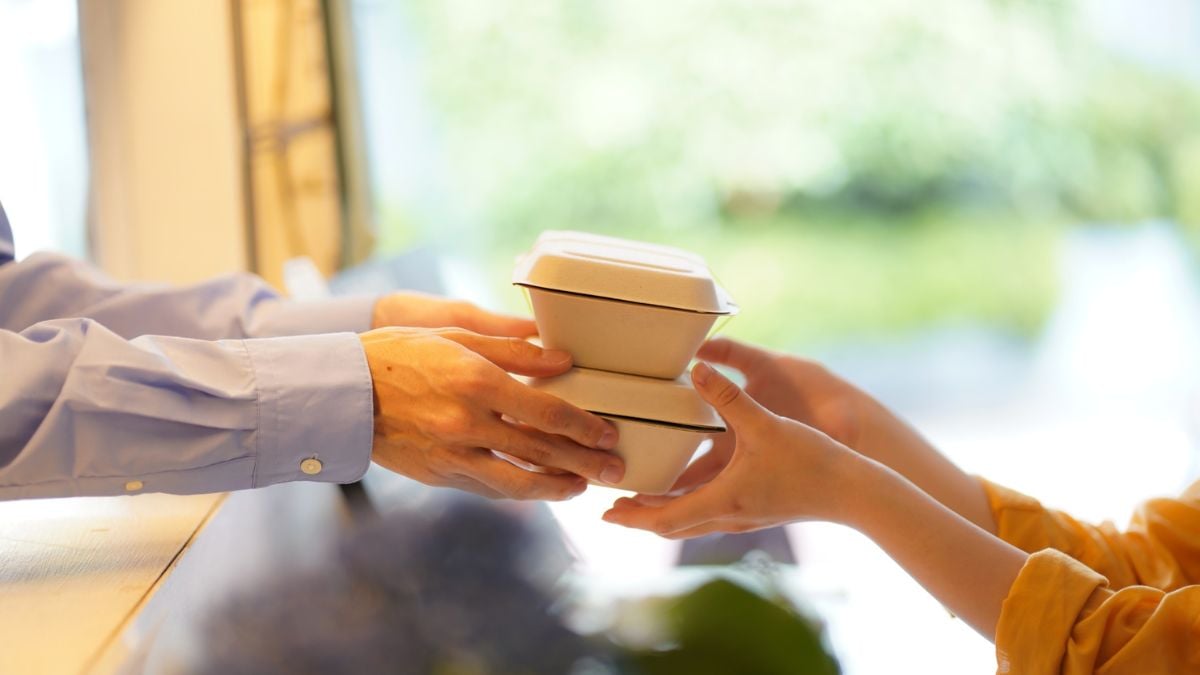
When people do want restaurant food at home, many prefer picking it up themselves. Takeout is much more common than delivery in the United States. About 34% of Americans say they get takeout at least once a week. That’s roughly double the share who regularly order delivery. It suggests many people still like grabbing food on the way home rather than waiting for it to arrive.
Younger Americans Use Delivery More
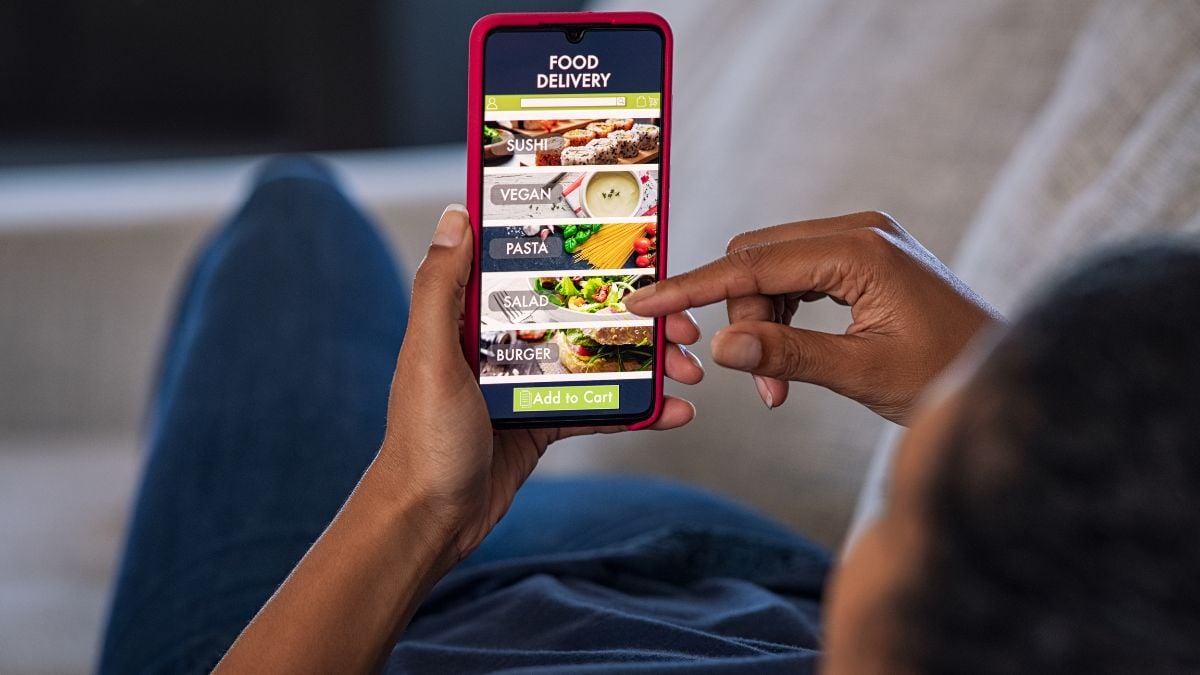
Age plays a big role in how people get their meals. Adults under 45 are far more likely to order takeout or delivery than older Americans. About 43% of younger adults regularly use these options. Among people 45 and older, that number drops to 26%. Younger generations simply rely more on convenience-based food options.
Cities Are the Delivery Hotspots

Location also influences how often people order delivery. Americans living in cities are far more likely to have meals delivered. About 31% of city residents say they order delivery at least once a week. Urban areas typically have more restaurants nearby, making delivery easier and faster. That convenience helps explain the higher numbers.
High Income Means More Delivery Orders

Income also shapes delivery habits. People earning higher incomes are more likely to regularly order food. About 12% of those making under $50,000 per year order delivery weekly. That rises to 17% for households earning between $50,000 and $100,000. Among those making $100,000 or more, the figure jumps to 27%.
The Delivery Power Group

When you combine several factors, delivery becomes far more common. Younger adults who live in cities and earn higher incomes order delivery much more frequently than average. Among this group, a striking 68% say they order delivery at least once per week. That makes them the biggest drivers of the delivery economy.
Home Cooking Still Feels Healthier
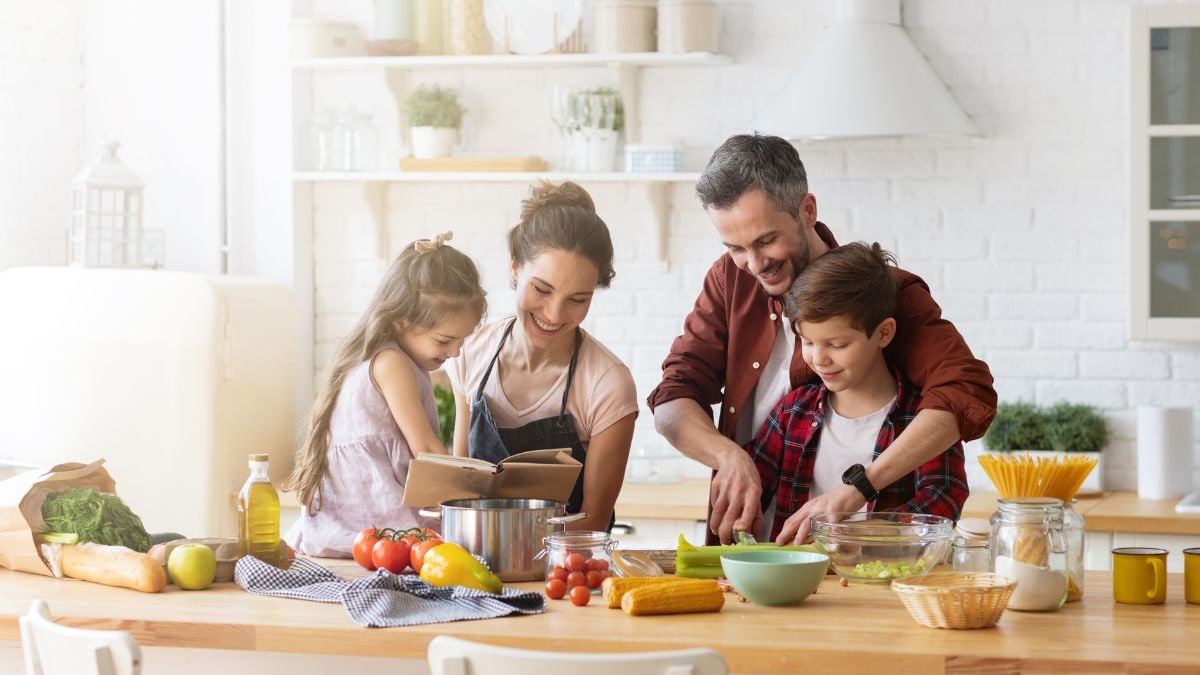
Even with the convenience of restaurant food, Americans overwhelmingly believe home cooking is healthier. Nearly nine in ten people say meals prepared at home beat delivered food when it comes to health. Only a very small percentage believe the opposite. That perception helps keep cooking a central part of daily life.
People Also Think Delivery Costs More

Cost is another factor shaping eating habits. Most Americans say delivered meals are more expensive than cooking at home. In fact, 88% believe delivery costs more than preparing food themselves. Only a tiny minority think home cooking is pricier. That perception likely discourages frequent delivery orders.
Convenience Is the One Advantage Delivery Has
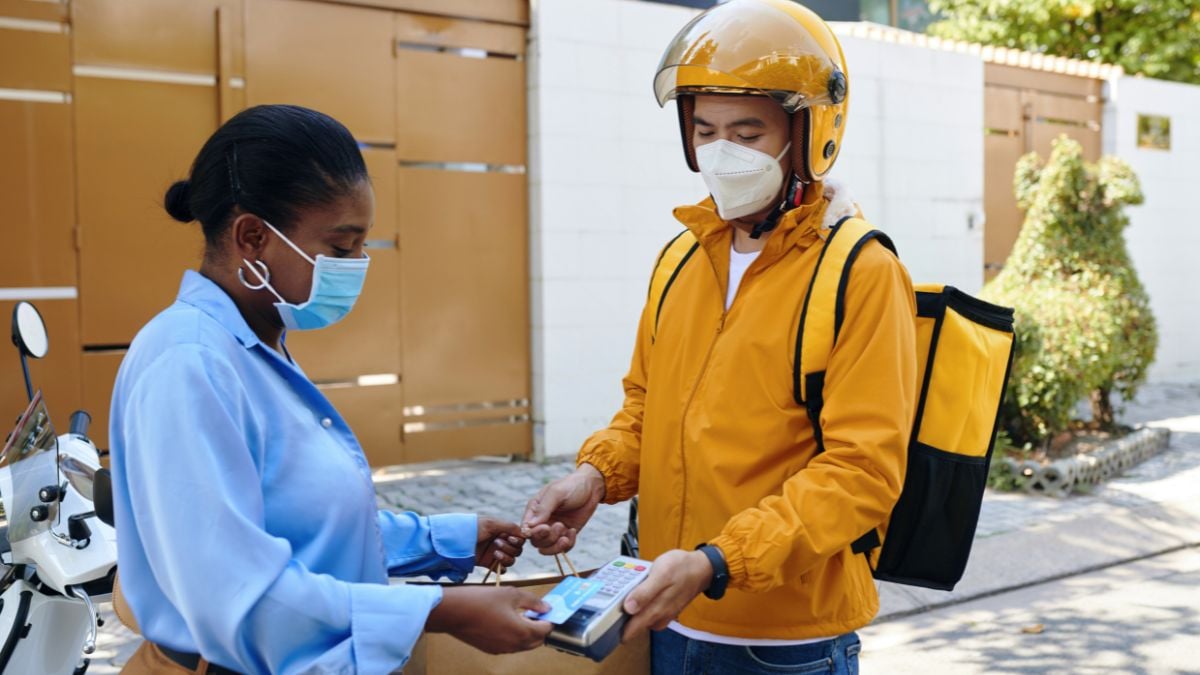
Where delivery does shine is convenience. Slightly more Americans say delivered meals are more convenient than cooking. About half of respondents give delivery the edge here. Meanwhile, about four in ten believe home cooking is just as convenient. It’s the one category where delivery clearly competes with cooking.
Confidence in Cooking Makes a Big Difference
How people feel about their cooking skills also shapes their habits. Those who consider themselves great cooks are much more likely to cook every day. Confidence in the kitchen seems to encourage more frequent home meals. Meanwhile, people who think they’re poor cooks cook much less often. Skill and comfort clearly influence food choices.
Cooking Still Rules American Dinner Tables

Despite the rise of delivery apps, home cooking remains the backbone of how Americans eat. Most people still prepare meals themselves several times a week and rely on leftovers or shared cooking. Delivery and takeout certainly have their place, especially for younger city dwellers. But the data shows they’re still the exception rather than the rule.