Before meal kits, food influencers, and artisanal everything, the American kitchen looked very different. The 1970s brought convenience foods, quirky party dishes, and a few creations that made perfect sense at the time—but feel downright strange today. Jell-O molds, fondue pots, and frozen dinners ruled the decade, often showing up at family tables and neighborhood potlucks. Some dishes were clever ways to stretch a grocery budget, while others were simply trendy experiments. Love them or laugh at them, these foods helped define an entire generation’s eating habits. Here are the classic 1970s foods that instantly transport people back in time.
Ice Cream Sodas Felt Like a Special Treat
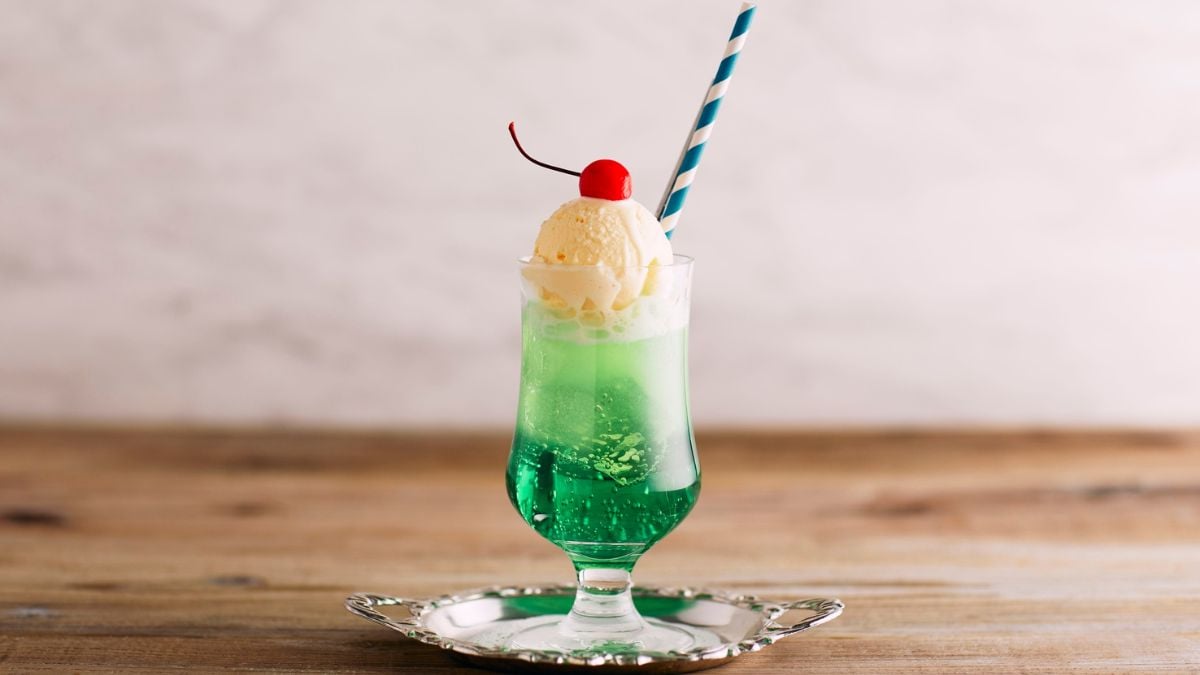
Before fancy coffee drinks dominated cafés, ice cream sodas were the ultimate sweet indulgence. A tall glass held scoops of vanilla ice cream topped with fizzy soda water or cola. Whipped cream crowned the drink, turning it into both dessert and beverage at once. Diners and drugstores with soda fountains served them regularly throughout the 1970s. Families treated trips to the soda counter like a mini outing. The combination of spoon and straw made every order a slightly messy experience.
Pineapple Upside-Down Cake Stole the Dessert Table
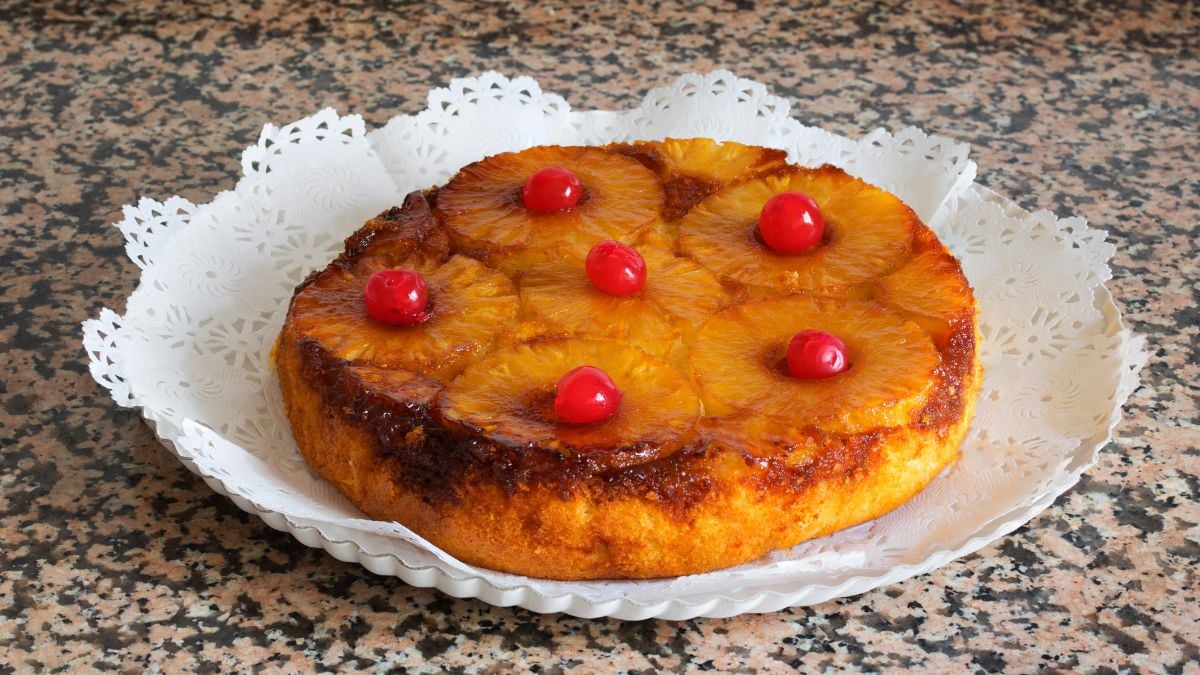
Few desserts were as visually dramatic as pineapple upside-down cake. Pineapple rings and maraschino cherries were arranged in a pan with butter and brown sugar before the cake batter went in. After baking, the cake was flipped out of the pan to reveal glossy caramelized fruit on top. The perfect circles of pineapple made the dessert instantly recognizable. Companies like Dole promoted the recipe heavily in advertisements. By the 1970s, it was a potluck and birthday party favorite.
Mincemeat Pie Was a Holiday Tradition
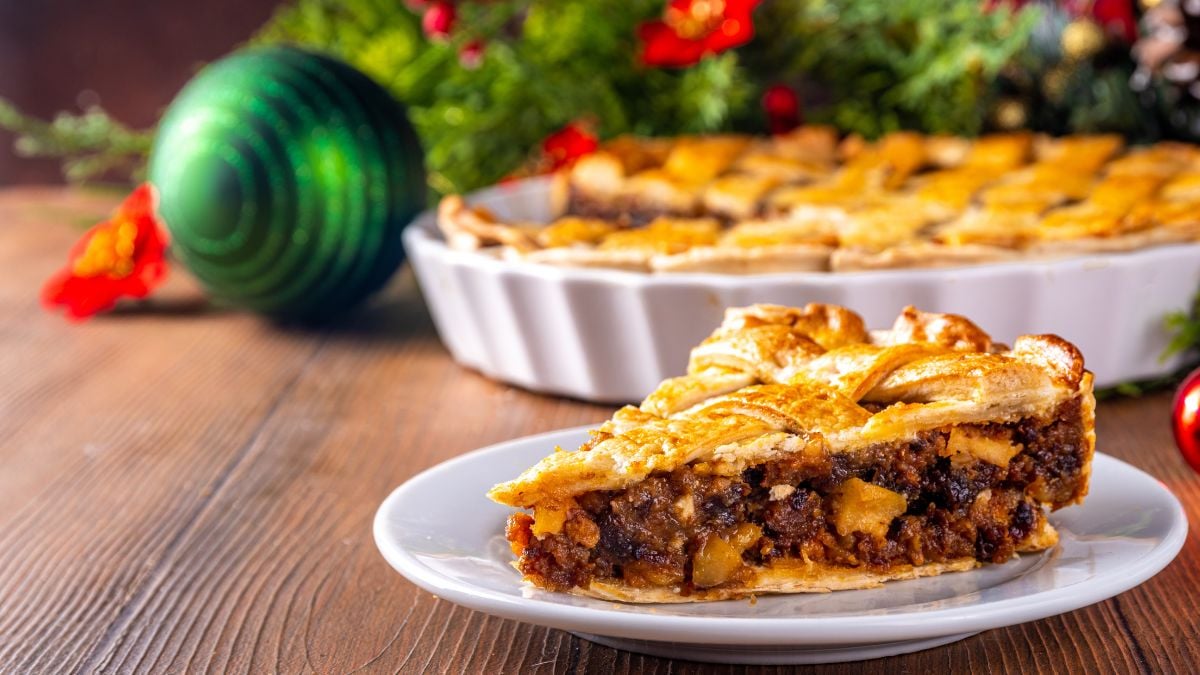
Mincemeat pie has been around for centuries, though its name confuses modern diners. Early recipes actually contained minced meat along with fruit and spices. By the 1970s, most commercial versions were filled with raisins, apples, currants, citrus peel, and warm spices. The filling is baked inside a flaky pastry shell to create a rich holiday dessert. Many grandparents insisted Christmas wasn’t complete without one. Younger generations often preferred pies like pecan or pumpkin instead.
Cheese Balls Were the King of Party Snacks
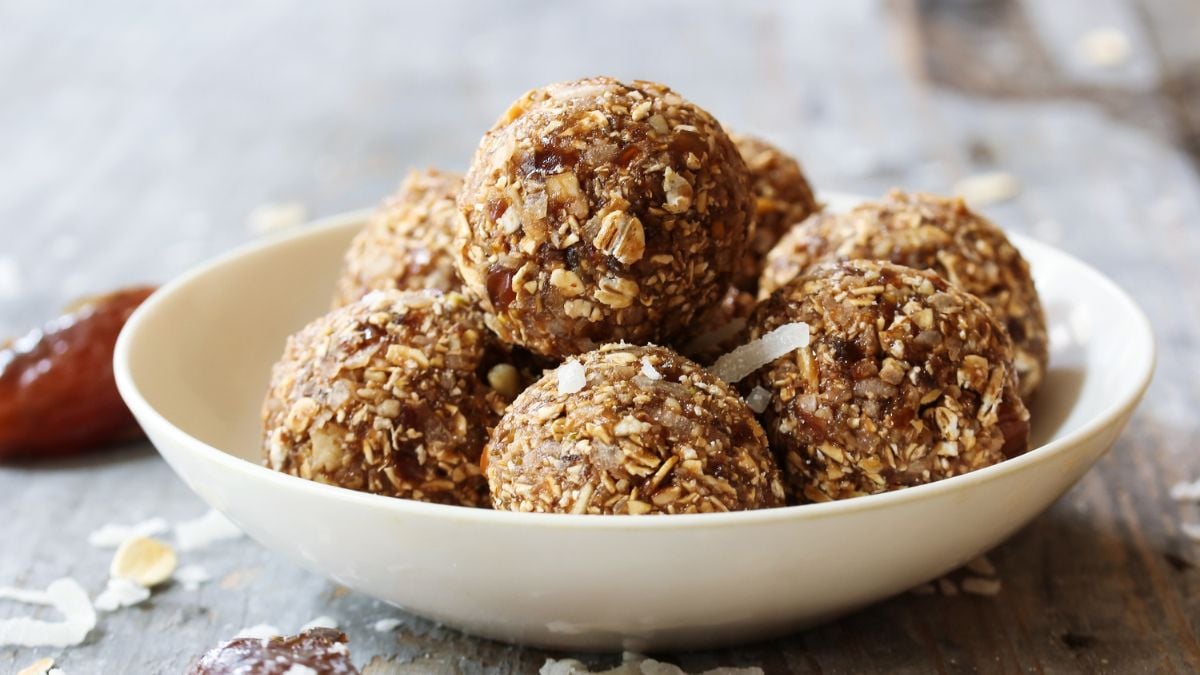
The cheese ball was the centerpiece of countless 1970s appetizer spreads. A mixture of cream cheese, cheddar, seasonings, and sometimes Worcestershire sauce was shaped into a large sphere. The outside was rolled in chopped nuts like pecans or walnuts. It sat on a platter surrounded by crackers, usually Ritz. Guests scooped portions with a small spreading knife. By the time the main meal arrived, the cheese ball was usually gone.
Space Food Sticks Brought the Space Race Home
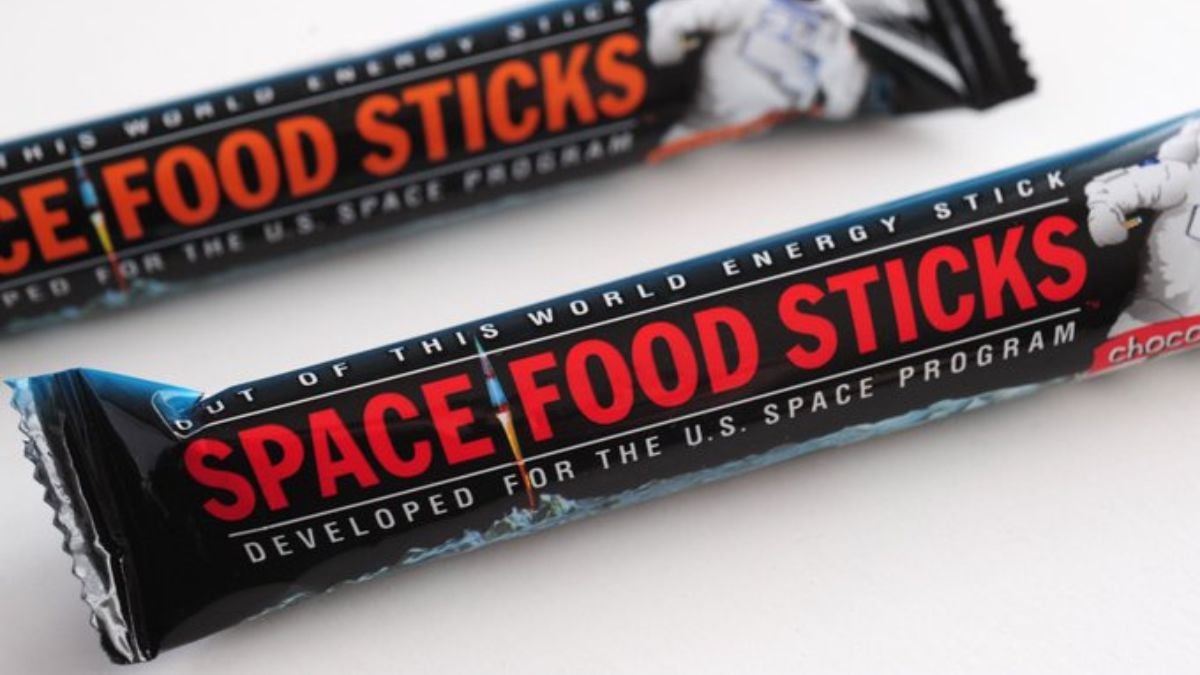
The excitement of the space program even influenced snack food. Space Food Sticks were chewy, rod-shaped bars inspired by food developed for astronauts. Pillsbury marketed them heavily using their NASA connection. Flavors like chocolate, caramel, and peanut butter made them appealing to kids. Parents appreciated the promise of balanced nutrition printed on the box. When interest in the space race faded, the snack slowly disappeared from store shelves.
Beanie Weenies Made Dinner Simple
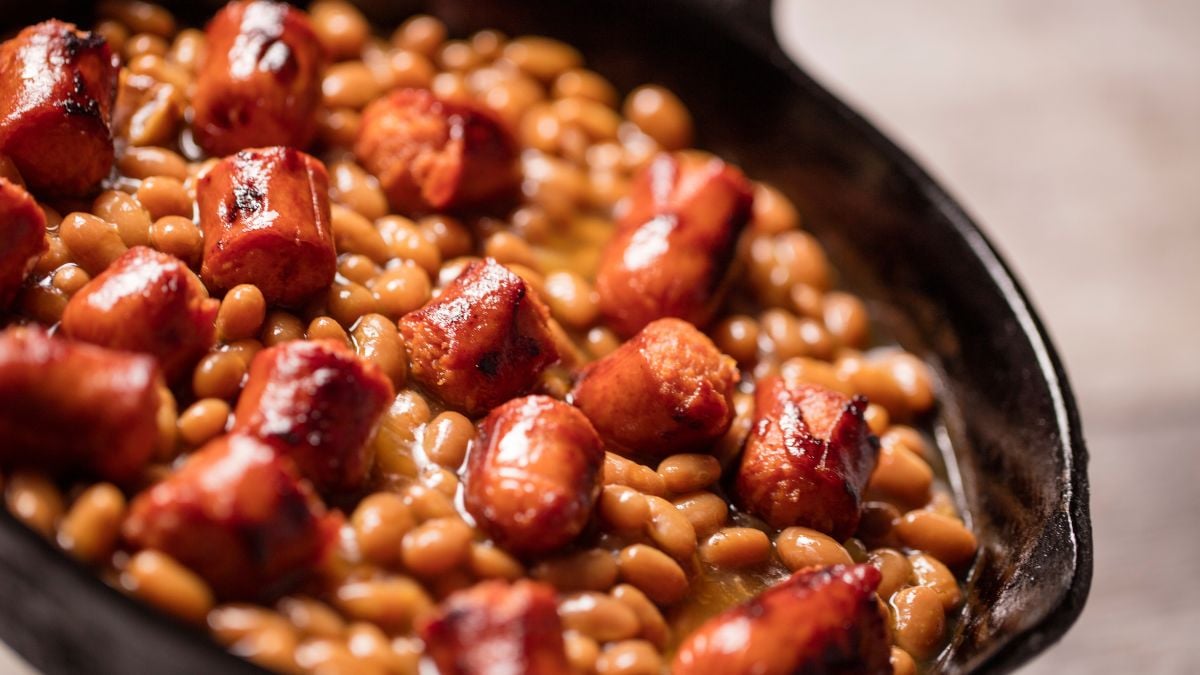
Beanie weenies were about as simple as dinner could get. The meal combined canned baked beans with sliced hot dogs, heated together in a saucepan. It was cheap, filling, and easy enough for kids to prepare themselves. That convenience made it a common meal for latchkey kids and busy families. Brands like Van Camp’s sold canned versions that became pantry staples. It wasn’t glamorous, but it got the job done.
Creamed Chipped Beef on Toast Fed a Generation
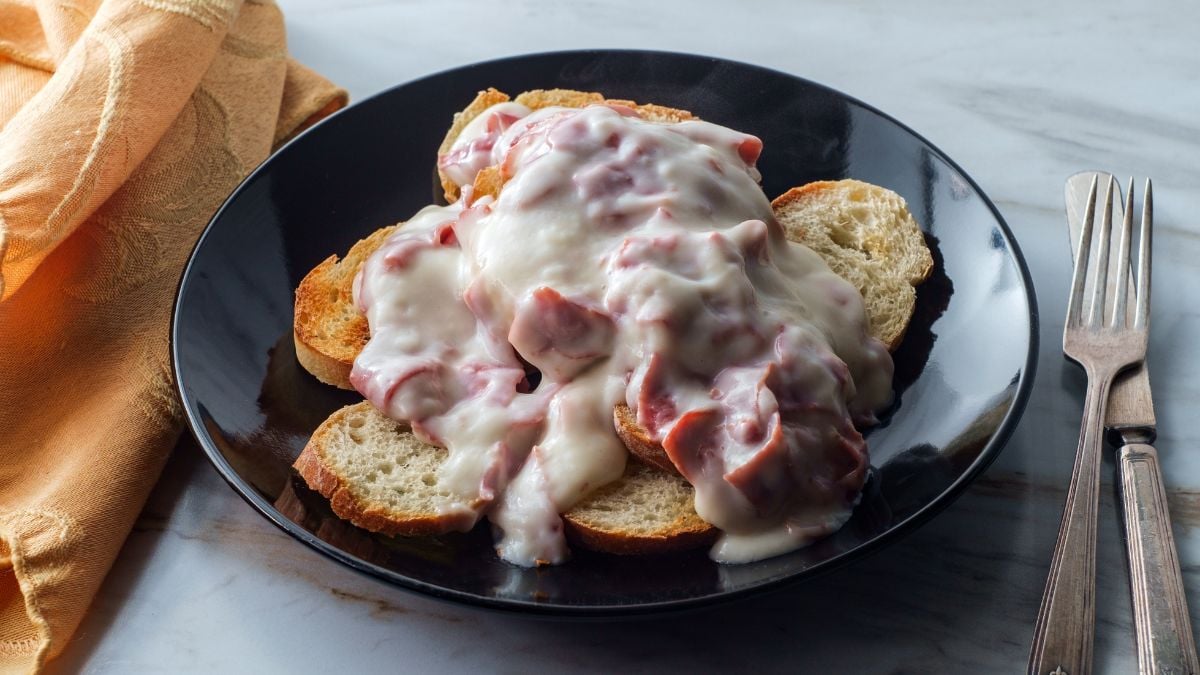
Creamed chipped beef on toast was a hearty meal many families knew by heart. Thin slices of dried beef were folded into a thick white cream sauce and poured over toast. The dish had roots as a Depression-era budget meal and remained common decades later. Military members famously gave it a much less polite nickname: “SOS.” Despite the reputation, it filled stomachs and stretched grocery budgets. For many households, it was dependable comfort food.
TV Dinners Turned Eating Into a Living Room Event
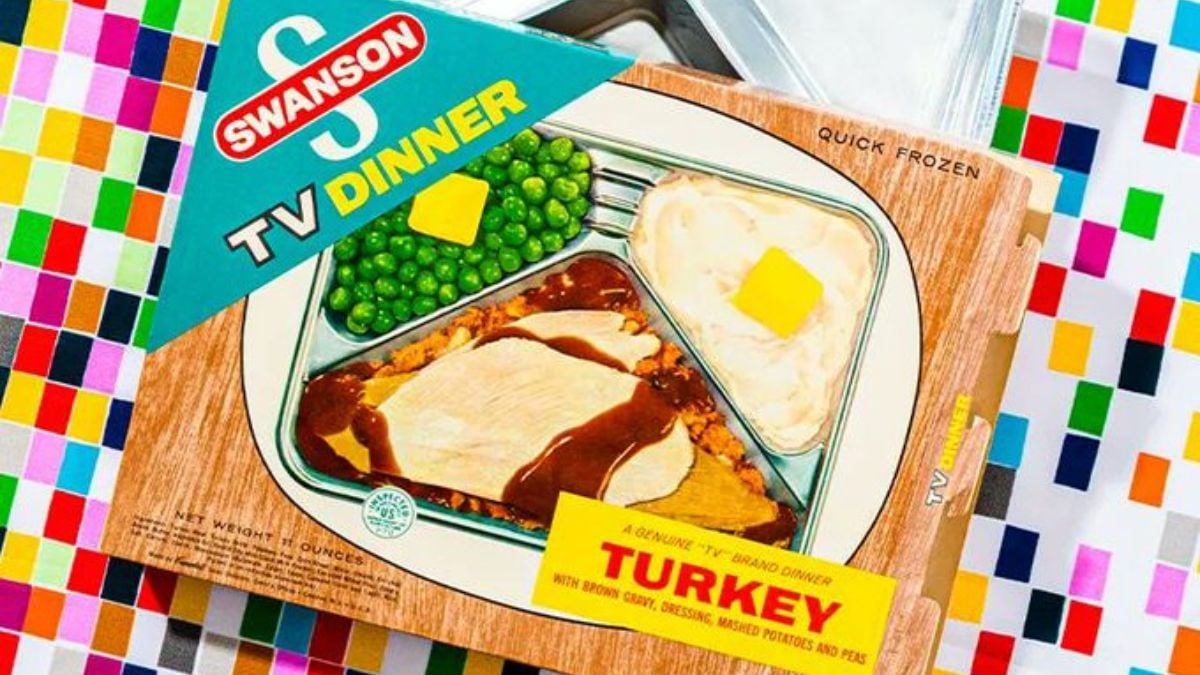
TV dinners perfectly matched the convenience-focused lifestyle of the 1970s. Frozen meals came in aluminum trays divided into neat compartments for each food. After about twenty-five minutes in the oven, dinner was ready. Families often ate them on fold-up TV trays while watching the evening news. The format made it easy to enjoy a full meal without cooking from scratch. By the decade’s peak, grocery stores carried dozens of frozen dinner options.
Fondue Was the Ultimate Dinner Party Flex
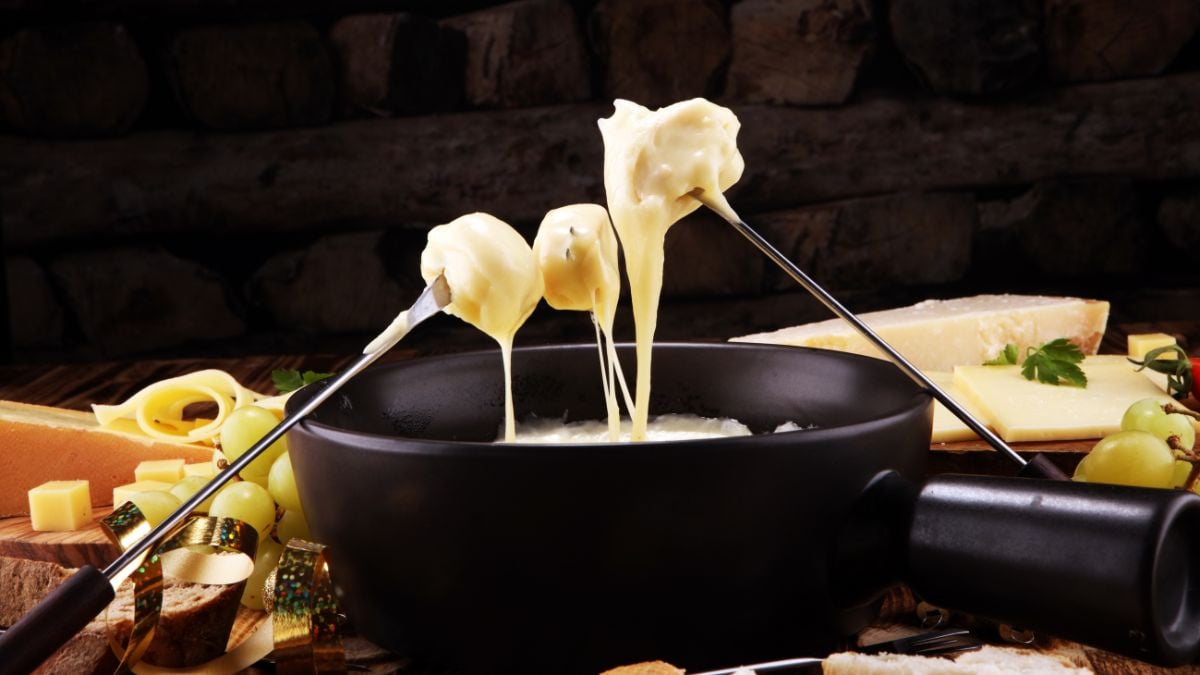
Few foods screamed “fancy dinner party” in the 1970s like fondue bubbling in the center of the table. The Swiss dish made with melted Gruyère and Emmental cheese mixed with white wine became wildly popular in American homes. Guests speared cubes of bread with long forks and dipped them into the pot, turning dinner into an interactive event. Entire fondue sets with burners and color-coded forks appeared on wedding registries across the country. The popularity even led to restaurants like The Melting Pot opening in the mid-1970s. Dropping your bread in the pot sometimes meant a playful penalty like taking a drink or kissing someone.
Ambrosia Salad Was Dessert Disguised as Salad
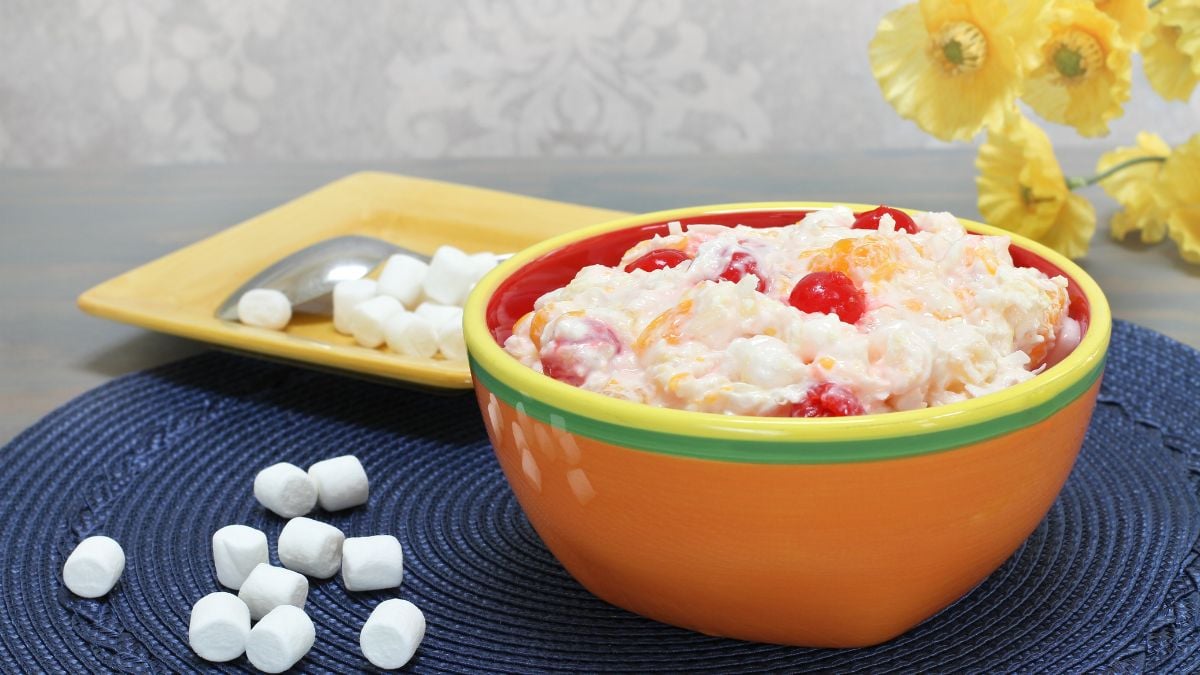
Ambrosia salad appeared everywhere during the decade—from church suppers to family holiday tables. The mixture included canned mandarin oranges, pineapple, shredded coconut, maraschino cherries, and mini marshmallows. Everything was folded together with whipped topping for a sweet, fluffy treat. Despite the name, it was much closer to dessert than a salad. The dish originally started as a simple fruit dessert in older cookbooks. By the 1970s, canned fruit and Cool Whip had transformed it into a colorful classic.
Banana Flips Became a Cult Favorite Snack Cake
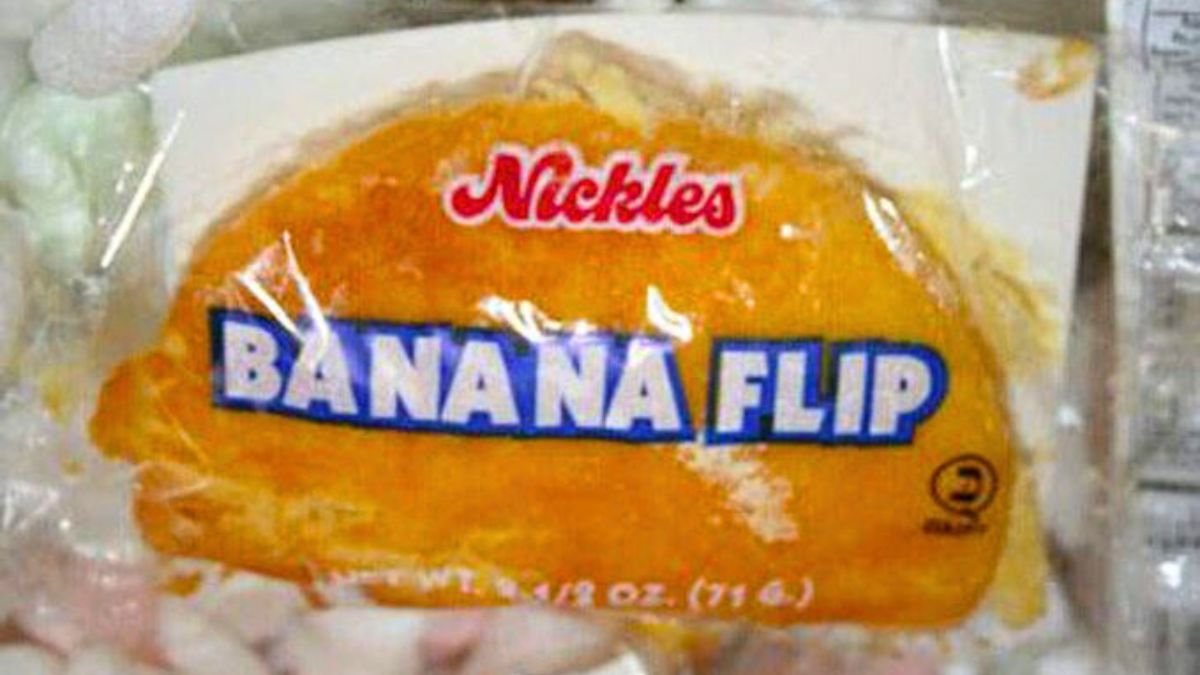
Banana Flips were a snack cake that many kids from the era still talk about today. The treat featured soft banana sponge cake folded over a fluffy banana cream filling. Individually wrapped and sold in vending machines and bakeries, they were larger than many snack cakes. Kids often peeled back the wrapper and ate the cream first. Several companies produced their own versions over the years. When the snack disappeared in the early 2000s, fans began searching online for ways to recreate it.
Turkey Tetrazzini Saved Holiday Leftovers
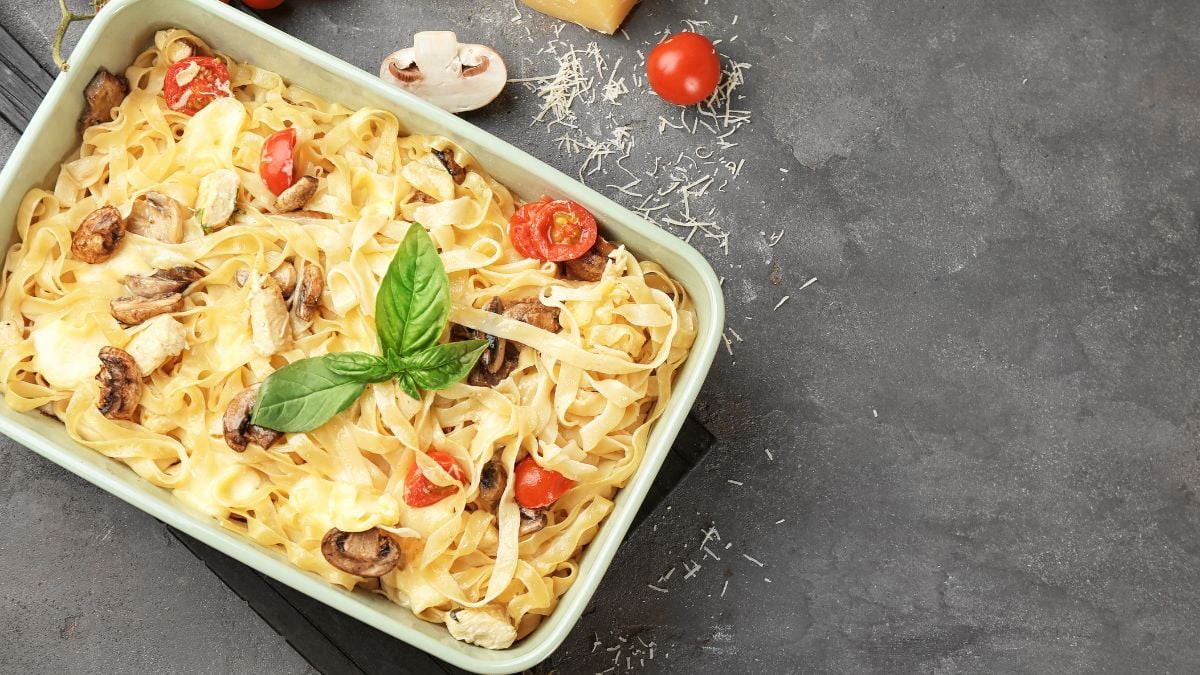
After big holiday meals, turkey tetrazzini made sure nothing went to waste. Leftover turkey was mixed with mushrooms, spaghetti, and a creamy sauce before being baked into a casserole. Breadcrumbs and Parmesan formed a golden crust on top. The dish transformed leftover turkey into something that felt completely new. Its name came from Italian opera singer Luisa Tetrazzini, who reportedly loved pasta. By the 1970s, it had become a reliable post-holiday staple in many households.
Clams Casino Made Dinner Parties Feel Fancy
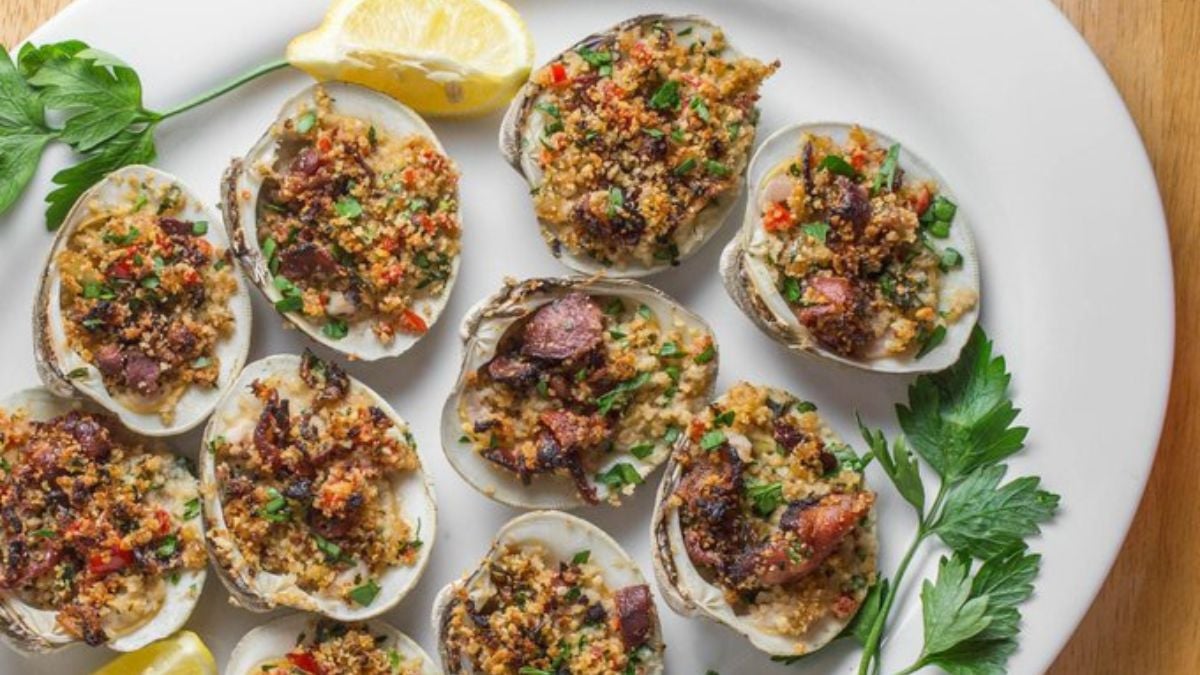
Clams Casino brought a touch of restaurant-style elegance to home entertaining. Littleneck clams were baked in their shells with a topping of bacon, breadcrumbs, green pepper, and butter. The dish was usually served on a bed of rock salt to keep the shells steady. Once broiled, the topping turned golden and crisp while the bacon added smoky flavor. The appetizer originally came from Rhode Island but became popular nationwide. In the 1970s, it often appeared at weekend dinner parties.
Sloppy Joes Ruled Weeknight Dinners
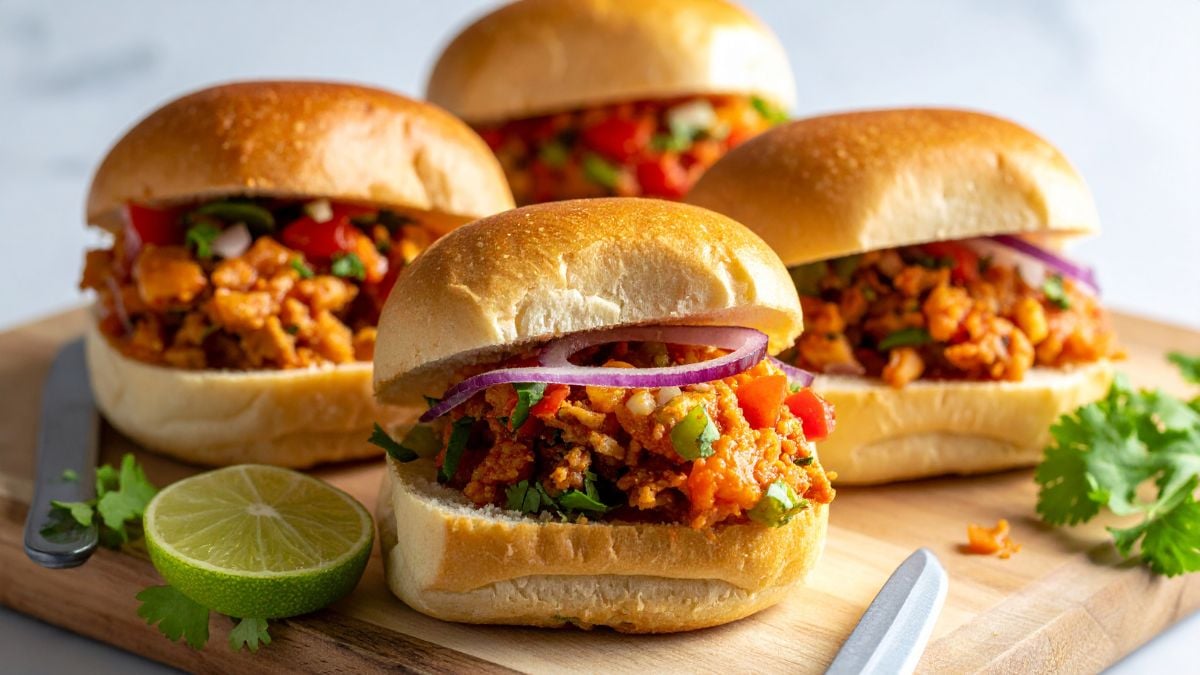
If there was one guaranteed messy dinner in the 1970s, it was the Sloppy Joe. Ground beef simmered in a sweet and tangy tomato-based sauce, then piled high on a hamburger bun. The sandwich earned its name honestly because it was nearly impossible to eat neatly. Many families relied on canned Manwich sauce, introduced in 1969, to make the meal even easier. Others mixed ketchup, Worcestershire sauce, and brown sugar for their own homemade versions. Either way, napkins were mandatory.
Tapioca Pudding Divided Dessert Lovers
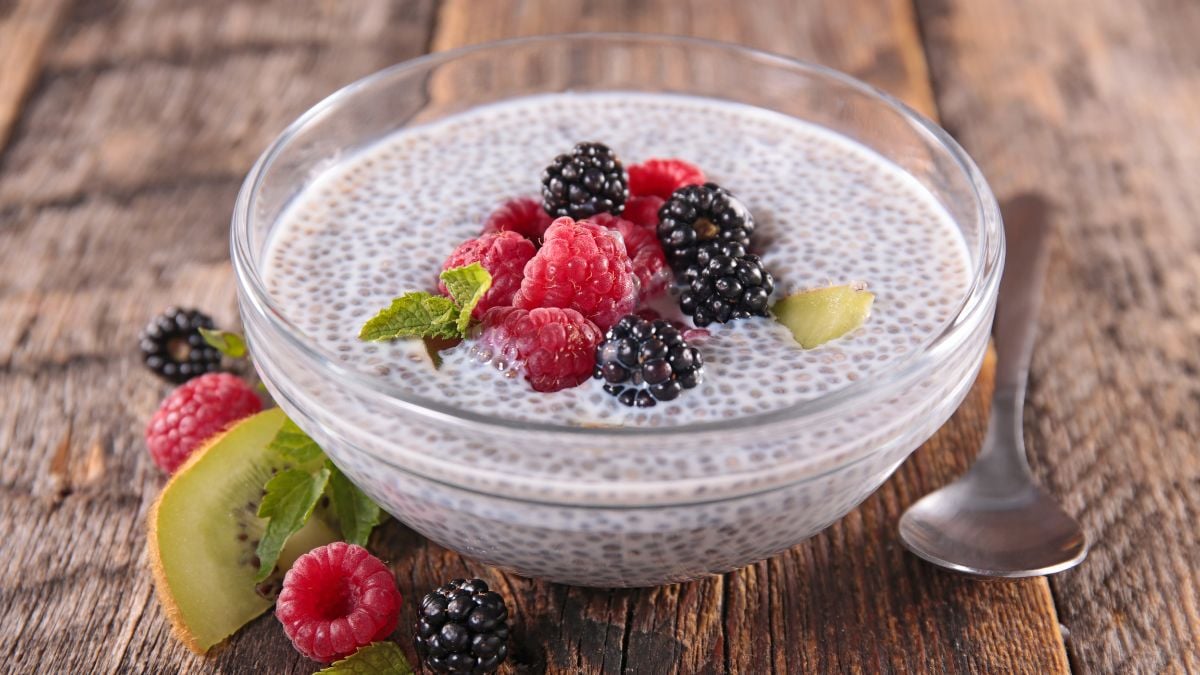
Tapioca pudding quietly appeared in school cafeterias, hospital menus, and home kitchens. The dessert is made from small tapioca pearls cooked in a creamy vanilla custard. Those pearls gave the pudding its signature chewy texture. Some kids loved it so much they asked for seconds. Others found the texture strange and avoided it entirely. Either way, it became a familiar dessert throughout the mid-20th century.
Jell-O Salads Took Over Every Dinner Table
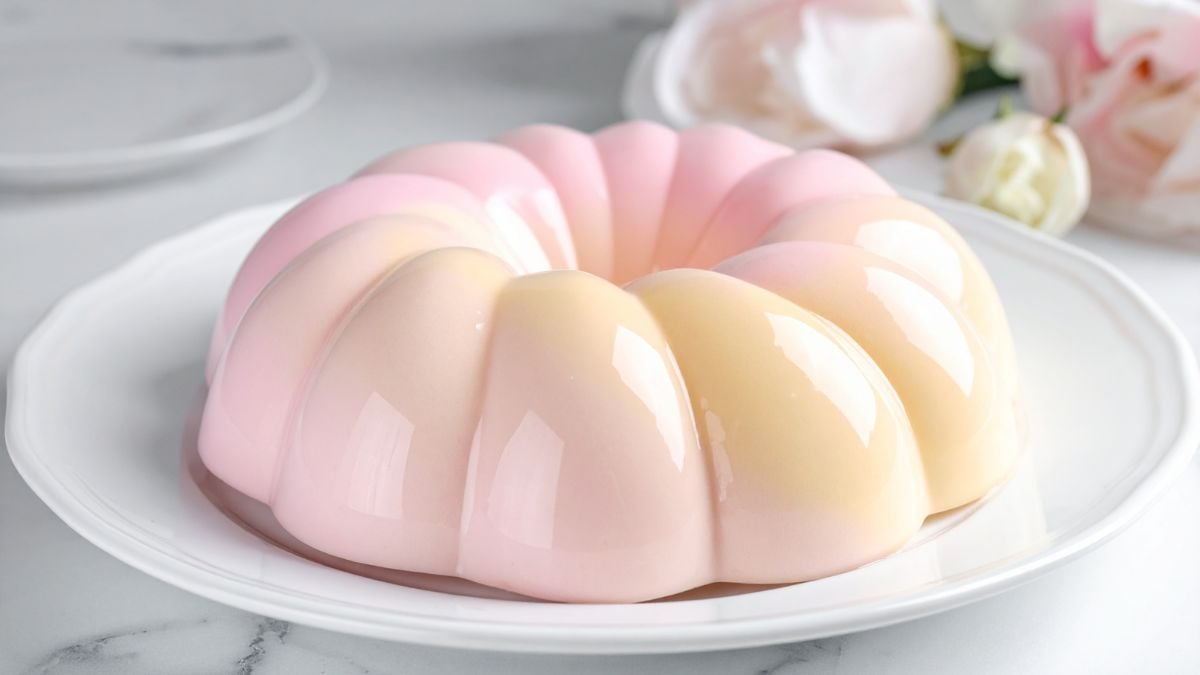
The 1970s might as well have been the golden age of gelatin. Home cooks experimented endlessly with colorful Jell-O molds packed with unexpected ingredients. Lime gelatin might contain cream cheese and pineapple, while orange versions could include shredded carrots or celery. Sweet and savory combinations shared the same dish without anyone questioning it. Advertisements encouraged cooks to treat gelatin as a versatile modern ingredient. The result was a parade of wobbly creations that became regular guests at family dinners and potlucks.
Carob Tried to Replace Chocolate
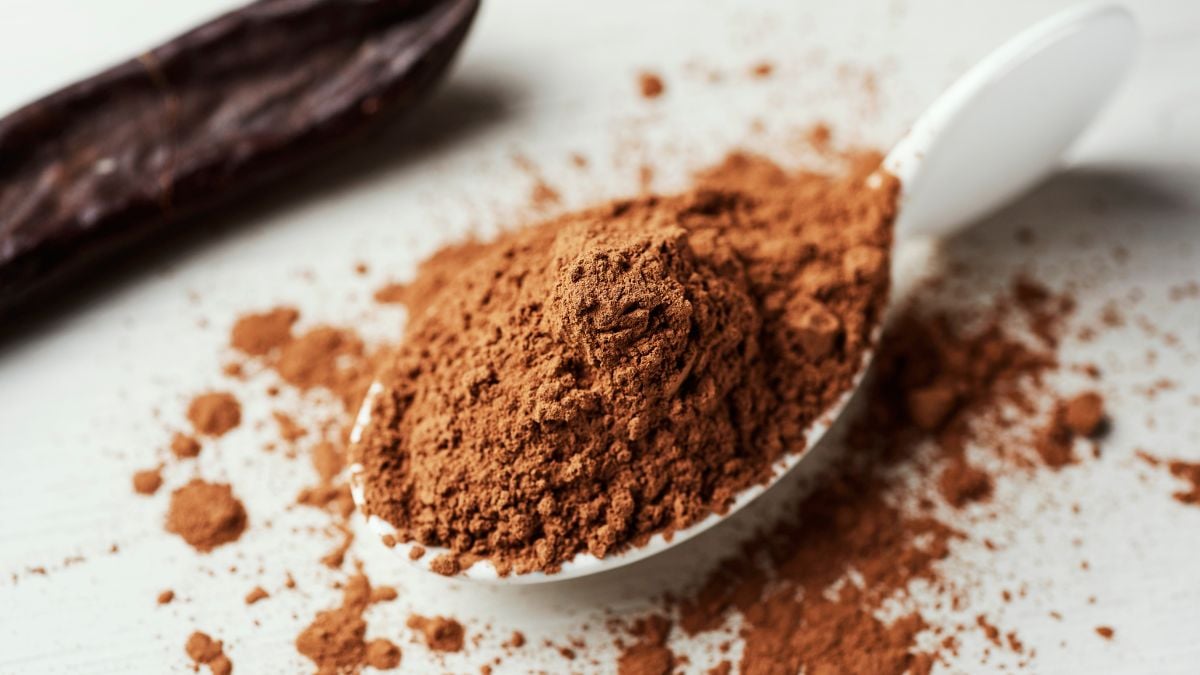
Health food trends started gaining momentum in the 1970s, and carob rode that wave. Made from the pods of the carob tree, the powder was promoted as a healthier substitute for chocolate. It showed up in snack bars, chips, and candy alternatives in health food stores. Parents often offered carob treats to kids as a supposedly better option. The problem was simple: carob didn’t actually taste like chocolate. Many people tried it once and went right back to the real thing.
The Foods That Defined an Entire Decade
The 1970s kitchen was full of bold experiments, clever shortcuts, and a few recipes that feel wonderfully strange today. Some dishes came from tight budgets, while others reflected trends like dinner parties and convenience cooking. Whether it was a bubbling fondue pot or a frozen TV dinner tray, these foods created memories for an entire generation. Many have faded from modern menus, but the nostalgia remains strong. Did you grow up eating any of these 1970s classics—or is there one we missed? Share your memories in the comments.