Once a booming chain with nearly 200 locations, York Steak House was the go-to spot for families craving steak without the fuss. By combining cafeteria efficiency with steakhouse quality, it carved out a niche in malls across America. Over time, changing tastes, new competitors, and mall decline turned the chain into a memory for many. Today, only one location remains in Columbus, Ohio, standing as a nostalgic monument to a bygone era. Let’s explore what made York Steak House special—and why it couldn’t survive the modern dining scene.
Family-Friendly Steakhouse Fun

York Steak House prided itself on being a family-friendly brand. Kids and parents alike loved picking their own meals and desserts from the cafeteria-style line. This hands-on experience made dining exciting, especially for children who rarely got to choose their food. It was a mix of novelty, convenience, and quality.
Cafeteria Meets Steakhouse
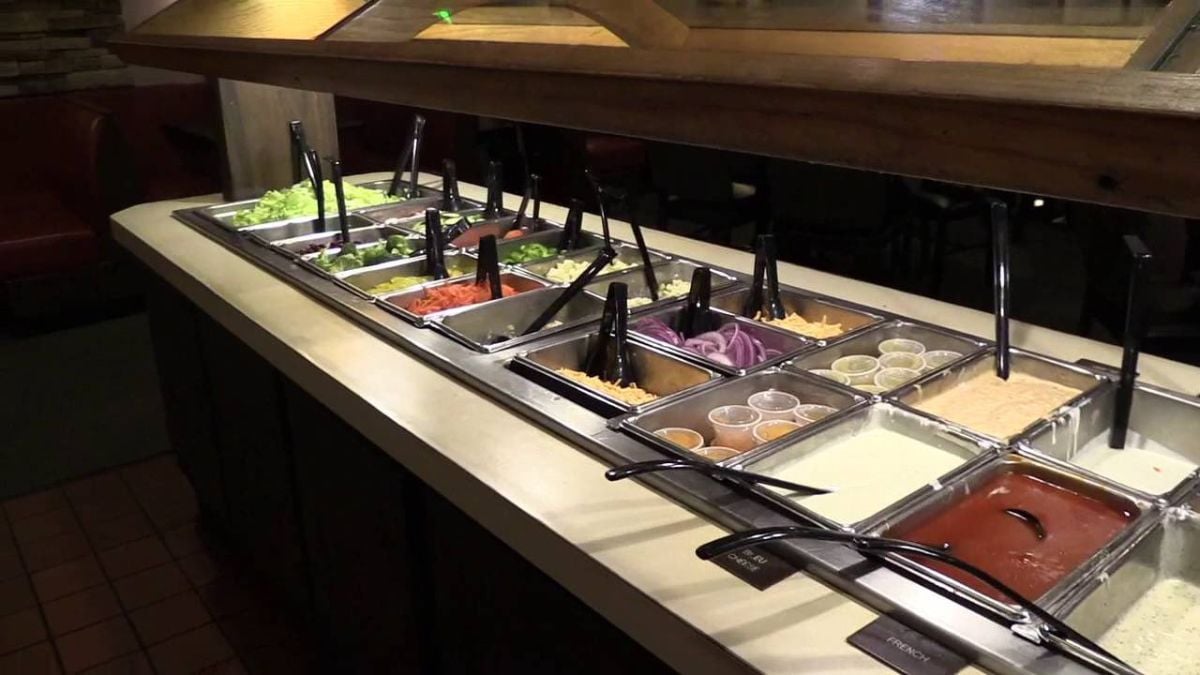
Unlike traditional steakhouses, York combined high-quality entrées with self-service efficiency. Customers grabbed a tray, moved along the line, and selected steaks, seafood, and sides. No full waiter service meant faster meals, lower costs, and more control for diners. It was smart, simple, and surprisingly sophisticated.
Iconic Pricing and Promotions
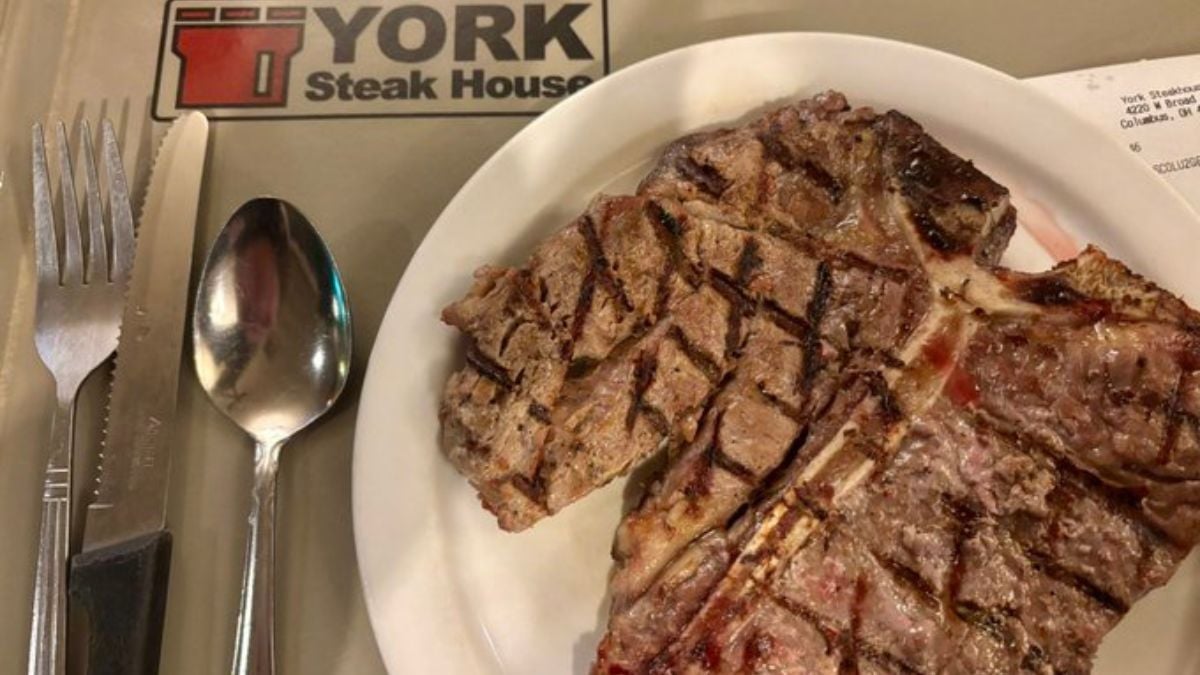
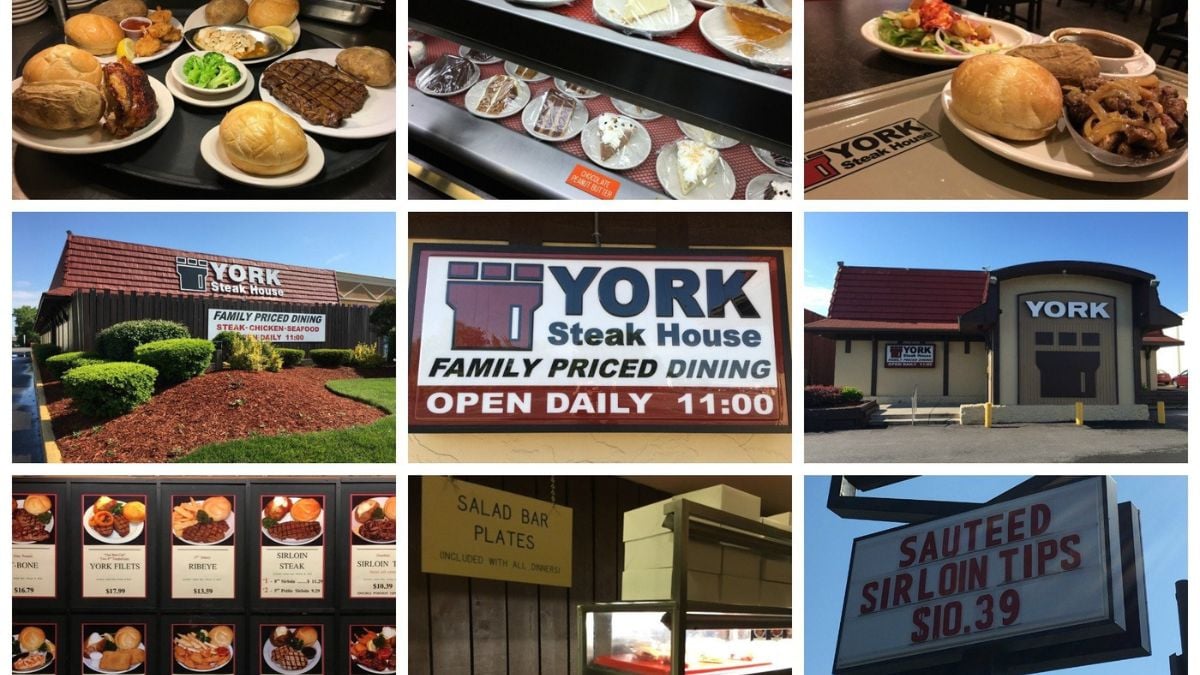
Back in the 1970s, a half-pound sirloin dinner cost just $2.39. York even advertised “no tipping required” and daily service including Sundays. The brand promoted accessibility while keeping food quality high, attracting families across income levels. Their commercials oozed folksy charm and nostalgic appeal.
Castle-Themed Decor and Consistency
York locations shared a signature décor: wood paneling, iron chandeliers, and a “castle” feel. This consistency created a recognizable brand experience wherever you dined. Even as the chain grew, the ambiance made each restaurant feel familiar and comforting.
Strategic Mall Placement
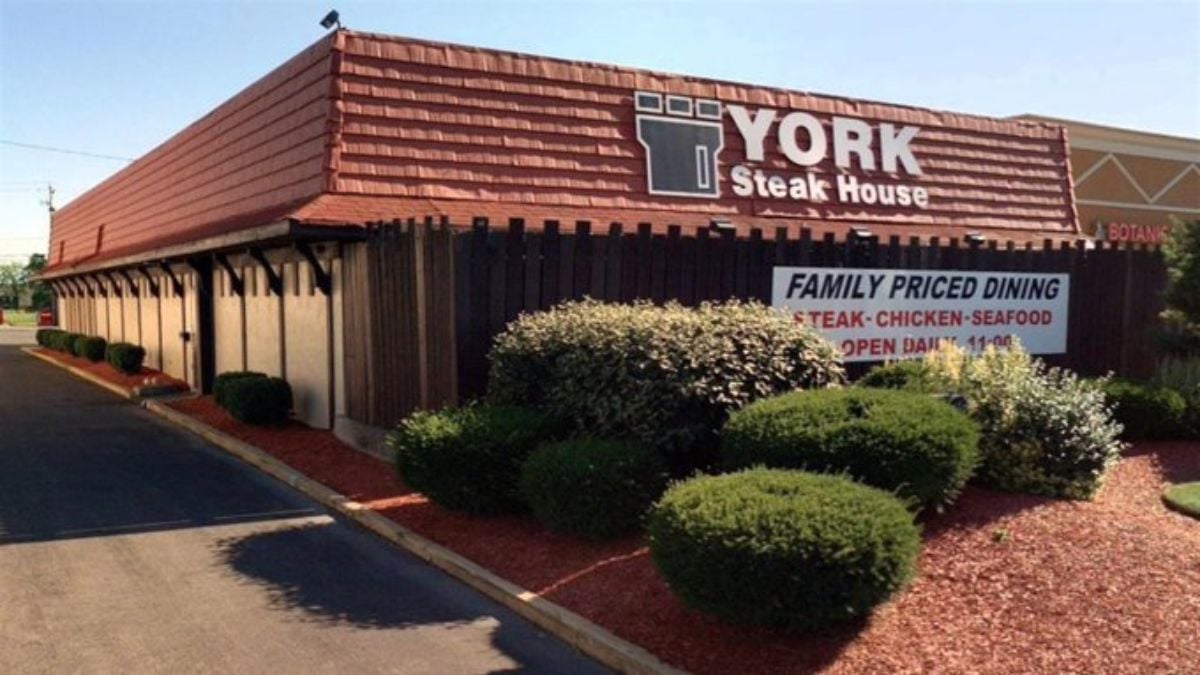
During the 1970s and 1980s, York Steak House thrived in malls. High-volume foot traffic and a growing appetite for affordable steak made mall locations ideal. The cafeteria model worked perfectly for shoppers and families looking for a quick but satisfying meal.
The Hybrid Model That Stood Out
York’s appeal was its hybrid approach: upscale dishes delivered with cafeteria efficiency. Steakhouse quality without full-service prices made it accessible and appealing. For years, this balance worked beautifully, drawing in middle-class families nationwide.
Changing Tastes and Rising Competition
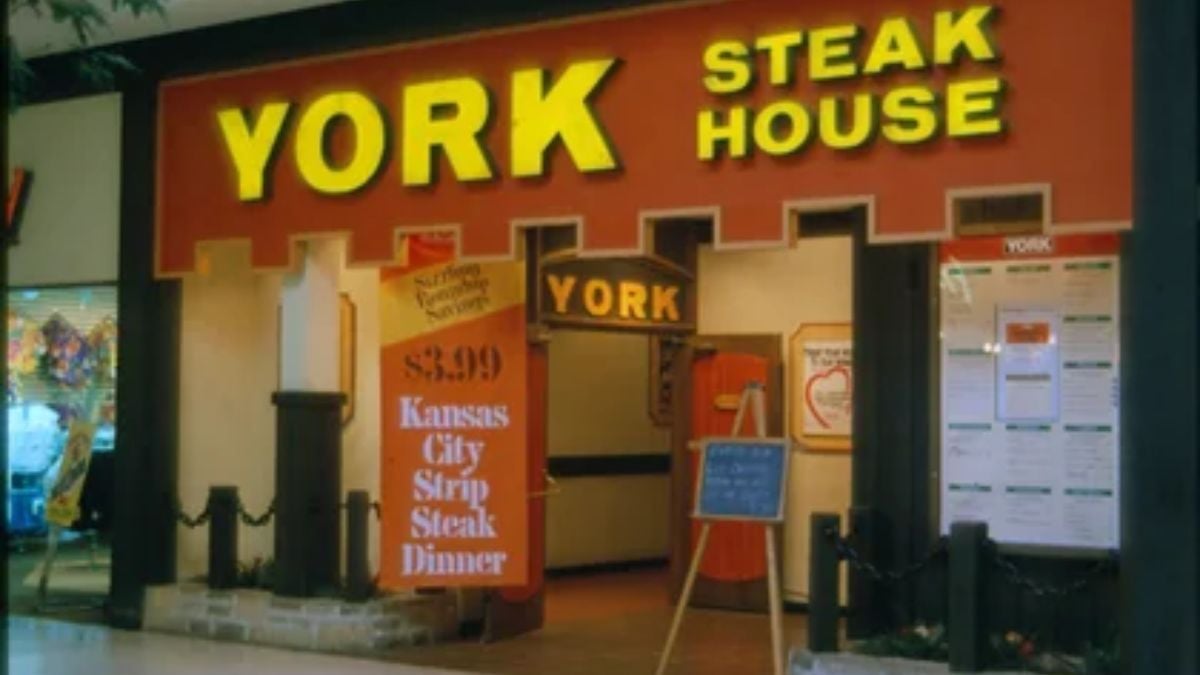
By the mid-1980s, York’s model began losing relevance. Outback, Texas Roadhouse, and Longhorn Steakhouse offered full-service experiences that lured customers away. Mall economics changed, and consumer dining habits shifted, leaving York struggling to maintain its edge
Decline and Franchise Fade
The chain’s decline accelerated in the late 1980s. Saturation of casual steakhouses, newer food courts, and evolving preferences caused most locations to close. By 1989, corporate operations ended, leaving only independent franchises.
Memories of the York Experience
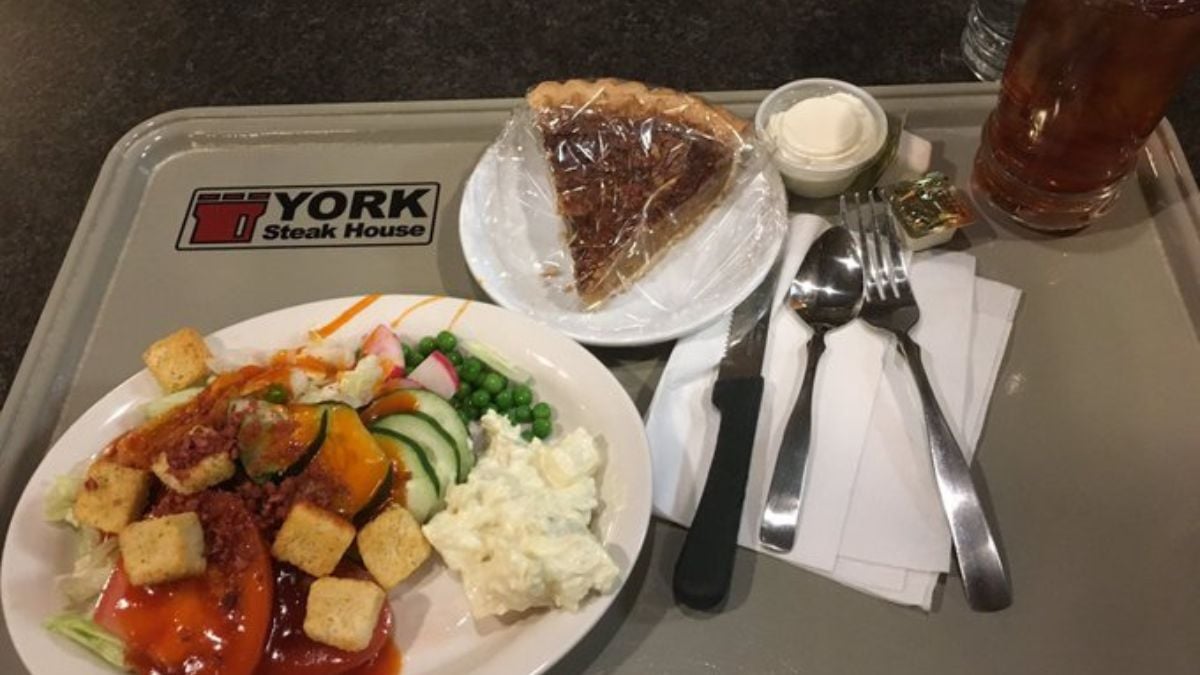
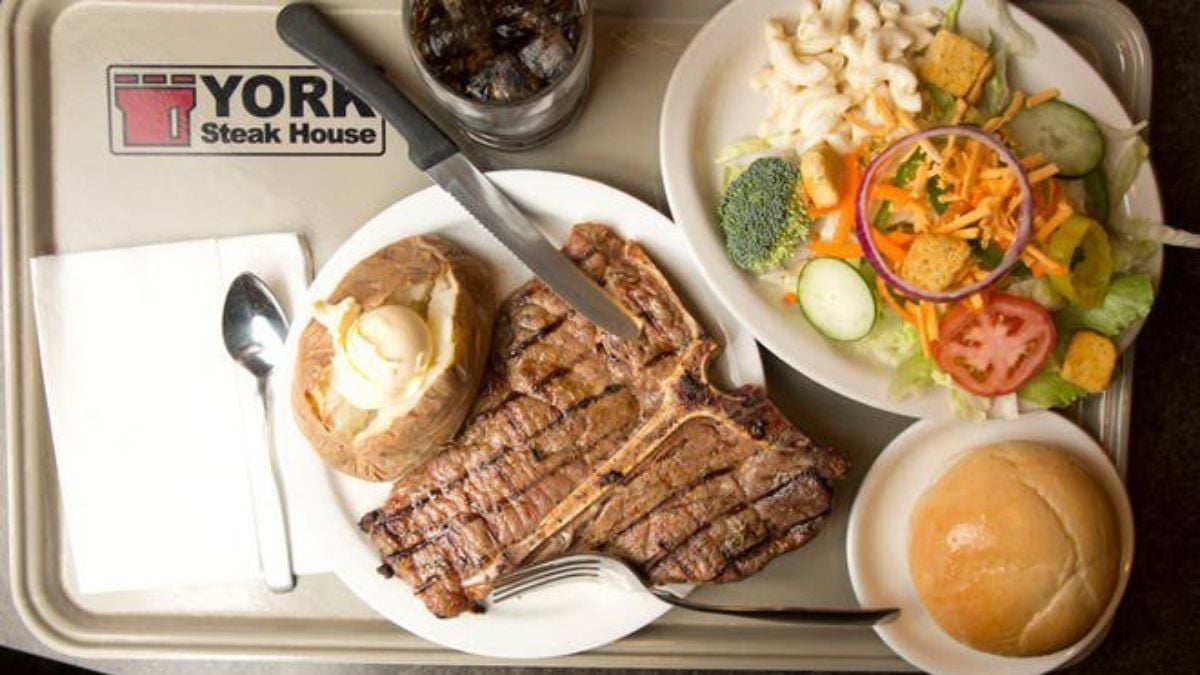
Fans still remember sliding trays along stainless-steel rails, choosing sizzling steaks, baked potatoes, and Texas toast. York made premium cuts approachable for families, creating memories far beyond the food itself. The nostalgia factor remains strong for those who grew up dining there.
The Final Columbus Location
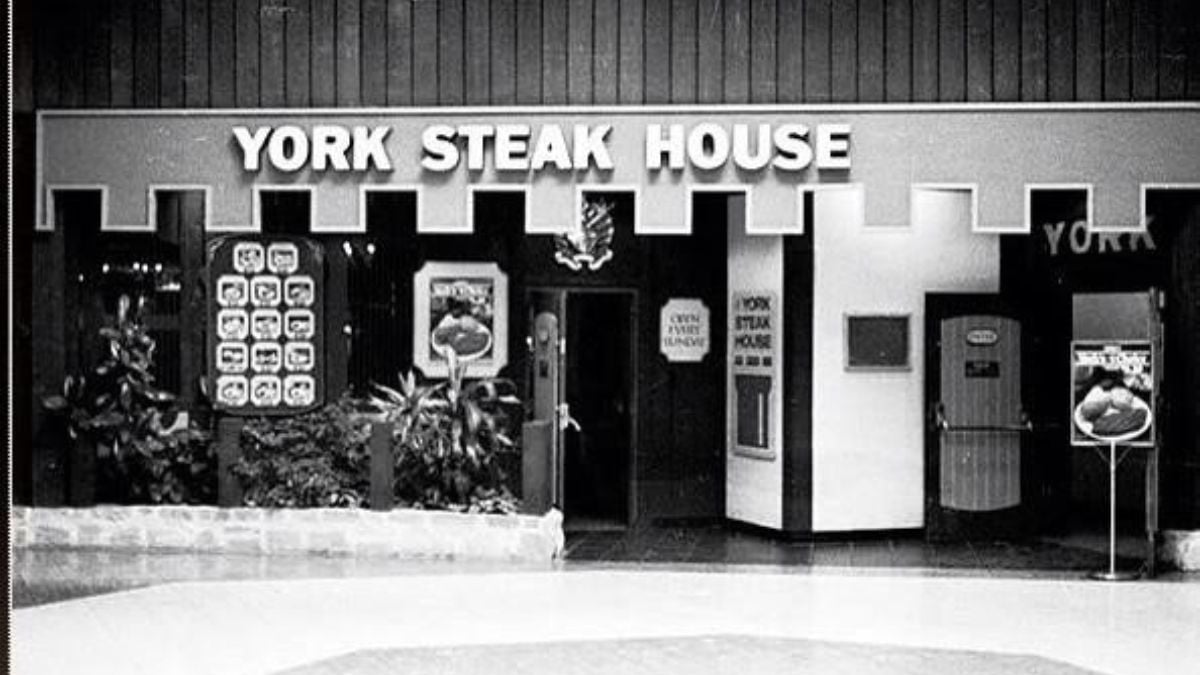
The last York Steak House stands in Columbus, Ohio, where the chain began. Purchased by long-time employee Jay Bettin in 1989, it maintained the classic menu and décor for decades. Minor updates included a salad bar and brighter dining room, but the original charm stayed intact.
New Ownership, Same Nostalgia
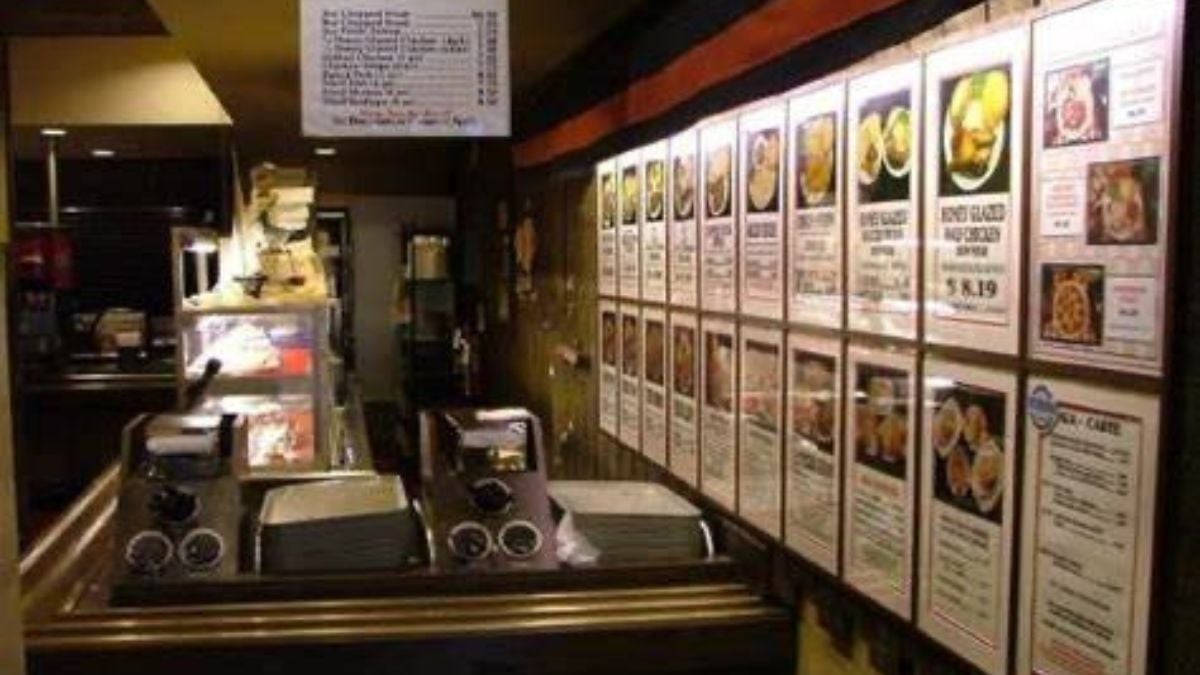
In 2024, Bettin sold the restaurant to Starliner Diner owners. They promised to preserve the classic menu and iconic atmosphere. The Columbus location now continues as a living piece of steakhouse history, keeping York’s legacy alive.
Why York Was Unique
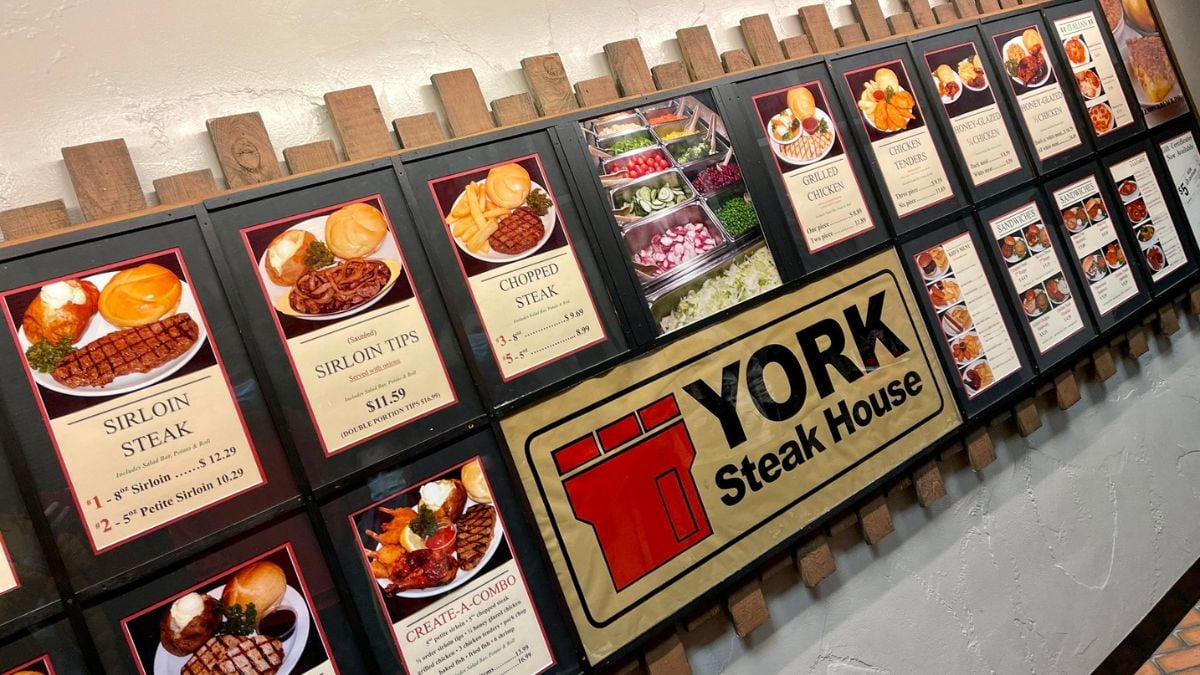
York’s cafeteria-style system made premium steak affordable and fast. Consistent décor, predictable quality, and a family-friendly atmosphere set it apart from both full-service steakhouses and typical diners. It was a hybrid that worked perfectly—until market forces caught up.
A Nostalgic Relic Survives
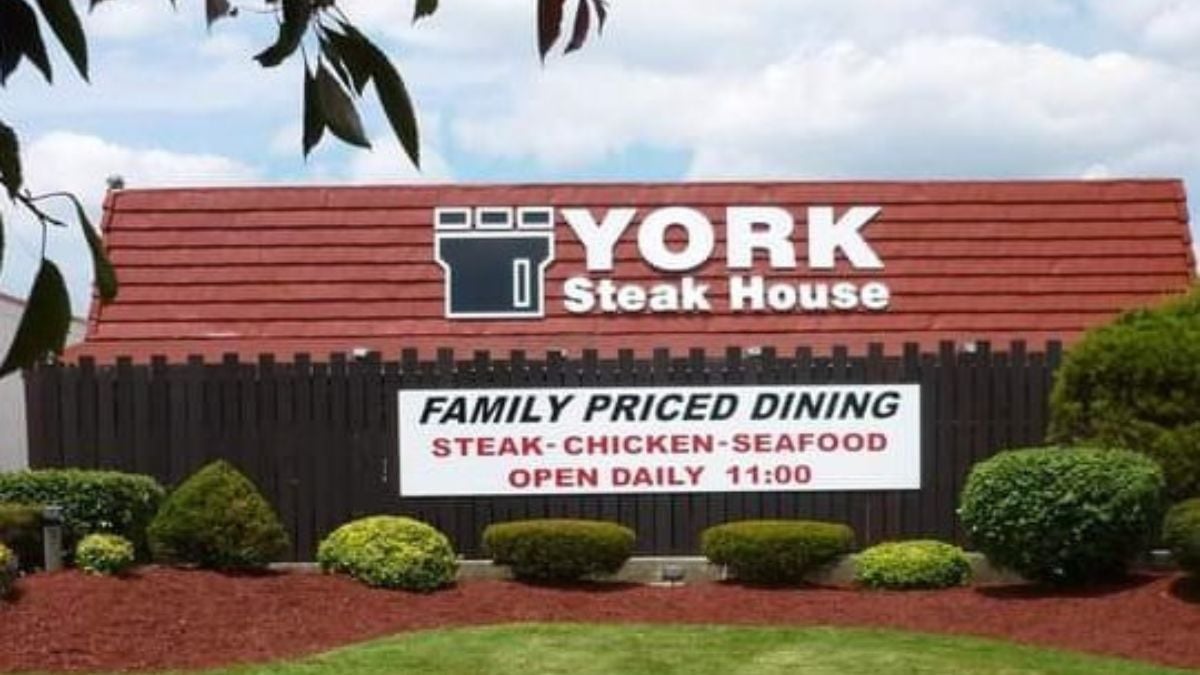
The Columbus York Steak House is a temple to perfectly cooked beef and decades of faithful diners. No Edison bulbs or Mason jar cocktails—just steak, sides, and tradition. For many, it’s a rare chance to relive a piece of culinary history.
Remembering York Steak House
York Steak House may have largely disappeared, but its influence on family dining lives on. The last location in Columbus keeps the experience intact for loyal fans and newcomers alike. Have you visited a York Steak House or have memories from its heyday? Share your favorite dishes and stories in the comments—let’s celebrate this cafeteria-steakhouse hybrid that captured so many hearts.