We’ve all seen it happen—someone nursing a single drink for hours while occupying prime restaurant real estate. To diners, minimum charges can feel petty or unfair. To restaurants, they’re often the difference between staying open and shutting down. Behind every table is a tight math equation involving rent, staff, and time. Here’s why restaurants sometimes draw a hard line on how long you can sit without ordering much.
Tables Are Valuable Real Estate

Sitting at a restaurant table isn’t free—it’s more like leasing space. Every occupied seat represents potential income the restaurant needs to survive. If a table isn’t generating enough revenue, it hurts the entire operation. Restaurants rely on steady turnover to meet daily financial targets.
Minimums Aren’t About Greed
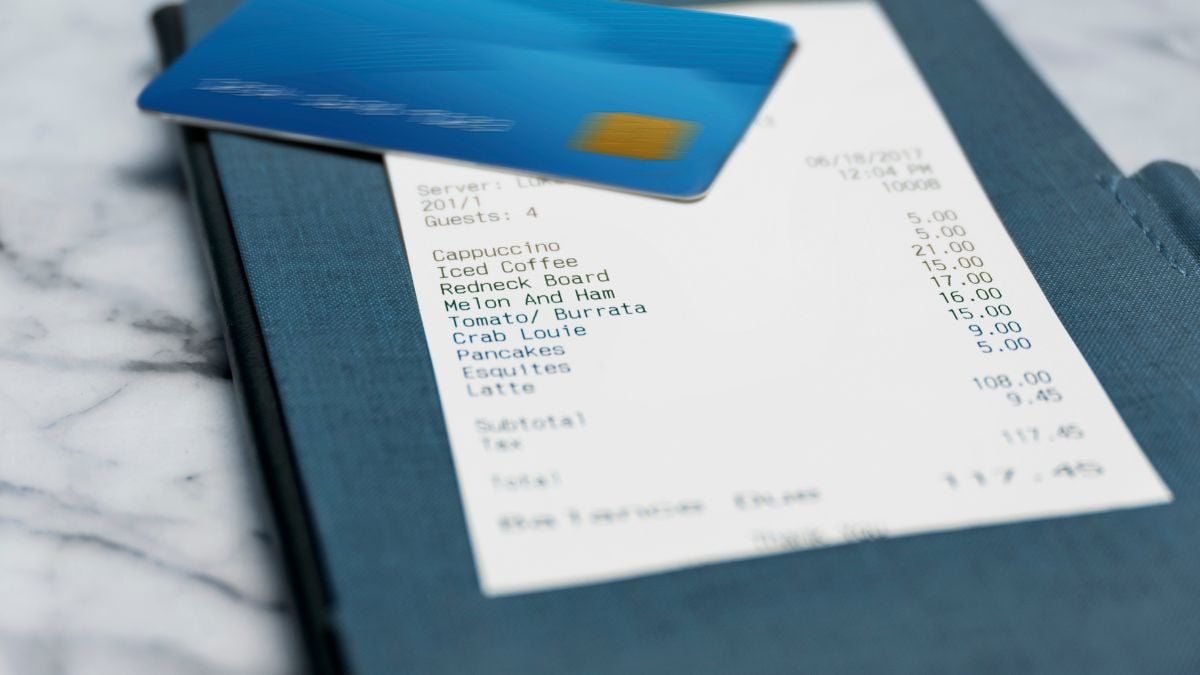
Restaurants aren’t trying to squeeze every dollar out of guests. Minimum charges exist to cover basic operating costs like rent, utilities, and labor. Without them, a full dining room could still mean an unprofitable night.
Special Events Change the Rules

Trivia nights and similar events often require minimum spending. Restaurants don’t want large groups ordering very little during high-demand times. Minimums protect the business during these events.
Game Days Are a Financial Risk
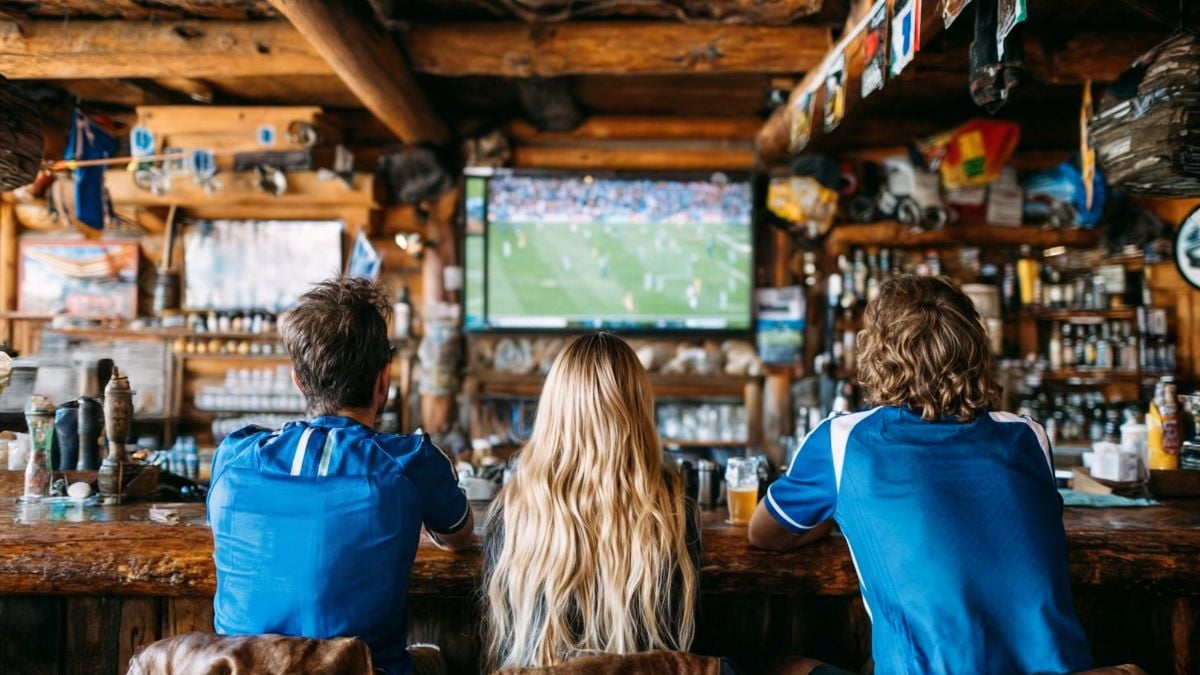
Sports events last hours, and tables can’t sit idle that long without spending. Minimum charges on game days help justify the space and screen time.
Bottle Service Comes With Strings
Bottle service guarantees seating and attention in exchange for a set spend. The expectation is clear and part of the experience.
Bars vs. Tables Have Different Rules
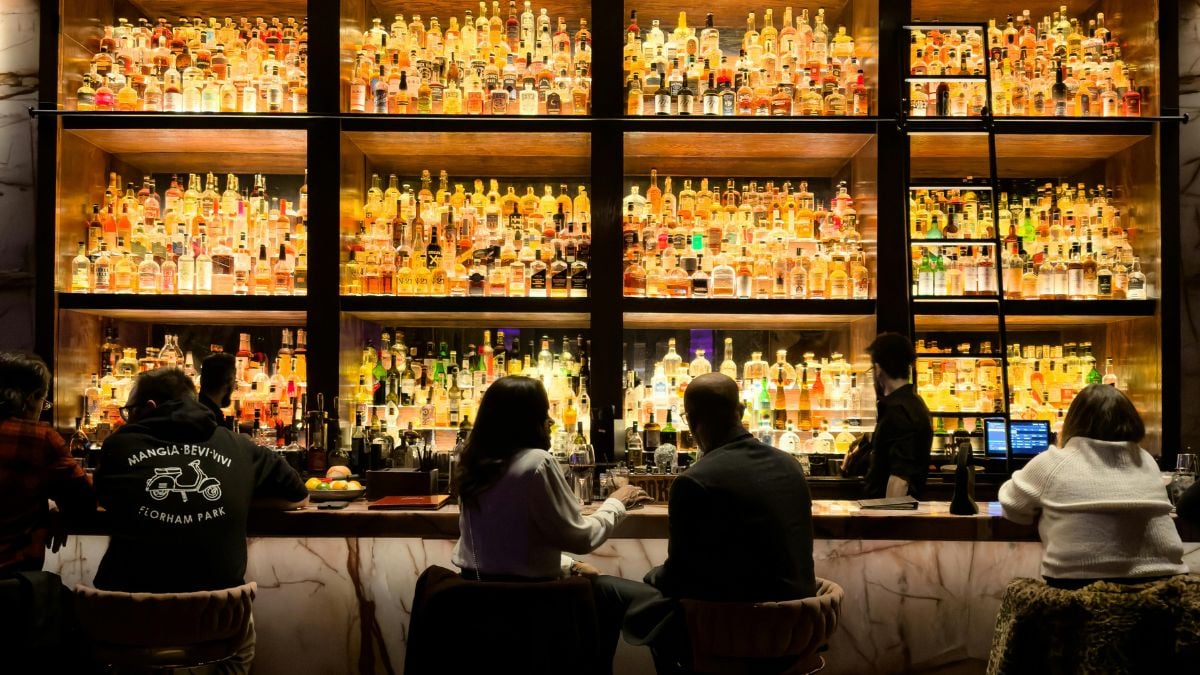
During peak hours, tables are prioritized for food orders while drink-only guests may be directed to the bar. This helps maximize revenue quietly.
Coffee Shops Face the Same Problem

Coffee shops limit laptop time for the same reason—one small purchase shouldn’t block multiple customers for hours.
Servers Feel the Impact First
Low-spend, long-stay tables reduce a server’s earning potential. Minimums help protect staff income.
Minimums Are Legal and Transparent

As long as they’re clearly stated, minimum charges are legal. Guests are free to decline and dine elsewhere.