There was a time when the mall wasn’t just for shopping — it was the social event of the week. You’d meet friends, wander aimlessly, and inevitably end up at the food court. From frothy orange drinks to cafeteria-style steak dinners, certain chains defined the experience. But as malls declined and tastes changed, many of those once-ubiquitous spots faded away. Here’s a nostalgic look at the mall food court restaurants you probably forgot you loved.
Orange Julius Was the Original Mall Drink
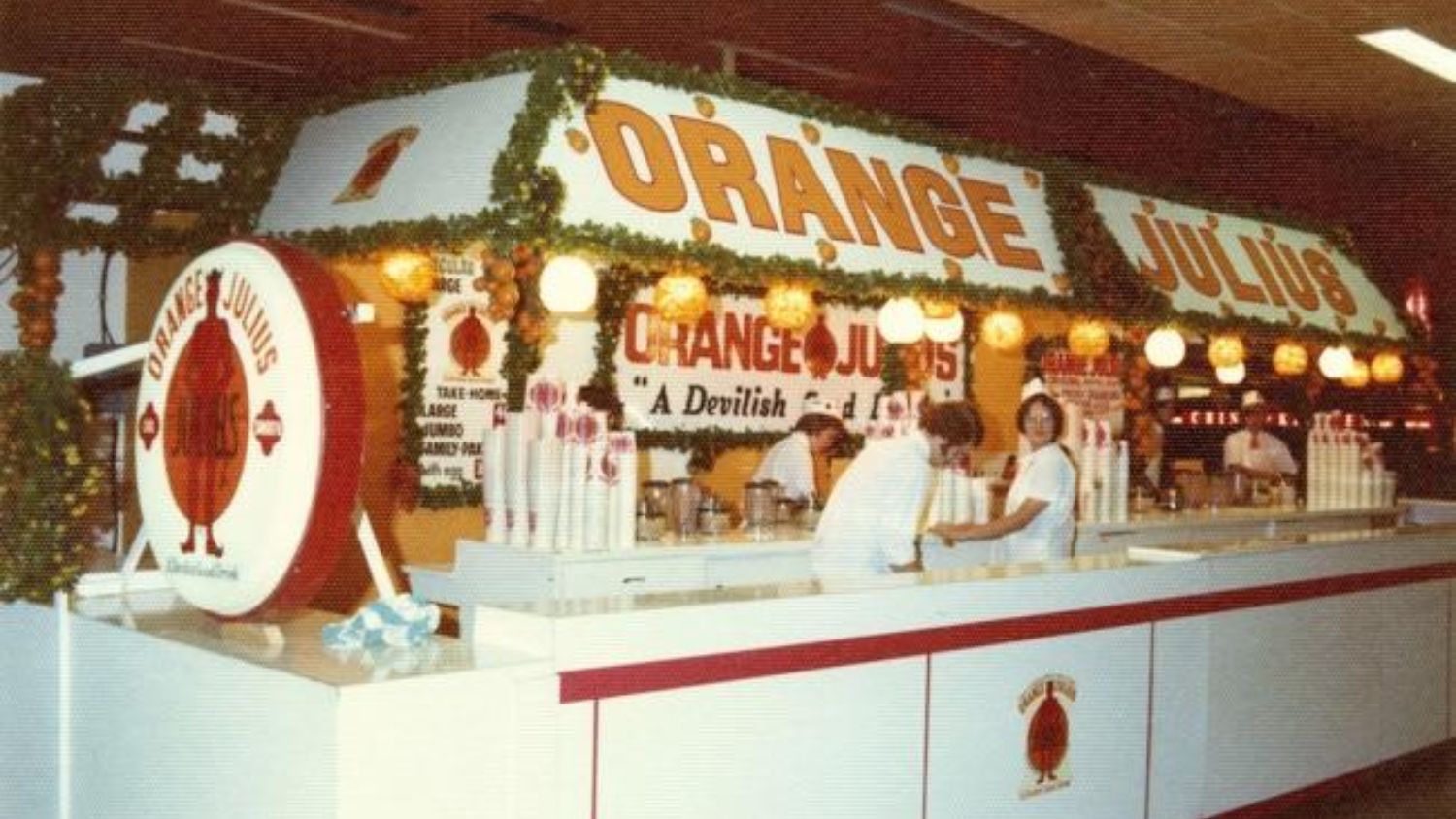
Long before smoothies were trendy, Orange Julius was the ultimate shopping refresher. Its signature frothy orange drink became a food court staple, even earning the title of official beverage of the 1964 World’s Fair. Though it started in 1926 as a humble juice stand, it exploded in malls during the 1960s. Eventually, it was absorbed by Dairy Queen, and by 2018 all stand-alone locations were converted. The drink lives on — but the iconic mall counters are mostly gone.
Hot Sam Pretzels Started the Pretzel Craze
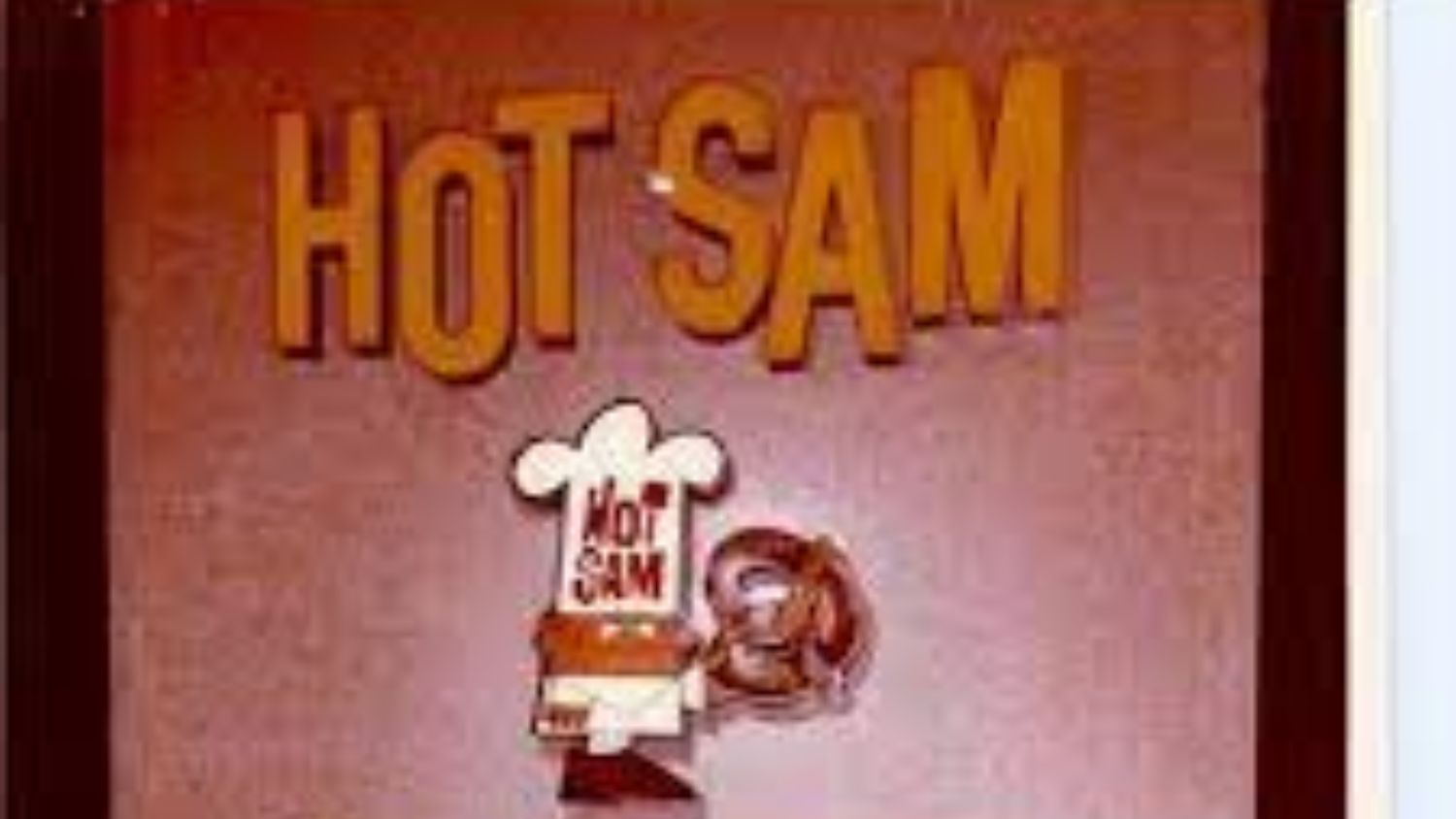
Before Auntie Anne’s dominated mall corridors, there was Hot Sam Pretzels. Founded in 1966, it filled malls with the smell of warm Bavarian-style pretzels baking in rotating ovens. By the mid-1980s, it had more than 175 locations nationwide. After being acquired by Mrs. Fields, the brand was slowly converted into Pretzel Time stores. By 2005, the last Hot Sam had disappeared — except for nostalgic cameos like its appearance in Stranger Things.
TCBY Made Frozen Yogurt Cool First
Before Pinkberry and Menchie’s, there was TCBY. Launched in 1981 during the low-fat craze, “The Country’s Best Yogurt” gave shoppers a lighter alternative to ice cream. At its peak, it boasted nearly 1,800 locations. Competition from trendier chains and declining mall traffic shrank its footprint dramatically. It still exists today — just not at the scale it once enjoyed.
China Coast’s Five-Year Flameout
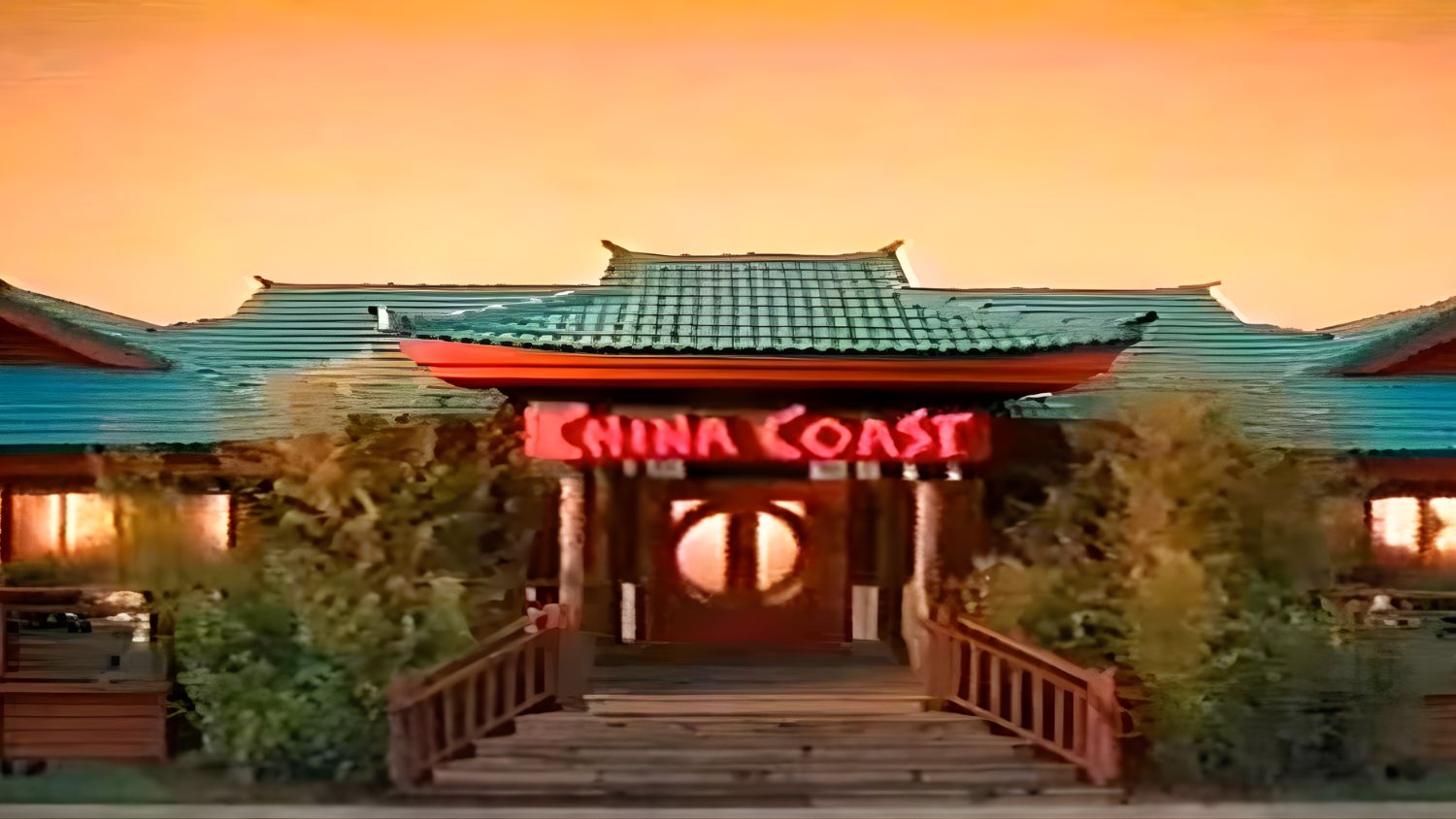
Backed by General Mills Restaurants, China Coast aimed to be the next mall Chinese favorite. It launched in 1990 with Americanized dishes like General Tso’s Chicken and even a dessert called the Great Wall of Chocolate. After expanding nationwide, it reached 51 locations. But fierce competition from local Chinese restaurants proved too tough. By 1995, it was completely shuttered.
Karmelkorn’s Caramel Corn Empire
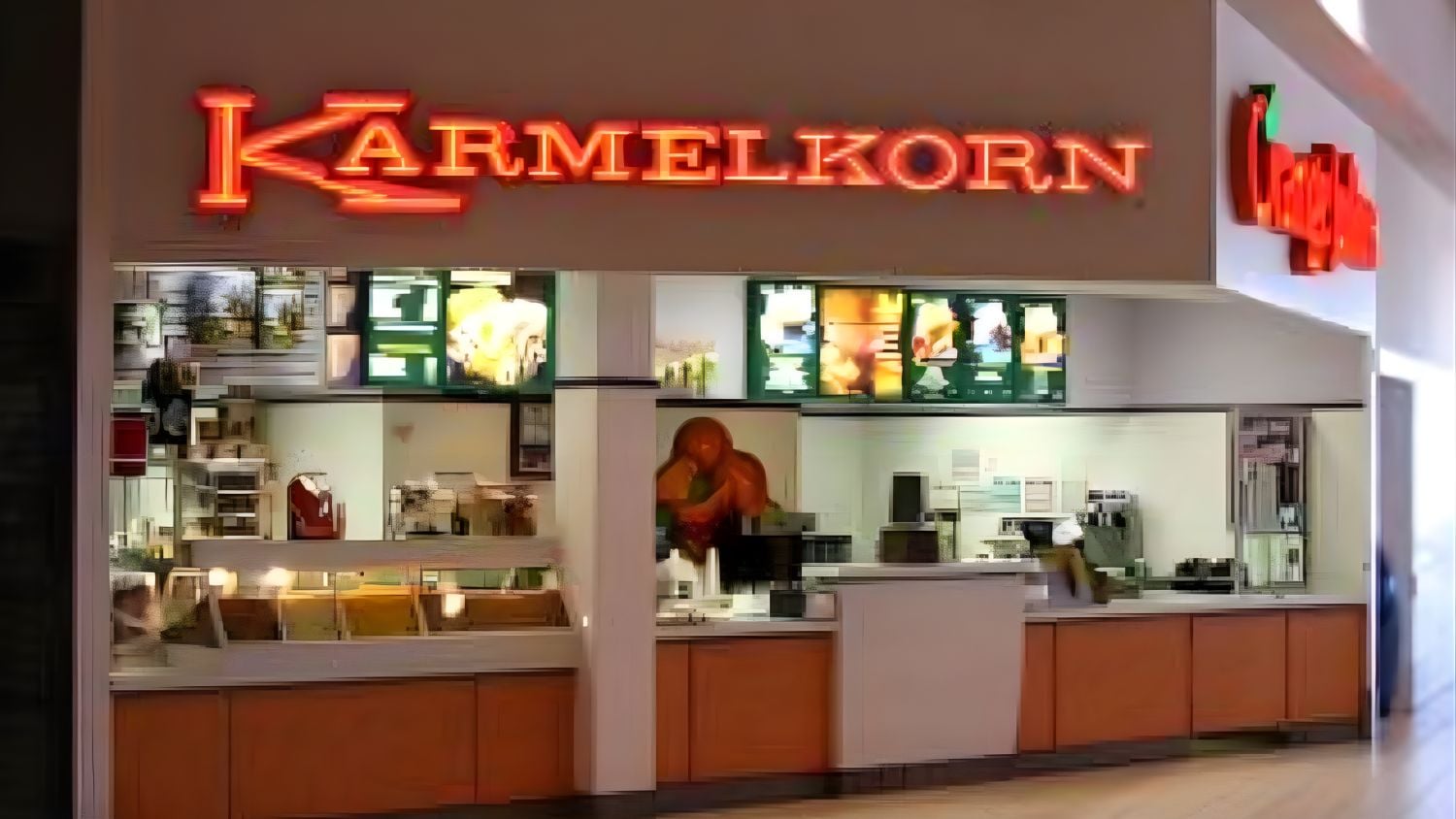
Founded in 1929, Karmelkorn predated malls but thrived inside them. Its fresh caramel corn and cheesy popcorn aromas lured shoppers in by the hundreds. At its height in the 1980s, it operated 270 locations across 43 states. Dairy Queen later acquired it, folding products into “Triple Treat” centers. Today, it survives mostly online and in limited regional pockets.
Kenny Rogers Roasters Brought Rotisserie to Malls
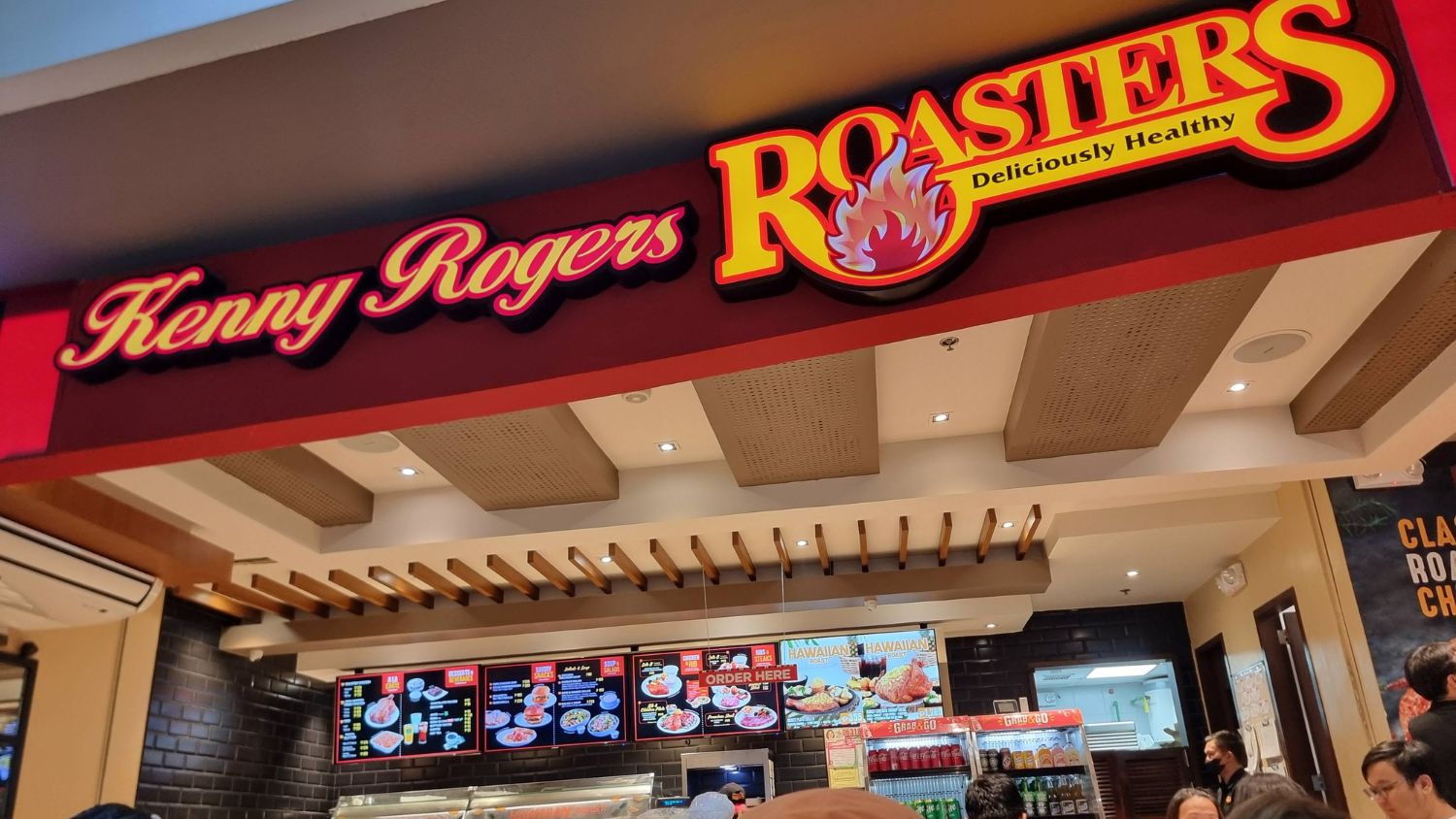
Yes, that Kenny Rogers. Kenny Rogers Roasters launched in 1991 and brought wood-fired chicken to food courts. It grew to around 350 locations and even landed a memorable feature on Seinfeld. Bankruptcy hit in 1998, and ownership changed hands. While nearly gone in the U.S., the brand now thrives across Asia.
Blimpie Once Rivaled Subway
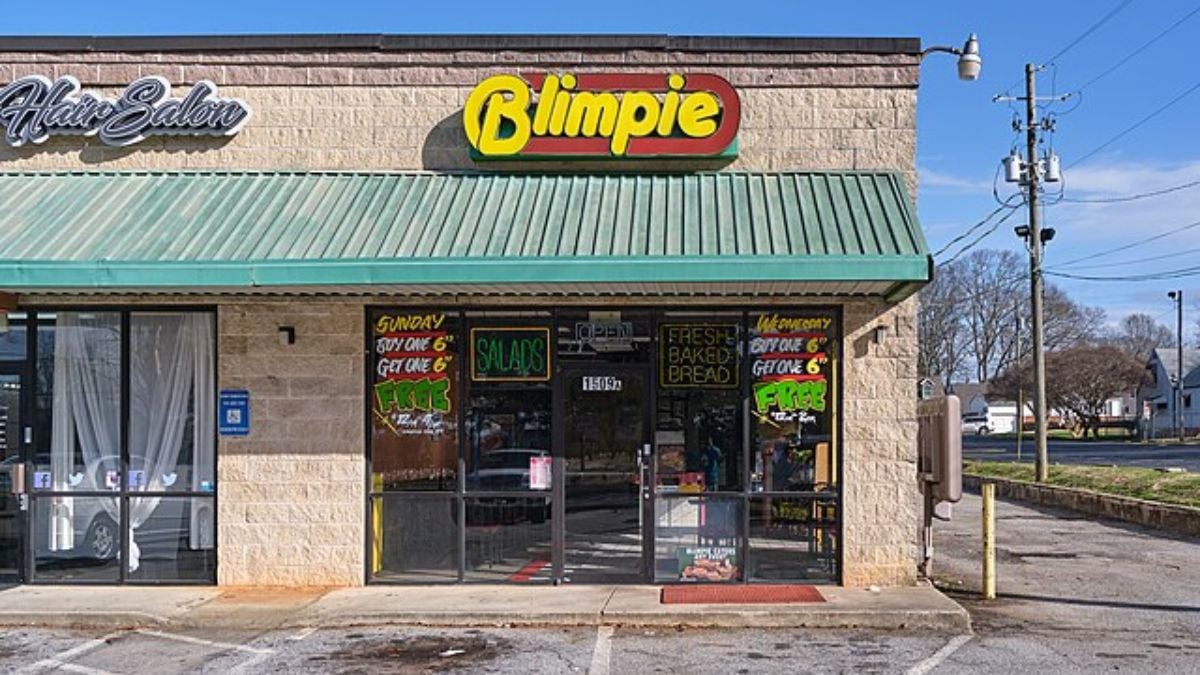
Founded in 1964, Blimpie helped pioneer the made-to-order sub model. At one point, it had around 1,800 locations nationwide. But as Subway exploded in growth, Blimpie struggled with ownership and expansion issues. Today, only about 100 locations remain. You’re more likely to find one in a gas station than a mall food court.
Morrison’s Cafeteria Served Southern Comfort
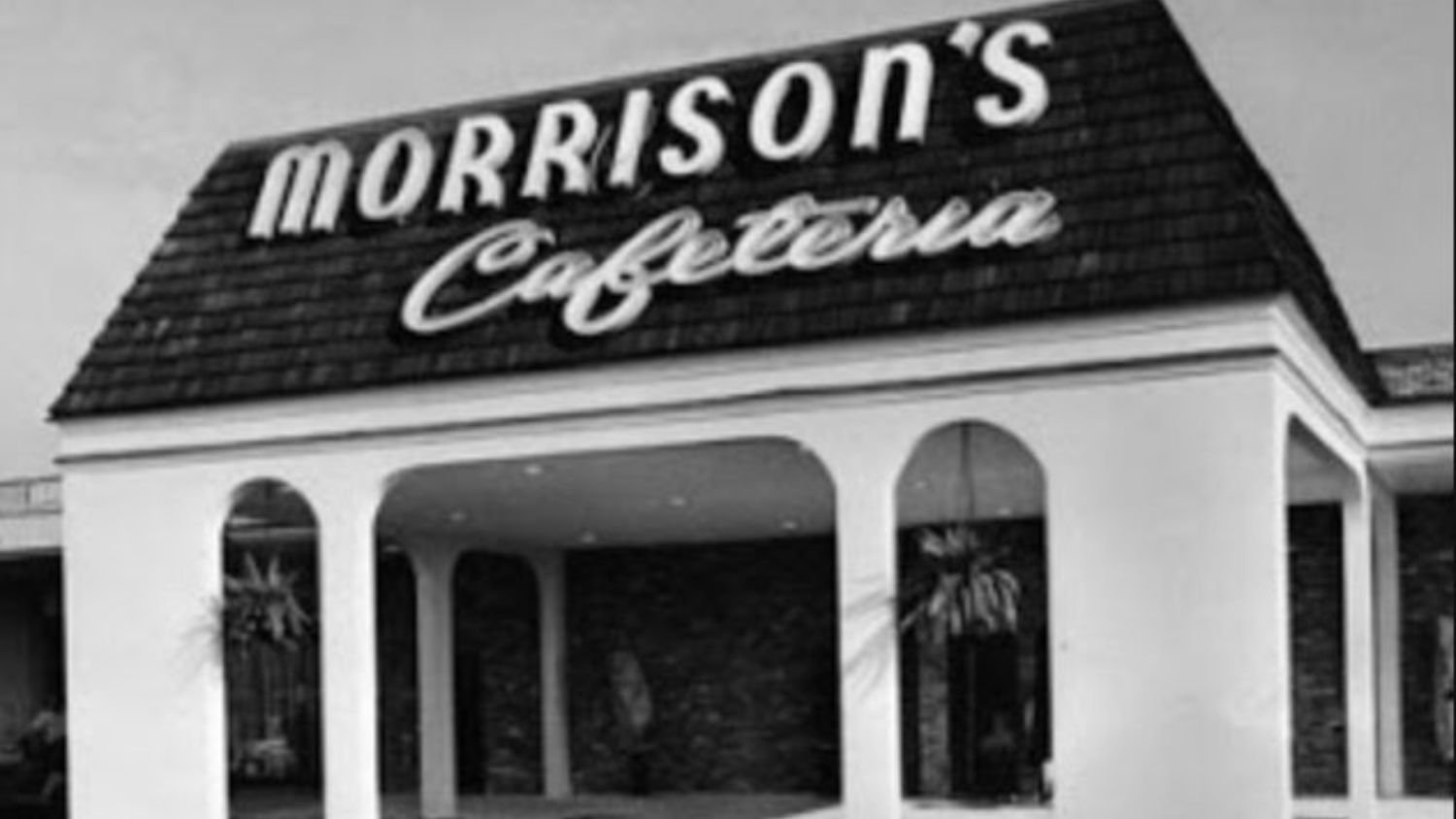
Opened in 1920, Morrison’s Cafeteria became known for fried chicken, meatloaf, and classic pies. It expanded into malls during the cafeteria-dining boom. At its height, it had over 150 locations. Changing tastes and shifting dining habits led to its decline, and it was eventually acquired by Piccadilly Cafeterias. One lone location still operates in Alabama.
York Steak House Made Steak Casual
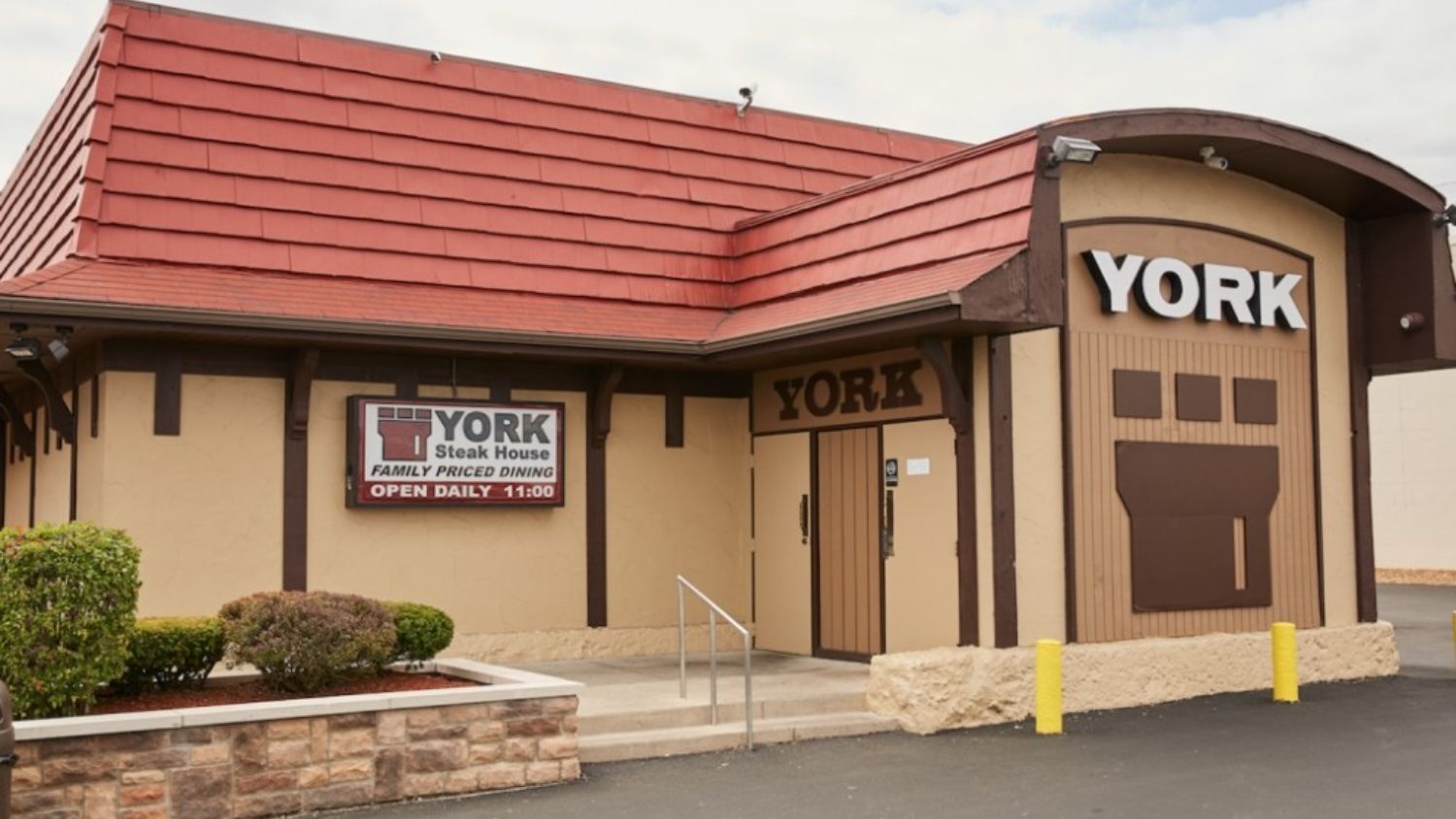
York Steak House proved you could grab a sirloin between shopping stops. Founded in 1966, it expanded to nearly 200 mall locations by the early 1980s. Over time, General Mills began closing stores as consumer habits shifted. Today, just one independent location remains in Ohio. Locals fiercely protect it as a nostalgic gem.
Mr. Fables Was a Michigan Icon
Regional favorite Mr. Fables built a loyal following with its Olive Burger and secret onion ring batter. Originally a Kewpee franchise, it rebranded in 1963 and expanded to 17 West Michigan locations. After a sale in 1988, the chain declined and ultimately closed in 2000. Its secret sauce recipes are still the stuff of legend.
Arthur Treacher’s Nearly Vanished
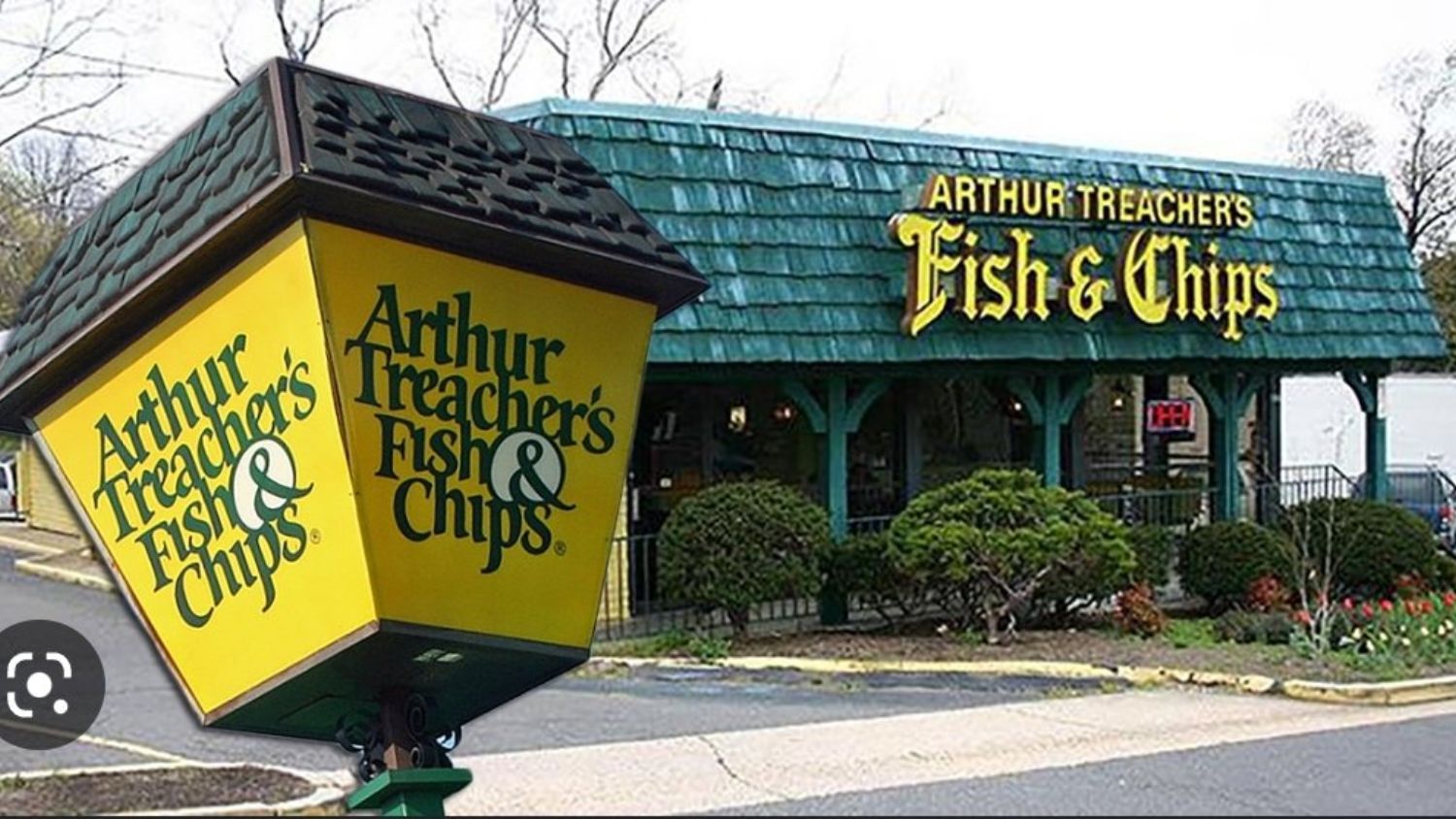
Founded in 1969, Arthur Treacher’s Fish & Chips once had more than 800 locations. Its battered cod and hush puppies defined mall seafood counters in the 1970s. But the brand steadily declined over decades. As of 2025, only three independent sit-down locations remain — all in Ohio.