The holidays are full of parties, brunches, and festive gatherings, all of which often include alcohol. But not all drinks are created equal when it comes to calories, carbs, or perceived health benefits. Wine gets a health halo, beer hints at gut perks, and spirits are often marketed as “lighter.” Yet the truth is more nuanced. Understanding alcohol content, portion sizes, and mindful drinking strategies can help you enjoy the season without overindulging. Here’s a clear guide to making smarter drink choices this year.
Know Your Standard Drink Sizes
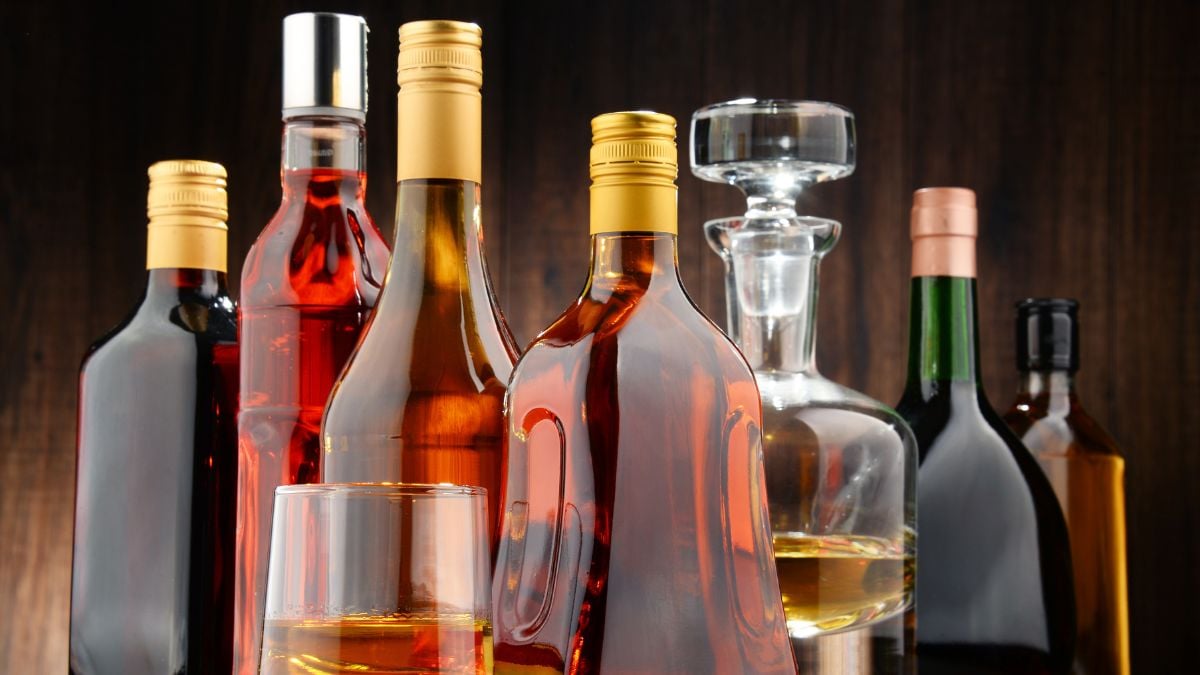
A standard drink isn’t always what it looks like in a glass. Beer, wine, and spirits have varying alcohol by volume (ABV), meaning pour size matters. A typical beer has about 5% ABV, wine is around 12%, and spirits come in at 40%. CDC guidelines set standard servings at 12 oz beer, 5 oz wine, and 1.5 oz liquor. Pour more than that, and you’re quickly doubling your intake — affecting calories, sleep, and how you feel the next day.
Wine’s Slight Nutritional Edge
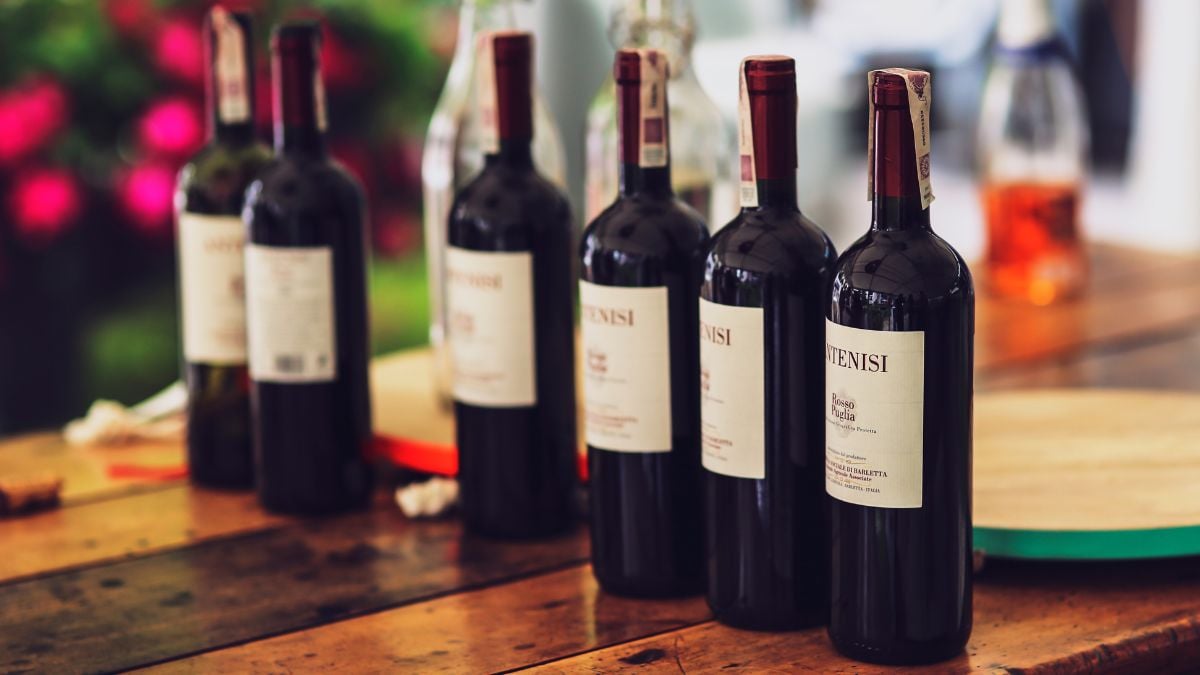
Red wine often gets praised for antioxidants that may reduce inflammation and support heart health. It’s even a staple of the Mediterranean diet. But don’t let the health halo fool you — the same antioxidants exist in grapes, berries, and other foods without the alcohol risk. Wine may have a slight edge over other drinks, but moderation is key, and more is not better.
Beer: More Than Just Calories
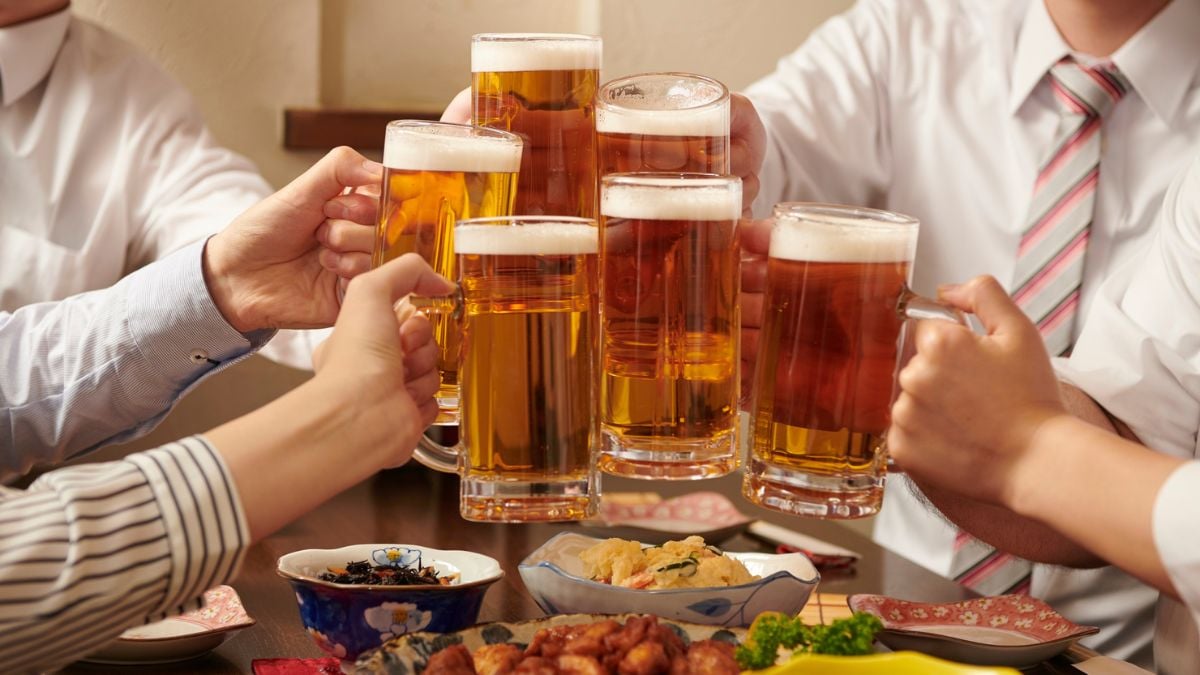
Beer contains compounds from fermentation and small amounts of B vitamins and antioxidants. This has led some to label it “gut-friendly.” However, beer is higher in carbohydrates and calories than wine or spirits, which may impact weight or blood sugar. Any potential gut benefit is limited, and fermented foods like kimchi or yogurt are more reliable for gut health.
Spirits Offer Lower-Calorie Options
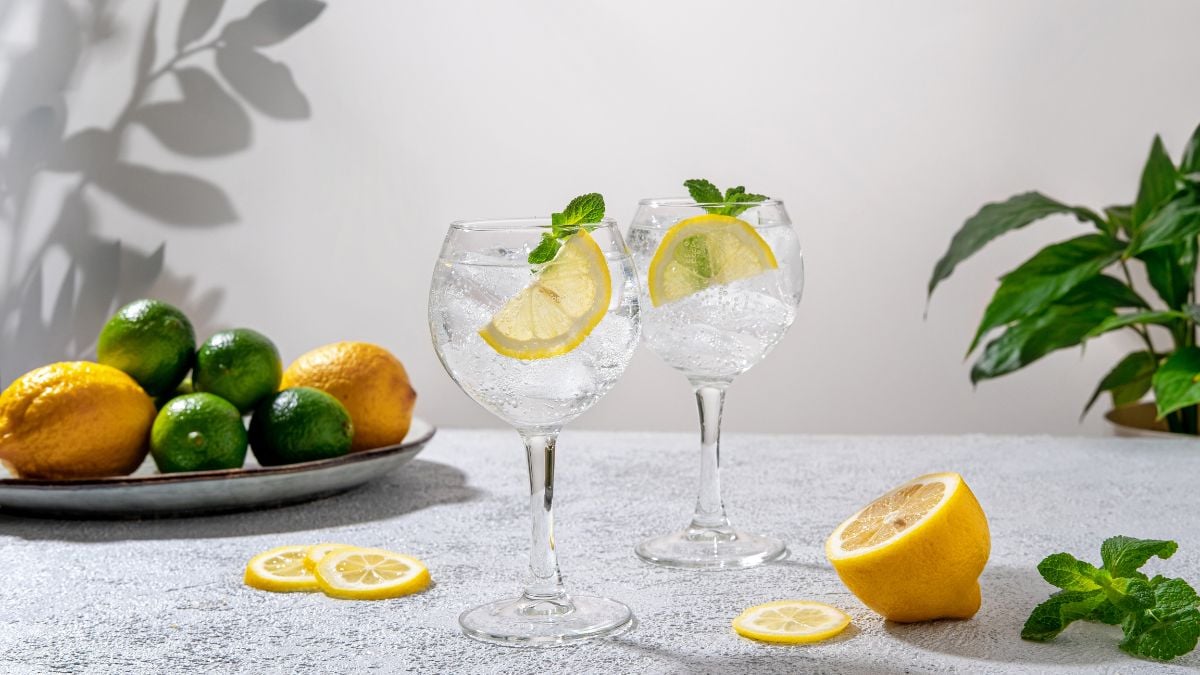
Liquors like vodka, gin, and tequila have no carbs and fewer calories per serving. That’s why spirits are often seen as a lighter choice. But cocktails can easily push you past a standard drink. Mixers like juices, syrups, and liqueurs pack extra sugar and calories, turning a “low-cal” drink into a sugar bomb.
Alcohol Content Matters More Than Type

The ABV of your drink determines how much alcohol you consume, regardless of whether it’s beer, wine, or liquor. Higher ABV means more alcohol per ounce, so smaller portions of spirits can match the alcohol in a larger beer or wine glass. Understanding ABV helps prevent accidental overpouring and keeps your intake in check.
Calories Add Up Fast
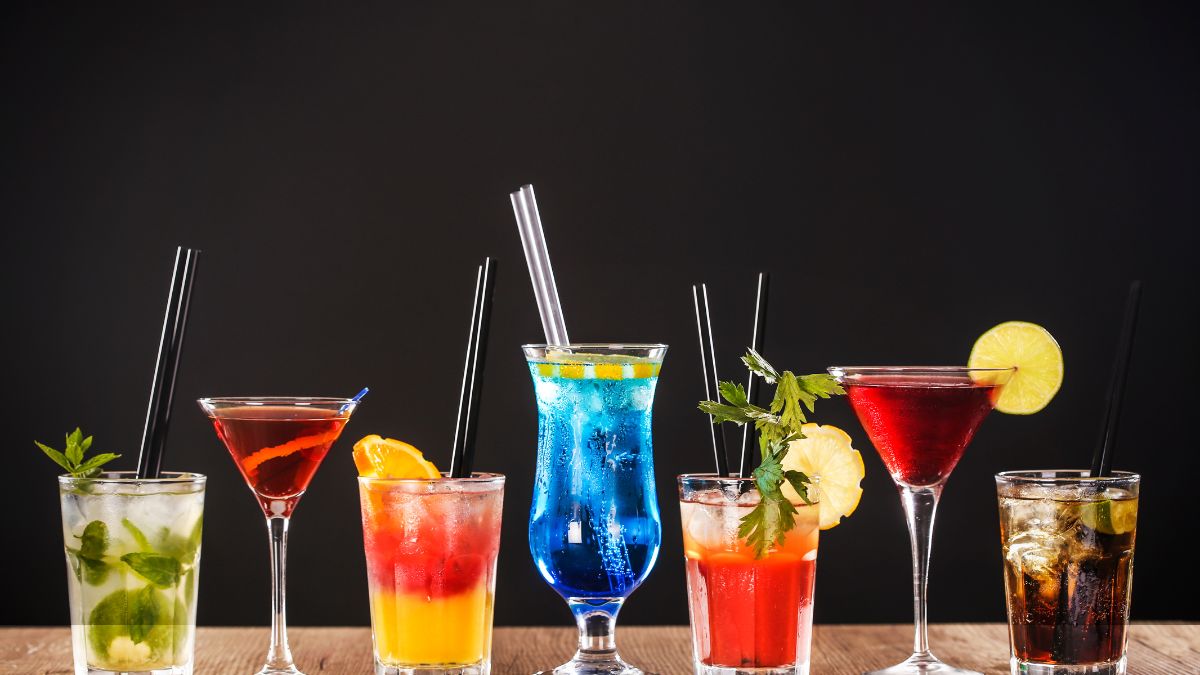
Even modest pours can rack up calories. Beer tends to have more carbs, wine offers moderate calories, and spirits are the lowest if taken straight. Add sugary mixers, and a single cocktail can exceed the calorie content of multiple drinks. Being aware of calories helps you enjoy alcohol without derailing other goals.
Portion Control is Your Best Friend
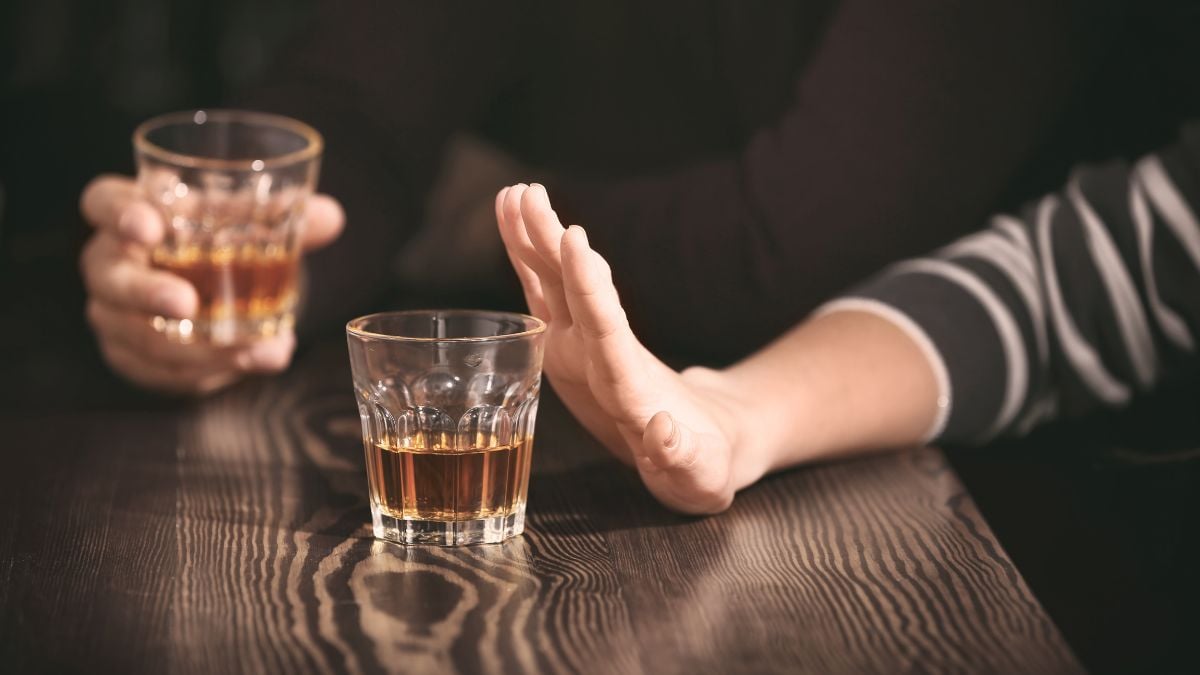
Stick to one drink per day for women and two for men. Overpouring or frequent drinking adds up quickly. Mindful portions not only manage calories but also reduce hangovers and sleep disruption. It’s an easy step that makes all other drinking tips more effective.
Drink Slowly, Sip Mindfully

Taking your time with a drink helps your body process alcohol and prevents overconsumption. Pair each alcoholic beverage with a glass of water to stay hydrated. Savor the flavor instead of chugging out of habit. Mindful drinking makes the experience enjoyable and safer.
Eat Before You Drink

Having food in your stomach slows alcohol absorption, reducing blood sugar spikes and hangover risk. A balanced snack or meal before drinking keeps you in control. It’s one of the simplest ways to enjoy alcohol without feeling the downsides the next day.
There’s No “Healthy” Alcohol
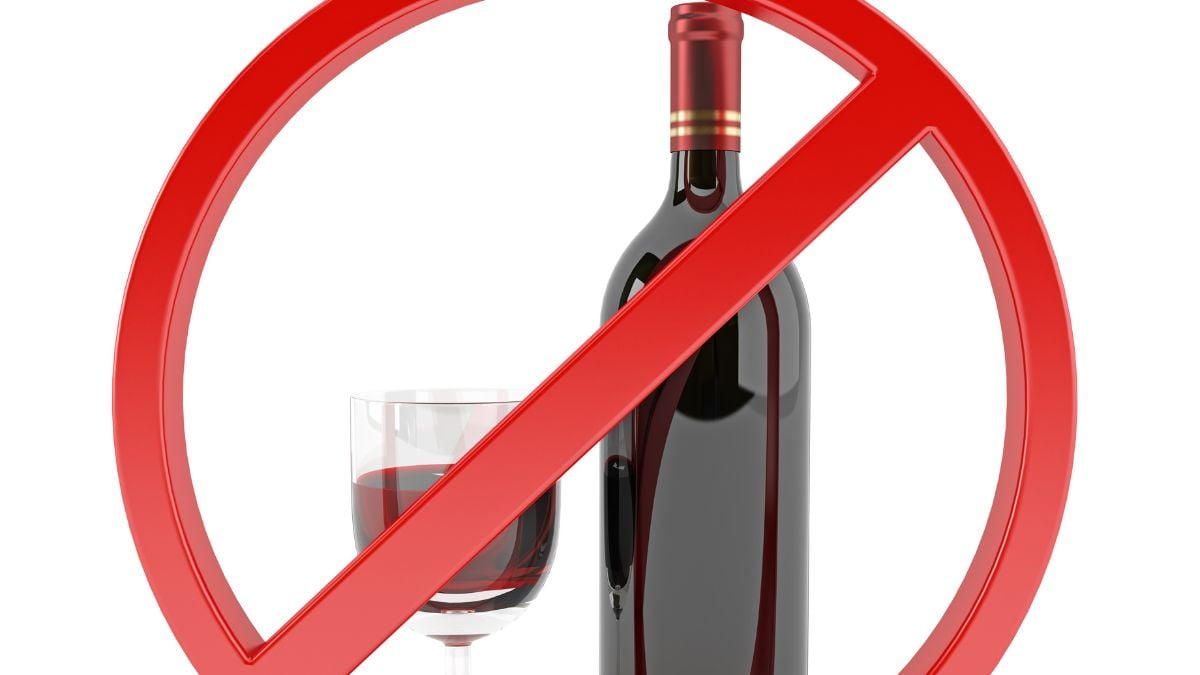
All alcoholic drinks have pros and cons. Wine offers antioxidants, beer brings fermentation perks, and spirits are lower in carbs. But none are necessary for good health, and overindulgence carries real risks. Choosing based on taste, enjoyment, and moderation beats chasing a health halo.
Mindful Drinking Wins

The holidays are about enjoyment, not guilt. Pick the drink you like, savor it slowly, and stay mindful of portions. Mixers, overpouring, or daily drinking can undo any supposed health benefits. Cheers to enjoying alcohol wisely — and having fun without regrets.