Tipping is one of those social customs almost everyone follows—but few truly understand, which is exactly why a clear tipping etiquette guide matters more than ever. Rising menu prices, digital checkout screens, and new service models have turned gratuity into a source of confusion and second-guessing. From restaurants and bars to coffee shops and delivery apps, knowing what’s polite—or expected—can feel overwhelming. To cut through the uncertainty, we spoke with etiquette experts and restaurant insiders to explain how much to tip, when tipping is appropriate, and how to handle modern tipping situations with confidence and ease.
Tipping Is About Effort, Not Just Rules

Etiquette coach Jamila Musayeva says tipping isn’t a strict formula—it’s about recognizing effort. Even a small gesture with a genuine “thank you” can make a server’s day. It’s less about percentages and more about appreciation. This mindset works across restaurants, takeout, and drinks. Showing respect often matters more than the exact number you leave.
Restaurants Deserve 18-20% for Good Service

At full-service restaurants, 18-20 percent is considered polite for solid service. If the meal or service goes above expectations, Musayeva recommends 20-25 percent. Critics agree: servers spending an hour with you deserve extra consideration. Think drinks, courses, and table upkeep. A little extra shows you notice their effort.
Extra Gratuity for Hardworking Staff

Restaurant critic Allyson Reedy adds that 20 percent is a solid baseline, but adding a few dollars for attentive service is appreciated. If servers go the extra mile—handling large parties, accommodating special requests, or ensuring a smooth experience—a little bonus on top of the check reflects gratitude.
Automatic Service Charges Aren’t Always Tips

Service charges, ranging from 2-25 percent, often appear on bills. These are not automatically tips—they may cover operational costs or staff benefits. Musayeva notes that sometimes large-party fees don’t go directly to servers. If service impresses you, leaving a small extra tip is courteous. Always ask what any “service charge” covers to avoid confusion.
Fast-Casual Tipping Confusion

At counter-service restaurants, tipping 10 percent is polite if staff bring food or clear tables. If you’re fully self-serve, tipping isn’t expected but appreciated for extra effort. Reedy says 15 percent is fair if they deliver food to your table but you clear it yourself. Even small gestures show gratitude.
Takeout Tips: 10% for Thoughtfulness
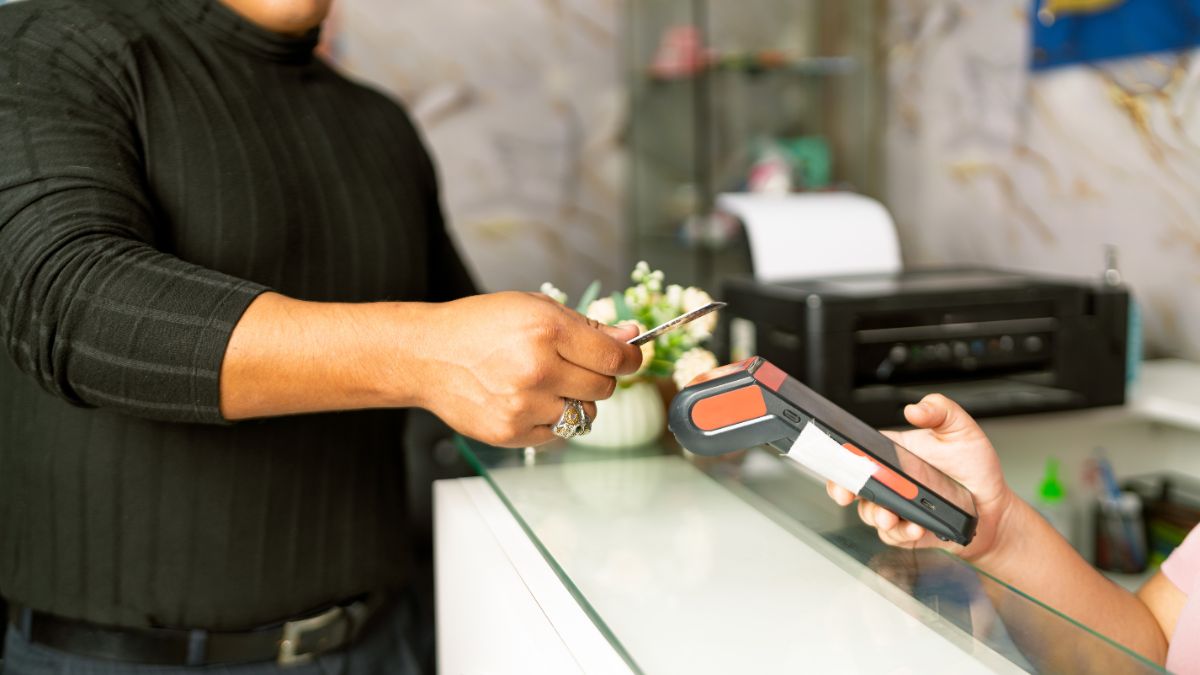
For takeout, 10 percent is thoughtful, especially for large or custom orders. A simple rounding up works for small or self-serve items. Delivery gets a premium: Reedy suggests up to 25 percent for doorstep service. Consider any delivery fees as separate—they don’t replace tipping. Extra tip dollars reward effort, not logistics.
Bars Deserve $1-$3 Per Drink
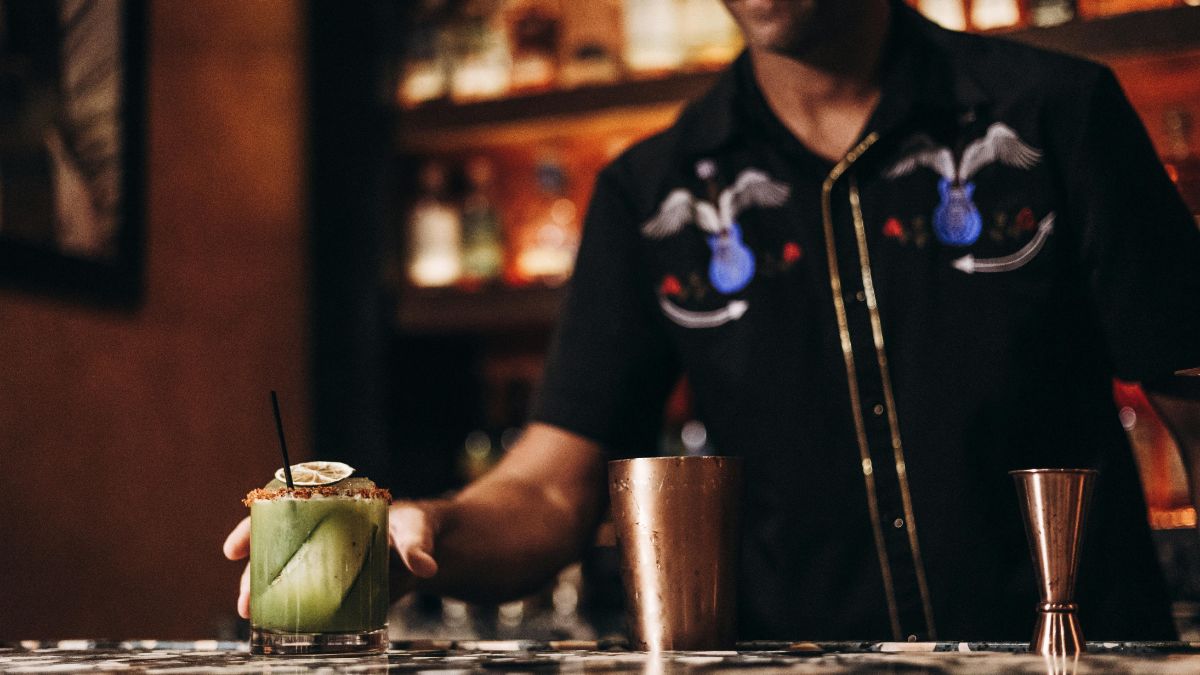
When grabbing drinks, tipping depends on complexity. Basic drinks like beer or wine earn $1, while fancy cocktails get $2 or more. Reedy sometimes leaves $3 for high-end mixed drinks costing $16 or more. Customized service deserves recognition. Bartenders, like servers, appreciate gestures of gratitude.
Coffee Shop Tips Are Modest But Polite
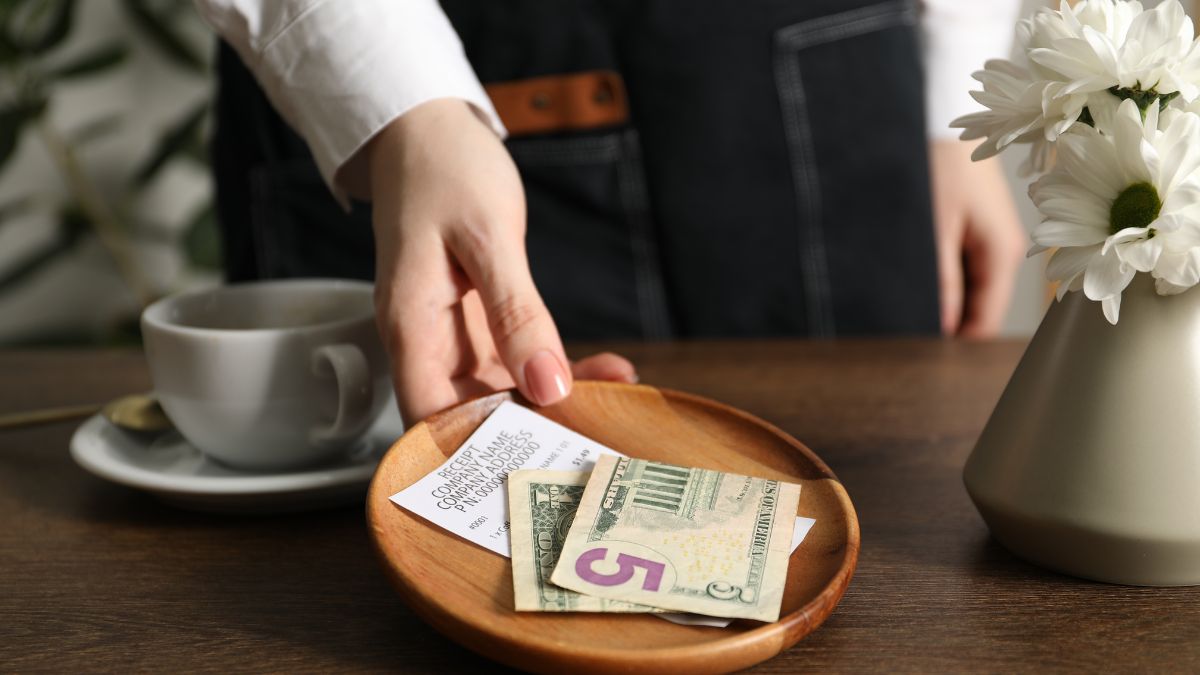
At cafes, $1-$2 for a cup of coffee is standard. More complicated drinks or busy shifts justify slightly higher tips. Communal tipping jars are great when multiple staff assist. Even small amounts help support service staff. A little courtesy goes a long way in busy coffee shops.
International Tipping: Know Before You Go
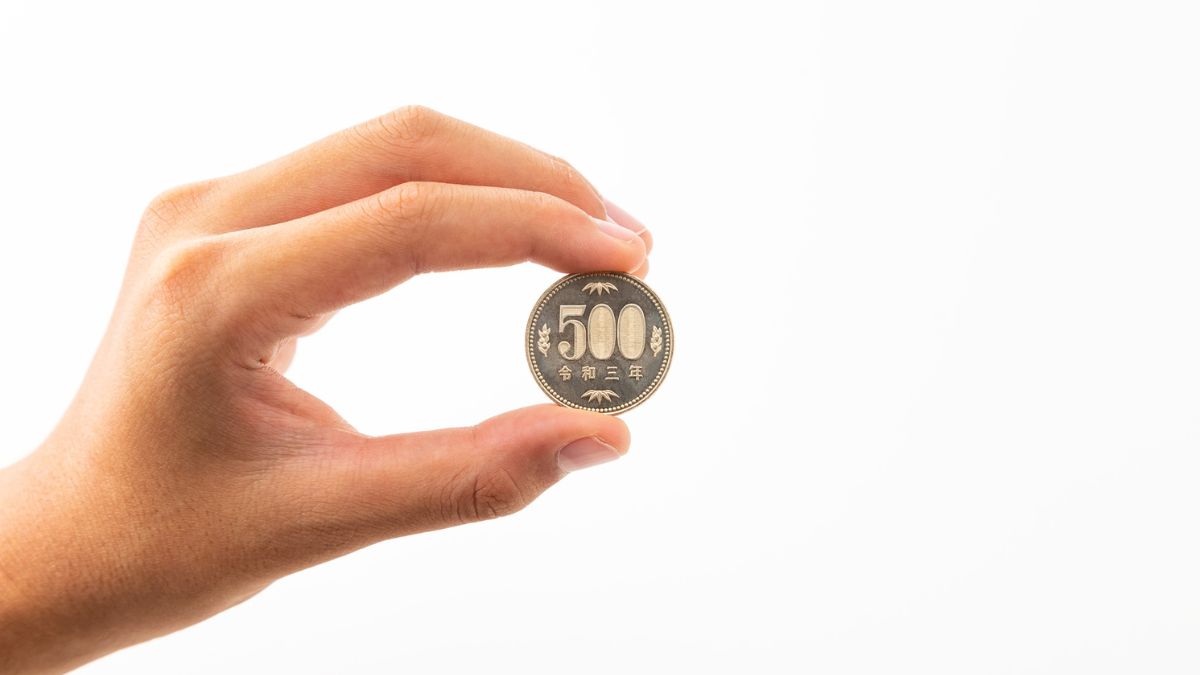
Tipping customs vary worldwide. In the U.S., gratuity is expected. In Europe, it’s appreciated but optional. In Japan, tipping can be offensive. Musayeva recommends researching local norms when traveling. Being informed prevents embarrassment or over-tipping.
Gratitude Trumps Calculation

Ultimately, tipping is about acknowledging effort. Even a small tip with a genuine “thank you” leaves a bigger impact than a perfectly calculated percentage. Respectful behavior and a smile can make all the difference. Your tip reflects appreciation, not just arithmetic.