Dinner was delicious. The conversation is flowing. The bill is paid. So… how long can you actually stay? According to longtime food service pro Darron Cardosa, there’s a fine line between relaxing and overstaying your welcome — and many diners cross it without realizing. Here’s what restaurant staff really think about lingering, plus the subtle signals that it’s officially time to go.
The 30-Minute Rule You Should Know
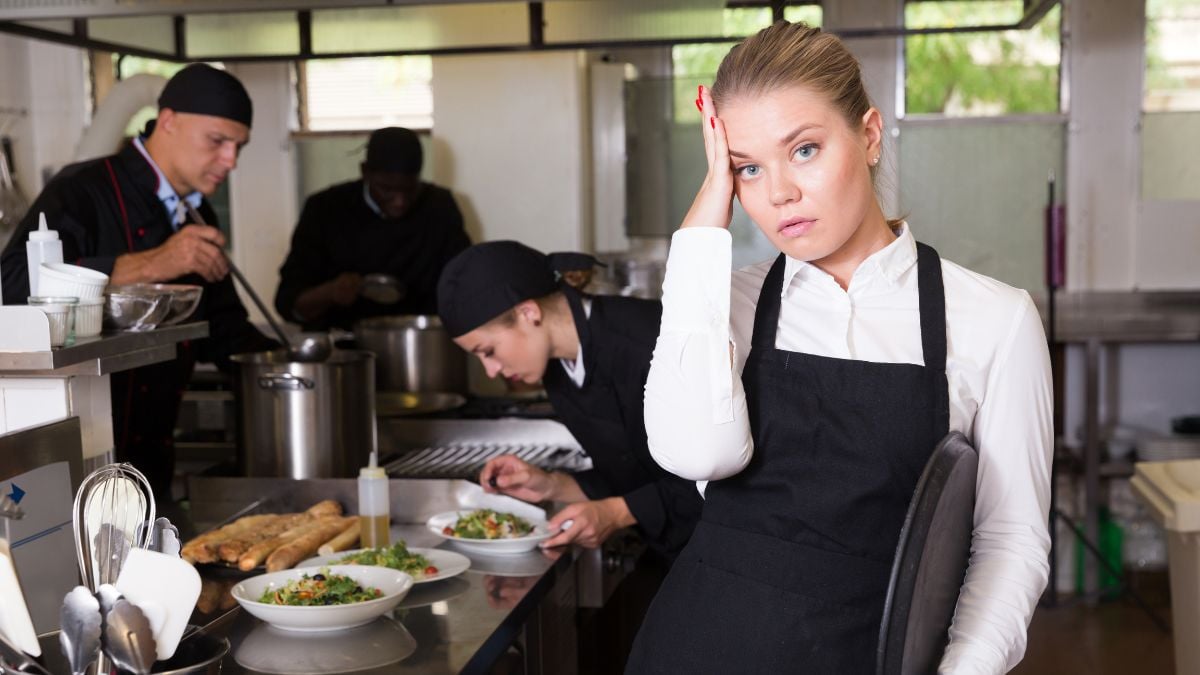
There’s an unspoken grace period after closing time — and it’s not endless. Around 30 minutes past closing? Annoying, but tolerable. Push it to 45 minutes and you’re entering uncomfortable territory. Stay an hour and you’ve officially moved into unacceptable. Restaurants don’t expect you to sprint out the door, but they also don’t operate on open-ended time.
Why Lingering Hits Staff Harder Than You Think
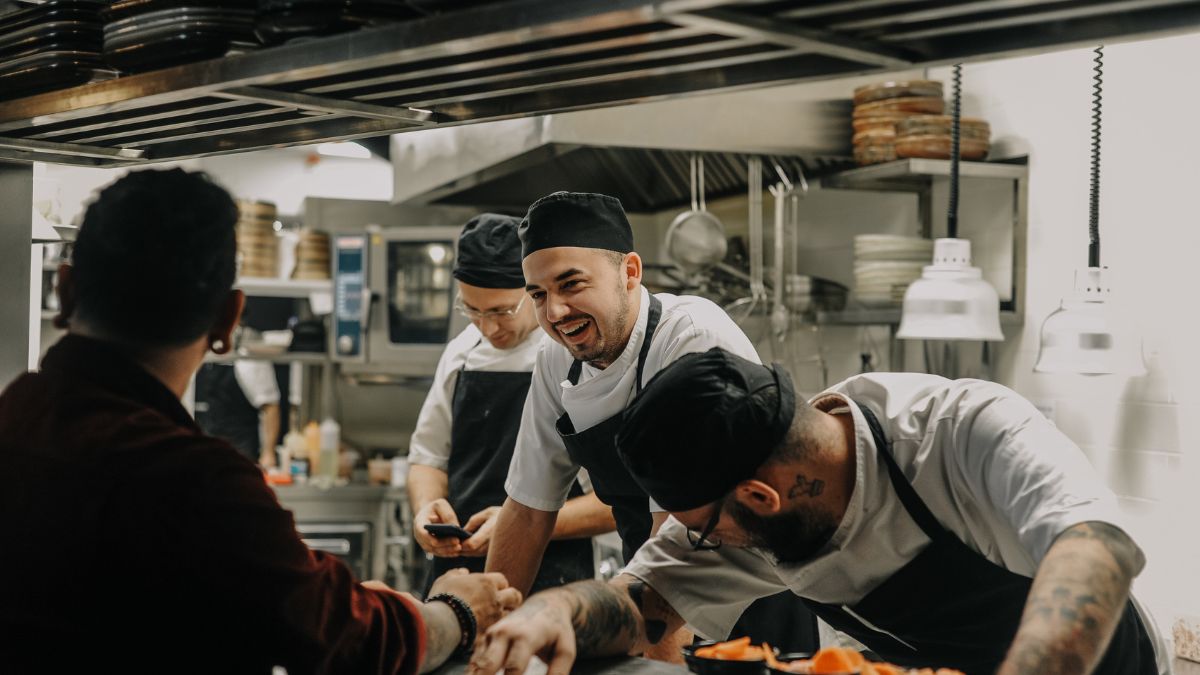
When you stay late, the entire restaurant is stuck waiting on you. The kitchen can’t fully shut down. The dishwasher is waiting for those last plates. The manager can’t turn off the music. And your server — who’s been on their feet for hours — can’t go home until you do.
Meet the Dreaded “Campers”

In restaurant slang, chronic lingerers are called “campers.” These are the guests who settle in like they’re pitching a tent in their booth. They may even jokingly ask, “Are we keeping you?” while making zero effort to leave. The answer from staff is always polite — but the truth is very different.
Yes, You’re Affecting Someone’s Income

Servers rely on table turnover to make money. The longer a table is occupied, the fewer guests they can serve. During busy hours, that can directly cut into their earnings. Hanging out too long isn’t just inconvenient — it can cost someone real income.
Slow Nights Change the Rules (A Little)
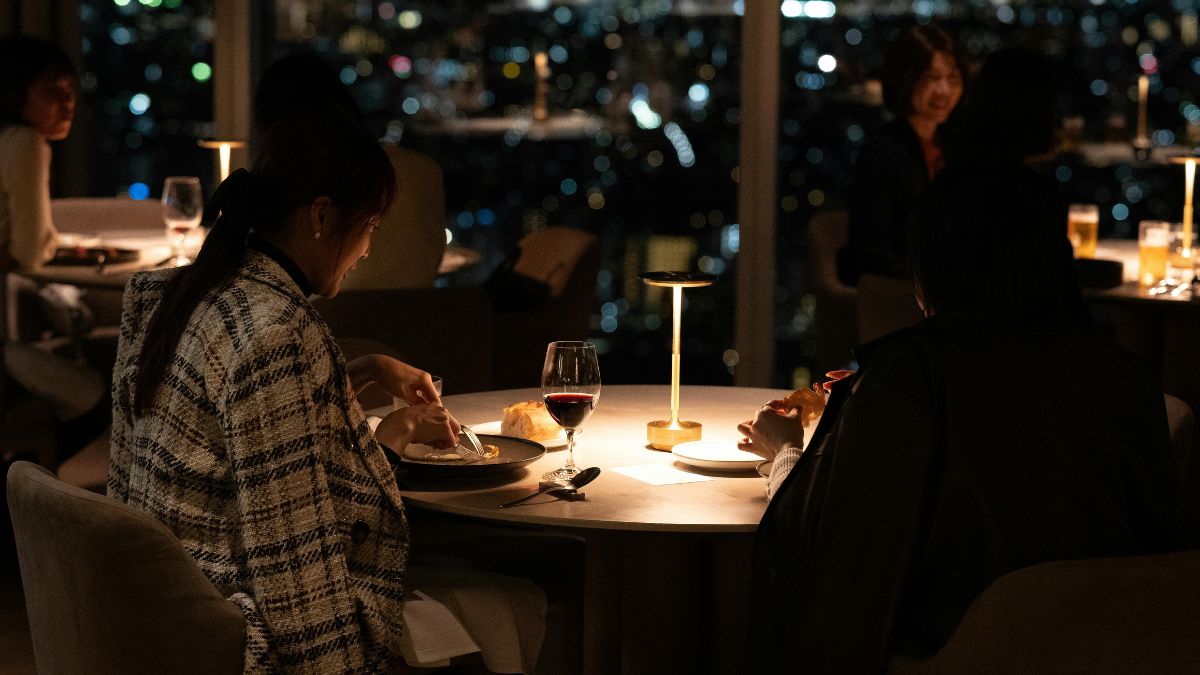
If the restaurant is quiet or off-peak, lingering isn’t quite as disruptive. Fewer waiting guests means less financial impact. But even then, closing time still matters. Reading the room is key.
When the Atmosphere Starts Disappearing
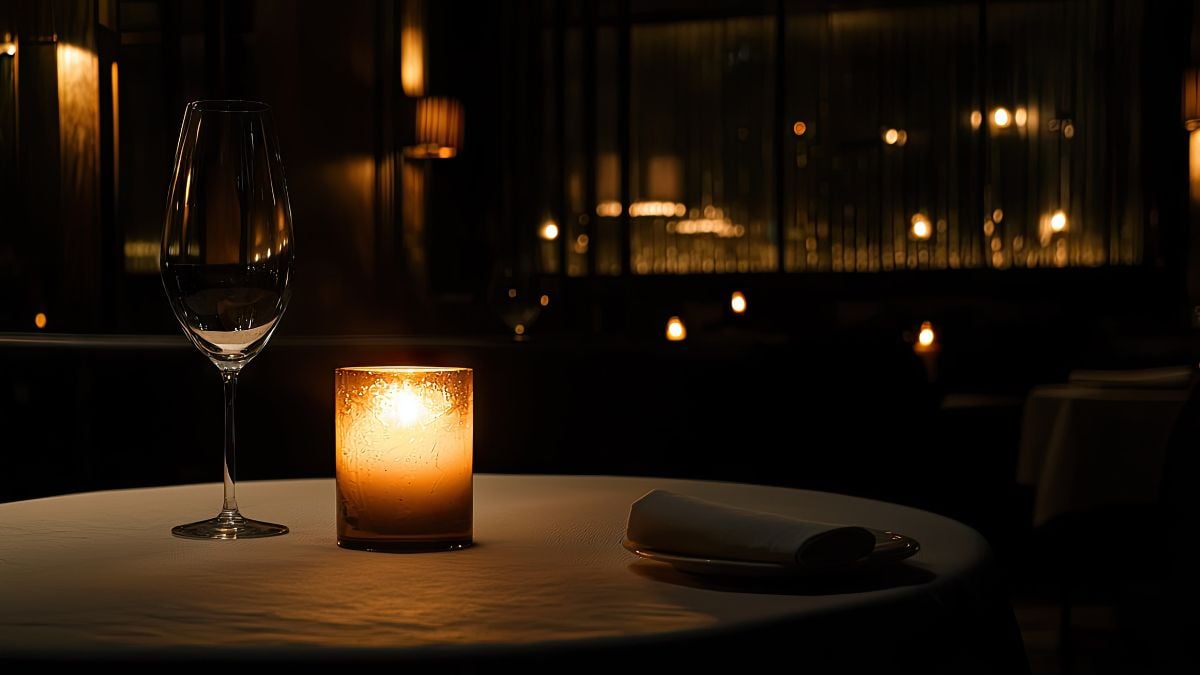
Notice the candles being blown out? If yours is the only flickering light left in the dining room, that’s not romantic — it’s a hint. Staff extinguish the ambiance as part of closing duties. If the glow is gone, your window is closing too.
The Trash Bags Don’t Lie
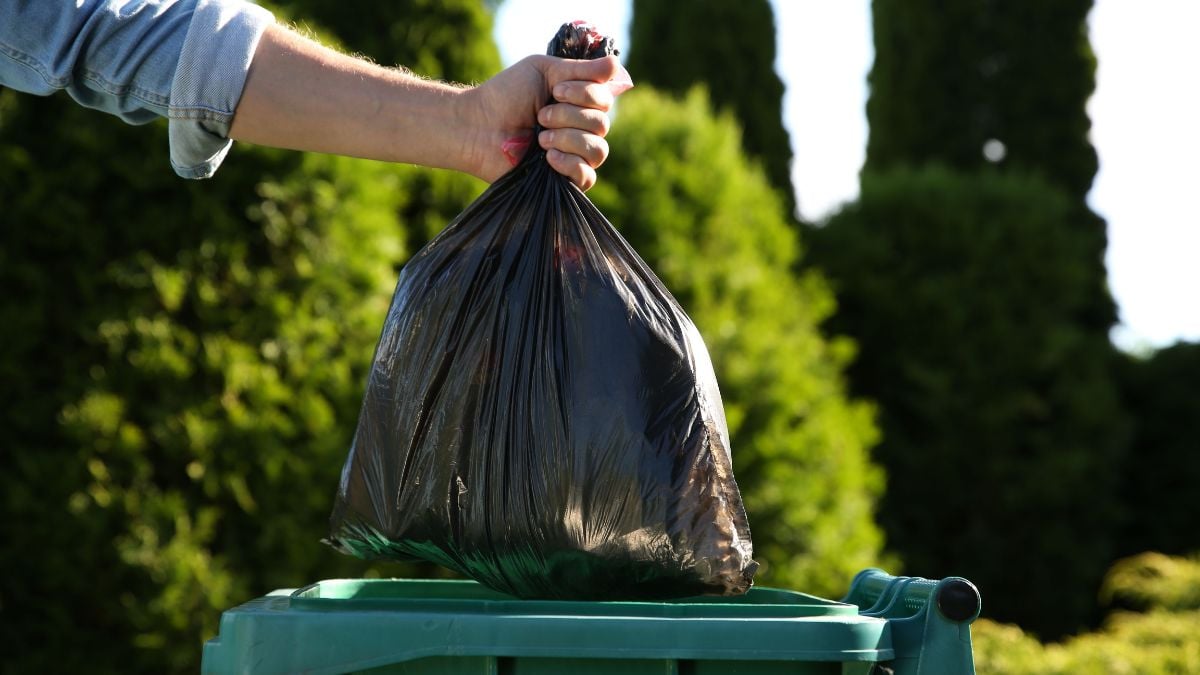
If you see garbage bags being dragged out the front door, the shutdown process is fully underway. That door may even be unlocked just for trash removal. It’s not subtle. It’s a visual cue that the night is over.
The Bartender’s Stare Says It All
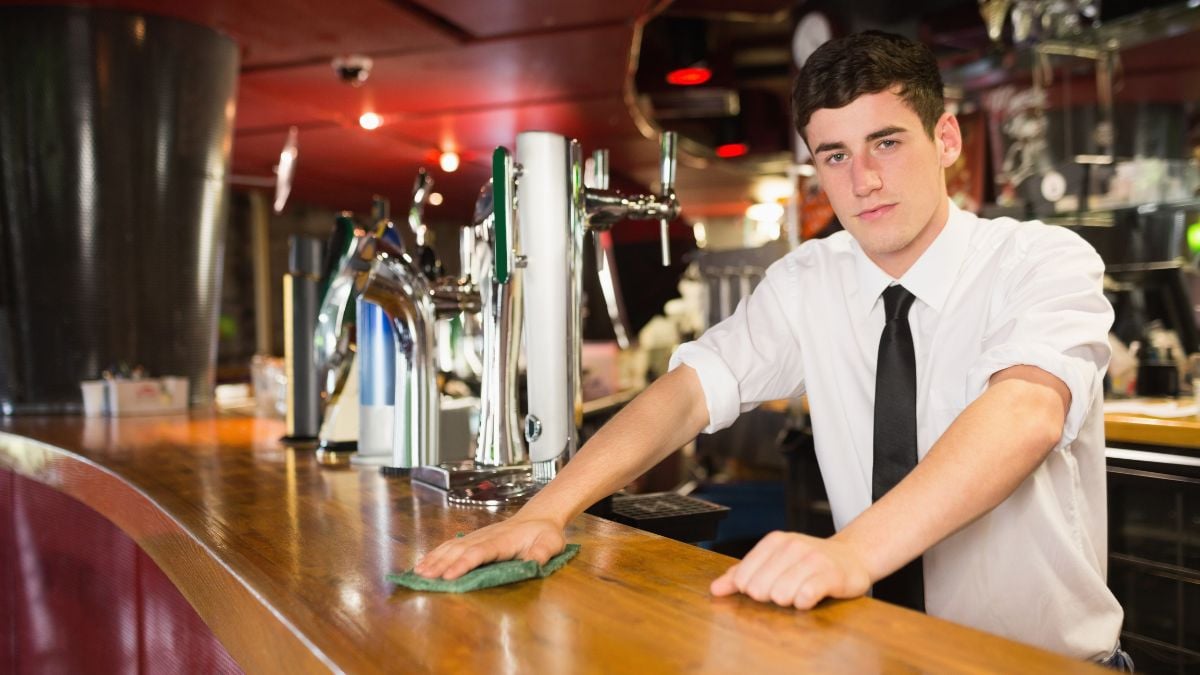
A bartender ready to close up has a very specific look. The cappuccino machine is about to be turned off. The coffee is being dumped. If you order one more round or ask for fresh brew, it may not be what you think you’re getting.
When the Table Gets Stripped Bare
Plates disappear. Glasses vanish. Salt and pepper shakers are removed. Suddenly you’re sitting at a nearly empty table. That’s not aggressive — it’s strategic. It’s the universal sign that service is wrapping up.
Politeness Only Goes So Far

Servers are trained to smile and say, “Take your time.” They won’t tell you to leave outright. But professionalism doesn’t mean they aren’t exhausted. Many have been standing in non-slip shoes for nine hours or more.
There’s a Difference Between Dining and Delaying

No one expects you to inhale your dessert and sprint out. But staying long after you know the restaurant is closed crosses into inconsiderate territory. Especially if you’re casually sipping the last inch of wine while everyone waits. The difference is awareness.