The coffee-giant you know and love, Starbucks, is shaking things up. Instead of endless new locations, it’s shuttering underperformers and trimming corporate roles in a bold redesign of its U.S. and Canadian footprint. The aim? To reinvent the café experience, double down on quality, and stop coast-to-coast expansion just for the sake of it. Here’s a breakdown of what’s going on, why it matters, and how it all plays into the brand’s future.
Big Picture: Roughly 1 % Fewer Locations
Starbucks plans to end the year with about 18,300 stores in the U.S. and Canada combined. That translates into a net drop of around 1% in its North American store count — roughly 150 to 200 fewer stores. The chain is saying goodbye to some less-productive cafés and redirecting focus to stores that can deliver the “right” experience.
Closure Criteria: It’s Not Random

According to CEO Brian Niccol, locations being closed are ones where “we’re unable to create the physical environment our customers and partners expect, or where we don’t see a path to financial performance.” In other words: bad layout + weak numbers = exit. The strategy isn’t just about cost-cutting — it’s about reallocating where the brand can shine.
Behind the Scenes: 900 Non-Retail Jobs Cut
Starbucks is eliminating around 900 non-café corporate roles and open positions as part of the restructuring. This is part of the chain’s attempt to streamline operations and lower overhead so more resources go to the front line — the stores customers walk into.
The ‘Back to Starbucks’ Philosophy
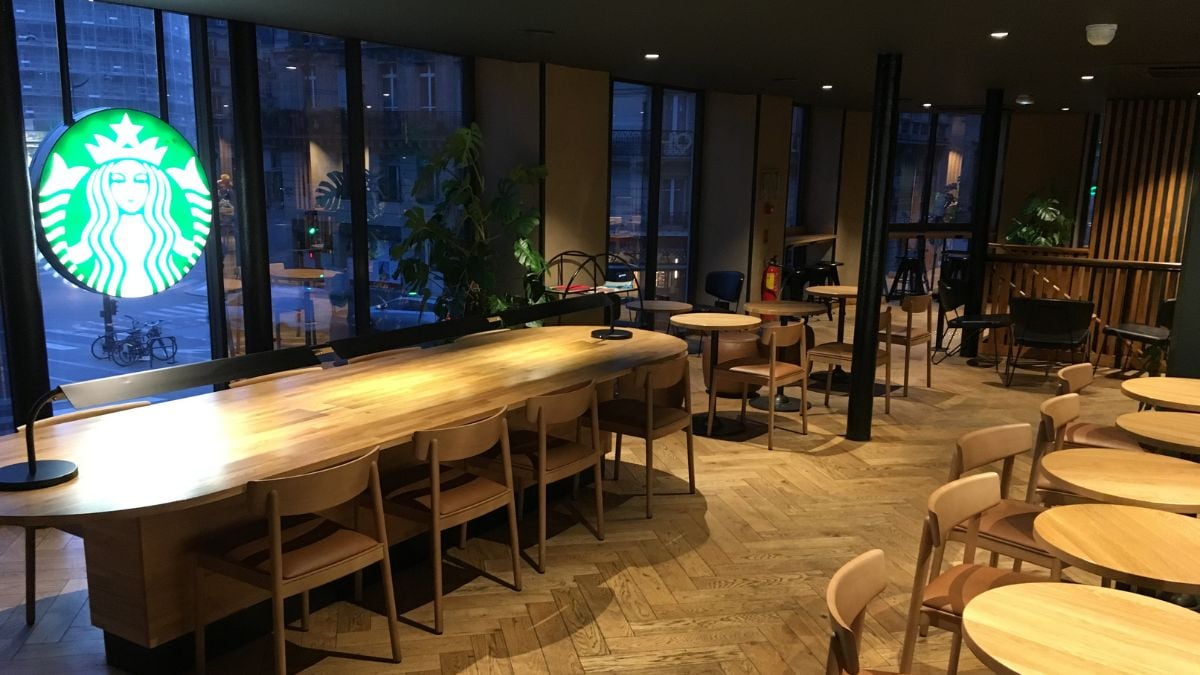
Niccol’s plan — dubbed “Back to Starbucks” — is about returning to the brand’s roots: more welcoming cafés, comfortable seats, meaningful interactions, not just fast grab-and-go. The goal: make each store a space people want to linger in, not just rush through.
What’s Happened So Far: Hundreds Already Gone
Reports say more than 450 stores have already shuttered under this plan. Some local news outlets even list specific stores across many states — showing this is not just a future threat, it’s current reality.
Union Tensions: Workers Weigh-In Loudly
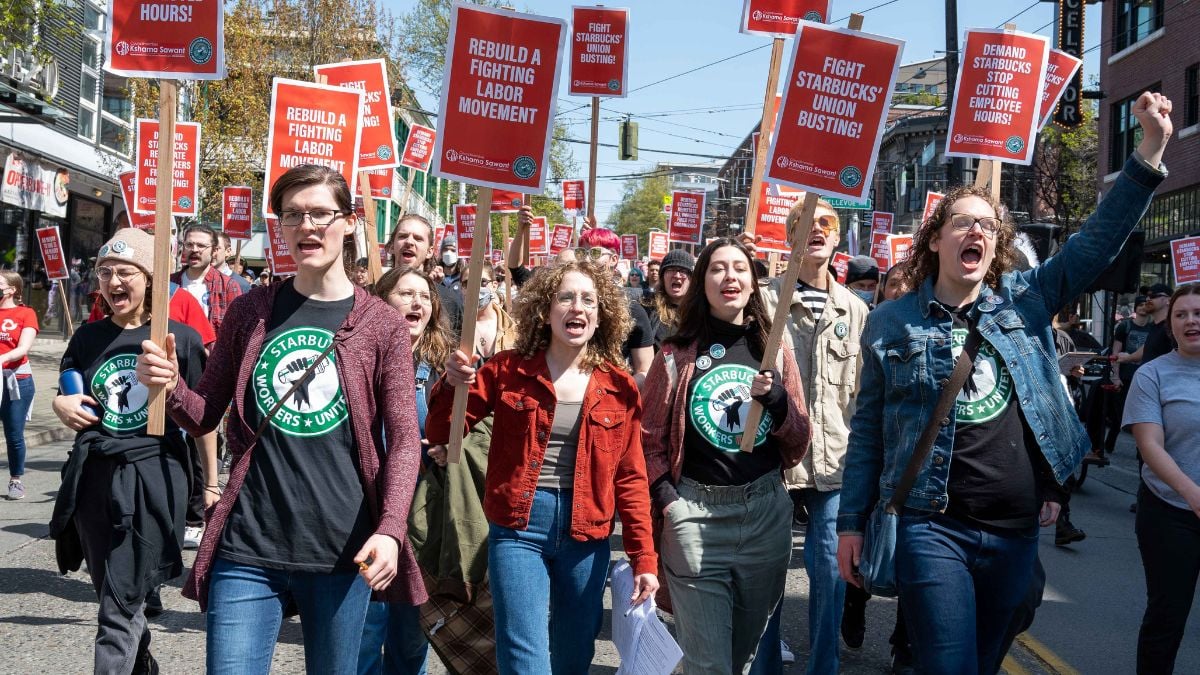
Unionized workers at Starbucks (represented by Starbucks Workers United) have pushed back. They argue store closures highlight why baristas deserve a union contract and better protections. When café doors close, it affects more than just coffee drinkers — it affects employee morale and local economies.
Location List: A Snapshot of Closures
The closures are scattered — from Hermosa Beach, CA to Baltimore, MD; from Houston, TX to Seattle, WA. The extensive list shows no region is untouched. (You can find a full list of affected addresses in the original source.) This shows Starbucks is pruning across geographies.
Why Now: Multiple Pressures Are Piling Up

Six straight quarters of declining same-store sales. Rising competition from faster, cheaper coffee formats. Consumer habits shifting (remote work, commuting patterns altered, less foot traffic in some areas). The old expansion model doesn’t guarantee results anymore.
What’s Next: Remodels & Upgrades Coming
Starbucks plans to remodel over 1,000 locations in the next 12 months to make them “warm, layered, and textured.” Think fewer cookie-cutter cafés, more inviting spaces. Also, they say after the 2025 reset, expansion may resume in 2026 and beyond.
Impact For Customers: What You Might See

If you’ve been loyal: maybe your local Starbucks gets a makeover. Or maybe it closes and you’ll need to walk or drive a bit further. It could mean better ambiance and service — if the strategy works — but some inconvenience in the short term.
Investor & Brand Implications: Big Stakes
This isn’t just a shuffle of store count — it’s a statement. A $1 billion restructuring plan means Starbucks is signalling something major. The company is betting on a new posture: fewer, stronger locations rather than many middling ones.
Why It Matters For Retail Beyond Starbucks

When a giant like Starbucks admits to over-building or mis-placed stores, it sends signals to all of retail: growth for growth’s sake is less acceptable. Store performance, customer experience and footprint optimization have become the new measures of success.
The Human Element: What Happens To Workers?

For employees in stores set to close, Starbucks says it will offer transfers to nearby locations or “comprehensive severance packages.” But how smooth this transition will be remains uncertain and labor advocates say more could be done.