We’ve all been there — great food, flowing drinks, and conversation you don’t want to end. But restaurants aren’t your living room, and there’s a point when the night has to wrap up. According to industry expert Frankie Weinberg, staff rarely say it outright — they signal it. If you know what to look for, the hints are obvious. Here’s how to tell when it’s time to pay the bill and head home.
The Lights Suddenly Get Brighter
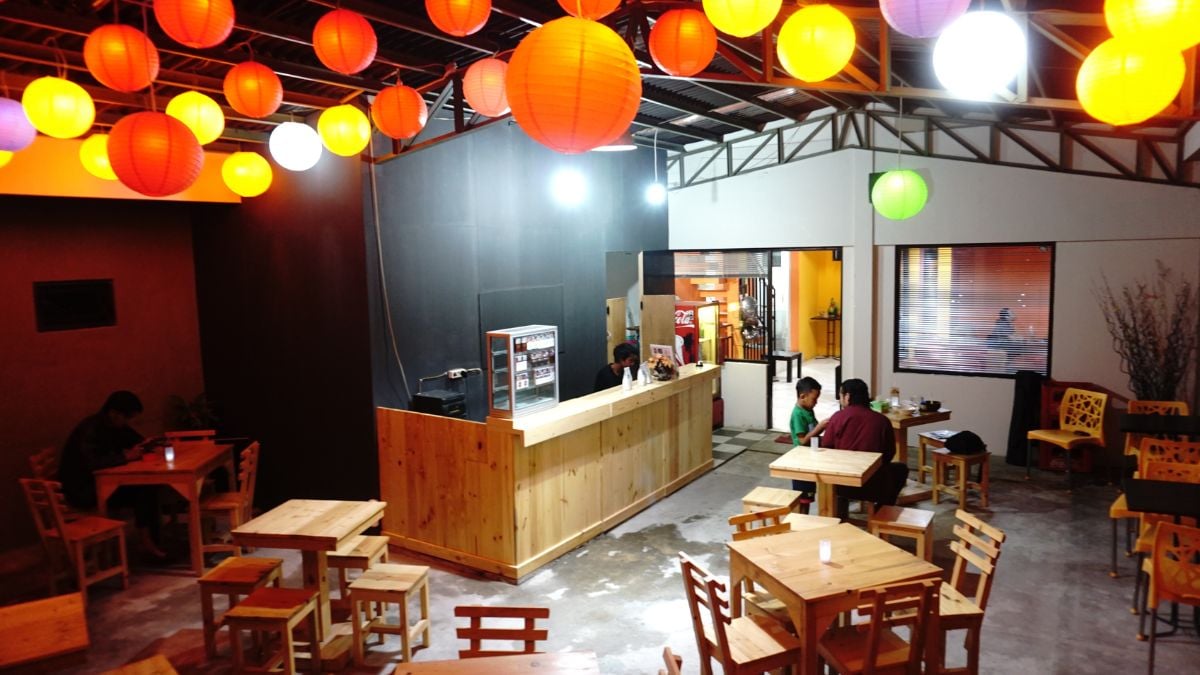
If the cozy glow shifts to full brightness, that’s not random. Raising the lights is one of the clearest closing cues restaurants use. It subtly resets the mood from intimate dinner to end-of-night cleanup. It’s not personal — it’s practical. When the lights go up, the night is winding down.
Music Cuts Off or Changes

When the playlist goes silent or the vibe shifts dramatically, take note. Restaurants often turn off music as closing time approaches. That quiet isn’t accidental — it’s intentional. It signals the team is transitioning from service to shutdown mode.
You Get the Check Without Asking

An unsolicited check drop isn’t passive-aggressive. It’s a gentle nudge that the kitchen and staff are wrapping up. According to Weinberg, this is one of the most common “soft cues.” If your bill appears out of nowhere, it’s probably time to settle up.
Staff Starts Cleaning Around You

If sweeping begins in nearby sections, closing has officially started. You might notice tables being wiped down or chairs being stacked. These aren’t random bursts of energy — they’re part of shutdown routine. When cleanup surrounds you, it’s your cue to close out.
Everyone Is Doing Sidework
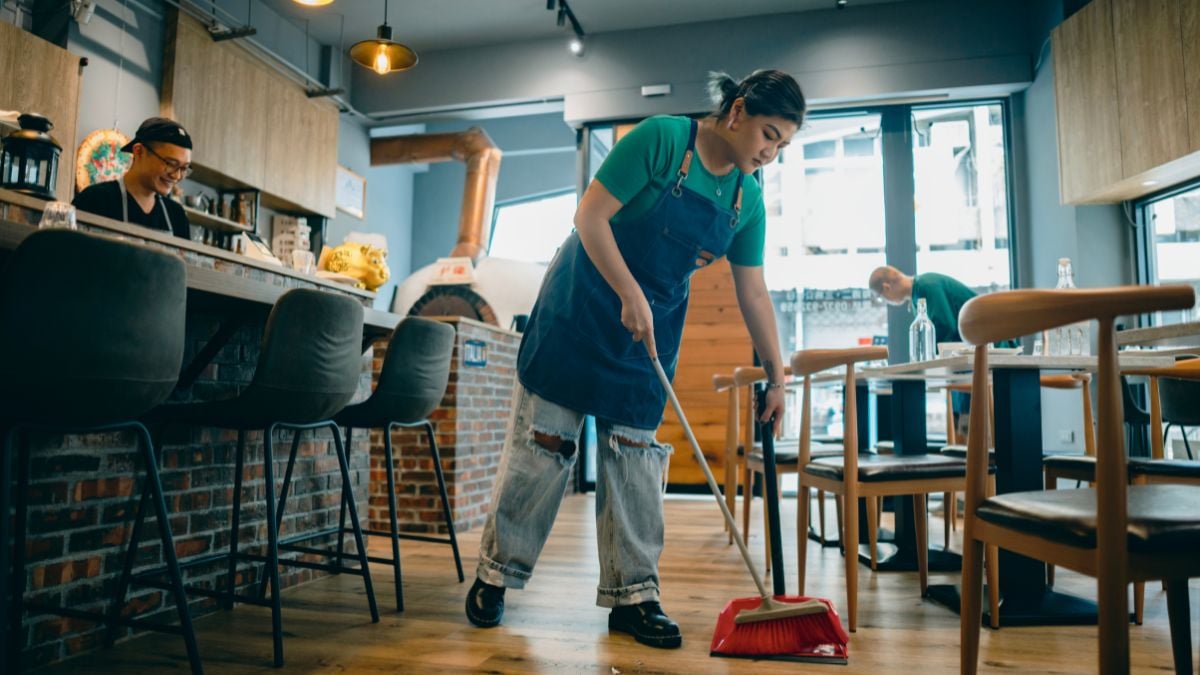
Polishing glasses, rolling silverware, organizing receipts — these are classic end-of-night tasks. While sidework happens during shifts, a room full of staff focused on it usually means the night is over. When nearly everyone is tidying instead of serving, you’re likely the last wave. That’s your sign.
The Wine Bottles Get Restocked
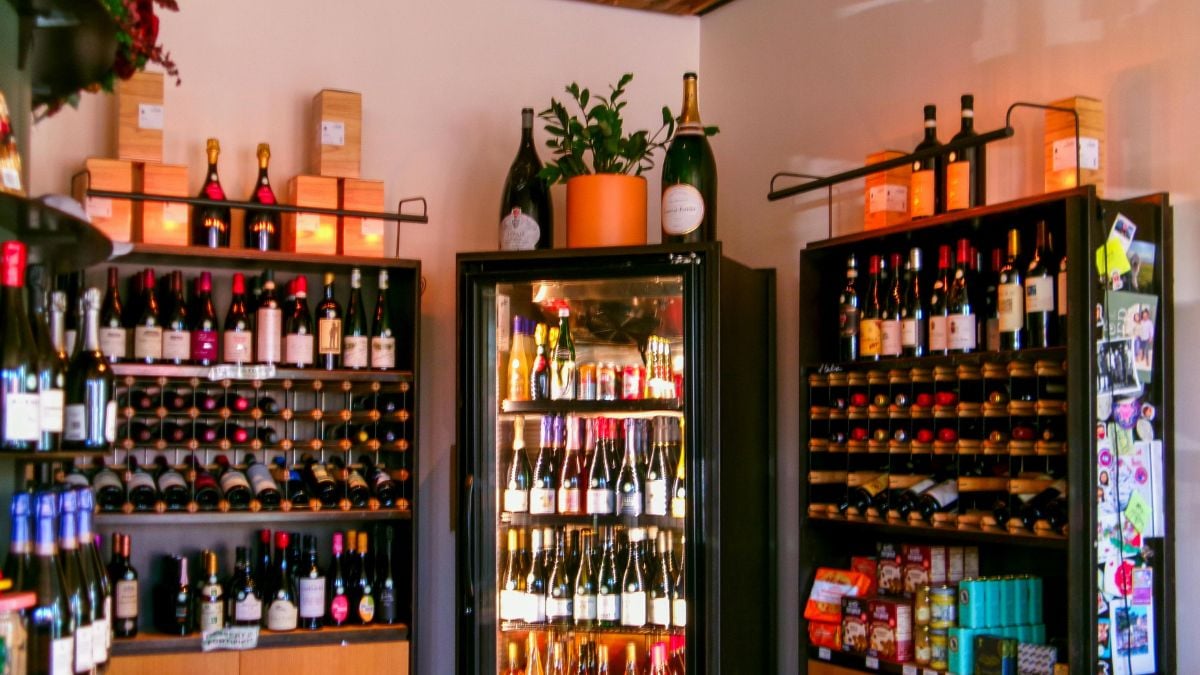
If staff start consolidating bottles or restocking the bar, they’re prepping for tomorrow. It’s part of closing duties that can’t wait until morning. Seeing this happen across the room is a strong hint that service has ended. The team is thinking ahead — and ready to clock out.
Menus and Stations Get Cleared

Menus wiped down. Waiter stations tidied. Credit card slips sorted. These small but noticeable details signal the shift is ending. When operational tools disappear, it means the service window has closed.
Lingering Has Real Consequences

Staying long past closing can impact workers more than you realize. Missed buses, late childcare pickups, and pure exhaustion are real concerns. Even after guests leave, staff often work another hour cleaning kitchens and stacking chairs. Your extra 30 minutes can stretch their night significantly.
Walking In Right Before Close? Maybe.

If a restaurant is still busy — like a Saturday night crowd — arriving near closing may be acceptable. Sometimes staff even invite late guests in. But Weinberg says this should never be your default strategy. Hospitality often wins out, even when it’s inconvenient for the team.
A Generous Tip Goes a Long Way

If you’ve stayed late or received attentive service near closing, tipping generously is always appreciated. Servers, bartenders, and bussers take pride in giving you a great experience — even at inconvenient hours. Showing gratitude makes a difference.