Let’s be real — dining out is supposed to feel like a treat, not a scam. Yet too many restaurant dishes cost triple what they’re worth, especially when you could whip them up at home for pocket change. From basic breakfasts to dressed-up comfort food, some menu items are pure profit traps for restaurants. Before you drop $20 on something that costs them $2 to make, let’s expose the biggest offenders. Here’s your guide to what not to order when eating out — unless you enjoy paying gourmet prices for grocery-store ingredients.
Egg Dishes: The Breakfast Scam You Never Saw Coming
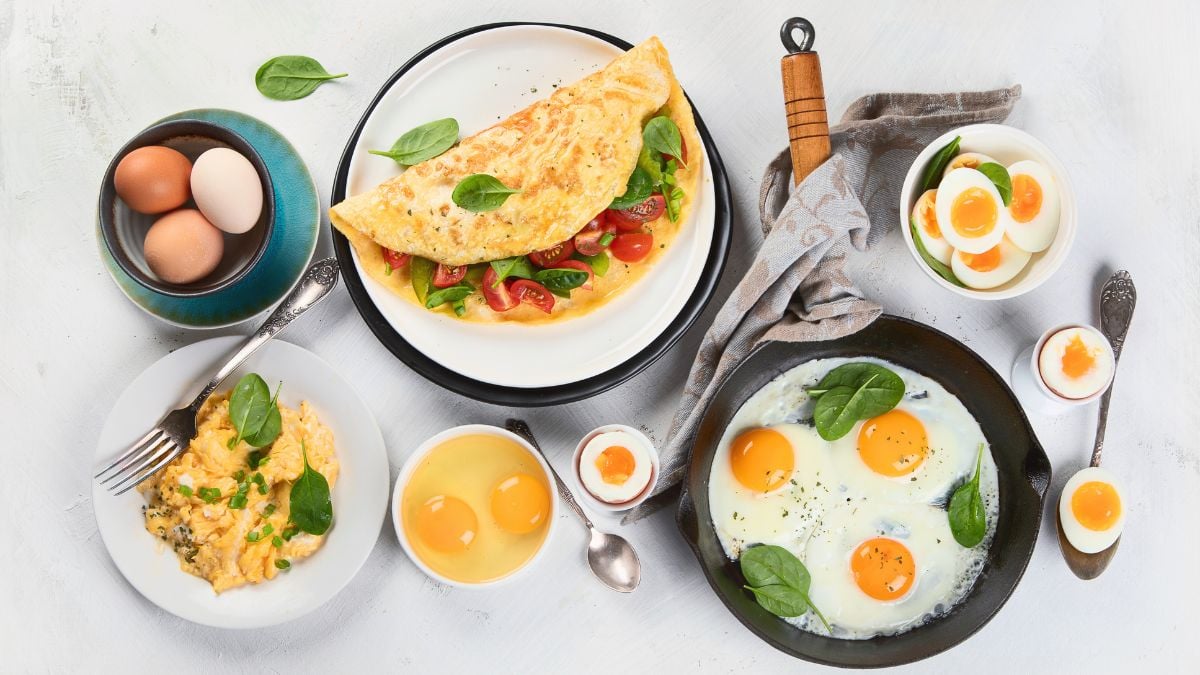
Eggs are the ultimate cheap meal — a carton costs less than your daily latte. So why are restaurants charging double digits for omelets? Unless those eggs are organic, free-range, or come with some fancy add-ons, you’re paying restaurant rent, not for quality. Even the infamous $1,000 frittata at Manhattan’s Parker Meridien only justifies its price because it’s topped with pricey caviar. Without that, it’s just… eggs.
Chicken: The “Safe” Order That’s Secretly a Rip-Off
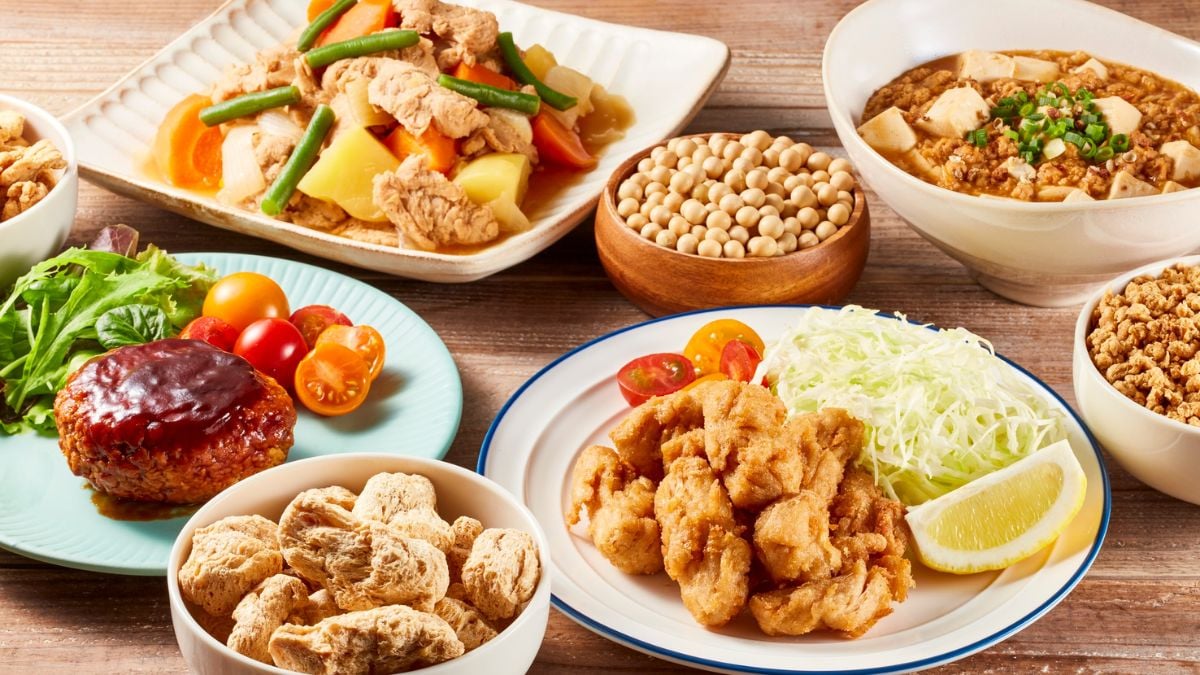
Chicken may feel like a smart, healthy choice — but it’s one of the worst values on the menu. Chefs openly admit they skip ordering chicken when dining out because it’s too easy (and cheap) to make at home. Paying $24 for half a chicken breast is basically sponsoring the restaurant’s utility bill. Save your money and roast your own — you’ll get more flavor and change to spare.
Grilled Cheese: The Childhood Favorite Gone Bougie
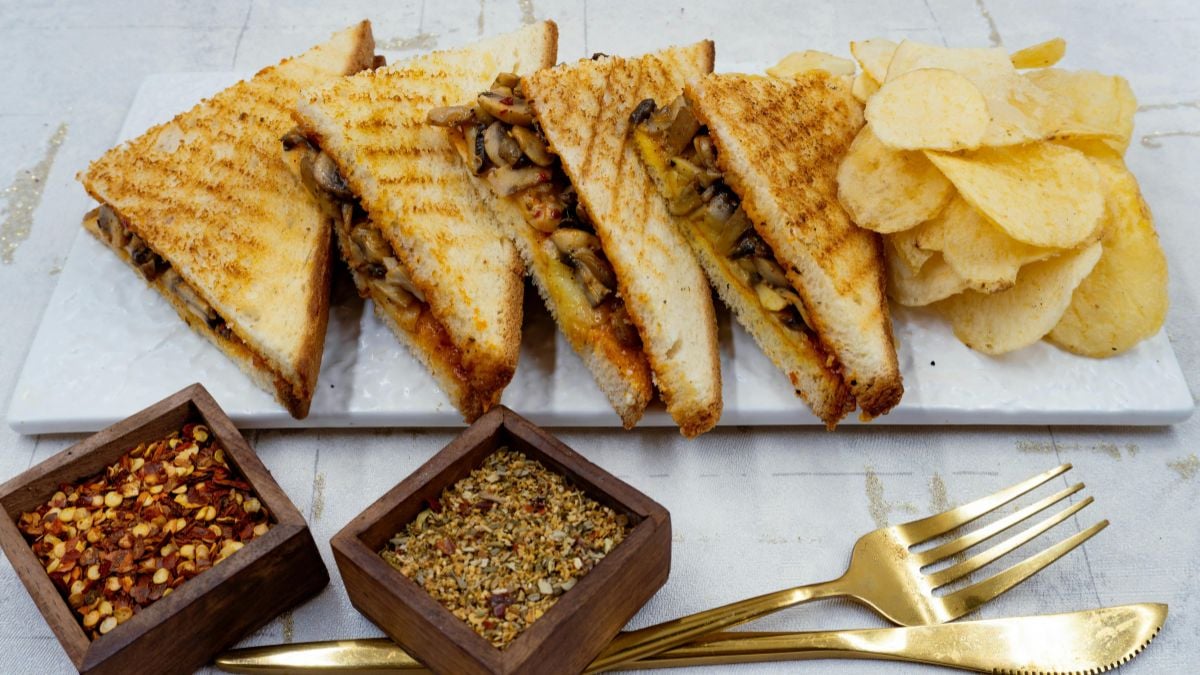
A grilled cheese sandwich might spark nostalgia, but it shouldn’t spark a financial crisis. Restaurants love to mark up this simple classic because it’s easy profit — bread, butter, and cheese, done. Shelling out $9 for what’s essentially a snack you could make blindfolded is daylight robbery. Unless it’s oozing with truffle oil or artisanal cheese, it’s not worth the price tag.
Pasta: The Menu’s Most Profitable Trap
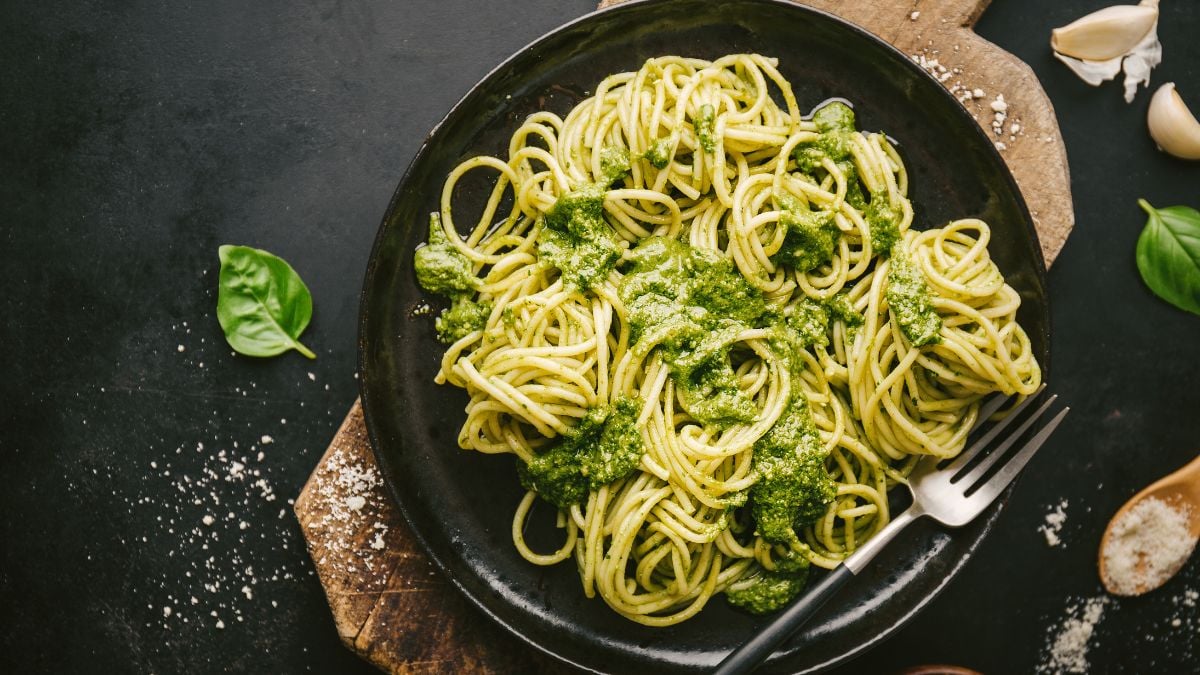
Restaurants adore pasta for one reason: it’s cheap, filling, and customers never question the markup. According to Forbes, pasta dishes cost restaurants pennies but can sell for $20 or more. Sure, that risotto might sound fancy, but the real luxury is how much you’re overpaying. Stick to ordering dishes with ingredients you’d never stock at home — pasta just isn’t one of them.
Pizza: A Slice of Overpriced Simplicity
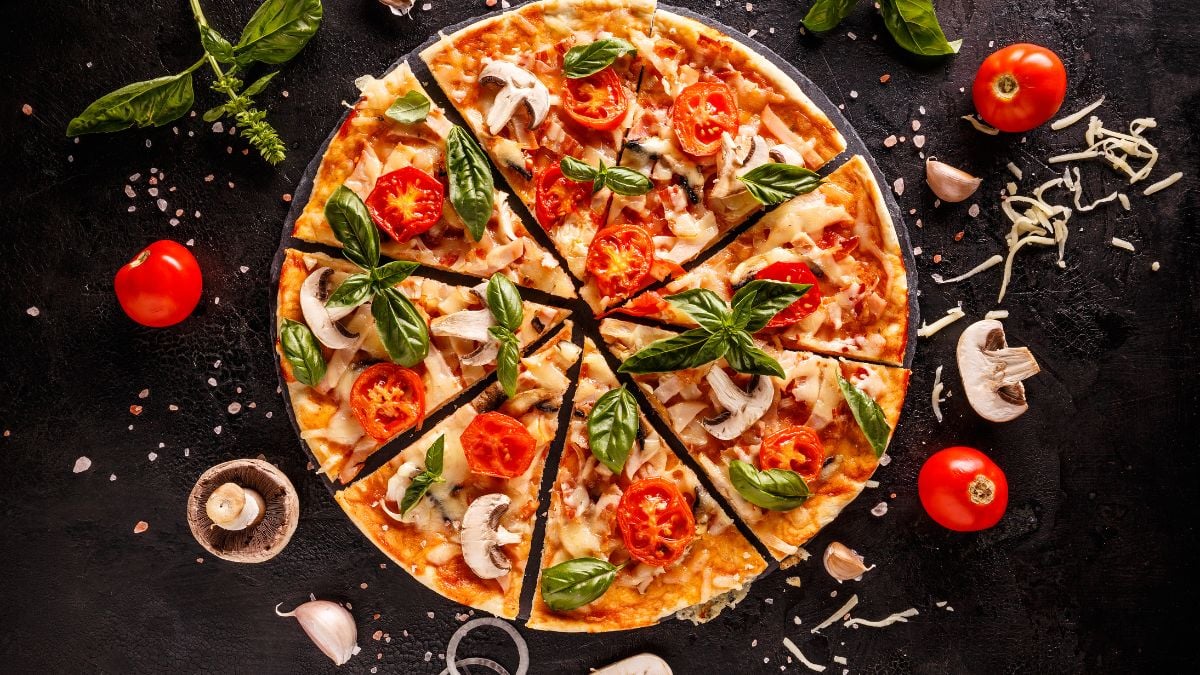
A restaurant pizza might smell irresistible, but most pies are low-cost gold mines. Fast-food chains like Pizza Hut spend about $2.60 to make a large pizza — and you’re likely spending five times that. Unless it’s loaded with rare toppings like truffles or lobster, you’re better off tossing your own dough at home. It’s cheaper, fresher, and you control the cheese-to-sauce ratio (which, let’s face it, restaurants never get right).
Booze: Where Restaurants Really Make Their Money
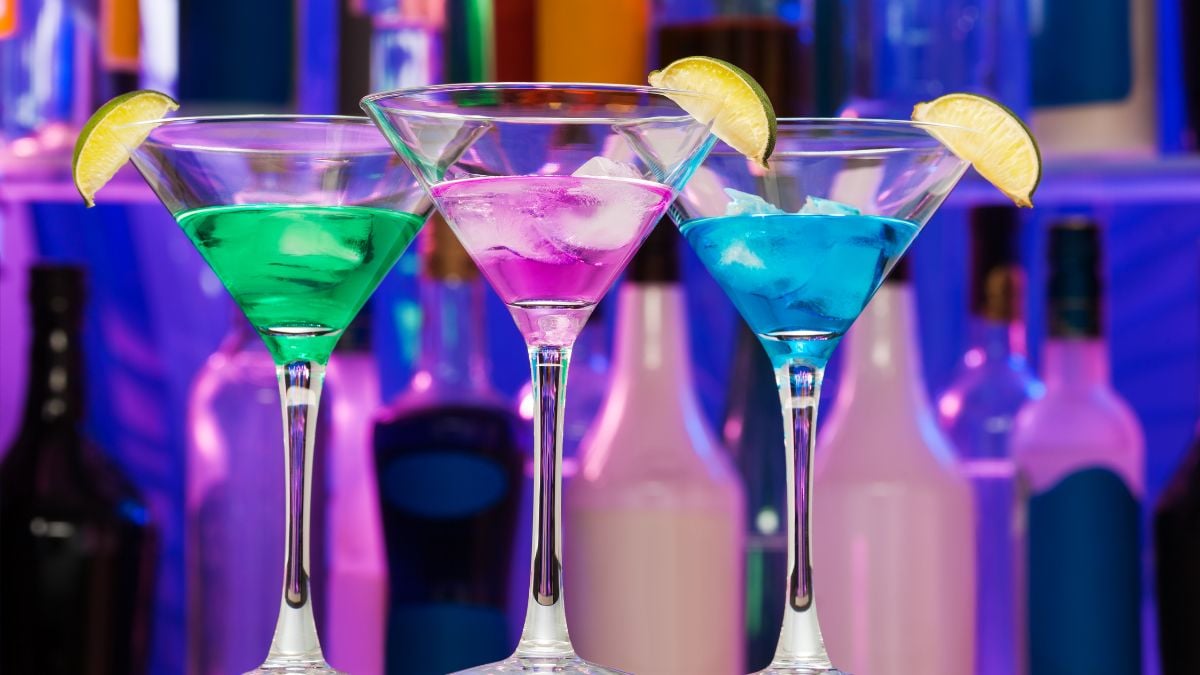
Here’s the secret every bartender knows: alcohol is a goldmine for restaurants. IntellaPrice found that booze prices quietly jumped 3% in 2010, yet you’re still paying top-shelf prices for bottom-shelf pours. That $12 gin and tonic? Probably watered down and made with the same tonic you’ve got in your fridge. If you’re drinking out, order something craft or complex — or just pregame like a pro.
Truffle Oil Dishes: Fancy Name, Fake Flavor
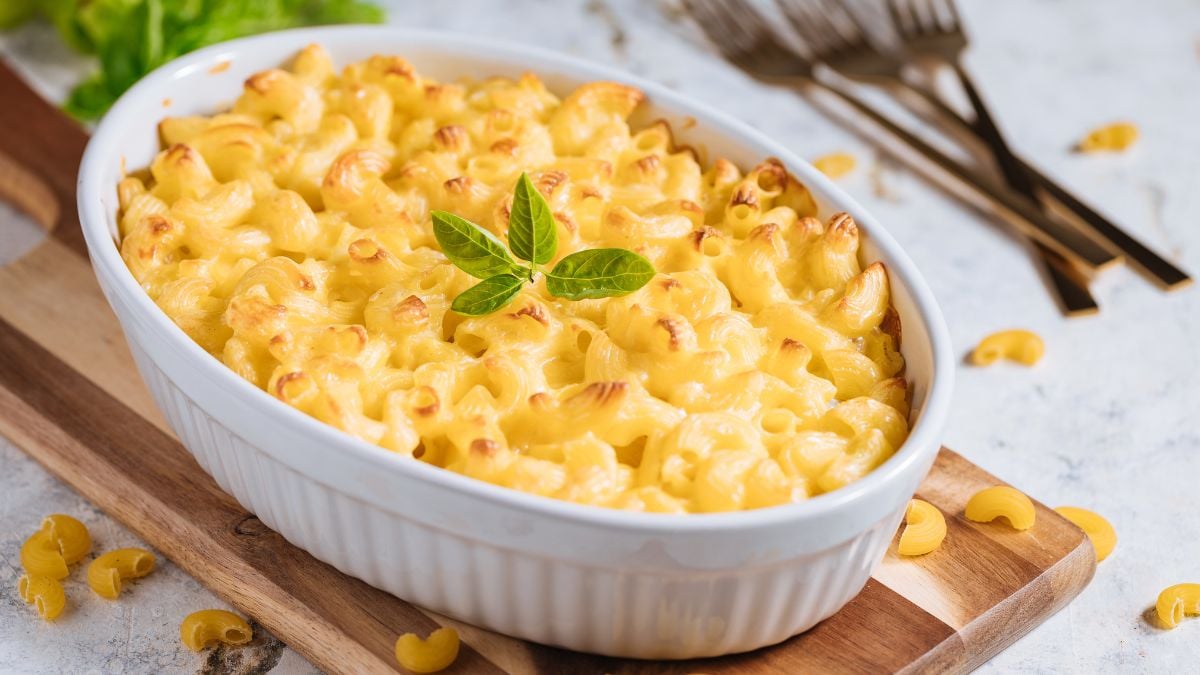
Truffle mac and cheese might sound luxurious, but truffle oil is often synthetic — not the real deal. You’re mostly paying for the idea of decadence, not genuine truffles. Unless you’re at a fine-dining restaurant that specifies real truffle shavings, it’s a costly illusion. Save the cash for something special, not chemically enhanced oil.
Wrap-Up: Eat Smart, Spend Smarter
Dining out should feel special — not like a bad financial decision. Before you hand over your card, ask yourself if you could make that dish in your pajamas for a fraction of the price. Focus on ordering meals that truly showcase a chef’s skill, not grocery-store ingredients. What do you think — is your favorite guilty pleasure on this list? Drop a comment and tell us which overpriced dish you’re still tempted to order anyway.