Restaurant kitchens aren’t always the spotless, Pinterest-ready spaces you imagine. Behind the scenes, inspectors see everything from sloppy hand washing to pest invasions that would make your stomach turn. Improper cleaning, unsafe food storage, and sick employees handling meals are more common than you’d like to think. These issues aren’t just gross—they can be dangerous. Here’s a peek at what health inspectors have actually found in kitchens across the country, and what it means for anyone dining out.
Hand Washing Isn’t Always Happening
It sounds basic, but many kitchen staff skip hand washing entirely. Inspectors report seeing employees walk out of bathrooms still wearing gloves and aprons. Some restaurants even misuse hand-washing sinks, dumping food or dishes in them. Proper hand hygiene is critical, yet it’s a constant problem. When sinks aren’t used correctly, contamination risks rise across the whole kitchen.
Pests on the Menu
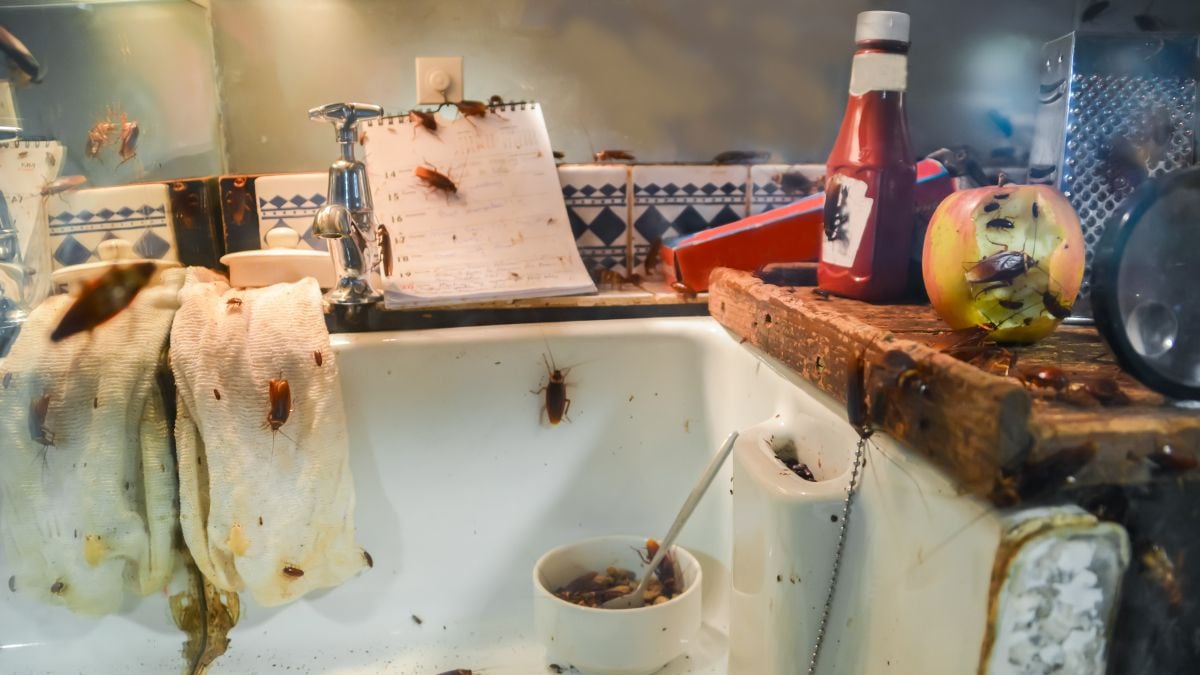
Mice, cockroaches, and flies aren’t just horror stories—they’re real problems. Inspectors have seen rodents run across dining floors and kitchens with rotting floors housing swarms of cockroaches. Flies and maggots thrive in damp, neglected areas like soda and ice machines. Even highly rated restaurants aren’t immune. These unwelcome visitors turn food safety into a nightmare scenario.
Cleaning Often Skipped or Done Wrong
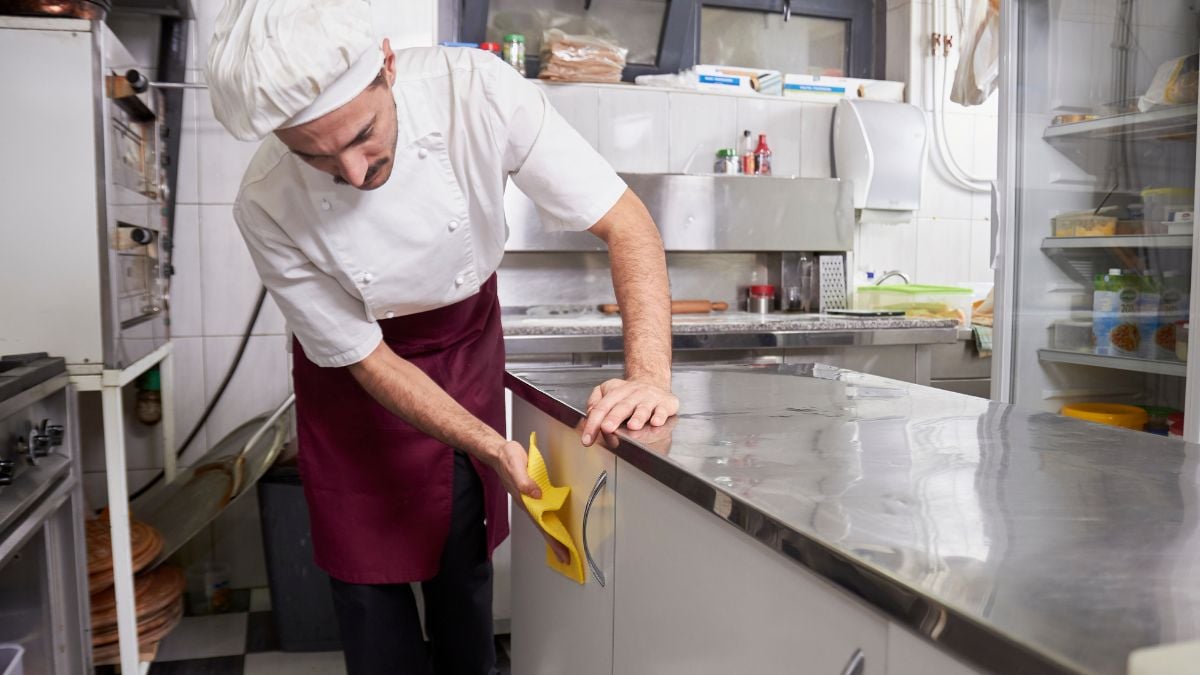
Not all staff prioritize proper cleaning. Inspectors report rags used on the floor immediately being used on prep stations. Bars are left sticky, tables are wiped with the same sanitizer bucket all day, and grease traps go unemptied. Neglecting cleaning not only spreads germs but also invites pests and bacteria. A messy kitchen is a health risk waiting to happen.
Food Stored at the Wrong Temperature
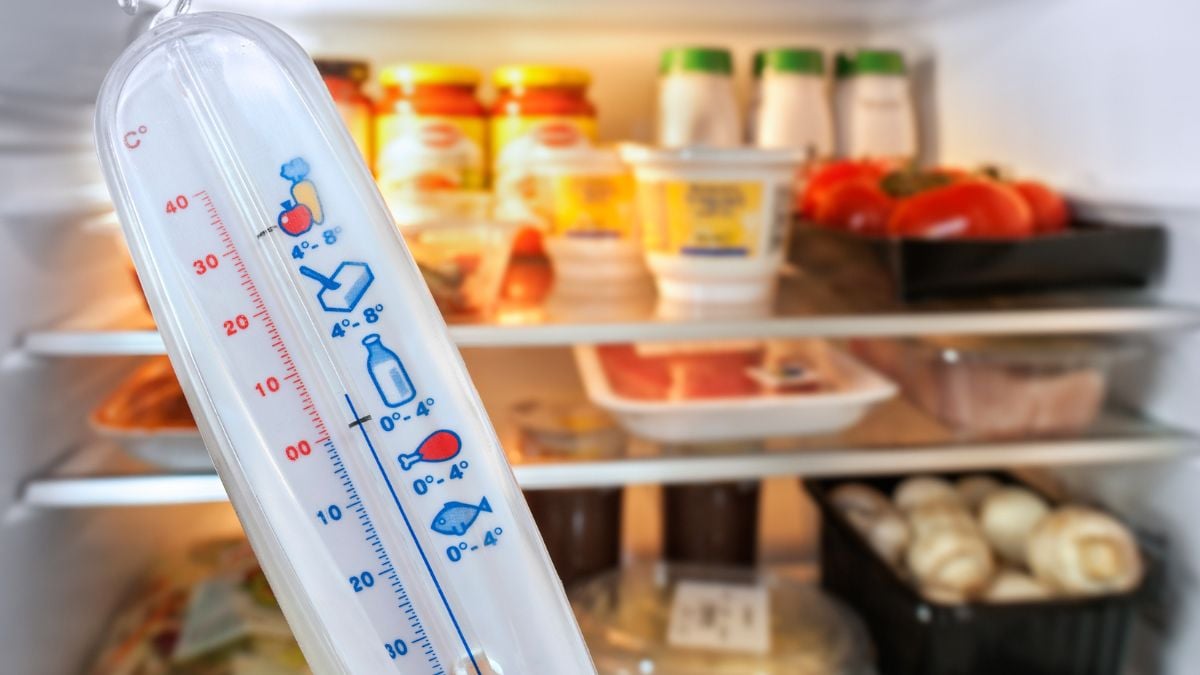
Keeping food in the USDA’s “danger zone” of 40–140°F is a recipe for bacterial growth. Hot foods need to stay above 140°, cold foods below 40°, yet mistakes happen daily. Improper thawing, malfunctioning coolers, or careless transfers put diners at risk. Temperature control is one of the simplest ways to avoid foodborne illness—but not all restaurants follow it.
Meat Meets Ice Cream (And Not in a Good Way)
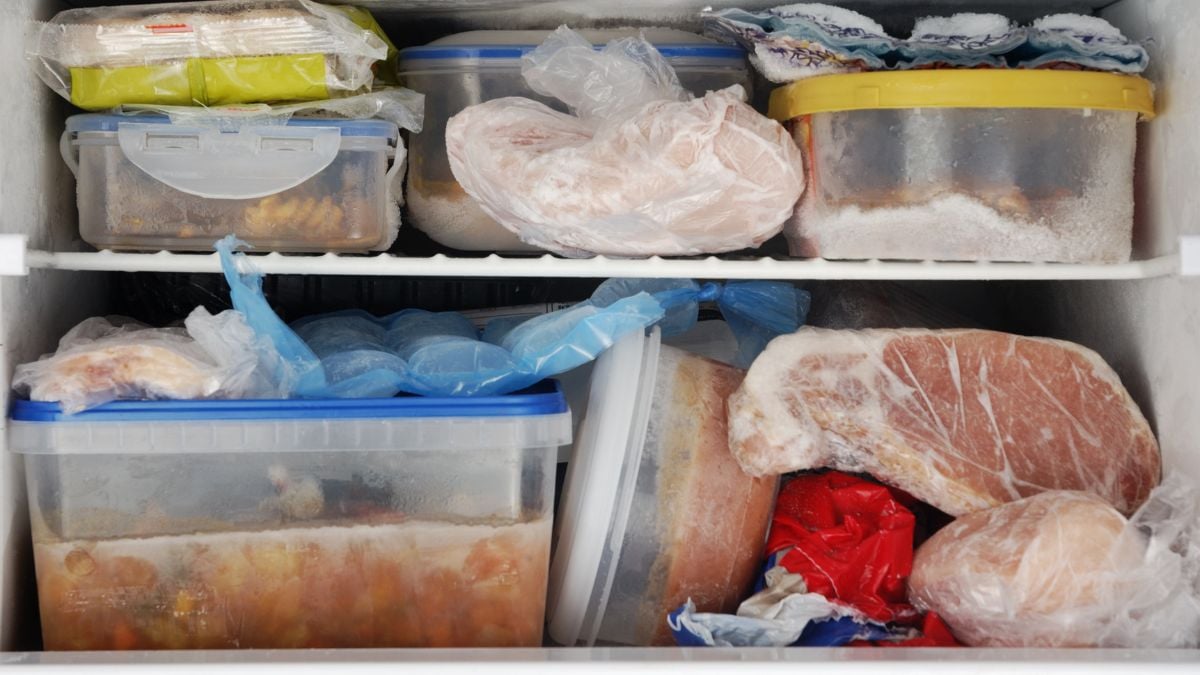
Inspectors have found raw meat piled on top of ice cream containers. One freezer had beef, pork, and chicken sitting on cardboard above uncovered ice cream, with drippings soaking in. The result? Cross-contamination that could make anyone sick. Improper storage isn’t just careless—it’s dangerous. What’s meant to be dessert ended up as a potential biohazard.
Sick Employees Still Cooking
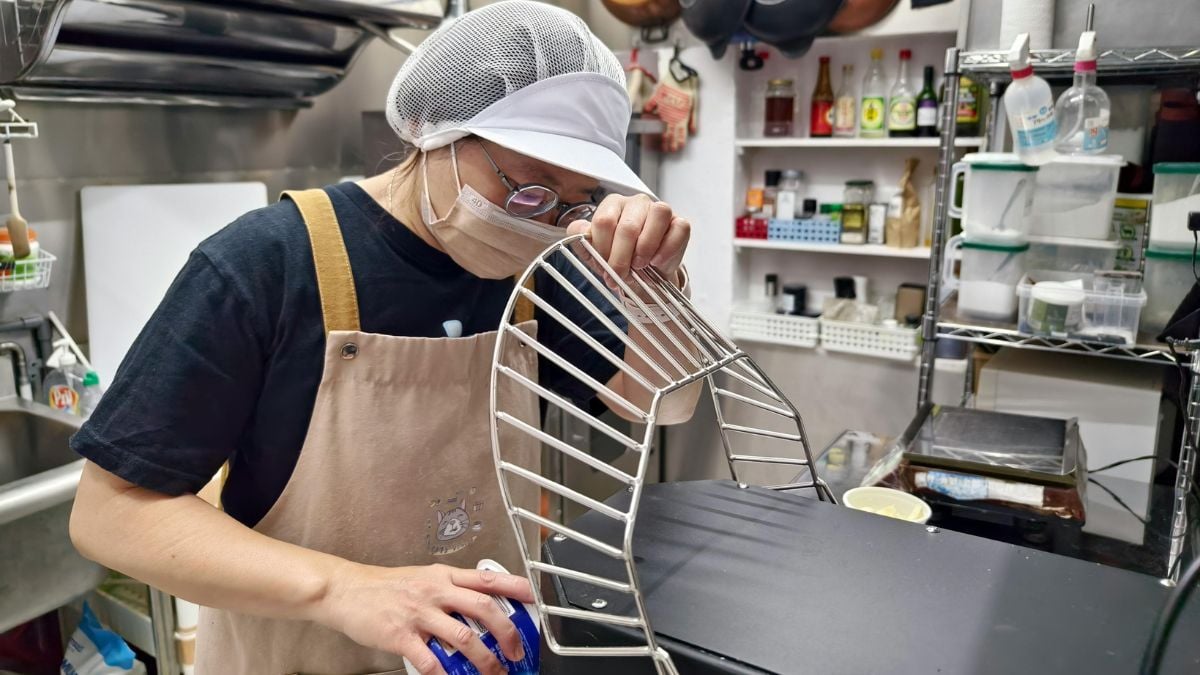
Some staff come to work sick, ignoring hygiene rules. Inspectors have watched employees cough or sneeze into food and fail to wash afterward. In one case, a dishwasher vomited outside the restaurant and returned to work moments later. Ill employees handling food can easily turn a meal into a health hazard.
Restrooms Reveal Kitchen Cleanliness
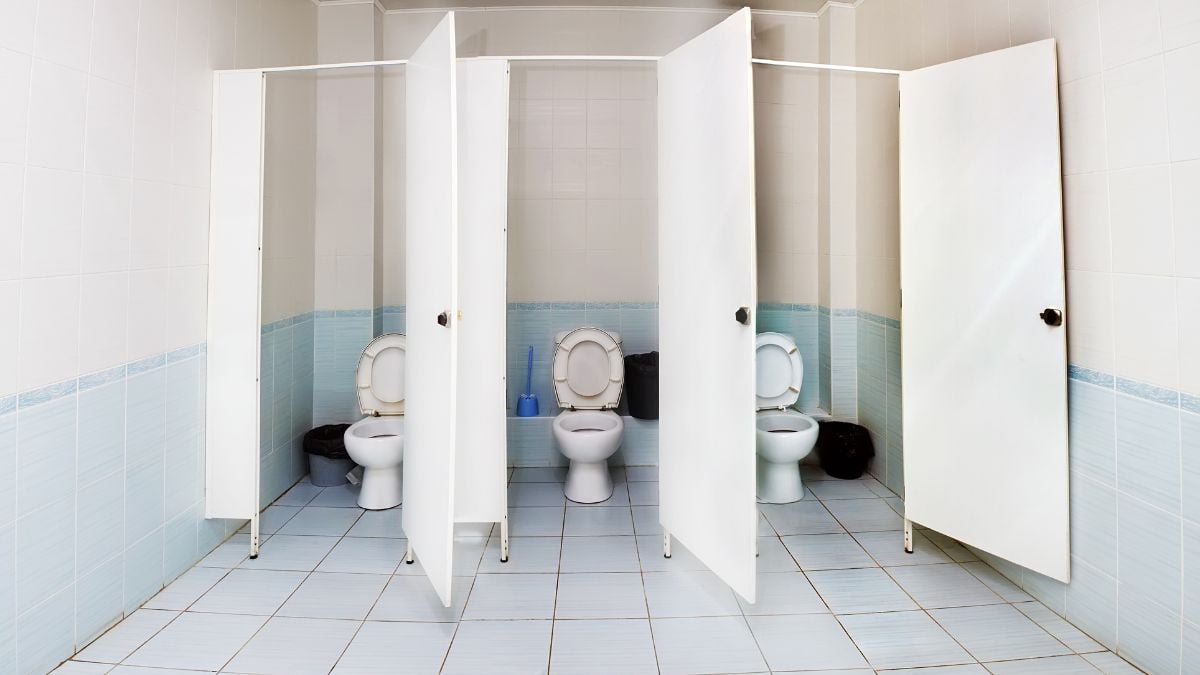
Health ratings help, but they don’t always reflect everyday conditions. One simple trick: check the restrooms. If a restaurant ignores bathroom cleanliness, it likely ignores kitchen hygiene too. Dirty restrooms often signal sloppy overall practices. Next time you try a new spot, peek at the restroom first—it might save your stomach later.
Hidden Corners Breed Problems
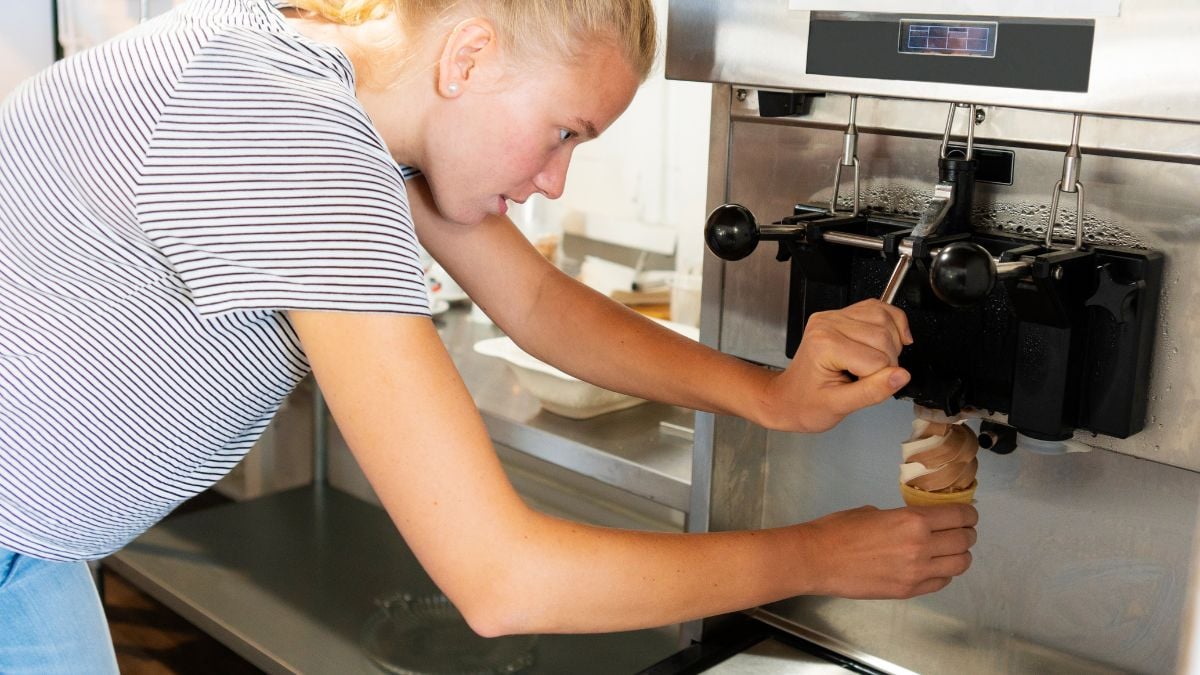
Inspectors often find neglected areas behind and under equipment. Soda machines, soft-serve stations, and ice bins can harbor maggots or mold. Even a small oversight creates breeding grounds for bacteria. Kitchens can look clean at a glance, but hidden corners tell the real story. Regular deep cleaning is essential to avoid disasters.
Staff Shortcuts Increase Risks
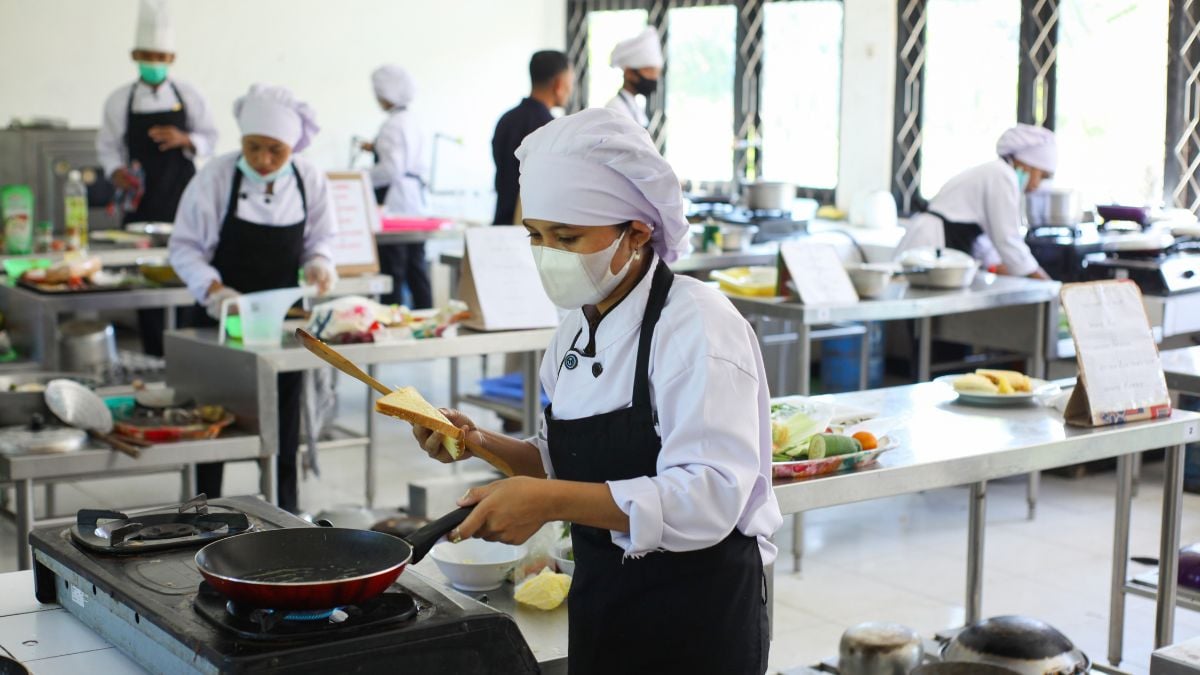
Rushing or cutting corners is common during busy shifts. Employees reuse cleaning cloths, skip sanitizing surfaces, or mishandle ingredients. Shortcuts can quickly turn a minor oversight into a major hazard. Inspectors see it repeatedly—tiny lapses add up fast.
Proper Storage Saves Lives
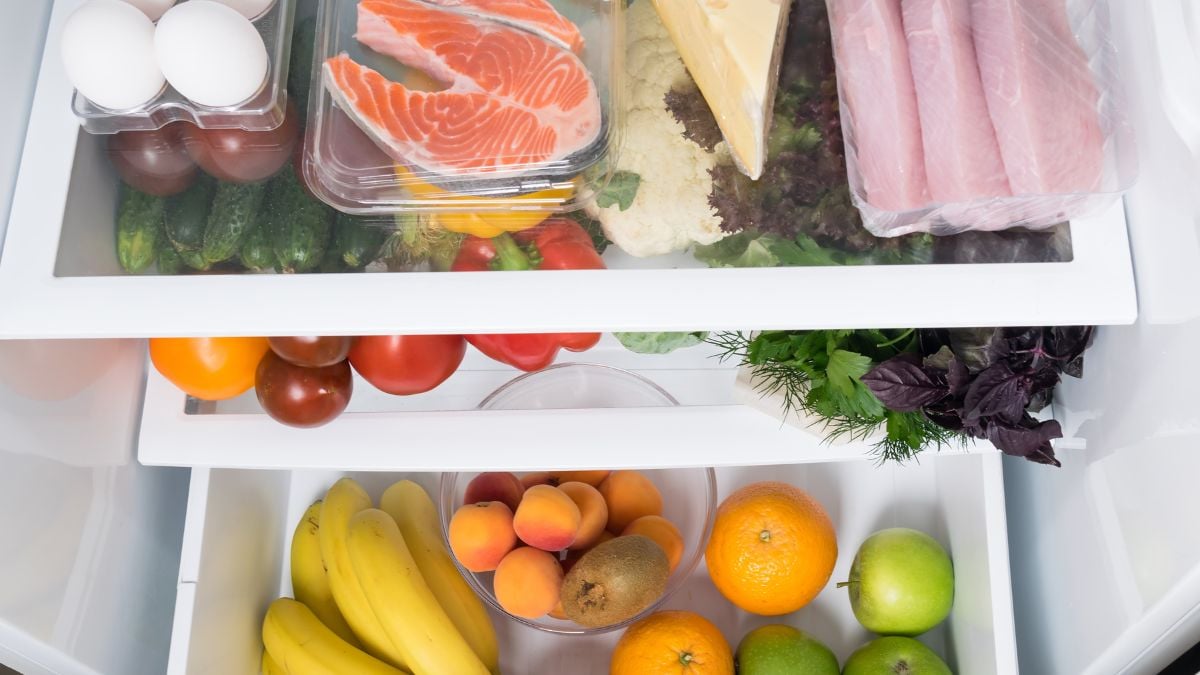
Storing food correctly isn’t optional. Proper separation of raw and cooked items, correct container use, and temperature control are essential. Inspectors report shocking violations that turn freezers and prep areas into danger zones. Following basic storage rules prevents bacteria and keeps meals safe.
Kitchens Are Messier Than You Think
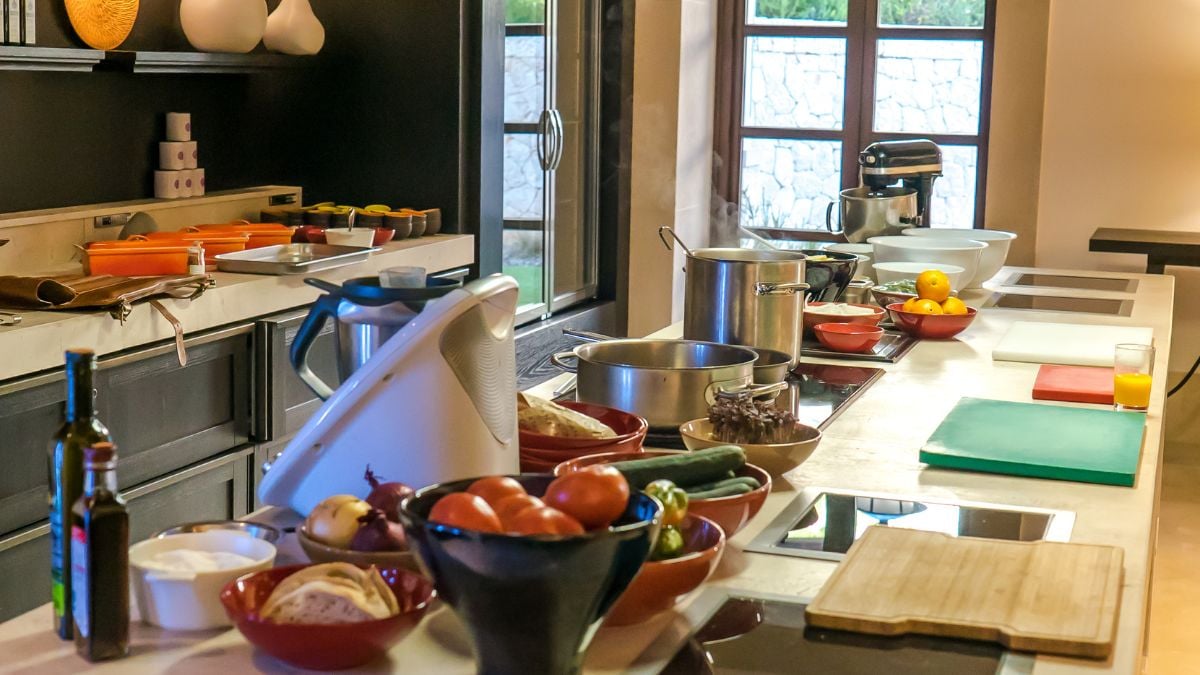
Restaurant inspections reveal just how messy and risky kitchens can be behind the scenes. From pests to sick employees to misused handwashing sinks, the stories are stomach-churning. While many restaurants are careful, some cut corners at diners’ expense. Next time you eat out, check the bathroom, notice staff hygiene, and trust your instincts. Have you spotted a gross kitchen moment at your favorite restaurant? Share your story in the comments.