Line cooks see every shortcut, workaround, and time-saving trick that happens behind the kitchen doors. While most food served is safe, some dishes simply don’t shine under real service conditions. Timing, volume, and ingredient rotation all play a bigger role than diners realize. Certain menu items look tempting but suffer when kitchens get busy or ingredients linger too long. These are the dishes cooks are most likely to skip—because they know exactly how they’re made.
The Special No One Else Wanted
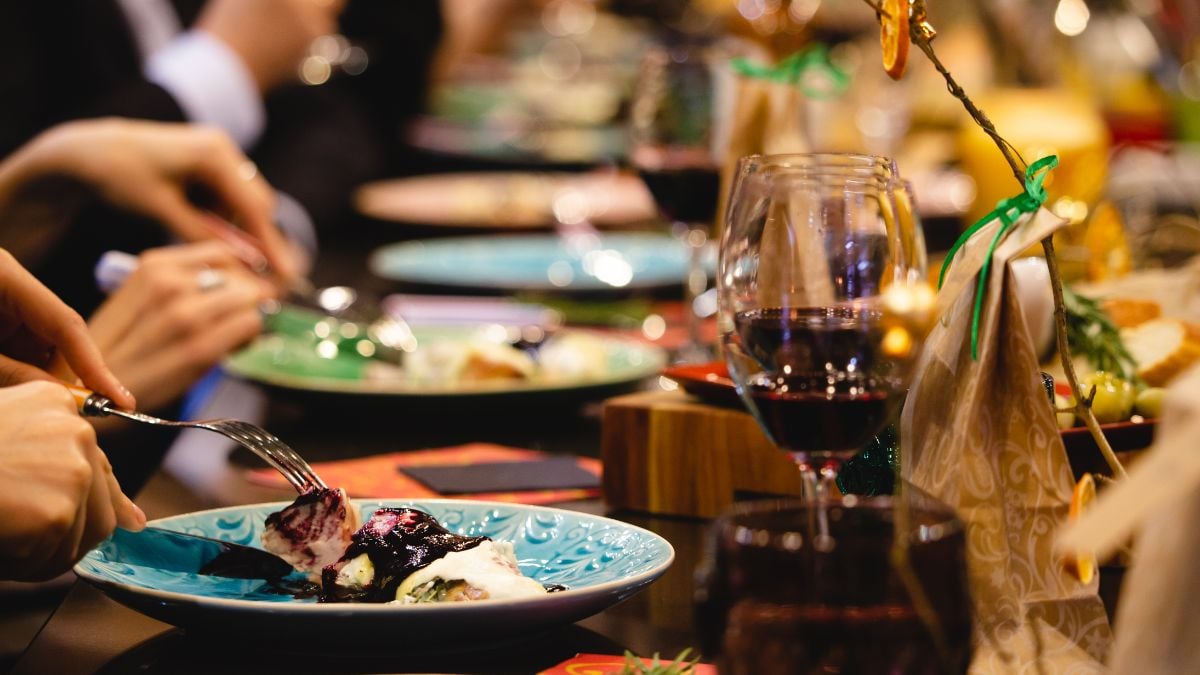
Daily specials often sound exciting, but cooks know what they really mean. These dishes usually exist to move ingredients that have been sitting too long. Nothing is unsafe, but freshness may not be at its peak. Specials can change quickly for this exact reason. When cooks order, they usually look elsewhere.
Wings During Peak Rush
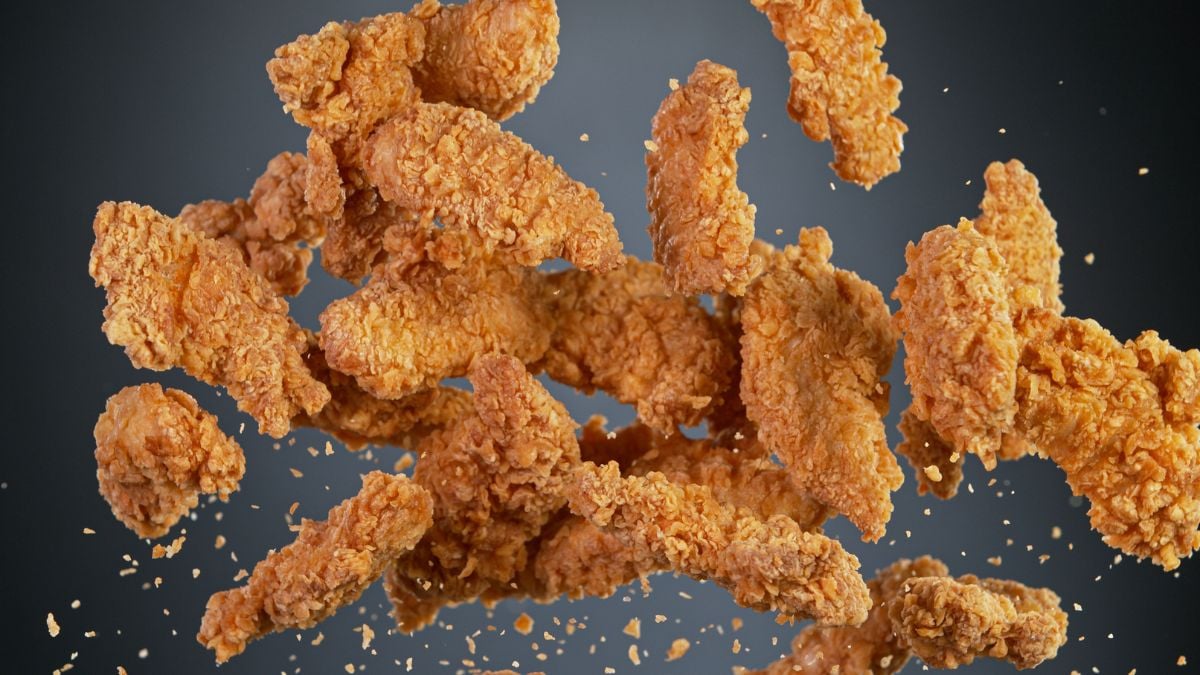
Chicken wings fly out of the kitchen during busy hours. To keep up, they may be rushed, under-rested, or pre-cooked. Sauces might not be freshly made for every batch. The result is wings that lack crispness or consistency. Cooks know timing matters here.
Late-Night Mussels
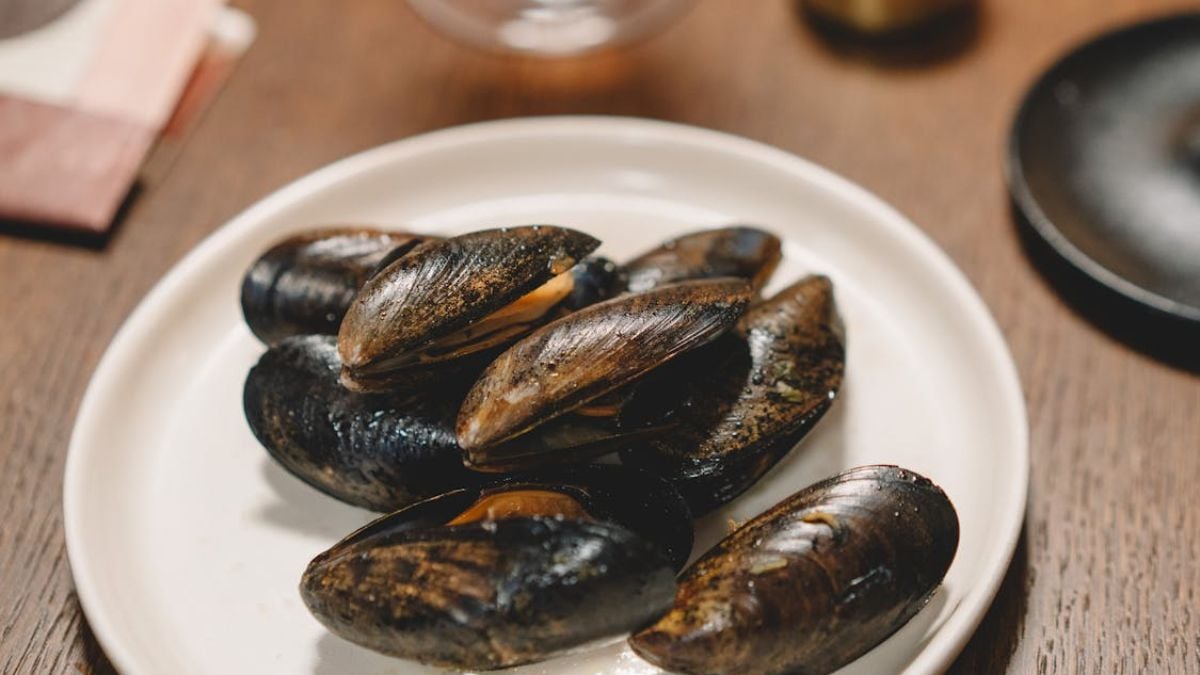
Mussels require careful handling and peak freshness. By evening service, they’ve often been refrigerated all day. While still safe, aroma and quality can decline. Cooks trust their senses, especially smell. That’s why mussels late at night feel risky.
Salad Bar Staples
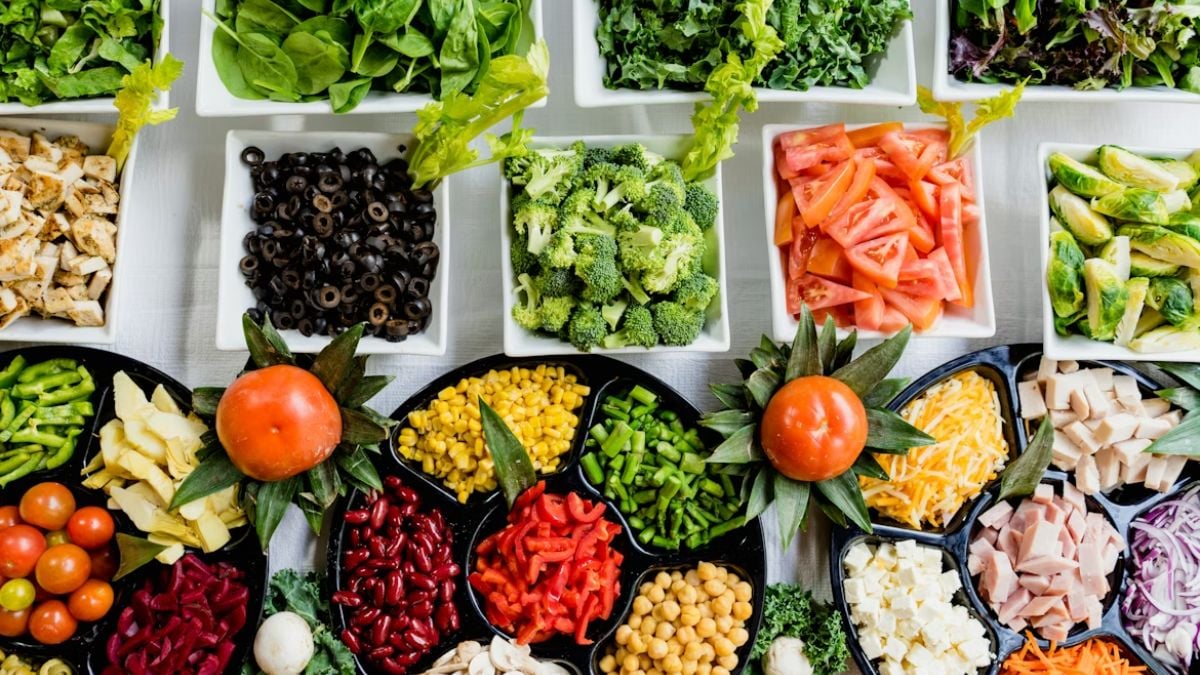
Salad bars look fresh, but many ingredients are simply topped off. Yesterday’s cucumbers can meet today’s cucumbers without being replaced. Pasta salads may be mixed repeatedly. Nothing is spoiled, but freshness becomes questionable. Cooks are very aware of this cycle.
Hollandaise During Brunch Chaos
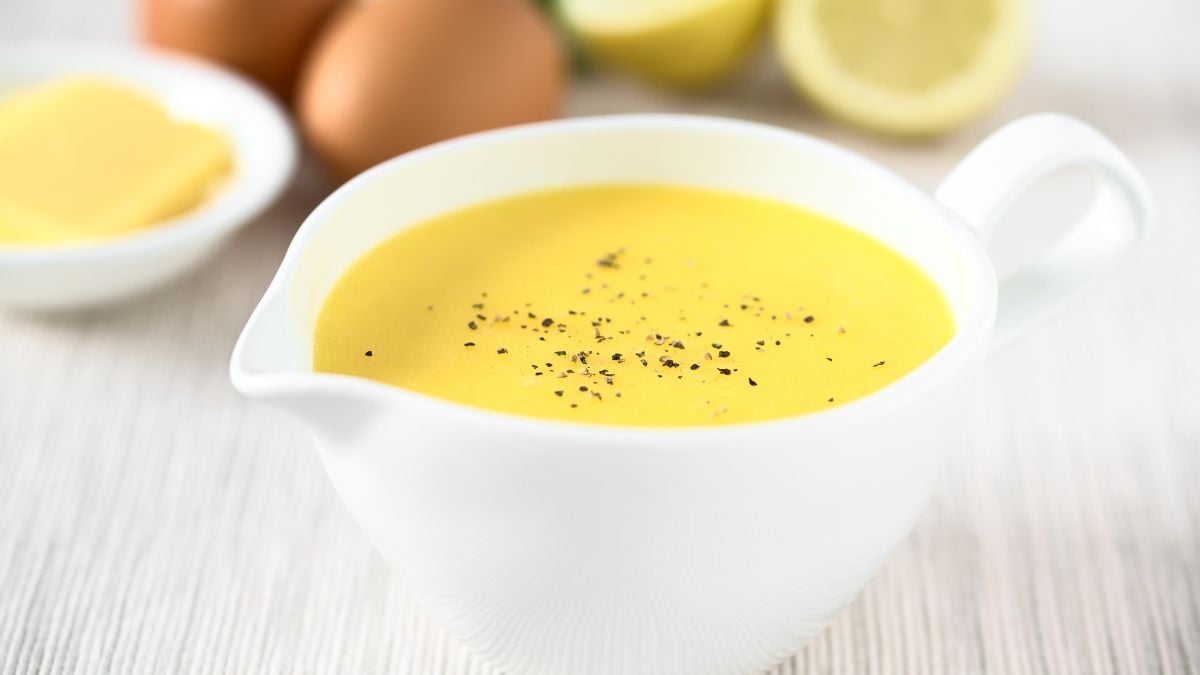
Hollandaise is delicate and temperature-sensitive. During packed brunch hours, it’s stretched, reheated, or held longer than ideal. Even skilled kitchens struggle to maintain its quality under pressure. Cooks understand the stress that sauce endures. They often skip dishes relying on it.
Chicken Parmesan at Non-Italian Spots
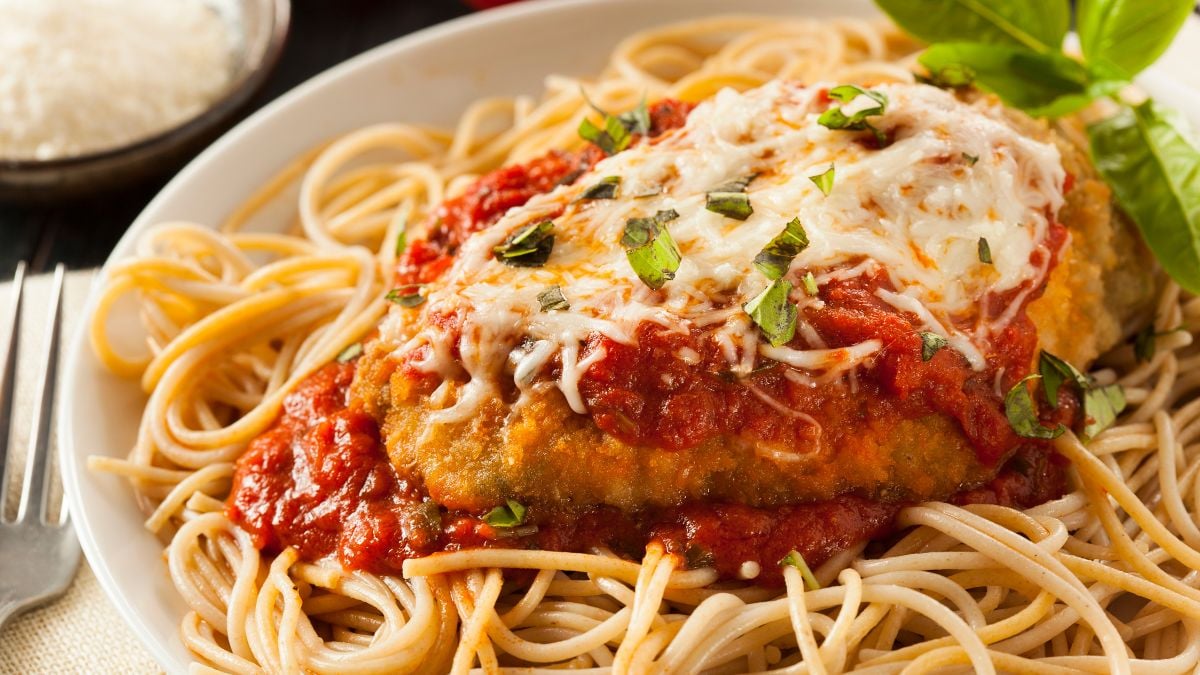
When Italian food isn’t the focus, ingredients move slower. Sauces, breadcrumbs, and cheese may sit longer than ideal. The chicken itself is fine, but supporting components suffer. Cooks recognize low turnover immediately. That’s usually their cue to pass.
Fish on Mondays
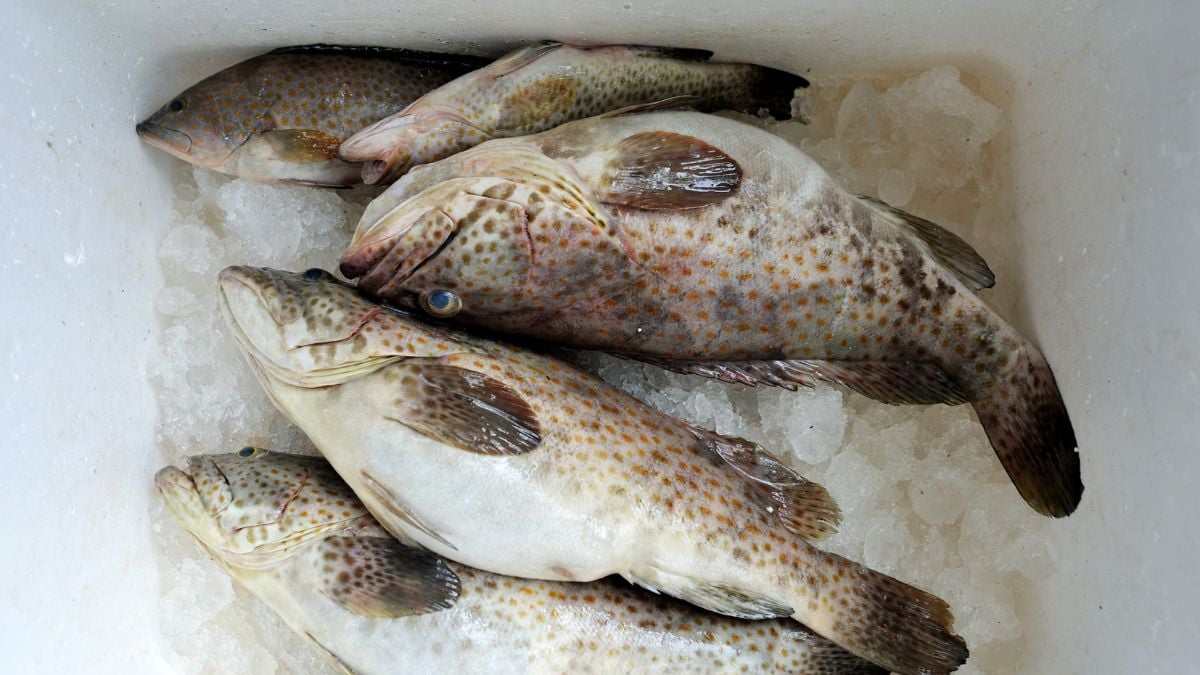
Seafood deliveries typically arrive midweek through Sunday. Monday fish has usually sat through the weekend. It’s still acceptable, just not at its best. Cooks want fish at peak freshness. Mondays rarely offer that advantage.
Discount Oyster Deals
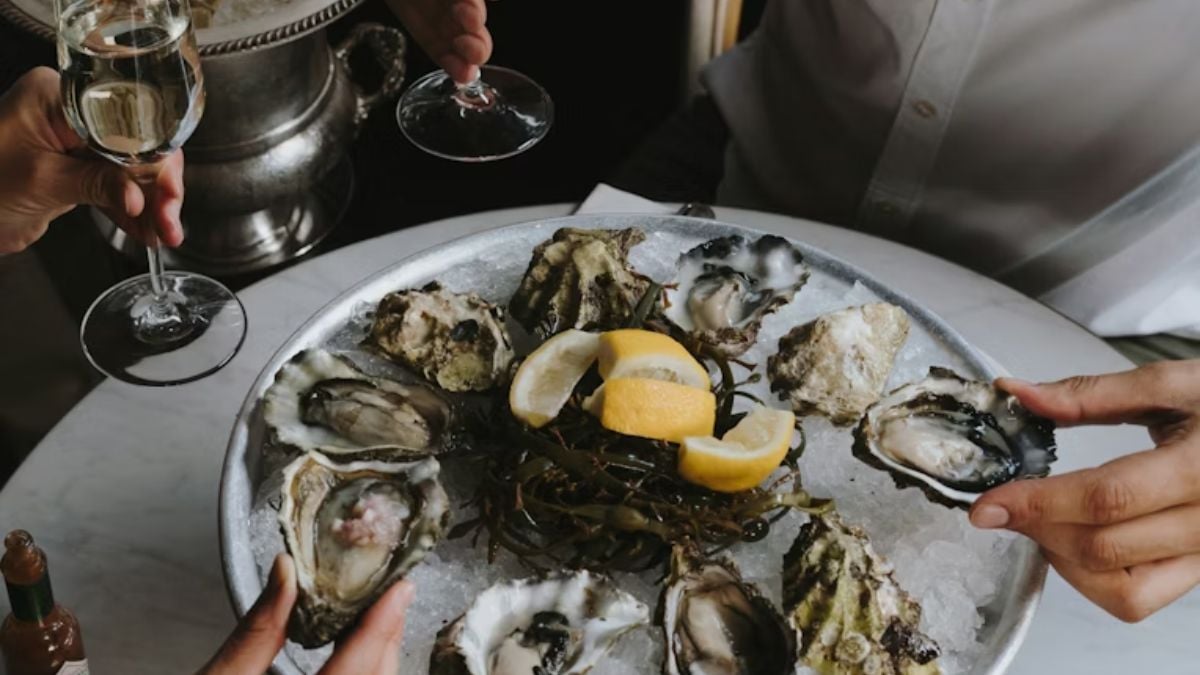
Oysters thrive on freshness. Discounts often signal oysters that have been held longer. They meet safety standards but lose texture and flavor. Cooks understand oysters don’t improve with time. Bargain pricing raises quiet alarms.
Smoothies Made From Fruit Cups
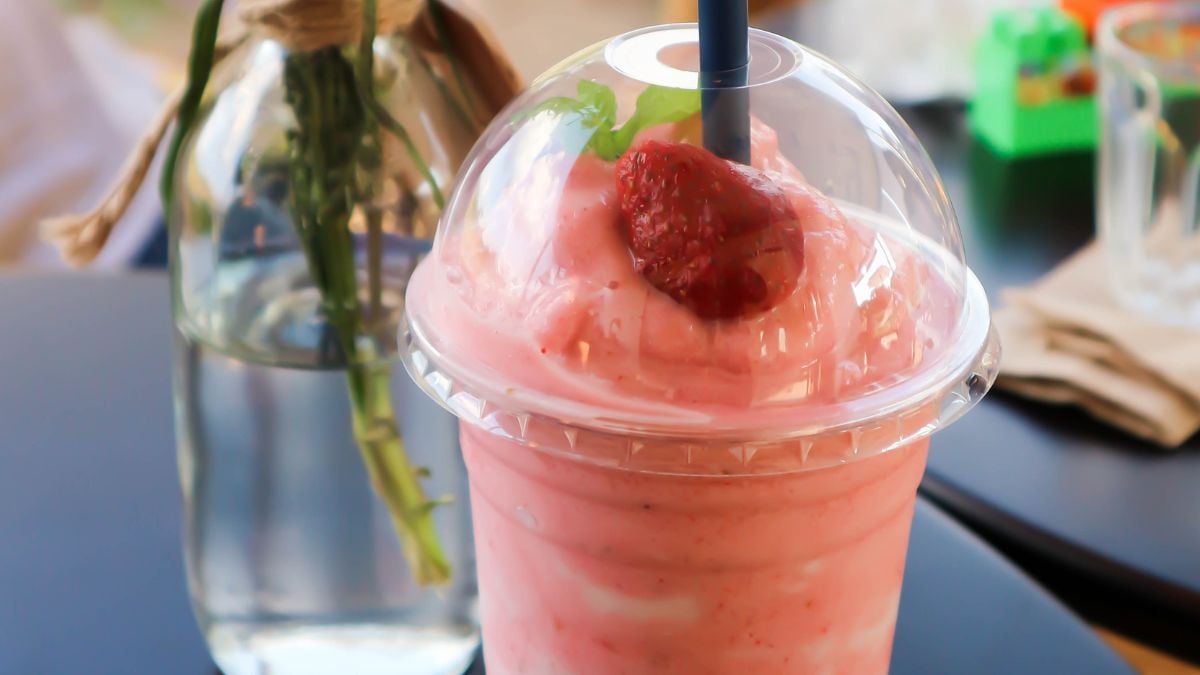
Pre-prepped fruit cups often contain soft or bruised fruit. These pieces couldn’t be served fresh on their own. Blending hides imperfections well. Cooks know what goes into those cups. It’s not harmful—just past prime.
Nachos During a Kitchen Rush
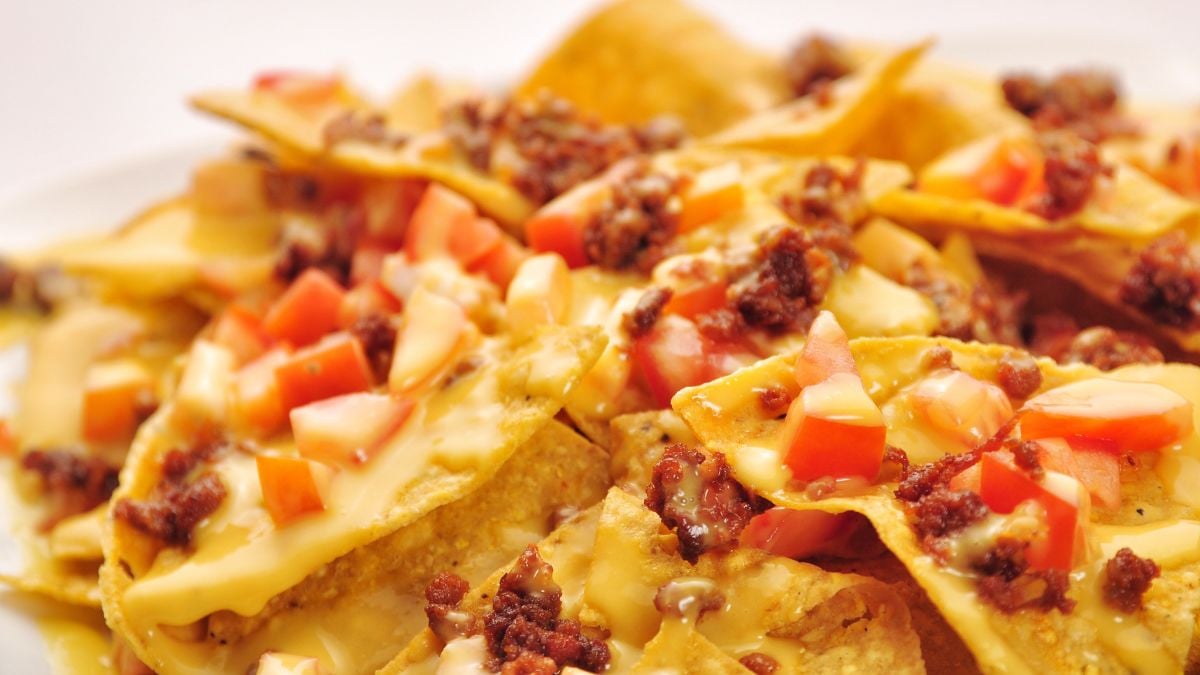
Nachos are rushed out fast when kitchens are slammed. Broken chips are used, cheese melts unevenly, and toppings are hurried. The result can be soggy and sloppy. Cooks know these suffer most during chaos. Timing is everything.
Overdecorated Fancy Cocktails

Elaborate garnishes look great but don’t age well. Citrus dries out, herbs wilt, and sugar rims soften. On busy nights, garnish turnover slows. Bartenders do their best, but reality interferes. Cooks quietly avoid these drinks.
Buffet Scrambled Eggs
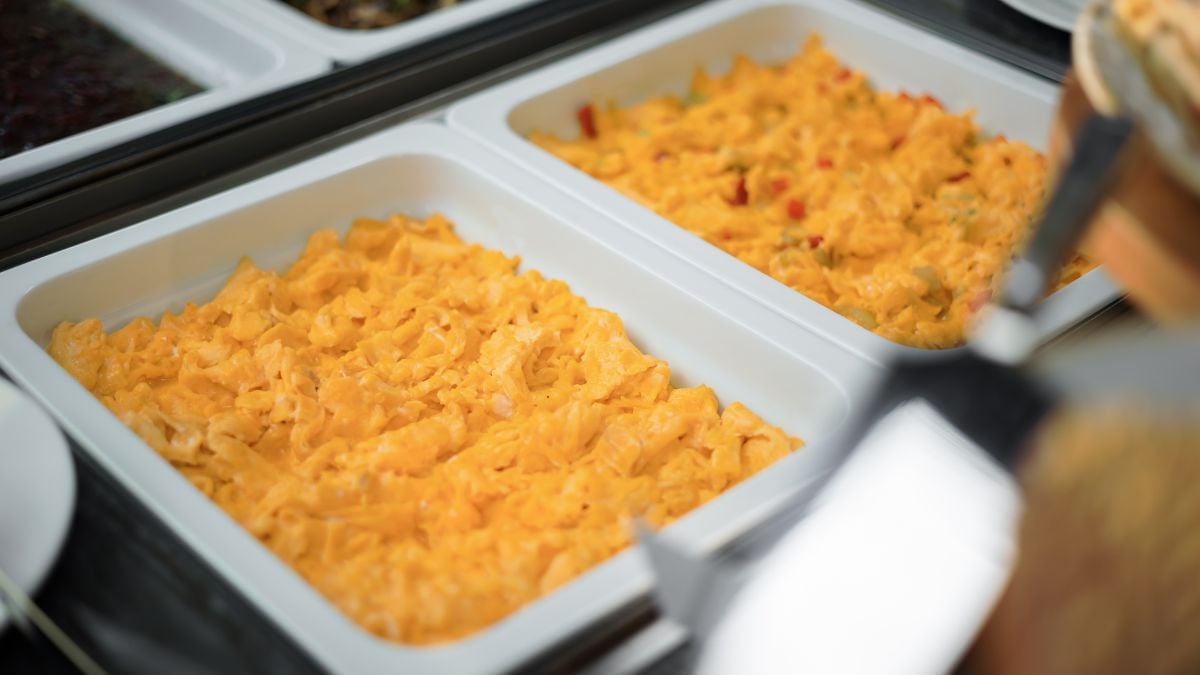
Scrambled eggs sit in warming trays far too long. They dry out, separate, and develop odd textures. Stirring disguises age but doesn’t fix it. Cooks recognize these signs instantly. Fresh eggs rarely behave this way.
Suspiciously Cheap Steak
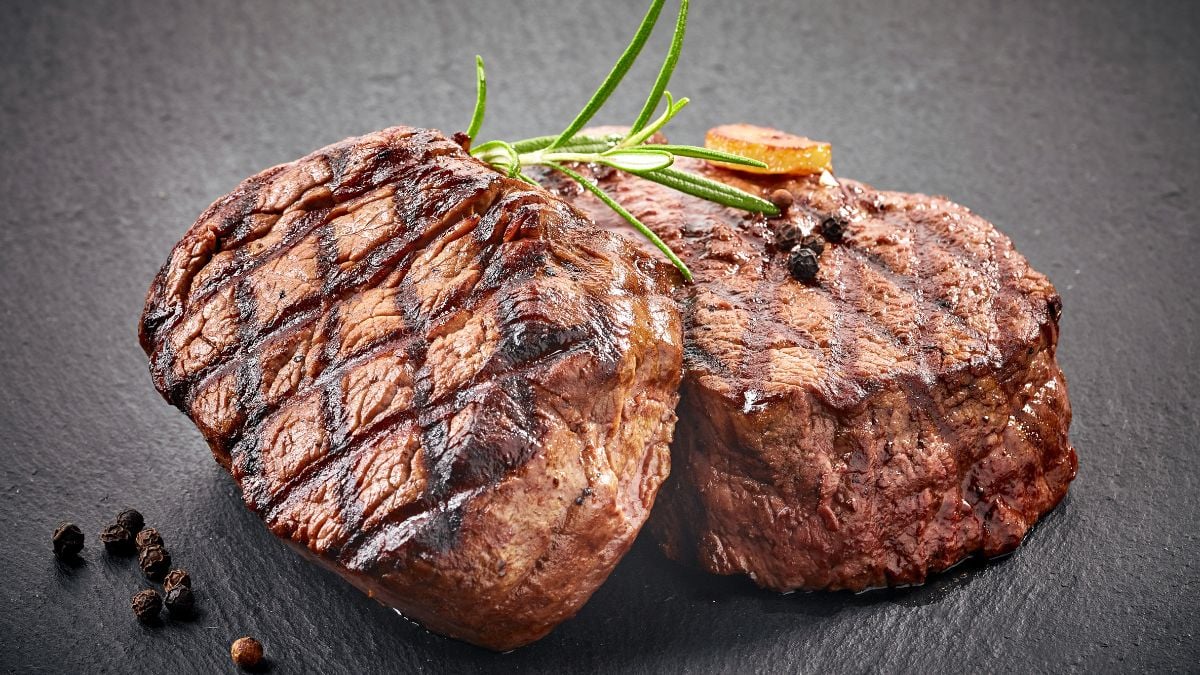
A low-priced steak always has a reason. It may be thin, lower grade, or older stock. Heavy tenderizing often compensates for quality. Cooks know how these cuts are treated. The price usually tells the story.
Pasta at Non-Pasta Restaurants
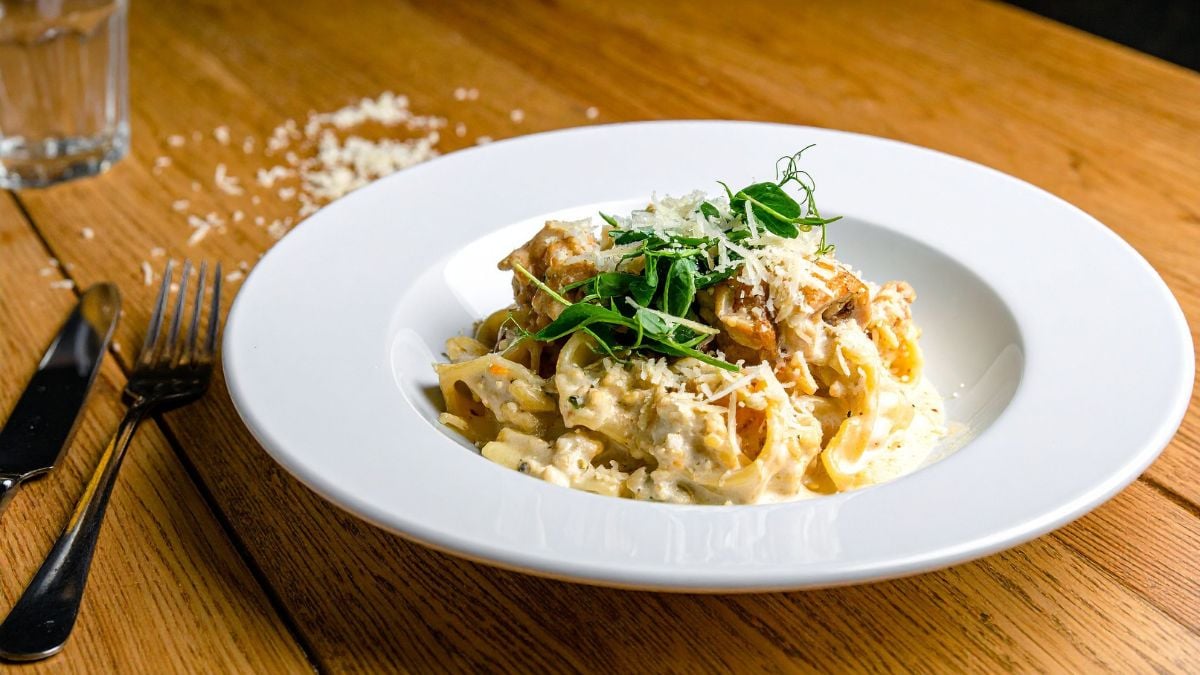
Low-demand pasta sits waiting for an order. Sauces are reheated repeatedly, sometimes separating or thinning. Marinara may simmer all day with added liquid. Alfredo often breaks down when held too long. Cooks know better than to gamble.
Soup That Arrives Instantly
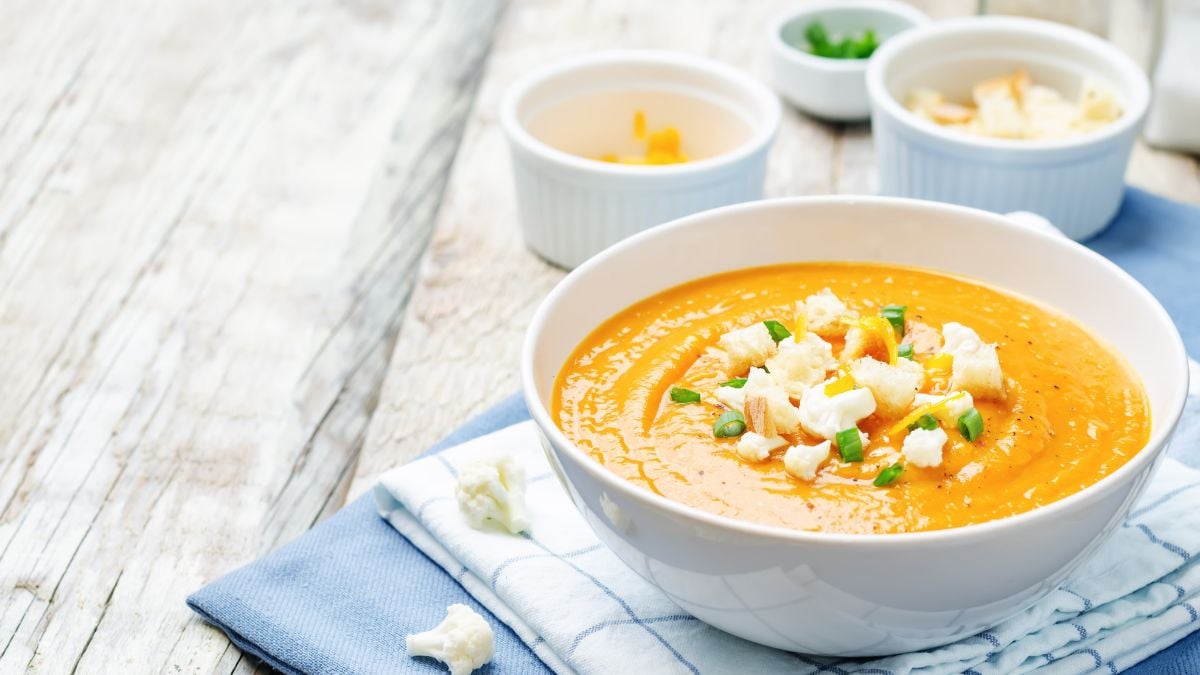
Fast soup usually means it’s been simmering since morning. Kitchens often extend it by adding more liquid. Flavors become muddled over time. While still safe, quality fades. Cooks know speed isn’t always a good sign.