Chain restaurants were built on a simple promise: a sit-down meal that doesn’t feel like a splurge. For decades, they offered busy households affordable comfort, predictable menus, and table service without sticker shock. Lately, that balance has started to crack. Rising costs have pushed prices higher, while diners are cutting back and paying closer attention. When the food doesn’t match the bill, frustration follows. These well-known chains are now facing growing complaints that they simply charge too much for what they deliver.
When “Affordable” Stops Feeling Affordable
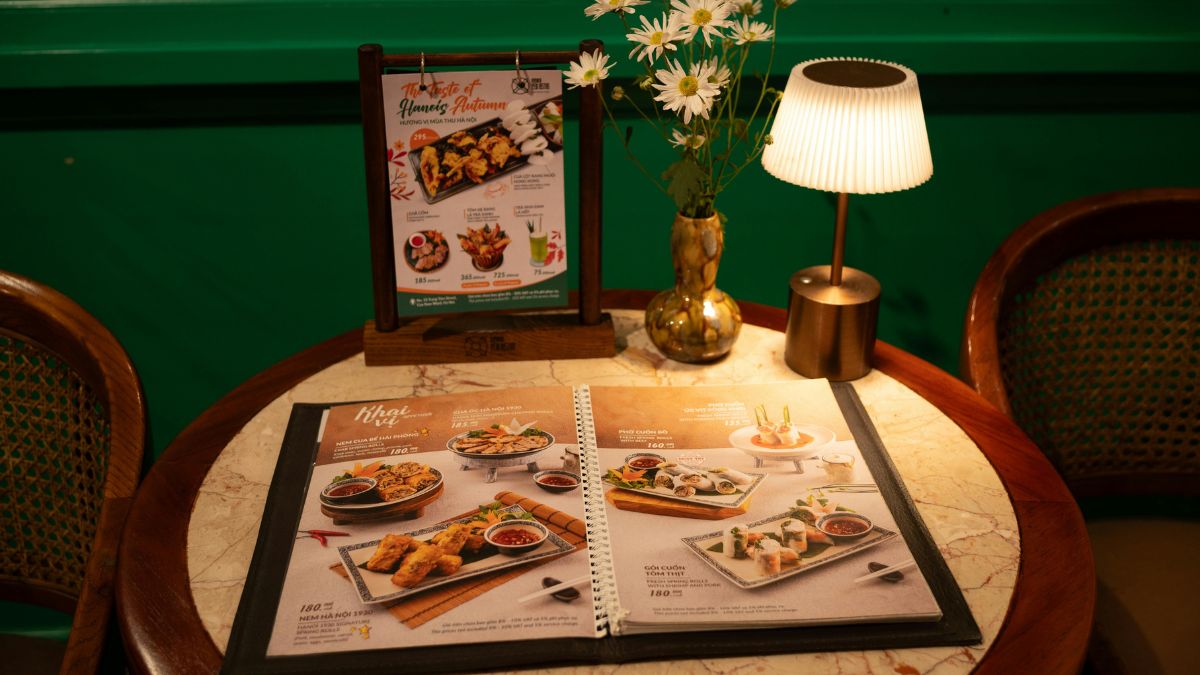
Chain restaurants thrive on value perception, not just portion size. Customers expect reasonable pricing because these brands were designed for everyday dining, not special occasions. As prices climb, that expectation becomes harder to meet. Even small increases feel bigger when menus are familiar. Diners notice when a routine meal suddenly feels indulgent.
Rising Costs Are Pressuring Every Chain

Ingredient prices, labor wages, and commercial rents are all higher than they’ve been in years. Restaurants can’t absorb those increases forever. Many chains pass costs directly to customers, hoping loyalty will offset sticker shock. At the same time, fewer people are dining out. That combination makes every price hike more noticeable.
Outback Steakhouse Loses Its Budget Steak Appeal
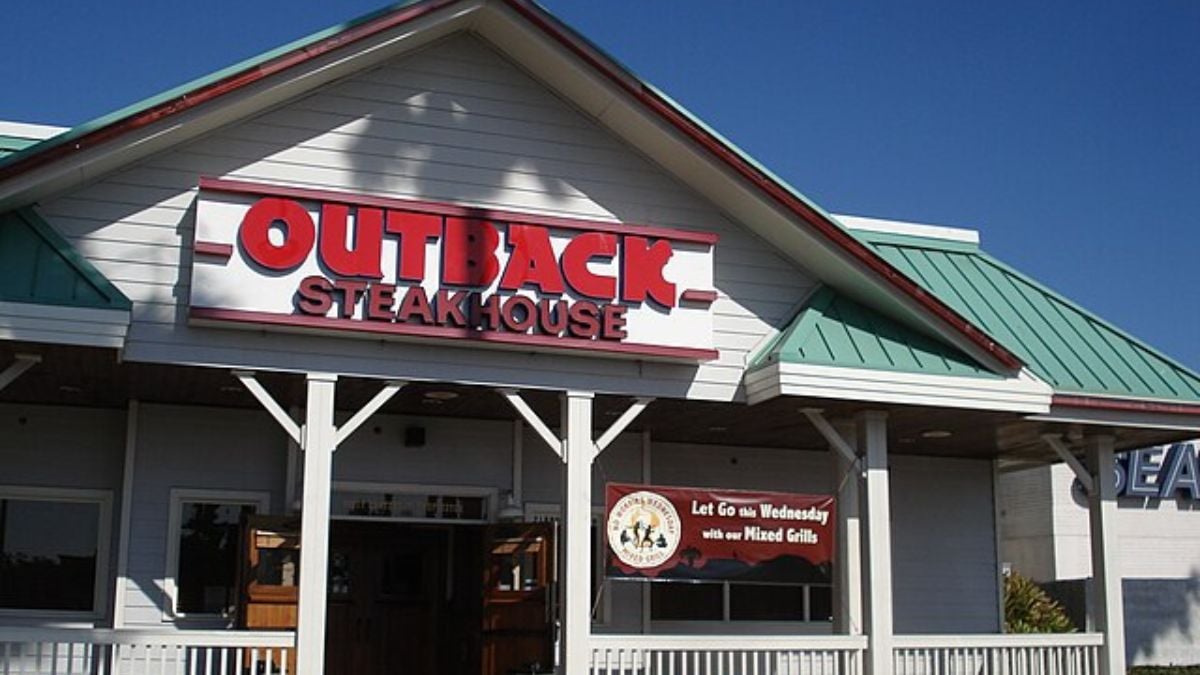
Outback Steakhouse once made steak dinners feel accessible. Recently, higher prices have pushed some lower-income diners away. Company leadership has acknowledged the issue publicly. The chain introduced a $14.99-and-up Aussie Three Course deal to win customers back. More changes are expected as Outback tries to reestablish its value image.
Cheesecake Factory’s Portions Don’t Always Justify the Price
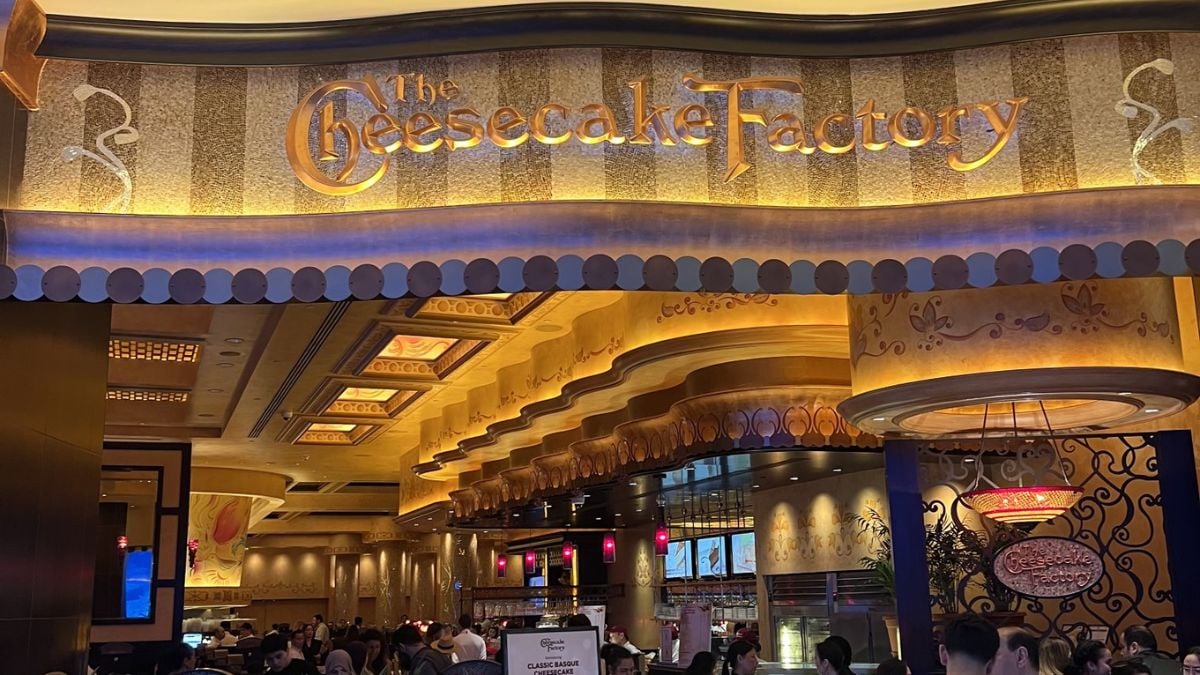
The Cheesecake Factory is famous for massive menus and oversized plates. Unfortunately, many diners feel the non-dessert dishes don’t live up to their cost. While cheesecakes remain popular, other menu items are often described as mediocre. That makes high prices harder to defend. Ironically, cheesecakes are also the one item not made fresh.
IHOP’s Prices Jumped Faster Than Expectations
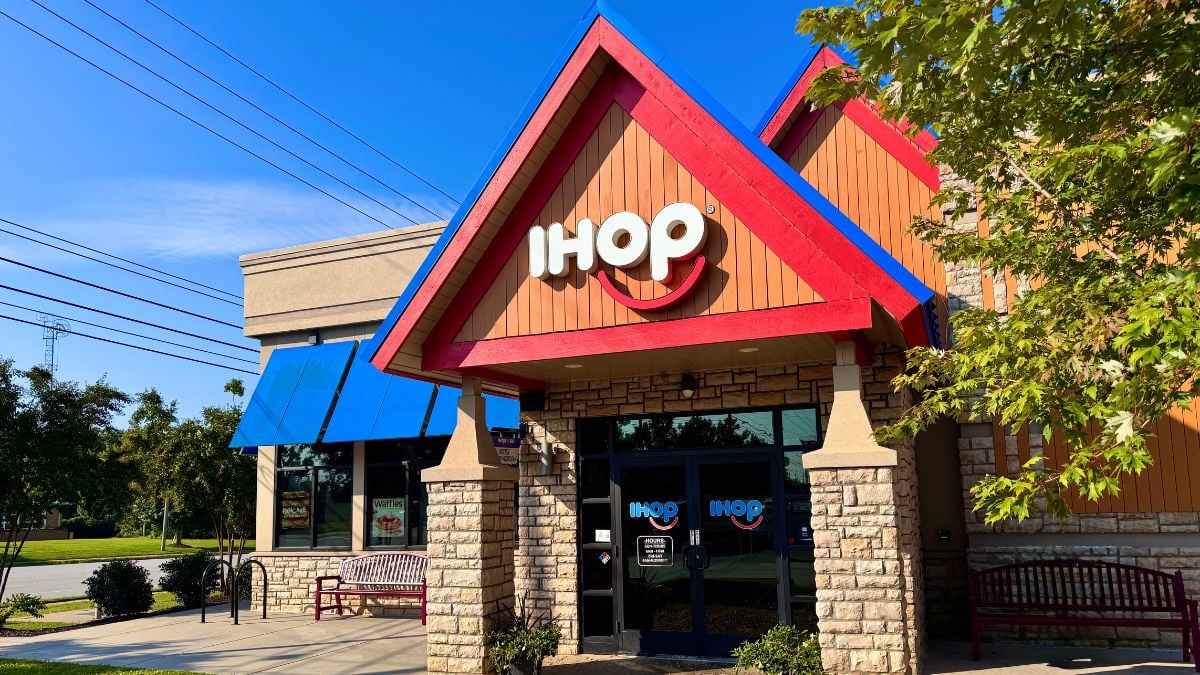
IHOP built its reputation on inexpensive, diner-style food. Since 2020, its prices have risen by 82%. Rising ingredient costs and higher labor expenses played a major role. Reduced in-person dining and reliance on delivery apps have further squeezed profits. Customers feel the difference every time they check the bill.
TGI Fridays’ Struggles Show Up on the Plate
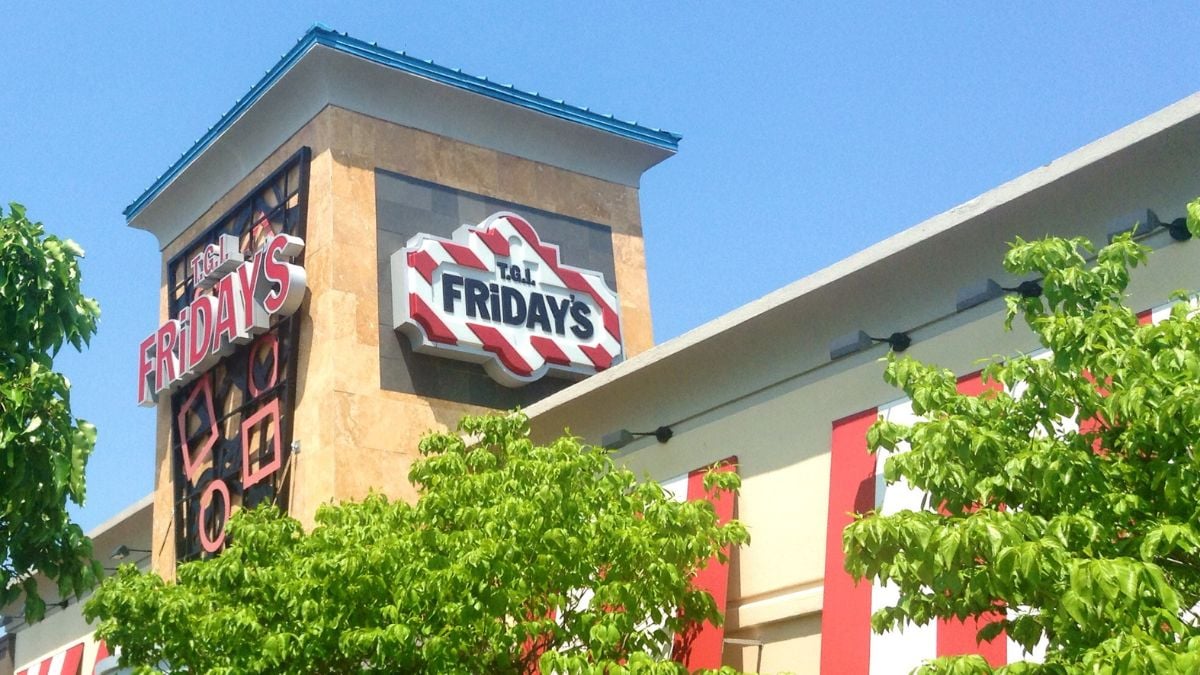
TGI Fridays once operated hundreds of locations nationwide. After years of decline, the chain entered Chapter 11 bankruptcy with fewer than 80 restaurants left. Customers frequently describe the food as bland and uninspired. When prices match competitors but flavors don’t, dissatisfaction grows. The decline has been hard to ignore.
Waffle House Feels the Egg Price Squeeze
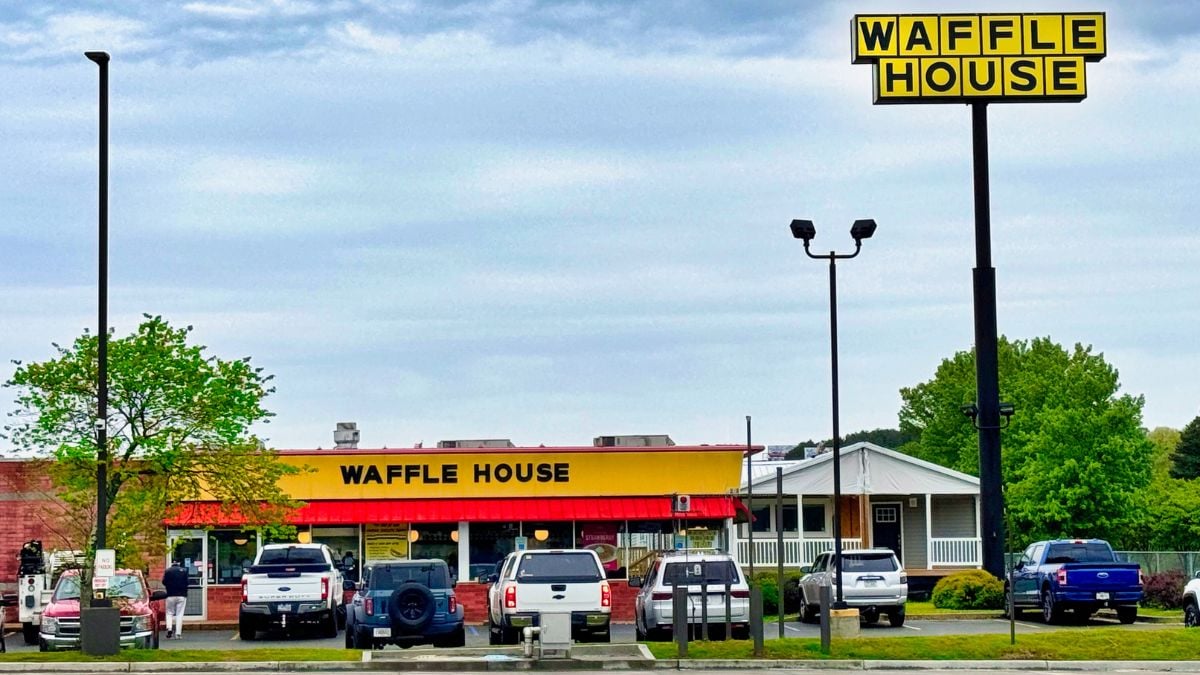
Waffle House uses about 272 million eggs each year. As egg prices surged, the chain felt the impact more than most. Since 2020, Waffle House prices have increased 96%. Every menu item rose at least 71%. Longtime customers have noticed—and complained.
Wrap-Up: When Chain Dining Loses Its Value Edge
Chain restaurants don’t survive on hype—they survive on trust. When prices rise faster than quality or experience, customers notice immediately. Some chains are trying to course-correct, while others are still struggling to justify the bill. Have you noticed these price hikes at your favorite sit-down spots? Drop a comment and share which chain surprised you most—or which one still feels worth it.