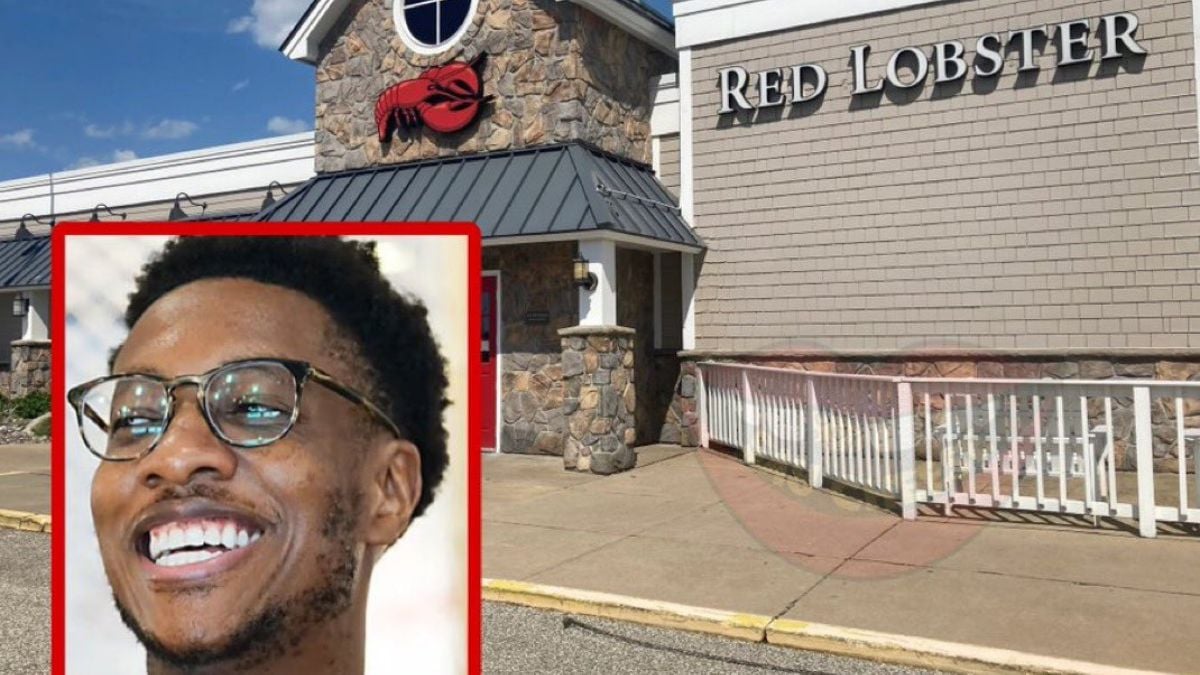
Not long ago, Red Lobster looked like a relic of mall-dining glory days. Bankruptcy, debt topping $1 billion, and a disastrous shrimp promotion had turned the 56-year-old chain into late-night joke material. Now, it’s staging a comeback — and the face of that revival is a 36-year-old CEO with serious Wall Street credentials. Damola Adamolekun isn’t hiding behind corporate press releases. He’s front and center, and diners are showing up because of it.
Tech Bros, Lobster Tails, and a Turnaround
On a recent Friday night in Times Square, two 25-year-olds tried Red Lobster for the first time. They weren’t there out of nostalgia. They came to see if the CEO’s turnaround was real. That kind of curiosity says a lot. The brand suddenly feels like something to watch again.
From Bankruptcy to Buzz
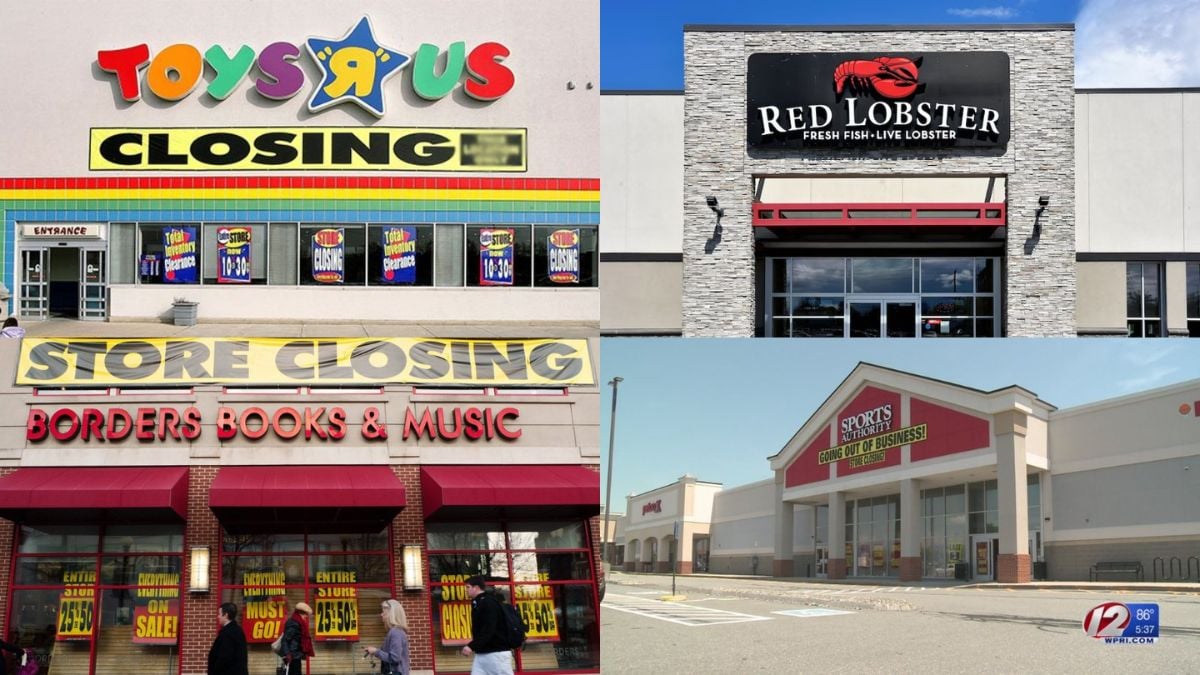
In May 2024, Red Lobster filed for bankruptcy. Years of ownership changes, mounting debt, and a costly Endless Shrimp promotion helped sink it. The chain closed more than 150 locations during restructuring. For many observers, it looked like the end of an era. Instead, it became a reset moment.
The $11 Million Shrimp Mistake
Endless Shrimp was supposed to draw crowds. It did — just not profitably. The promotion reportedly cost the company $11 million in three months. Diners lingered for hours and even asked for leftovers to-go. It became a symbol of how things had gone wrong.
Meet the Wall Street Wunderkind
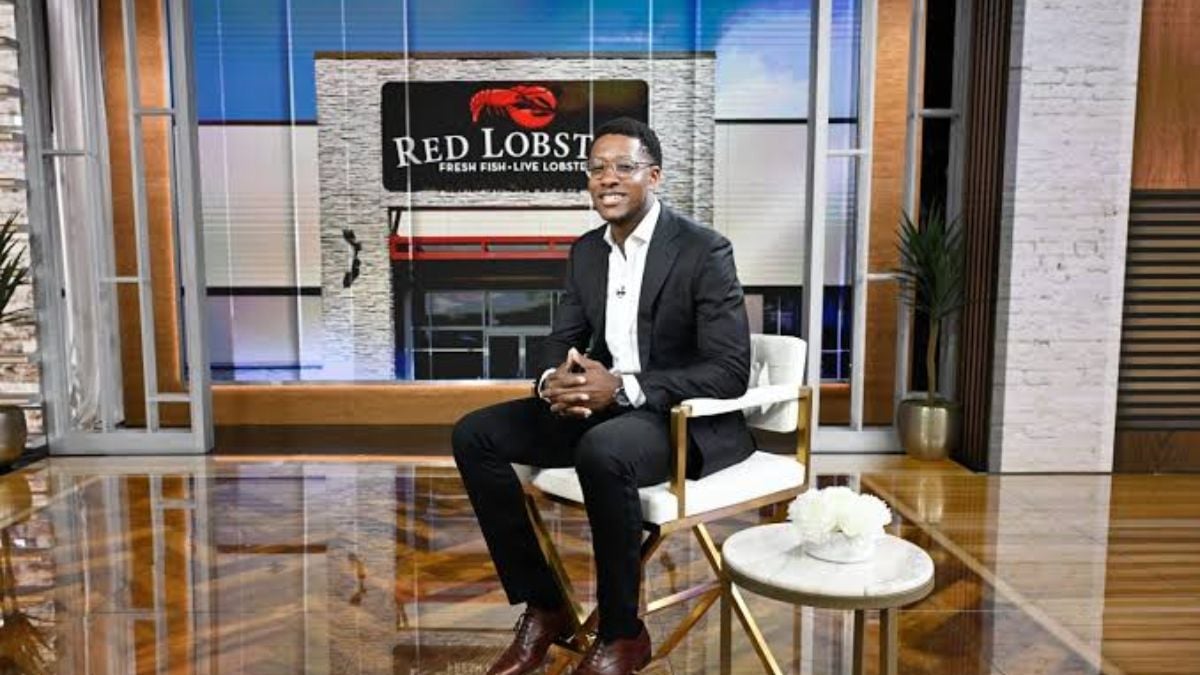
Adamolekun’s résumé isn’t typical for a restaurant CEO. He studied at Brown, earned an MBA from Harvard, and worked at Goldman Sachs and hedge fund Paulson & Co. Before Red Lobster, he led P.F. Chang’s through the pandemic. By the time he left, the National Restaurant Association estimated he had helped bring in an additional $1 billion in revenue. Not bad for someone in his early 30s.
A CEO Who Actually Shows Up
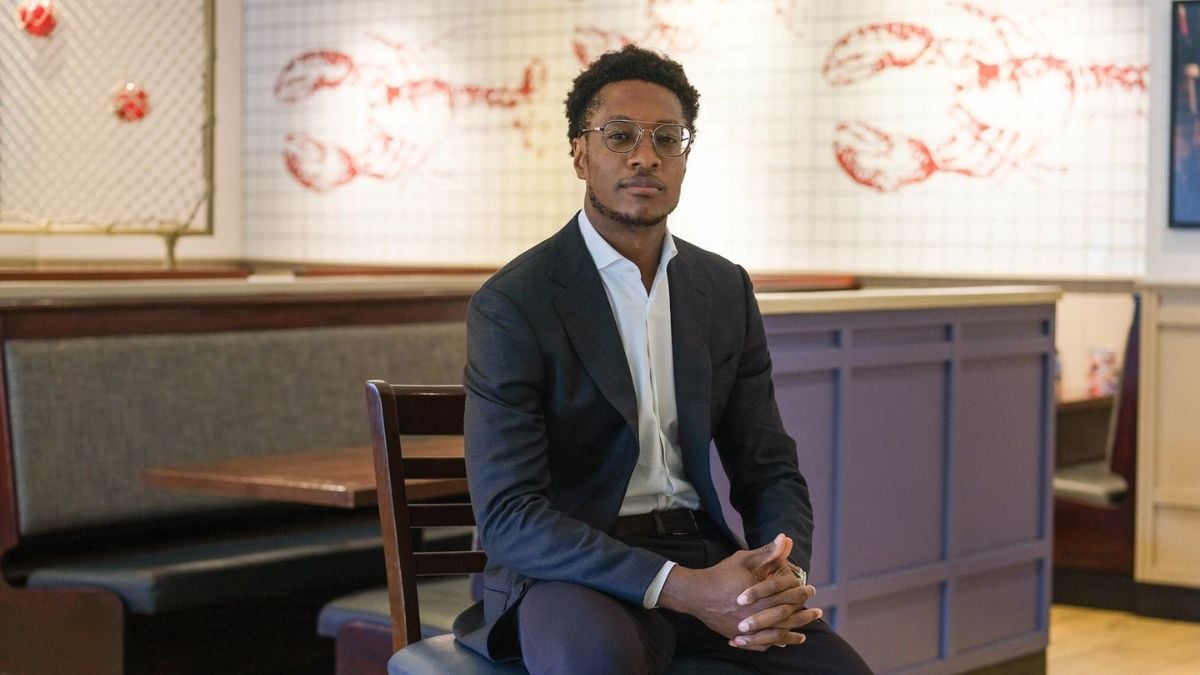
Unlike many executives, Adamolekun embraces the spotlight. He’s appeared on The Breakfast Club and engaged directly with customers on TikTok. One YouTube commenter summed it up after his interview: they were going to Red Lobster because of him. That kind of personal brand power is rare in casual dining. He’s made his own ambition part of the pitch.
TikTok Boils Go Viral

Last summer, Red Lobster introduced shake-and-serve seafood boils inspired by a Louisiana trend. Videos of customers cracking crab legs and shrimp tails exploded on TikTok. Sales jumped. The boils became permanent menu fixtures. Suddenly, the chain felt culturally relevant again.
Even the Kelce Brothers Got Involved
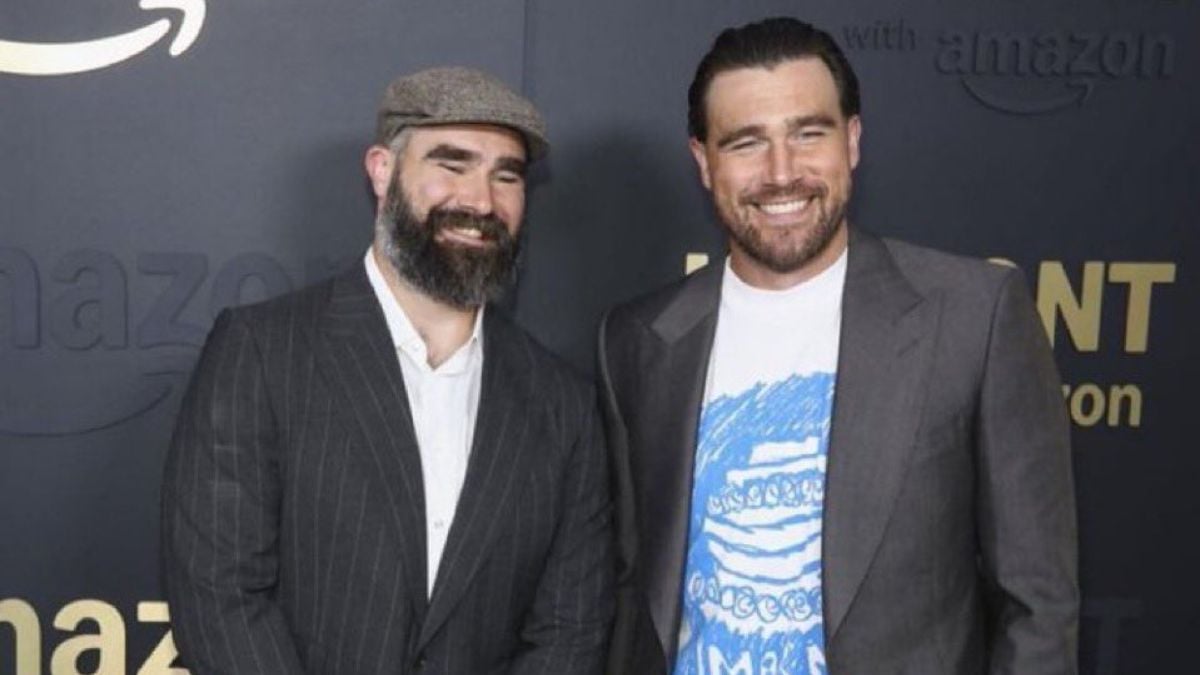
When Jason Kelce and Travis Kelce joked on their podcast New Heights that lobster was just a butter delivery system, Adamolekun fired back — with an invitation. The visit never happened, but the TikTok engagement did. It was playful, timely, and very online. That’s not the old Red Lobster playbook.
Fixing the Menu, One Classic at a Time

Some of the turnaround is refreshingly simple. Hush puppies are back. The original tartar sauce returned. The focus is once again on lobster, crab, and shrimp — the brand’s core strengths. Sometimes, revival starts with remembering who you are.
A New Take on Value
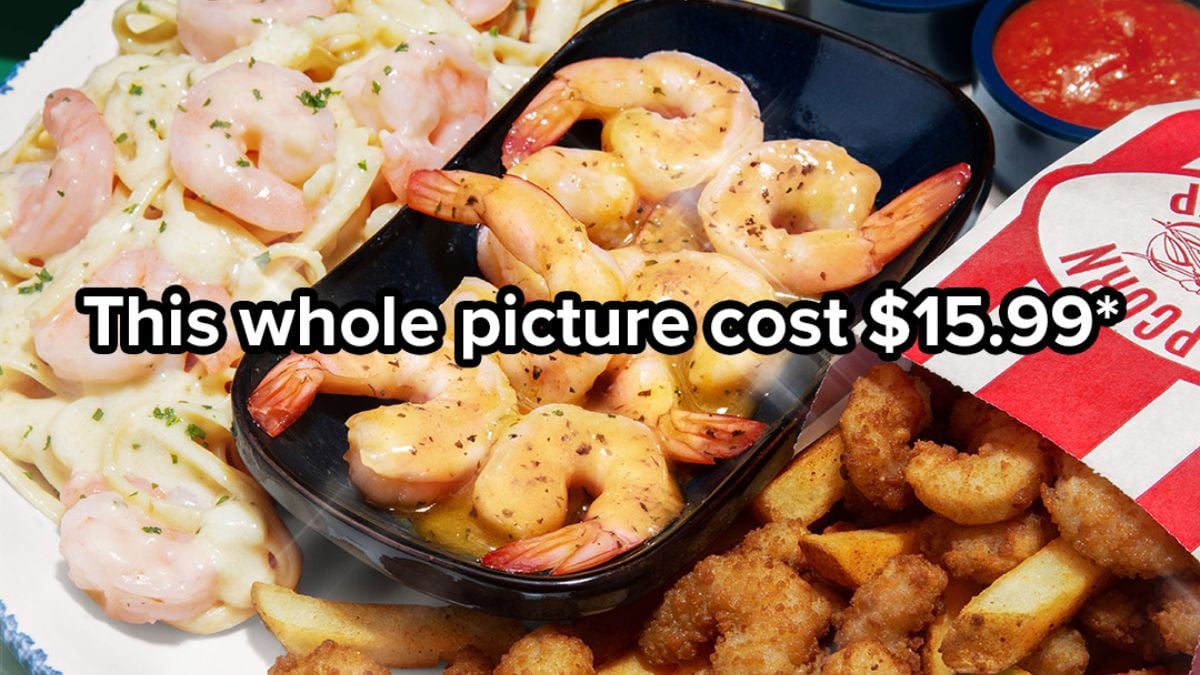
Endless Shrimp may be gone, but value isn’t. The chain introduced “SpendLESS Shrimp,” offering shrimp prepared three ways for about $15.99, depending on location. It’s controlled generosity instead of open-ended indulgence. The goal is traffic without financial chaos. Lesson learned.
The Private Equity Backstory
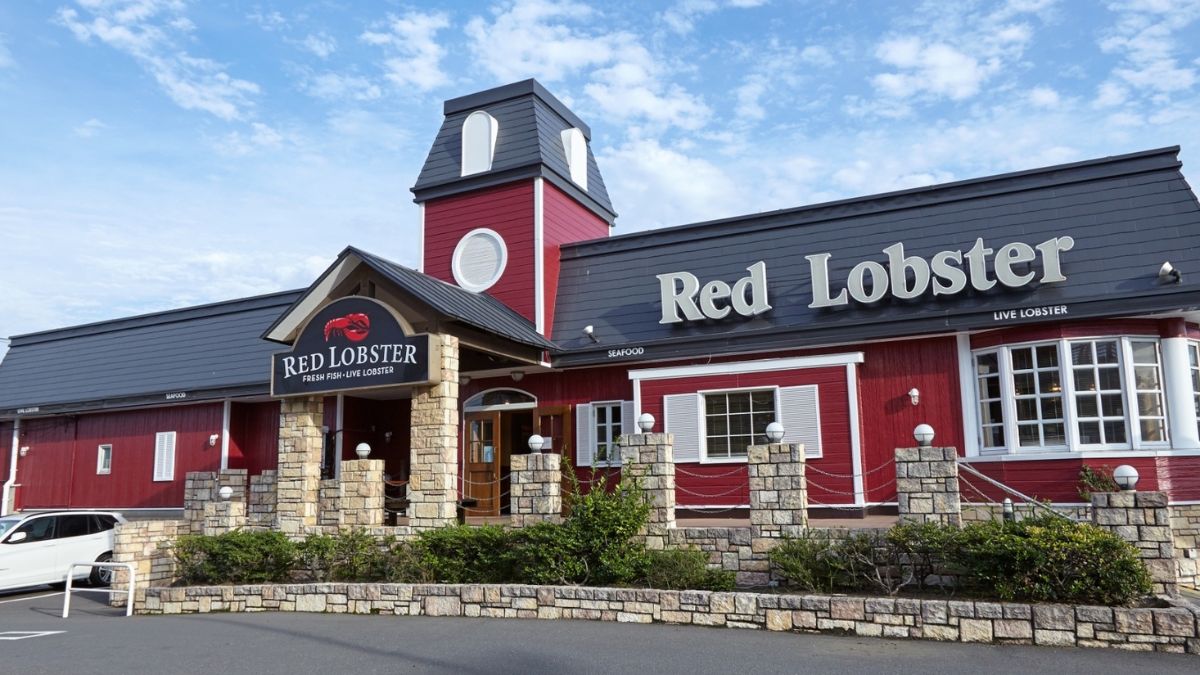
Ownership changes played a major role in the decline. Golden Gate Capital once sold the chain’s real estate and leased it back, creating heavy rent burdens. Later, Thai Union introduced aggressive cost-cutting and the permanent shrimp deal. Eventually, Fortress took control and brought Adamolekun in. The financial engineering era is giving way to brand rebuilding.
The Numbers Show Momentum
Since last June, Red Lobster has posted consistent gains in monthly visits. Average transaction sizes rose 10% year over year in the third quarter of 2025. That’s happening even as Americans dine out less overall. It’s not a full victory lap, but it’s real movement. The data backs up the buzz.
Playing the Long Game
Adamolekun says you don’t go bankrupt overnight — and you don’t fix it overnight either. His plans include improving takeout, expanding into consumer packaged goods, and strengthening the loyalty program. It’s not just about flashy launches. It’s about repeat visits. The comeback is meant to stick.
The Clawback Everyone’s Watching
Red Lobster’s revival feels less like corporate spin and more like a personality-driven reboot. Foot traffic is up. Diners are spending more. And people who once wrote it off are giving it another look. Is this the start of a lasting seafood comeback — or just a well-marketed second act? Have you been back lately, and does it feel different? Drop your take and let us know if you’re rooting for the clawback.