Sticker shock at the grocery store is officially part of the weekly routine. Analysts warn that a mix of climate chaos, disease outbreaks, and rising production costs is sending certain food prices higher. Even as overall inflation cools, some categories—think meat, eggs, and coffee—are expected to spike sharply. Seasonal fluctuations and supply chain quirks are making shopping less predictable than ever. Here’s a look at the grocery items experts say could make your next trip painfully expensive.
Beef and Red Meat Are No Bargain
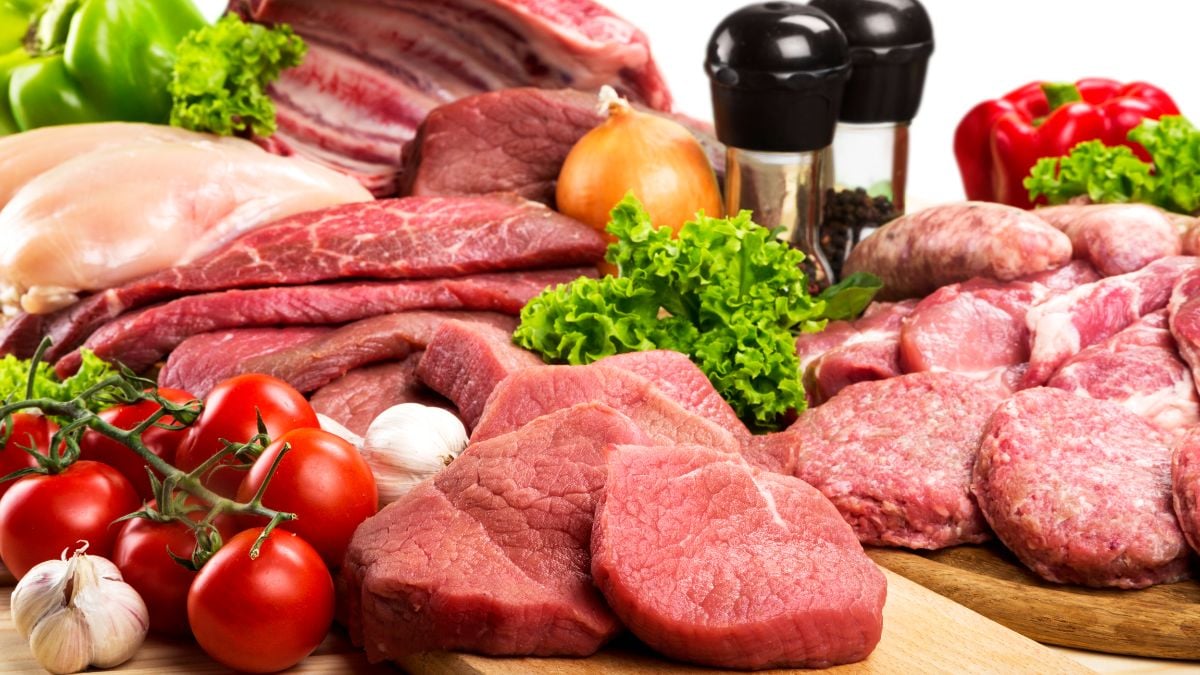
Persistent droughts and shrinking herd sizes are tightening the beef market. High production costs and changing trade conditions are adding extra strain. The USDA’s Economic Research Service predicts beef and veal prices will rise faster than usual, dragging other red meat costs up with them. Consumers hungry for steak or burgers may need to adjust their expectations—and their budgets.
Eggs and Poultry Face Volatile Times
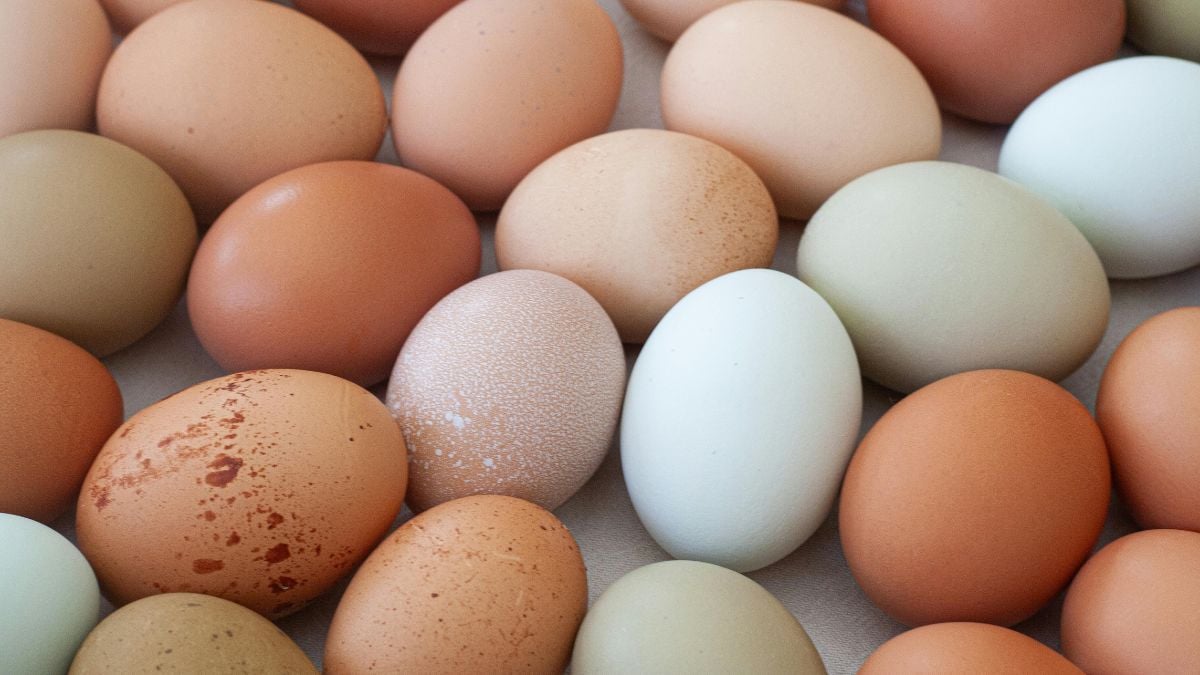
Avian flu outbreaks in 2024 and 2025 have caused massive disruptions in the U.S. poultry supply. Farmers culling infected flocks reduced overall availability while demand remained strong, pushing prices upward. Both eggs and chicken are feeling the pinch, and grocery shoppers will notice. Analysts say this volatility could continue into 2026, keeping these breakfast staples pricier than usual.
Dairy Products Are Feeling the Pressure
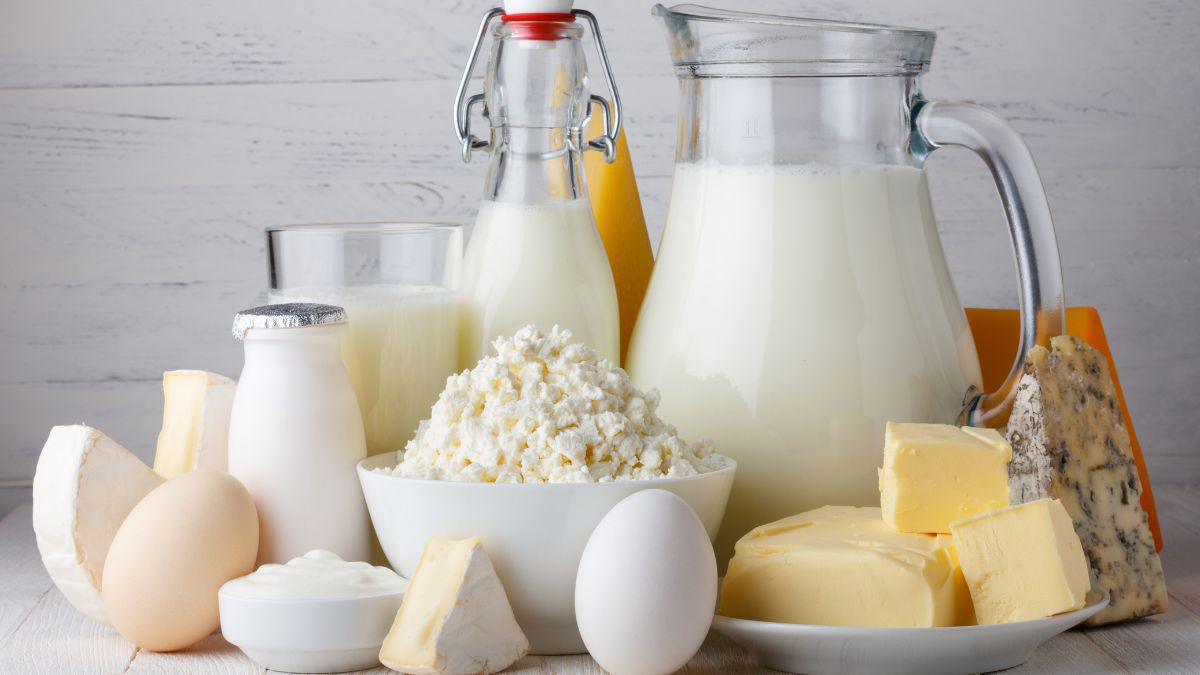
Milk, cheese, and butter haven’t escaped the inflation wave. Disease pressures, tighter herd cycles, and rising labor and packaging costs have driven prices up. Butter reached record highs in 2025, and some cheeses followed suit. Experts remain cautiously optimistic that stabilization could come if livestock cycles normalize, but for now, dairy shoppers may face sticker shock.
Coffee and Soda Prices Are Climbing Fast
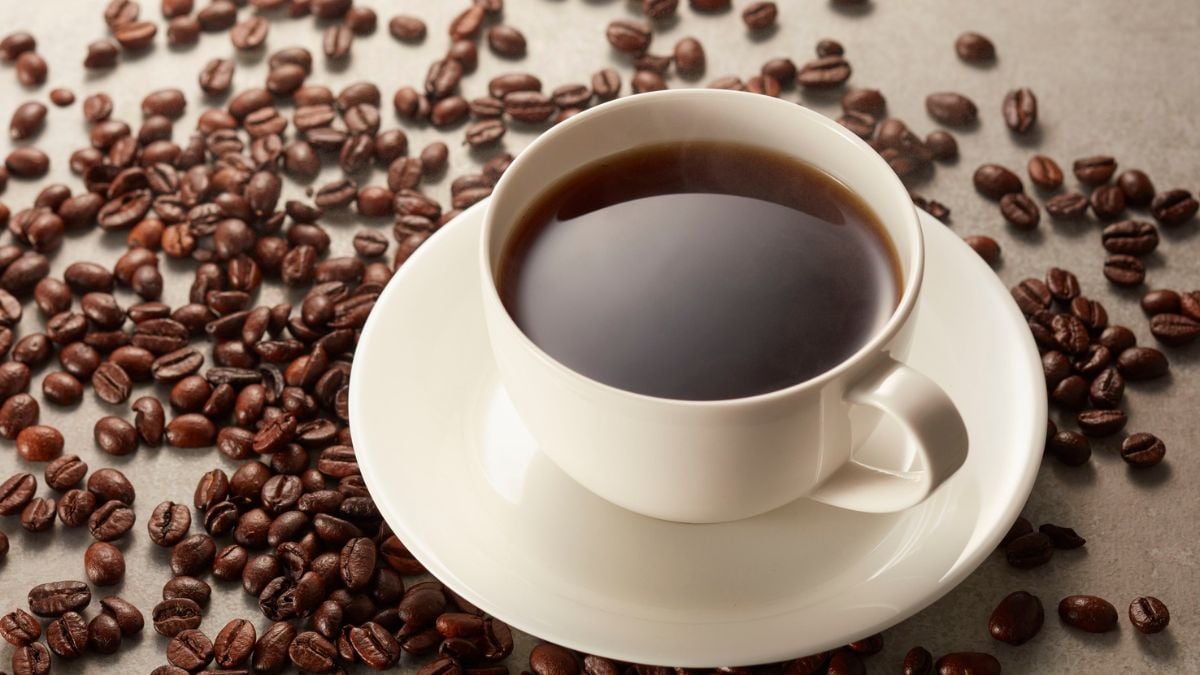
Nonalcoholic beverages like coffee and soda have outpaced many other grocery items in price hikes. Climate disruptions in key producing regions have increased import and processing costs. Coffee lovers and soda fans are paying the price for unpredictable weather patterns abroad. Unlike alcoholic beverages, which remain more stable, these daily staples are trending upward rapidly.
Sugar Is Getting Pricier Than Ever
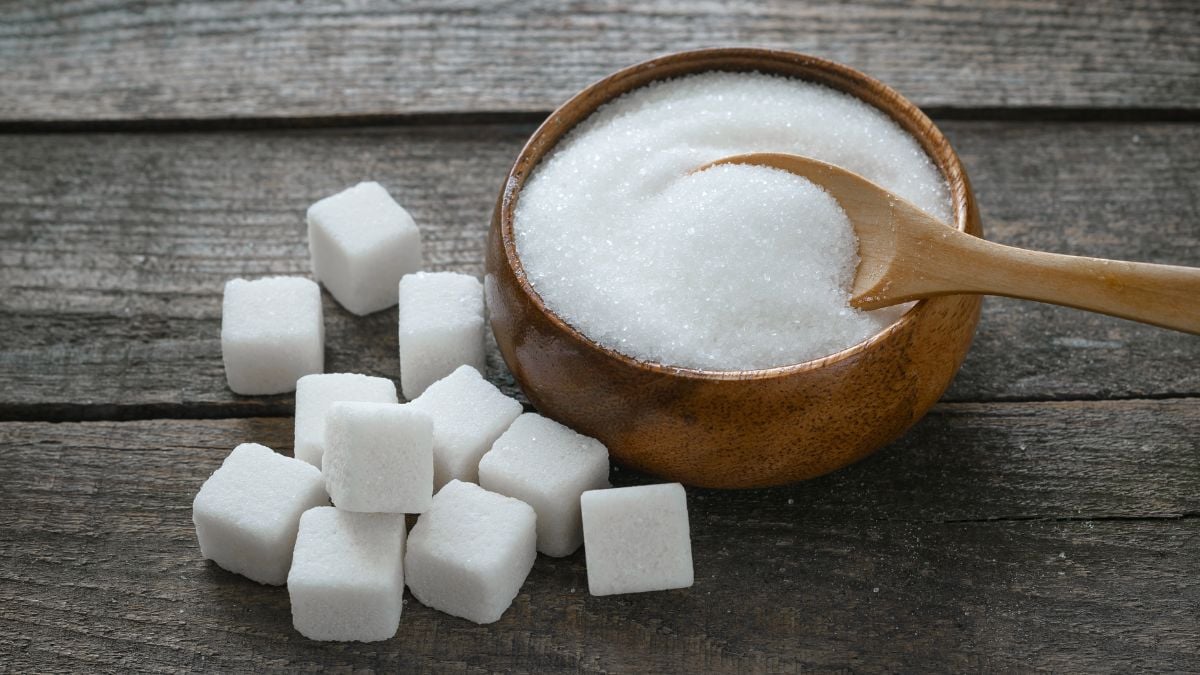
Sugar production in the U.S. is vulnerable to weather and supply issues. Florida, Louisiana, Texas, and Midwest sugarcane and sugar beet regions are all affected by changing climates. Imports from India add another layer of cost, especially since much of India’s sugarcane is diverted to ethanol. With lower supply and steady demand, sugar prices are trending upward, affecting everything from baking to soft drinks.
Snacks and Sweets Are Not Getting Cheaper
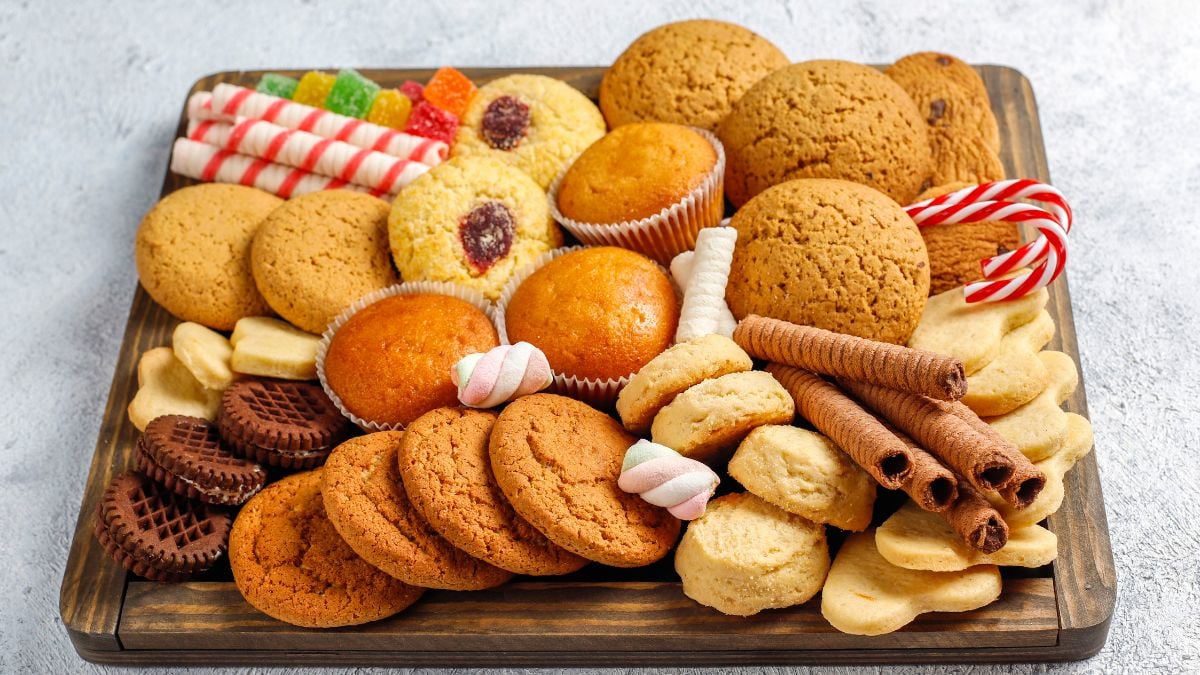
Sugar price increases are impacting everything from candy to cookies. Analysts predict snacks and sweets will rise faster than their 20-year average growth rate. Your favorite treat aisle is no longer the cheap indulgence it once was. Prepare for a slightly bitter bite when grabbing that chocolate bar or bag of chips.
Canned and Packaged Staples Are Costing More
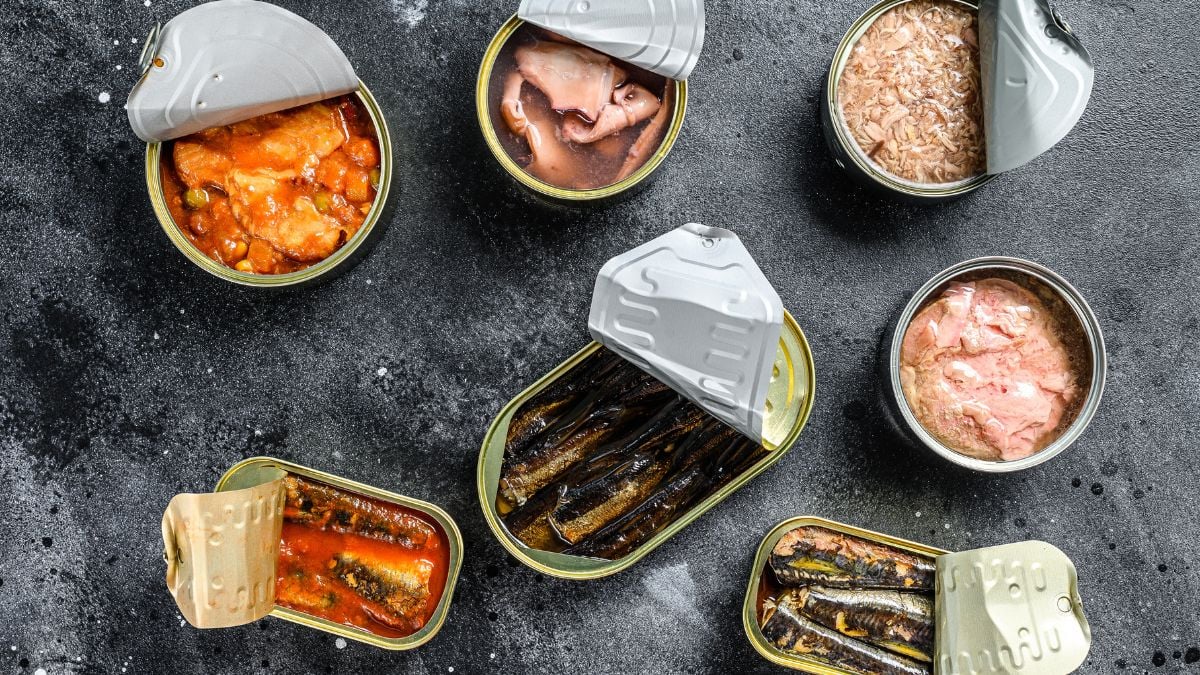
It’s not just the food inside the can—packaging costs are rising too. Metal prices and shipping expenses are pushing the cost of canned soup, beans, and tuna higher. Even pantry basics are now impacting the grocery total more than expected. Stocking up could be less of a bargain this year, as inflation hits both products and packaging.
Fresh Produce Sees Wild Swings
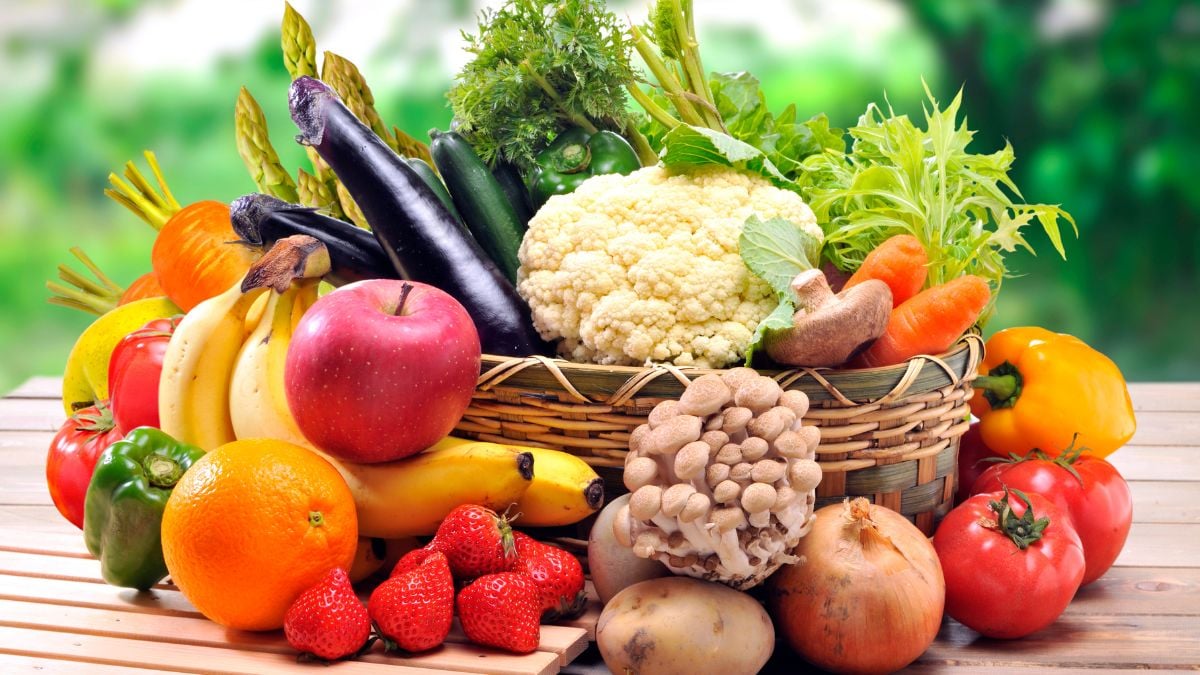
Weather patterns are wreaking havoc on fruits and vegetables. Concentrated growing regions and import dependence have created extreme price volatility. Cauliflower, lettuce, and other staples experienced sharp fluctuations in 2025, and 2026 is expected to continue the trend. Consumers may notice weeks of affordable produce followed by sudden spikes.
Bread and Cereal Grains Aren’t Safe
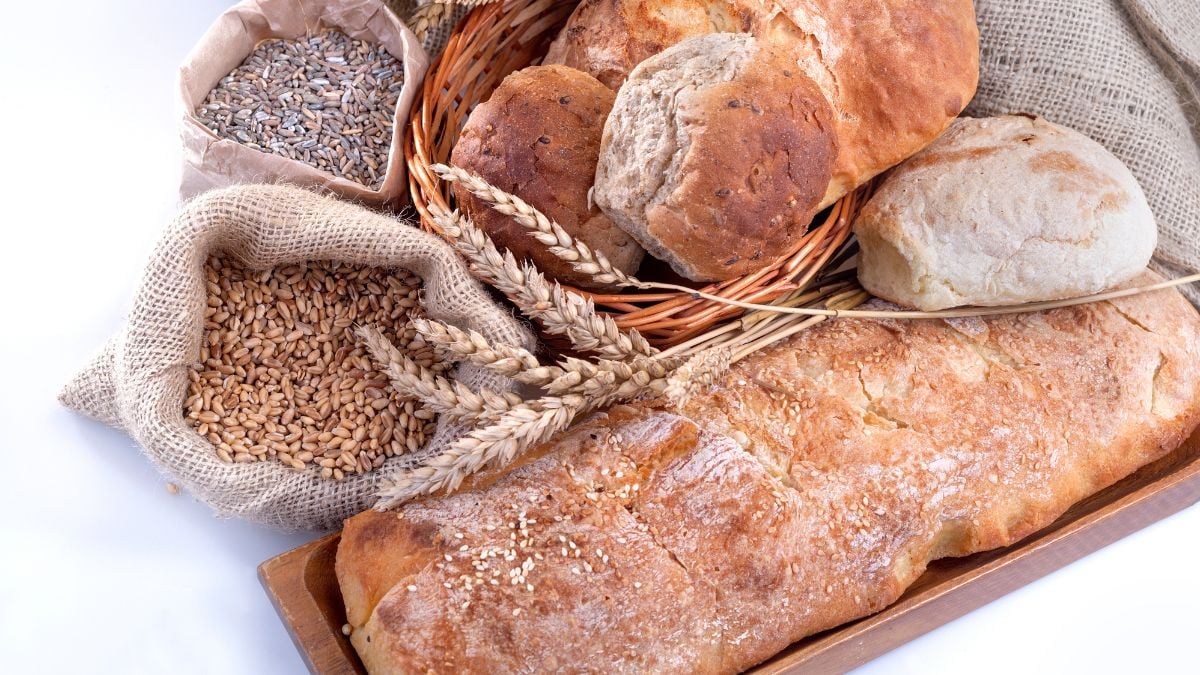
Even staples like bread and cereal grains are becoming unpredictable. Rising fuel and fertilizer costs are feeding into grocery prices, while climate change disrupts harvests. Your morning toast may no longer be the steady budget-friendly option it once was. Supply chain instability is making these everyday foods more expensive than shoppers expect.
Prepare Your Grocery Budget
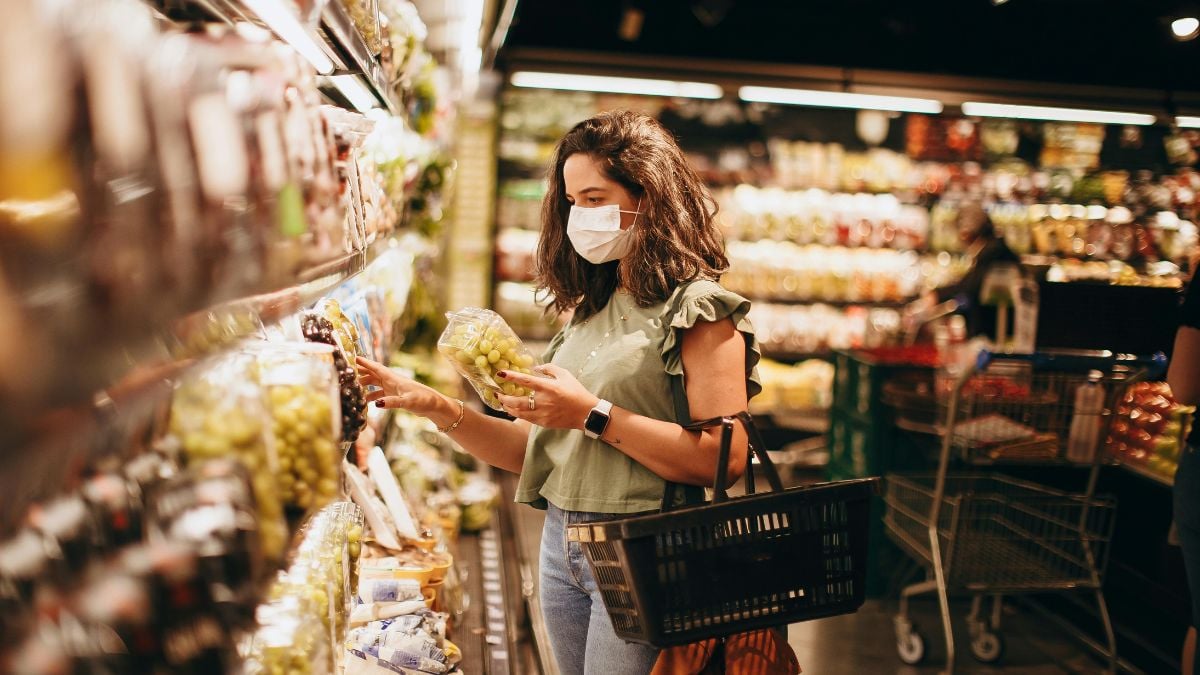
From meat to sugar, grocery shoppers face price hikes across the board in 2026. Some of these increases are predictable, others are sudden, and all impact your weekly budget. Did your favorite staples make this list—or are there surprises you noticed at your local store? Share your experiences and tips for managing grocery inflation—we’re all trying to survive these rising prices!