Outback Steakhouse once felt untouchable, with packed dining rooms and signature menu items everyone recognized. But behind the Bloomin’ Onion nostalgia, cracks have started to show. Rising prices, shifting dining habits, and internal financial pressure have pushed the chain into uncertain territory. While steakhouses as a category remain popular, Outback no longer dominates the conversation. Here’s how the brand ended up fighting to stay relevant in a rapidly changing restaurant landscape.
A Steakhouse Losing Its Grip
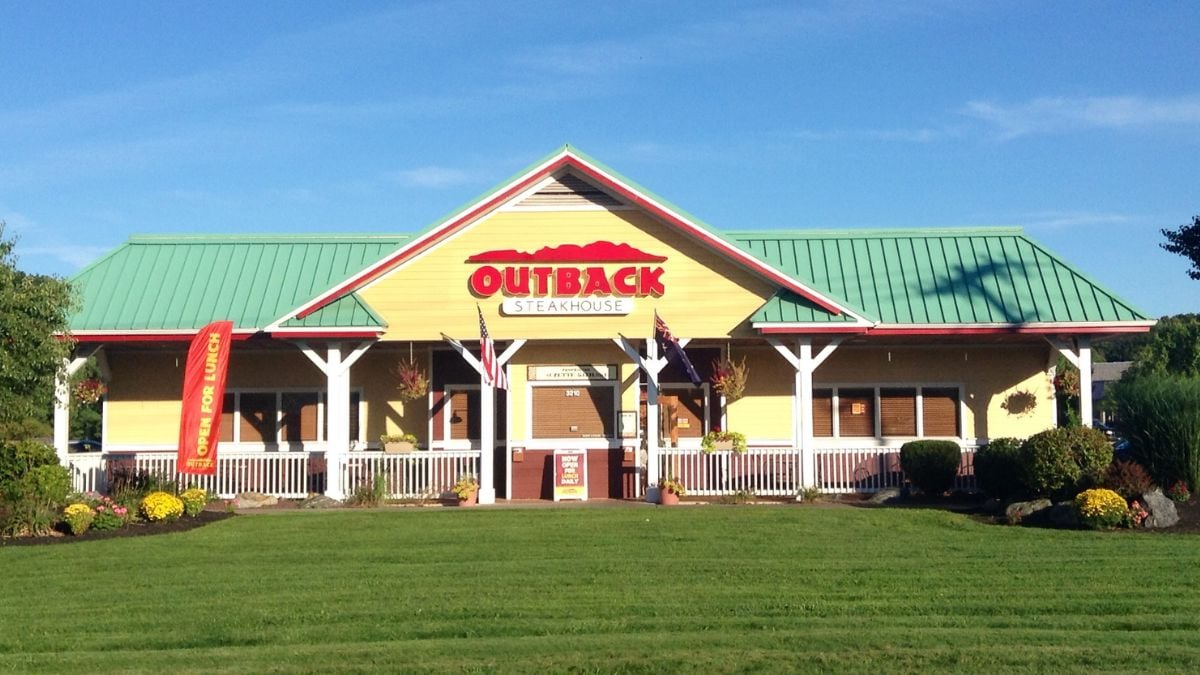
Outback helped define casual steakhouse dining when it launched in 1988. For years, it stood as a go-to option for affordable steak dinners with bold flavors. Today, however, diners increasingly favor competitors like Texas Roadhouse. That shift has left Outback struggling to maintain its former influence. The category may be thriving, but Outback’s position within it is far less secure.
Fewer Restaurants, Smaller Footprint
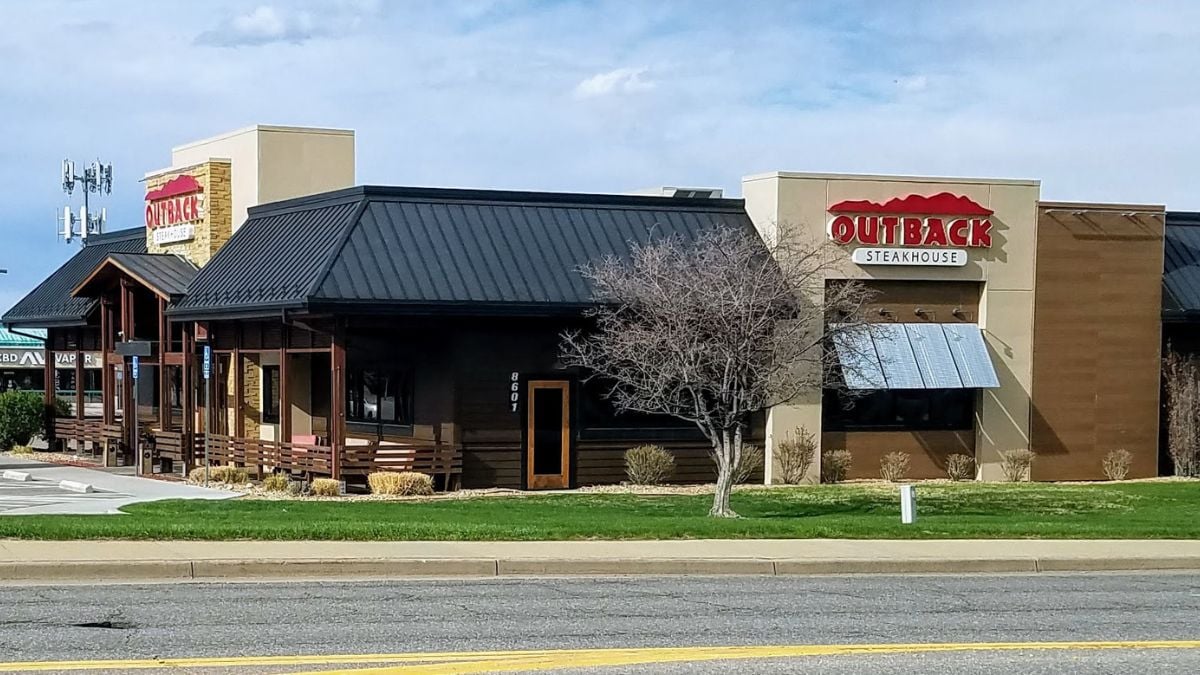
At its peak, Outback operated around 750 locations worldwide. That number has now dropped closer to 670 restaurants. Store closures have accelerated, signaling deeper operational challenges. Fewer locations mean reduced visibility and shrinking market share. It’s a stark contrast to the chain’s expansion-heavy past.
A Sudden Wave of Closures
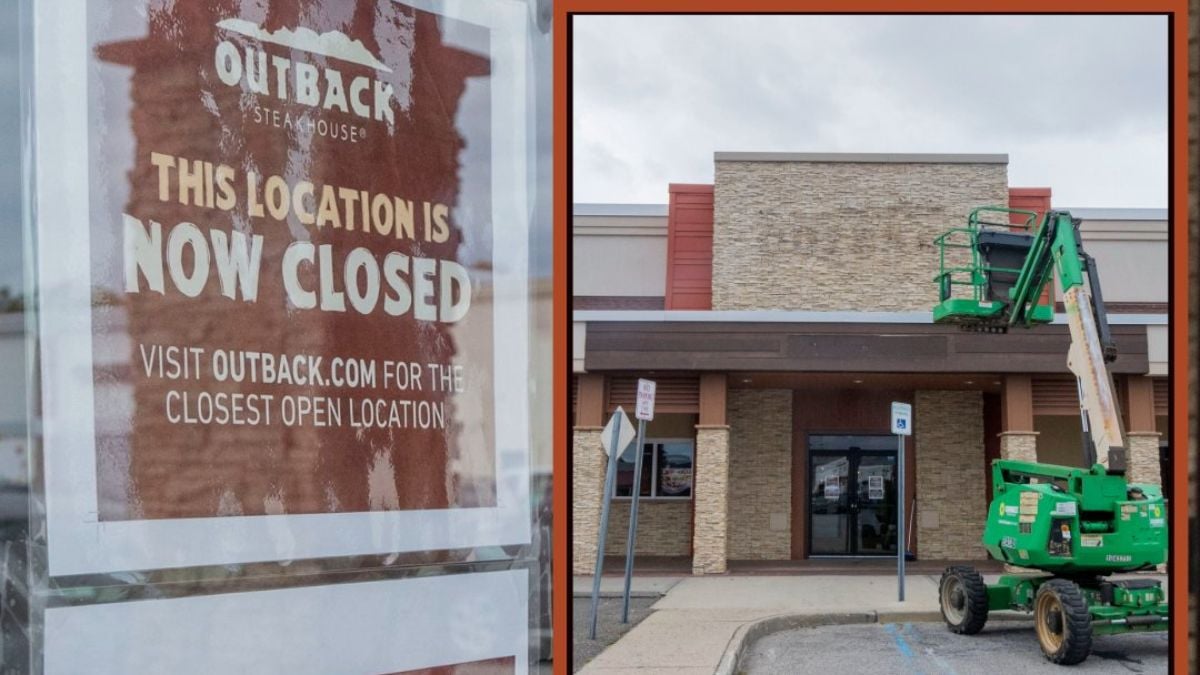
In October 2025 alone, Outback closed 21 locations. The moves appeared abrupt to customers and employees alike. Even more closures are expected once leases expire at other Bloomin’ Brands restaurants. These decisions reflect an urgent effort to stabilize the business. For longtime fans, the pace has been jarring.
Parent Company Under Pressure
Outback’s struggles are closely tied to Bloomin’ Brands’ financial health. In 2024, the company’s earnings fell by 30%. Bloomin’ Brands also pulled more than $600 million from a $1.2 billion credit line. Although 2025 showed slight improvement, analysts still see trouble ahead. Declining restaurant traffic remains a persistent concern.
Dining Habits Have Changed
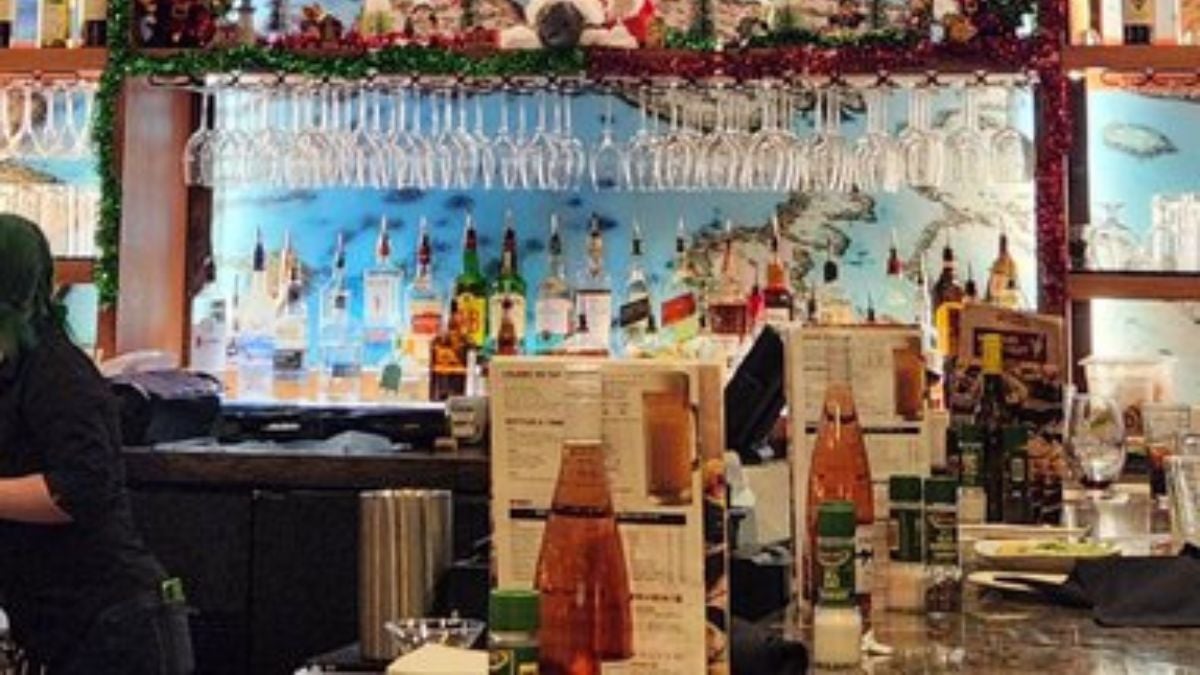
Outback isn’t alone in facing reduced foot traffic. Many consumers are dining out less due to higher menu prices and economic uncertainty. More meals are being prepared at home, shrinking restaurant demand across the board. Even strong brands can’t fully counter these shifts. Outback has acknowledged the issue, but solutions are limited when wallets tighten.
Customers Voice Serious Frustration

Online feedback paints a troubling picture for Outback’s reputation. Diners on Reddit and Yelp describe disappointing experiences and poorly prepared steaks. Some customers say the food quality no longer matches their memories from a decade ago. Complaints range from overcooked meat to excessive gristle. The dissatisfaction appears widespread, not isolated.
Beef Quality Raises Questions
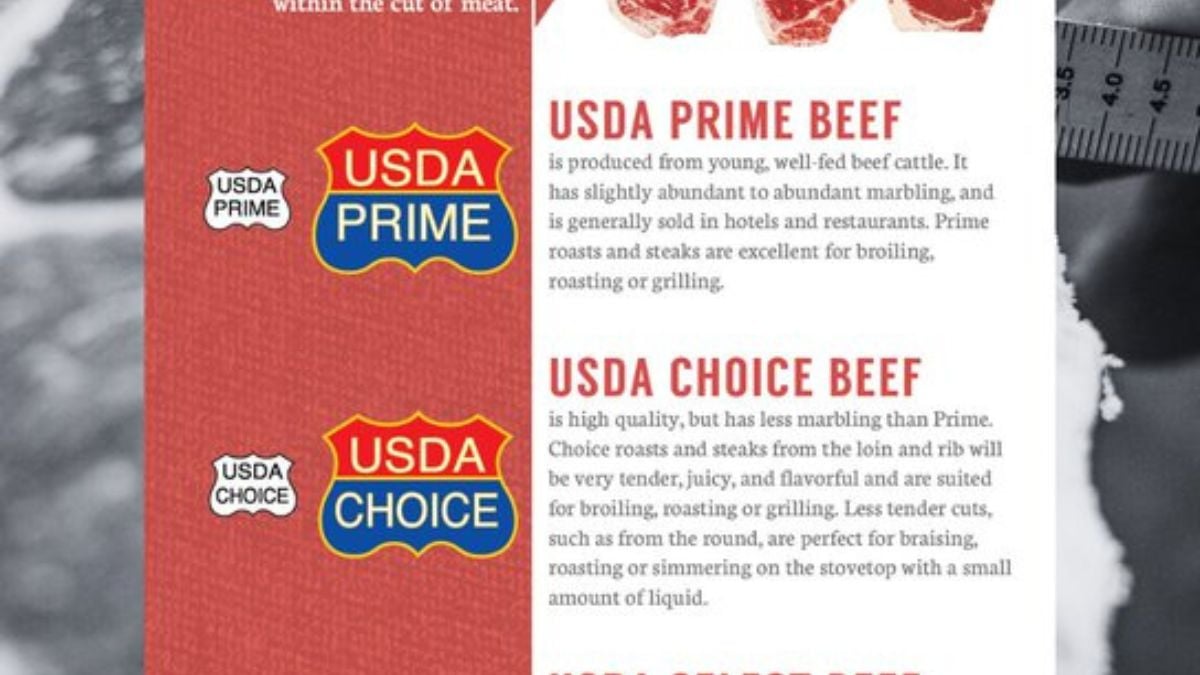
Outback uses USDA Choice beef rather than USDA Prime. This choice helps keep prices down but can affect texture and tenderness. When cooked improperly, Choice beef may result in tougher steaks. For a steakhouse, that’s a risky compromise. Many customers seem to notice the difference.
A Menu That Shrank Fast
Outback once offered a sprawling menu with everything from lamb chops to pasta dishes. Over time, that size became harder to manage. Bloomin’ Brands is now cutting menus by 10% to 20% across its restaurants. Outback is seeing some of the biggest reductions. The goal is fewer items done better.
Simplifying to Save Money
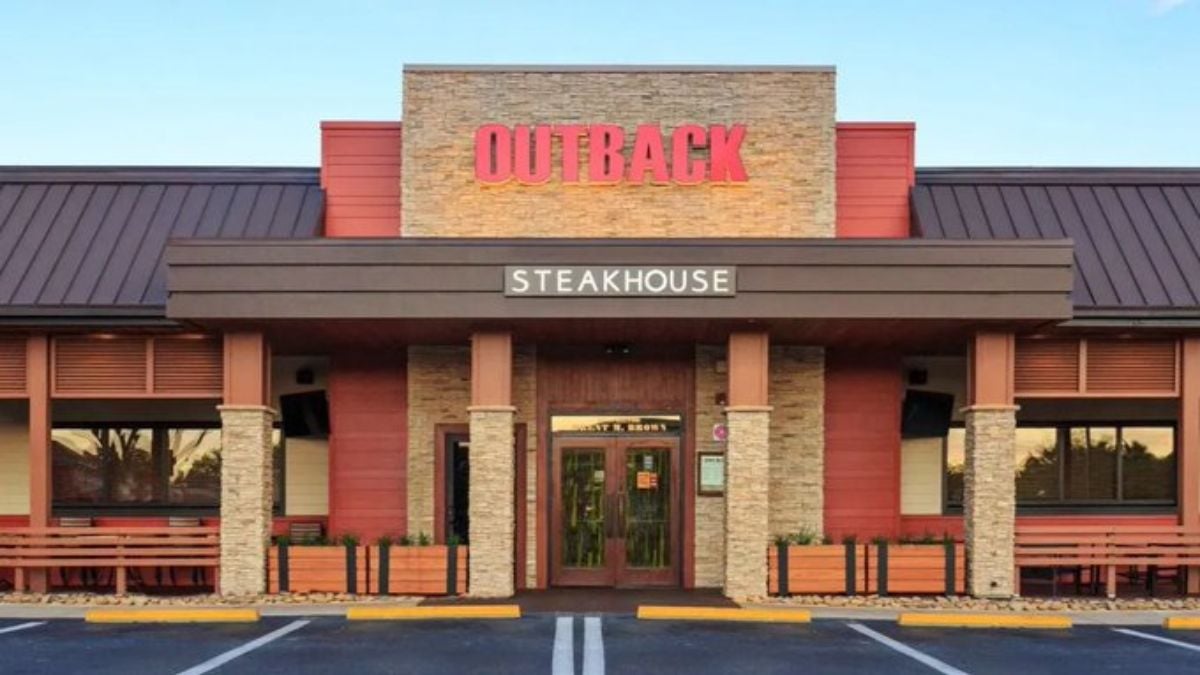
According to Bloomin’ Brands leadership, complex menus hurt consistency and efficiency. Items that sell poorly or are difficult to prepare are being removed first. Limited-time promotions are also being scaled back. Instead, the focus is shifting to affordability on core offerings. The $14.99 Aussie 3-Course Meal reflects this strategy.
A $50 Million Reset Plan
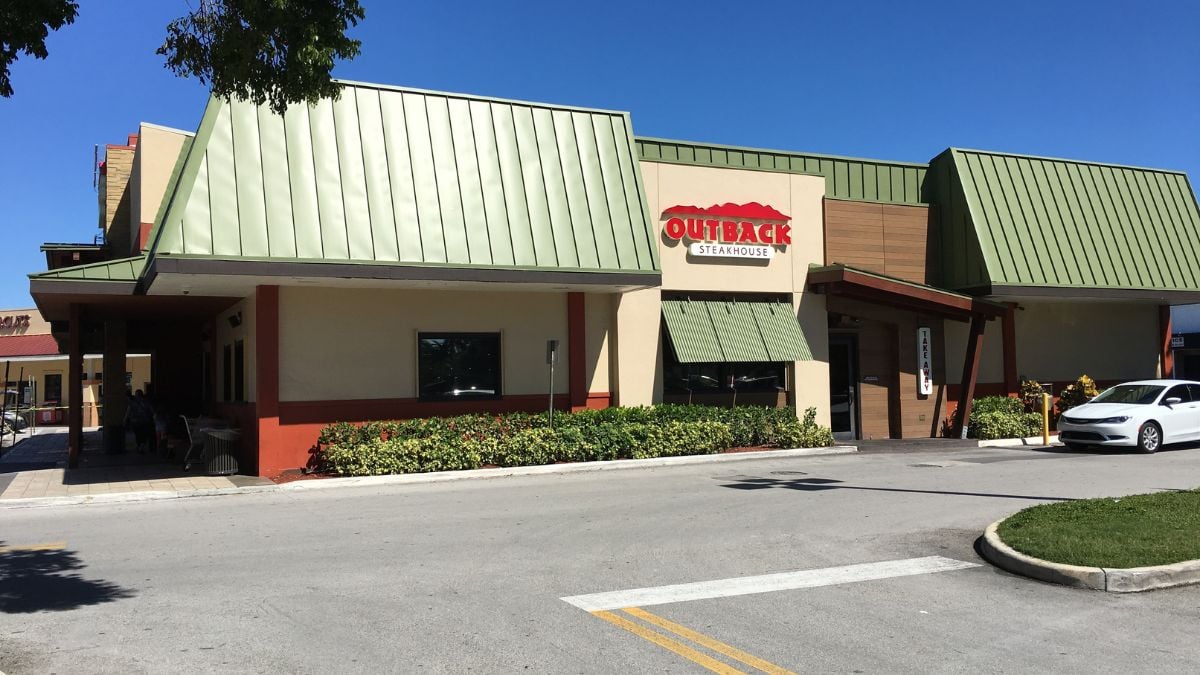
Closures are part of a broader $50 million revitalization effort. Bloomin’ Brands plans to reduce new restaurant construction in 2026. Funds will be redirected toward remodeling existing Outback locations. The updated designs aim for a more modern look and feel. The hope is that refreshed spaces and tighter operations will drive recovery.
Can Outback Still Turn It Around?
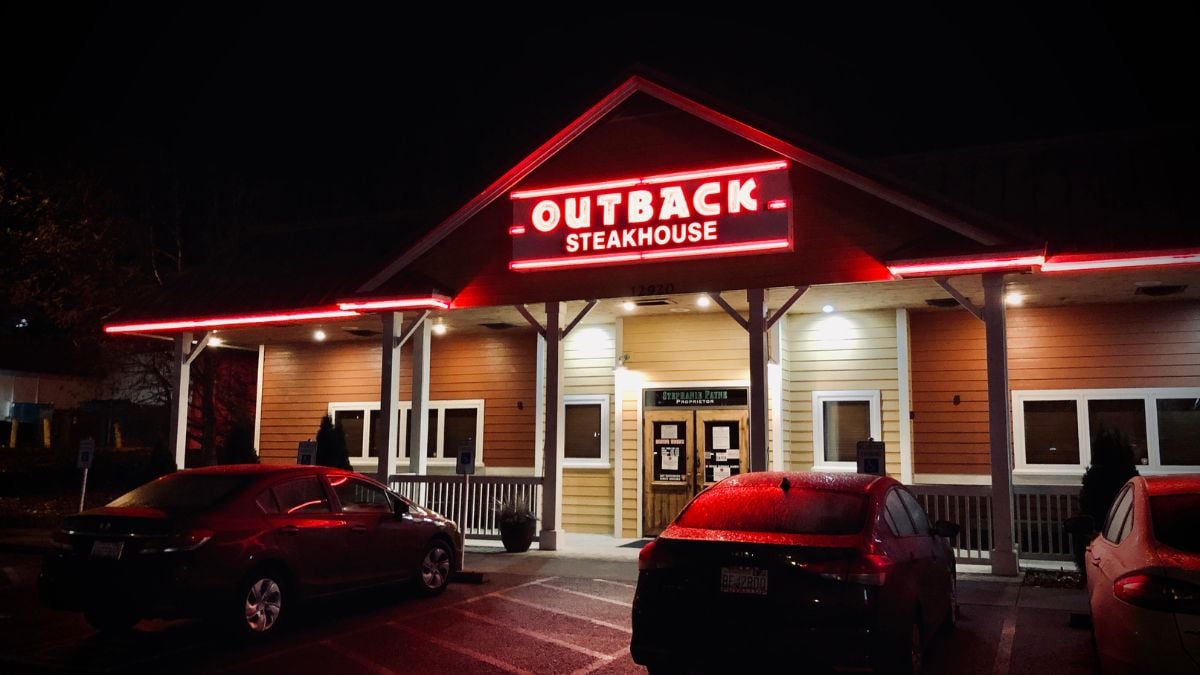
Outback Steakhouse isn’t gone—but it’s clearly at a crossroads. Financial strain, customer complaints, and changing habits all weigh heavily on the brand. The company is betting that simplification and reinvestment will spark renewed interest. Whether that’s enough remains to be seen. The next few years may define Outback’s future.
Is the Comeback Possible?
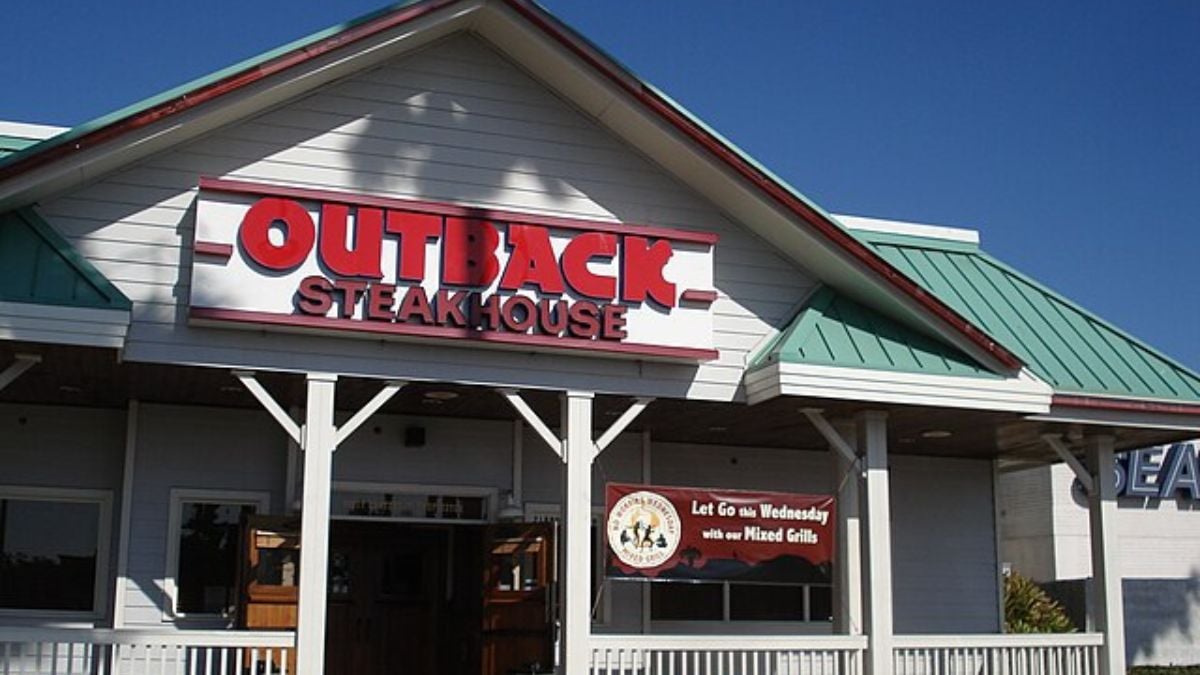
Outback’s story shows how quickly a beloved chain can lose momentum. From closures to menu cuts, the warning signs are hard to ignore. Still, loyal fans and brand recognition give it a fighting chance. What do you think—have you noticed these changes firsthand? Share whether Outback still earns a spot on your dining list, or if your favorite steakhouse didn’t make the cut here.