It’s easy to assume today’s grocery stores have always looked this way. Endless produce options, specialty snacks, and global flavors now feel completely normal. But just a few decades ago, many of today’s staples were rare, regional, or downright unfamiliar. People who lived through those times shared which foods barely existed 30 to 40 years ago—and the answers surprised even younger generations. These everyday items tell a bigger story about how dramatically our food system has changed.
Seedless Fruit Changed How We Snack
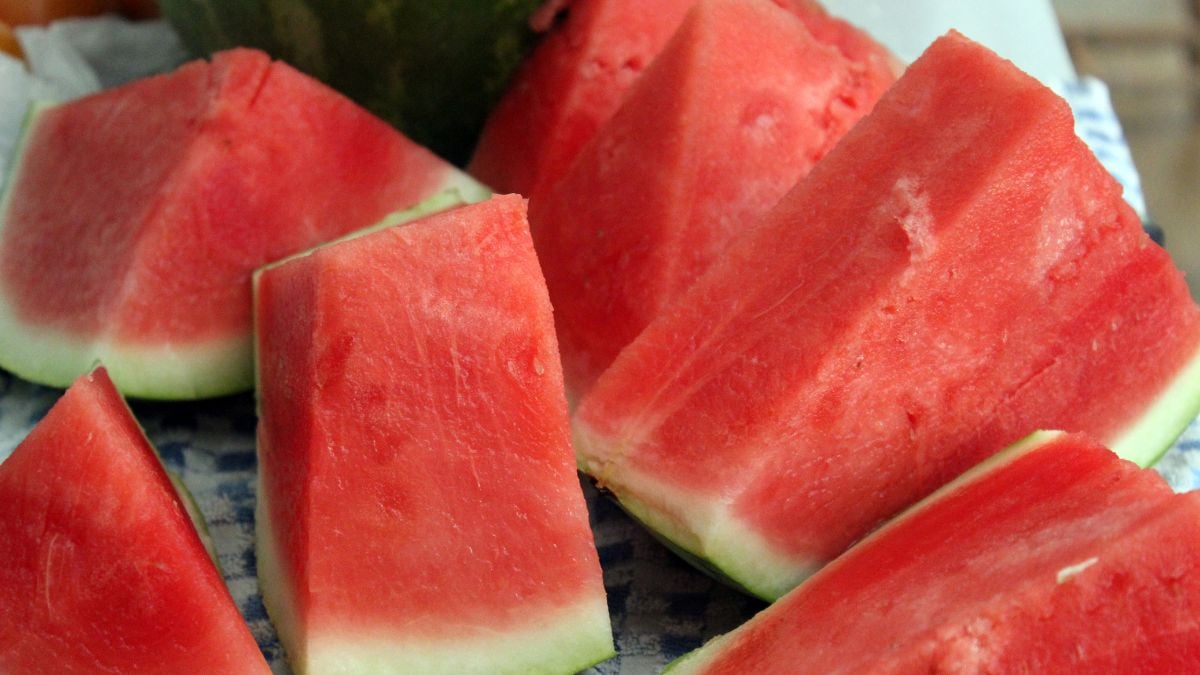
Seedless fruit is now the default in most grocery stores. Grapes, watermelons, and oranges are routinely bred without seeds for convenience. Many recall that seedless varieties were once a novelty, not the norm. Some even argue the flavor hasn’t improved with the change. Easier eating came at the cost of taste, according to longtime shoppers.
Bottled Water Was Once a Status Symbol

Drinking bottled water wasn’t common decades ago. Most people relied on sinks, hoses, or water fountains instead. People remember bottled water being seen as unnecessary and even a little silly. Some didn’t buy their first bottle until college in the late 1990s. Today’s hydration culture simply didn’t exist back then.
Hummus Was Practically Unknown

Hummus is now a fridge staple, but many Americans had never heard of it before the 1990s. Several people couldn’t recall seeing hummus in stores before that decade. One person’s first exposure even came from a TV show in the mid-90s. By the early 2000s, hummus exploded into a mass-market product. Its rise was fast and widespread.
Specialty Coffee Wasn’t a Thing

Coffee used to be simple: regular or decaf. That was it. Flavored coffee, cold foam, and specialty drinks didn’t exist in most places. Workers in coffee shops during the 1990s recalled how big a deal flavored coffee was when it arrived. Today’s coffee menus would have seemed overwhelming back then.
Tofu Was Hard to Find
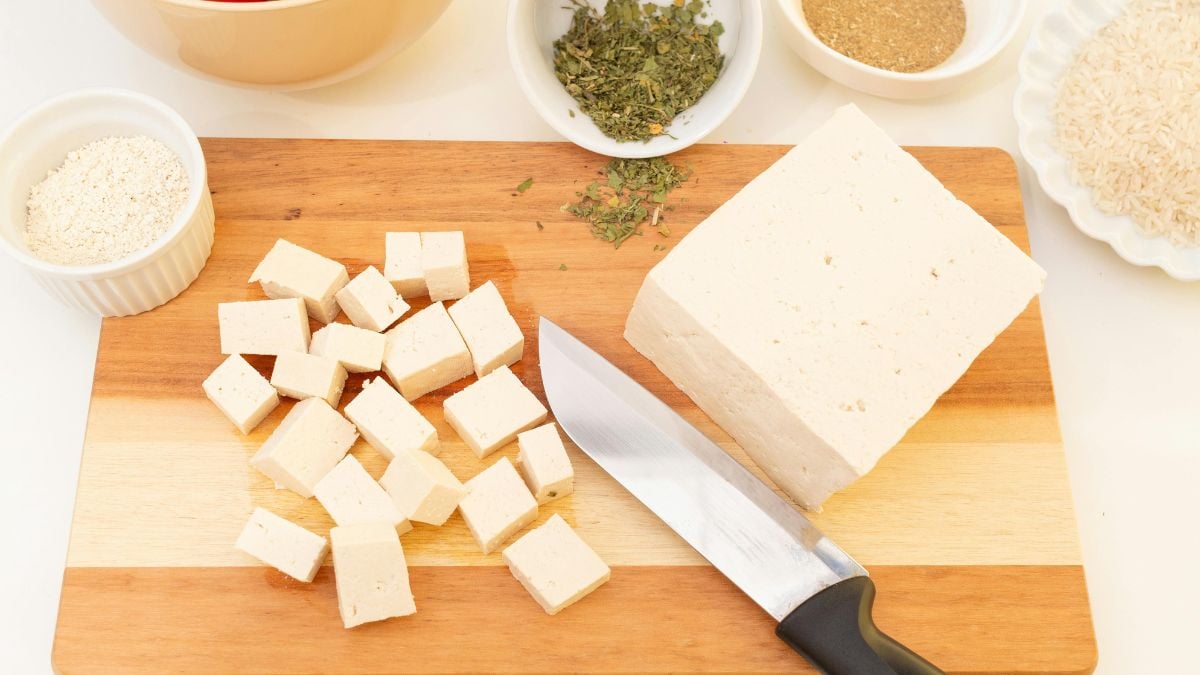
Tofu is now widely available in supermarkets nationwide. Thirty years ago, that wasn’t the case at all. People remember needing to visit specialty or natural food stores to find it. Many supermarkets carried little to no vegetarian meat alternatives. Tofu’s mainstream presence reflects broader changes in diet and access.
Salad Greens Went Beyond Iceberg
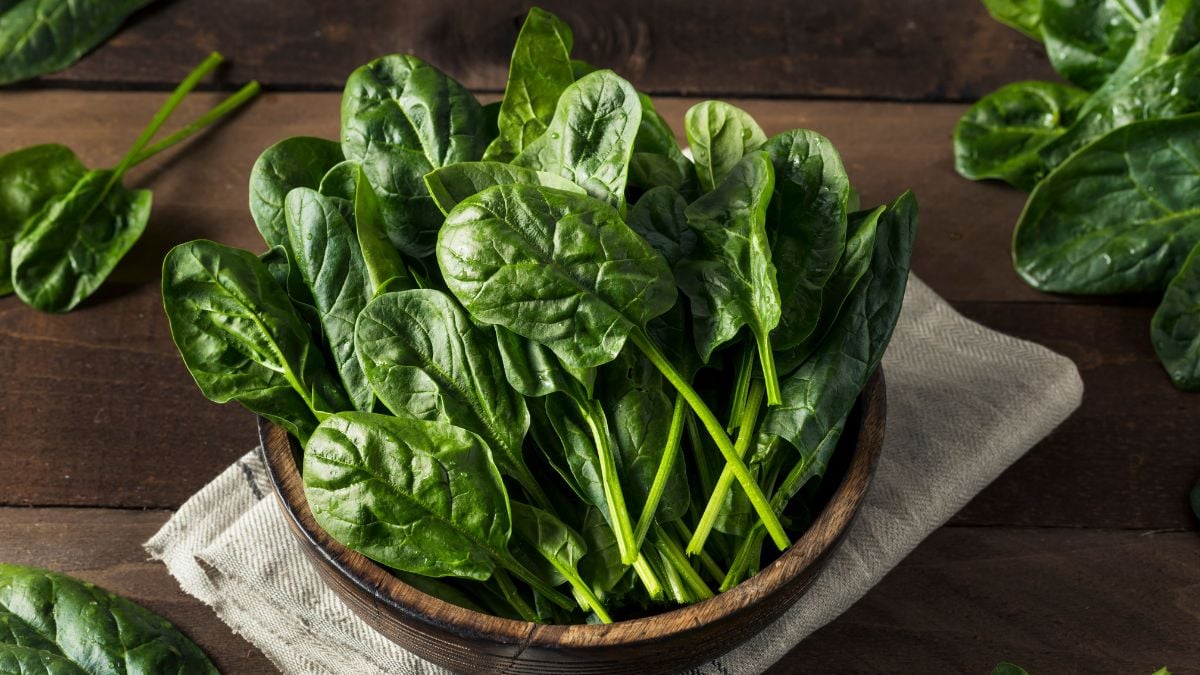
For much of the 20th century, iceberg lettuce dominated salads. Other greens existed but weren’t widely eaten. Kale was once used as decoration, not food. Many shared stories of discovering spinach and other greens much later in life. The idea of a diverse salad bar was far from standard.
Naturally Colored Pistachios Replaced Red Ones
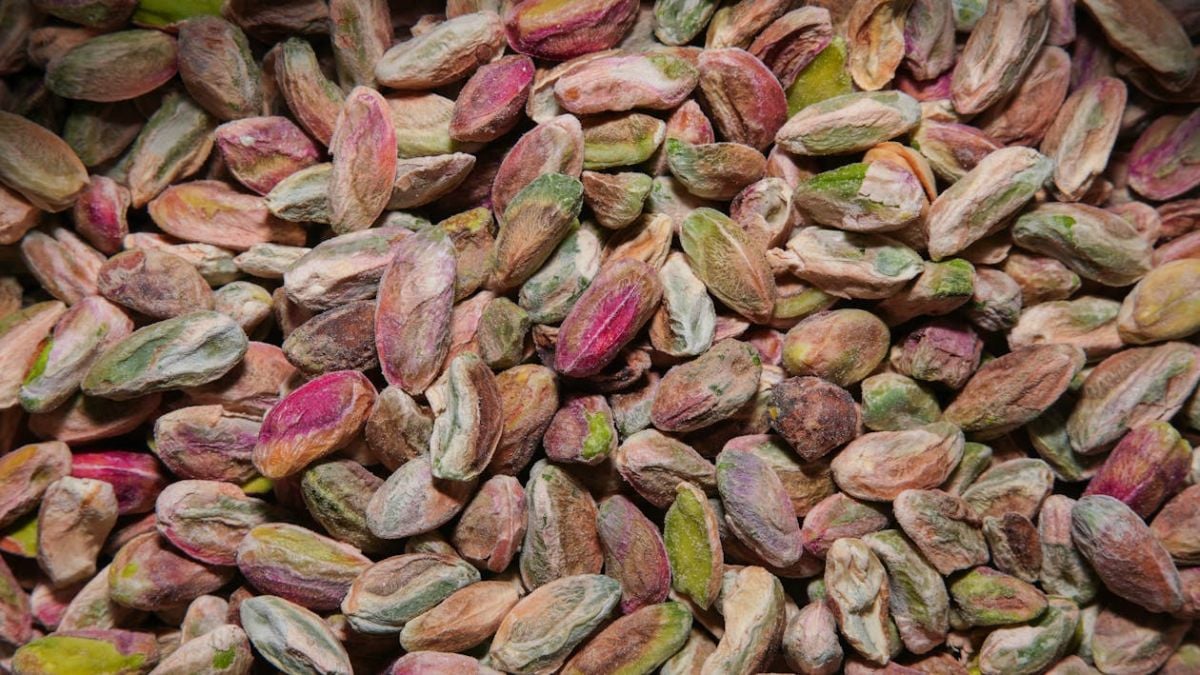
Pistachios weren’t always green. For years, they were dyed bright red to cover shell stains from traditional harvesting methods. When Iranian imports stopped in 1979, U.S. producers changed processing techniques. That eliminated the need for artificial coloring. The pistachios we recognize today became the new standard.
Out-of-Season Produce Was Rare
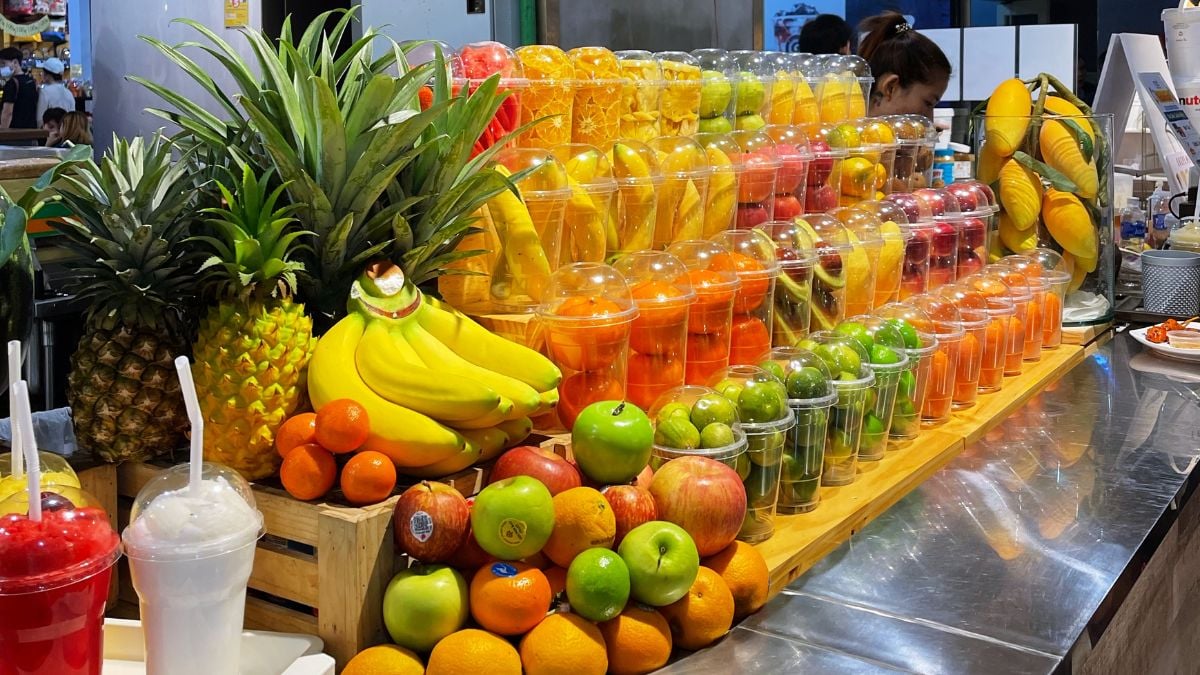
Fresh produce used to be limited by geography and season. Tropical fruits like mangoes, pineapples, and avocados were hard to find. People even recalled oranges as special holiday treats. Kiwi fruit confused shoppers when it first appeared. While access improved, some felt the flavor quality declined.
Grocery Stores Became Global

International trade and agricultural advances transformed food availability. Ingredients once tied to specific cultures or regions became nationwide staples. Observers noted how dramatically store selections expanded over time. Today’s grocery aisles reflect global influence. That variety simply didn’t exist for earlier generations.
Convenience Changed Eating Habits

Delivery apps, online shopping, and mass distribution reshaped how Americans eat. Foods that once required effort or specialty stores are now one-click purchases. Many contrasted today’s convenience with the limited options of their youth. What feels ordinary now would have seemed futuristic then. Access reshaped expectations.
Familiar Foods Quietly Replaced Old Staples

Many of these foods didn’t just appear—they replaced older norms. Iceberg lettuce lost its dominance. Seeded fruit became harder to find. Red pistachios disappeared entirely. The shift happened gradually but completely. Today’s food culture is the result of decades of subtle change.