The well-known Italian chain Olive Garden has quietly rolled out a bold new menu tweak: smaller portions on some entrées—at lower prices. With diners getting breadsticks and soup/salad as usual, the strategy isn’t about cutting back—it’s about freshening up how value looks. The move offers insight into how casual dining brands are adjusting to inflation, price-sensitive customers and changing habits. Let’s stroll through what they’re testing, what results they’re seeing, and why it matters.
Lightened Plates, Same Breadsticks
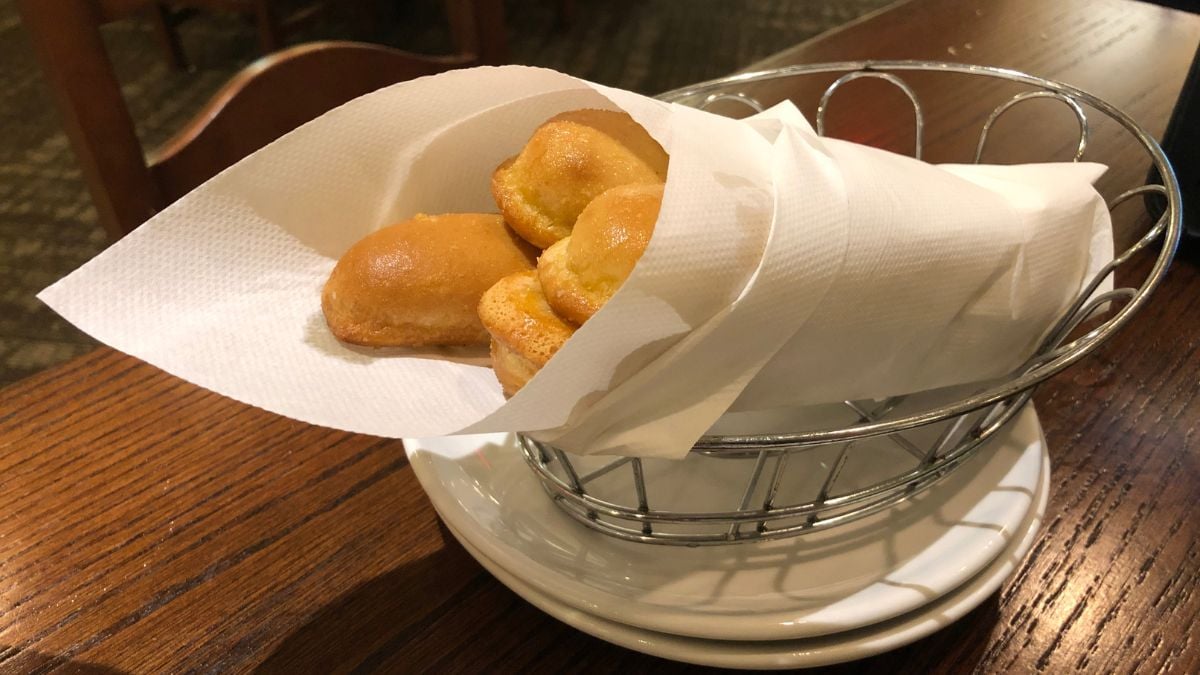
Olive Garden introduced a “lighter portion” section featuring seven existing entrées served in reduced size—but the unlimited breadsticks and soup or salad remain. The full-size portions weren’t removed; this is an additional option.
Seven Entrées Get the Treatment

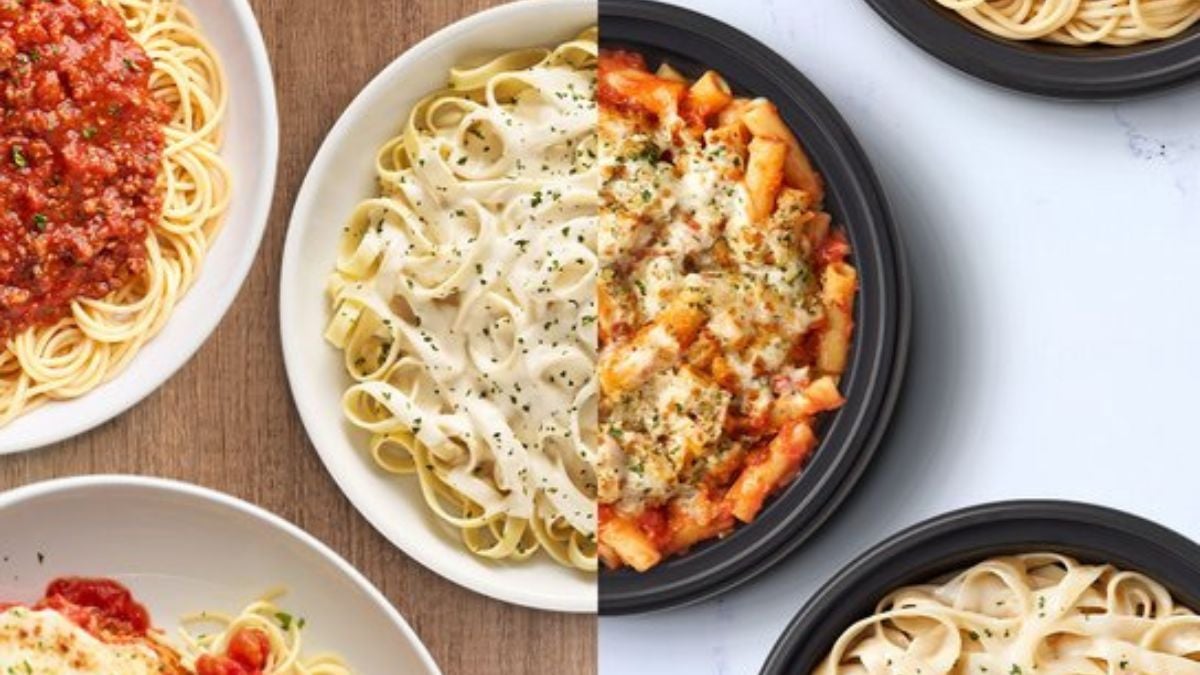
The entries chosen: Chicken Parmigiana, Eggplant Parmigiana, Lasagna Classico, Five Cheese Ziti al Forno, Cheese Ravioli, Spaghetti & Meatballs, and Fettuccine Alfredo. These are familiar main-dishes—so the chain is experimenting where guests already know what to expect.
40 % of Locations Are Testing
About 40 % of Olive Garden’s U.S. locations are currently offering these lighter-portion meals—at dinner service and all day on weekends. That gives the company a broad but controlled test sample before anything nationwide.
Price Tweak: Lower Check, Same Appeal
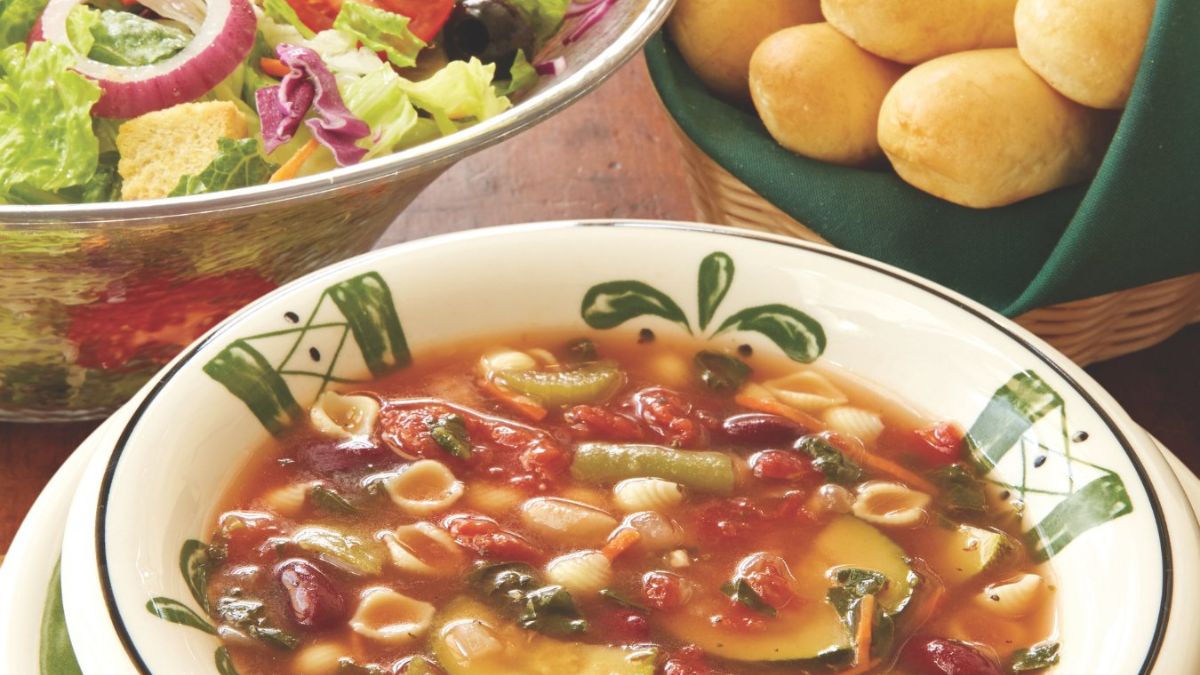
These lighter plates are priced in the lower range (some markets around $12.99-$13.99) to appeal to budget-conscious diners. The idea: maintain “abundant” feel (breadsticks + soup/salad) but add more price-tier variety.
Guest Satisfaction Is Up

Initial feedback is promising: locations testing the lighter portions saw affordability “scores” jump by ~15 percentage points, and guests reported high satisfaction with the portion size. So far, diners seem to believe “smaller but still generous” works.
Sales & Traffic Gains Emerging
In test locations, same-store sales increased by nearly 6 %, and guest traffic rose nearly 3 %. That suggests the strategy may be working to bring more guests through the door—even if they spend a little less on each plate.
Still Preserving the Brand’s Abundance Vibe
The company emphasizes the lighter-portion items still provide “abundant portion sizes” and the core offering (breadsticks, soup/salad) remains unchanged. This helps preserve the brand image of generosity while introducing a value-oriented option.
Trade-Off: Lower Check vs. More Guests
While more guests are coming in, the company admits average check size may dip slightly if customers trade full-size for lighter portions. The bet: volume and frequency will compensate.
Why It’s Smart in Today’s Environment

With consumers juggling budgets and rising costs, restaurants are under pressure to deliver value. Offering a lower-price entrée option lets Olive Garden play to budget-savvy guests without overhauling its entire menu.
What It Means for The Chain’s Future

If this test scales, Olive Garden could offer more menu tiers—lighter, standard, premium—flexing to guest needs. The success of this pilot could shape the next five years of growth strategy.
Implications for Other Restaurants

The experiment shows how other casual dining brands might respond: test smaller sizes + lower price to appeal to value-hunters, while preserving brand DNA. Training, portion control and messaging become key.
Potential Pitfalls to Watch
Risks include misperception of “cheap” plates, operational complexity managing multiple sizes, and balancing profitability if too many guests switch to smaller plates.
Olive Garden’s lighter-portion pilot is a neat case of “get more value for less” while keeping what fans love. It shows that smaller size doesn’t have to mean sacrifice—if done thoughtfully. If you’ve tried one of those lighter portions at Olive Garden: what did you think? Was it plenty, or too light? Drop your thoughts in the comments!