Olive Garden looks warm, welcoming, and endlessly generous from the dining room—but behind the scenes, things run very differently. Former employees say there’s a long list of realities guests rarely notice, from how food is prepared to how servers are paid. Some of these details explain why service feels rushed, while others reveal why certain menu deals cause frustration. None of this ruins the experience, but it definitely changes how you see it. Here’s what ex–Olive Garden staff say really happens beyond the breadsticks.
There’s No Actual Chef Running the Kitchen
Despite the upscale Italian branding, Olive Garden kitchens don’t employ a traditional head chef. Instead, trained line cooks handle all food prep, cooking, and plating. These cooks follow strict procedures and timing guides rather than developing dishes themselves. Food is checked hourly for safety, with temperatures logged and ingredients tasted individually. It’s efficient, but it’s far from a chef-driven kitchen.
Most Dishes Are Assembled, Not Cooked to Order
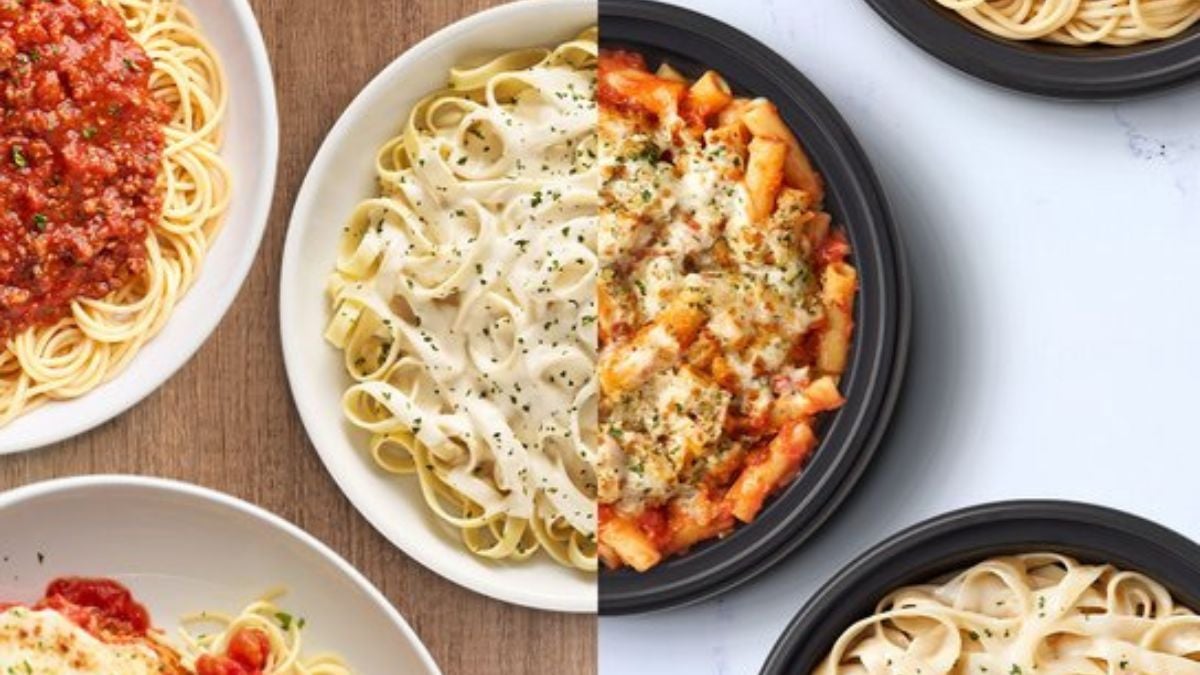
Much of the food is prepared hours before customers arrive. Pasta is precooked every morning, chilled in ice baths, and stored until service. When you order, it’s reheated briefly in boiling water and topped with sauce. Sauces are also made early in the day from canned bases and stored cold. Popular dishes like Fettuccine Alfredo can be assembled in under a minute.
Microwaves Play a Bigger Role Than Expected
Every Olive Garden kitchen has at least two or three microwaves. They’re used to reheat certain sauces, vegetables like broccoli, mushrooms, some meats, and even desserts. That said, former employees insist microwaves aren’t used for everything. Many items are still pan-fried, grilled, or deep-fried. The microwaves exist mainly to keep service fast and consistent.
The Pasta Water Breaks Italian Cooking Rules
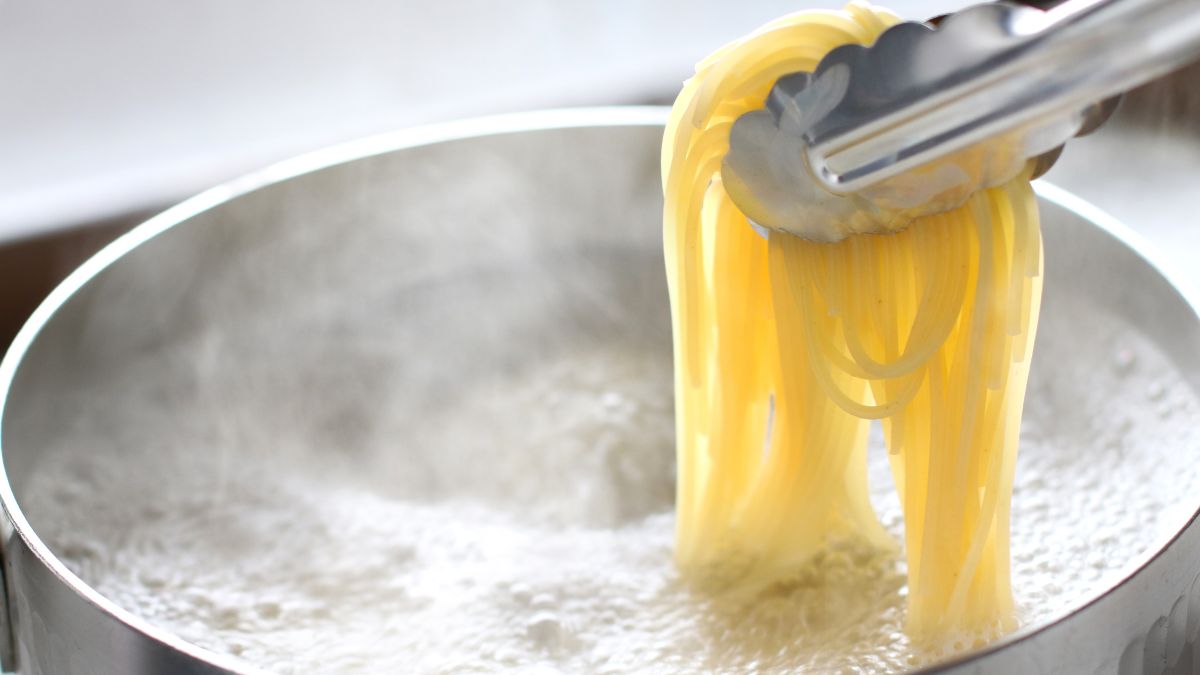
One detail shocks nearly everyone with a culinary background: Olive Garden doesn’t salt its pasta water. The reason isn’t flavor—it’s equipment protection. Salt can corrode the restaurant’s specialized pasta cookers and void warranties. Corporate decided the final dishes tasted “good enough” without that step. Italian grandmothers everywhere would strongly disagree.
Unlimited Soup and Salad Wear Servers Down
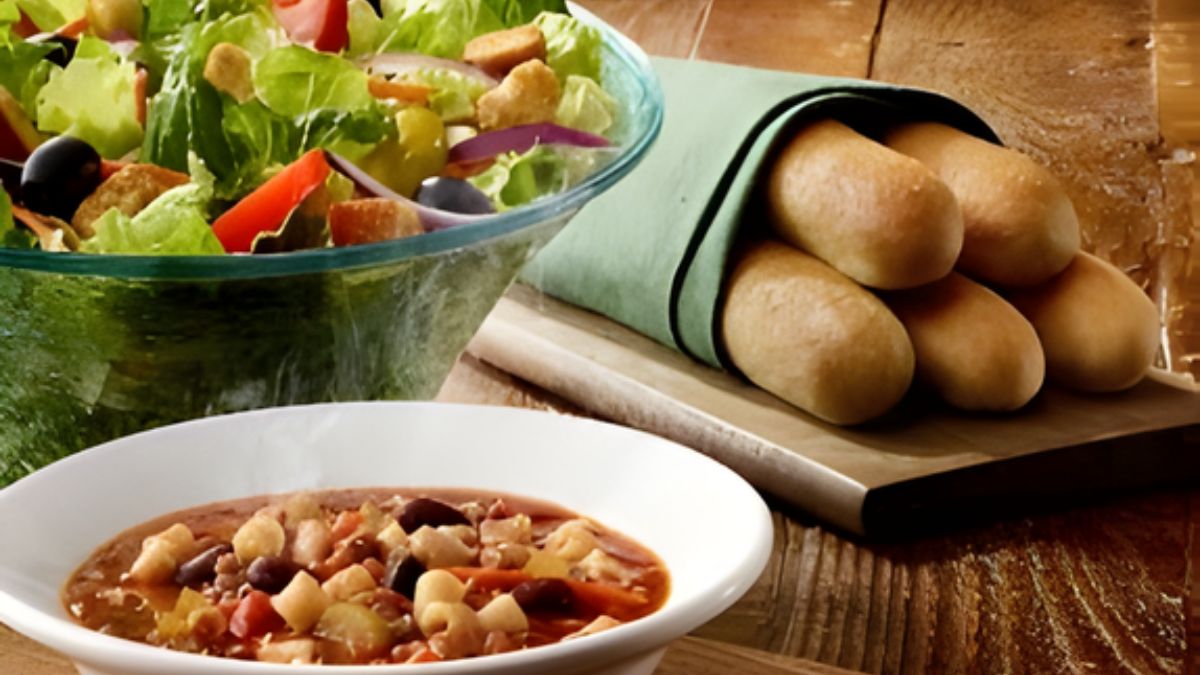
The endless soup, salad, and breadsticks deal is popular with diners but exhausting for staff. These tables require constant refills and attention, yet the bills stay low. Since most people tip based on total cost, servers often earn less despite doing more work. Veteran servers say no other restaurant comes close to the refill demand Olive Garden creates. It can slow down an entire section.
Servers Can Actually Lose Money on a Table

In some states, servers earn as little as $2.13 per hour before tips. On top of that, they must tip out a percentage of their total sales to bussers and hosts—whether customers tip or not. When a guest leaves nothing, servers still owe that tip-out. Former employees say many diners don’t realize servers sometimes pay out of pocket. Average earnings hover around $19 an hour, but it varies wildly.
Managers Don’t Assign Tables Equally
Table assignments can dramatically affect a server’s income. Former employees claim managers often favor certain staff with better sections and shifts. Others are skipped or overloaded, limiting their earning potential. This favoritism fuels gossip and resentment behind the scenes. Many describe the environment as unnecessarily unprofessional.
Corporate Constantly Pushes Upselling

Upselling isn’t optional—it’s expected. Servers are pressured to suggest appetizers, desserts, and drink upgrades at every opportunity. Former staff say this happens even when restaurants are understaffed or overwhelmed. Policies reportedly change frequently, sometimes without clear communication. Still, sales targets never ease.
The Training Comes With Surprising Perks
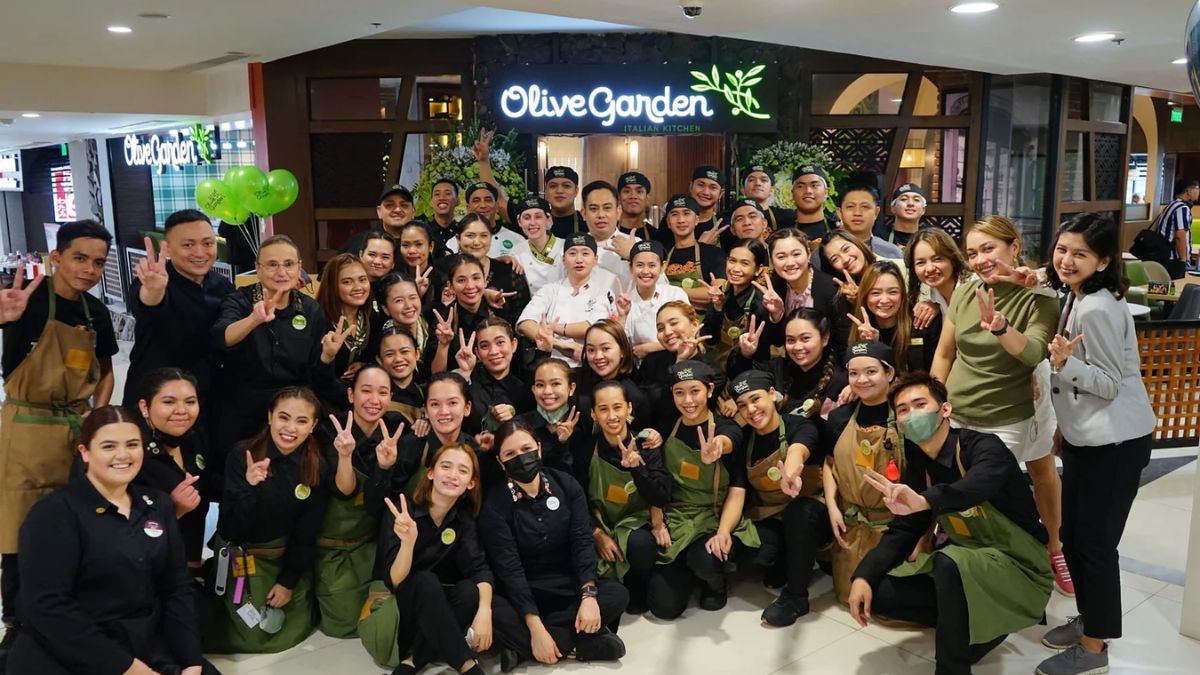
Training is one of the few universally praised parts of the job. New hires taste nearly everything on the menu so they can answer guest questions confidently. During shifts, employees eat unlimited soup, salad, and breadsticks for free. Some even get a chance to travel abroad. Each year, Olive Garden sends over 200 team members to its Culinary Institute of Tuscany.
Those Breadsticks Leave Physical Scars

Nearly every Olive Garden employee has been burned at least once. Handling hot trays, ovens, and warmers leads to small but lasting scars. Ironically, the breadsticks aren’t made fully from scratch. They arrive partially prepared from an outside bakery and are finished in-house. That warm basket comes at a real cost to staff.
The “Unlimited” Breadsticks Have Quiet Rules
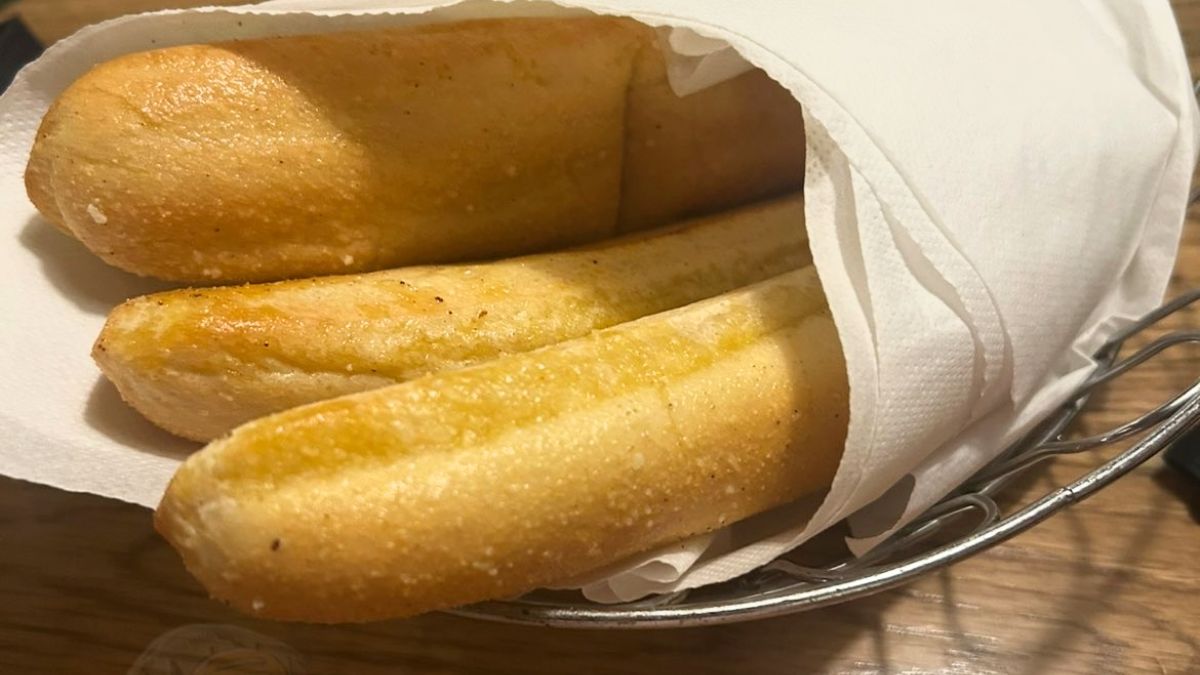
Despite the marketing, breadstick service has long been debated internally. In 2014, an investor criticized servers for delivering too many at once, causing waste. Breadsticks stale quickly—within about seven minutes. While suggestions were made to limit servings, Olive Garden defended the policy as part of its brand identity. Italian generosity won out.
Why Olive Garden Feels So Different Behind the Scenes
From prepped food to tipping systems, Olive Garden runs on efficiency and volume. Many practices are designed to keep costs predictable and service fast. For guests, it feels generous and comforting. For employees, it can feel rigid and exhausting. Both realities exist at the same table.