The restaurant industry is entering 2026 with a noticeable shift in strategy. Several major chains are pulling back, closing locations they say no longer make sense financially or operationally. While this might sound alarming at first, many brands frame the move as a way to refocus on stronger-performing stores. Some closures are already underway, while others are still being evaluated. Here’s what we know so far about which chains are downsizing and why.
Closures Are Part of a Bigger Strategy
Restaurant closures aren’t always a sign of trouble — sometimes they’re about recalibration. Many chains say they’re trimming underperforming locations to improve long-term growth. Executives point to better technology, upgraded equipment, and stronger financial focus as priorities. Rather than spreading resources thin, companies are concentrating on stores with the most potential. That strategy is shaping many 2026 decisions.
Noodles & Company Signals More Cuts Ahead
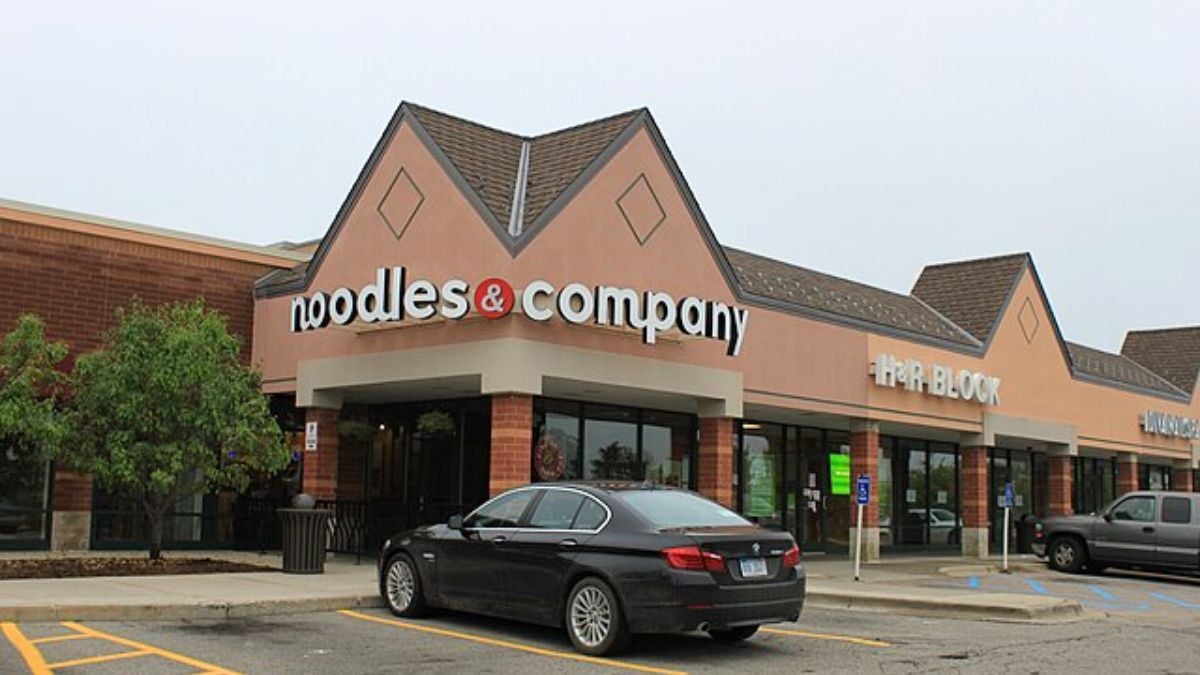
Noodles & Company confirmed it closed dozens of restaurants in 2025. Specifically, 33 company-owned and nine franchise locations were shut down. Looking ahead, the chain expects another 30 to 35 closures in 2026. Leadership says the decision was deliberate, not reactive.
Sales Growth Didn’t Stop Noodles Closures
Despite closures, Noodles & Company reported over 7% sales growth at company-owned restaurants in the fourth quarter. CEO Joe Christina said this performance supports a tighter, more focused portfolio. The company believes fewer locations can still drive stronger results. Notably, a full list of closures hasn’t yet been released. USA TODAY reached out, but no list was provided.
Wendy’s Targets Underperforming Locations

Wendy’s plans to close a “mid single-digit percentage” of its U.S. restaurants. With roughly 6,000 locations nationwide, that could mean hundreds of closures. The goal is to either upgrade, transfer, or shut down stores that aren’t performing well. Closures were expected to begin in the fourth quarter.
Some Wendy’s Closures Already Happened

Several Wendy’s locations closed in late December. Reported closures include stores in Pennsylvania, Indiana, and California. Wendy’s declined to share a complete list of affected locations. However, the company emphasized its focus on profitability and customer experience.
Red Robin Walks Back Earlier Closure Plans
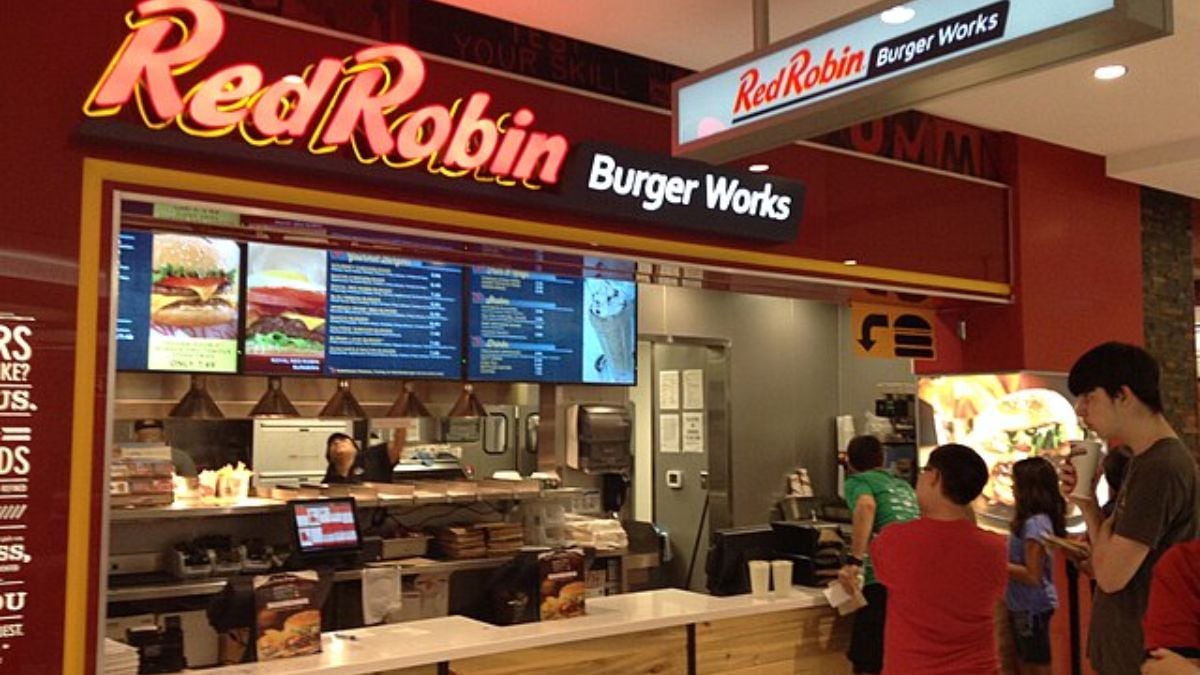
Red Robin initially announced plans to close about 70 underperforming locations. That announcement came as part of a broader effort to repay debt. Later updates showed improvement at several restaurants. As a result, fewer closures may be needed than originally expected.
Performance Gains Changed Red Robin’s Outlook
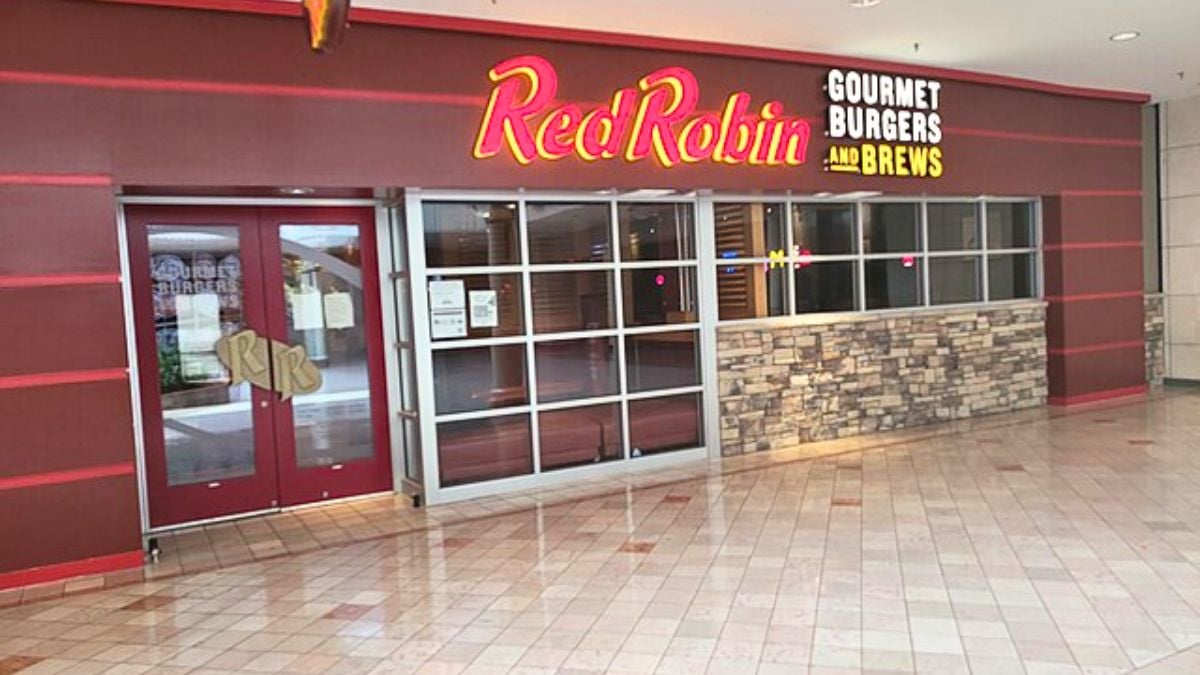
The company reported strong financial results later in 2025. These included better-than-expected revenue, profitability, and customer traffic. Red Robin says improved performance reduced the need for widespread closures. Final results for 2025 are expected in early 2026.
Starbucks Pushes Back on Closure Rumors
Starbucks addressed widespread reports about mass store closures. The company clarified that claims of 400 upcoming closures were misrepresented. In reality, Starbucks closed 400 locations in fall 2025. There is no plan for extensive closures in 2026.
Starbucks Continues Reviewing Its Store Portfolio

Starbucks says it regularly evaluates store performance. Factors include financial returns, lease expirations, and customer experience. CEO Brian Niccol noted that closures and openings happen every year. The company plans to grow its total store count in 2026.
Store Upgrades Are a Starbucks Priority
Rather than shrinking, Starbucks plans to invest heavily in existing locations. Over the next year, more than 1,000 stores will receive design updates. The goal is to add warmth, texture, and layered design. Starbucks expects to end 2025 with 18,300 locations across the U.S. and Canada.
What These Closures Really Signal
Across brands, the message is consistent: focus on quality over quantity. Companies are prioritizing profitable locations and better customer experiences. While closures can be disruptive locally, chains frame them as long-term investments. The restaurant landscape in 2026 may look leaner — but more intentional.