The McRib has always been more mystery than menu staple, but now it’s facing serious legal scrutiny. A new federal class-action lawsuit accuses McDonald’s of misleading customers about what’s actually inside its famously fleeting sandwich. At the center of the controversy is whether the McRib truly qualifies as “rib meat” — or if the name itself crosses a legal line. With millions of devoted fans, decades of history, and a cult-like following, the case raises uncomfortable questions about fast-food transparency. Here’s what’s behind the lawsuit shaking one of McDonald’s most talked-about items.
The Lawsuit Behind the McRib
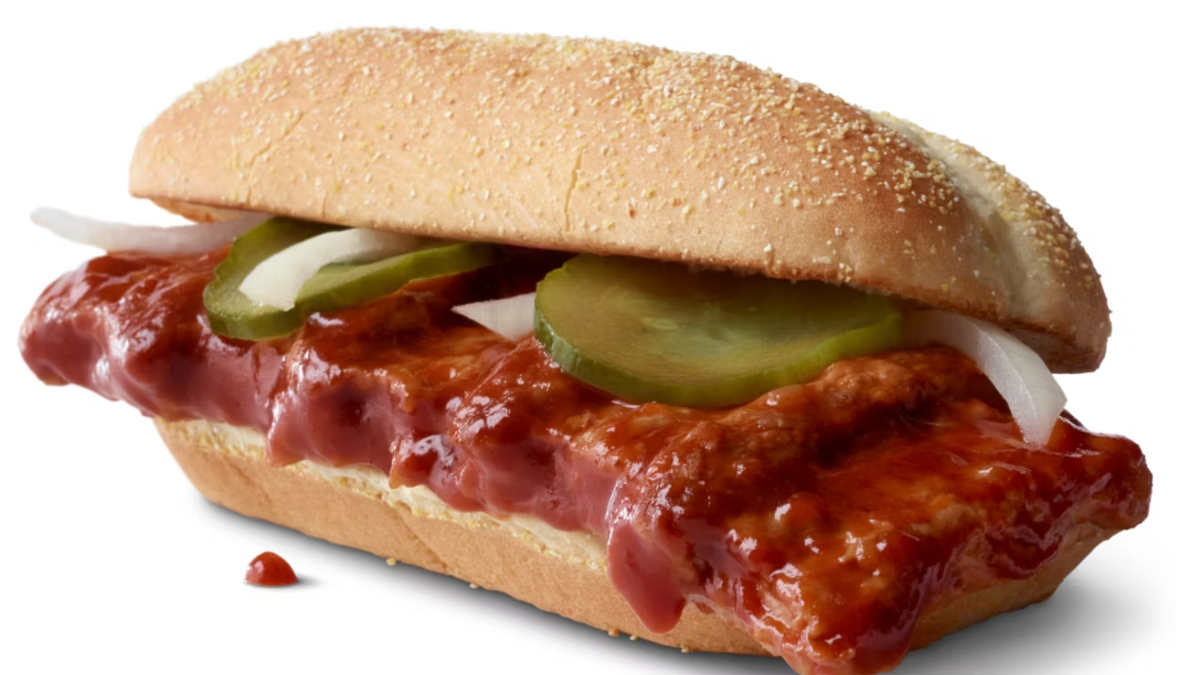
McDonald’s is facing a federal class-action lawsuit filed in late December. Plaintiffs argue the McRib is falsely marketed as containing real pork rib meat. The complaint was filed in the U.S. District Court for the Northern District of Illinois. According to the suit, the product’s name and appearance could mislead reasonable consumers. The plaintiffs claim this crosses into deceptive advertising.
Why the McRib’s Name Matters
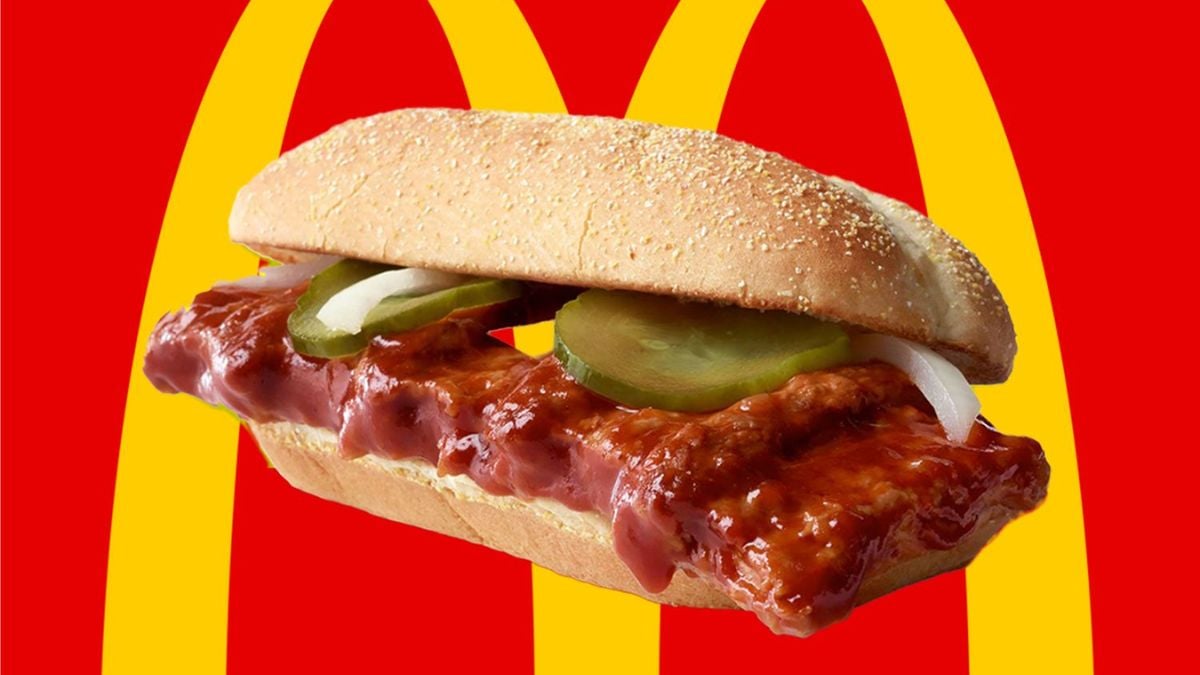
At the heart of the case is a simple but powerful argument: words matter. Plaintiffs say the name “McRib” implies the sandwich contains actual rib meat. They argue the sandwich’s rib-like shape reinforces that assumption. The lawsuit claims this combination creates a misleading impression. The issue isn’t taste — it’s consumer expectations.
What Plaintiffs Say Is Inside
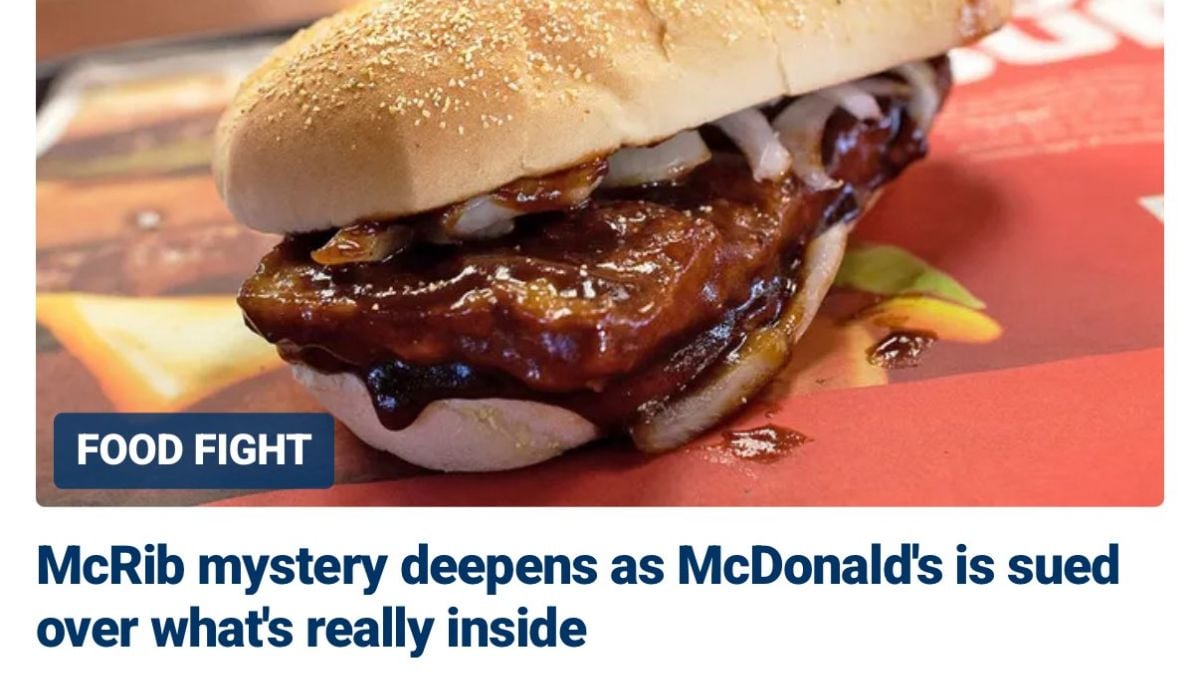
The complaint alleges the McRib is made from restructured pork. According to the filing, the meat includes various pork parts rather than rib meat. Plaintiffs claim this differs from what customers believe they’re ordering. They argue the marketing obscures these details. This distinction forms the basis of multiple legal claims.
McDonald’s Pushes Back
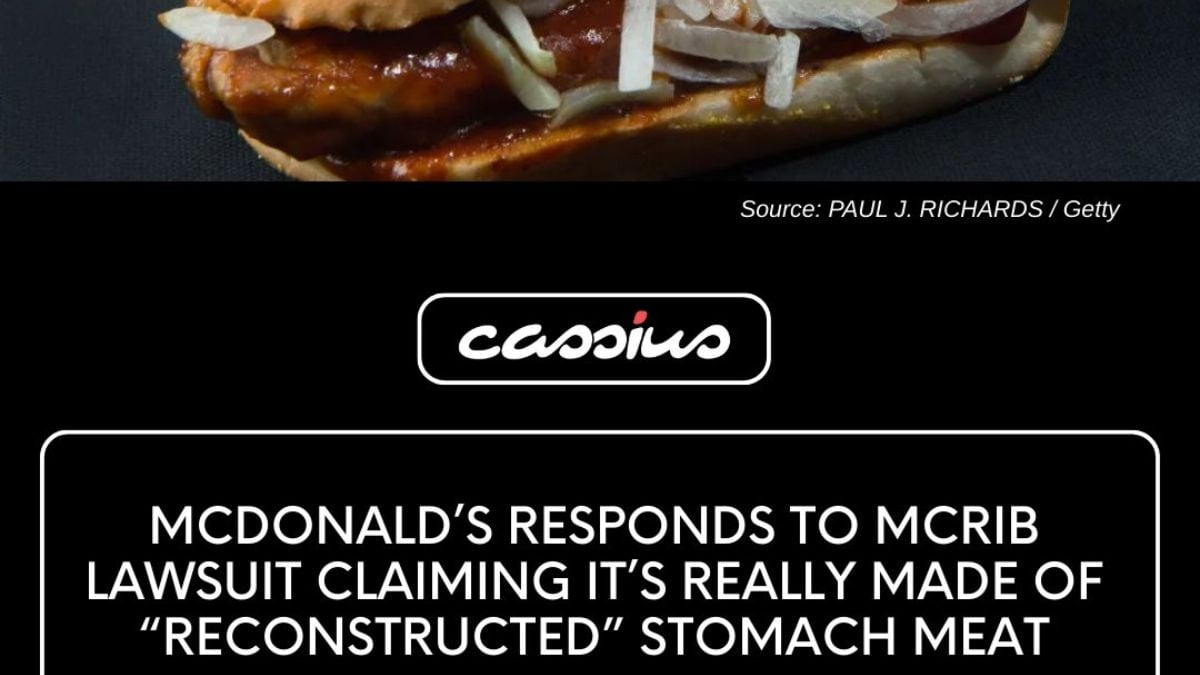
McDonald’s strongly disputes the lawsuit’s claims. A company spokesperson said the sandwich does not contain hearts, tripe, or scalded stomach. The company maintains the McRib is made with 100 percent boneless pork. According to McDonald’s, the ingredients are simple and clearly disclosed. The chain says it has always been transparent with customers.
A Fan Favorite Since 1982
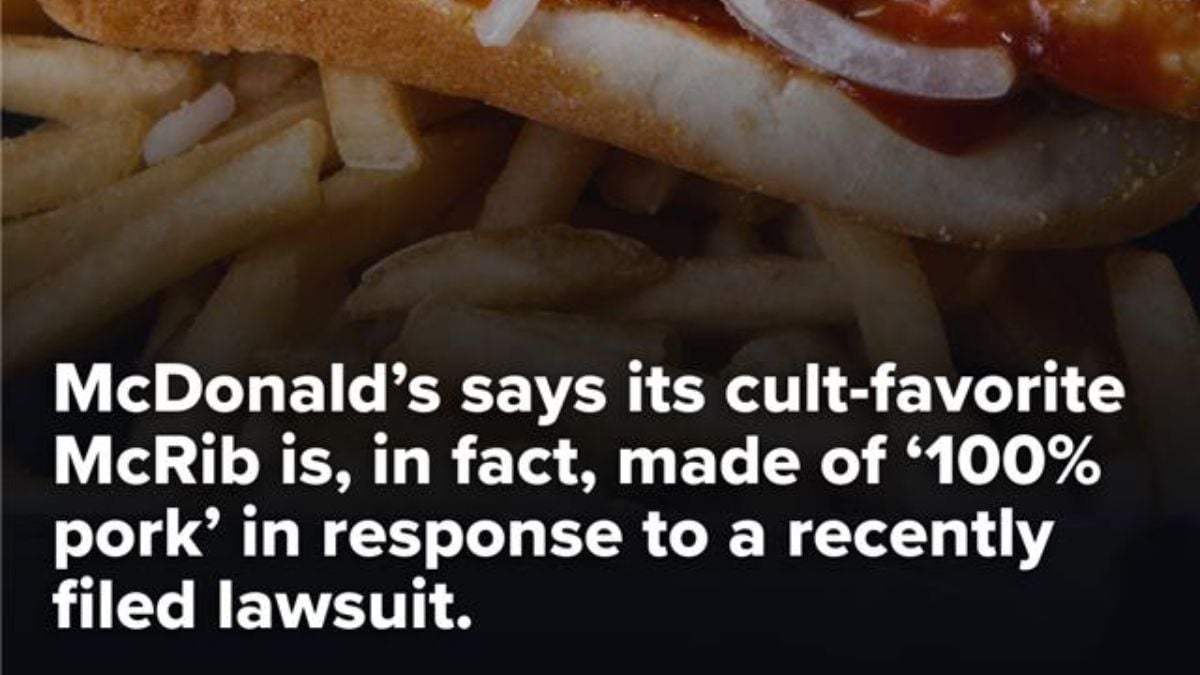
The McRib first debuted in 1982 and quickly became a cult favorite. Its popularity grew in part because it doesn’t stay on the menu year-round. That limited-time status has helped fuel demand. Fans eagerly await its return whenever it disappears. Few fast-food items inspire this level of anticipation.
Sixteen Legal Claims in Play

The lawsuit includes 16 separate legal claims. These range from fraud and breach of warranty to contract violations. The complaint also cites violations of state consumer protection laws. Together, they paint a broad challenge to how the McRib is marketed. The case could have wide-reaching implications if it moves forward.
Who’s Bringing the Case
Four named plaintiffs are leading the lawsuit. They include Peter Le, Charles Lynch, Dorien Baker, and Derrick Wilson. The group is seeking federal class certification. They aim to represent millions of McRib purchasers from the past four years. Subclasses are also proposed in several states and Washington, D.C.
The Famous Rib Shape Explained
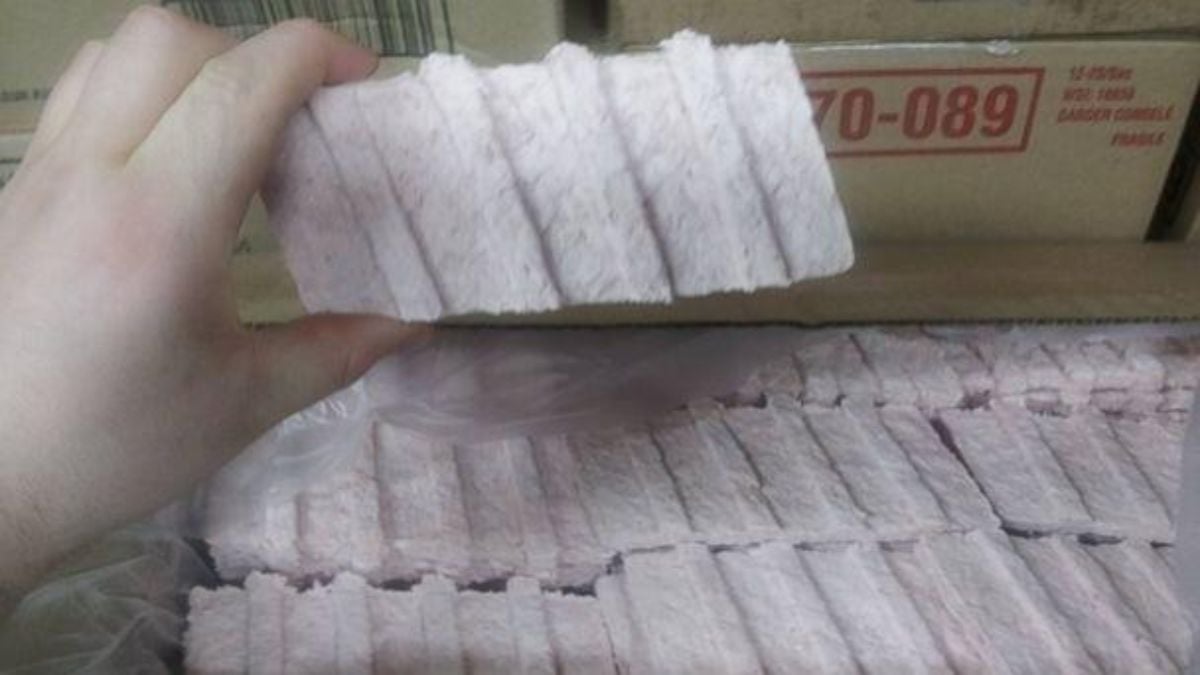
One detail both sides agree on is the sandwich’s distinctive shape. The McRib is pressed into a form resembling a rack of ribs. The ridges are intentionally designed to mimic bones. This visual presentation plays a big role in the lawsuit’s argument. Plaintiffs say it reinforces misleading assumptions.
A Cult Following Unlike Any Other
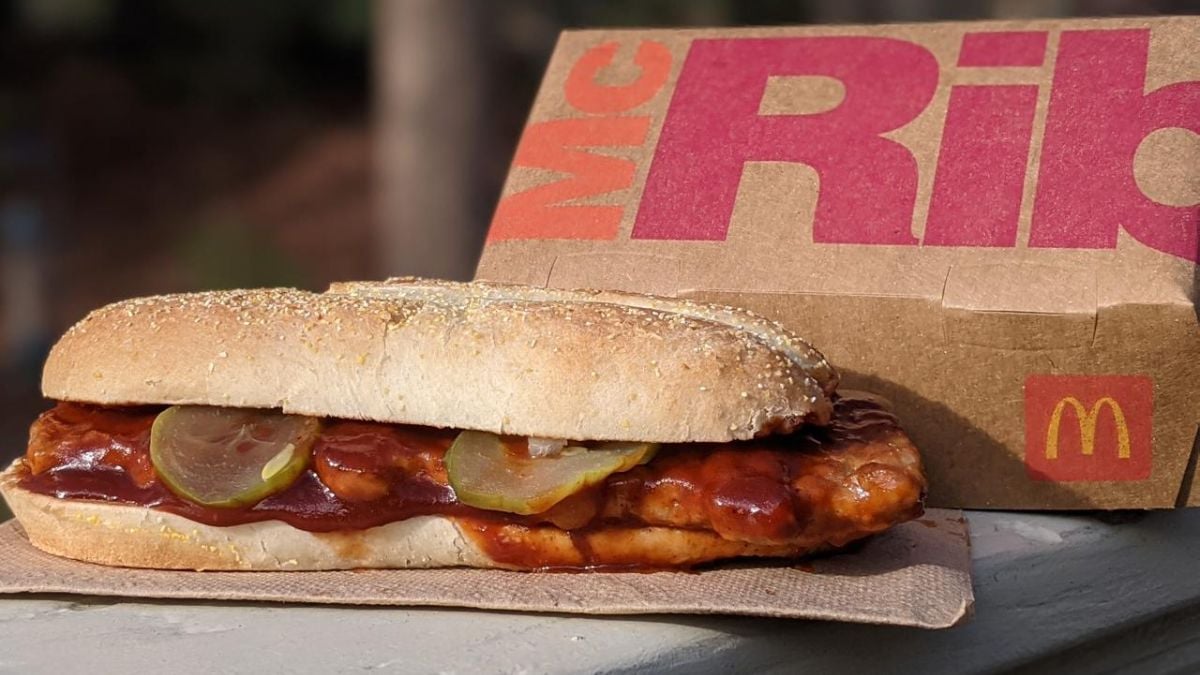
The McRib’s fanbase borders on obsessive. Devoted followers track its return through a dedicated McRib Locator website. Social media lights up whenever the sandwich reappears. This intense loyalty adds another layer to the case. Few fast-food items generate this level of attention.
What McDonald’s Says About Quality
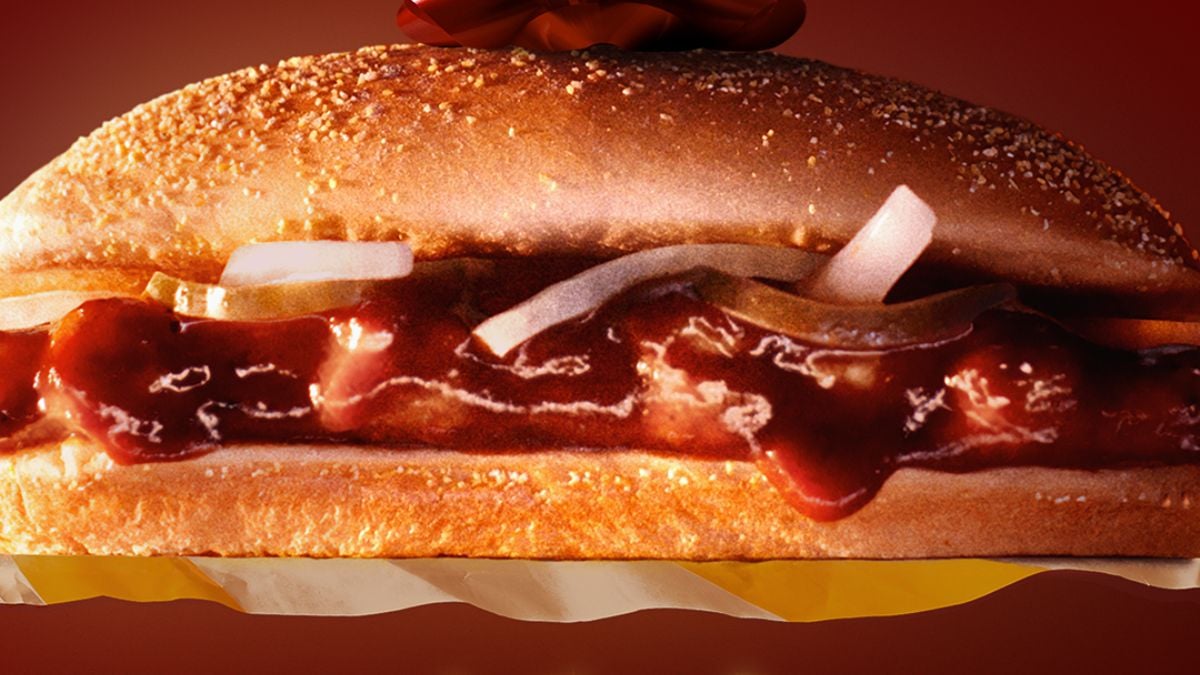
McDonald’s insists food quality and safety are central to its operations. The company says it uses real, quality ingredients across its menu. It maintains the McRib is sourced from U.S. farmers and suppliers. According to the company, customers have always had access to ingredient information. The lawsuit, McDonald’s says, misrepresents the facts.
What Happens Next
The case is still in its early stages. If class certification is approved, it could expand significantly. The outcome may influence how fast-food items are named and marketed. Regardless of the verdict, the McRib’s image may never be quite the same. For now, the sandwich is back in the spotlight — for reasons no one expected.
Final Bite: Your Turn
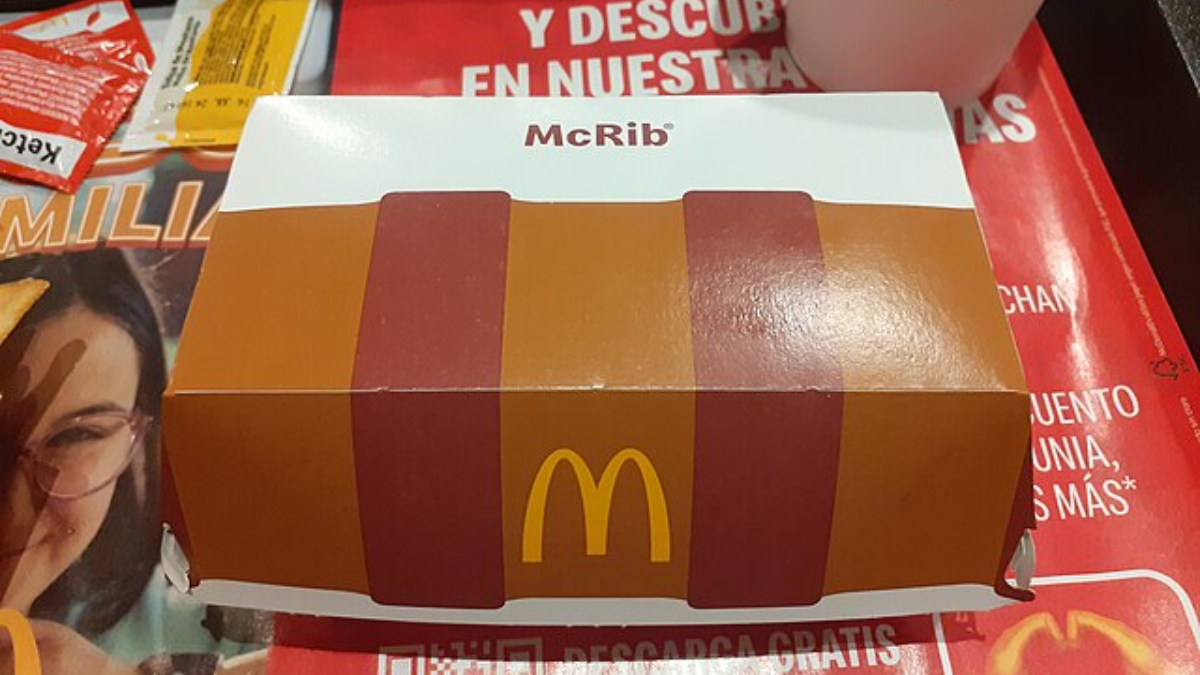
The McRib has always been more than just a sandwich — it’s a phenomenon. This lawsuit challenges whether nostalgia and branding went too far. Have you ever assumed the McRib was something it wasn’t? Or do you think the controversy is overblown? Drop a comment and tell us whether your fast-food favorite made the list — or if there’s another item you think deserves scrutiny.