Restaurants come and go, but some leave a mark that lasts far beyond their final check. From Hollywood hotspots to hometown staples, these eateries shaped food culture—and our memories. Sadly, rising rents, fickle trends, and changing tastes forced many of these icons to close their doors. Some vanished quietly, while others left fans mourning across generations. This list revisits 20 restaurants that we still wish we could pull up a chair at today.
The Original McDonald’s Lost Its Roots
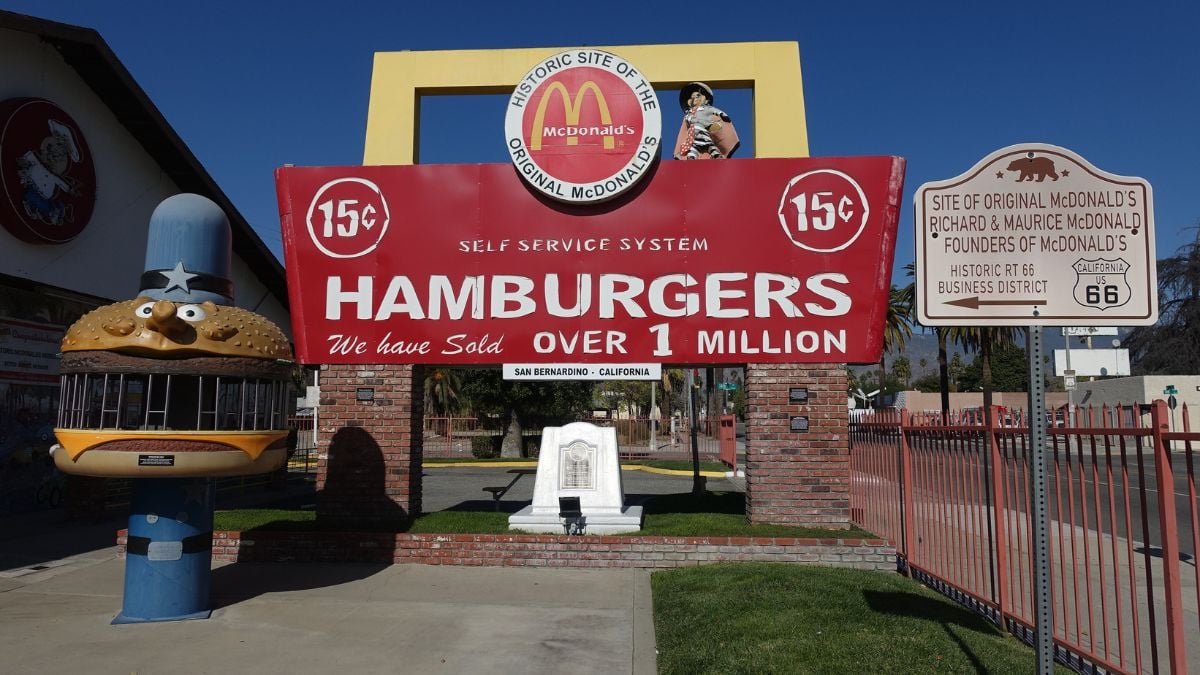
The first McDonald’s, founded in 1948 in San Bernardino, California, paved the way for a global empire. By 1961, the McDonald brothers signed over the company to Ray Kroc, giving up the rights to their own name. The original building was demolished in 1971, later becoming a private museum honoring the chain’s history. While McDonald’s thrives worldwide, the birthplace of fast food is gone forever. It’s a reminder that even legends don’t always stay put.
Carnegie Deli: When New York Wept
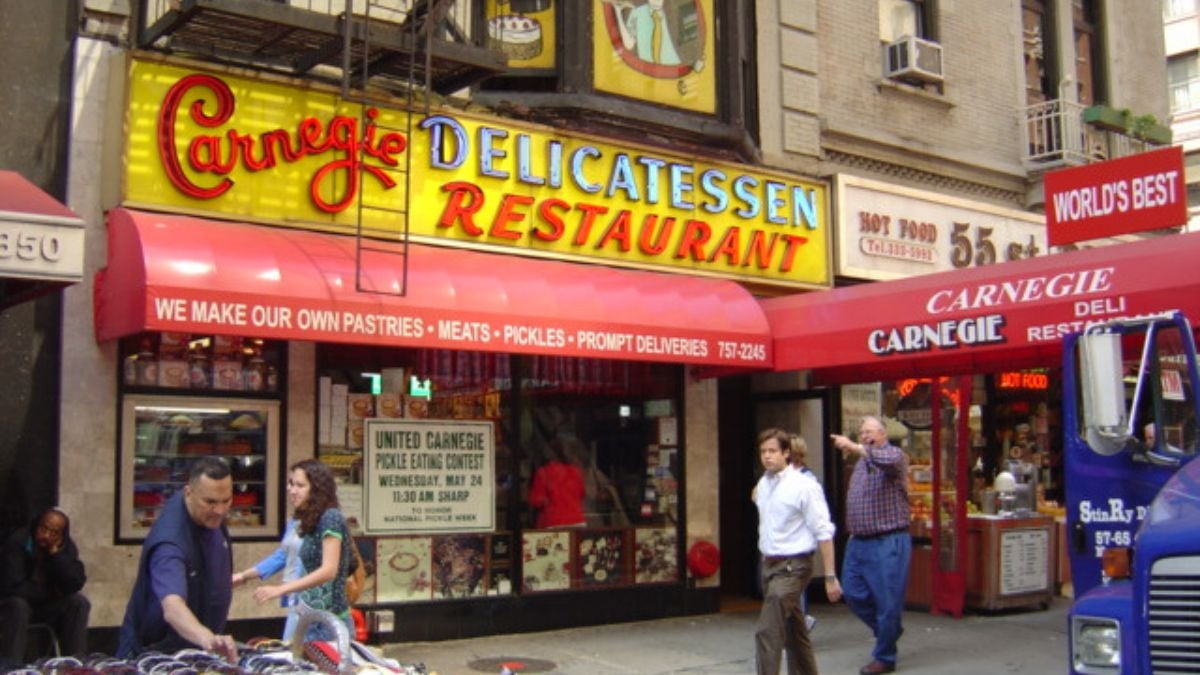
Known for overstuffed sandwiches and iconic pastrami, Carnegie Deli was a NYC institution for decades. Its doors finally closed in 2016, leaving locals and tourists mourning a spot that defined deli culture. Famous for celebrity sightings and enormous portions, the restaurant had a character that couldn’t be replicated. Even now, it’s remembered more for its personality than the food itself.
Stork Club: NYC Glamour Vanishes
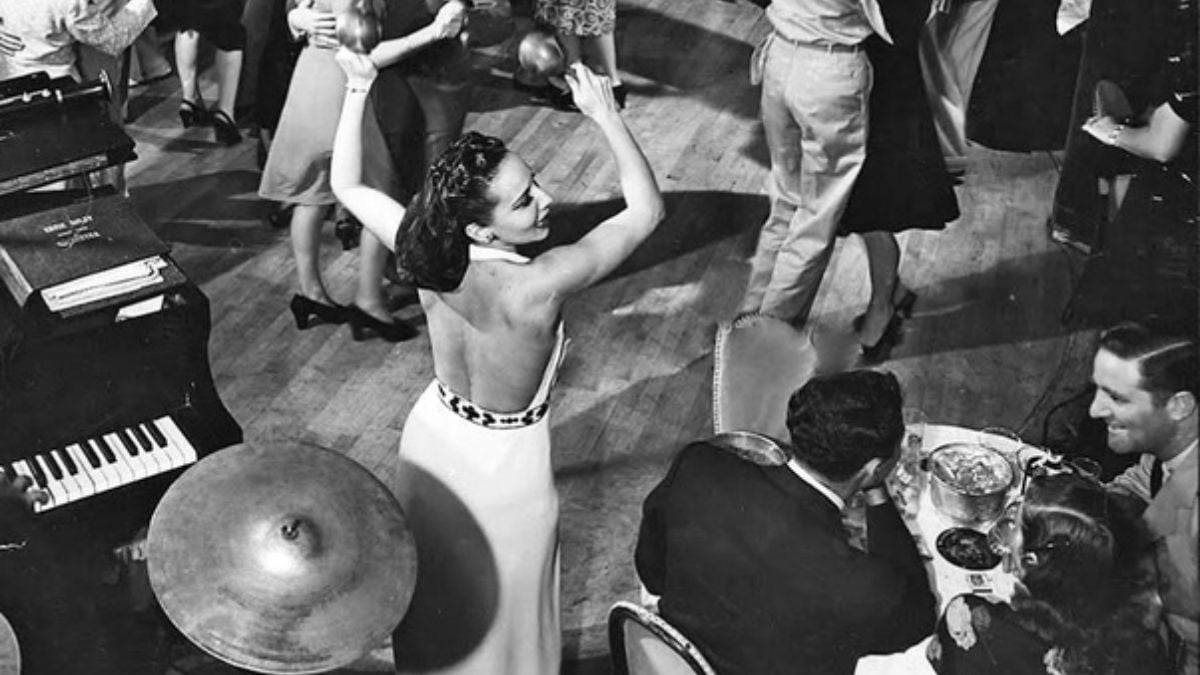
From 1929 to 1965, the Stork Club hosted the crème de la crème of New York society. Celebrities, socialites, and trendsetters mingled over steak dinners and cocktails in an atmosphere of pure elegance. After owner Sherman Billingsley passed away, the club closed and the building was replaced by Paley Park. Its legacy endures as a symbol of mid-century NYC nightlife.
Chasen’s: Hollywood’s Award-Winning Hangout
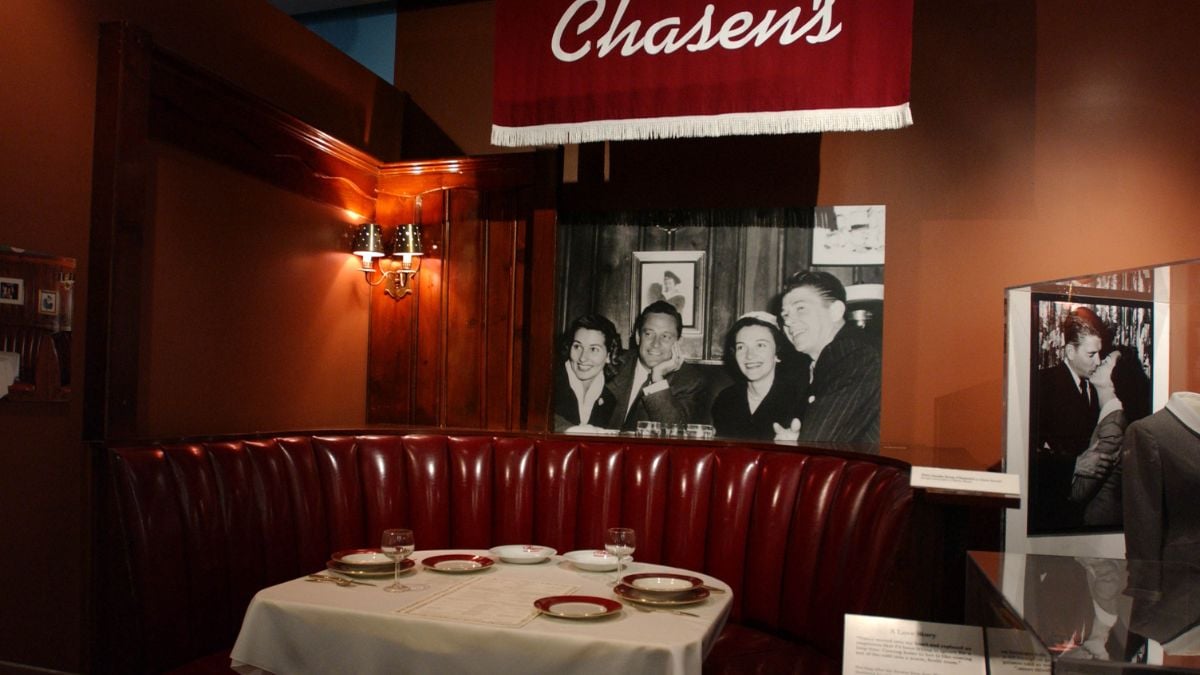
Chasen’s opened in 1936 and quickly became the epicenter for Hollywood stars and Academy Award after-parties. Known for its famous chili and celebrity clientele, the restaurant epitomized glamour for decades. By 1995, changing times forced the closing of this beloved West Hollywood icon. Fans remember it as more than a restaurant—it was a piece of Tinseltown history.
Brown Derby Bowler Hat Fades Away
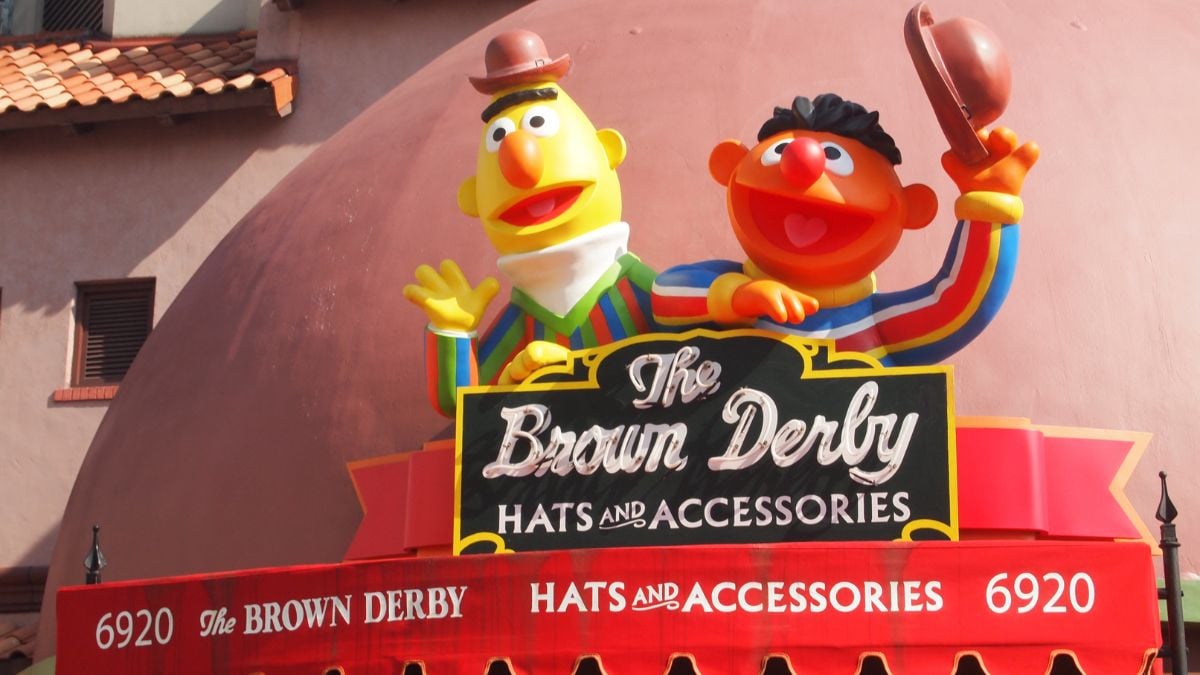
Founded in 1926, the Brown Derby became a Hollywood institution thanks to its unique bowler-hat-shaped building and celebrity patrons. Its caricature-covered walls became a cultural landmark as much as the food did. By 1987, the golden age had ended and all locations shuttered. Its iconic architecture and star-studded past still linger in memory.
Sambo’s: Pancakes Shadowed by Controversy
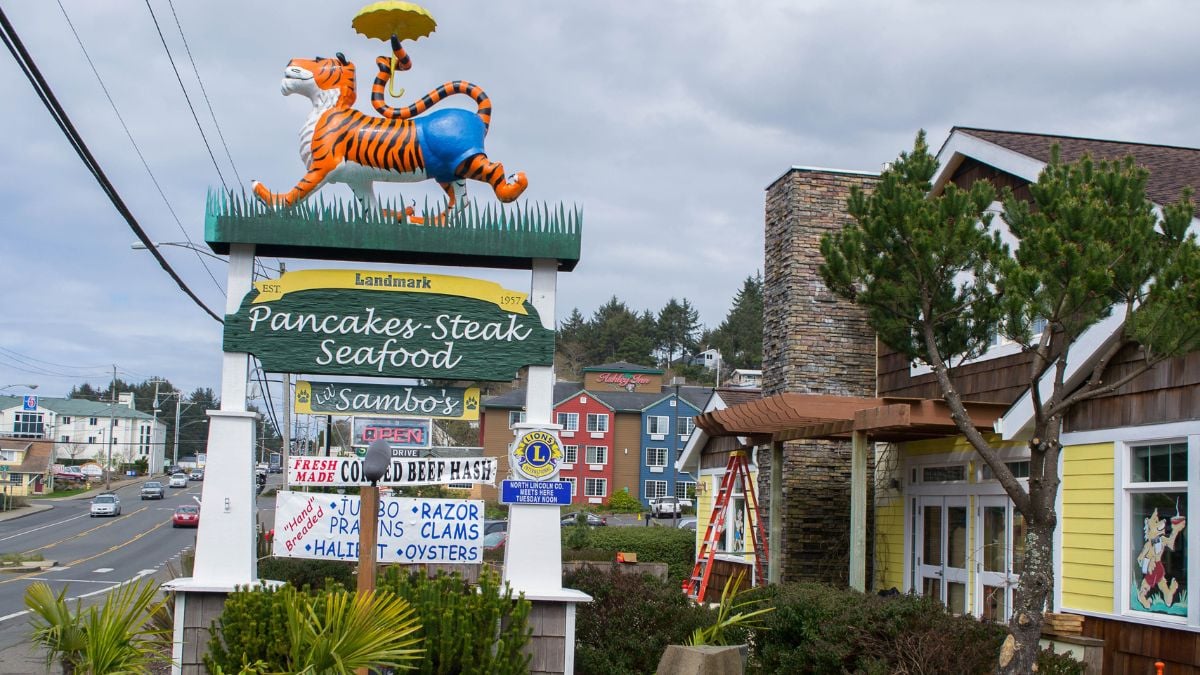
Opening in 1957, Sambo’s was beloved for fluffy pancakes and roadside diner charm. But as the chain expanded, critics condemned its racially insensitive name and branding. The company tried rebranding to No Place Like Sam’s and Jolly Tiger, yet most locations closed. Today, only the original Santa Barbara restaurant remains, run by the founder’s grandson.
Fashion Cafe: Supermodels, Short-Lived Fame
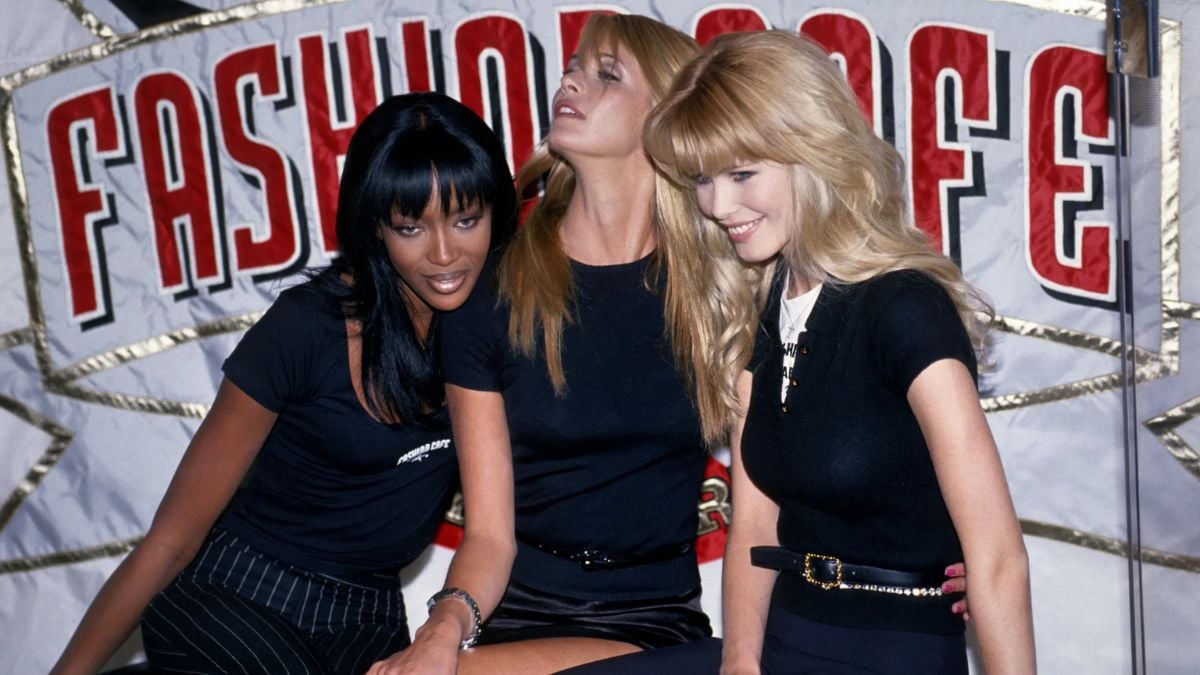
The ’90s supermodel craze inspired Fashion Cafe, bringing Naomi Campbell, Cindy Crawford, and others together to promote a NYC hotspot. It briefly captured celebrity and media attention, but by 1999 the international chain had collapsed. The venture is remembered as a flashy experiment that couldn’t survive beyond the hype.
Boston Sea Party Sails Away
This nautical-themed seafood restaurant made waves in the late ’70s, delighting diners with colonial-costumed staff and big deals on seafood. Its inventive theme attracted attention nationwide, yet the chain quietly faded, with the last location closing in 1994. It’s now remembered as one of the most creative themed restaurants that never quite lasted.
The Original Spago Closes Sunset Strip Chapter
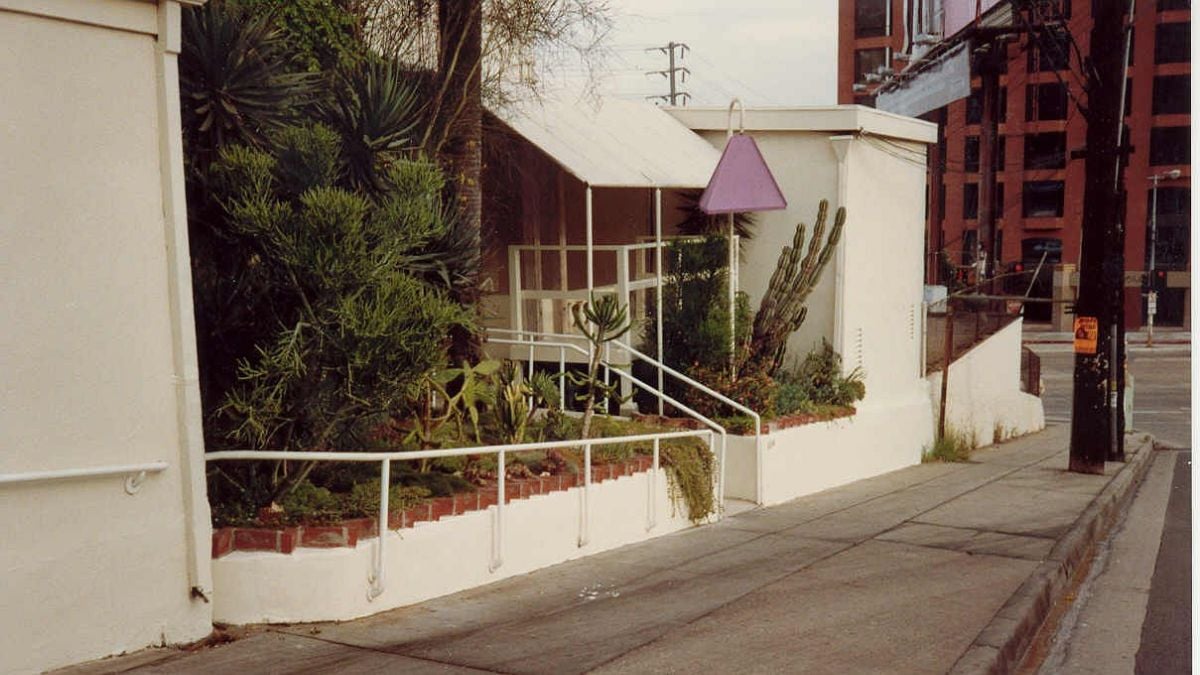
Wolfgang Puck’s legendary Spago opened in 1982 and quickly became Hollywood’s hotspot. By 2001, Puck closed the original location while maintaining other branches. The restaurant had become an institution among stars and critics alike. Its closure marked the end of an era in celebrity dining.
Toots Shor’s: Celebrity Hangout Gone
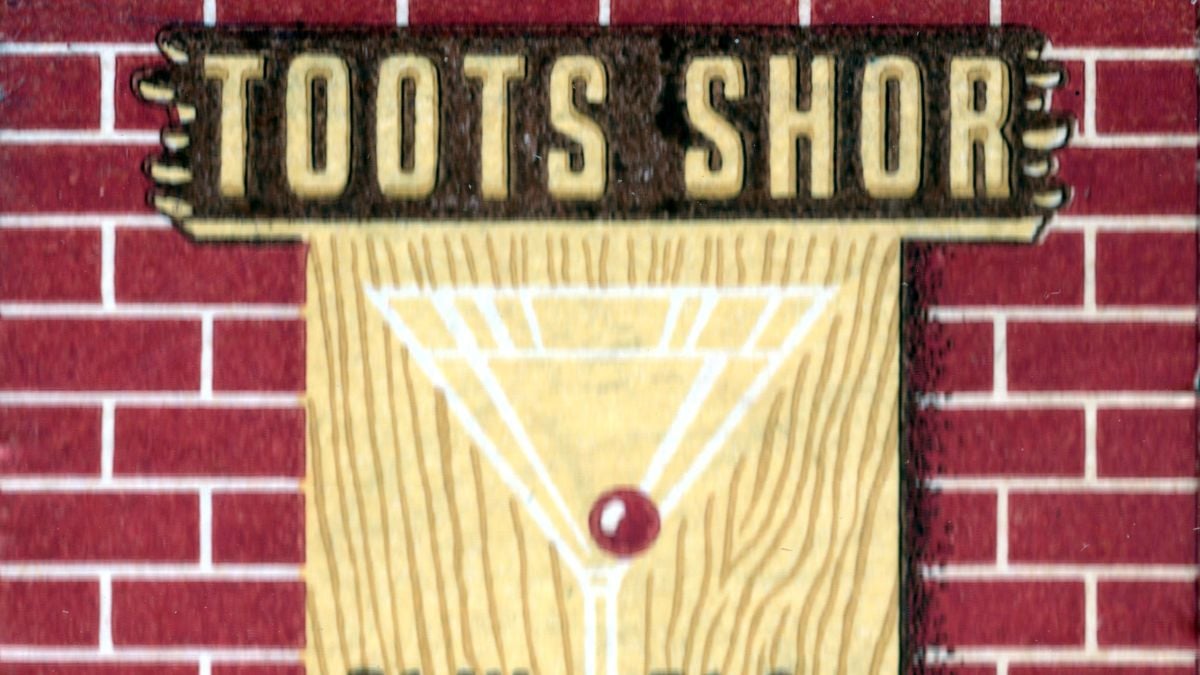
Toots Shor’s was the place to see Frank Sinatra, Marilyn Monroe, and Judy Garland enjoy steak and baked potatoes. Located in New York City, the bar’s heyday ended when the building was seized for taxes in 1971. Though briefly reopened, it never regained its former glamour. The restaurant lives on in stories of its star-studded past.
Broadway’s Beloved Deli Ends Its Run
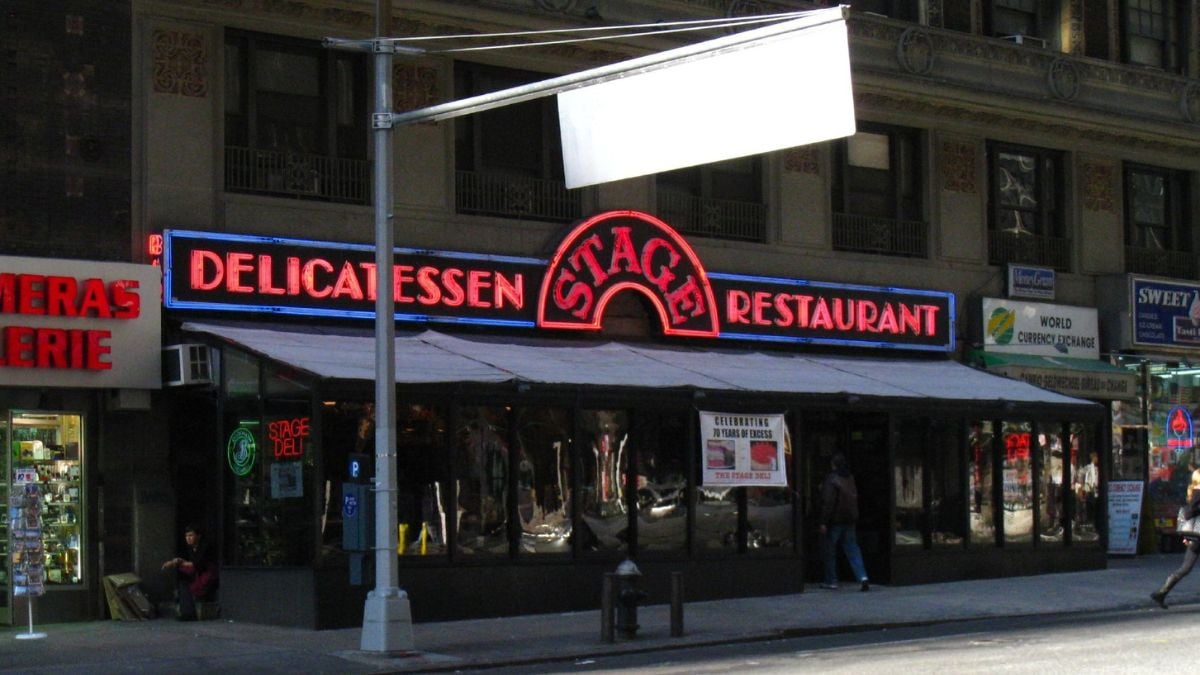
The Stage Deli stood proudly on Seventh Avenue for 75 years, serving Broadway-inspired dishes to locals and visitors alike. Founded in 1937, it became one of New York City’s most popular delis thanks to its star-themed menu and prime location. However, after decades as a Midtown favorite, the deli shut its doors in 2012. Its closure marked the end of an iconic spot that had long been part of the city’s dining landscape.
Dubrow’s Cafeteria: Political Hub Disappears
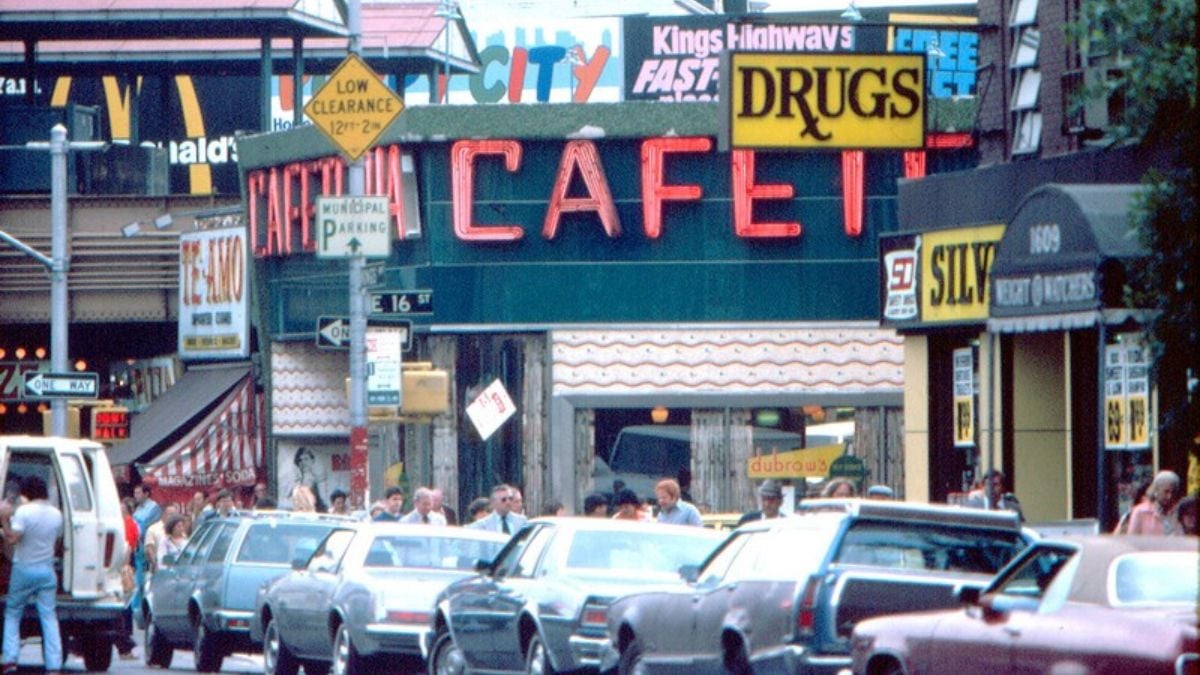
Serving New Yorkers for 33 years, Dubrow’s Cafeteria doubled as a local institution and political hangout. JFK and Ed Koch both campaigned here, mingling with everyday diners. By the late ’80s, cafeteria dining declined and Dubrow’s closed, ending a quirky blend of politics and comfort food. Its memory still lingers in NYC nostalgia.
Gino’s Hamburgers: Giant Burgers Fade
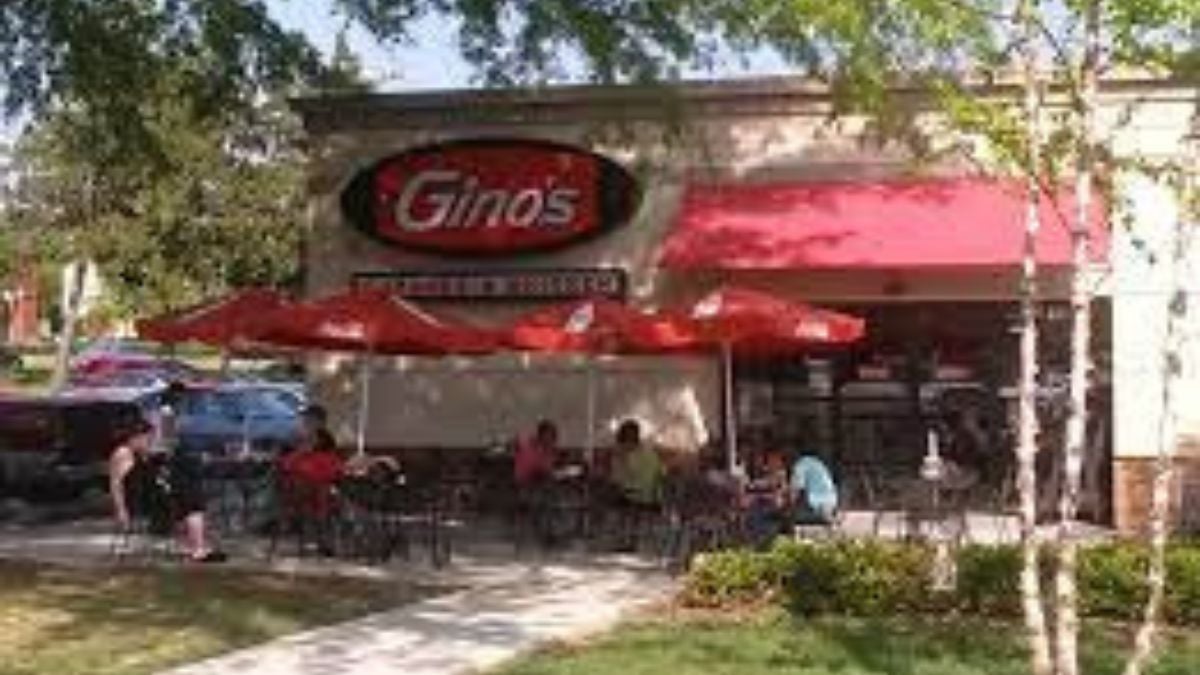
Gino’s Hamburgers, founded in the late ’50s in Baltimore, boasted celebrity endorsements from Muhammad Ali and others. Known for oversized burgers like the “Sirloiner” and “Giant,” it was sold to Marriott in 1982. By 1986, Gino’s had disappeared, leaving fans of classic American burgers reminiscing.
Beefsteak Charlie’s: Unlimited Salad Ends
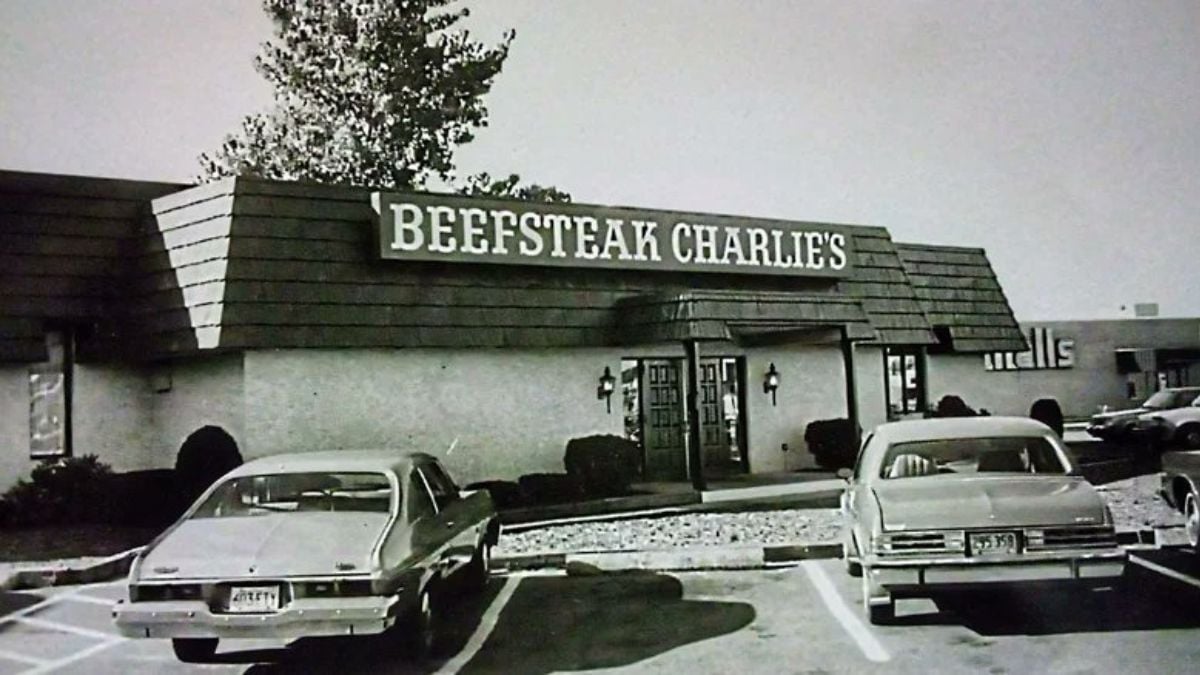
Beefsteak Charlie’s expanded across the Northeast in the ’80s, famous for endless salad and shrimp bars. The chain’s acquisition in 1987 marked the beginning of its slow decline. By the late ’80s, locations closed, leaving a legacy of over-the-top promotions and fond memories.
Mr. Steak: Affordable Steakhouse Declines
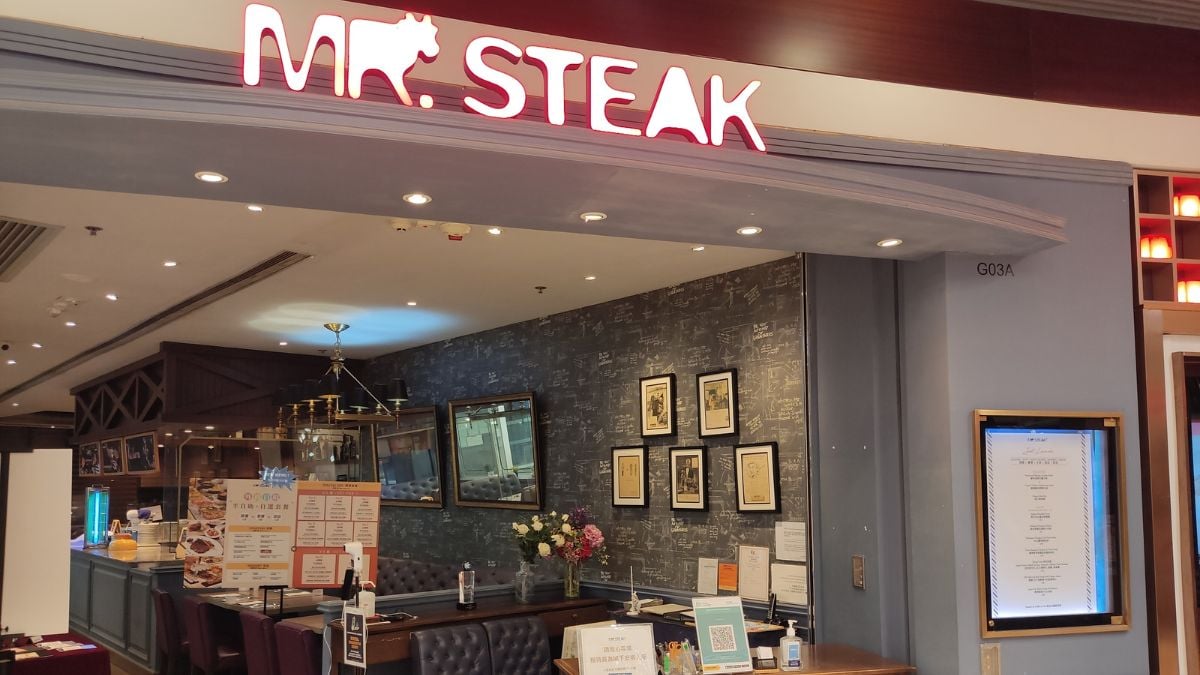
This steakhouse chain grew to over 200 locations in the U.S. and Canada in the ’60s and ’70s. By the 1980s, menu changes and shifting consumer trends led to its decline. The last locations closed by the mid-1990s, leaving fans of classic steakhouse dining nostalgic.
Kenny Rogers Roasters: Country Star Meets Chicken
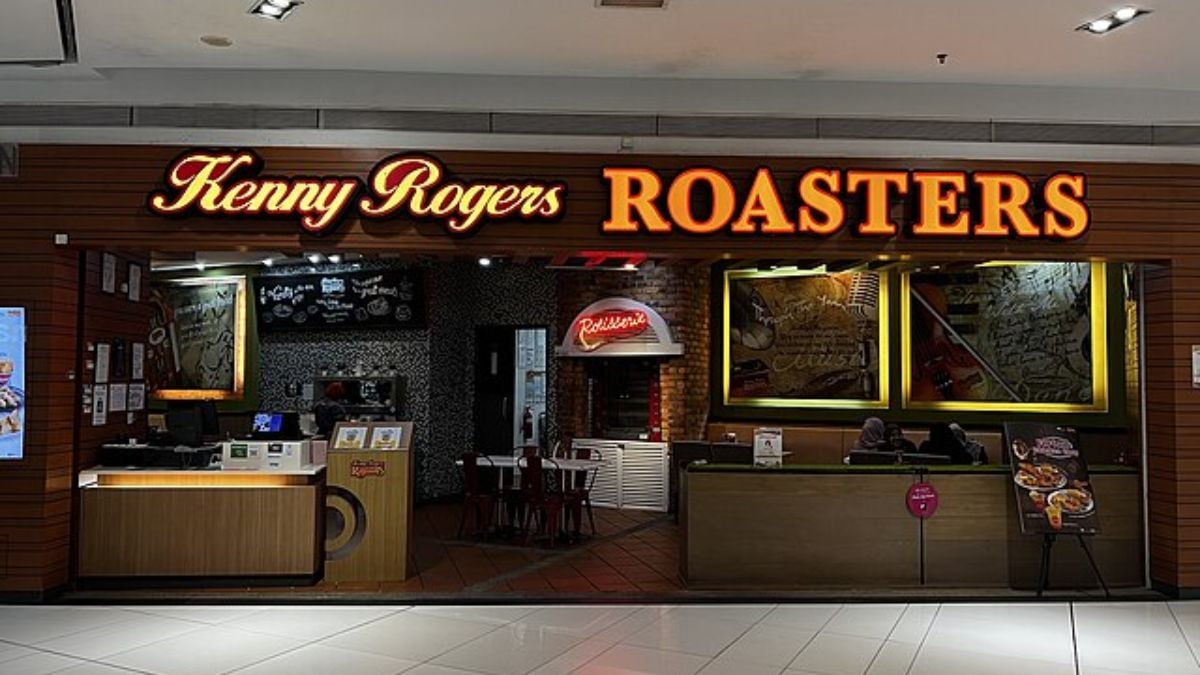
Launched in 1991, Kenny Rogers Roasters brought country-style chicken to casual dining. The chain never reached massive U.S. popularity, though it became a cultural reference on shows like Seinfeld. Some locations still operate in Asia, but the U.S. presence is largely gone.
Chi-Chi’s Tex-Mex Era Comes to a Close
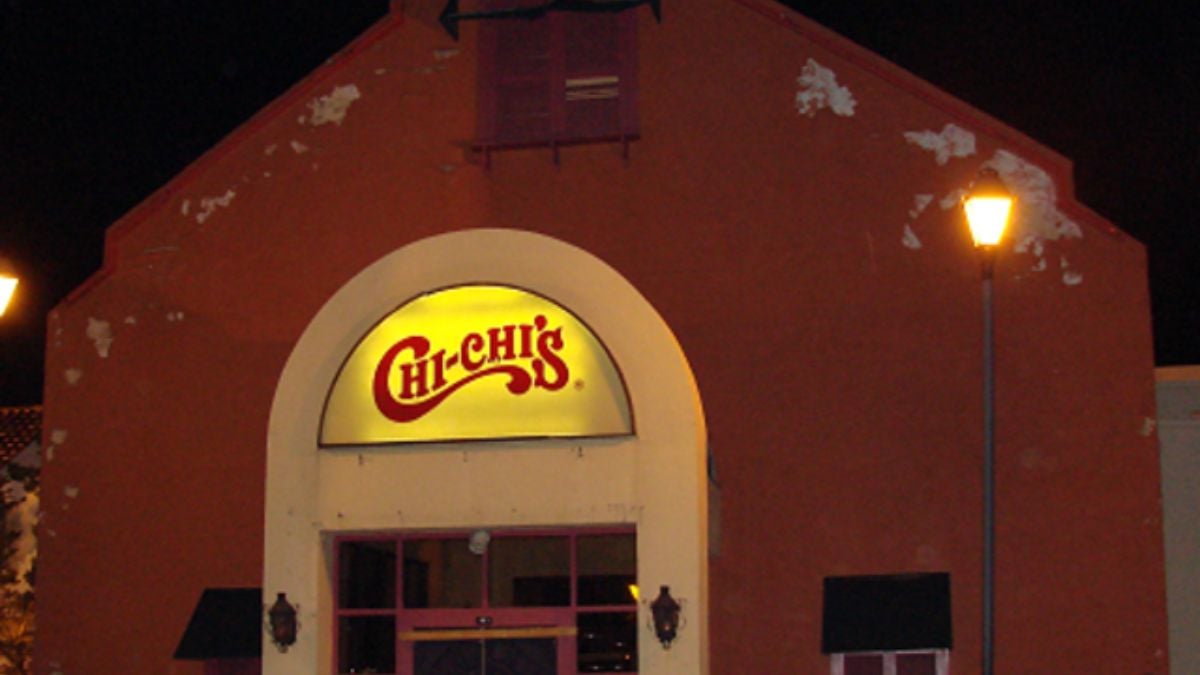
Before big chains like Chipotle and Taco Bell dominated the scene, Chi-Chi’s gave diners an affordable, casual Mexican food experience that felt fresh and exciting. For years, people embraced the concept and kept the brand booming. But as competitors popped up, Chi-Chi’s struggled to keep up. The company filed for bankruptcy in 2003, then faced a health-related lawsuit the following year. By 2004, the chain had closed for good, ending its once-popular run.
Valle’s Steak House: Economic Crash Takes Toll
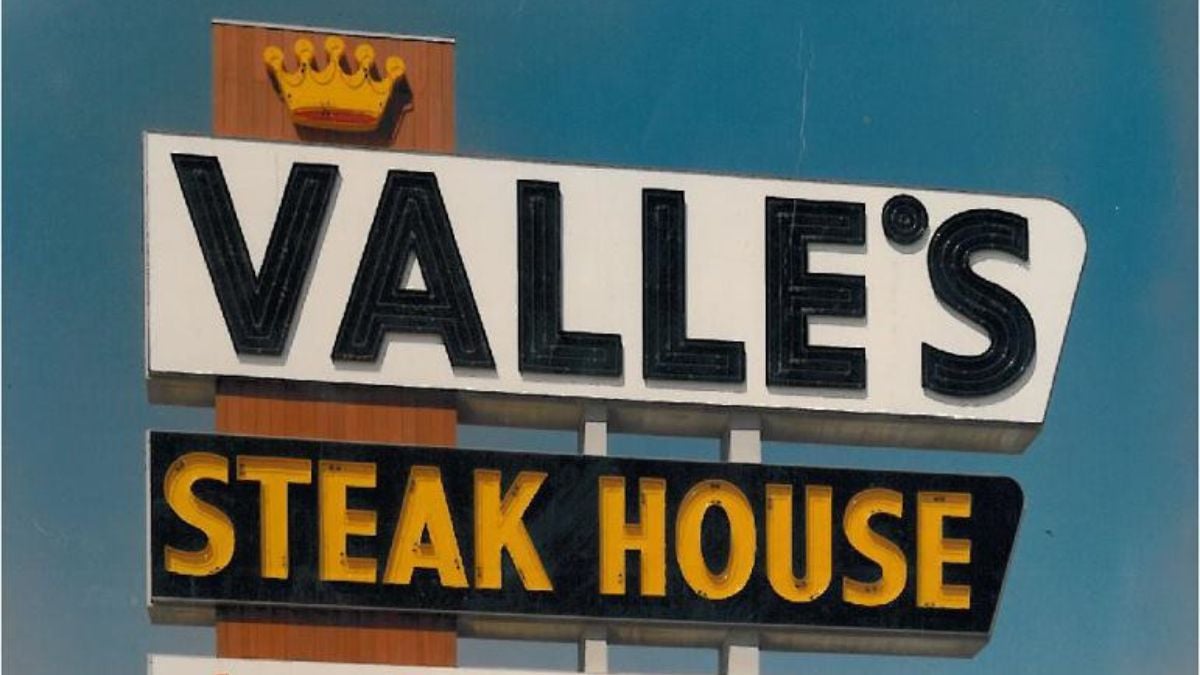
Founded in 1933, Valle’s expanded in the ’60s with steak and lobster offerings. Economic challenges in the ’70s stunted its growth, and by 2000, the last location closed. Valle’s is remembered for its classic steakhouse fare and family dining experience.
La Petite Boulangerie: Croissants No More
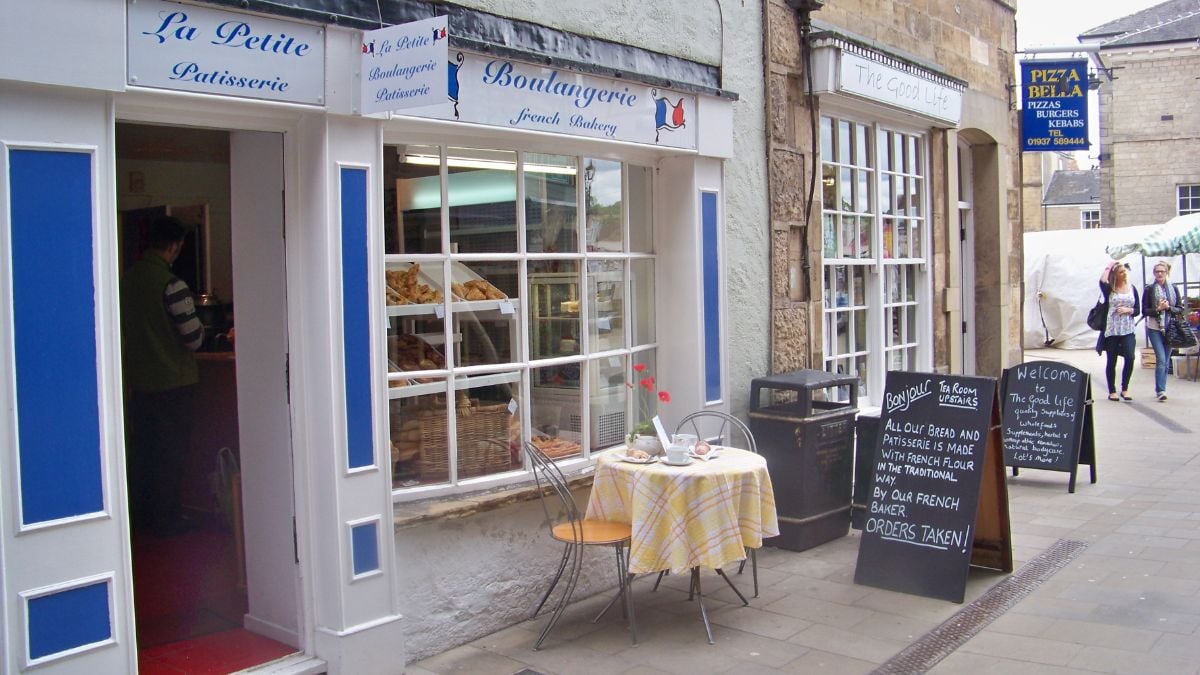
Starting with just two stores, La Petite Boulangerie grew to 93 locations under PepsiCo ownership. Famous for warm, buttery croissants, the bakery chain closed in 2000. Its disappearance marked the end of an era for American bakery chains.
A Beloved Bistro’s Bittersweet Pause
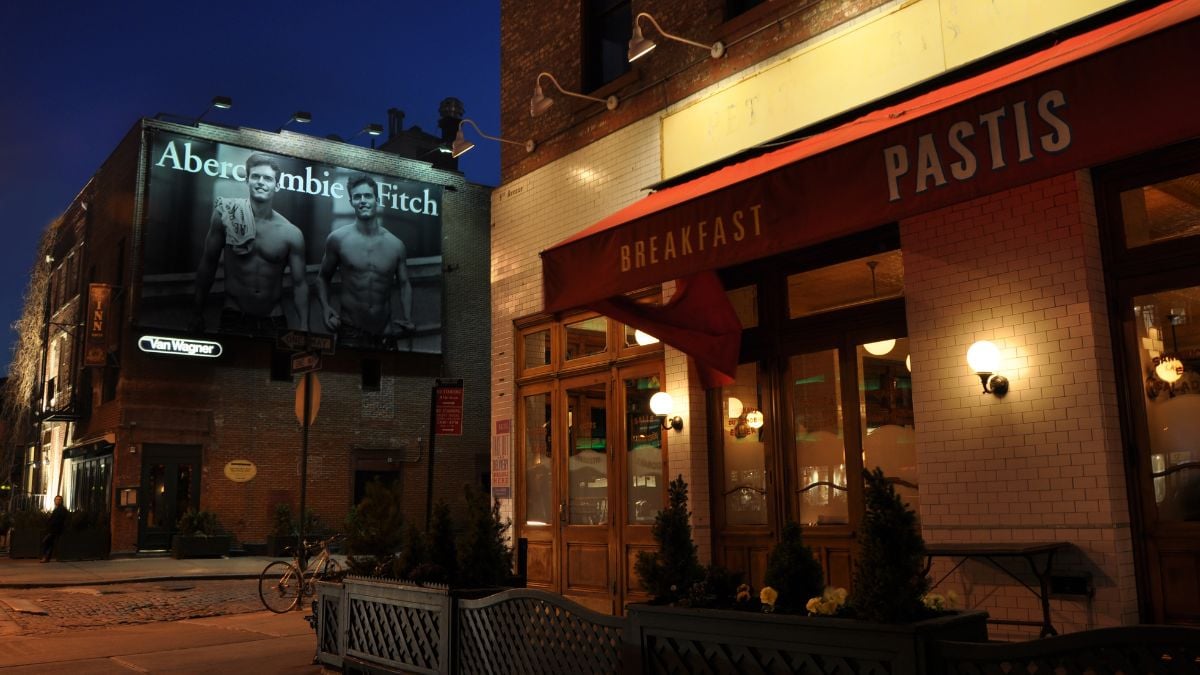
Pastis launched in 1980 and quickly became a New York City staple thanks to its French cuisine and classic Parisian bistro style. It held a steady place in the city’s dining scene for decades. The restaurant’s 2014 closure left many fans missing its familiar charm. Fortunately, Pastis made a comeback in 2019. Although it reopened in a new location, the buzz around its return showed just how much the city wanted it back.
Wrap-Up: Cherished Eateries That Live On in Memory
Restaurants may shutter, but their influence endures in our memories and culture. From celebrity haunts to local diners, these 20 spots remind us that dining is as much about experience as it is food. Did your favorite make the list, or is there an iconic eatery we missed? Share your nostalgic picks in the comments and keep the legacy alive.