Ordering steak or burgers might seem like a simple preference, but the data tells a more revealing story. A YouGov survey of more than 1,200 U.S. adults shows that how Americans like their meat cooked often lines up with gender, politics, income, and even generation. From medium-rare loyalists to well-done devotees, these choices are far from random. Burgers, meanwhile, bring rare agreement in an otherwise divided food landscape. Here’s what Americans’ meat orders really look like when you break them down.
Well-Done vs. Medium-Rare Rules the Table
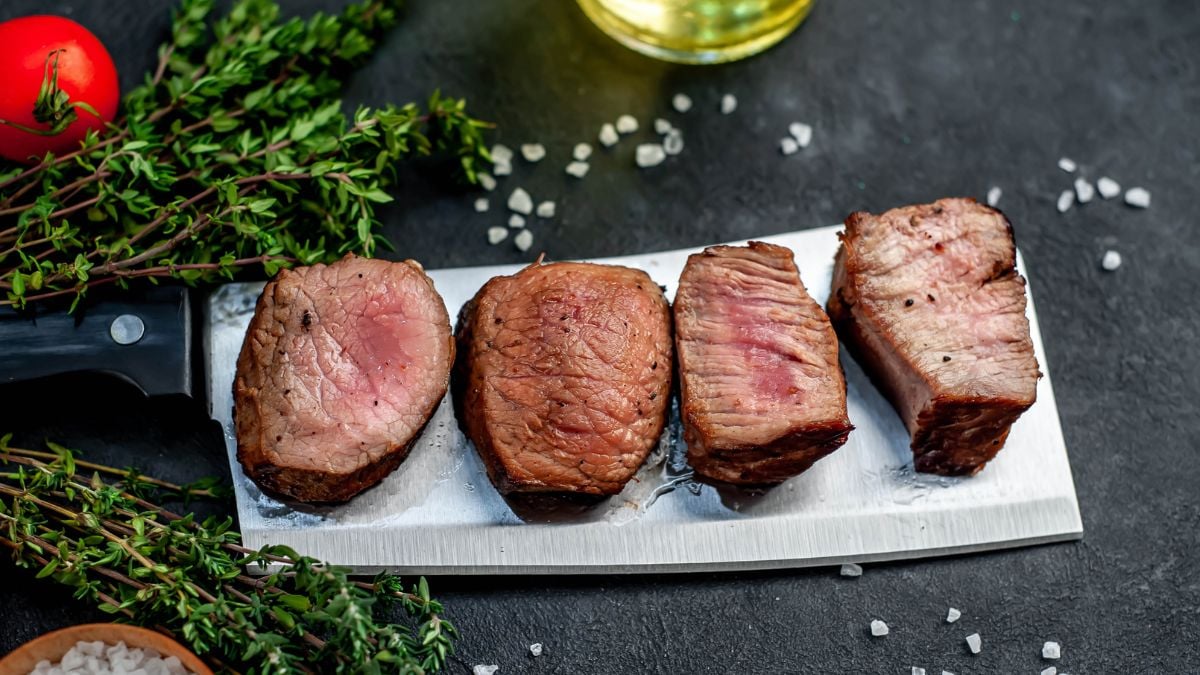
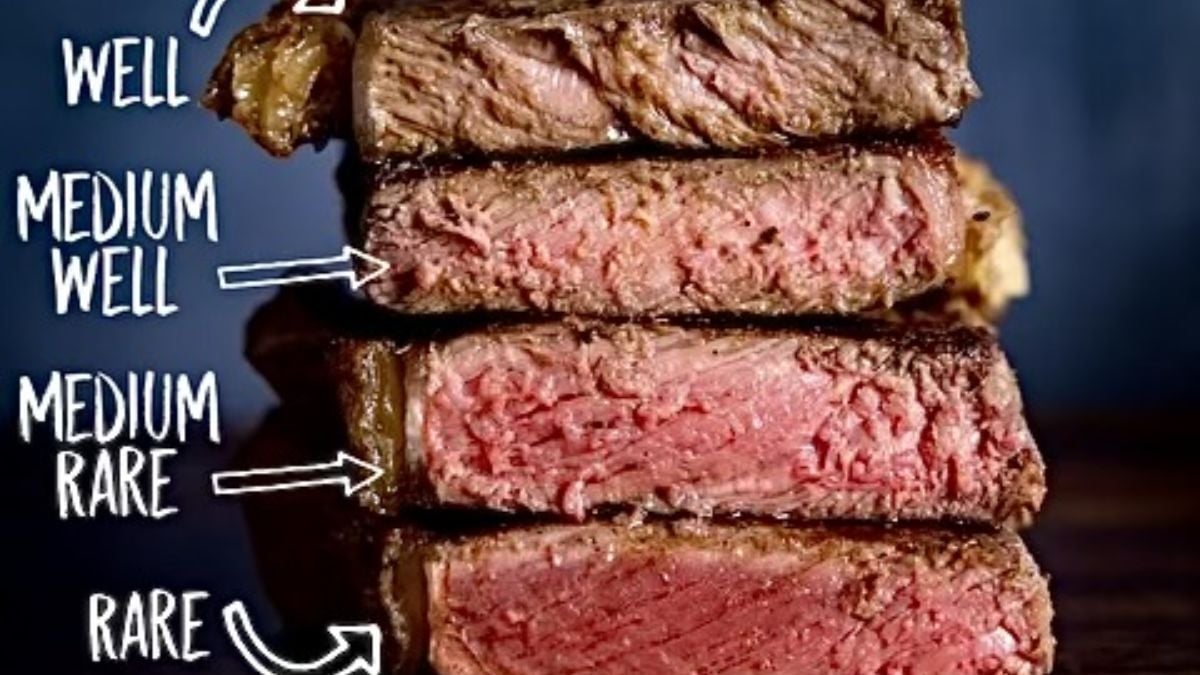
Two steak preferences dominate America’s plates: well-done and medium-rare. Nearly one-fourth of Americans prefer well-done steak, while just slightly fewer choose medium-rare. Although the difference is slim, these top choices separate people sharply by demographics. Other doneness levels trail far behind. The steak debate is anything but settled.
Extreme Steak Preferences Rarely Win
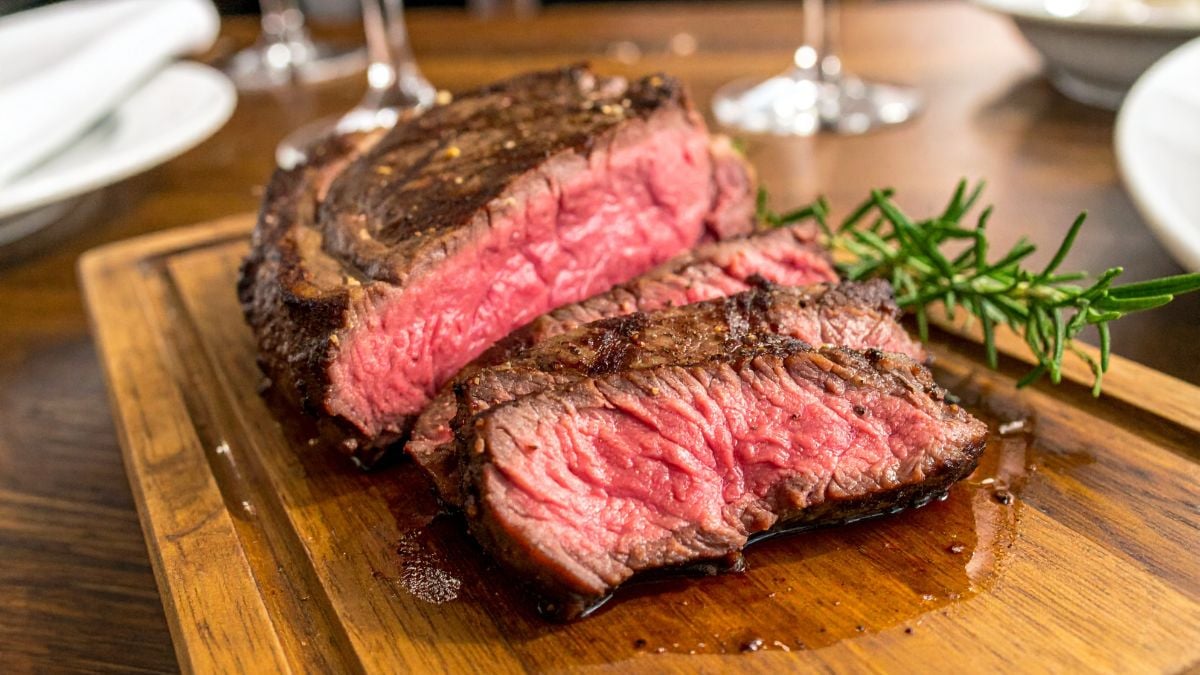
Americans tend to avoid the edges of the doneness spectrum. Blue rare and burnt steaks are each chosen by just 2% of respondents. Even though “burnt” was offered as an option, it wasn’t shown visually, which may have affected responses. Either way, extremes clearly don’t appeal to most diners. Moderation dominates steak culture.
The Middle Ground Still Matters
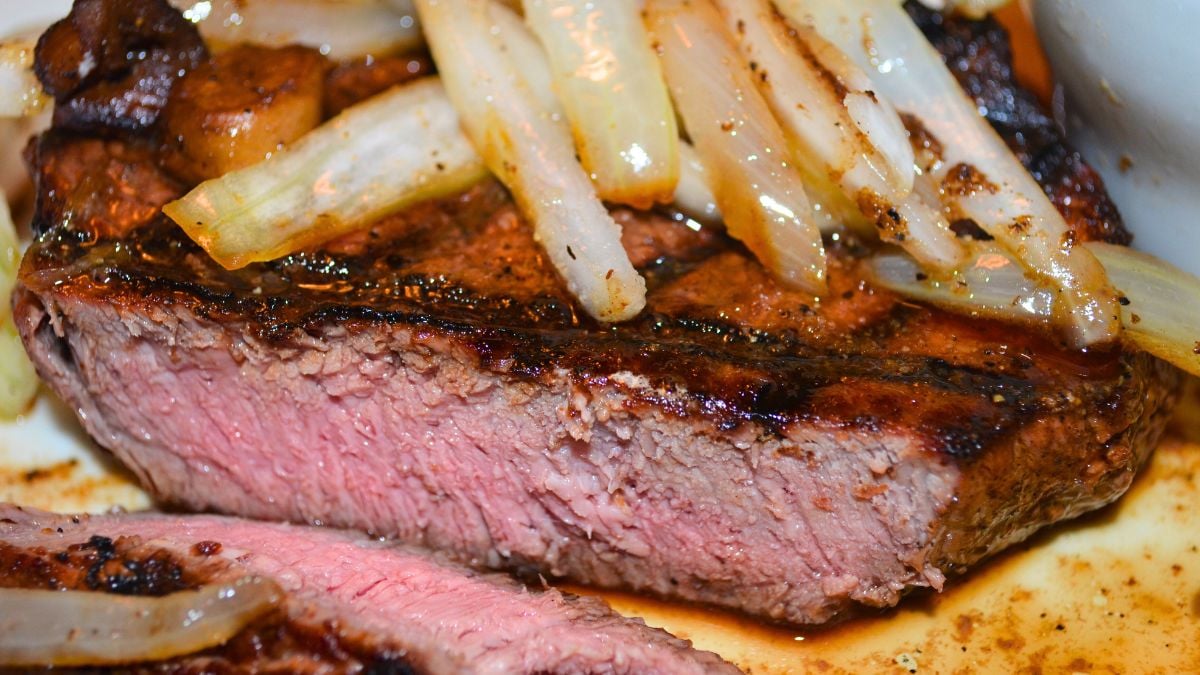
After the top two choices, several middle doneness levels fill out the rankings. Medium well-done comes in at 16%, followed by medium at 13%, and rare at 11%. These options show that many Americans still favor flexibility over firm extremes. Steak preferences exist on a spectrum, not a binary. Still, none rival the popularity of the top contenders.
Men and Women Order Steaks Differently

Gender plays a clear role in steak preferences. Men are more likely to order medium-rare steak than women. Women, on the other hand, are significantly more likely to choose well-done. These patterns suggest comfort and taste expectations differ by gender. Steak orders often reflect more than just hunger.
Politics Shapes Steak Choices Too
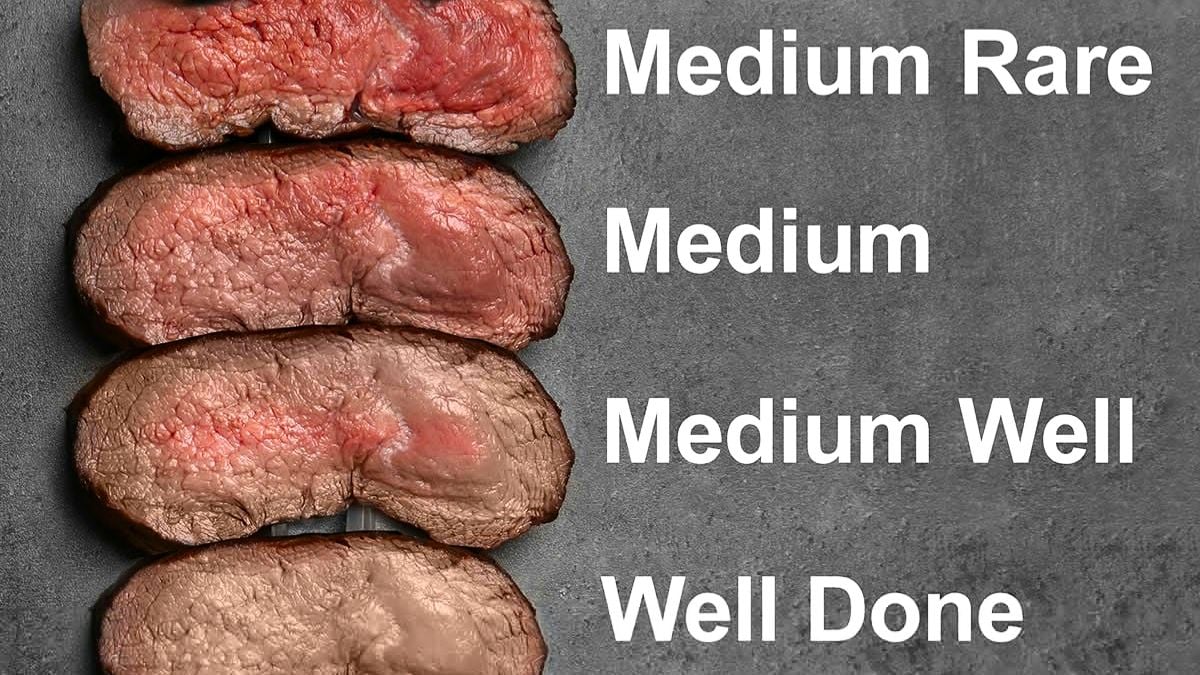
Steak doneness also breaks along political lines. Republicans are more likely to order medium-rare steak than Democrats. Democrats, meanwhile, lean more toward well-done steak. Interestingly, fewer Democrats order steak at all compared to Republicans. Food choices reflect political identity more than many might expect.
Who Skips Steak Entirely

Not everyone eats steak, and that varies sharply by political identity. Nearly one in ten Democrats report not consuming steak at all. That figure rises among those who identify as very liberal. Republicans are the least likely to skip steak entirely. Steak consumption itself is a dividing line.
Spending on Steak Restaurants Isn’t Equal
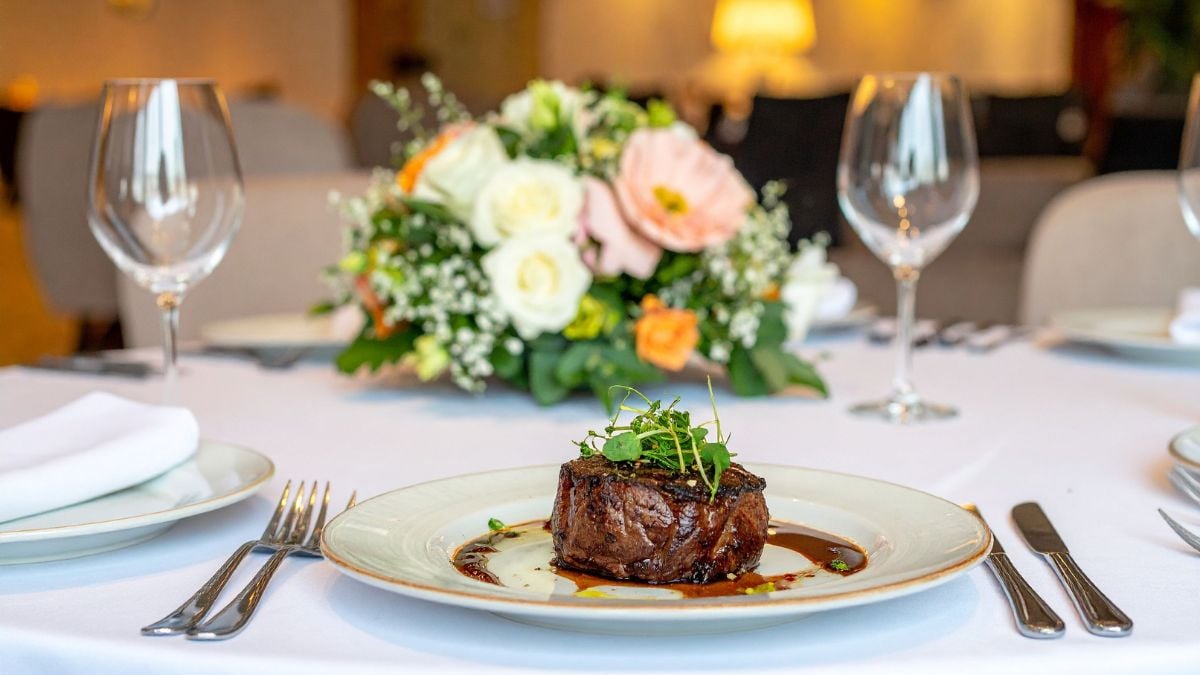
Republicans also report spending the most money at casual steak restaurants. More than four in ten say they spend over $50 a month dining at these spots. Democrats trail behind, with about one-third reporting similar spending. These habits reflect broader lifestyle and spending differences. Steak preferences extend beyond doneness to dollars.
Generations Grill Differently
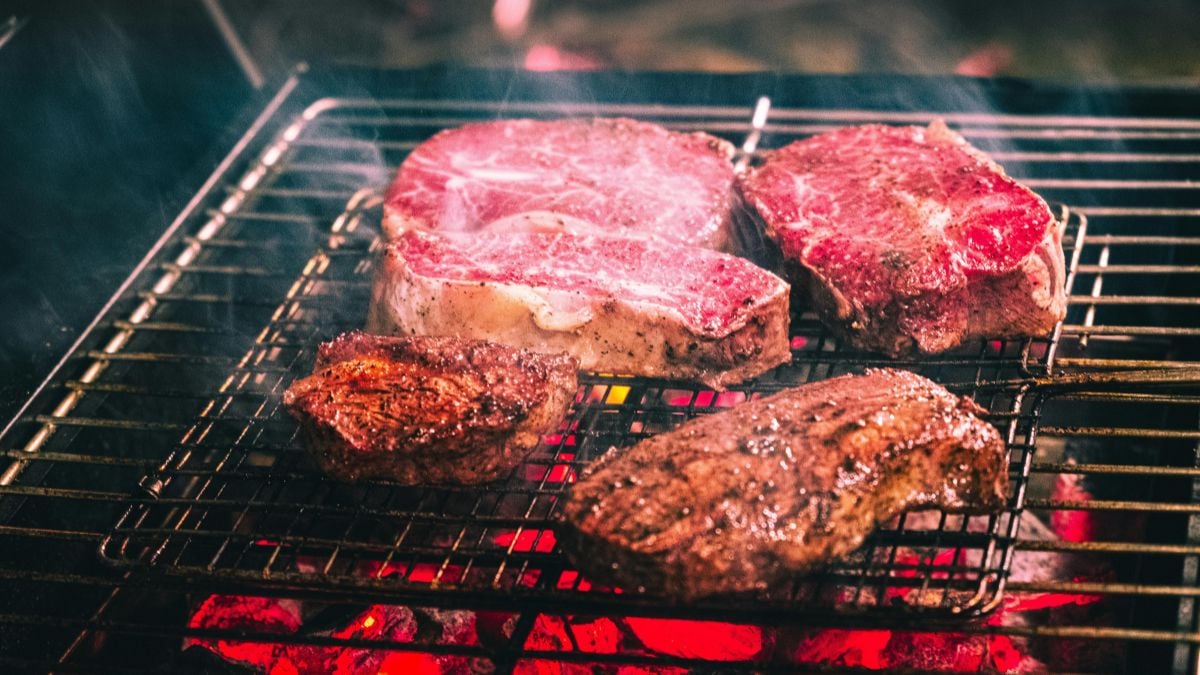
Age plays a role in steak preferences as well. Baby Boomers are more likely to choose medium-rare steak. Gen X and Millennials lean toward well-done options. Each generation brings its own habits to the grill. Taste preferences seem to evolve over time.
Income Influences How Steak Is Ordered

Income also shapes steak doneness choices. Americans earning under $40,000 annually are more likely to order steak well-done. Those earning over $80,000 tend to prefer medium-rare. The reasons may include exposure, dining habits, or cultural norms. Steak doneness mirrors economic lines.
Burgers Bring Rare Agreement
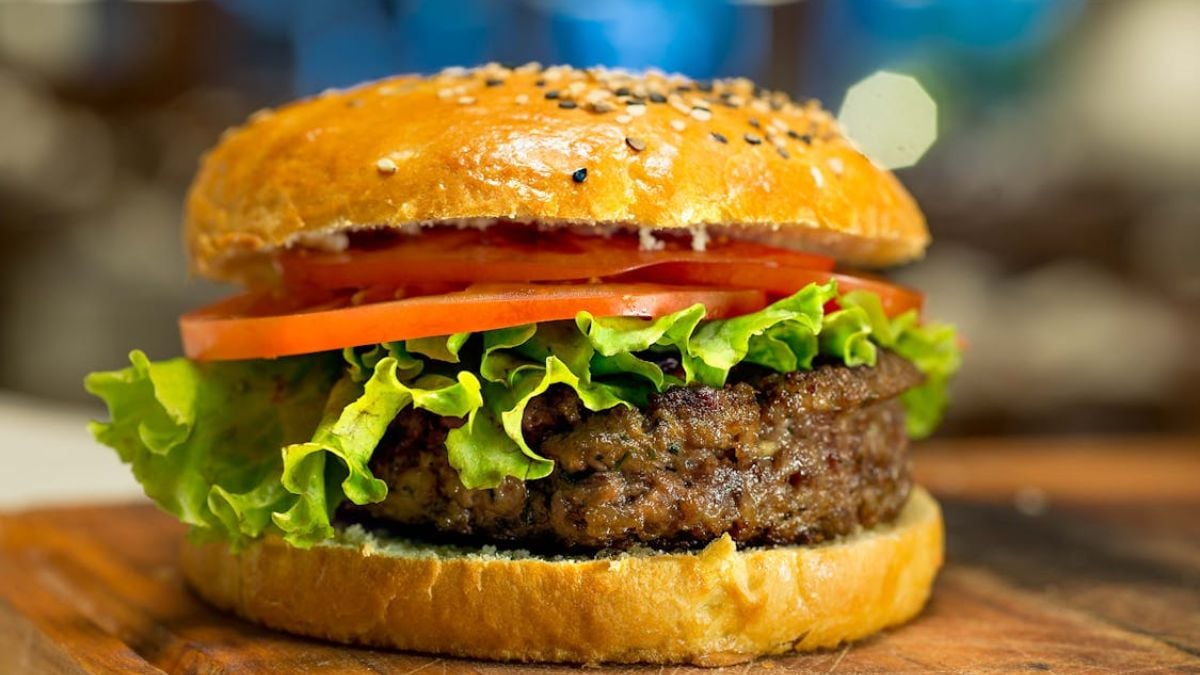
Unlike steak, burgers unite Americans. Four in ten people prefer their hamburgers well-done. Another one in five choose medium-well. Regardless of political party, well-done burgers are the clear favorite. When it comes to burgers, Americans largely agree.
Burger Preferences Still Show Gender Gaps
Even with overall agreement, gender differences remain. Nearly half of women prefer well-done burgers, compared to about one-third of men. The gap mirrors steak preferences, just less dramatically. Burgers may be simpler, but preferences still vary. Comfort and safety likely play a role.
Meat Alternatives Are Gaining Attention
Beyond doneness, attitudes toward meat itself are shifting. Over half of Democrats say they’re willing to reduce meat consumption for environmental reasons. Republicans are less open to cutting back, though some still are. A smaller group in each party would eliminate meat entirely. The future of meat is becoming a political issue too.
What Your Order Says About You
From steak doneness to burger preferences, Americans’ meat orders reveal more than taste alone. Gender, politics, income, and generation all shape what ends up on the plate. While burgers bring rare consensus, steak remains deeply personal—and surprisingly political. Did your preferred doneness make the list, or do you order differently? Share your go-to steak or burger order in the comments and see how you compare.