Remember when fast-food meant dollar menus and drive-thru convenience? That era may be fading. These days, some of your go-to fast-food chains are acting more like casual-dine spots — with pricier menus, trendier interiors, and a heftier tab at checkout. It’s not just the food that’s evolved — the whole vibe is shifting. Let’s take a peek at nine chains that no longer fit a “budget lifestyle” mindset.
Upgrading the Basic Big Mac Era
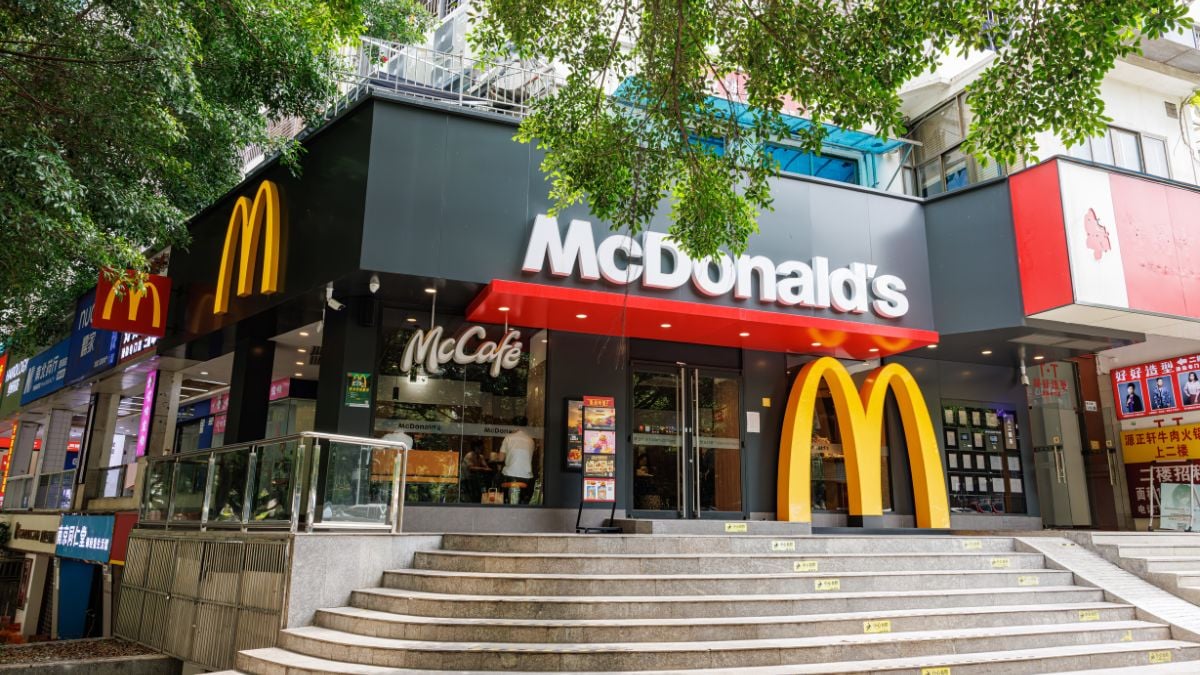
McDonald’s is no longer just about value meals and speed. According to recent reports, the chain is launching more premium burgers with upgraded buns, fresh toppings, and more kitchen focus — moving away from purely budget-friendly fare. Some locations abroad are even getting table-service and slick interiors. The message: budget obsessive, this ain’t.
Taco Bell’s Cantina Experiment Has Swagger
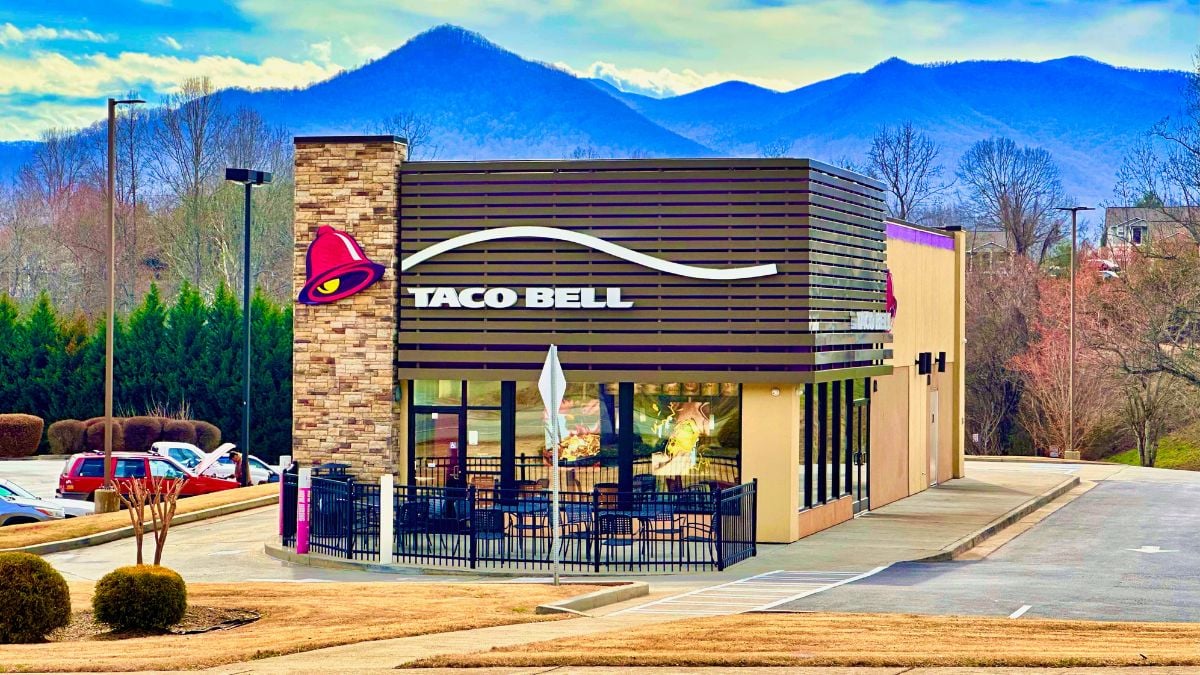
Taco Bell’s Cantina outlets take the fast-casual formula and give it a makeover: alcohol served, sharable appetizers, upscale décor. The playful taco brand is stepping into “premium casual” territory. What started as value tacos is morphing into a lifestyle hang-out. And at that price, it’s less about grazing, more about experience.
Shake Shack’s Premium Burger Blueprint
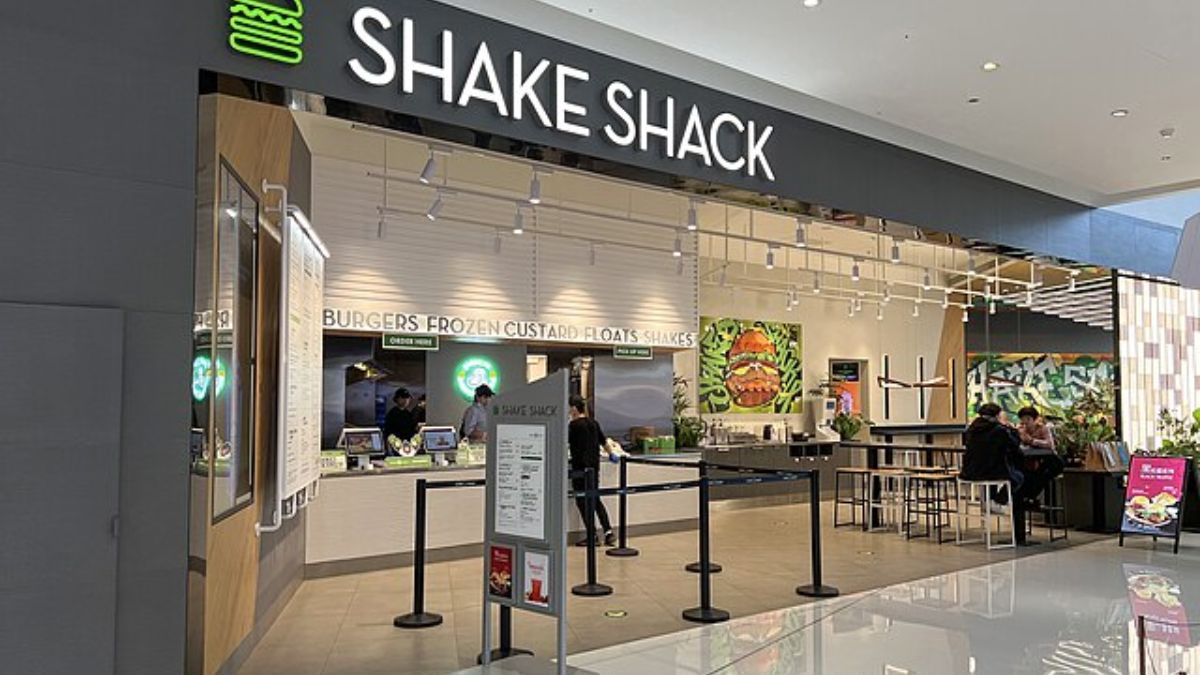
Shake Shack began as a humble burger stand, but now its positioning rivals casual dining. Think craft beer, chef-inspired menu items, stylish furnishings. The price point is up, but so is the perceived “oomph.” It’s fast food—but make it fancy.
Chipotle’s Ingredient Story Costs More
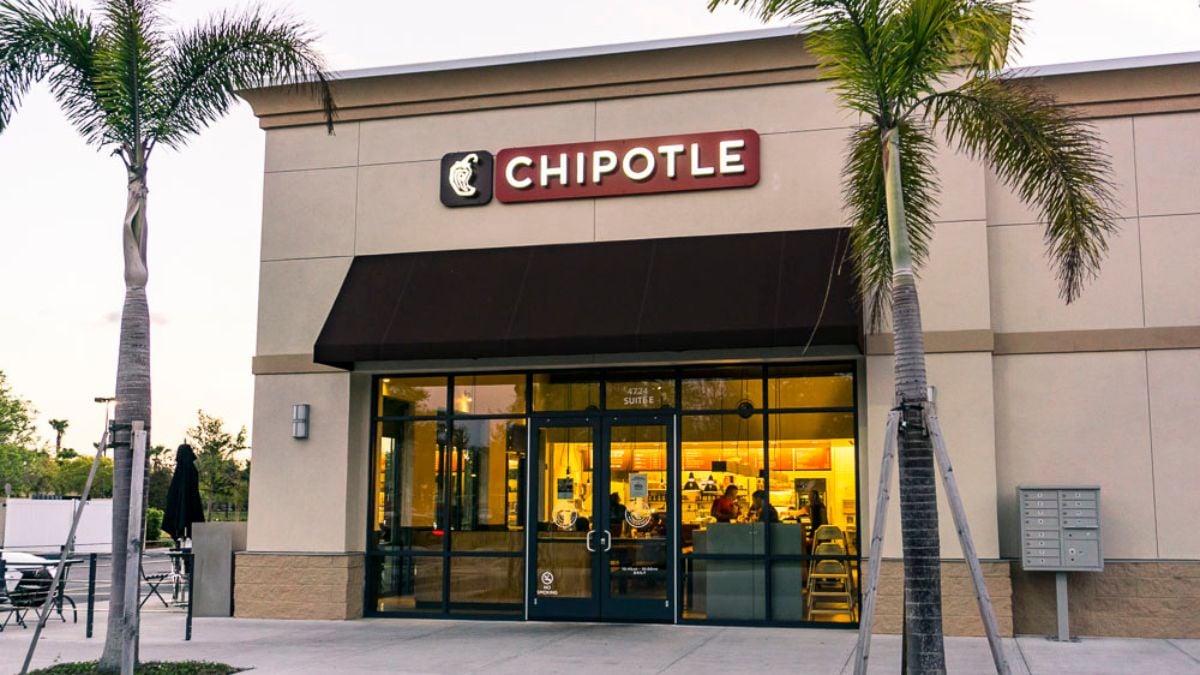
Chipotle Mexican Grill is still technically fast food, but with the way it talks about responsibly-sourced meats and fresh produce, you’d almost call it premium. Higher price tags reflect their quality positioning. It’s a pivot that blurs the line between fast food and full-service casual dining.
Panera’s “Fresh Café” Persona Comes at a Cost
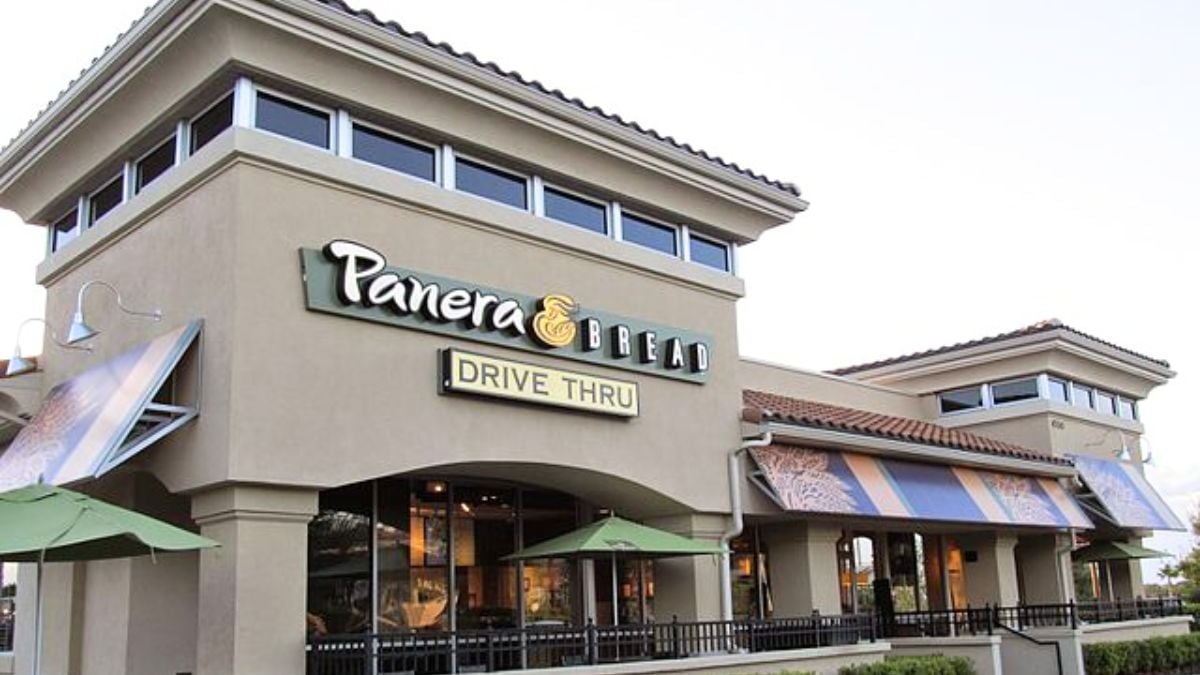
Panera Bread is leaning hard into the “healthy-ish café” category: soups, artisan breads, premium coffee, contemporary décor. It’s more comfortable, more refined — and more expensive than your standard burger-and-fries stop. The brand is embracing the idea that “fresh” and “chic” cost more.
Starbucks Isn’t Just Coffee. It’s a Lifestyle Spend.
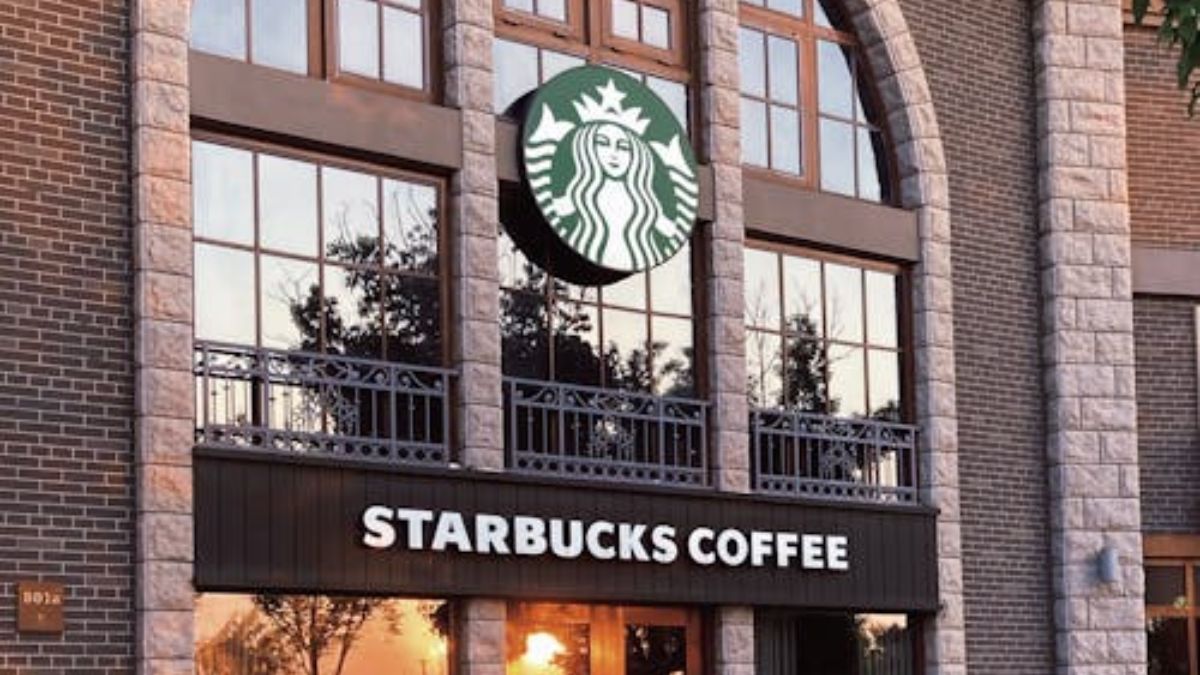
Starbucks started as a coffee shop and now sells a vibe: specialty drinks, premium food items, stylish store design. Many see their daily latte as an affordable treat — but it’s still a splurge compared with traditional fast food. The price has climbed, but so has the experience.
Five Guys: Premium in Every Bun
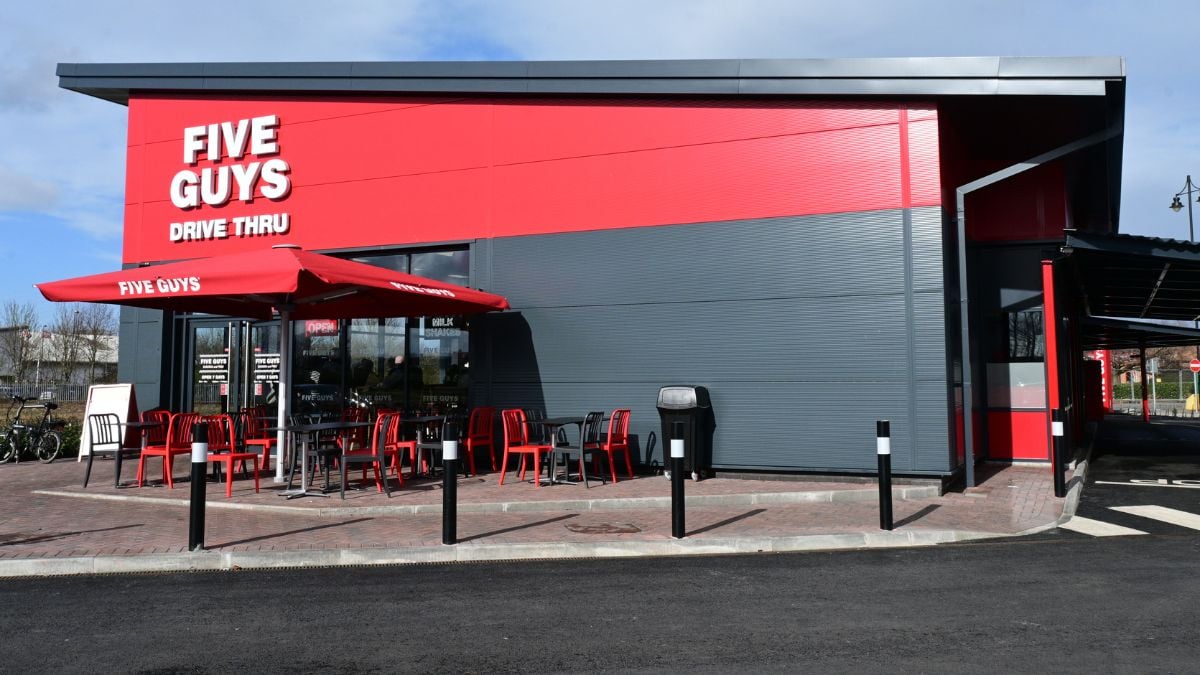
Five Guys charges more than typical burger chains, but backs it up with fresh-made patties, generous portions, high-quality ingredients. It still delivers the “quick” burger fix, but the budget burger lane? Not so much anymore.
Domino’s Repositions Itself Upmarket
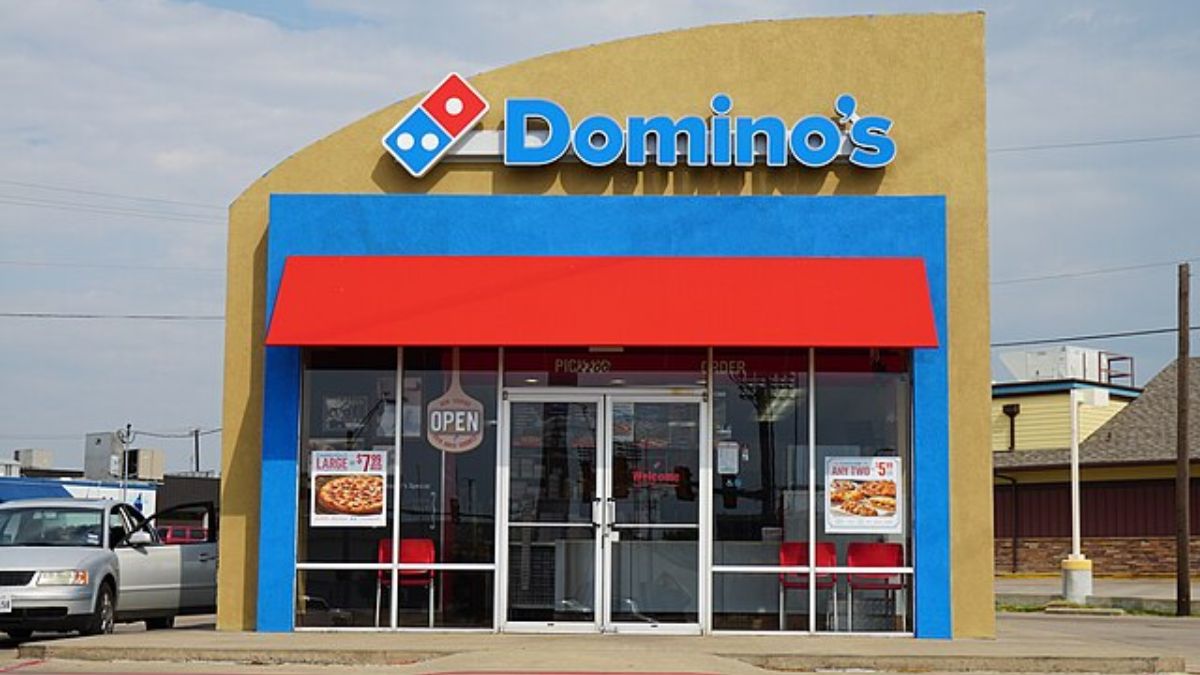
Domino’s Pizza isn’t just about cheap slices and coupons anymore. With revamped recipes, digital ordering innovations, and a sleeker brand identity, it’s shifting into something more polished. The perception: reliable, modern pizza—but you might pay accordingly.
KFC’s Global Flagship Gets Dining Room Upgrades
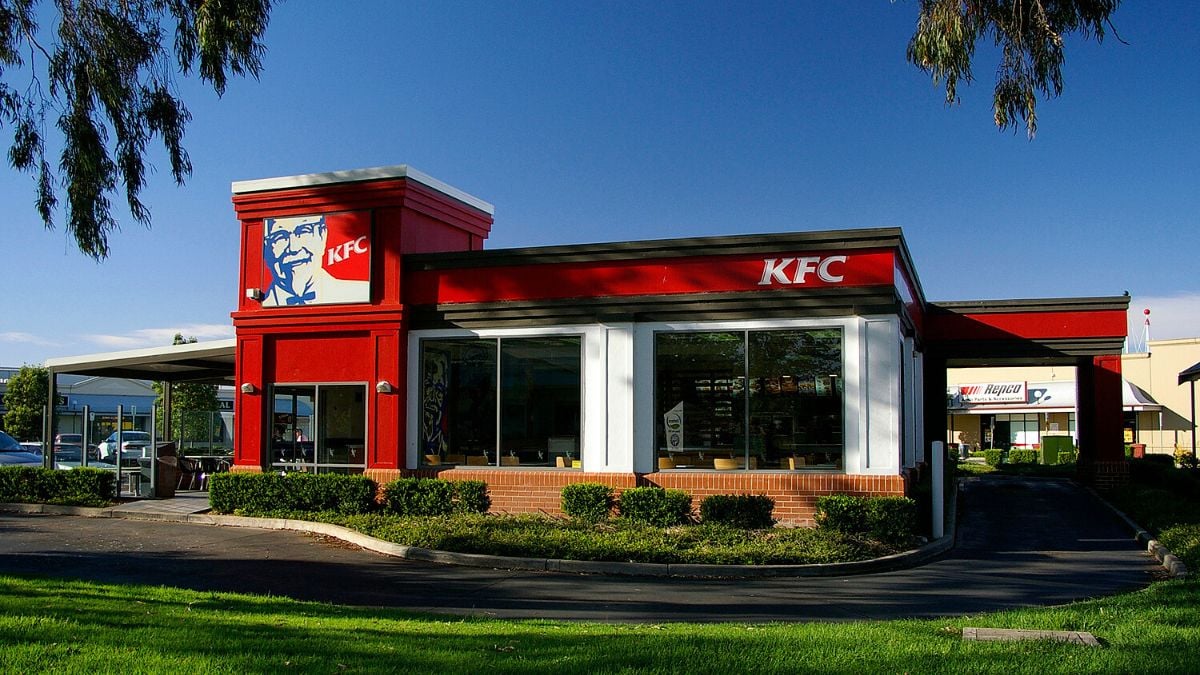
KFC, typically a value-fast-food icon, is taking on a different identity in some international markets. Think premium chicken sandwiches, stylish restaurants, higher prices. The transformation shows how a classic budget brand can morph into something more upscale depending on region.