Many diners assume their restaurant meal was made fresh just minutes before it hit the table—but that isn’t always the case. Plenty of chain restaurants rely heavily on off-site prep, frozen components, and microwave magic to keep costs under control. For customers already stretching their dining-out dollars, that discovery can sting a little. The chains on this list have earned a reputation for leaning hard on heat-and-serve items, sometimes even for dishes you’d expect to be made fresh. Here’s a clear, no-nonsense breakdown of the biggest offenders—and what’s actually happening behind the kitchen doors.
Panera Bread’s Frozen Shift

Panera raised eyebrows when it announced plans to ditch fresh dough production—an unusual move for a bakery-forward brand. Instead of freshly baked loaves, they’re now serving partially baked, then frozen third-party dough that gets reheated on-site. Reports from Daily Meal say nearly everything arrives frozen, from soups to baked goods. Even the eggs no longer come fresh; they show up as liquid whole eggs. For customers expecting an artisanal café vibe, this shift feels more like frozen convenience food with a side of Wi-Fi.
TGI Fridays’ Freezer Reliance
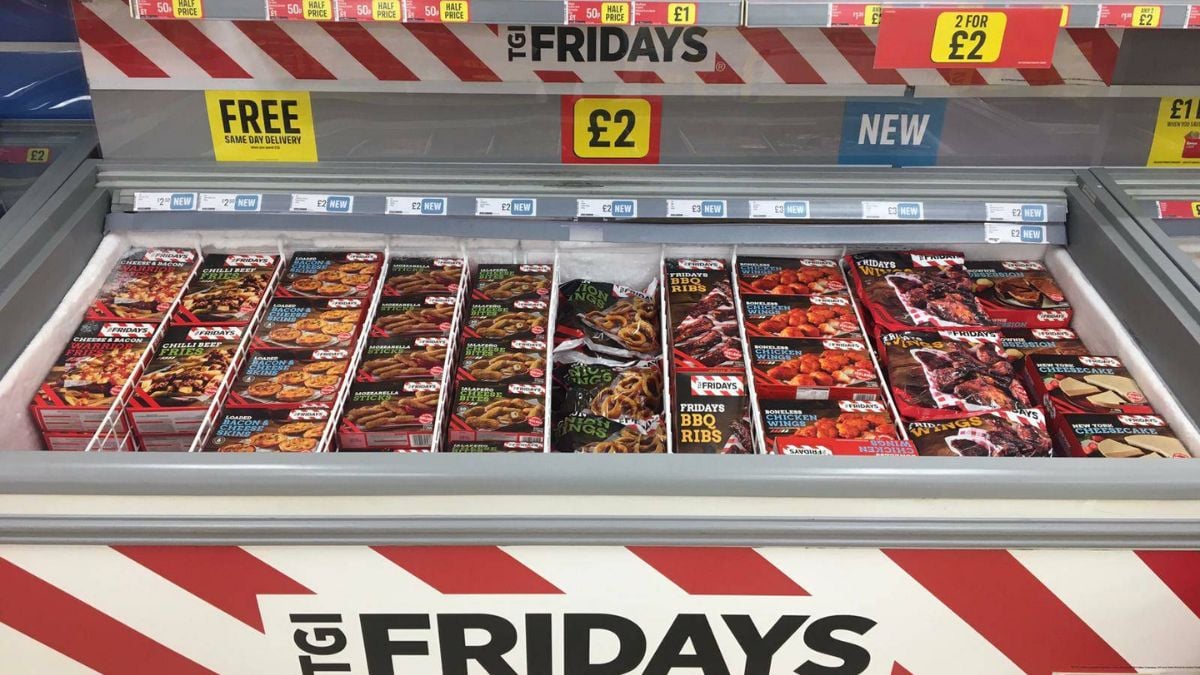
With a grocery store line full of frozen entrees, it’s not shocking that much of TGI Fridays’ in-restaurant menu is frozen too. Many items are prepared off-site and reheated, though burgers, sauces, buns, and certain potato dishes are still made fresh. It creates a mixed bag for diners—fresh burgers, but frozen entrées elsewhere on the menu. For some guests, grabbing the supermarket version may actually deliver the same experience for half the price. Unless you’re craving a dine-in burger, the freezer aisle might be the smarter move.
Outback Steakhouse’s Surprising Shortcuts
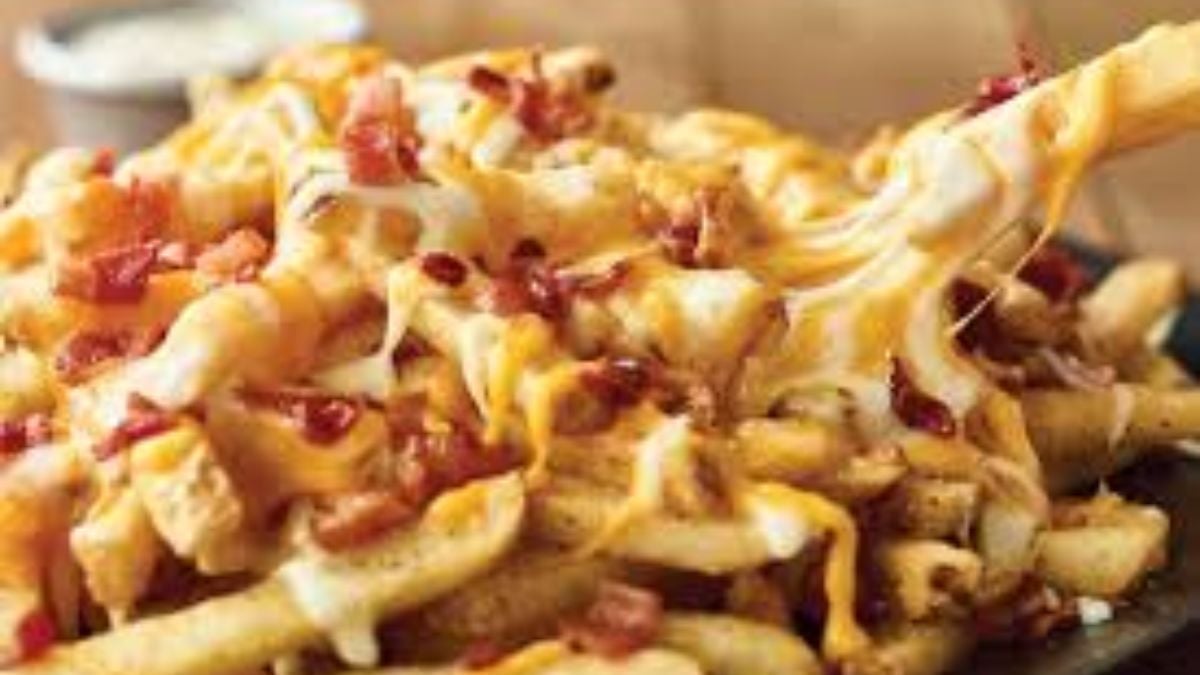
Outback is known for its steaks, and fortunately those are still cooked fresh to order. But many other menu staples don’t share that same treatment. Items like fries, fish, desserts, sauces, and dressings reportedly arrive frozen and are reheated. Former employees have even claimed the lobster is microwaved unless customers specifically request grilling. Even the beloved French onion soup is said to come from a concentrate, not a fresh batch simmering in the kitchen.
Starbucks’ Fully Pre-Packaged Menu
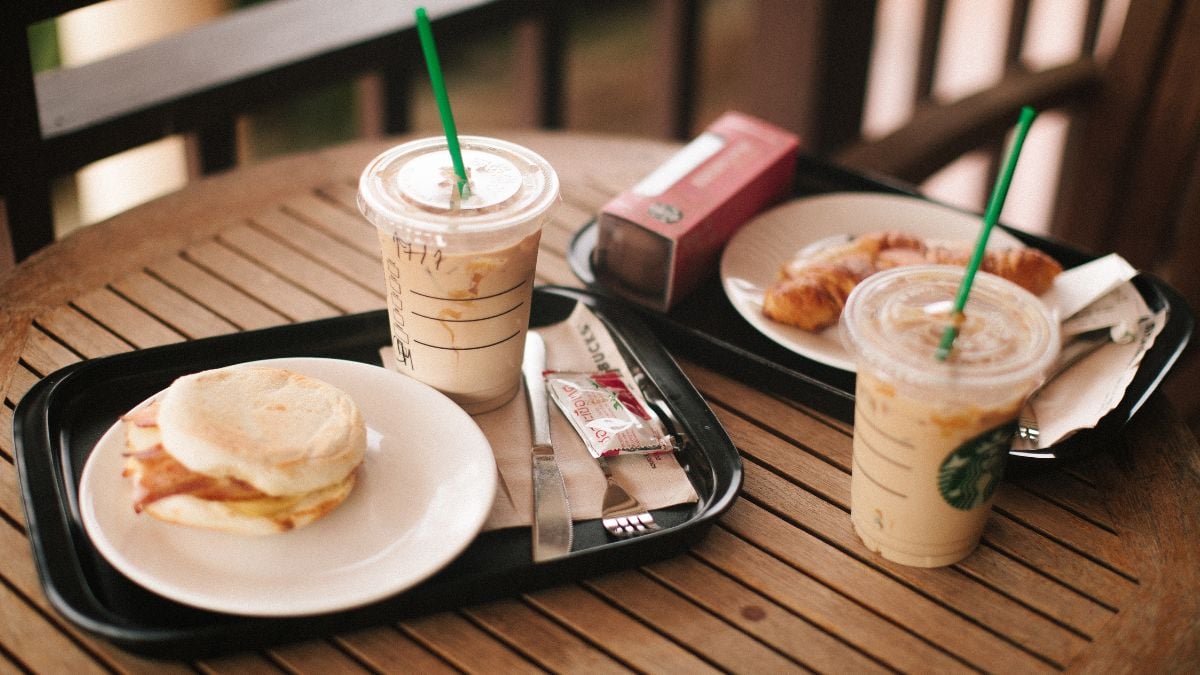
Starbucks cafés might feel cozy, but their kitchens are barely big enough for anything beyond reheating. Every food item—from sandwiches to pastries—arrives pre-packaged and frozen. Baristas simply heat it up before handing it over with your latte. Since nothing is made fresh in-store, customers looking to save money could recreate much of the menu with frozen grocery items. The coffee may be premium, but the food is pure heat-and-serve.
Applebee’s Microwaved Reputation
A former Applebee’s employee sparked discussions by claiming that most of the chain’s dishes are pre-packaged and microwaved. According to their account, only a handful of items—fried chicken, wings, mozzarella sticks, steaks, grilled chicken, and burgers—avoid the microwave. Everything else reportedly starts frozen and gets reheated on demand. That’s a tough pill to swallow for diners paying restaurant prices for what might feel like a warmed-up meal.
Chili’s Thawed-and-Served Favorites
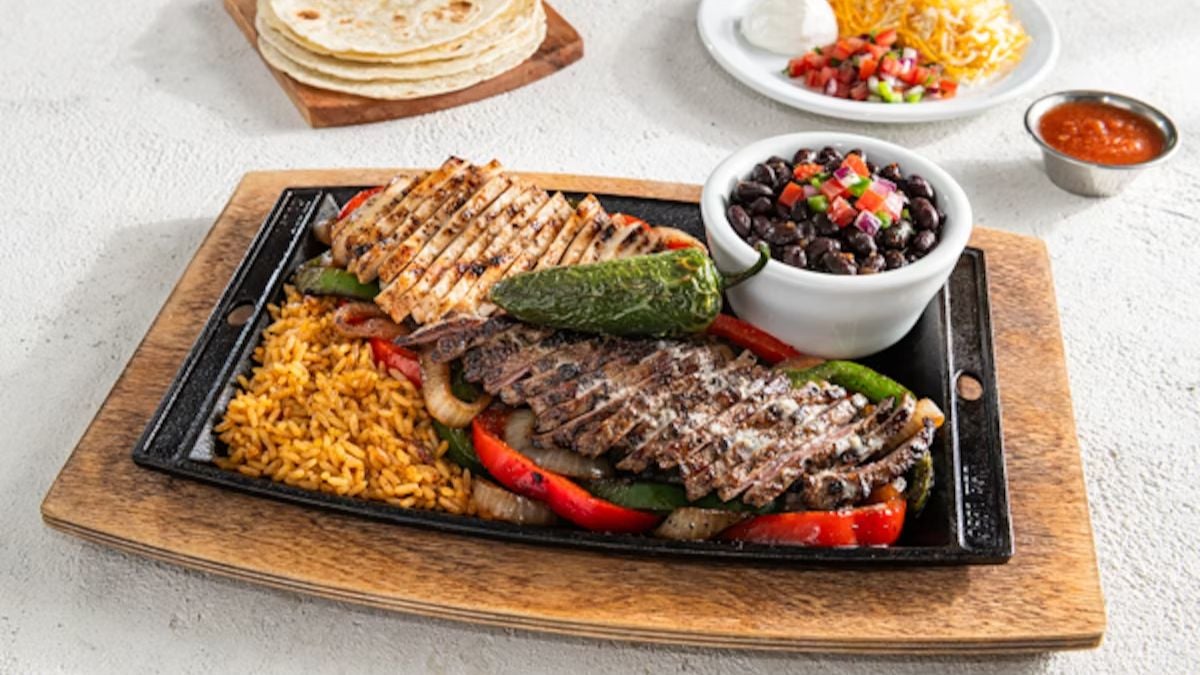
Chili’s has enjoyed a Gen Z resurgence, but much of its menu still leans heavily on frozen prep. Chicken wings, fries, and soups typically arrive frozen, with soups packaged in bags that simply need thawing. The claim originally came from a Reddit AMA years ago, and although the chain has seen a cultural revival, the kitchen model hasn’t dramatically changed. Still, the brand’s popularity shows many customers don’t mind—especially if the flavors hit the spot.
Red Lobster’s Freezer-Friendly Seafood
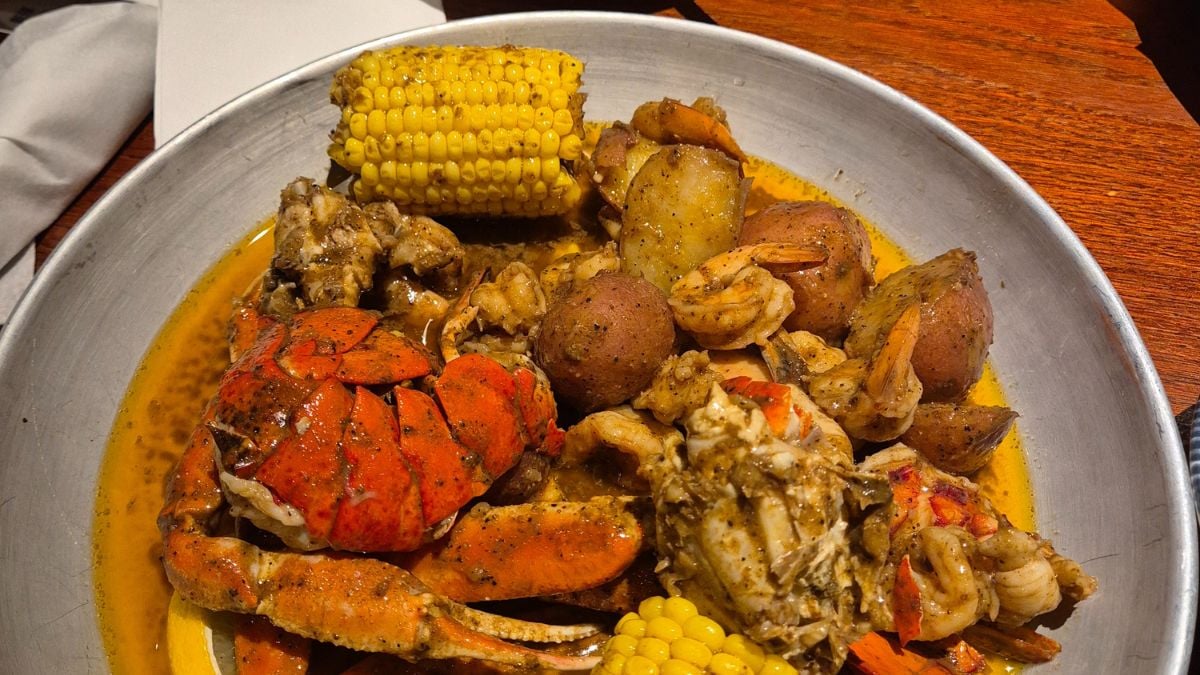
Red Lobster has battled financial struggles, and many customers criticize the chain for using frozen seafood. To be fair, freezing is the only realistic option for certain regions, especially far from coastal areas. According to the chain’s own FAQ, they use fresh-from-the-water seafood when possible but rely on boat-frozen or dock-frozen catches at other times. Lobsters, however, are kept live in tanks until cooked. For Cheddar Bay biscuit lovers, the frozen at-home version delivers nearly the same experience.
Olive Garden’s Ongoing Freshness Debate
Olive Garden has long faced online debate over how much of its menu is frozen versus freshly made. A viral Reddit claim suggested nearly everything was frozen, but others have countered with more nuanced insight. According to one self-identified employee, proteins arrive frozen and thawed, but sauces and soups are made from scratch in-house. Breadsticks arrive par-baked before being finished daily. Desserts and fried items remain frozen, leaving diners divided on what truly qualifies as “fresh.”