Before drive-thrus and protein bars took over, breakfast was slow, warm, and deeply comforting. Grandmothers across America relied on simple ingredients, regional traditions, and practical cooking methods to start the day. Many of these meals faded as convenience foods became the norm. Now, they read like time capsules from another era of home cooking. Here are forgotten breakfasts that once ruled the morning table—and might surprise today’s eaters.
Grits Got Sweetened with Molasses
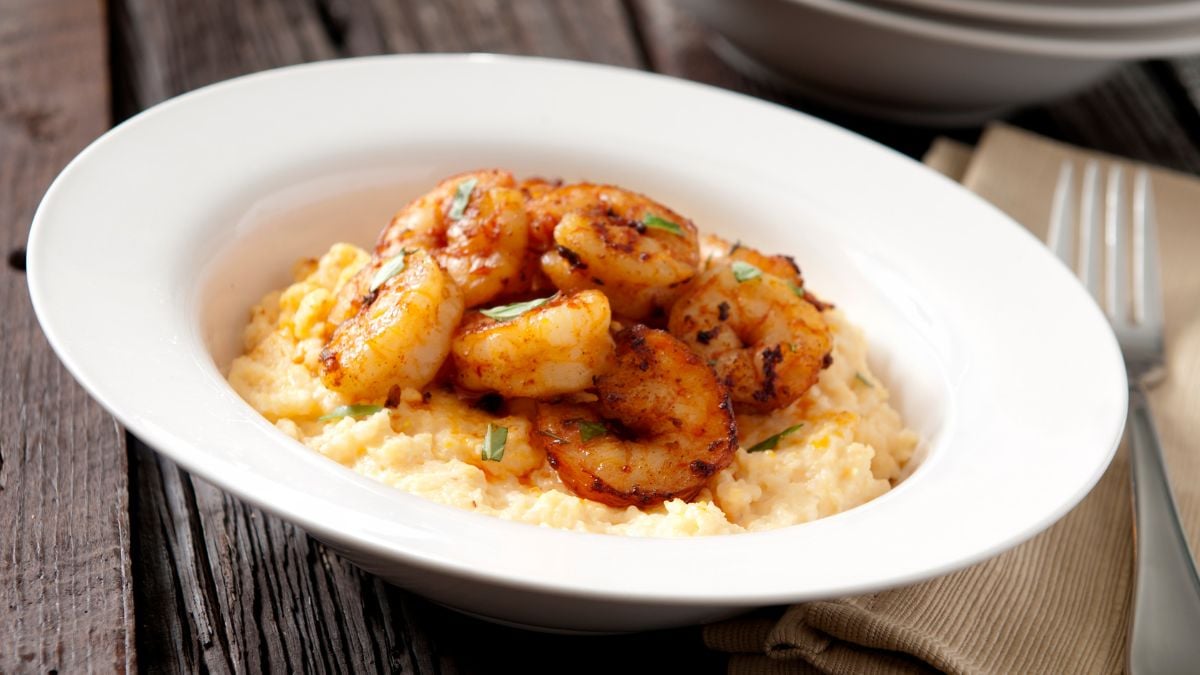
Grits were a Southern staple cooked low and slow. Butter added richness while molasses brought gentle sweetness. This combination kept the grain simple but satisfying. Grandmothers relied on pantry staples to build flavor. It was warm in a bowl before long workdays.
Cornmeal Mush Was Morning Fuel

Cornmeal mush was especially common in rural Midwestern homes. Cornmeal simmered slowly into a thick, smooth base that could be spooned or sliced. Warm milk or a touch of sweetness made it comforting and filling. It delivered steady energy before boxed cereal existed. This dish reflected patience and practicality in early kitchens.
Oatmeal with Stewed Prunes
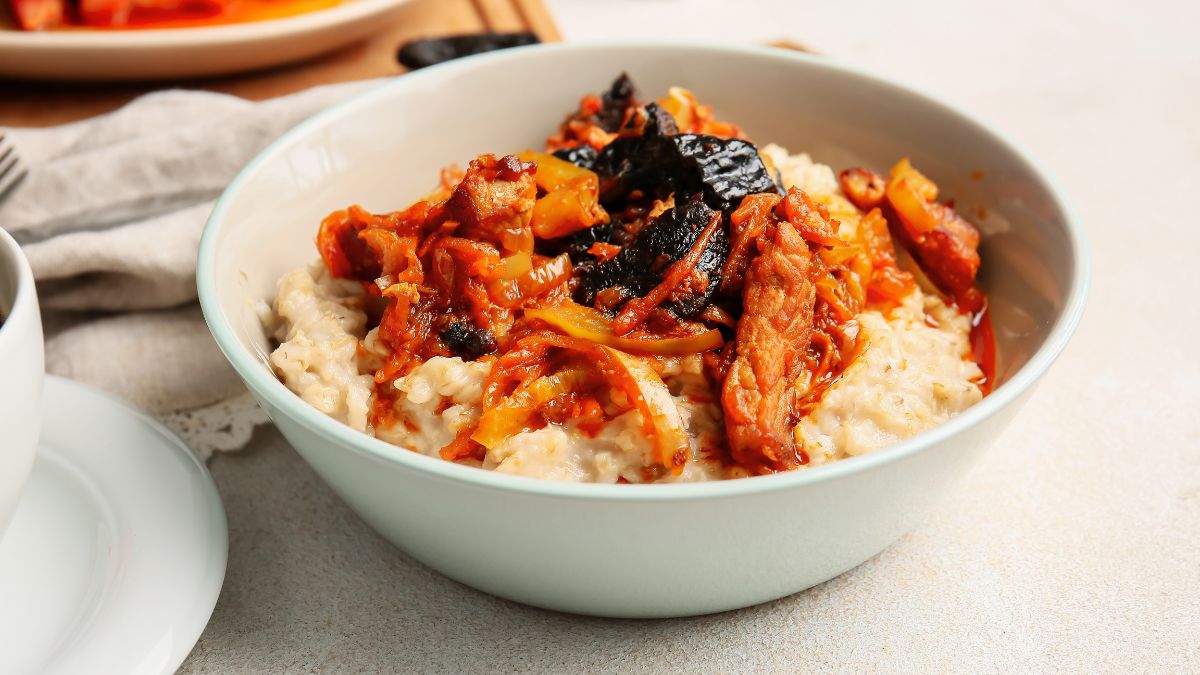
Stewed prunes added natural sweetness. Practical, comforting, and used ingredients that stored well through winter.
Fried Apples Were a Morning Treat
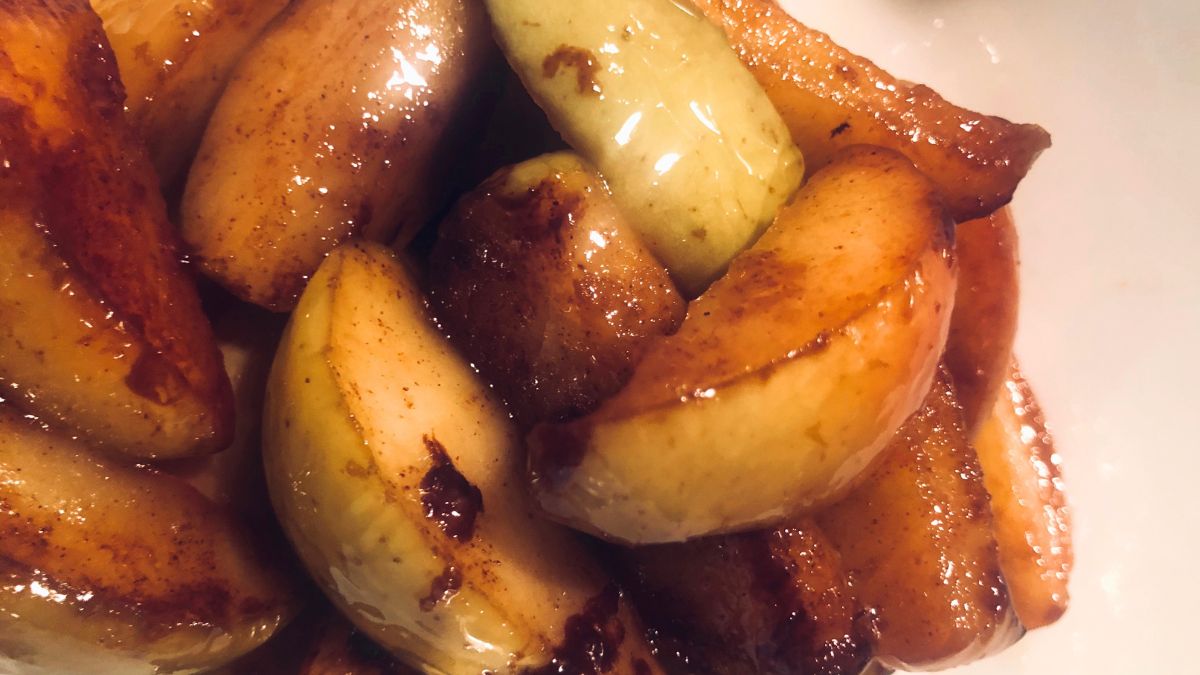
Fried apples were common in Appalachian and mountain kitchens. Thin slices cooked in butter softened and became fragrant. A little sugar brought out their natural sweetness. Paired with toast, it made a simple but satisfying breakfast. Seasonal fruit drove many old-style meals like this one.
Buckwheat Pancakes Ruled Cold Mornings
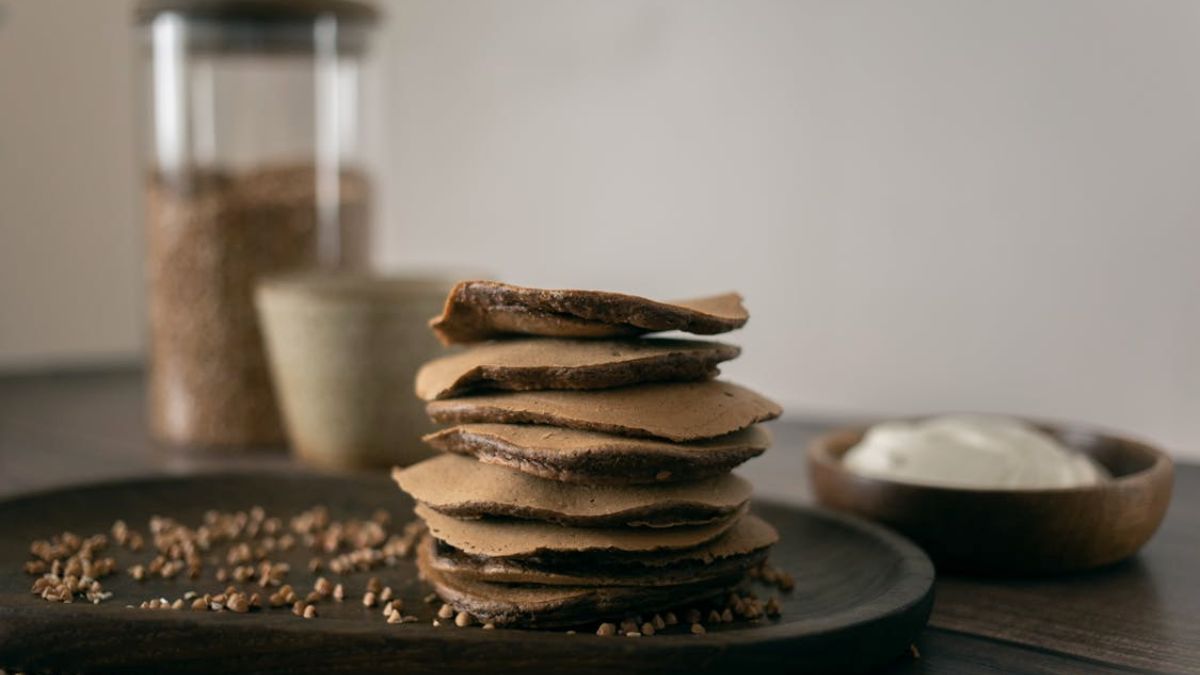
Buckwheat flour gave pancakes a nutty, earthy flavor. These were especially popular in the Northeast and Appalachia. The batter held up well to butter and homemade syrups. They were filling and suited colder seasons. This was a regional twist on a familiar favorite.
Breakfast Bread Pudding Used Leftovers Well
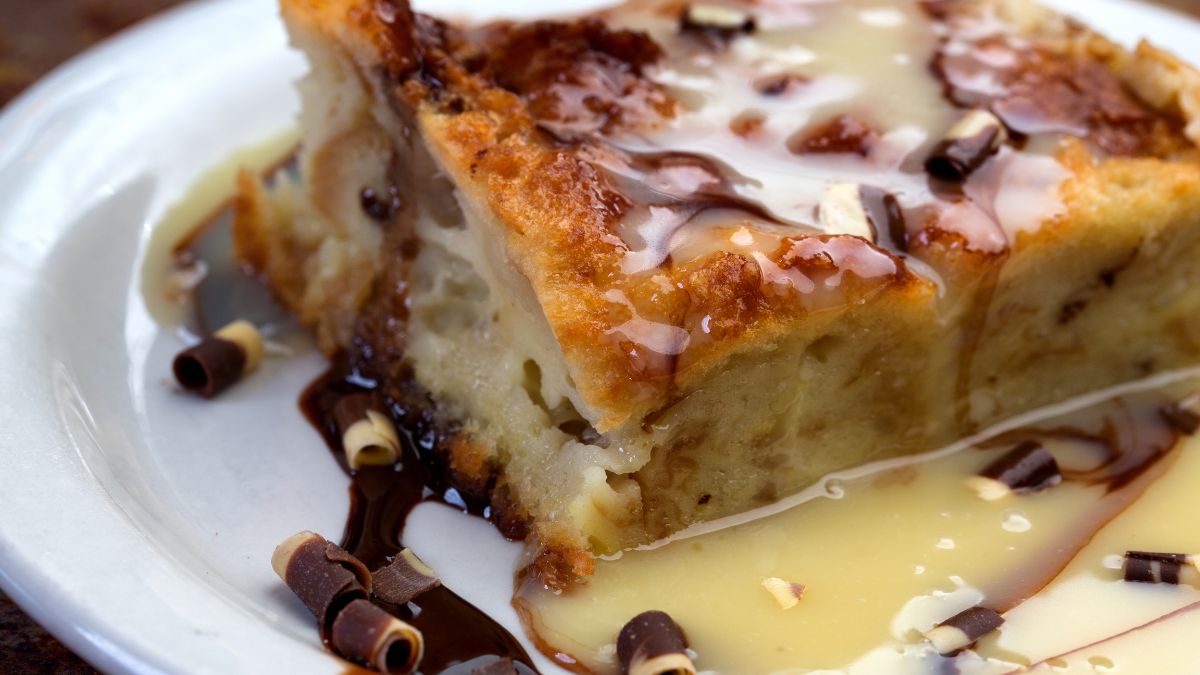
Leftover bread became morning pudding with eggs and milk. Baking turned it custardy inside with a browned top. Spices added warmth without extra cost. Families valued its practicality. The aroma alone made mornings feel special.
Scrambled Eggs Met Fried Bologna
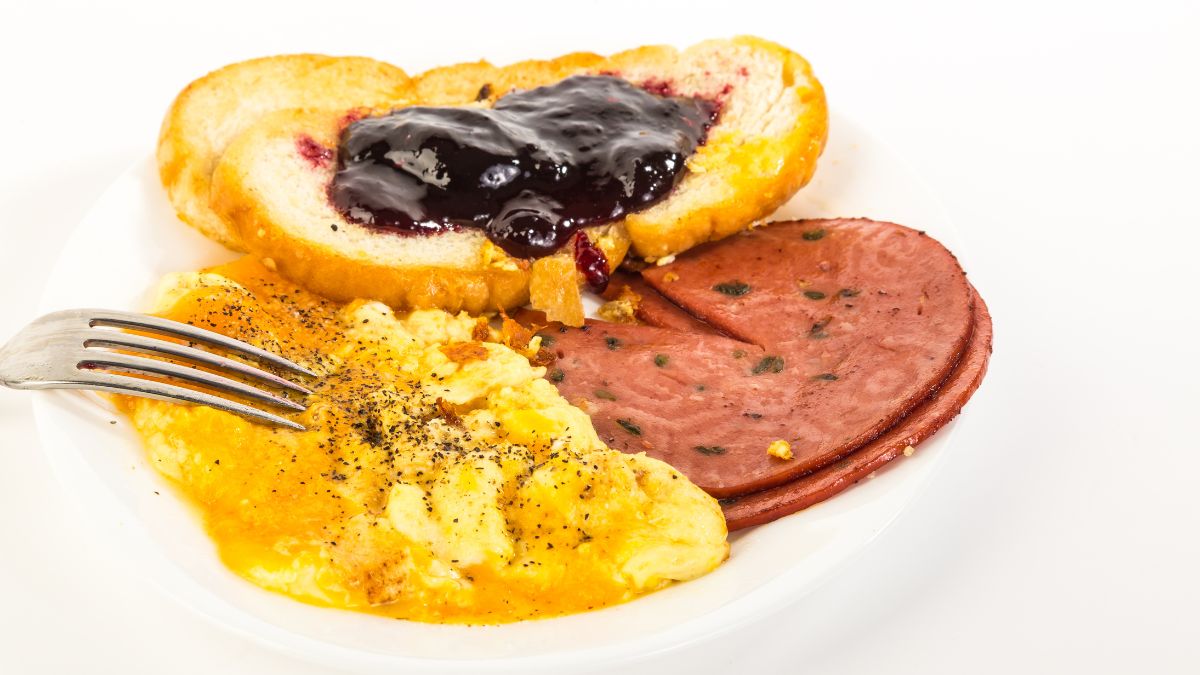
Fried bologna was an economical breakfast meat. The slices curled as they crisped in the pan. Paired with scrambled eggs, it filled plates quickly. This combo appeared often before deli meats expanded. It was simple, salty, and familiar.
Sausage Gravy Covered Fried Potatoes
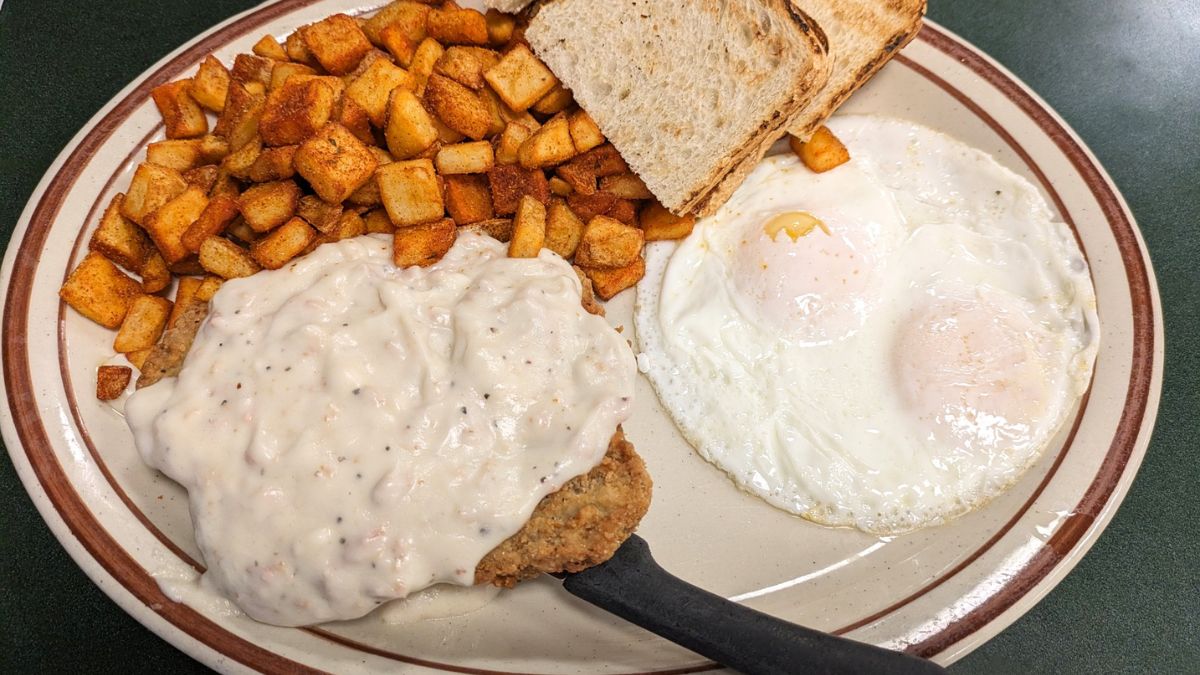
Leftover potatoes were often fried until crisp. Sausage gravy poured over the top turned them into a full breakfast. The gravy was light but peppery and rich. This dish stretched leftovers into something hearty. It reflected frugal but filling cooking habits.
Tomato Gravy Made Biscuits Shine

Tomato gravy turned garden tomatoes or canned staples into a warm breakfast sauce. Flour and pan drippings helped thicken it into a silky gravy. Ladled over fluffy biscuits, it felt hearty without being expensive. The tangy flavor stood out from modern breakfast choices. It was comfort food born from necessity.
Country Ham Came with Red-Eye Gravy
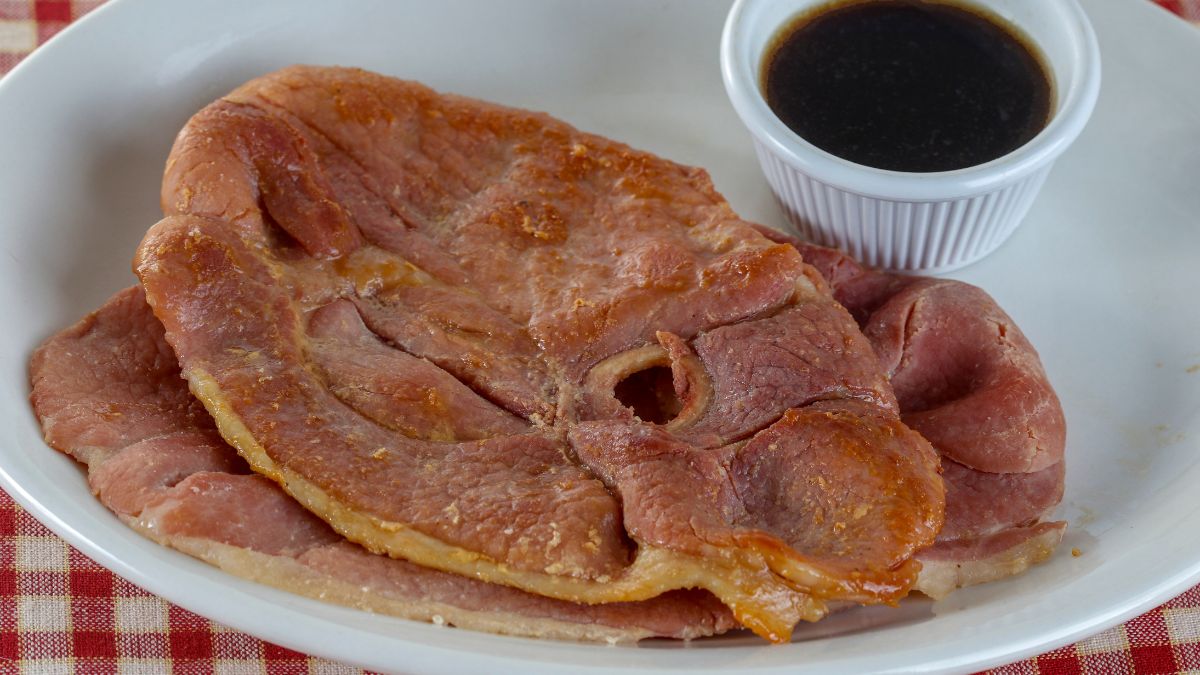
Country ham was seared until salty and crisp. The drippings were deglazed with brewed coffee to make red-eye gravy. The sauce stayed thin but packed flavor. Served with biscuits or grits, it fueled long Southern workdays. It was bold and unmistakable.
Creamed Chipped Beef Filled Plates Cheaply
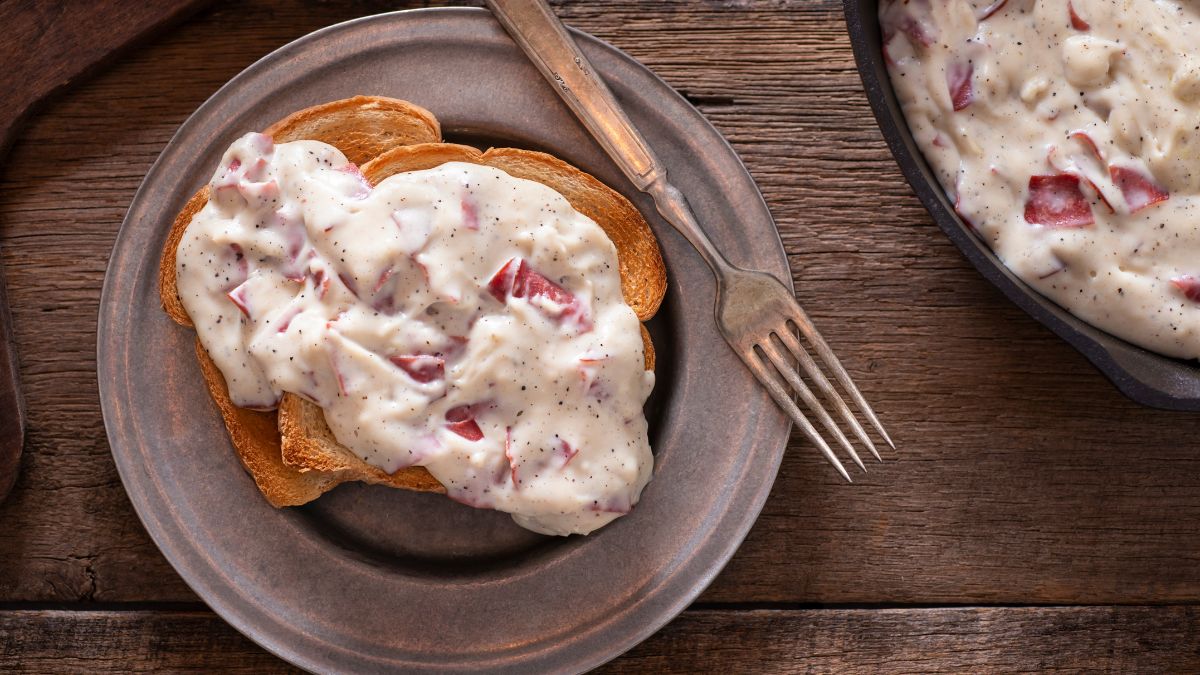
Creamed chipped beef relied on preserved dried beef. Simmered in thick white gravy, it became deeply savory. Served over toast, it used day-old bread efficiently. Grandmothers leaned on preserved foods during tight times. The meal stuck with families for hours.
Rice Porridge Stayed Simple and Gentle

Rice porridge appeared in many immigrant households. Rice cooked slowly with milk or water until soft. A sprinkle of cinnamon finished it lightly. The flavor stayed mild and comforting. It stretched ingredients while feeding entire families.
Hot Water Cornbread Came Together Fast
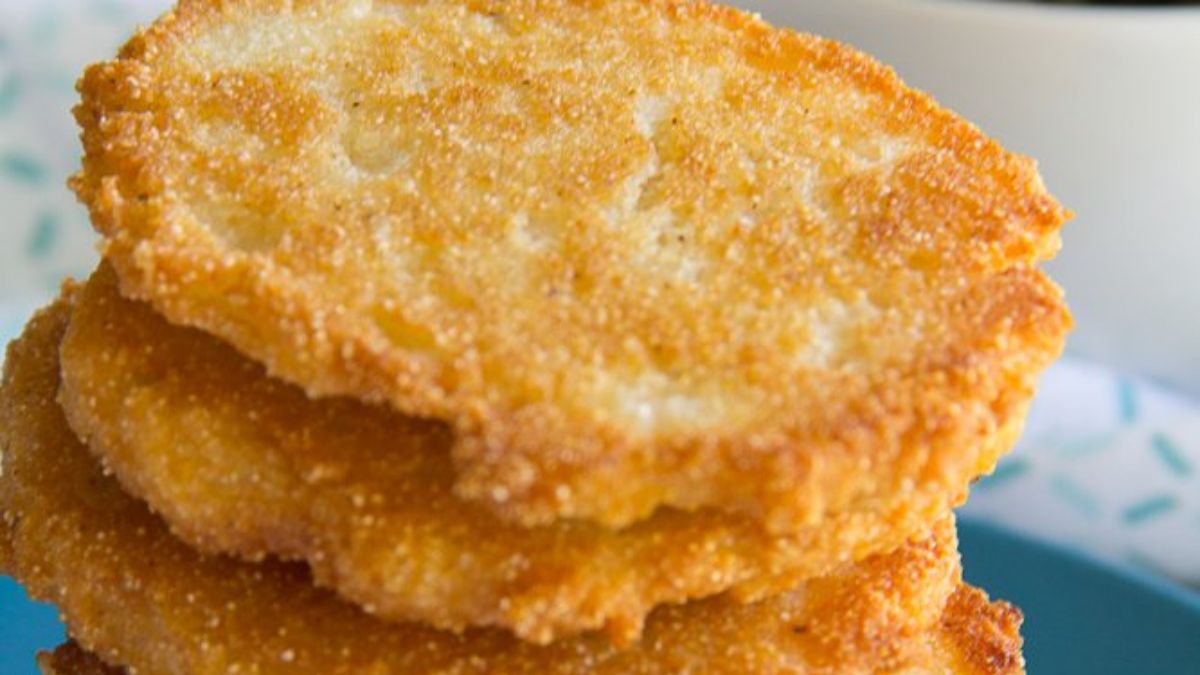
Hot water cornbread used boiling water stirred directly into cornmeal. The mixture was shaped into patties and fried until crisp outside and tender inside. Families liked how quickly it cooked. Often paired with coffee or fruit, it fit busy mornings. It showed how little was needed to make breakfast.
Salt Pork Paired with Johnnycakes
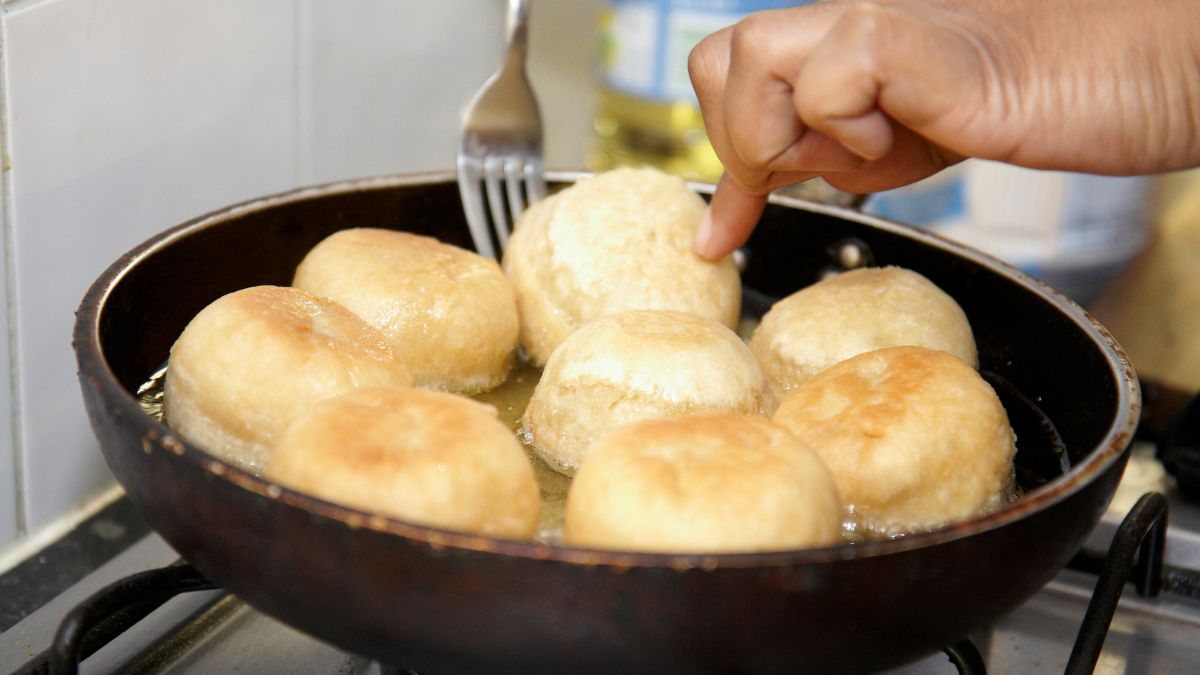
In coastal New England, salt pork was common breakfast fare. Fried until crisp, it paired with thin cornmeal Johnnycakes. The pork added savory crunch while the cakes stayed mildly sweet. Preserved meats and grains drove this pairing. It reflected early morning coastal cooking.
Apple Fritters Felt Like a Special Morning

Apple fritters were made when apples were plentiful. Chopped fruit folded into batter created sweet pockets inside. Frying gave them crisp edges and soft centers. A light glaze finished them without excess sweetness. Even ordinary mornings felt celebratory with these.
Hot Buttered Cheerios Warmed Cold Mornings

Hot buttered Cheerios were as simple as they sound. Plain cereal warmed with butter and sometimes sugar created a cozy bowl. It worked when options were limited. Grandmothers favored warmth over crunch. This humble dish ended many chilly mornings.
Why These Forgotten Breakfasts Still Matter

These breakfasts weren’t flashy, but they were dependable and deeply rooted in family life. Each dish tells a story of frugality, regional flavors, and thoughtful cooking. Many relied on leftovers, preserved foods, or seasonal ingredients. While modern mornings look very different, the comfort remains timeless. Which of these breakfasts sounds familiar—or surprisingly tempting? Let us know what you remember, or if there’s one we missed.