The penny’s days are numbered—and fast-food chains are moving faster than you think. Across the U.S., restaurants like McDonald’s, Wendy’s, and Auntie Anne’s are quietly rounding cash payments as the one-cent coin fades away. For some customers, it means paying a few cents more (or less). For others, it’s a glimpse at a cashless future taking shape right at the drive-thru window. Here’s how the humble penny’s disappearance is changing your fast-food bill in ways you might not even realize.
The Penny’s Long Goodbye
After decades of debate about its usefulness, the U.S. penny is finally on its way out. The government has been gradually phasing out one-cent coin production, citing cost and inefficiency. It costs nearly two cents to make just one penny—an irony not lost on taxpayers. With fewer coins in circulation, everyday transactions are starting to feel the change.
McDonald’s Rounds to the Nearest Nickel

At McDonald’s, some locations have already started rounding bills up or down to the nearest five cents. The move is most noticeable when paying with cash, especially in areas where pennies have become scarce. The company says it’s not a money grab—it’s simply a response to supply shortages. Whether your total goes up or down depends on pure luck (and math).
Wendy’s Takes the Customer-Friendly Route

Wendy’s approach feels a little sweeter. Until official guidance arrives, the chain is recommending that franchisees round down on cash purchases. That means customers might save a few cents on their Frosty runs. But since franchise owners set their own pricing, not every Wendy’s may play by the same rounding rule.
Go To Foods Says, “Round in the Guest’s Favor”
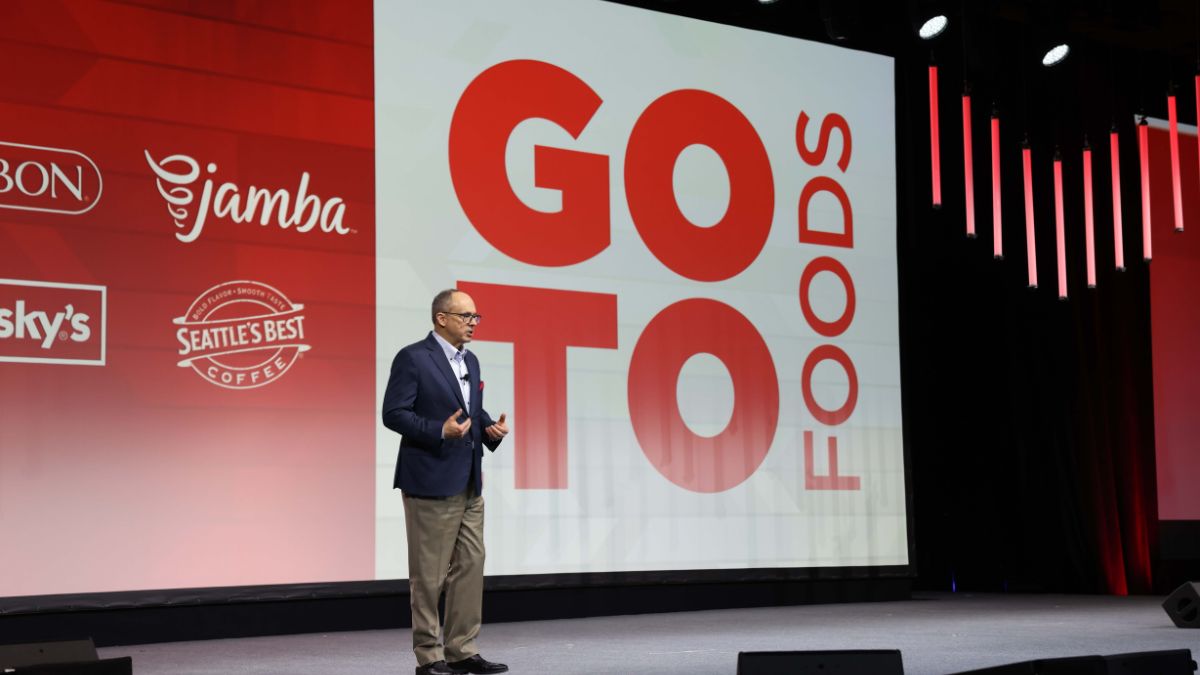
Go To Foods—the company behind Auntie Anne’s, Cinnabon, and Jamba—has stepped in with a similar policy. When pennies aren’t available, they tell stores to round totals in the guest’s favor. The goal? Keep customers happy while keeping transactions smooth. It’s a small gesture, but one that reinforces trust amid change.
Cash Customers Feel It First

If you’re paying with a card or mobile app, you won’t notice anything different. The rounding only applies to cash transactions, where exact change is harder to handle. For many fast-food fans, that’s another nudge toward going cashless—something companies have quietly been encouraging for years.
How Franchisees Handle It Differently

Because most fast-food chains operate as franchises, rounding policies can vary from place to place. Some owners round up; others round down. Corporations may suggest a standard, but franchisees ultimately call the shots. That means your total could differ depending on which city—or even which street—you order your fries on.
A Nickel-Based Future
With the penny vanishing, the nickel is now the smallest coin in practical use. That means most prices will soon round to the nearest five cents. Economists predict this will simplify transactions over time, though nostalgia for the penny may linger. After all, it’s been in our pockets since Abraham Lincoln’s day.
Fast Food’s Move Toward a Cashless World
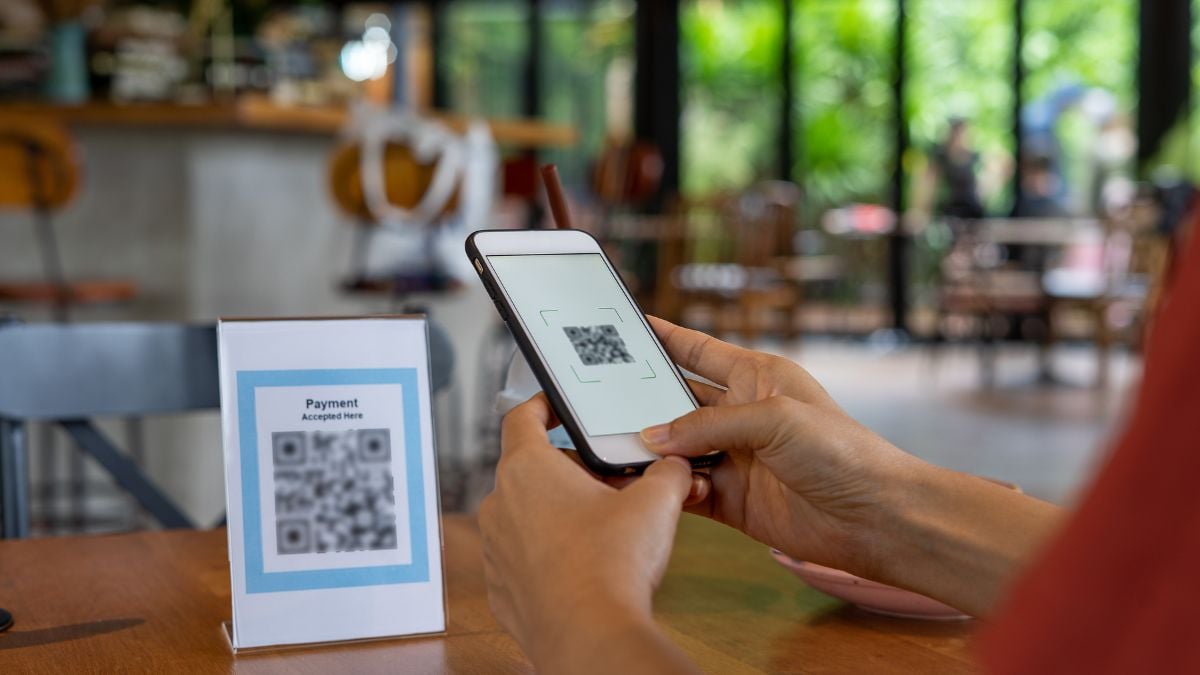
Even before the penny problem, the industry was shifting toward digital payments. Self-ordering kiosks, mobile apps, and card-only lanes have made coins feel like relics. The rounding change may just speed up that transition, as customers realize how seamless digital payments can be. Pennies may seem trivial, but their disappearance marks a quiet shift in everyday spending. It’s a reminder that even tiny details—like pocket change—reflect bigger economic forces. From inflation to tech adoption, those missing copper coins tell a larger story about how we buy, pay, and live.