Fast food isn’t always a guaranteed hit. Some items soar to iconic status, while others crash spectacularly. From burgers that confused basic math to “healthy” desserts that nobody wanted, these menu misfires have become infamous. Chains tried innovation, nostalgia, or health trends—but sometimes it just didn’t land. Here’s a look at the most notorious fast-food flops that taught brands a lesson in humility.
A&W’s 1/3-Pound Burger: Math Fails Big
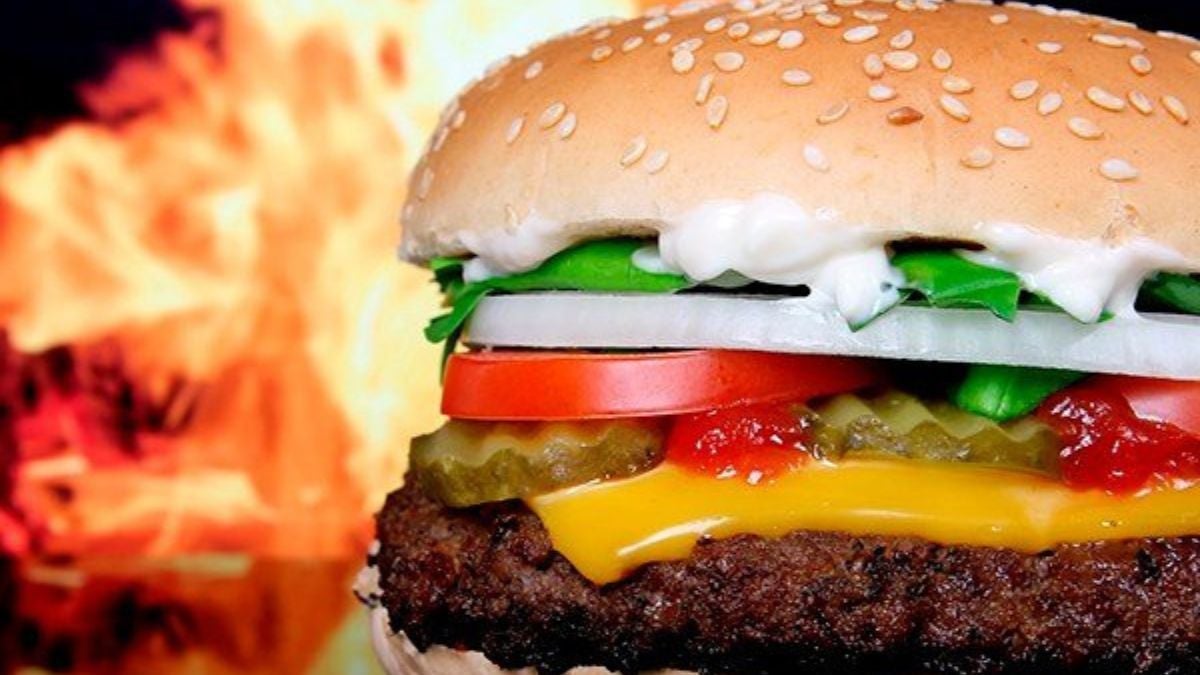
A&W tried to compete with McDonald’s Quarter Pounder in the 1980s with a 1/3-pound burger. Their “third is the word” campaign backfired because customers thought 1/4 pound looked bigger than 1/3. The burger failed to sell, proving that even fast-food math can be tricky. The flop became a cautionary tale for marketers and chefs alike.
McDonald’s Mighty Wings: Spicy Surprise
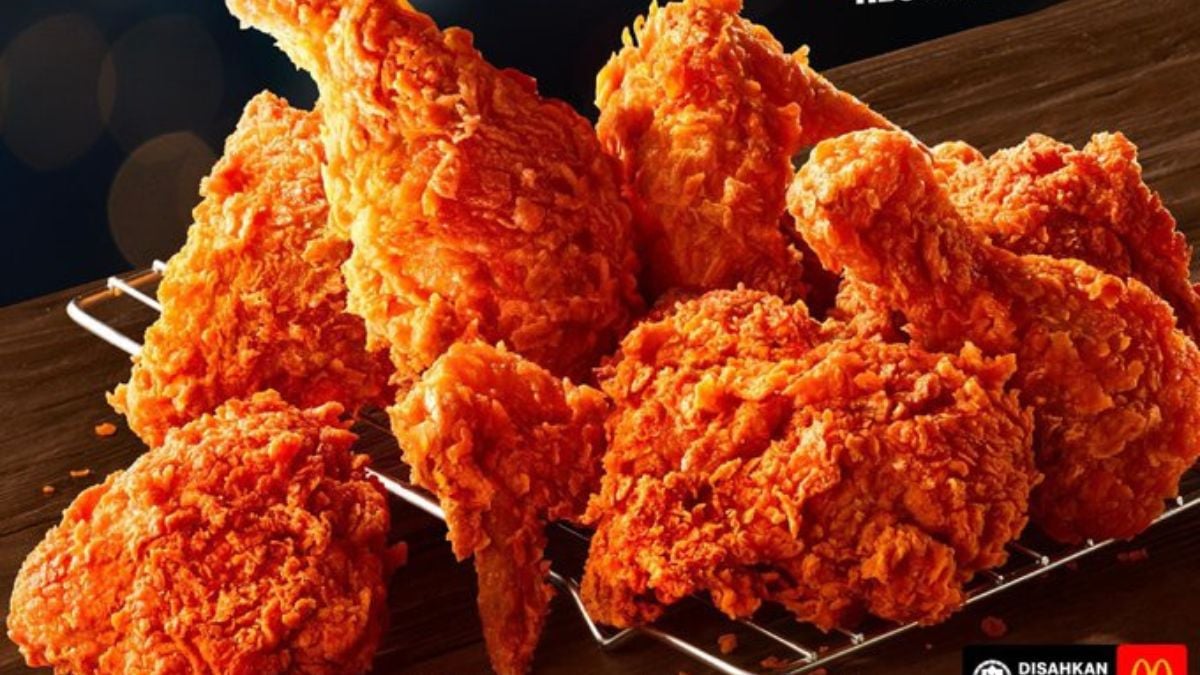
Launched in 2013, Mighty Wings left McDonald’s with a 10 million-pound surplus of unsold wings. Some diners found them too spicy, others found the $1 price steep. Only a few markets, like Atlanta, embraced them later on. The wings returned briefly in 2016 but never became a nationwide staple.
Chipotle Queso: Too Clean to Please
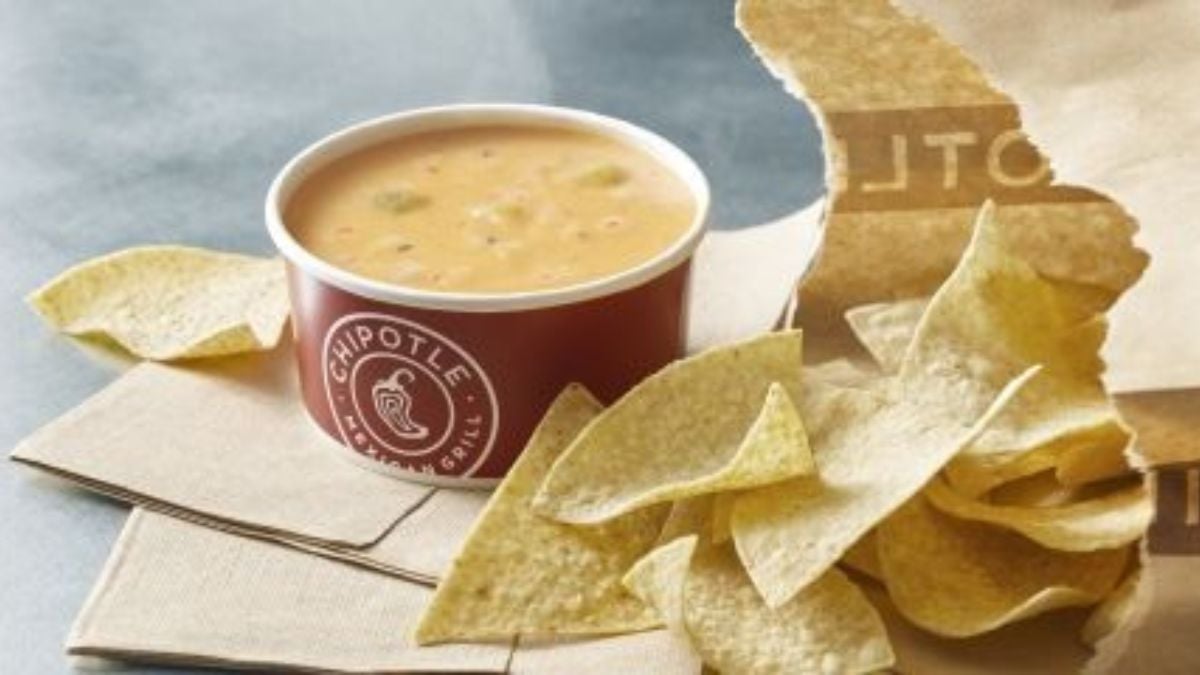
Chipotle’s much-anticipated queso debuted to universal disappointment. Staying true to the chain’s no-artificial-ingredients pledge made the texture and taste underwhelming for many. A revised Blanco Queso launched in 2020, slightly improving opinions. Even with loyal fans, the lesson was clear: innovation can backfire when expectations are high.
Burger King Halloween Whopper: Ghoulish Side Effects
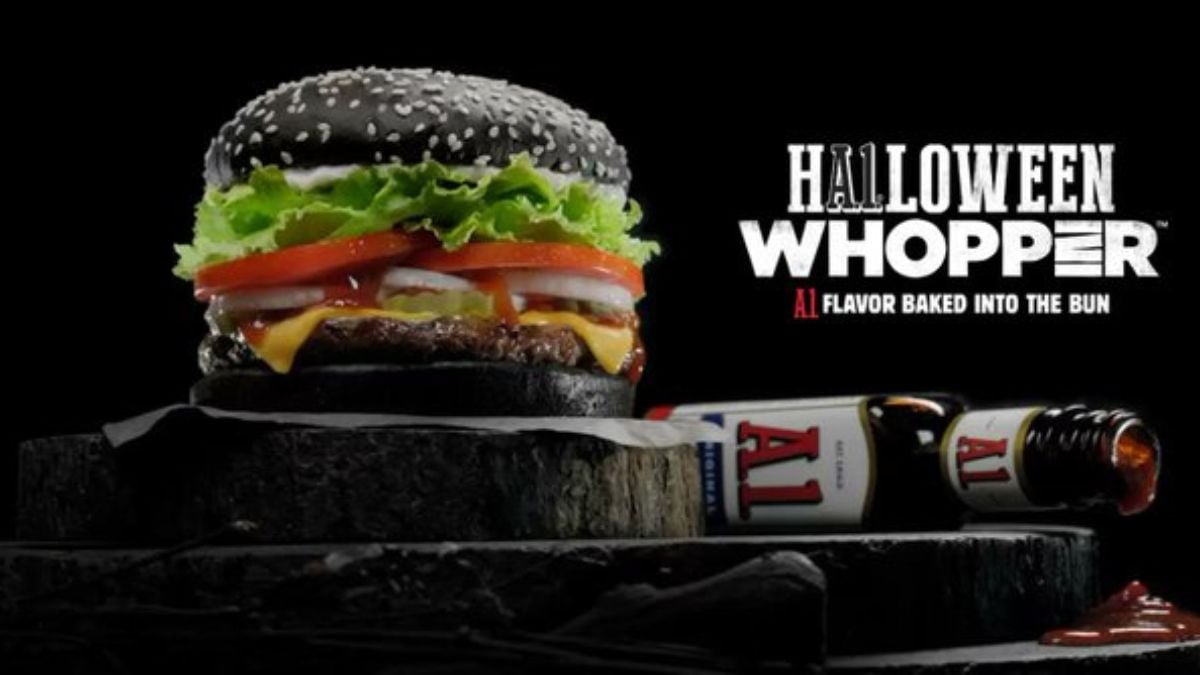
The 2015 Halloween Whopper featured black buns colored with A1 steak sauce. Instead of delight, diners reported green-hued bowel movements. This didn’t stop Burger King from experimenting with other spooky menu items, including ghost pepper nuggets and colored buns. Some flops are so memorable, they become legends.
McDonald’s McWrap: Millennial Misfire
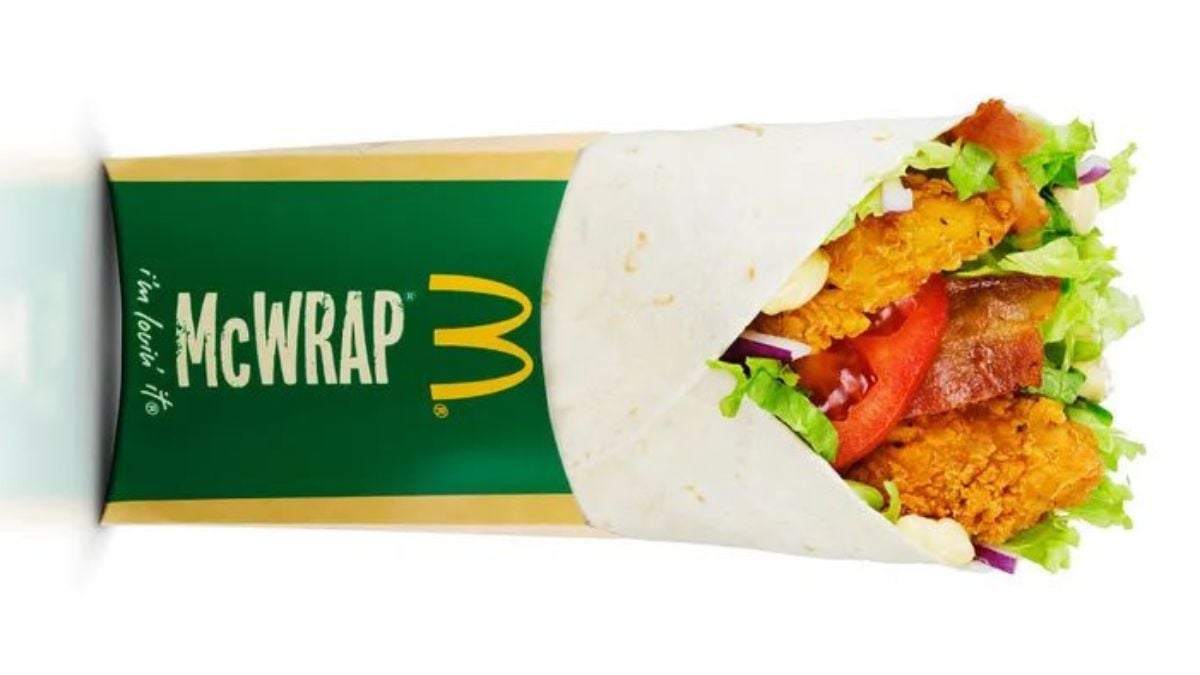
Introduced in 2013, the McWrap aimed at health-conscious millennials fell short. They took 60 seconds to assemble versus just 10 for a burger, frustrating both staff and customers. Poor sales led to a short life on the menu, proving convenience often trumps health trends in fast food.
Long John Silver’s Big Catch Meal: Artery Alarm
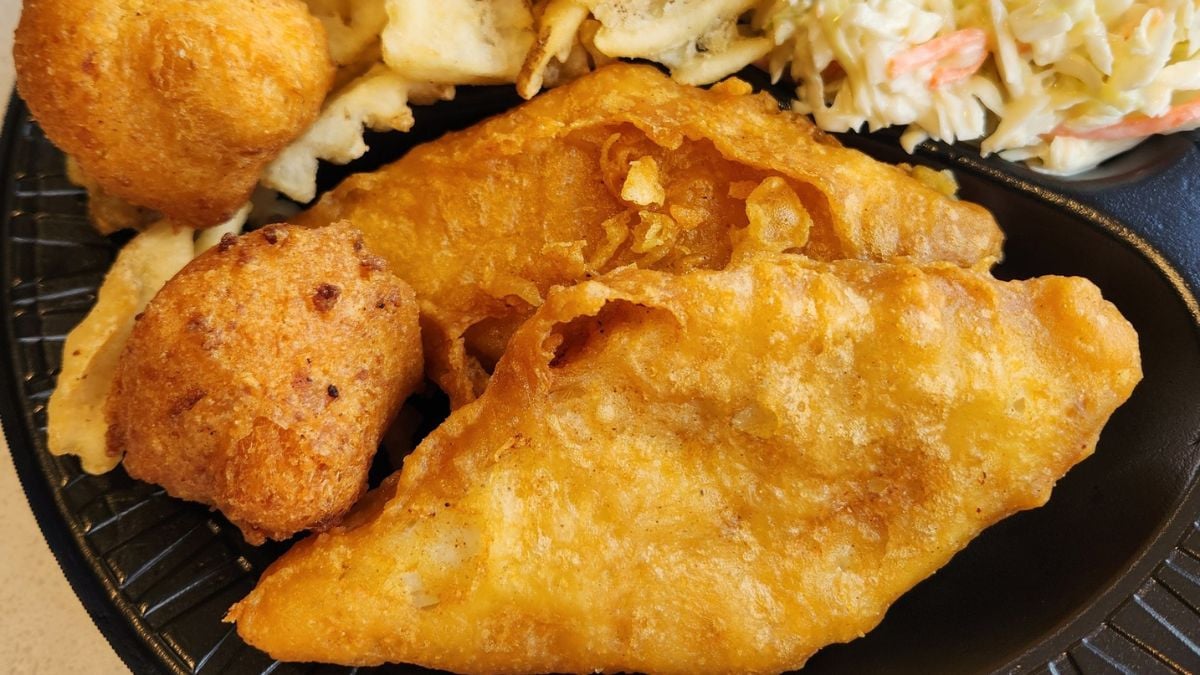
The Big Catch debuted in 2013 with a massive fried haddock but racked up 3,700 milligrams of sodium and 33 grams of trans fat. Health experts called it the “worst restaurant meal in America.” Long John Silver’s quickly retired the item and removed trans fats from their cooking oil by 2014.
Burger King Satisfries: Healthy, but Unwanted
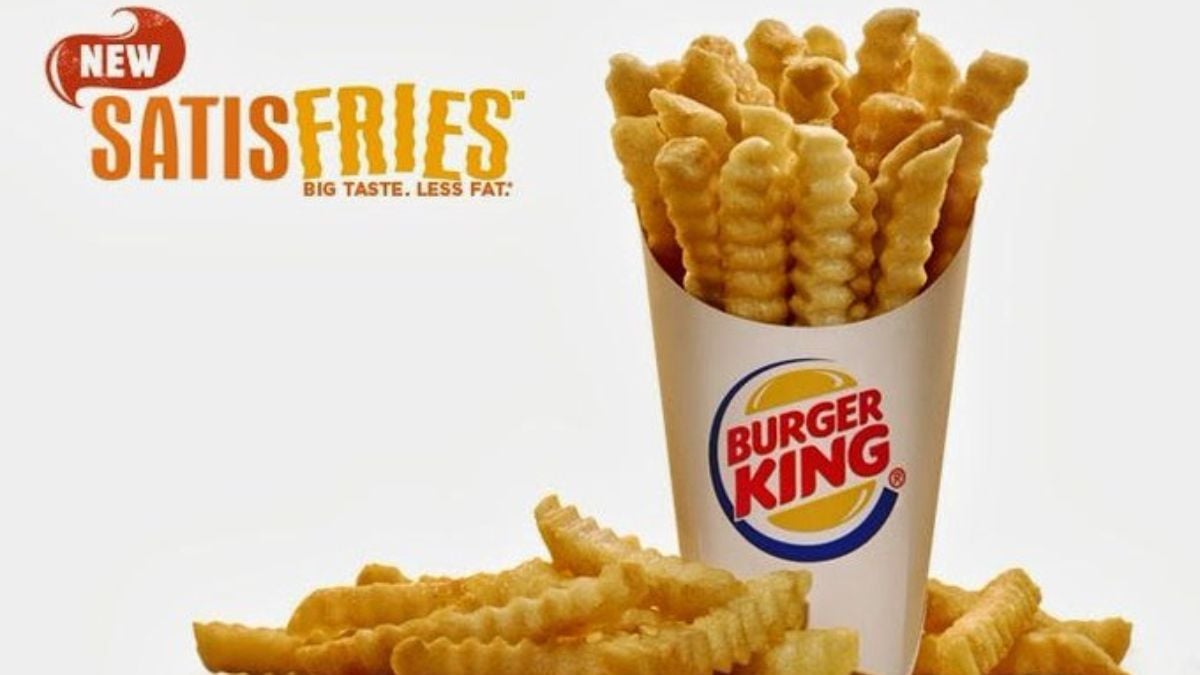
Satisfries launched in 2013 with 40% less fat and 30% fewer calories than standard fries. Diners weren’t interested in “healthy” fries, and the product vanished within a year. The flop highlights the challenge of making indulgence diet-friendly without losing the core audience.
Friendly’s Grilled Cheese Burger Melt: Comfort Overload
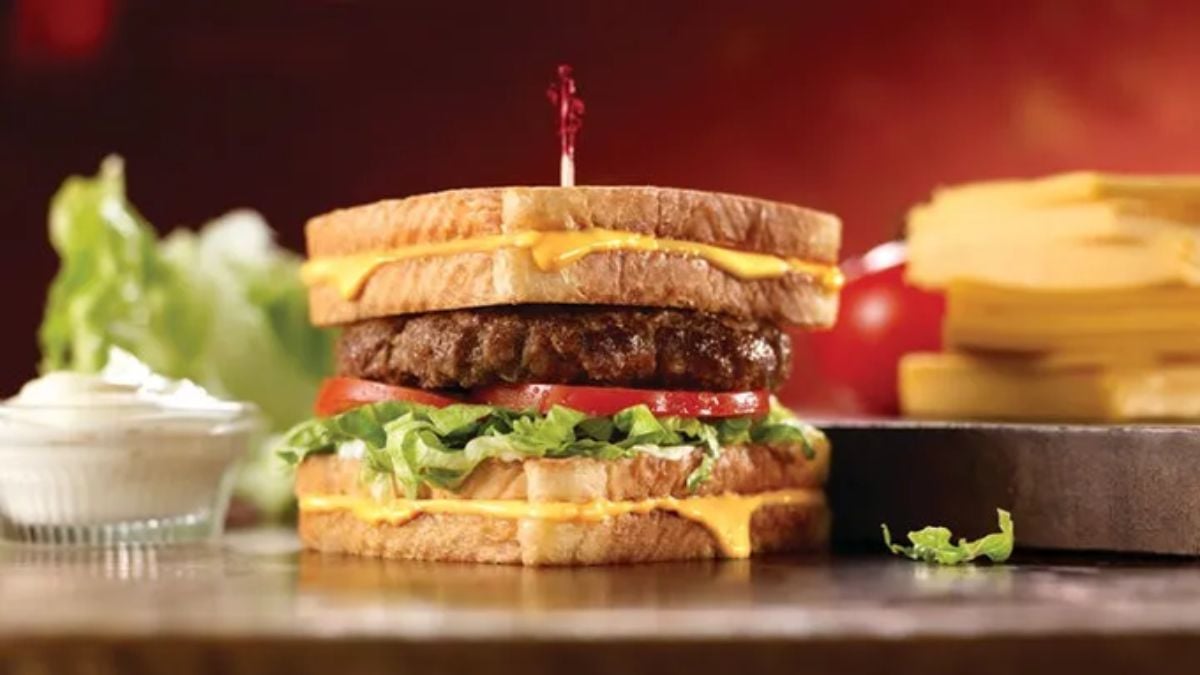
Debuting in 2010, the Grilled Cheese Burger Melt packed 1,500 calories and 97 grams of fat. That’s almost a full day’s worth for many people. Health backlash quickly led to its removal, proving that some comfort-food mashups are too indulgent even for the brave.
Wendy’s Frescata Sandwiches: Slow and Gone
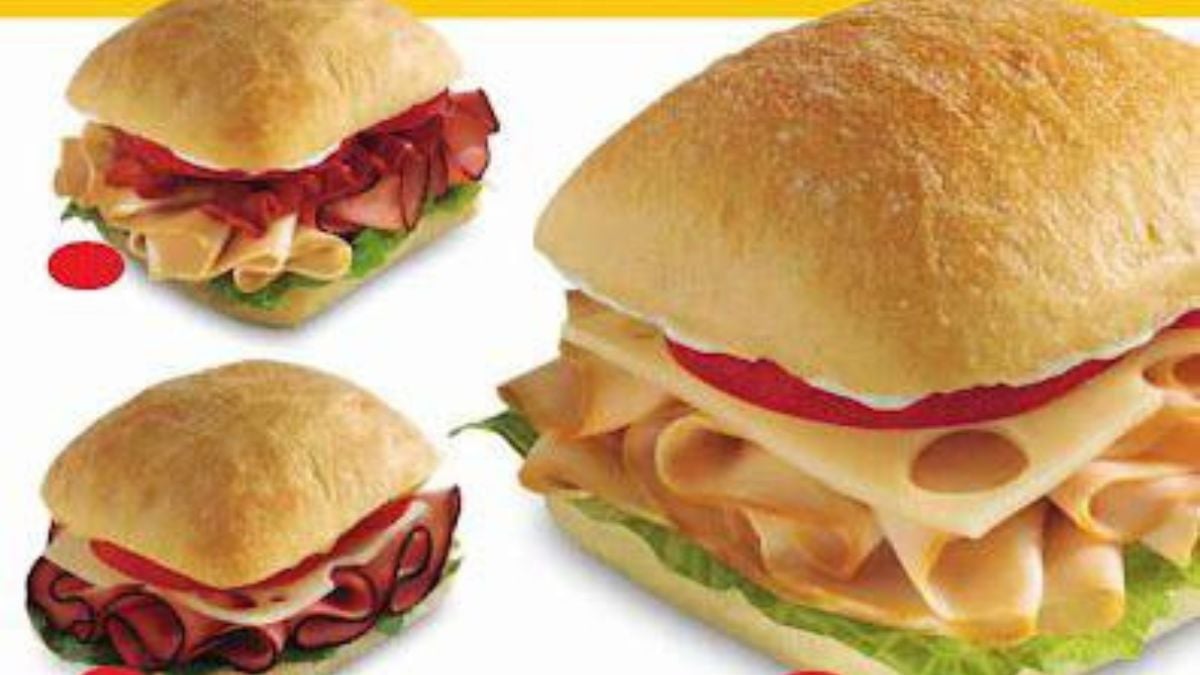
Wendy’s Frescata sandwiches launched in 2006 as a made-to-order alternative to burgers. Slow prep times and limited sales caused the sandwiches to vanish by the end of 2007. Sometimes, a “fresh” alternative can’t compete with speed and convenience.
McDonald’s Arch Deluxe: Sophistication Misfire
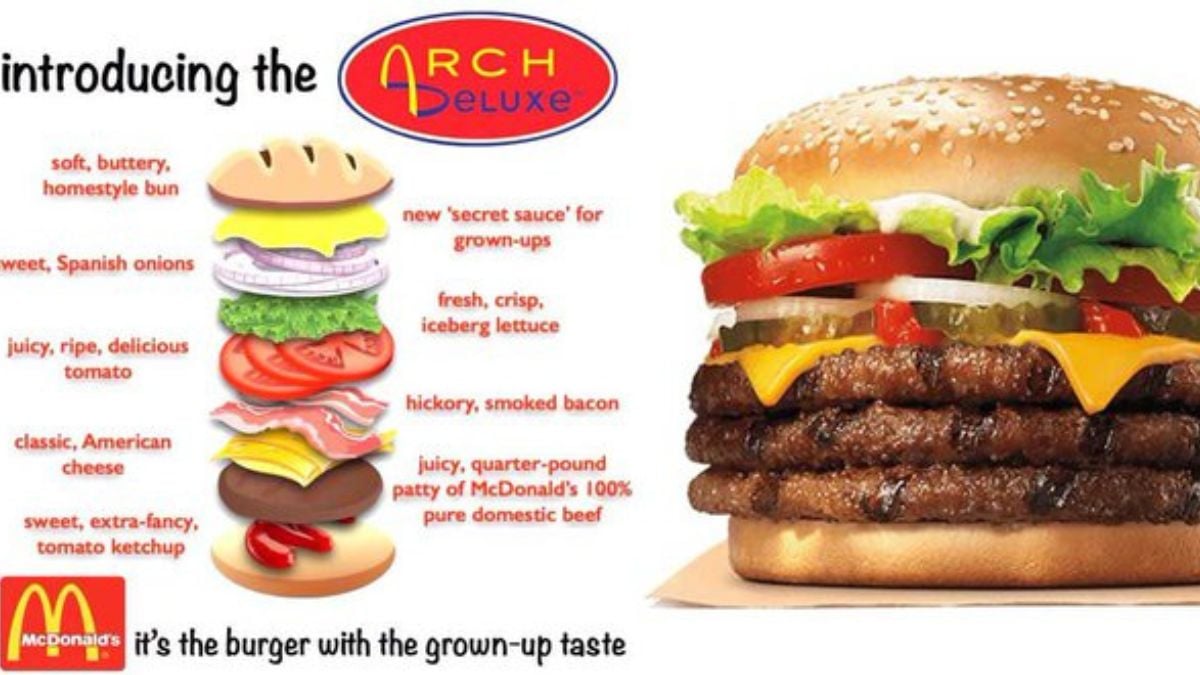
The Arch Deluxe rolled out in 1996 with a major ad campaign targeting adults seeking a “sophisticated” burger. Customers ignored it, preferring quick, convenient meals over culinary refinement. The flop became a classic example of misreading the fast-food audience.
McDonald’s McLean Deluxe: Low-Fat Disaster
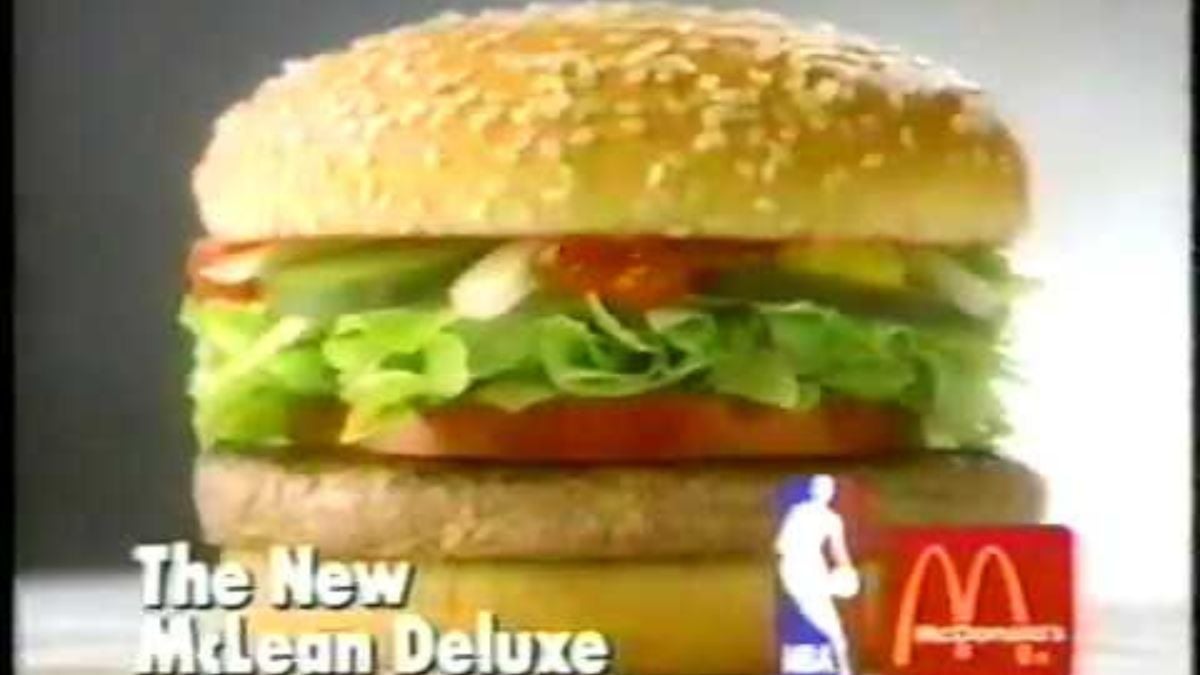
The McLean Deluxe offered just 10 grams of fat compared with the Big Mac’s 26. Seaweed-based additives left the meat flavor underwhelming. Though low-fat was trendy, taste wins out in fast food, and the burger disappeared after a few years.
Dairy Queen Breeze: Healthy Blizzard Fail
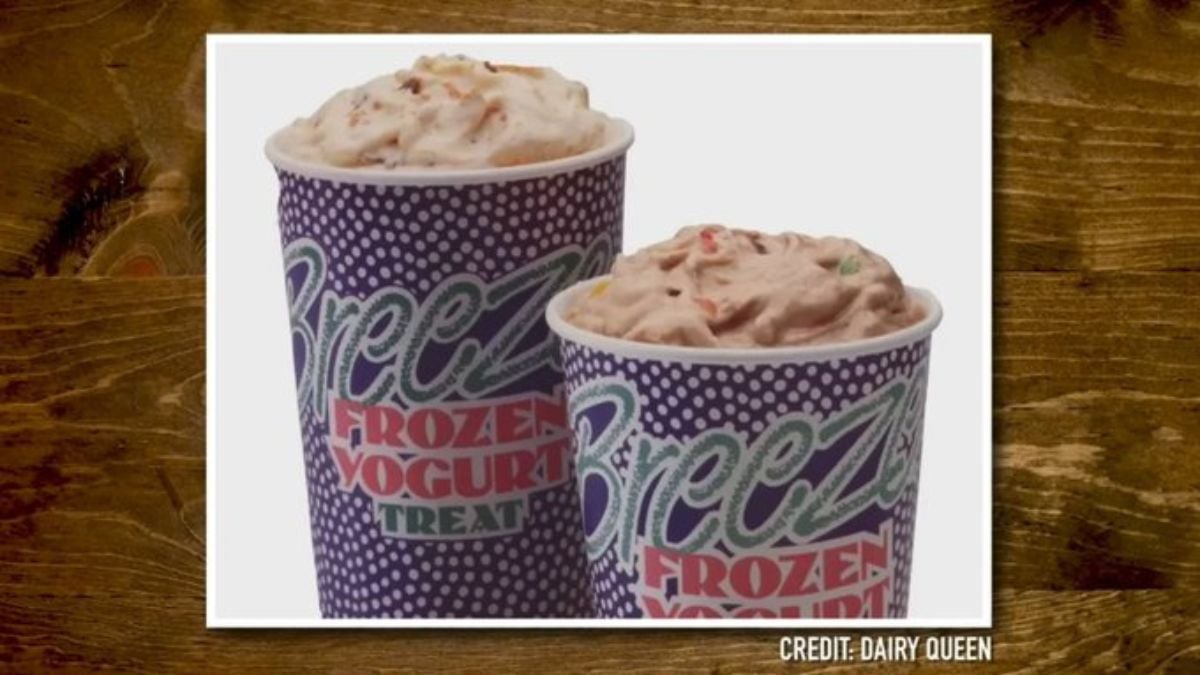
In 1990, Dairy Queen swapped ice cream for frozen yogurt to make a “healthier” Blizzard. Customers were unimpressed, and low demand led to spoilage problems. The Breeze proved that health-conscious versions of indulgent treats often flop.
McDonald’s Pizza: Fast-Food Slice Disaster
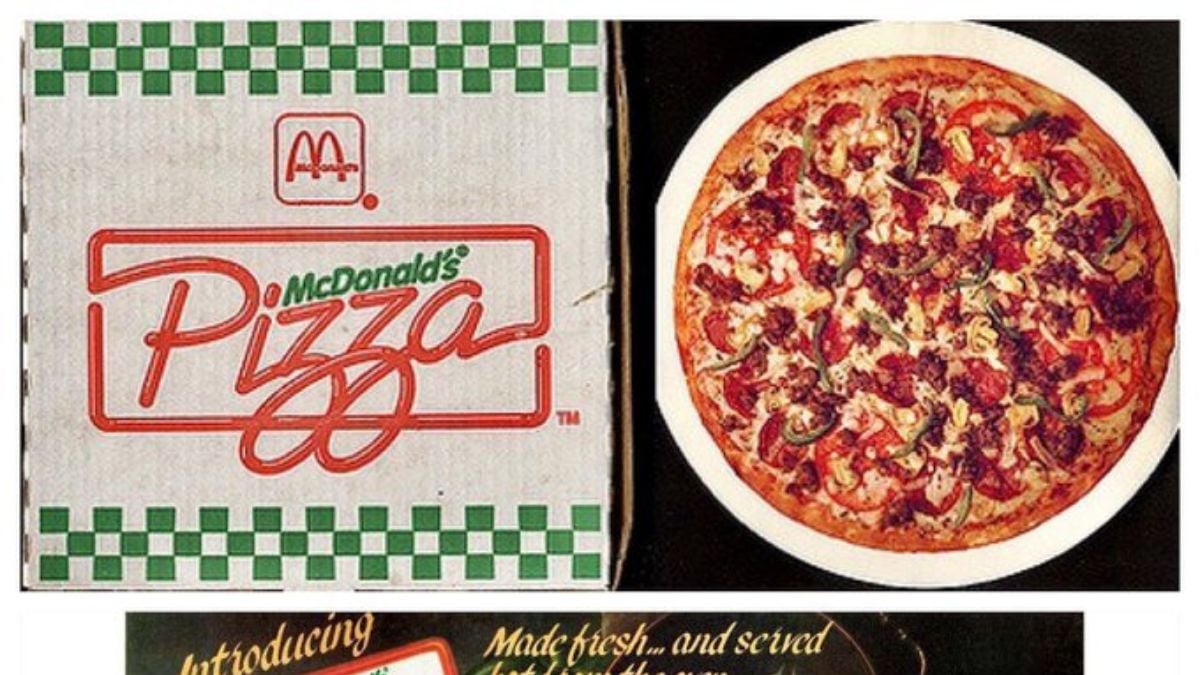
McDonald’s attempted pizza in the ’80s and ’90s, rolling it out to 40% of stores by 1990. Kitchens couldn’t cook it fast enough, and the concept fizzled. A couple of Ohio and West Virginia stores held on until 2017, but nationwide pizza domination never happened.
Burger King Enormous Omelette Sandwich: Breakfast Overload
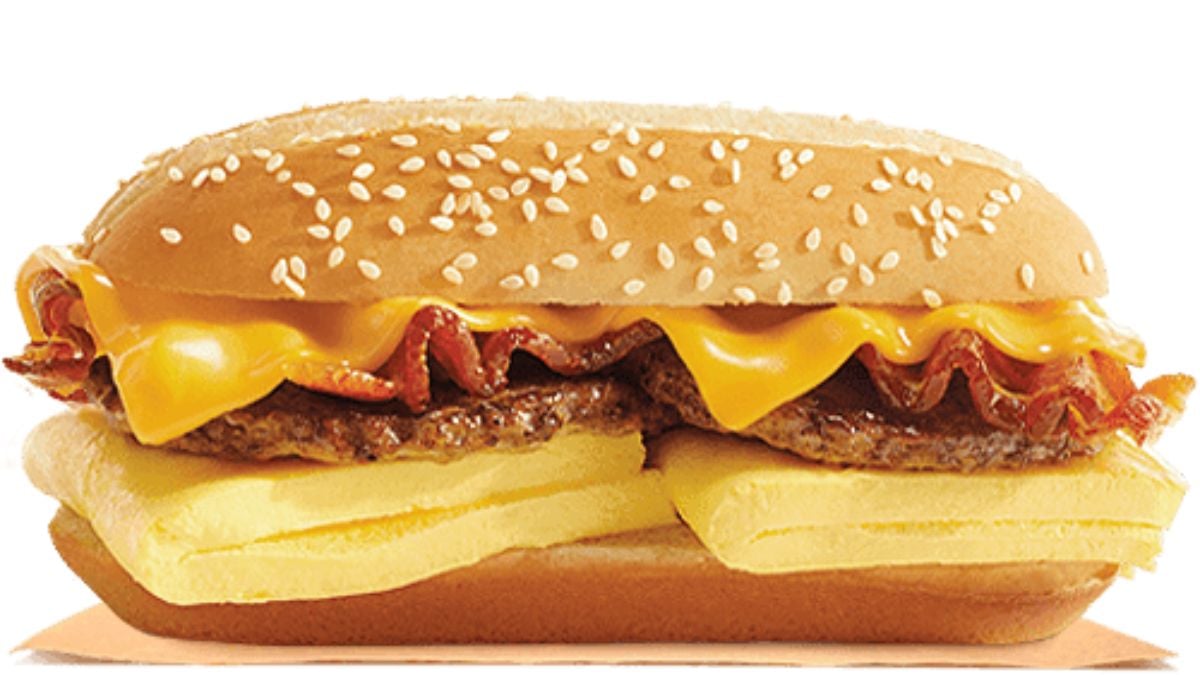
With 730 calories, 47 grams of fat, eggs, sausage, cheese, and bacon, the Enormous Omelette Sandwich debuted in 2005. Health concerns and stomach shock ensured a quick retirement. Even for fast-food lovers, some mornings are just too much.
Wendy’s Superbar: Too Popular to Survive
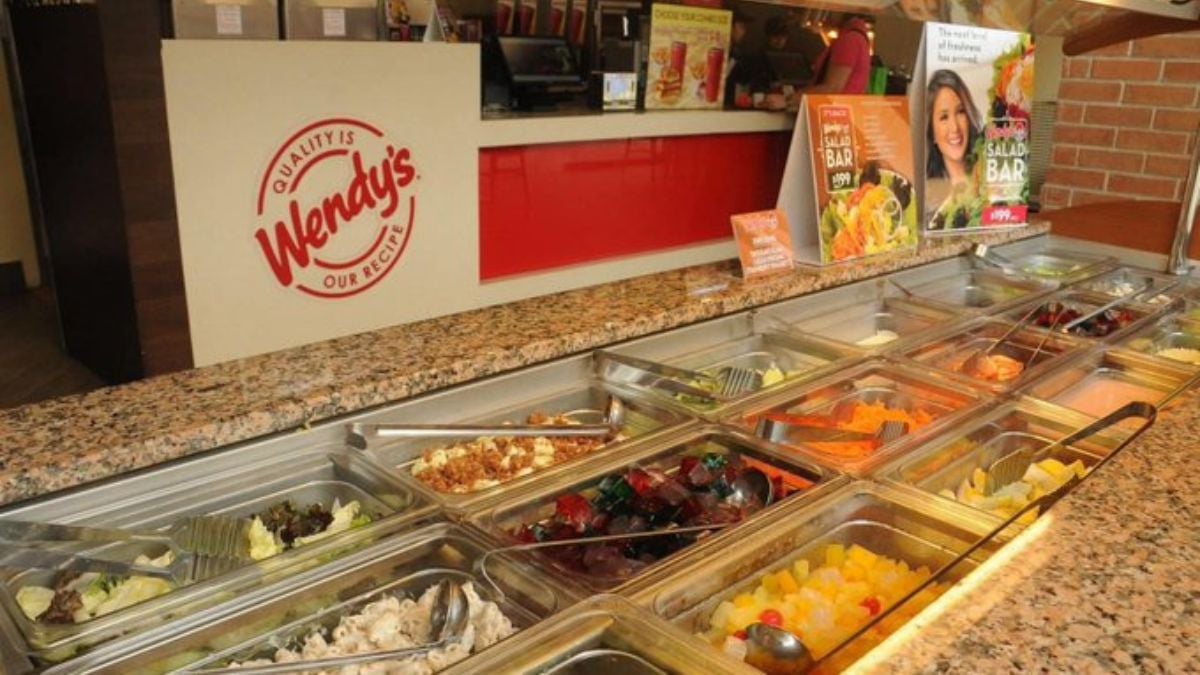
Running from the late ’80s to the late ’90s, Wendy’s Superbar let diners gorge on salad, pasta, Mexican food, and pudding. Its popularity made it hard for crews to keep stocked and clean, leading to its demise. Success isn’t always sustainable when logistics fail.
Pizza Hut Priazzo: Double-Crusted Overkill
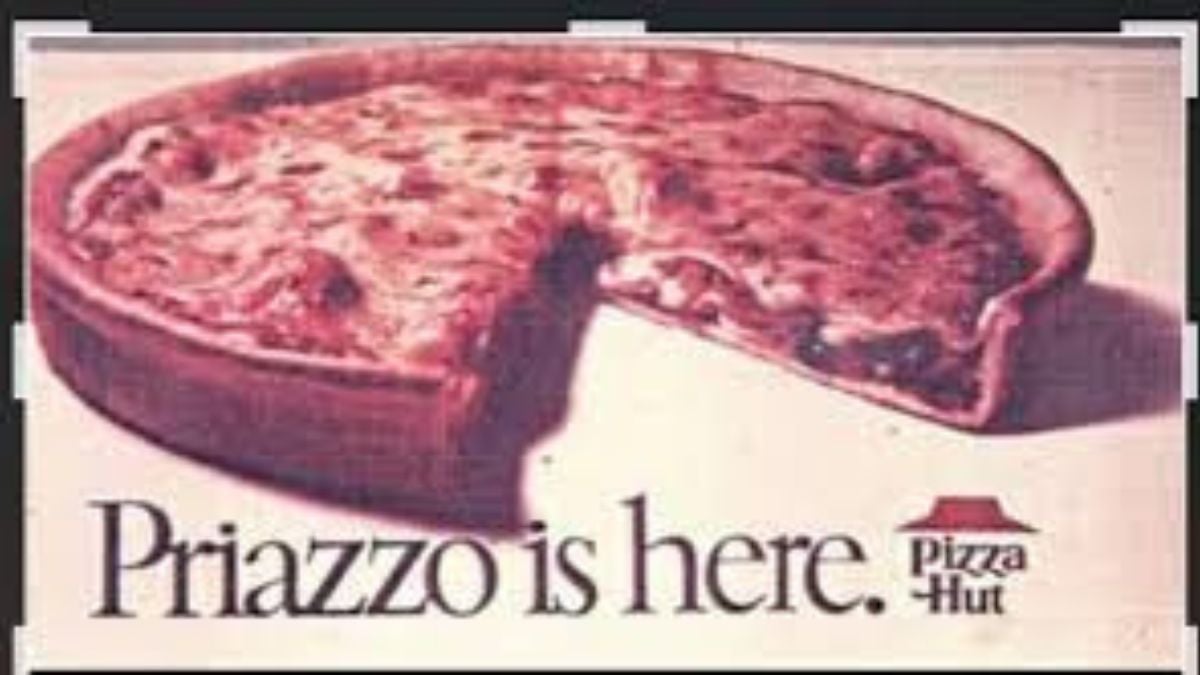
Pizza Hut’s Priazzo in the mid-’80s featured two layers of crust with cheese and toppings in between. The $15 million marketing effort couldn’t save it from being costly and time-consuming. Fans still reminisce online, but it was short-lived on menus.
Taco Bell Seafood Salad: Fishy Failure
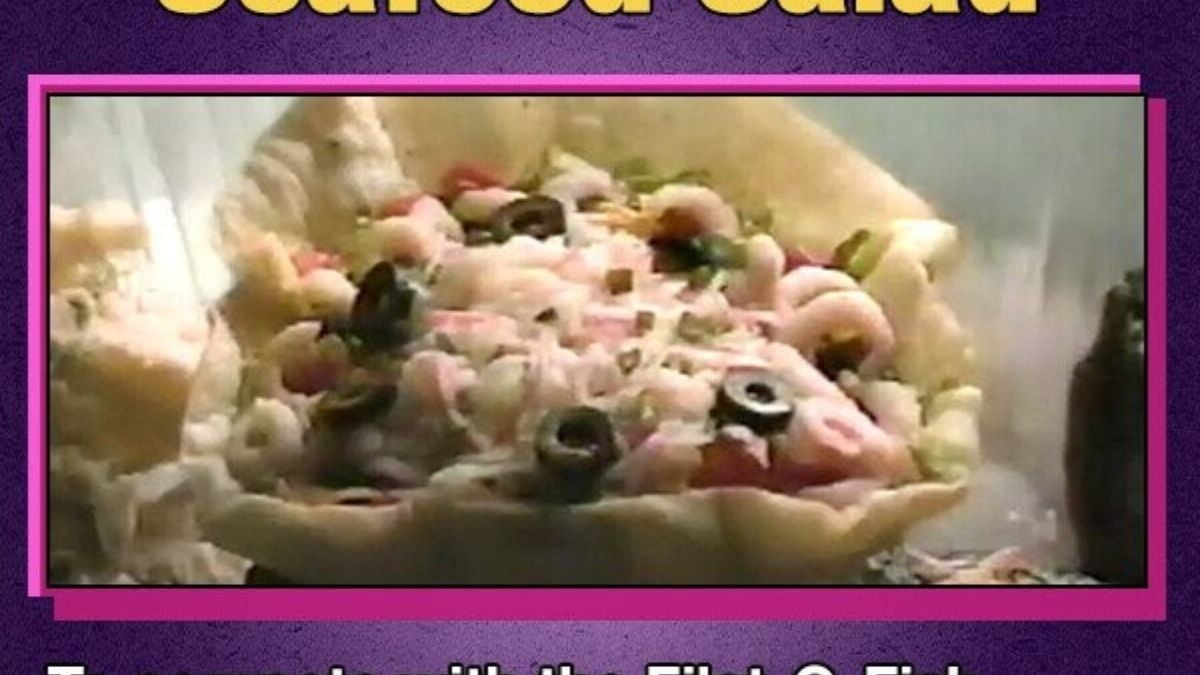
Taco Bell’s mid-’80s seafood salad tried to rival McDonald’s Filet-O-Fish. Reports of food poisoning hastened its removal. Sometimes, menu experiments are better left unexplored.
McDonald’s Hula Burger: The Pineapple Loser
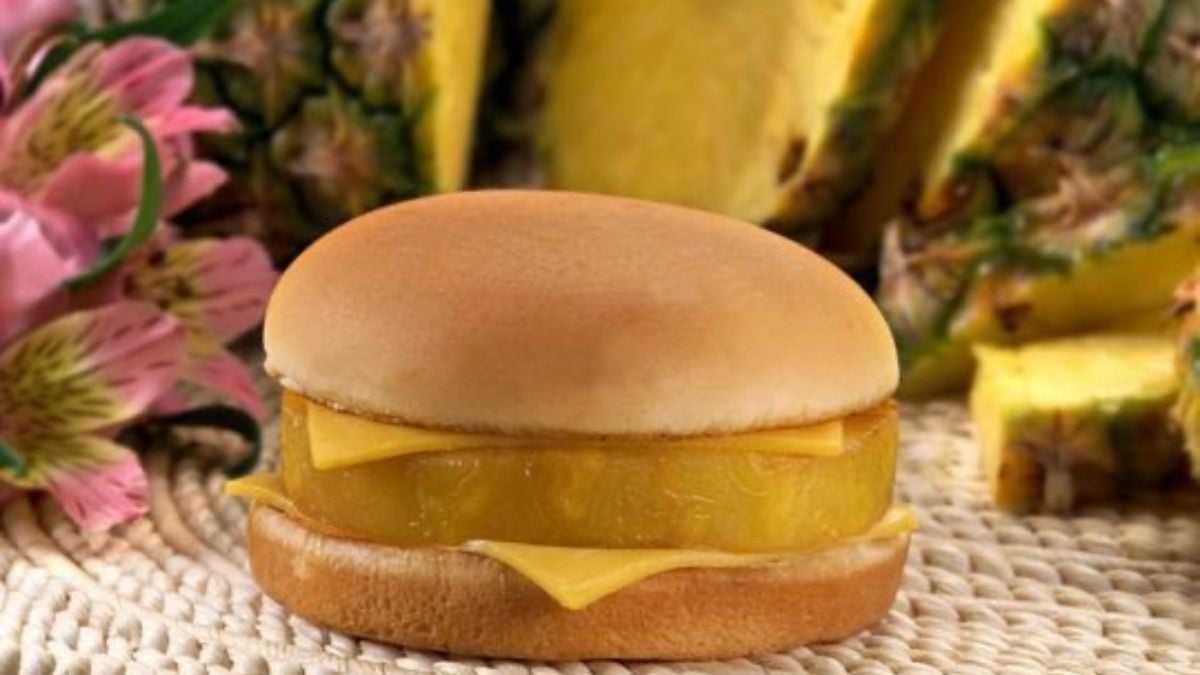
In 1962, McDonald’s pitched the Hula Burger—grilled pineapple and cheese. The Filet-O-Fish crushed it in taste tests, earning its place on the menu instead. A reminder that not every “healthy or clever” idea wins.