The restaurant landscape in 2026 is starting to look very different—and not in a fun, trendy way. Even well-known chains are pulling back, closing locations, and rethinking how big they really need to be. Inflation, labor costs, and changing dining habits are forcing tough decisions across fast food and casual dining. For customers, that means fewer familiar spots and more empty storefronts. Here’s a closer look at the chains facing closures this year and why the industry is hitting reset.
Boston Market’s Situation Looks the Most Fragile
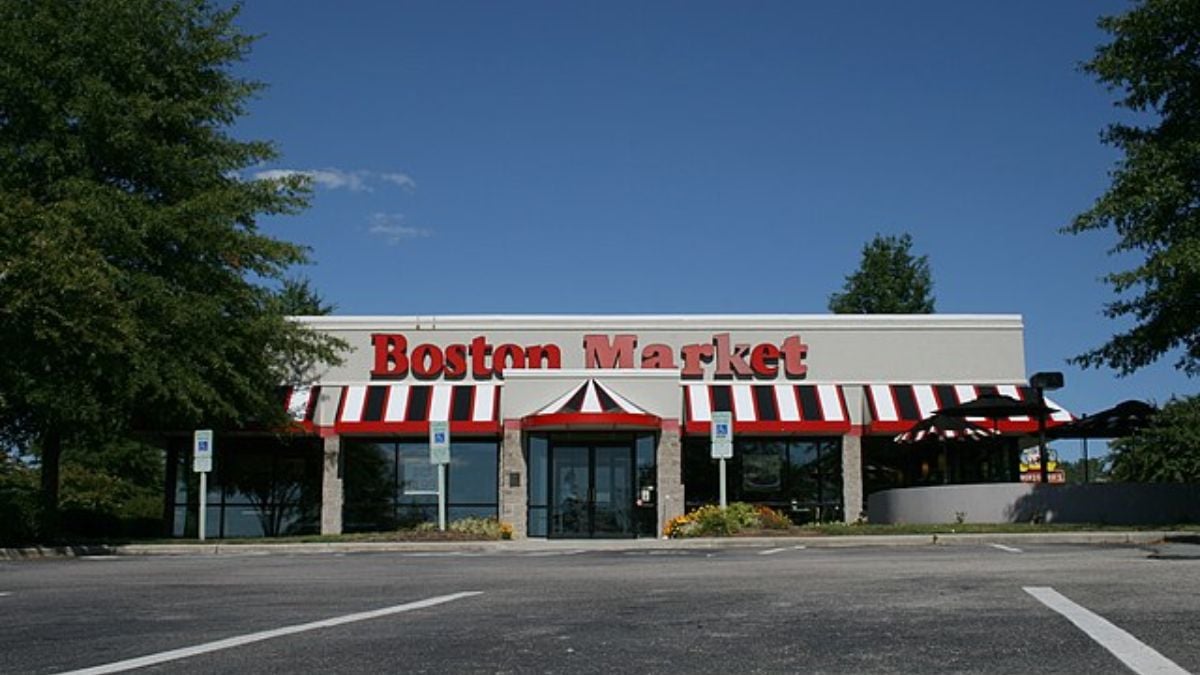
Boston Market stands out as the most precarious brand on this list. Once a fast-growing rotisserie chain, it has shrunk from hundreds of locations to just a few dozen. The company is dealing with unpaid bills, lawsuits, and intense financial pressure. That kind of instability often leads to more closures rather than recovery. In 2026, its future remains highly uncertain.
Starbucks Hits Pause on Aggressive Expansion
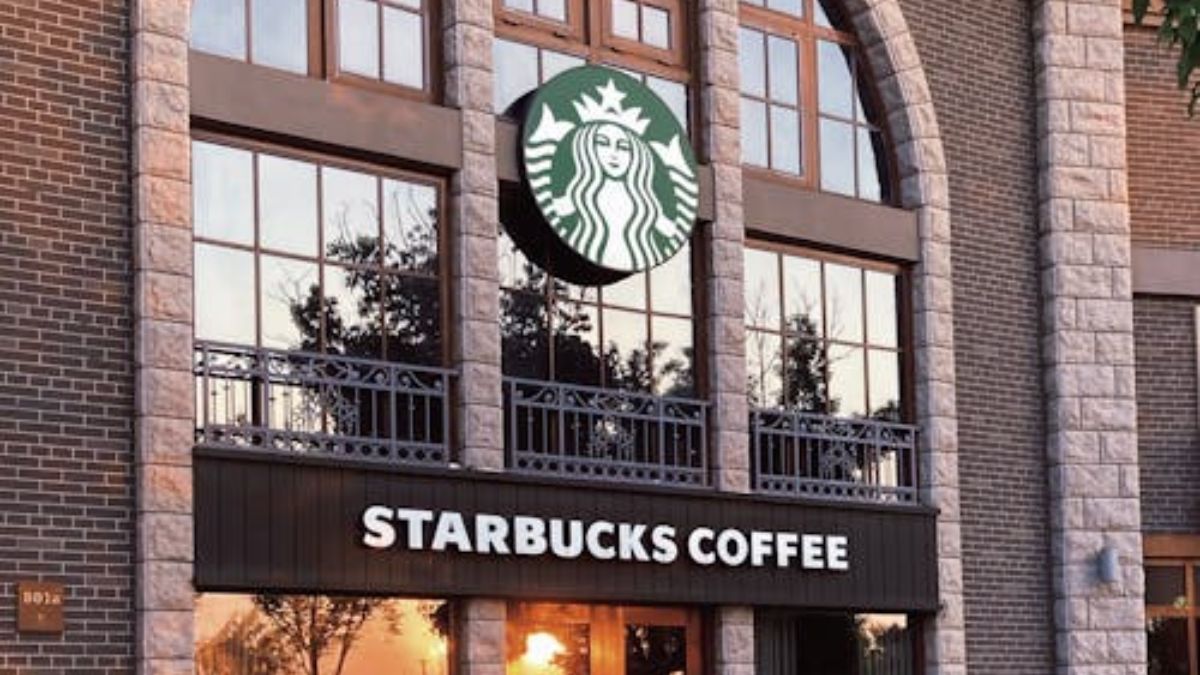
Starbucks is closing roughly 400 North American locations as part of a major restructuring. While the brand isn’t disappearing, this marks a rare pullback for a company known for constant growth. The move reflects changing consumer habits and increased competition in the coffee space. Instead of expanding everywhere, Starbucks is reassessing which locations actually make sense. Even giants have limits in today’s market.
Wendy’s Plans Hundreds of U.S. Closures
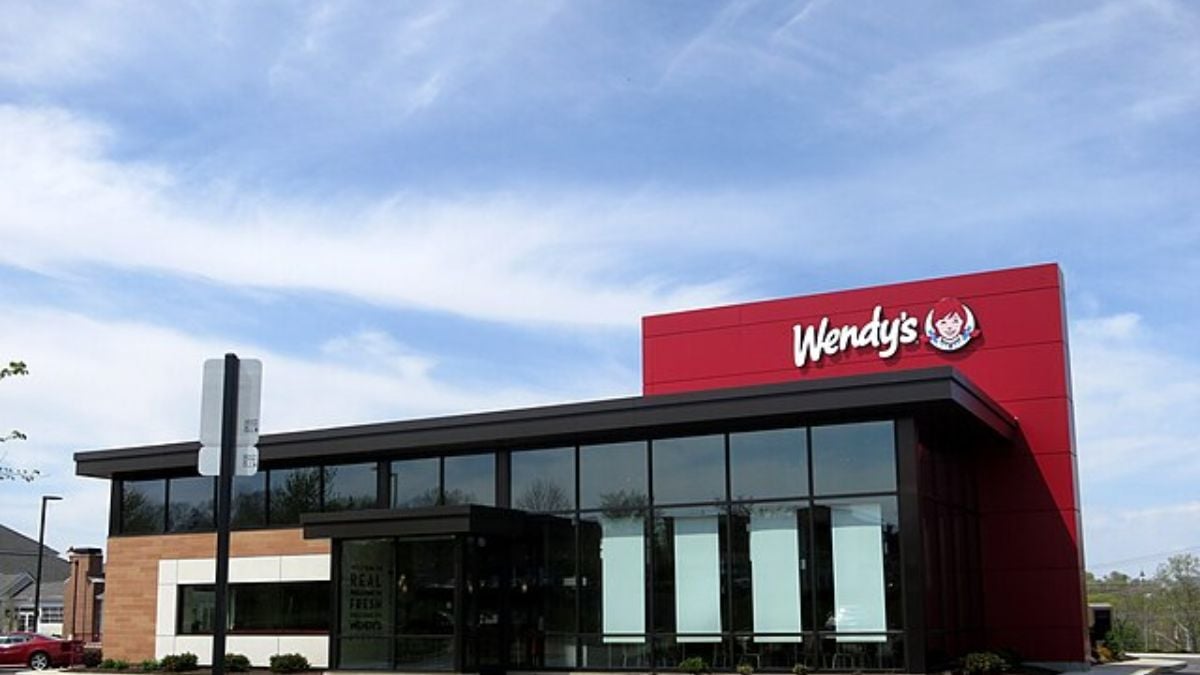
Wendy’s has announced plans to close hundreds of U.S. locations in 2026. The strategy focuses on optimizing profitability and modernizing the brand. For customers, though, that could mean losing a familiar drive-thru nearby. While Wendy’s isn’t going away, its footprint is shrinking. Convenience may no longer be guaranteed in every neighborhood.
Denny’s Continues Trimming Underperforming Locations
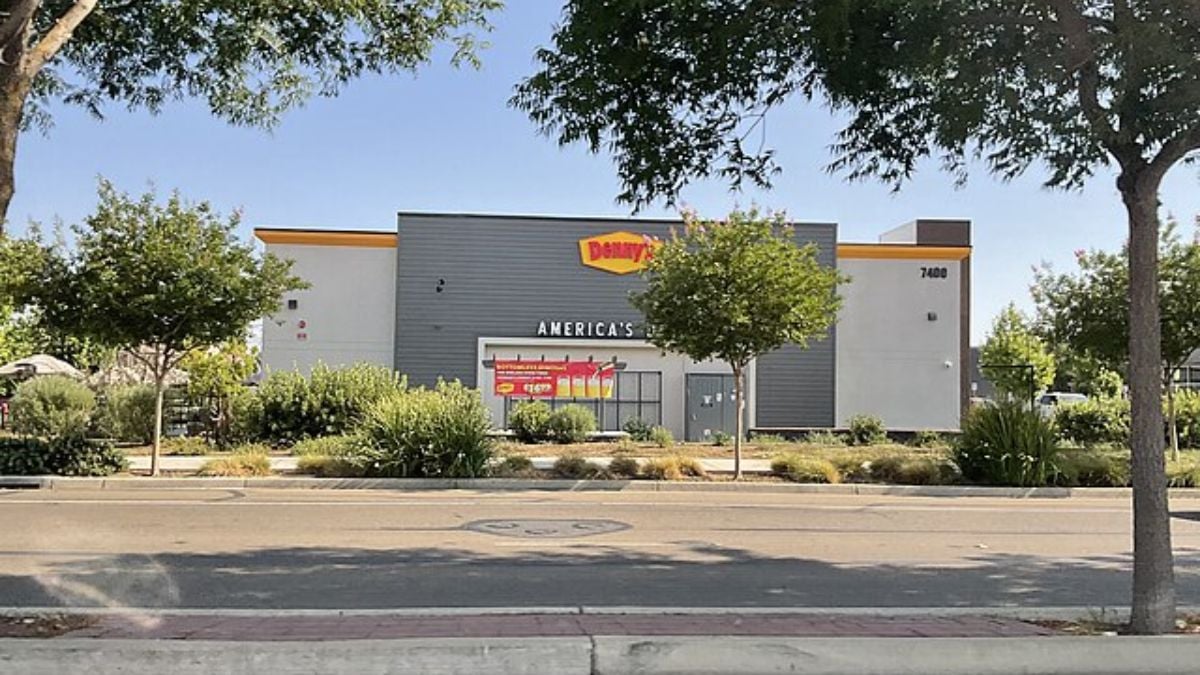
Denny’s has already closed around 150 underperforming restaurants. Industry experts expect this trend to carry into early 2026 as restructuring continues. Casual dining chains like Denny’s are under pressure as diners eat out less frequently. Cutting weaker locations is part of staying afloat. Consistency, once a strength, may vary by location.
Noodles & Company Scales Back After Traffic Drops
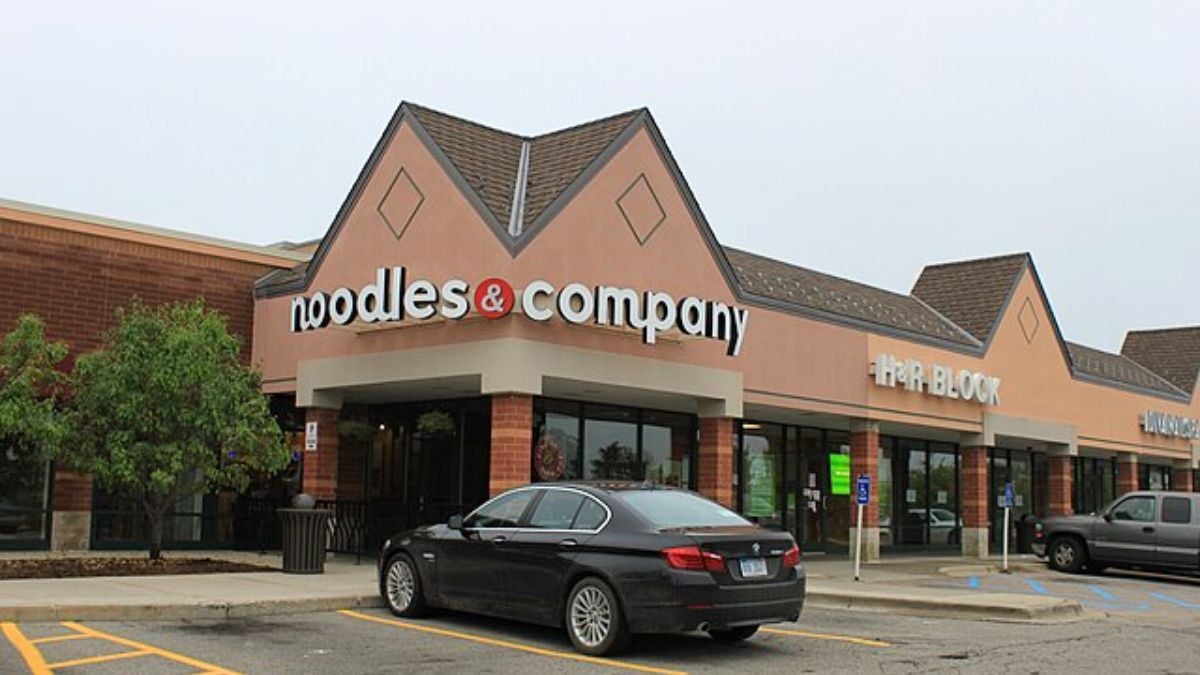
Noodles & Company is reducing its footprint after struggling with declining customer traffic. The chain closed underperforming stores in 2025 and plans more closures this year. These moves are aimed at stabilizing the business rather than expanding it. Higher costs and softer demand are forcing tough choices. The brand is clearly in consolidation mode.
Hooters Restructures Under Bankruptcy Protection
Hooters entered Chapter 11 bankruptcy while planning to sell company-owned restaurants to franchise groups. This type of restructuring often comes with closures and reorganization. While some locations will remain open, others may not survive the transition. The move highlights ongoing struggles within casual dining. Stability is still a work in progress.
Outback Steakhouse Quietly Pulls Back
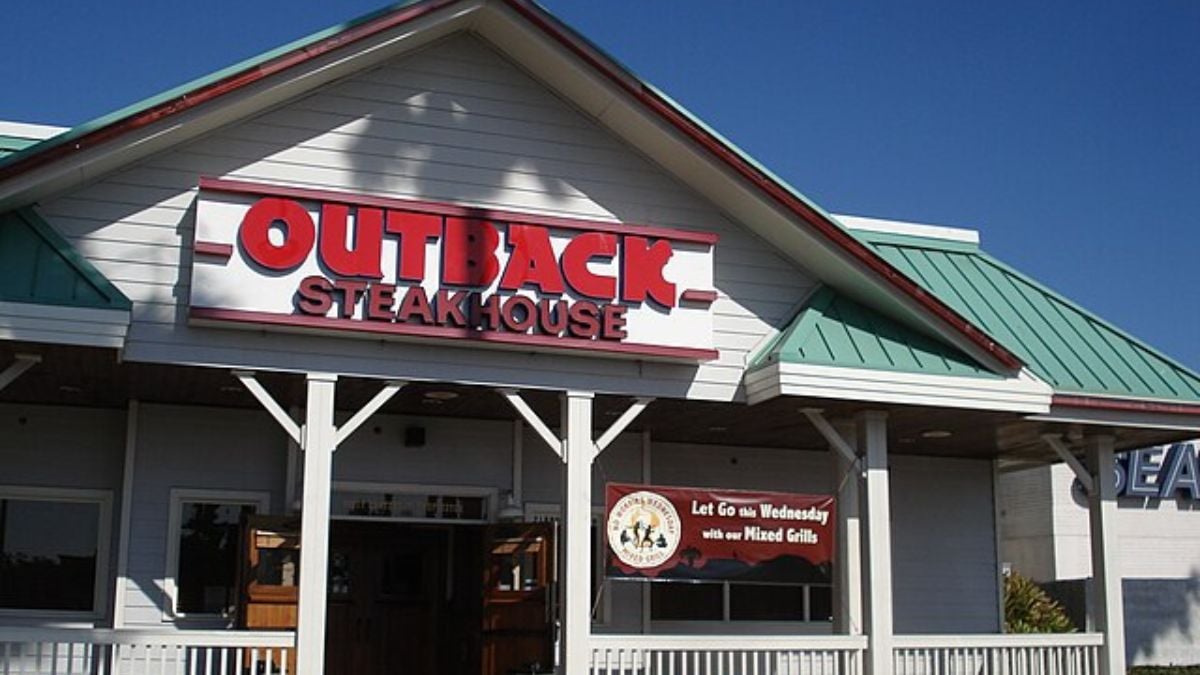
Outback Steakhouse is scaling down as leases expire and older locations close. Instead of opening new restaurants, the chain is reevaluating its existing footprint. This shift reflects broader challenges facing sit-down dining brands. Rising costs make large, aging restaurants harder to maintain. Even longtime favorites aren’t immune.
Why So Many Chains Are Downsizing Now
Inflation and labor costs continue to squeeze restaurant profits. At the same time, consumer behavior has shifted, with diners eating out less often or choosing cheaper options. Rather than expanding, many chains are focusing on survival and efficiency. Closing underperforming locations is often the fastest way to cut losses. The industry is clearly recalibrating.
This Isn’t a Collapse—It’s a Reset
Most of these closures don’t signal total shutdowns. Instead, they reflect consolidation and cost control. Chains are adapting to a new reality where growth looks different than it did a decade ago. Smaller footprints may help brands survive long-term. For diners, that means fewer choices—but potentially stronger ones.
What This Means for Diners in 2026
Restaurant closures often hit closest to home when a favorite local spot disappears. While many chains will survive, fans may face more “last meals” than grand openings this year. The industry is clearly in transition. Have you already seen closures near you, or is your favorite chain on this list? Share your thoughts—and let us know which restaurant you’d miss the most if it vanished.