Eggs are deceptively tricky — one minute they’re breakfast heroes, the next they’re culinary villains. For years, we’ve been fed advice that’s more myth than fact, from storage to cooking hacks. Some myths are harmless; others actually make your eggs worse. Whether you’re poaching, scrambling, or baking, knowing the truth can save time, effort, and disappointment. Let’s crack open the real facts behind 15 of the most common egg misconceptions.
Steam, Don’t Baste, Fried Eggs
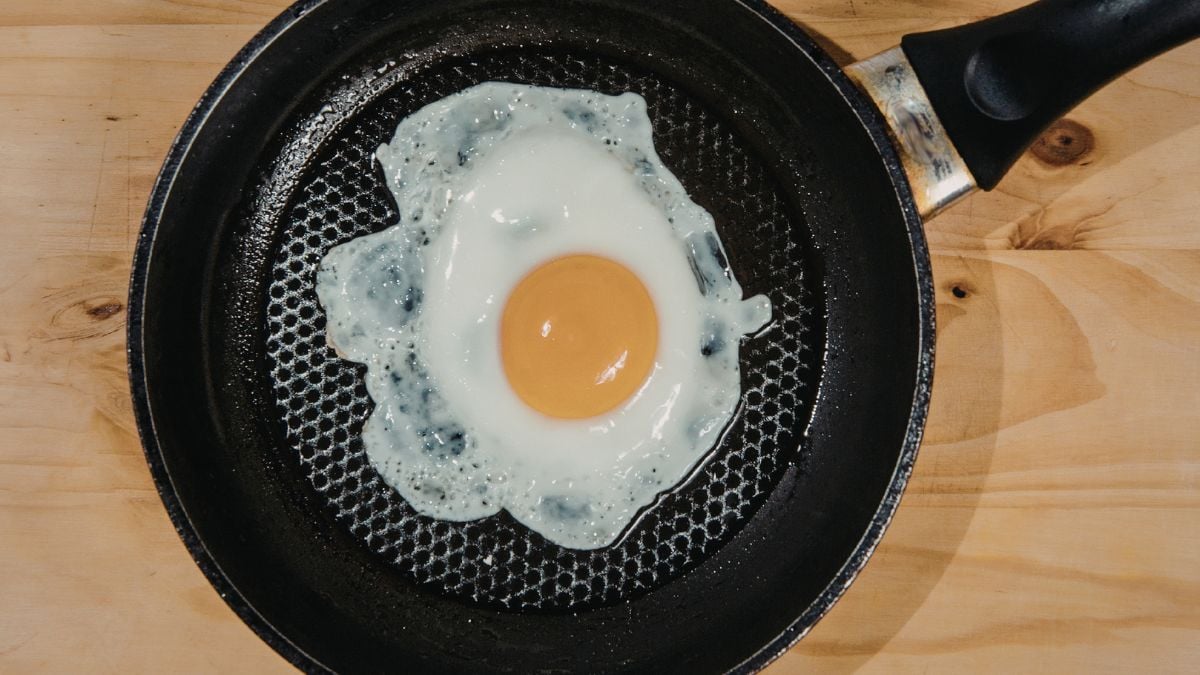
Instead of spooning hot oil over fried eggs, a few drops of water with a pan cover steams them perfectly. Whites set, yolks stay runny, and you avoid potential burns. Simpler and safer is usually smarter.
Finger Trick Beats Fork for Shell Shards
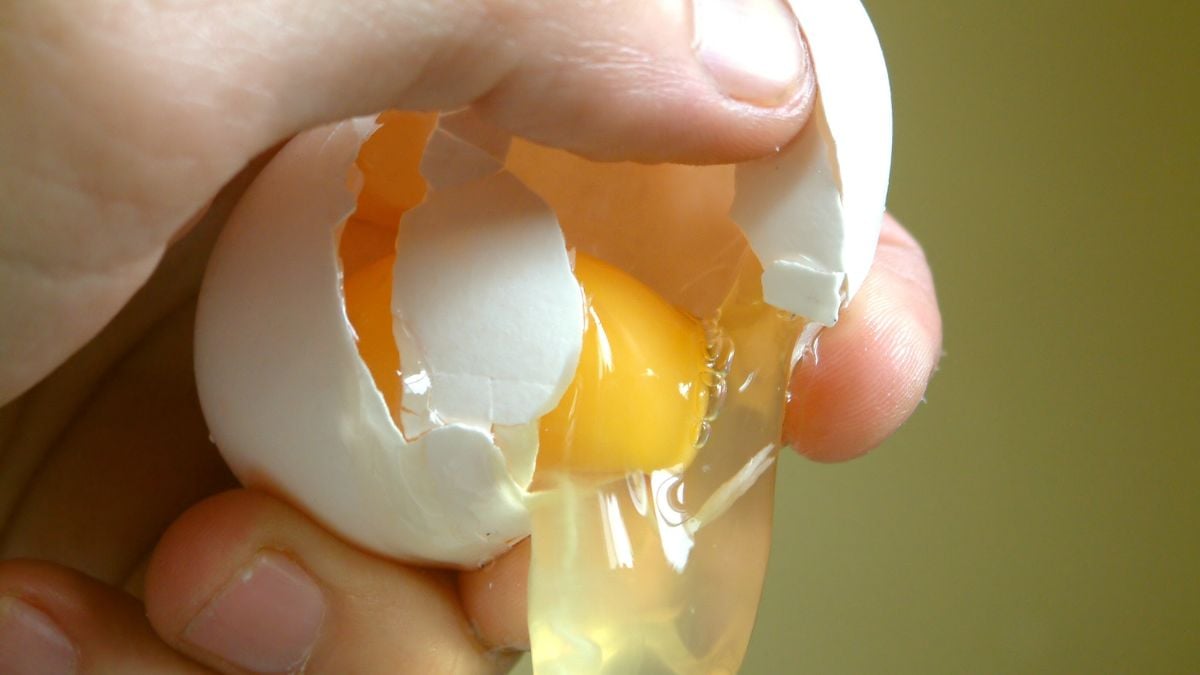
Fishing shell fragments from a bowl with a fork? Frustrating. Wet a finger and let the shell gravitate to it — it’s quicker, cleaner, and far less cruel.
Stirred Omelettes Are OK
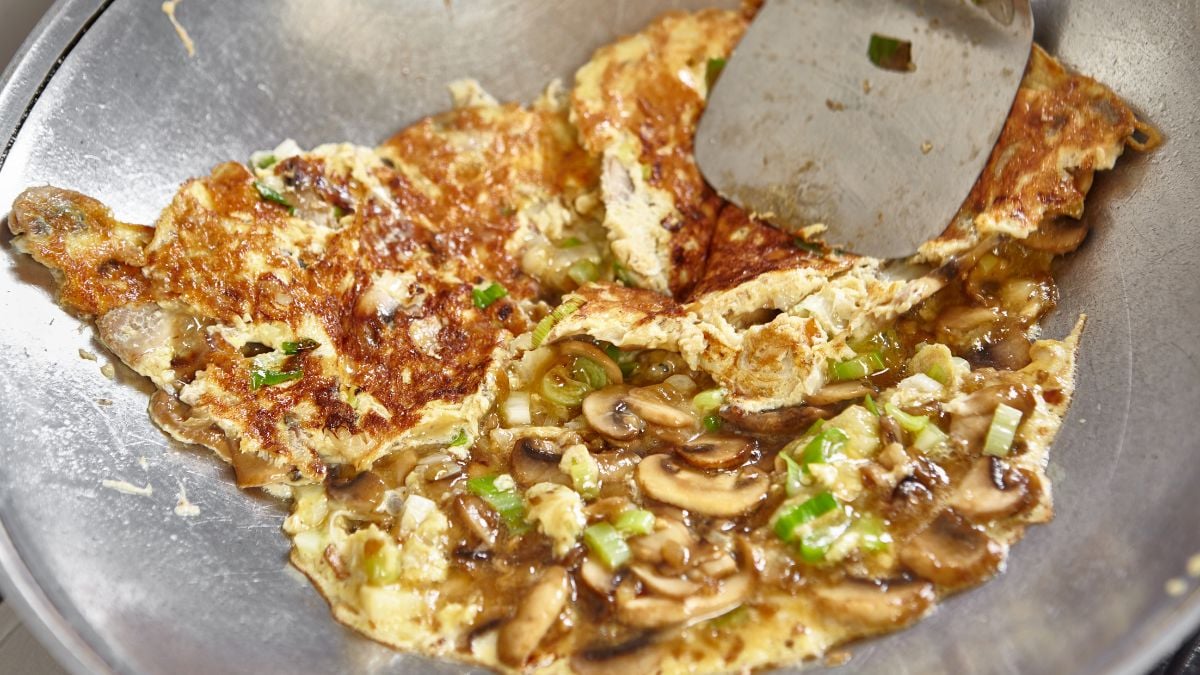
Forget the frantic flip-and-jiggle myth. Tilt-and-stir methods produce just as fluffy results. Speed matters — aim for pan to plate in under a minute — but the wrist frenzy is optional.
Sell-By Dates Aren’t Freshness Guarantees
Egg carton dates are sell-by, not expiration dates. A quick water test tells the real story: flat at the bottom is good, upright is aging, and floating is trash. Eggshells are porous, and air builds up inside, so the float test beats the date test.
Meringues Don’t Require Vinegar Either
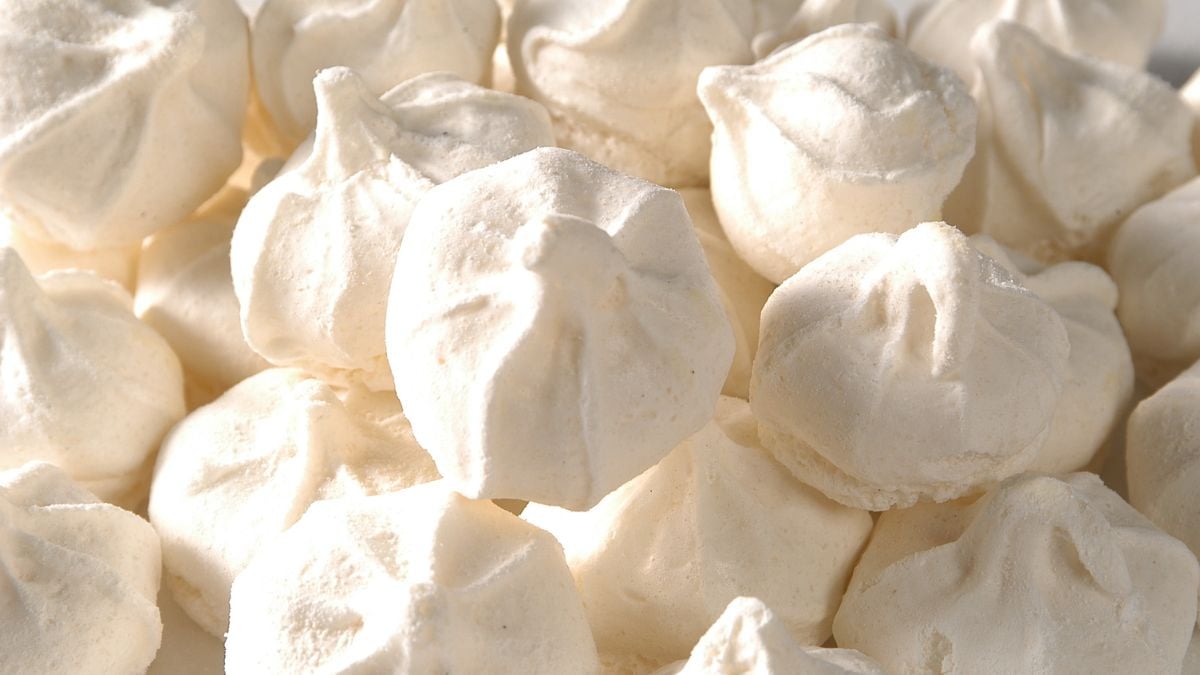
Like poached eggs, meringues benefit from acids for stability, but lemon juice or cream of tartar works just as well. Patient whisking often does the trick alone. That subtle tang isn’t mandatory for perfect peaks.
Eggshells Are Secretly Useful
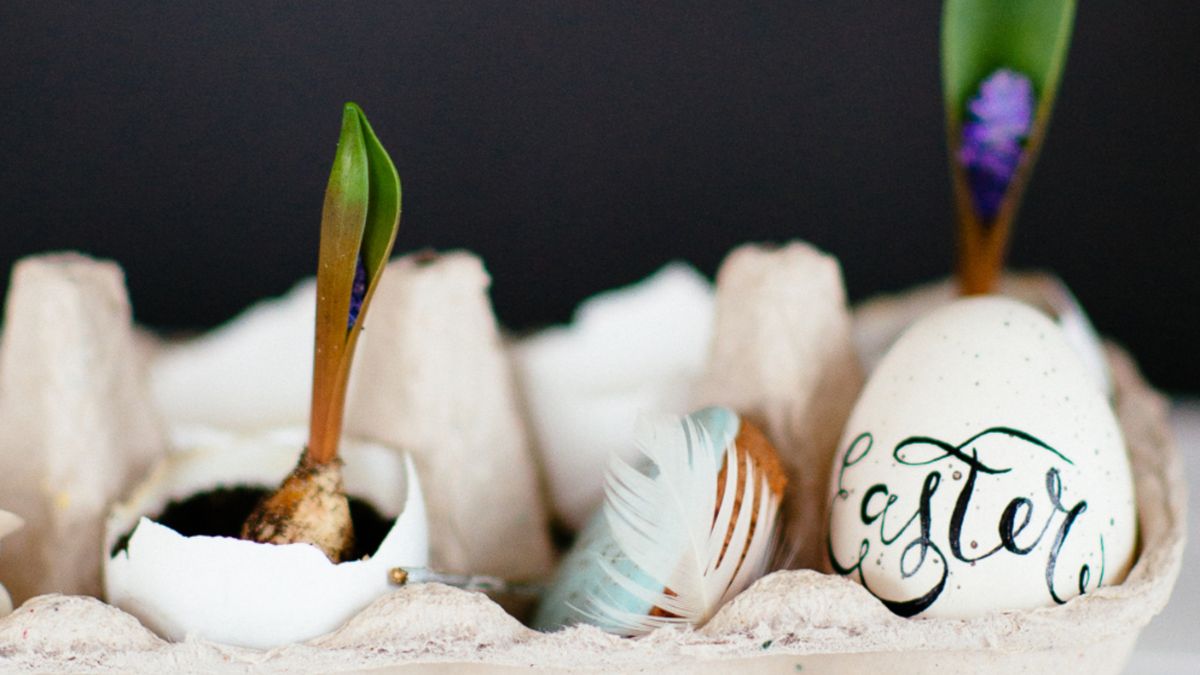
Don’t toss them. Crushed eggshells make homemade facials, skin remedies, cleaning abrasives, fertilizer, and even pest repellent. What seemed useless is actually multi-purpose magic.
Old Eggs Make Perfect Boiled Eggs
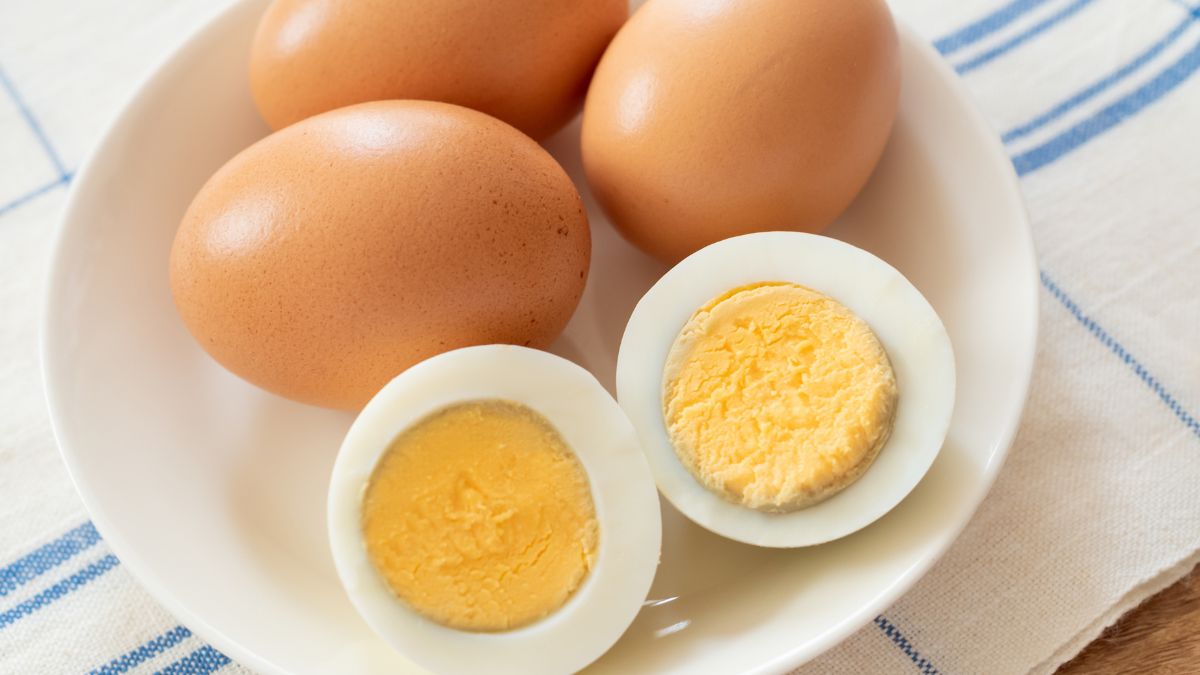
Fresh eggs are great for poaching or frying, but slightly older eggs are easier to peel after boiling. The whites pull away from the membrane, saving you a frustrating breakfast moment. To test freshness, drop eggs in water: flat on the bottom is perfect, standing upright is best for boiling, and floating is a toss-out. Science meets convenience in your egg-and-cress sarnie.
Fridge or Cupboard: Eggs Don’t Mind Either
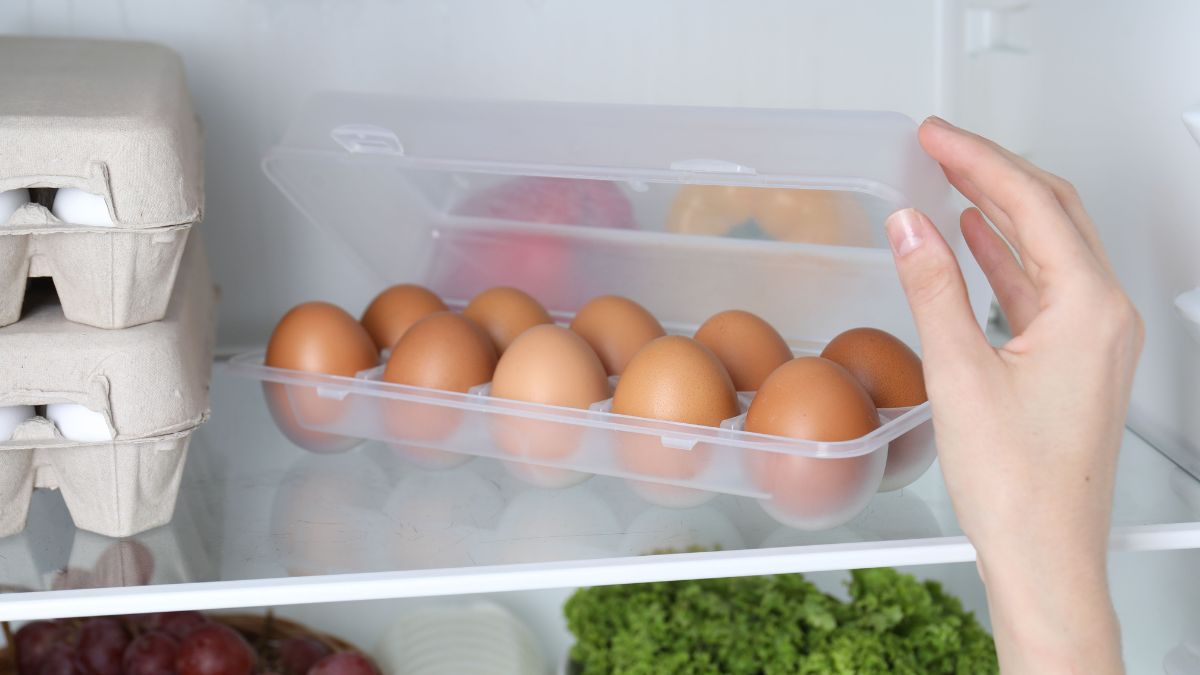
Contrary to popular belief, eggs don’t always need refrigeration. In the UK, a low Salmonella risk means keeping them in the cupboard is fine. Cooking with room-temperature eggs also improves sponge cakes and meringues. If you insist on the fridge, skip the door rack—temperature swings from opening and closing can actually harm eggs. Either way, eggs thrive in a stable, low-stress environment.
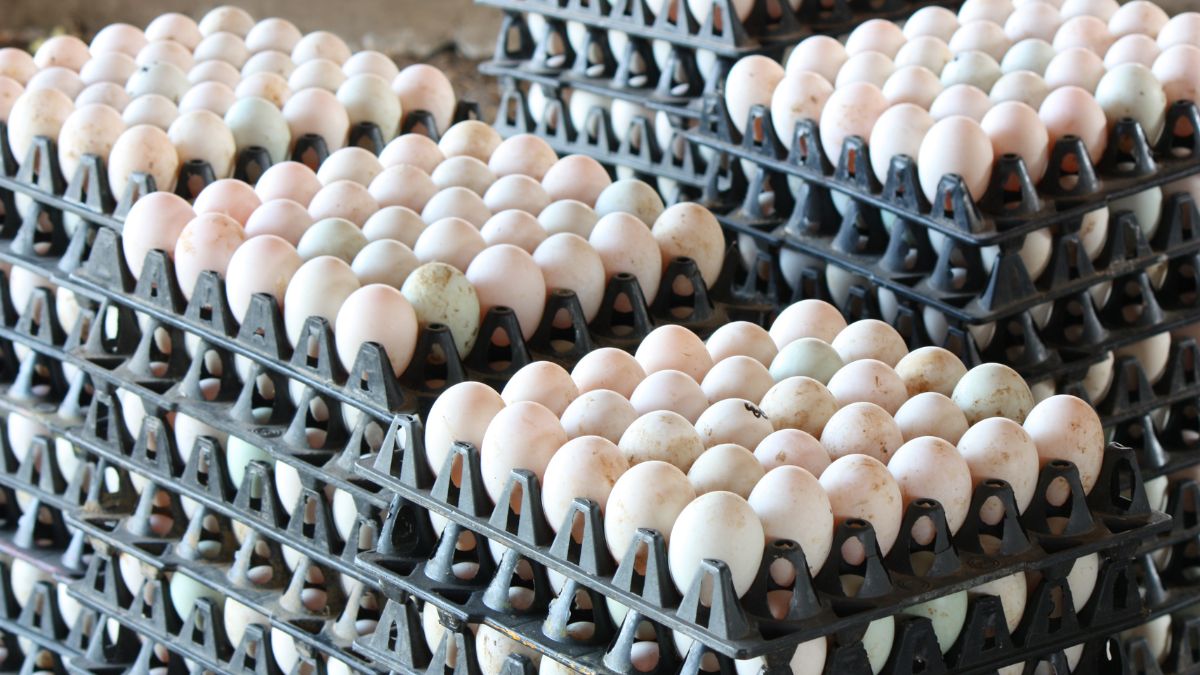
White Eggs Aren’t Superior
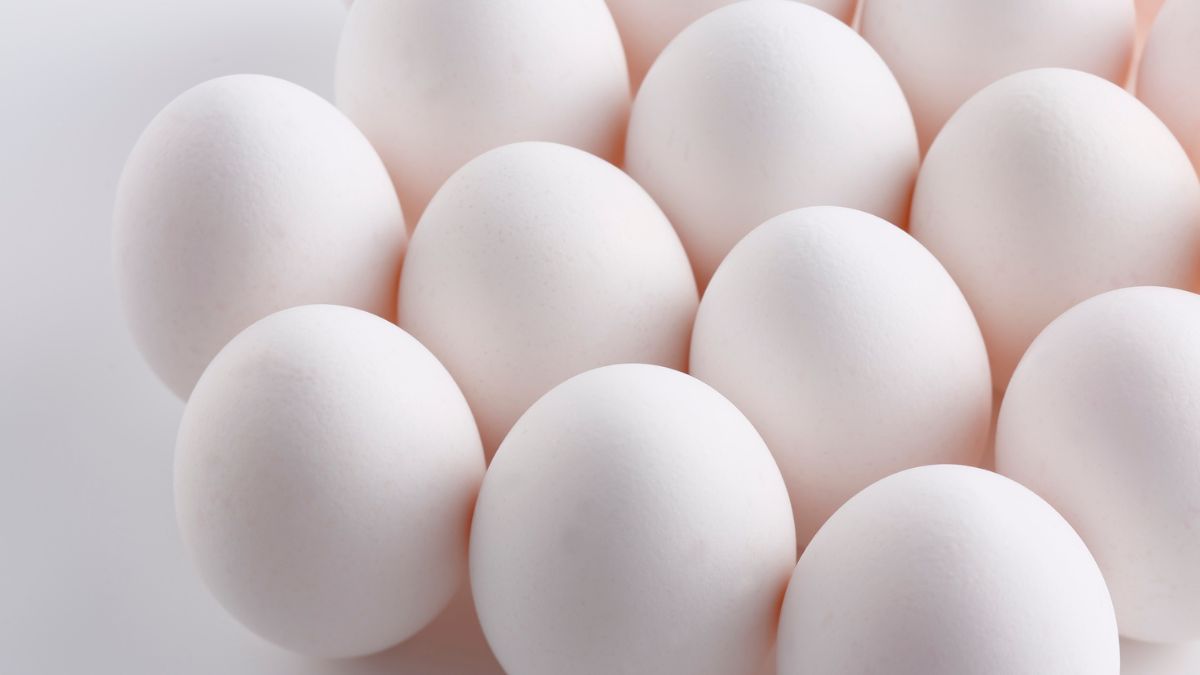
Brown or white, eggs taste virtually the same and offer the same nutrition. The color depends on the breed of hen, not quality. So paying extra for white eggs is often a matter of aesthetics, not flavor.
Microwave Scrambles Are Totally Viable
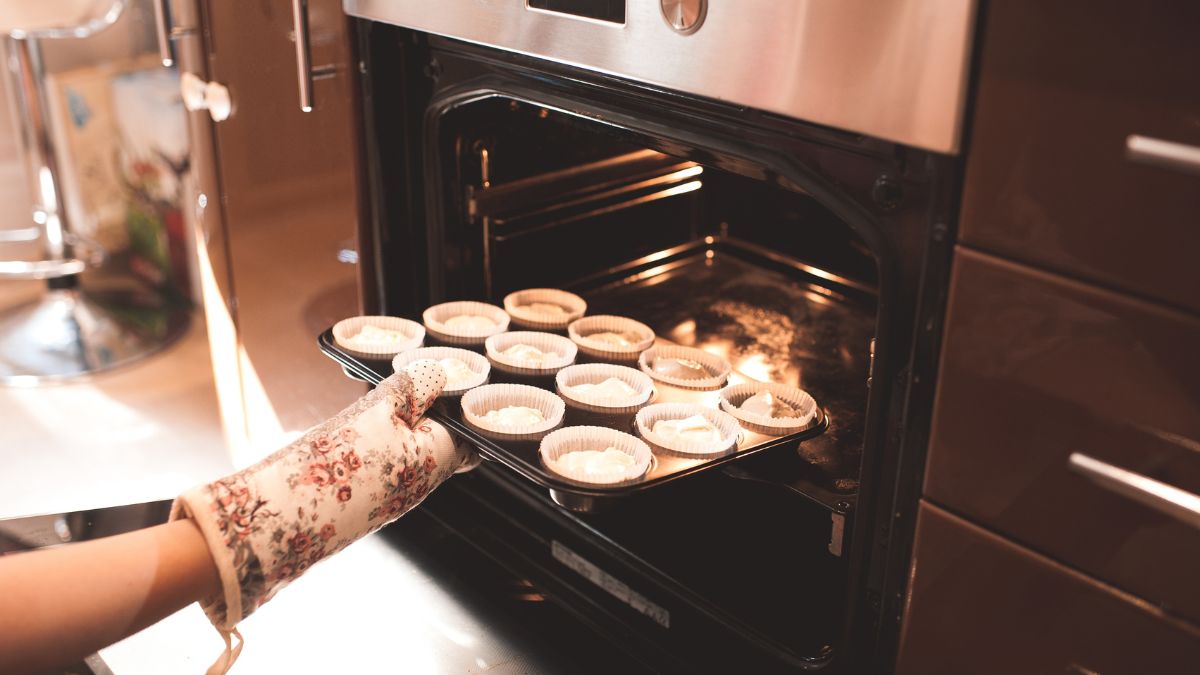
Scrambling eggs in the microwave isn’t cheating — it’s efficiency. Whisk well, stir halfway, and remember they keep cooking for a few seconds after the ping. They won’t be Michelin-star quality, but when time is short, microwaves deliver a quick, edible scramble.
Vinegar in Poaching Water Is Optional
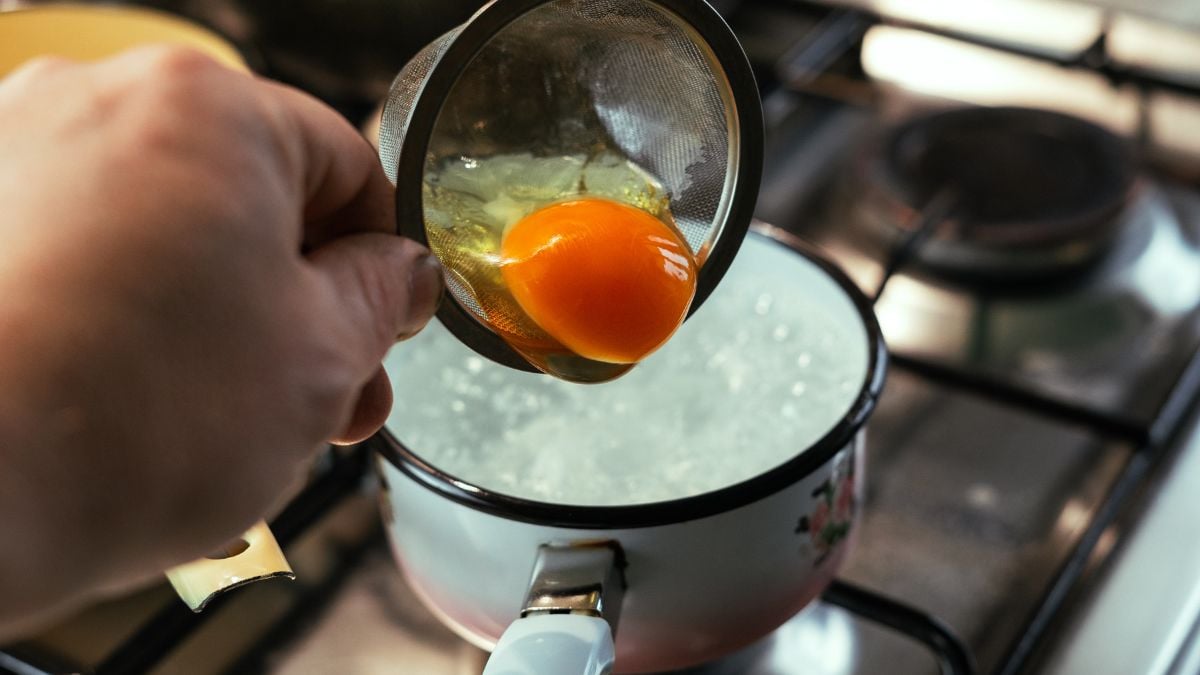
Acids like vinegar set egg whites faster, helping avoid stringy messes. But they also make whites firmer and potentially rubbery. Poach eggs your way — it’s personal preference, not a rule.
Milk Makes Eggs Creamier, Not Ruined
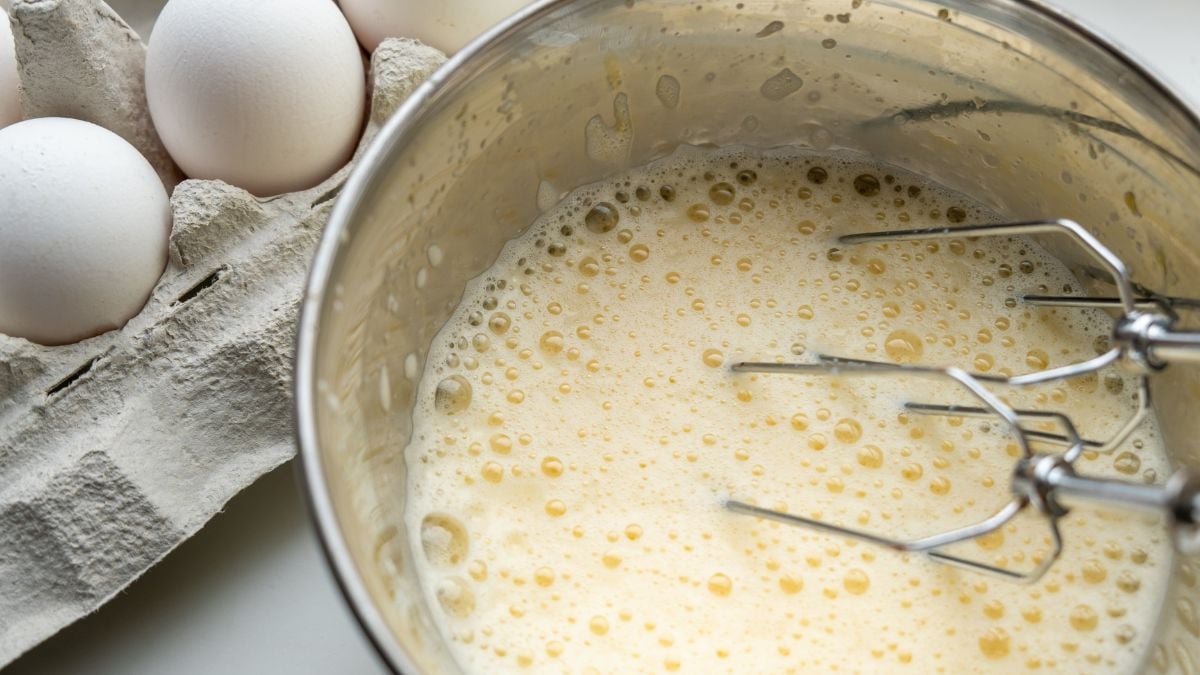
Adding a spoonful of milk, cream, or crème fraîche can make scrambled eggs softer and silkier. Even water can work in a pinch. That old advice claiming milk ruins eggs is more dogma than fact. Go ahead—bulk out your scrams without fear.
Season Eggs Anytime
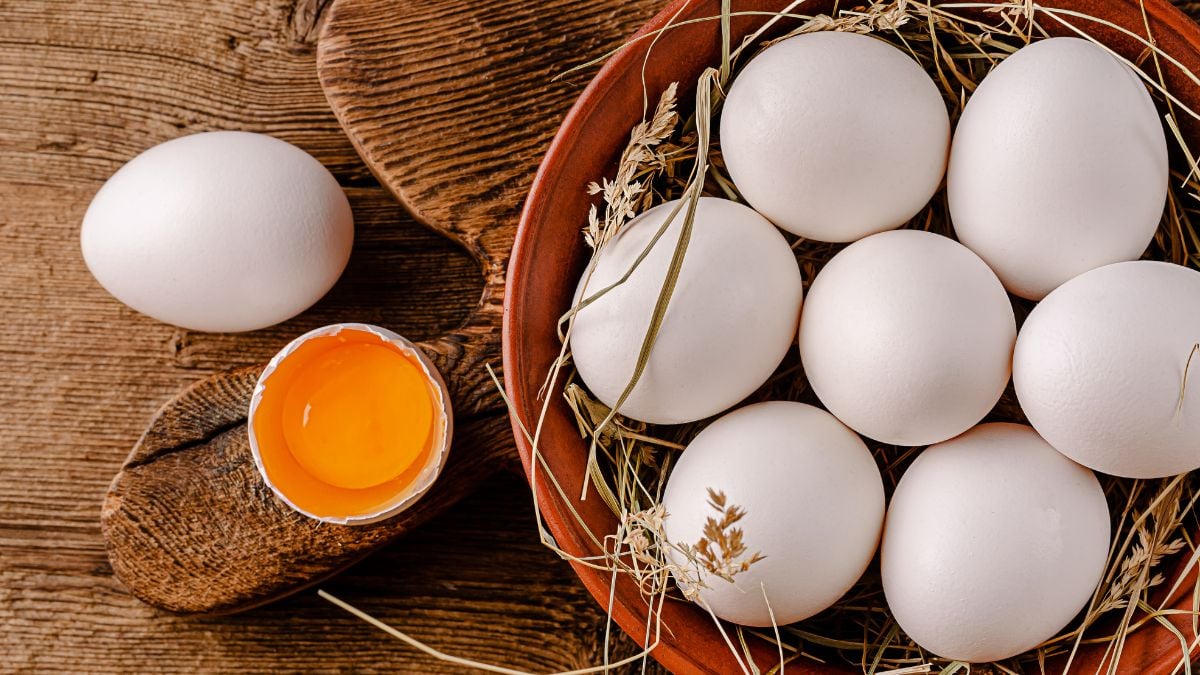
Adding salt to raw eggs doesn’t break them down; it actually tenderizes. Salt buffers the proteins, preventing toughness. So there’s no need to wait until the end — season early and enjoy a better texture.
Chicken Came Second: Dinosaur Eggs Came First
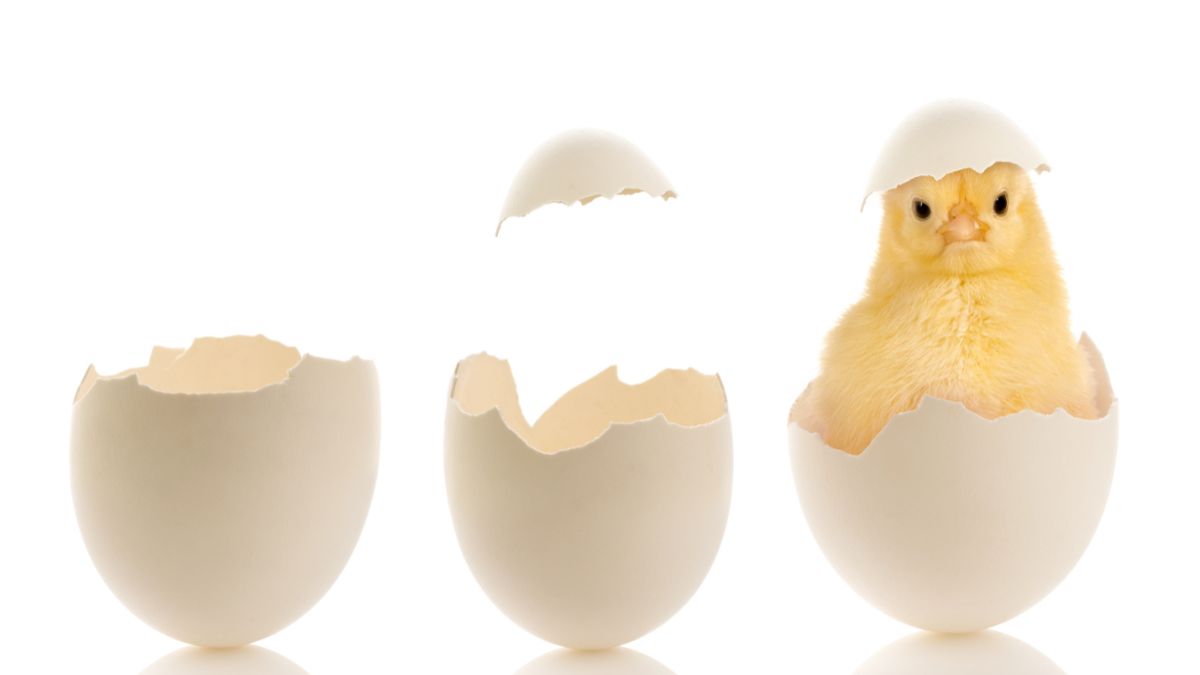
The age-old “chicken or the egg” debate? Scientists say dinosaur eggs predate chickens by millions of years. Mystery solved.
Eggshells Aren’t Magnetic Magic
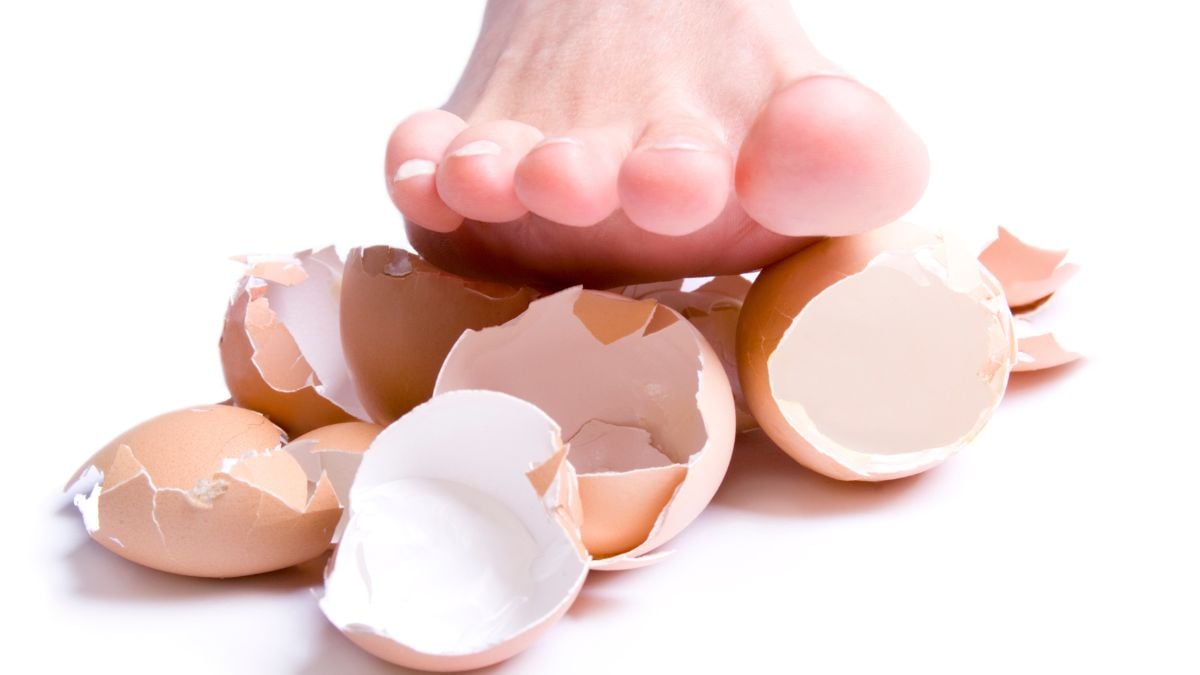
Picking out broken shells with another shell isn’t some mystical force at work. The thin, curved edge cleanly pierces the thick egg white. It’s a nifty technique, not sorcery.
Crack These Myths for Better Eggs
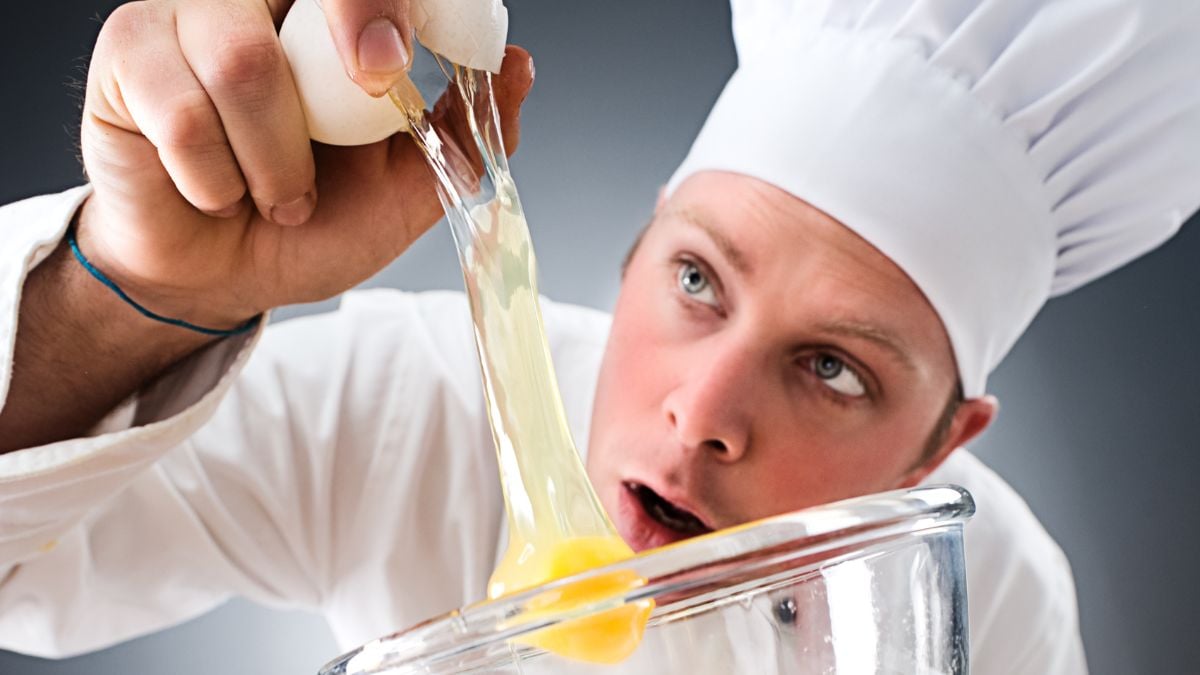
Eggs are more versatile than the myths suggest. From fridge habits to seasoning timing, small adjustments can elevate your cooking. Which myths did you believe for years? Have any of these tricks changed your breakfast game? Share your egg-pertise below!