Jack in the Box has long been a familiar fast-food fixture, especially on the West Coast. But as 2025 winds down, the chain looks noticeably smaller than it did just a year ago. Dozens of locations have already shut their doors, and more closures may still be coming. The move is part of a broader financial reset aimed at stabilizing the brand. Here’s what’s behind the closures—and what they signal for Jack in the Box’s future.
A Fan Favorite Starts Closing Stores
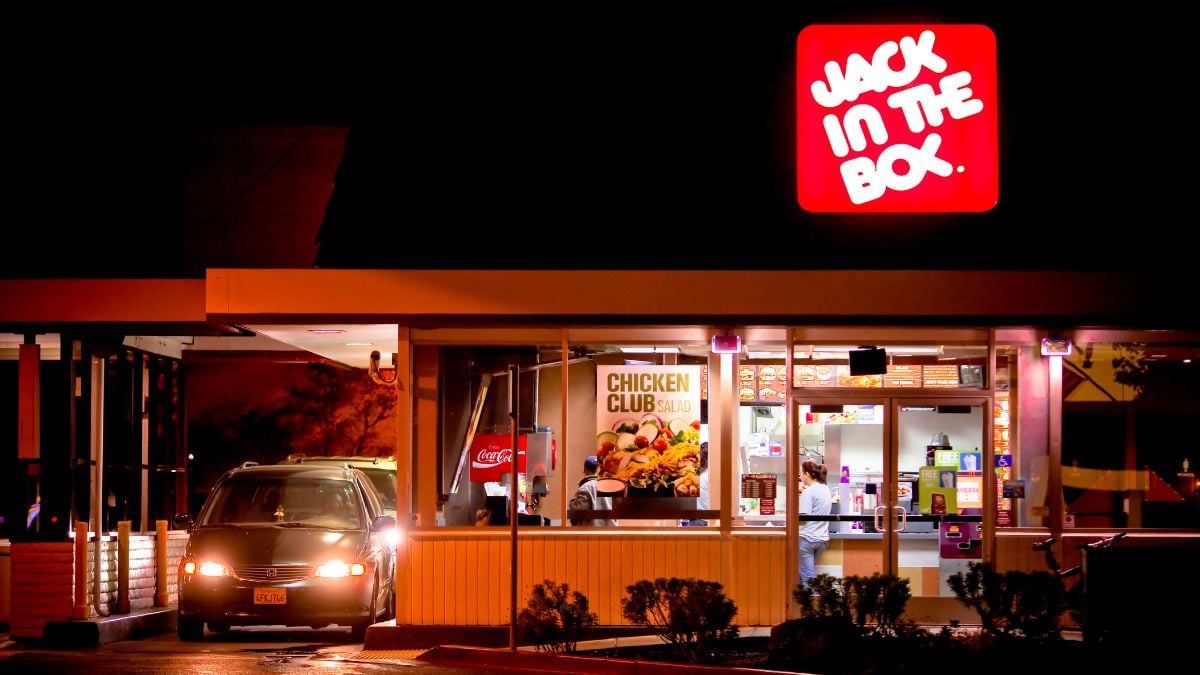
Jack in the Box surprised many customers by quietly shutting down restaurants across the country. Over 70 locations have already closed this year. The brand confirmed these closures were intentional, not isolated incidents. Each shutdown is part of a broader restructuring plan. For longtime fans, the pace has been hard to ignore.
The “Jack on Track” Strategy Explained
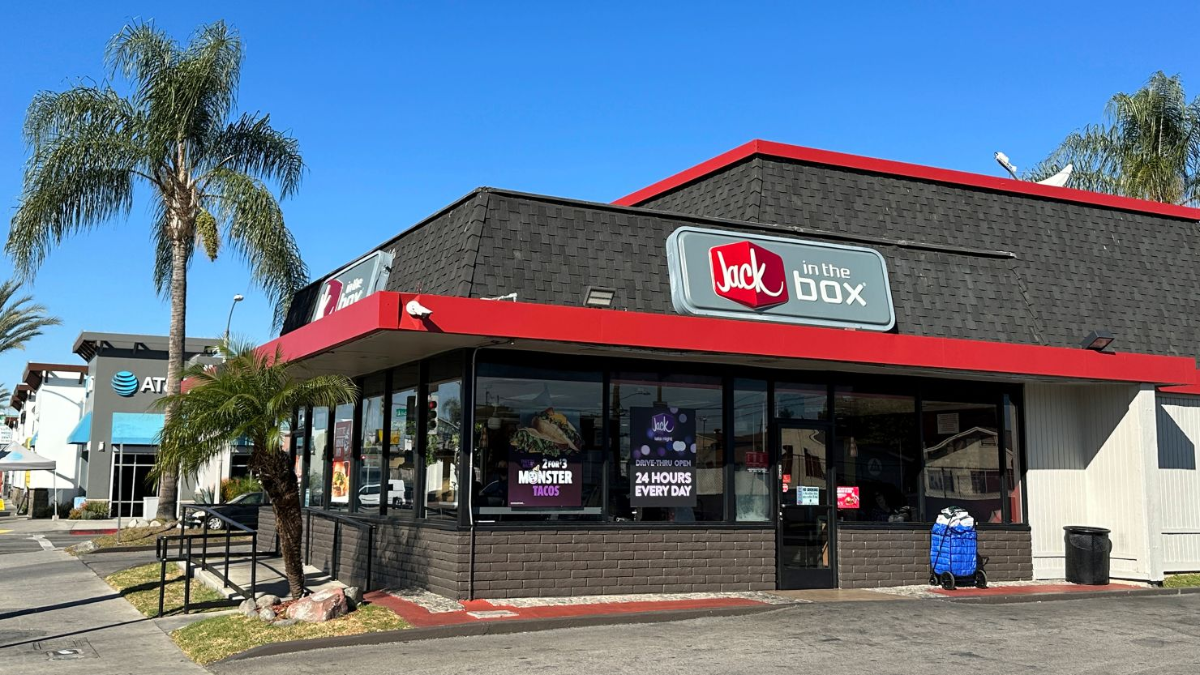
Earlier in 2025, Jack in the Box unveiled its “Jack on Track” plan. The initiative focuses on improving the company’s financial health. Central to the strategy is closing underperforming restaurants. Leadership framed it as a necessary reset rather than a retreat. The goal is a leaner, more efficient operation.
How Many Locations Were Targeted
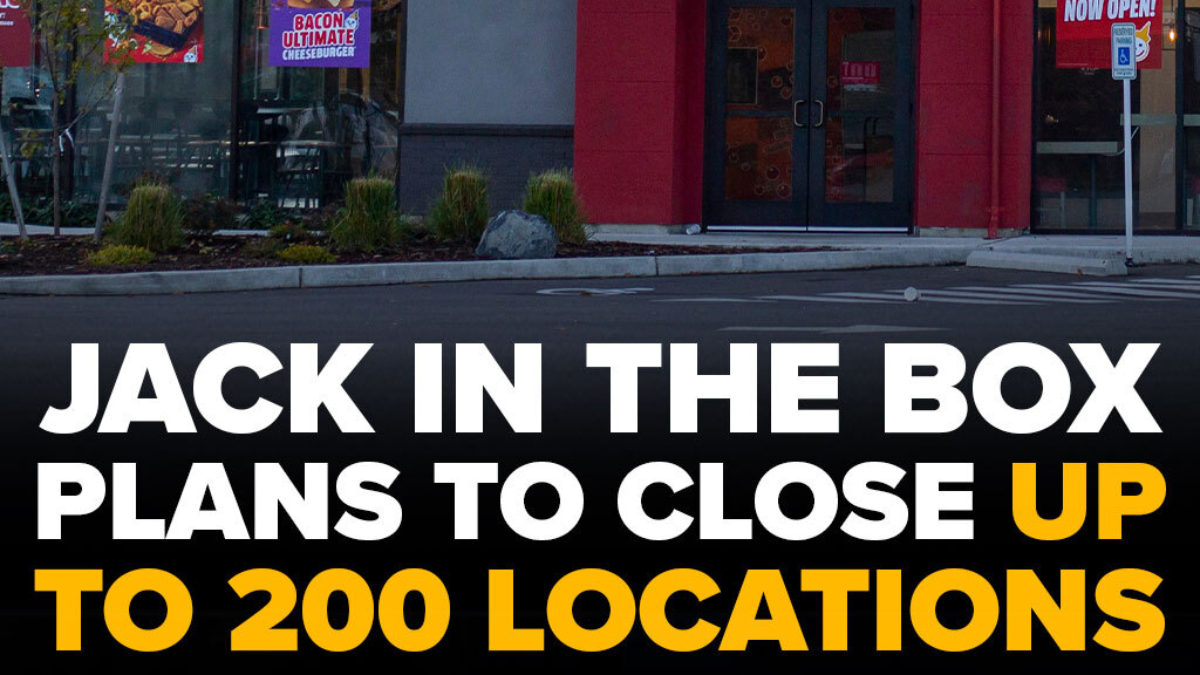
The company initially announced plans to close between 150 and 200 locations nationwide. That figure immediately raised eyebrows. Later clarification narrowed the 2025 goal to 80–120 closures by year’s end. As December approaches, the company is edging closer to that range. More closures remain possible.
The Current Closure Count
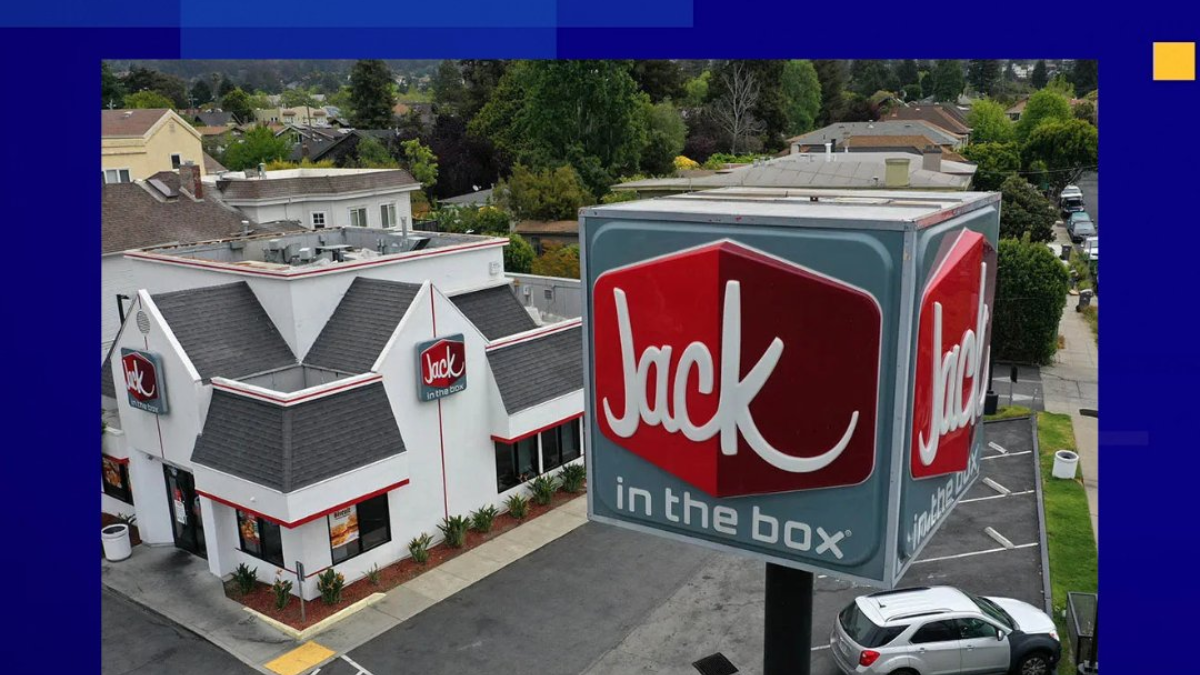
As of late December, Jack in the Box has shuttered 71 restaurants. This puts the chain just shy of its stated target. Because the deadline is December 31, additional closures could still happen quickly. The company has not ruled out further shutdowns. Final numbers may come down to the wire.
A Chain Still Spread Across 22 States
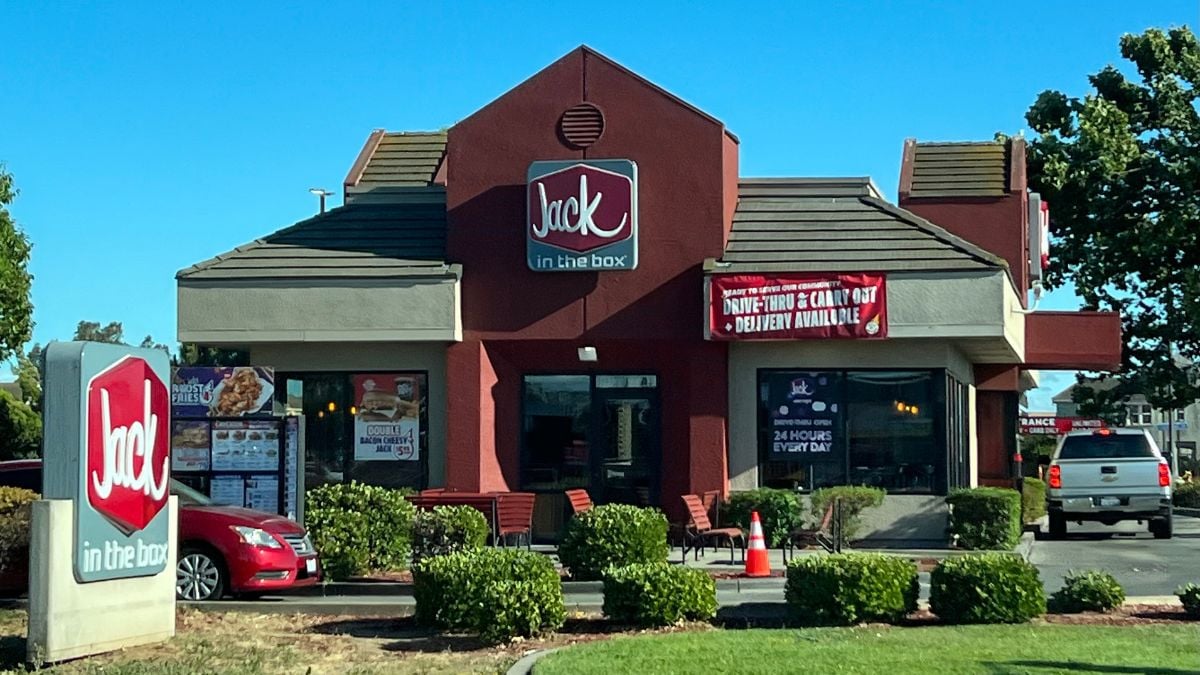
Despite the closures, Jack in the Box remains a sizable operation. At the time of the announcement, it operated roughly 2,200 locations nationwide. Those restaurants span 22 states. The brand still has a strong physical footprint. However, its concentration varies widely by region.
California’s Outsized Role
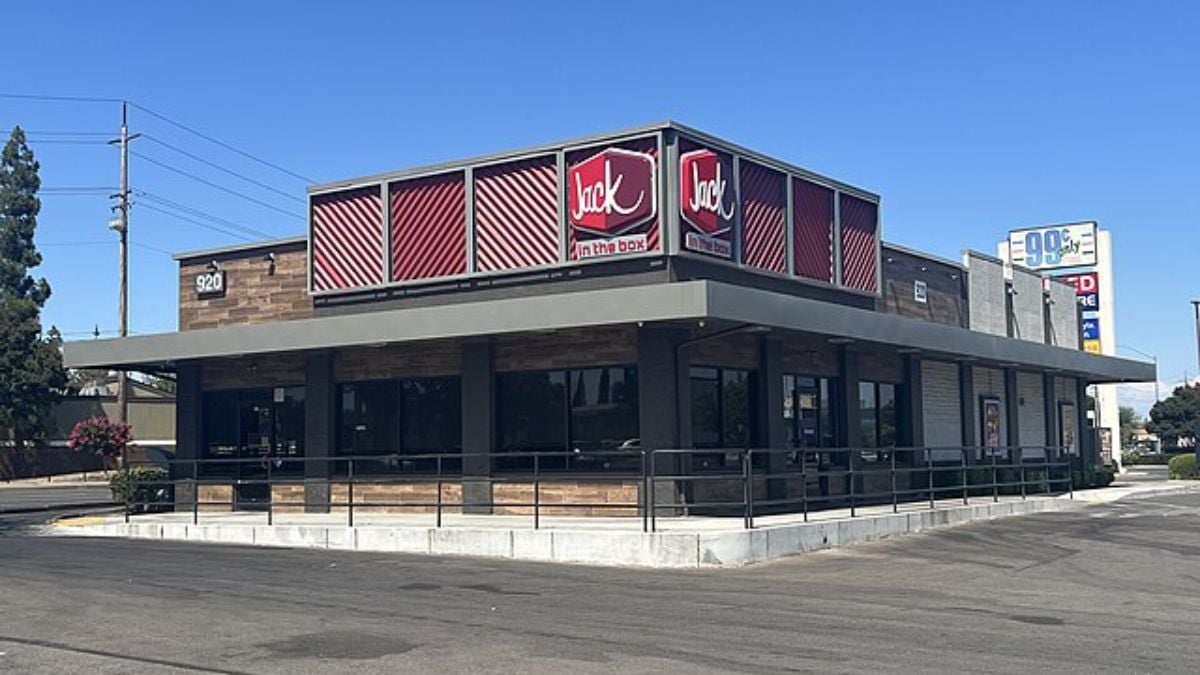
California plays an enormous role in Jack in the Box’s story. The state alone accounts for 942 locations. That represents about 43 percent of the company’s total footprint. With such a heavy concentration, any closures there are especially noticeable. The West Coast remains the brand’s core market.
Leadership’s Push for Simplicity

CEO Lance Tucker described the plan as a return to simplicity. He said Jack in the Box performs best with a streamlined, asset-light model. The focus is on reducing complexity across operations. Simplification is positioned as a way to boost shareholder returns. It’s a strategic reset rather than expansion.
Debt Reduction Is a Major Goal
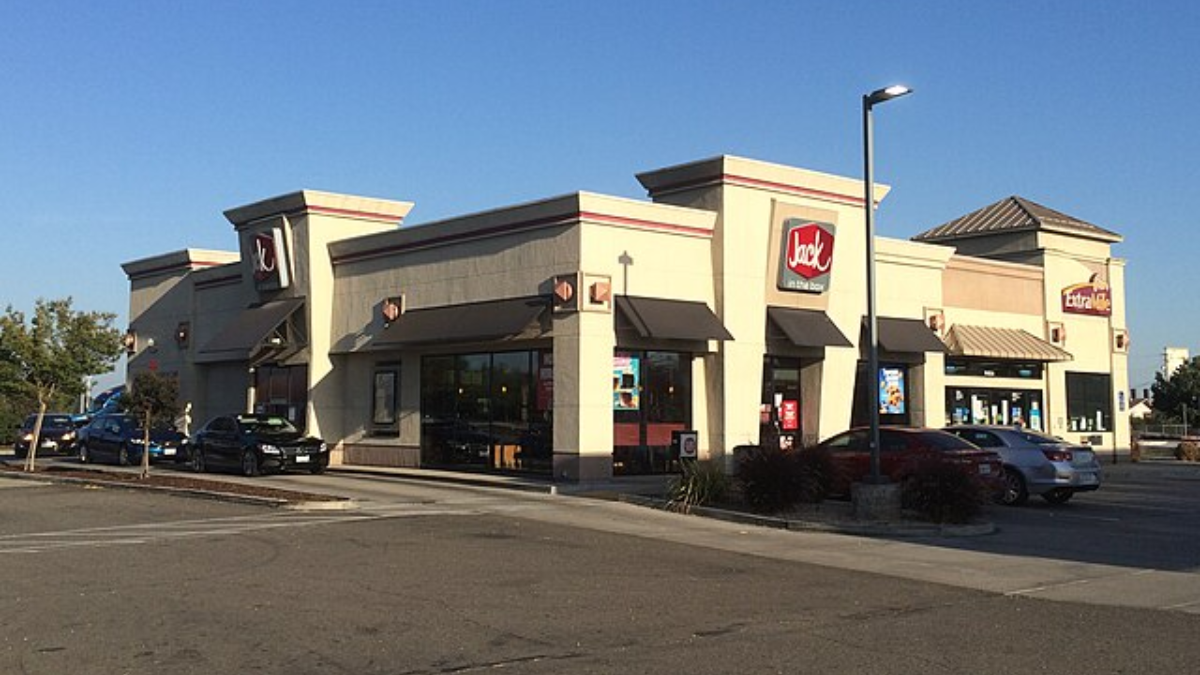
Financial pressure also drove the closures. Jack in the Box hopes to pay down $300 million in debt within two years. Closing restaurants is expected to accelerate cash flow. The move prioritizes balance-sheet health over aggressive growth. Debt reduction sits at the center of the plan.
Growth Isn’t Off the Table
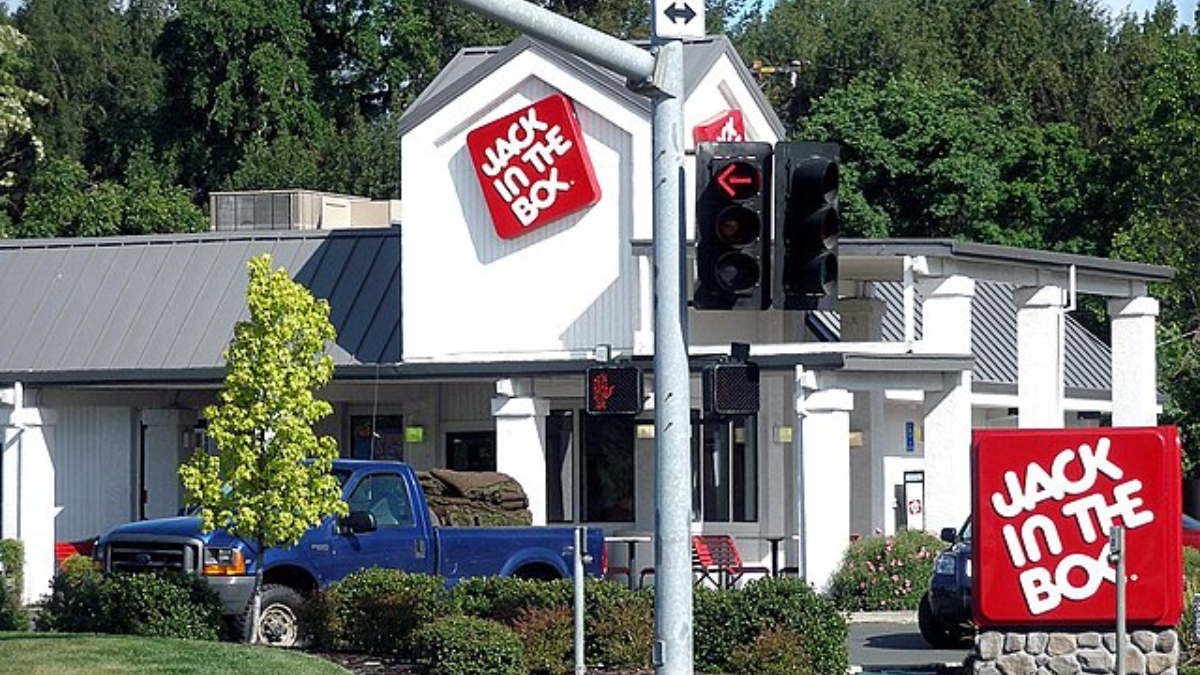
Despite the closures, the company insists it isn’t shrinking forever. Executives say the goal is eventual positive net unit growth. New markets and so-called “whitespace opportunities” are part of the long-term vision. The brand wants to grow—but more selectively. Closures are framed as groundwork for future expansion.
More Closures Could Still Happen
Because the company hasn’t yet hit its closure target, additional shutdowns may occur. The final days of the year remain in play. Jack in the Box has not confirmed which locations might be next. Customers could see sudden announcements. Uncertainty remains until year’s end passes.
Not the Only Big Name Scaling Back
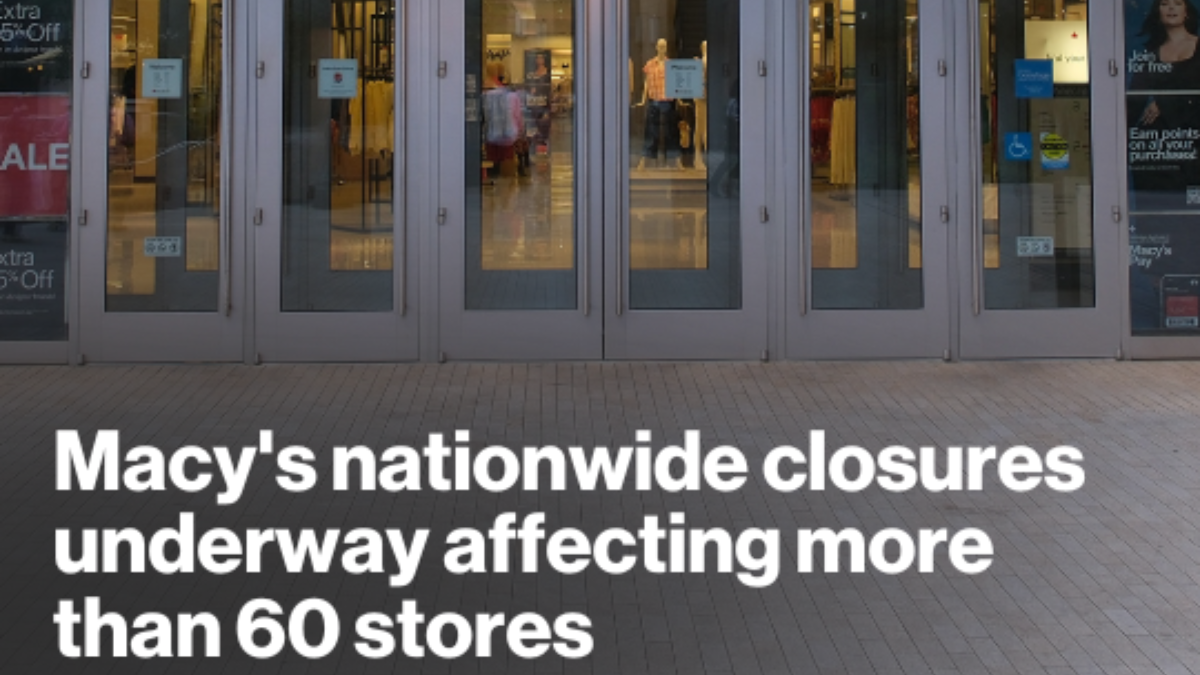
Jack in the Box isn’t alone in retrenching. Macy’s has also announced dozens of closures by the end of 2025. Its iconic Fulton Street location in Brooklyn is among them. These moves reflect broader retail and dining pressures. Major brands across industries are tightening their footprints.
A Brand in Reset Mode
Jack in the Box’s closures mark a significant shift for the fast-food chain. The company is prioritizing financial stability over size. While fewer locations may disappoint some fans, leadership sees it as a necessary step forward. Have you noticed a Jack in the Box close near you—or is your local one still going strong? Share your experience and tell us which fast-food closures have surprised you most.