Restaurant chains are born, boom, and sometimes quietly disappear. While some closures spark outrage and nostalgia, others barely register a shrug. These fallen chains once felt unavoidable, riding trends that eventually lost steam. From outdated concepts to branding disasters and fierce competition, each of these restaurants tells a cautionary tale. Here’s a look at 15 failed chains that faded away—and why most diners didn’t mourn them.
Red Barn’s Barnyard Dreams Fell Flat
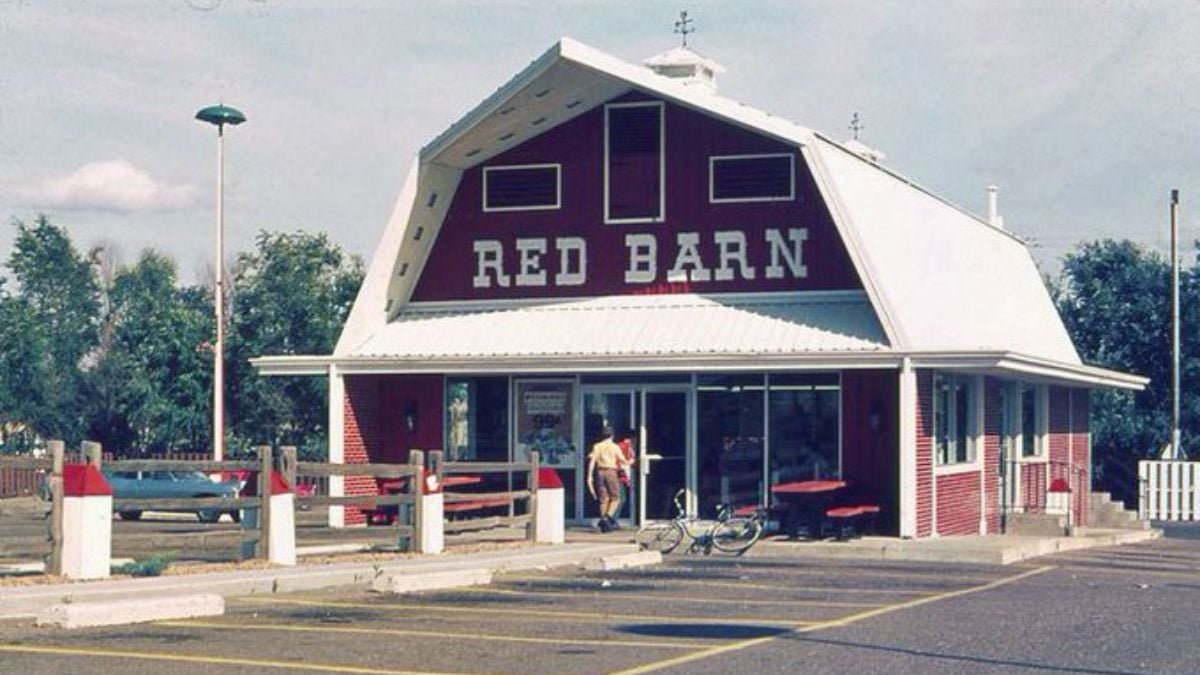
Red Barn stood out in the 1960s with its literal barn-shaped buildings. The chain served burgers, fried chicken, and fish while trying to compete in a fast-food gold rush. Unfortunately, McDonald’s and Burger King outpaced Red Barn in scale and marketing. Without the power to keep up, the novelty wore off. The barns eventually closed for good.
Chi-Chi’s Lost Trust Overnight
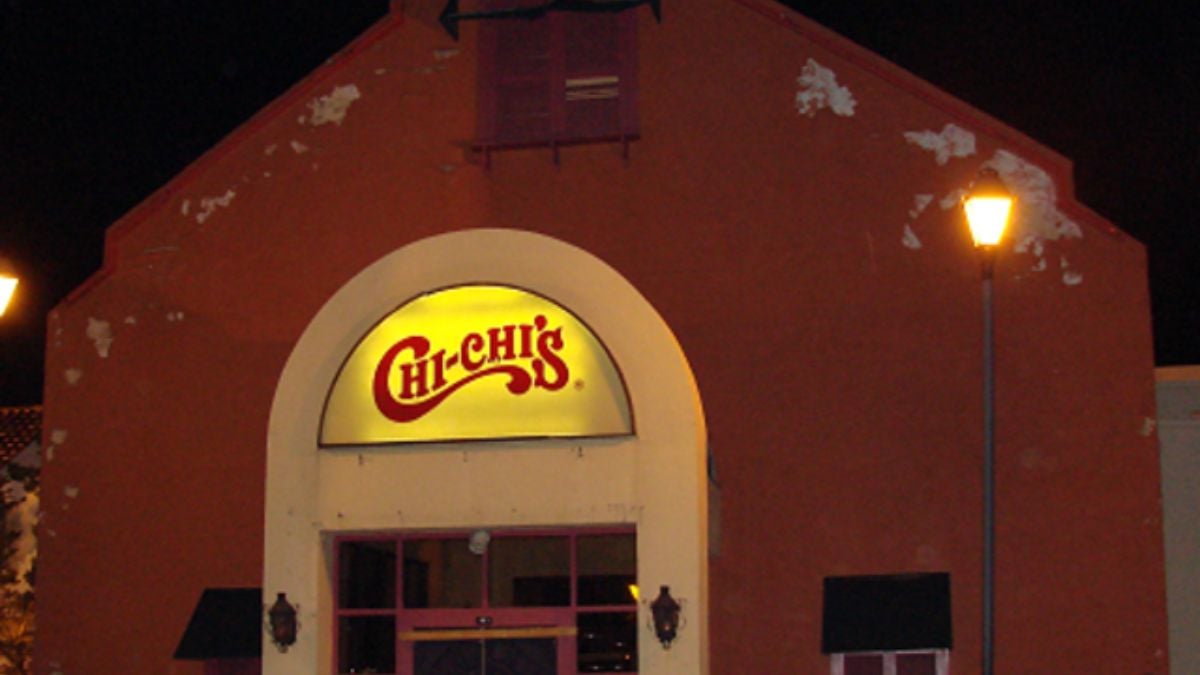
Chi-Chi’s once made Mexican food feel adventurous in the 1980s and 1990s. That popularity collapsed after a hepatitis A outbreak in 2003. Consumer confidence never recovered. At the same time, more authentic Mexican restaurants gained traction. Even loaded plates couldn’t undo the damage.
Bennigan’s Failed to Keep It Fresh
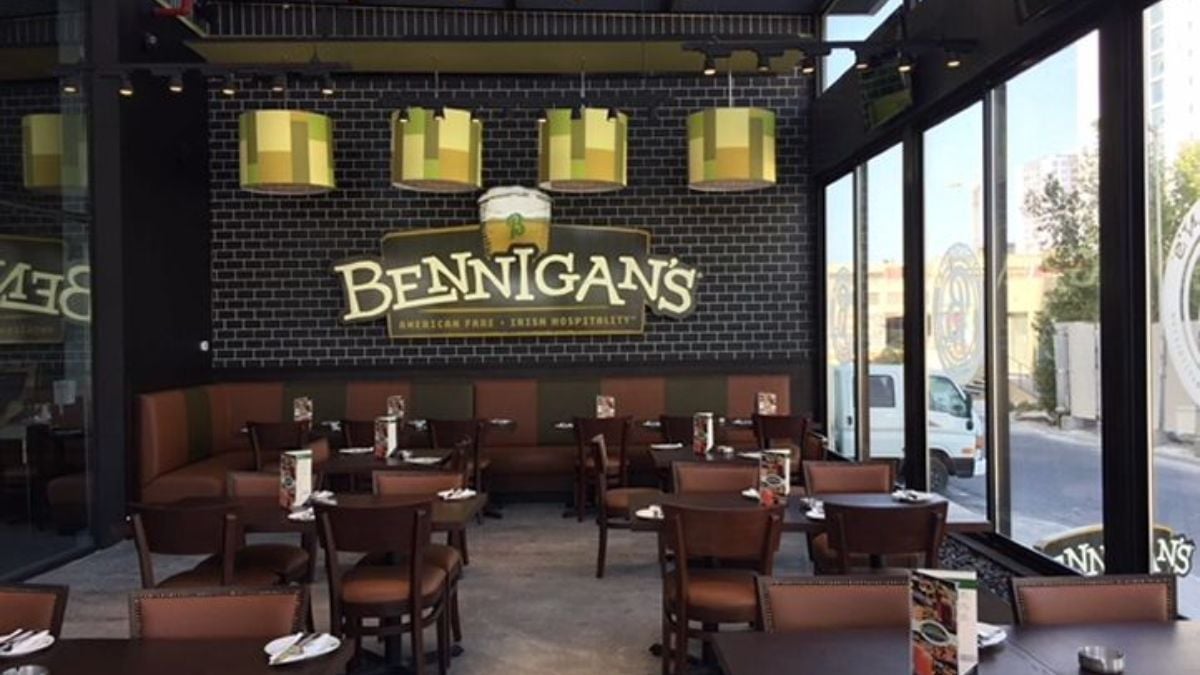
Bennigan’s aimed to deliver a lively Irish pub vibe. Over time, its menu and atmosphere felt stuck in the past. Competitors modernized while Bennigan’s lagged behind. A 2008 Chapter 7 bankruptcy closed most corporate locations. The brand simply couldn’t evolve fast enough.
Steak and Ale Missed the Middle Ground
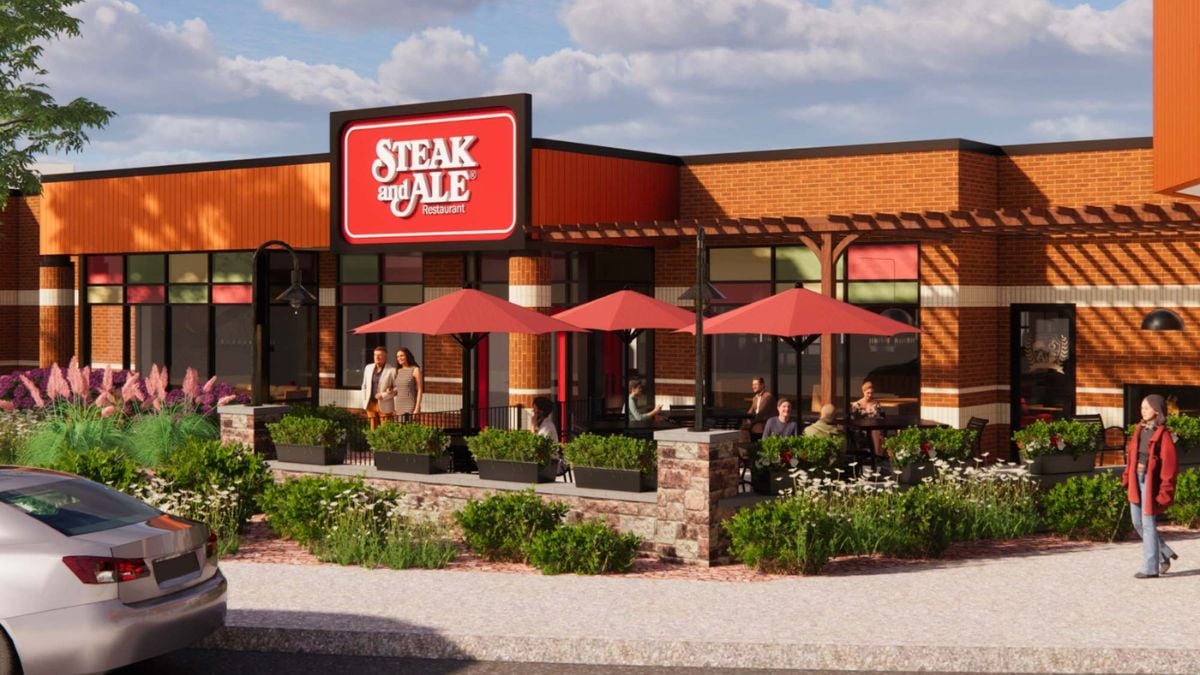
Steak and Ale promised affordable steakhouse dining in Tudor-style surroundings. As tastes changed, diners shifted toward fast-casual or premium steakhouses instead. The chain steadily shrank before its parent company’s 2008 bankruptcy. Its identity became unclear in a crowded market. Nostalgia wasn’t enough to save it.
Howard Johnson’s Orange Roofs Went Dark
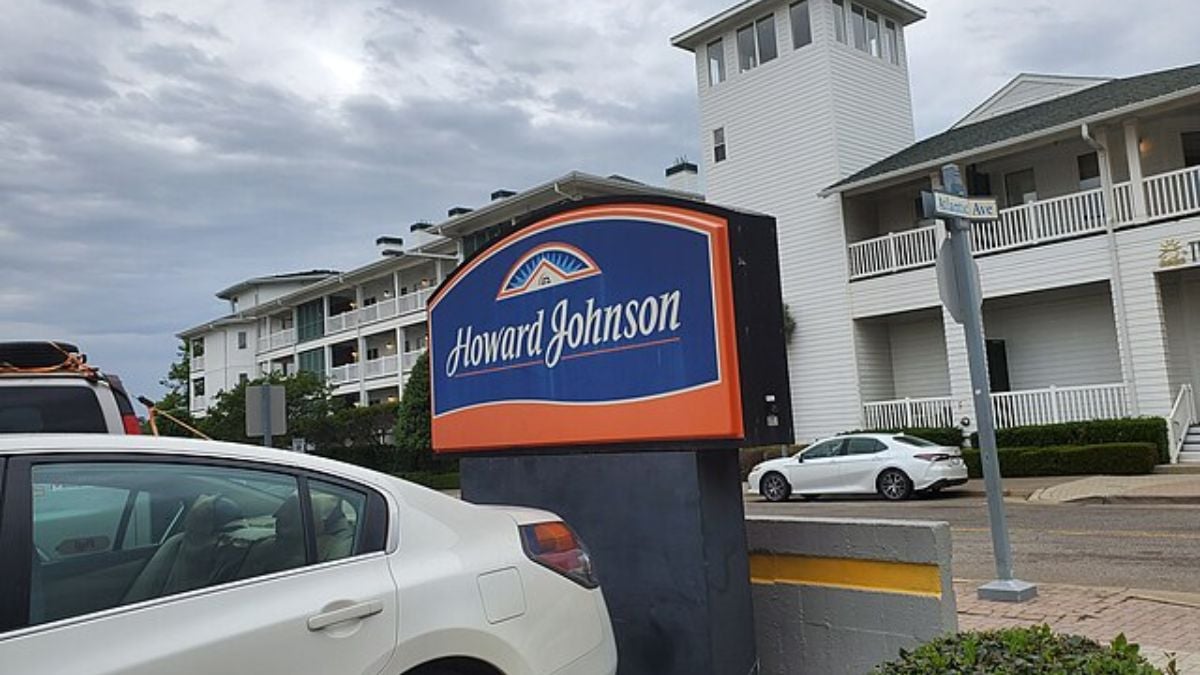
Howard Johnson’s once defined roadside dining for traveling families. Its orange roofs symbolized consistency and comfort. As highways expanded and fast food took over, HoJo’s lost relevance. Speed and convenience mattered more than sit-down meals. The chain slowly vanished from the landscape.
Sambo’s Name Became Its Undoing
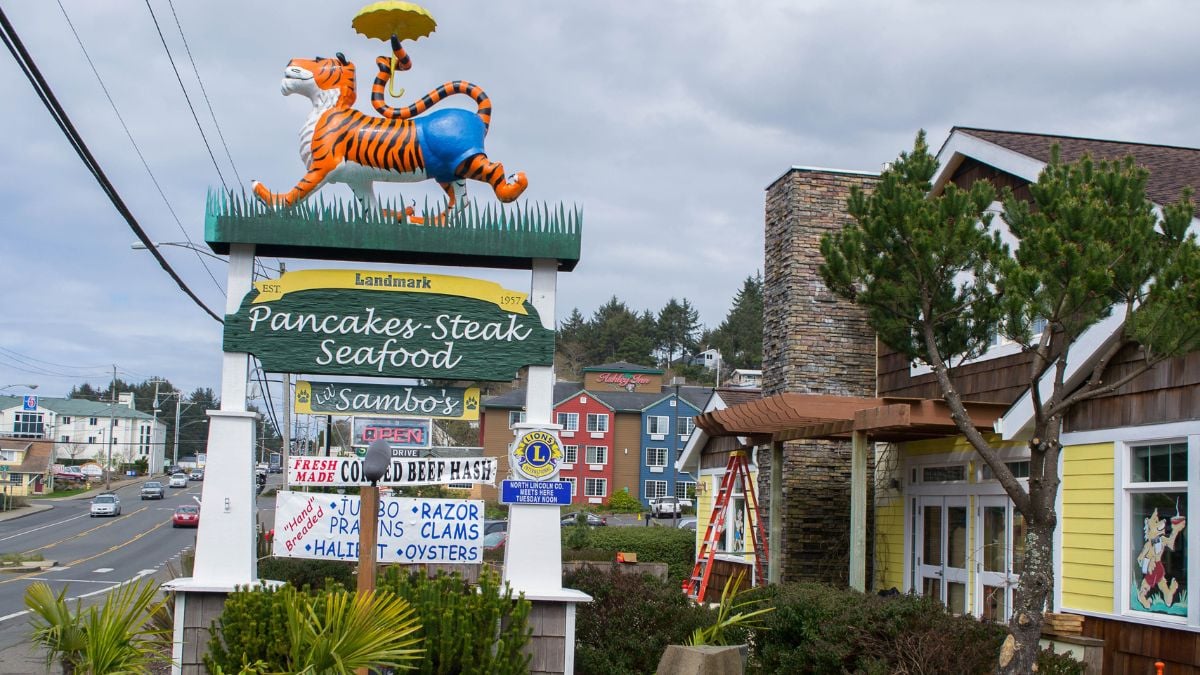
Sambo’s pancake houses initially found success nationwide. However, the chain’s name and imagery were rooted in racist stereotypes. As public awareness grew, the branding became unacceptable. Attempts to rebrand came too late. The damage proved irreversible.
Lum’s Beer-Steamed Hot Dogs Went Cold
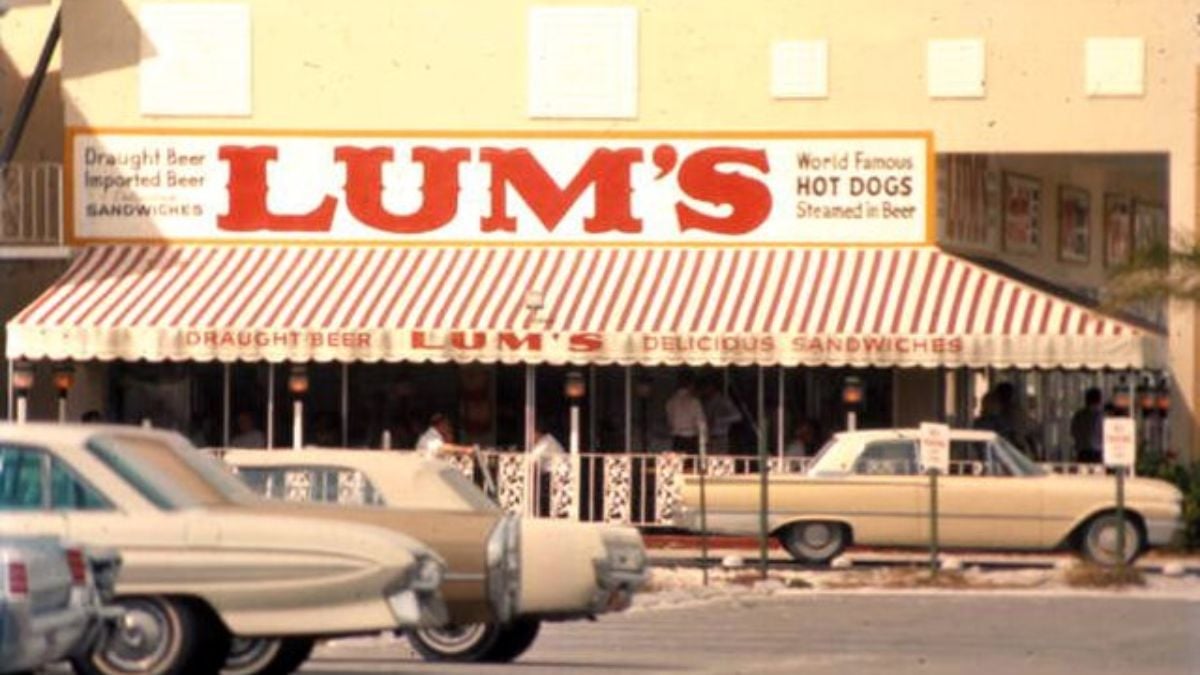
Lum’s gained fame for hot dogs steamed in beer and a laid-back atmosphere. Rapid expansion brought complicated ownership changes. Financial instability followed. Meanwhile, diners began favoring quicker and healthier options. Lum’s couldn’t keep up with shifting priorities.
The Magic Pan Was Too Niche
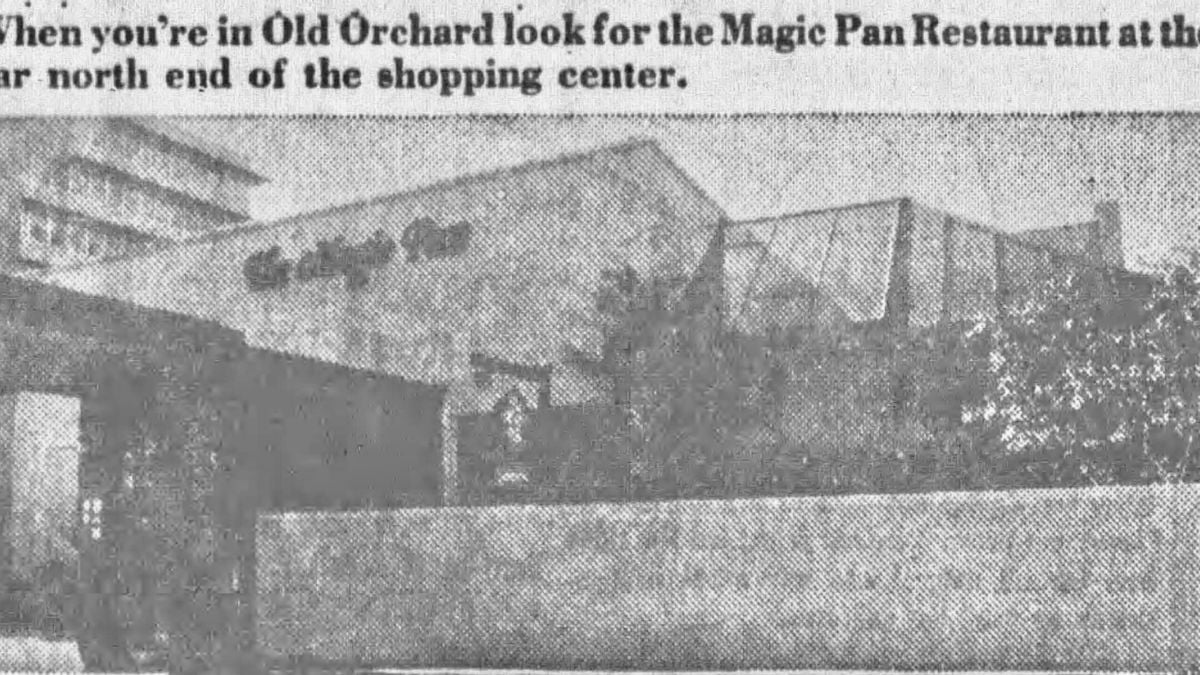
The Magic Pan introduced crepes to American malls in the 1970s. While charming, the concept remained specialty-focused. That limited its mass appeal. Scaling the brand proved difficult. Eventually, novelty alone wasn’t enough to survive.
Burger Chef Lost Its Identity
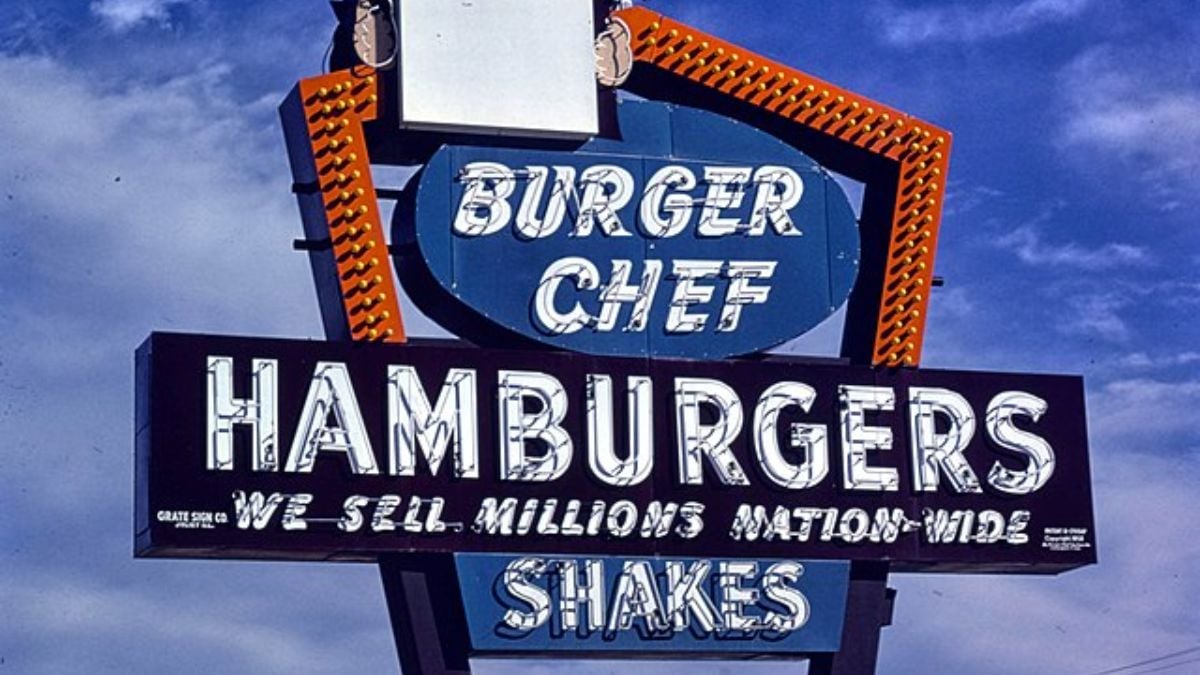
Burger Chef once rivaled McDonald’s and even launched the Funmeal first. After General Foods acquired it, investment slowed. Focus shifted elsewhere, and the brand suffered. Locations were eventually converted into Hardee’s. A strong competitor faded through neglect.
Kenny Rogers Roasters Ran Out of Steam
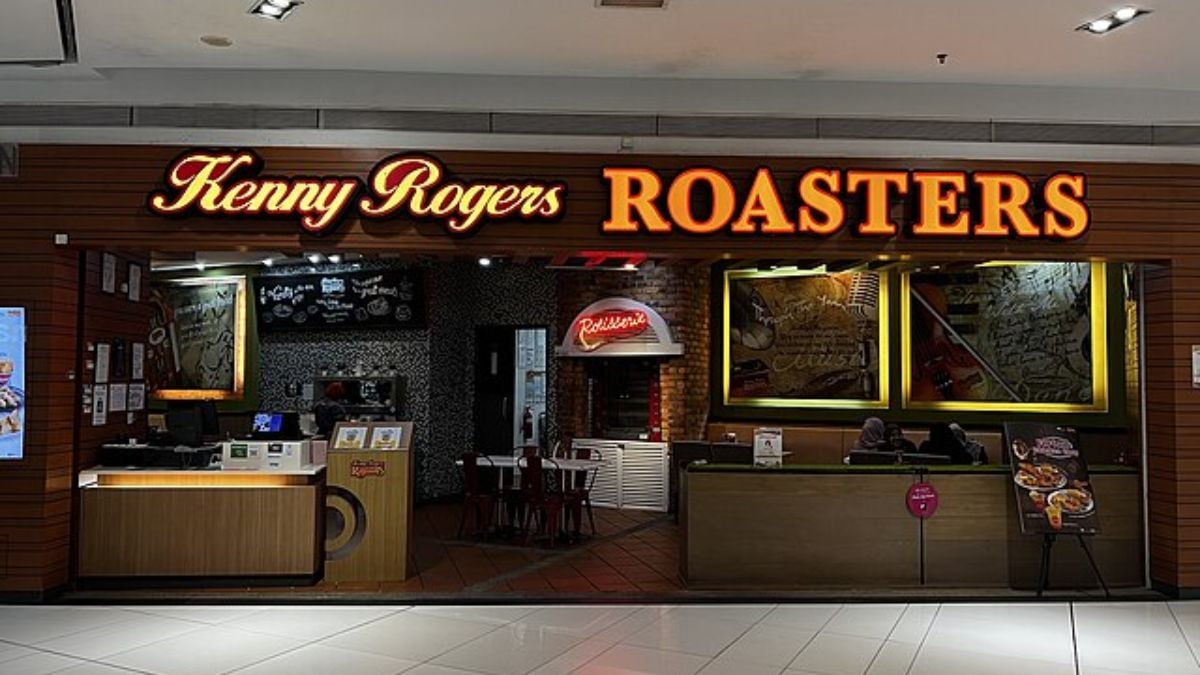
Kenny Rogers Roasters leaned on celebrity power and rotisserie chicken. It marketed itself as a healthier alternative to fried fare. Competition from similar concepts intensified. The novelty wore off quickly. Good intentions didn’t translate into long-term loyalty.
Damon’s Grill Couldn’t Stand Out
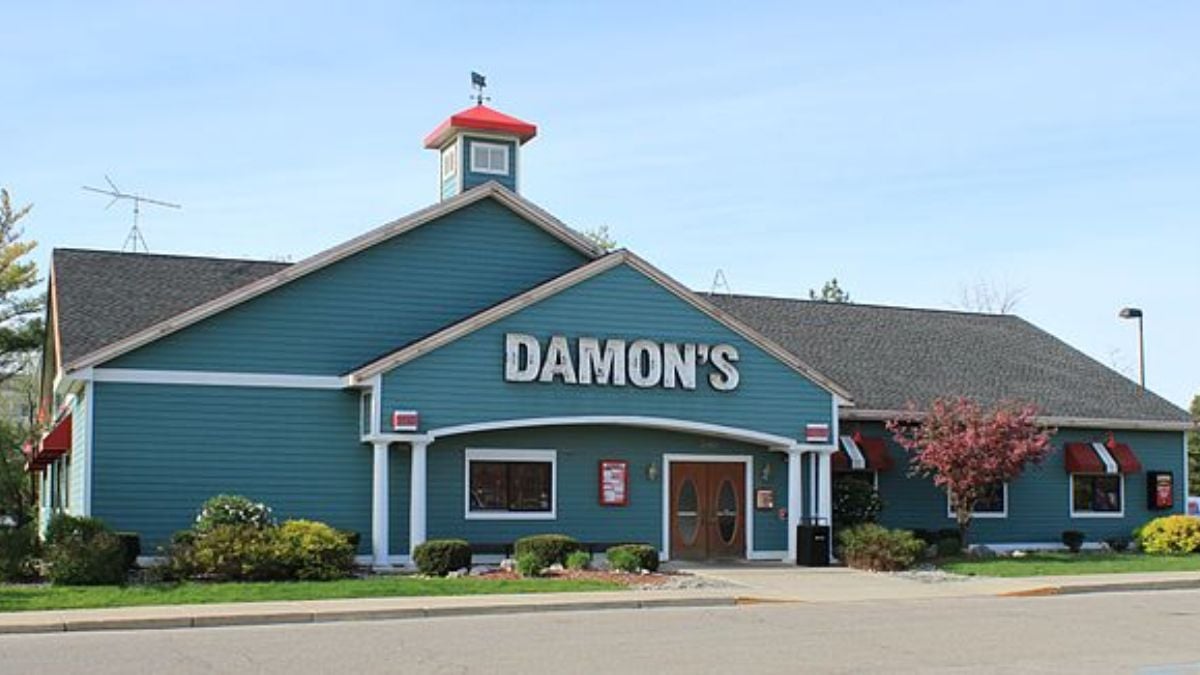
Damon’s Grill blended ribs with a sports bar atmosphere. The problem was saturation. Too many similar restaurants flooded the market. Damon’s struggled to differentiate itself. Customer interest slowly dwindled.
Bob’s Big Boy Fell Behind the Times
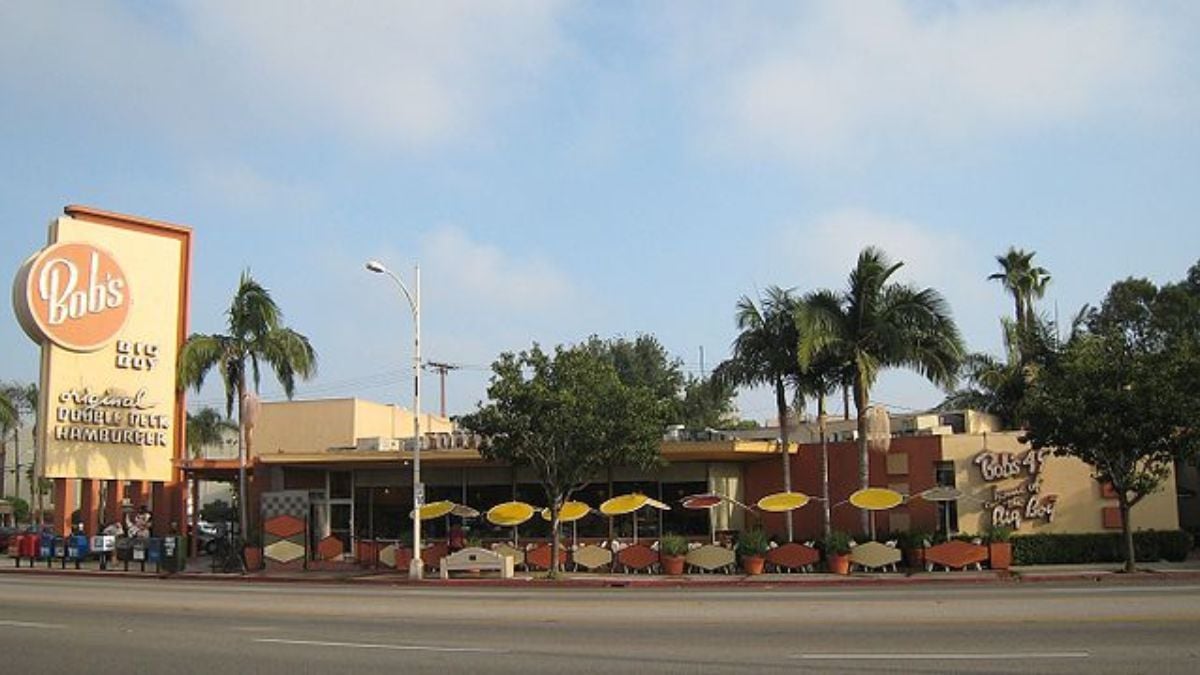
Bob’s Big Boy became an icon with its statue and diner menu. Ownership changes weakened brand consistency. The menu failed to adapt to modern dietary preferences. While some franchises remain, the national chain faded. Familiarity alone couldn’t save it.
Rainforest Cafe’s Jungle Lost Its Magic
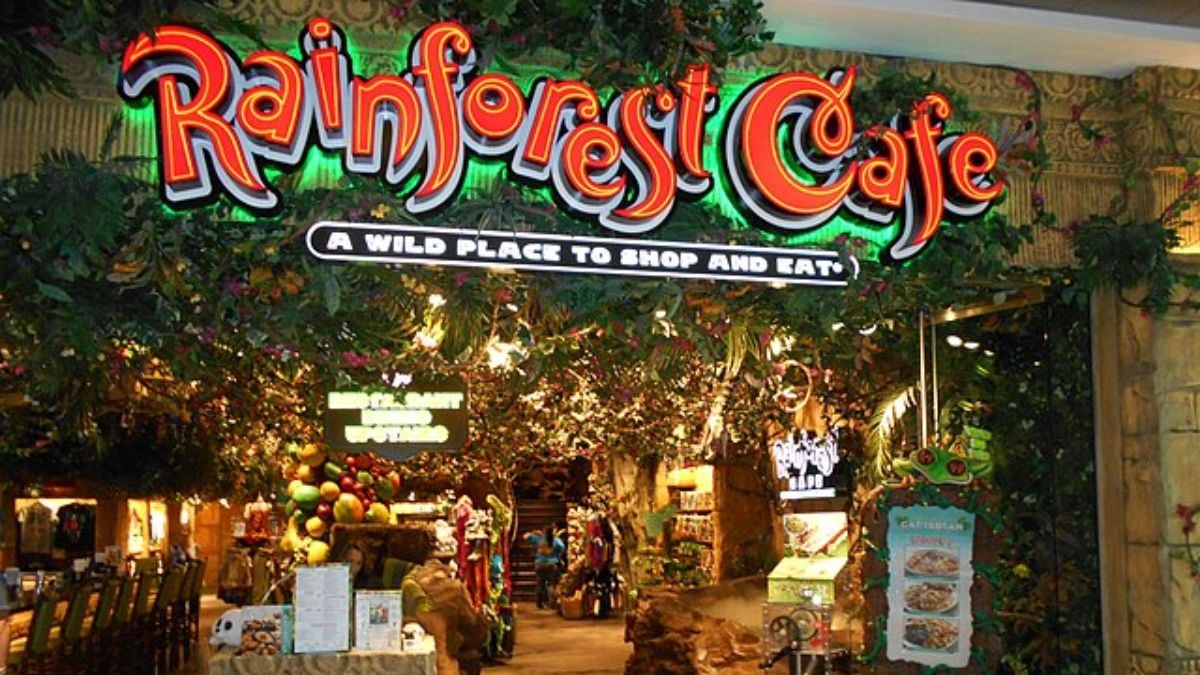
Rainforest Cafe offered animatronic animals and indoor thunderstorms. Families loved the spectacle—at first. Over time, the novelty wore thin. High maintenance costs added pressure. Diners shifted toward food-first experiences.
Old Country Buffet Overdid the Buffet Model
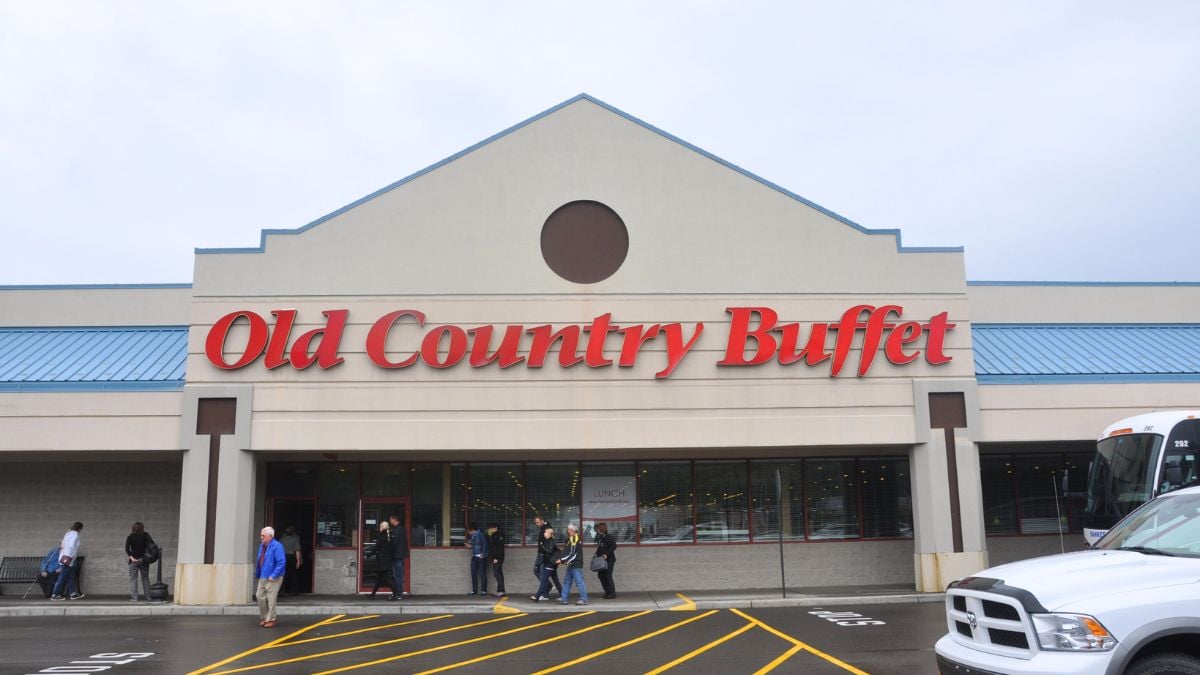
Old Country Buffet thrived on unlimited portions and comfort food. Concerns over hygiene and food waste hurt the buffet concept. Consumer tastes moved toward healthier, individualized meals. Parent company bankruptcies accelerated the decline. The all-you-can-eat appeal lost its shine.
Lone Star Steakhouse Was All Theme, No Edge
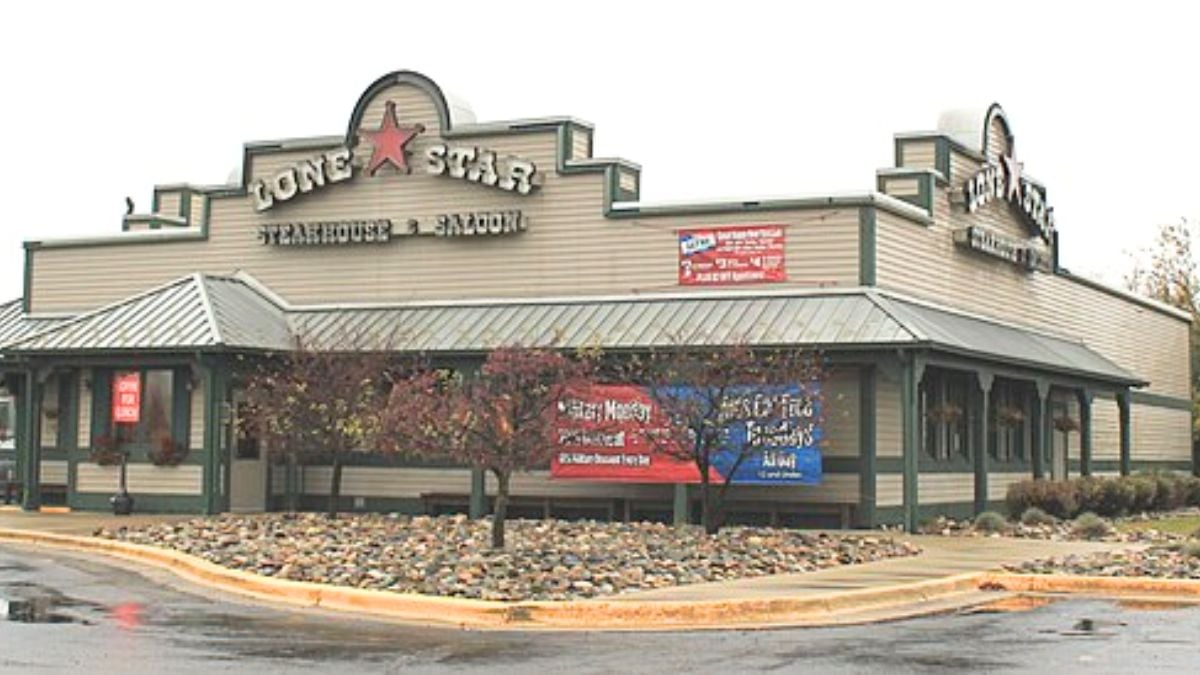
Lone Star Steakhouse leaned hard into cowboy culture and Texas imagery. Founded in 1989, it grew to over 200 locations. Competition in the steakhouse space intensified. Its food failed to stand out. Bankruptcy followed in 2017, ending the ride.