When the Great Depression hit, American kitchens were forced to get creative fast. With jobs scarce and money tighter than ever, families relied on cheap, filling ingredients to survive. Many of the meals from that era look unusual by today’s standards, but they tell a powerful story of resilience and resourcefulness. These dishes weren’t about comfort or indulgence — they were about getting through the day. Here’s a look at some of the curious recipes that helped people put food on the table when options were limited.
Cooking Under Extreme Hardship
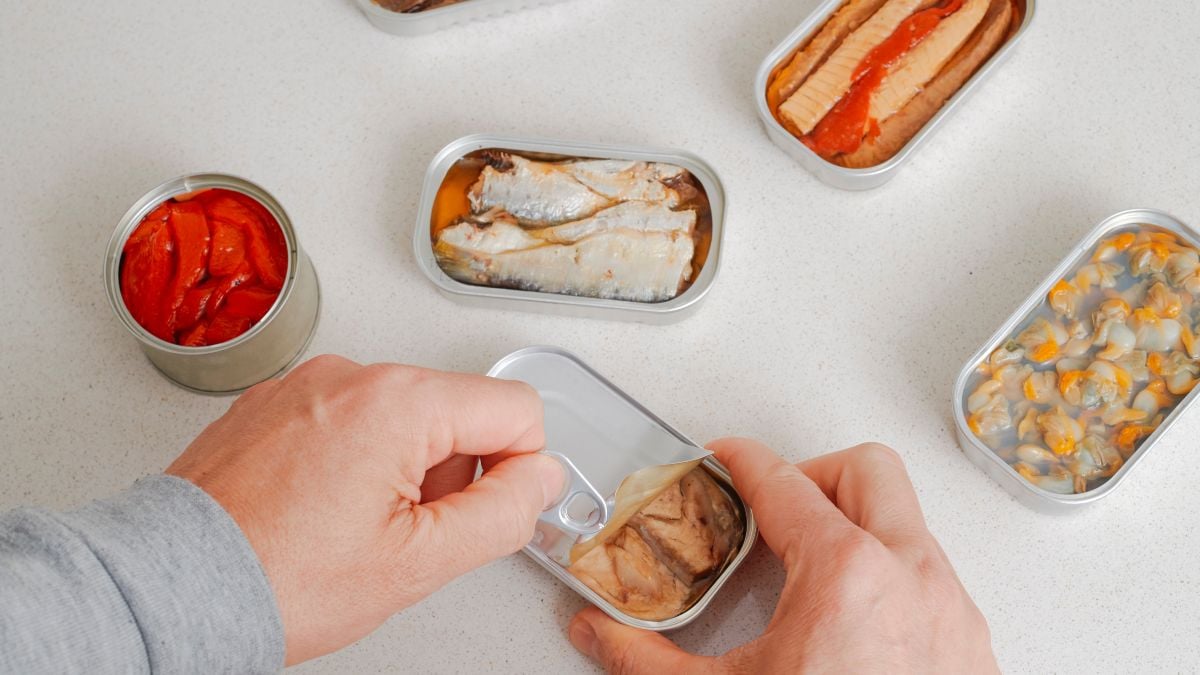
The Great Depression pushed millions of families into survival mode, especially at mealtime. Some people could rely on gardens or livestock, but many had to stretch pennies as far as possible. Meals were built around the cheapest staples available and whatever could be preserved or canned. Waste wasn’t an option, and leftovers were routinely transformed into something new. These recipes reflect a time when creativity mattered more than flavor trends.
Poor Man’s Meal Was Pure Survival Food
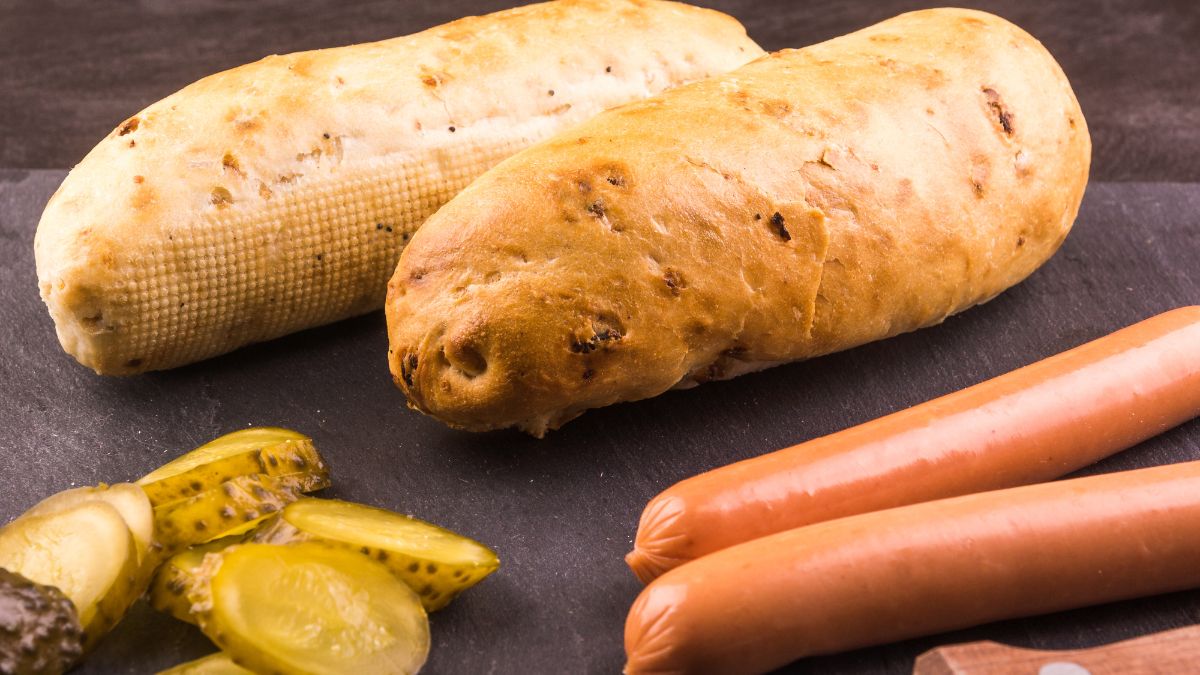
Poor Man’s Meal became popular because it relied on two of the cheapest ingredients available: potatoes and hot dogs. The dish involved frying cubed potatoes with onions until tender, then adding sliced hot dogs. It was filling, simple, and required no special equipment. Clara, who lived through the Depression, later shared this recipe as a firsthand account of how families ate. It remains one of the most iconic meals from that era.
Creamed Chipped Beef Filled Plates Cheaply
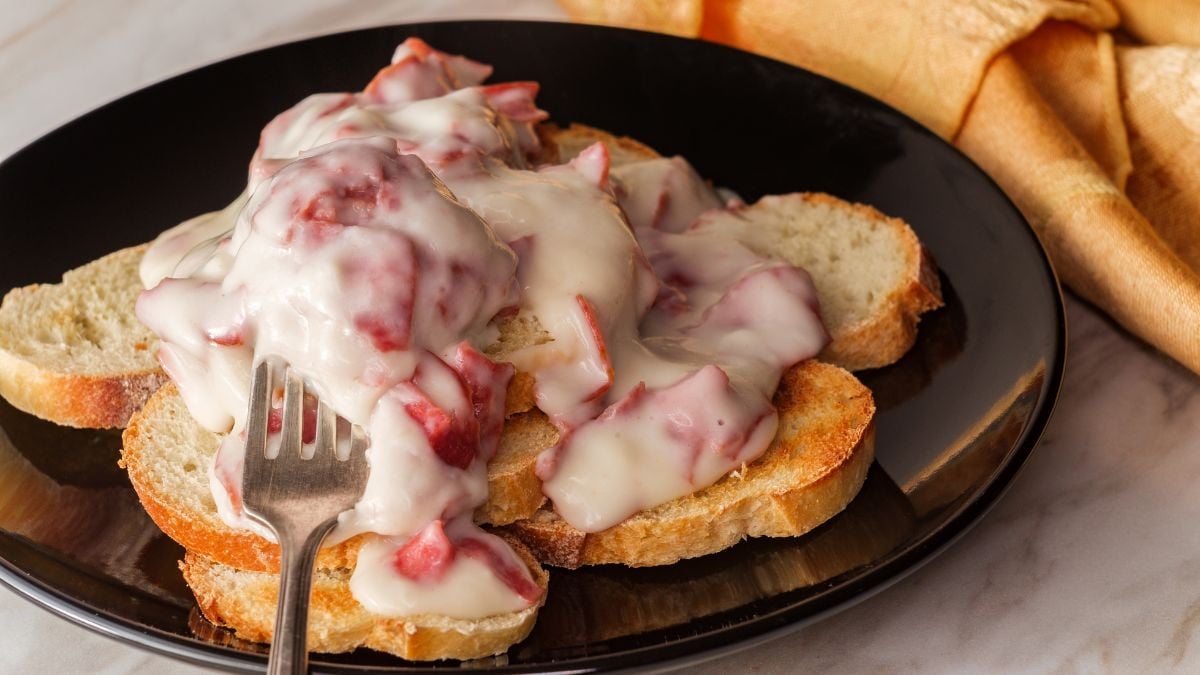
Creamed chipped beef was made using dried, salted beef stretched with milk and flour. The dish originated in Pennsylvania Dutch Country and spread across the Mid-Atlantic. Served over toast, it delivered calories and protein without much expense. It later became known as S.O.S. in the military, cementing its reputation as a no-frills meal. Despite its nickname, it kept many people fed during tough times.
Hoover Stew Came From Soup Kitchens
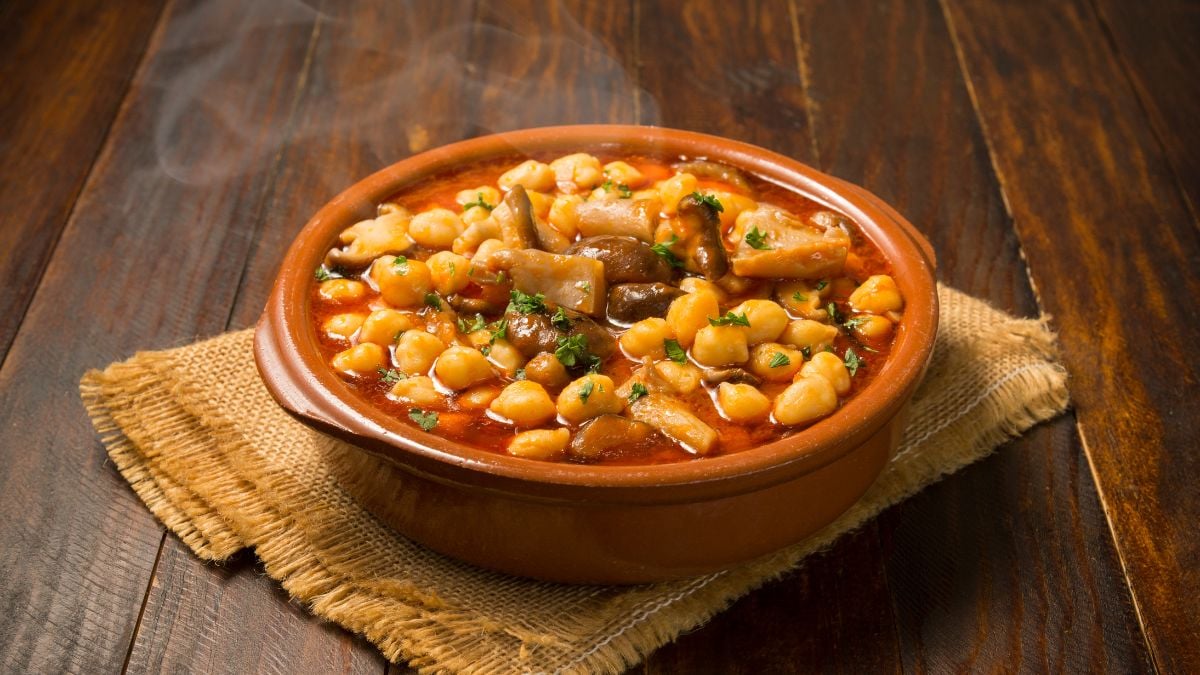
Hoover stew got its name from President Herbert Hoover, whose term coincided with the economic collapse. The dish was often served in soup kitchens and Hoovervilles. It combined pasta, sliced hot dogs, canned tomatoes, and any available vegetables. Ingredients varied depending on donations and cost. The result was a thin but sustaining stew designed to feed many people cheaply.
Egg Drop Soup Was Stretched With Water
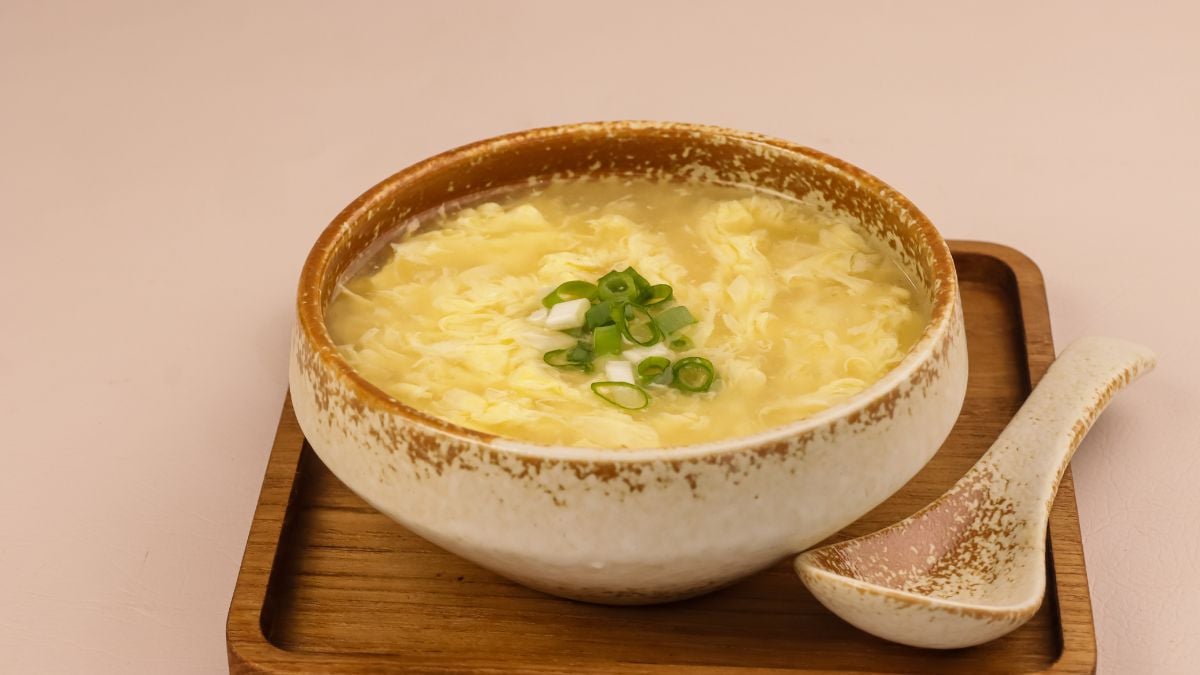
Depression-era egg drop soup wasn’t the restaurant version people know today. It started with potatoes and onions browned in oil, then diluted with water to create broth. Eggs were added to bulk up the soup and provide protein. Cheese and toast helped make the meal more filling. It was another example of stretching small amounts of food as far as possible.
Gelatin Dishes Felt Modern and Fancy
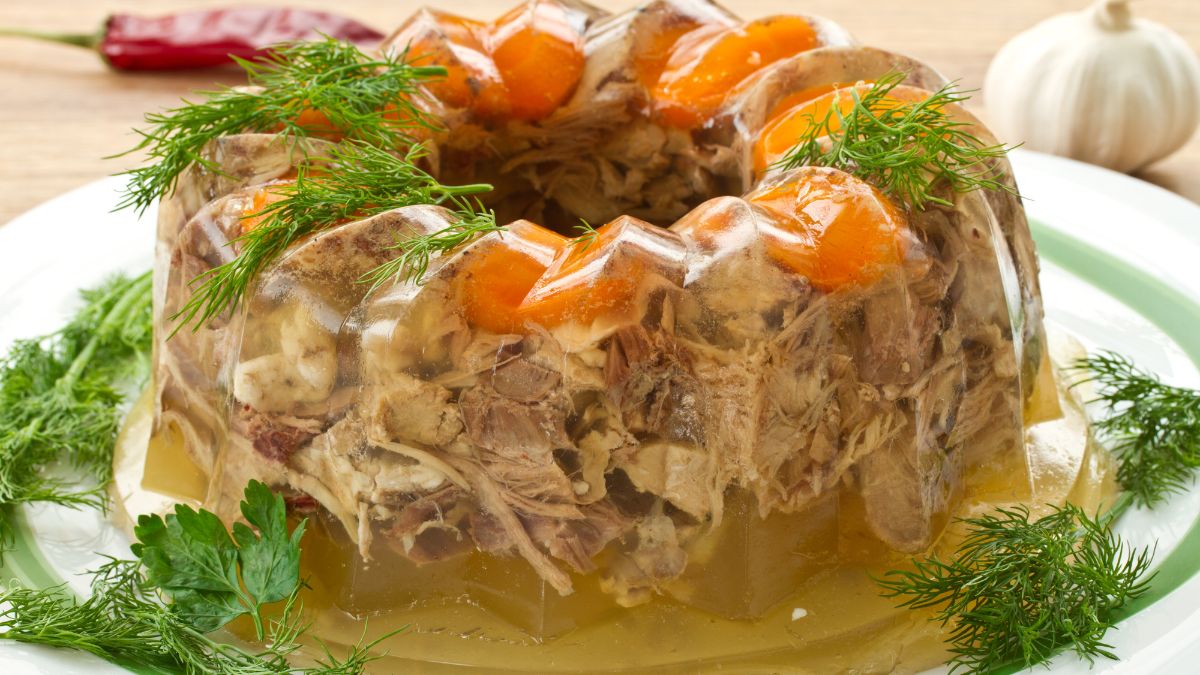
Gelatin-based dishes became popular in the 1930s because gelatin was considered modern and affordable. Corned beef luncheon salad combined canned meat, gelatin, peas, and acidic ingredients. Though strange by modern standards, it was inexpensive and visually impressive. Historian Andy Coe later described the dish as deeply unappealing to today’s palate. At the time, it symbolized progress and practicality.
Frozen Fruit Salad Was a Rare Treat

Frozen fruit salad stood out as a special-occasion dish during the Depression. It used canned fruit, egg yolks, honey, and whipping cream. Because cream was not always easy to obtain, this dish felt indulgent. It was often served during holidays rather than everyday meals. Even during hardship, families found small ways to celebrate.
White Sauce Stretched Pasta and Vegetables
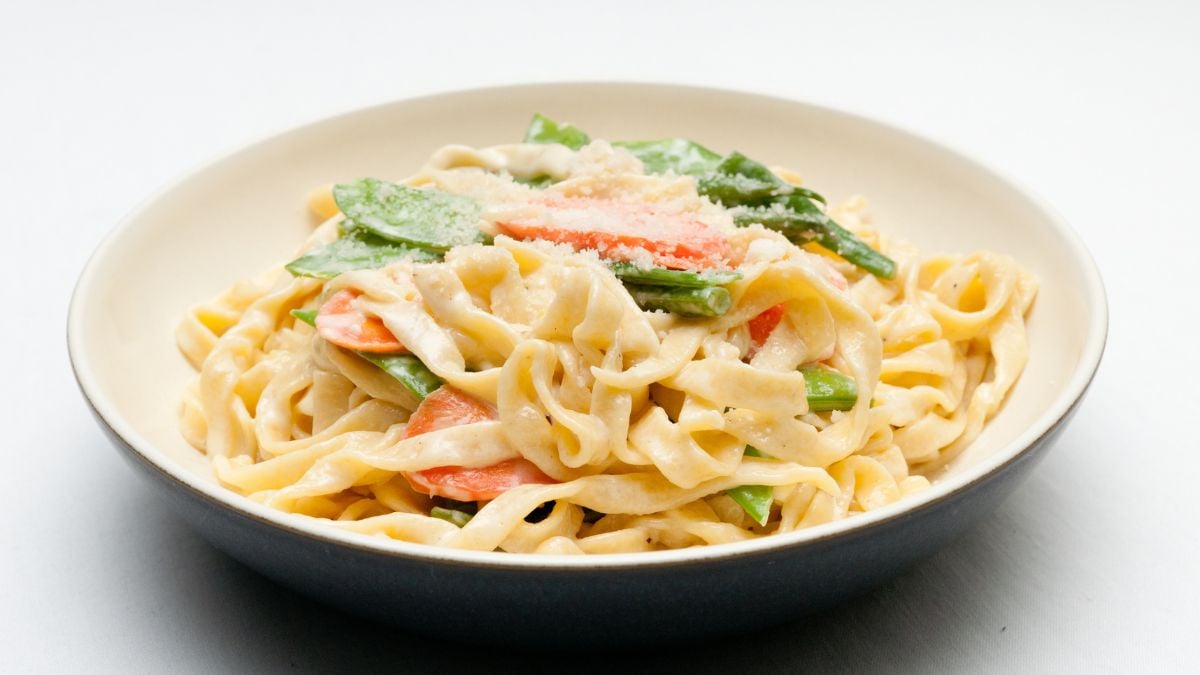
Spaghetti with boiled carrots and white sauce was promoted by Eleanor Roosevelt. The dish relied on overcooked spaghetti and simple boiled carrots mixed with a basic milk-based sauce. Baking it into a casserole helped stretch ingredients further. It aligned with the rise of home economics education during the era. Nutrition and economy mattered more than texture or taste.
Prune Pudding Reached the White House
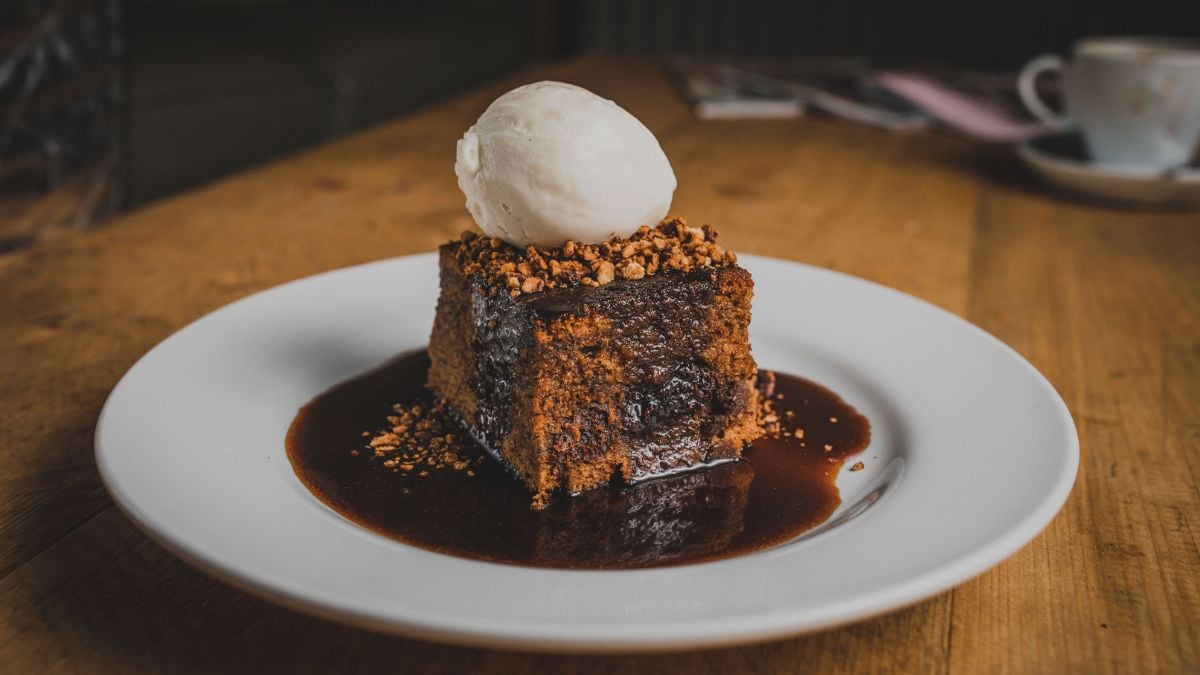
Even the White House embraced modest meals during the Depression. President Franklin D. Roosevelt’s low-cost lunches included prune pudding for dessert. The choice reflected a sense of solidarity with struggling Americans. Despite his personal taste for finer food, the menu stayed simple. The message was clear: no one was immune from sacrifice.
Buttermilk Soup Was Extremely Affordable
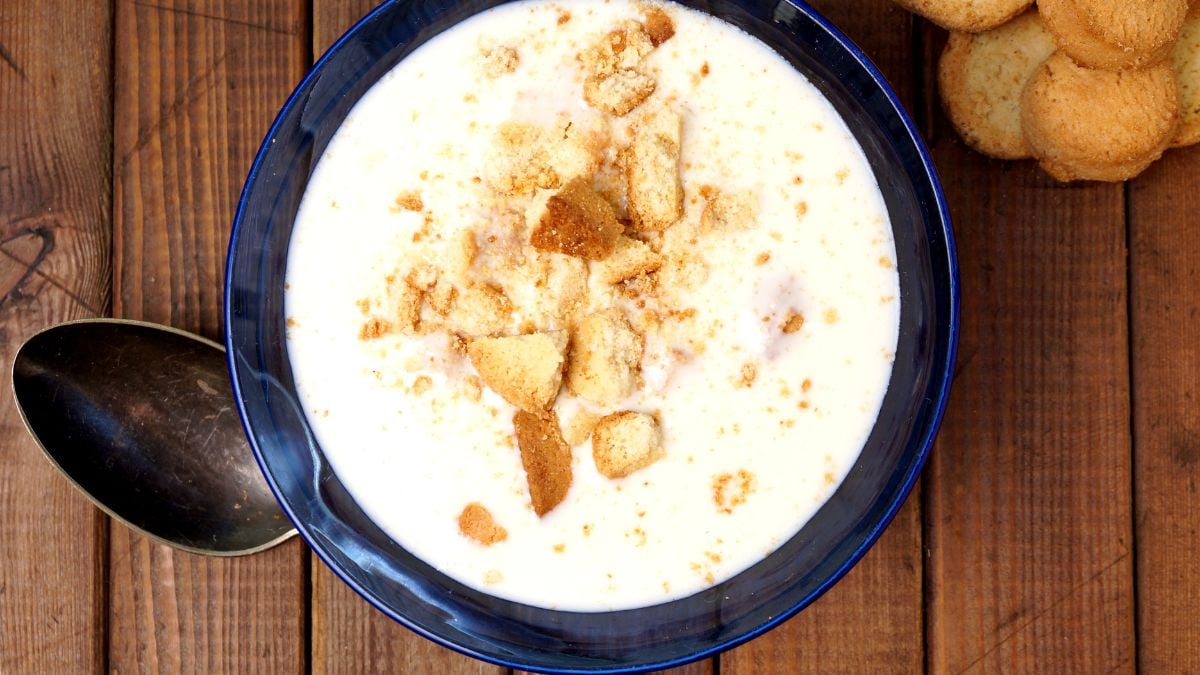
Buttermilk soup appeared in cookbooks focused on getting the most nutrition for the least money. One recipe included buttermilk, raisins, rice, and spices. Authors emphasized that buttermilk cost far less than fresh milk. The soup was filling, nutritious, and inexpensive to prepare. It also offered a change from more common broths.
Dandelion Salad Cost Nothing at All
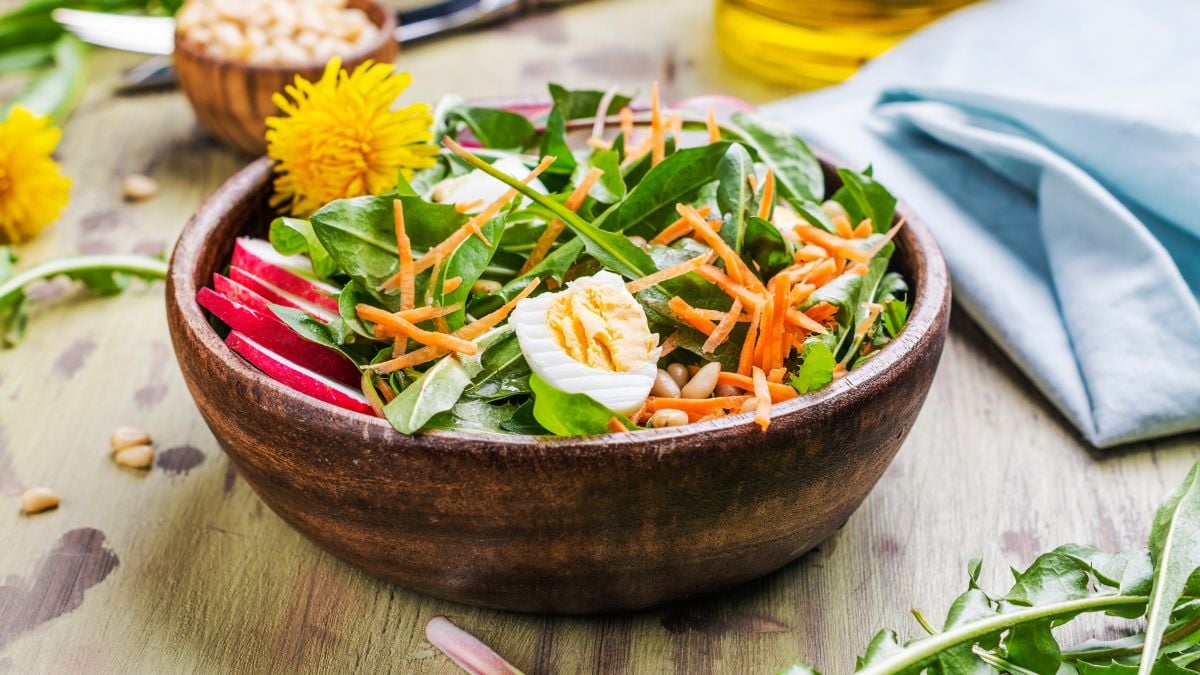
Dandelion salad showcased how people used what grew naturally around them. Guides recommended foraging dandelion greens for salads. Clara harvested hers directly from her backyard and dressed them simply. Dandelions were praised for being both free and nutritious. In desperate times, even weeds became valuable food sources.
Why These Recipes Still Matter
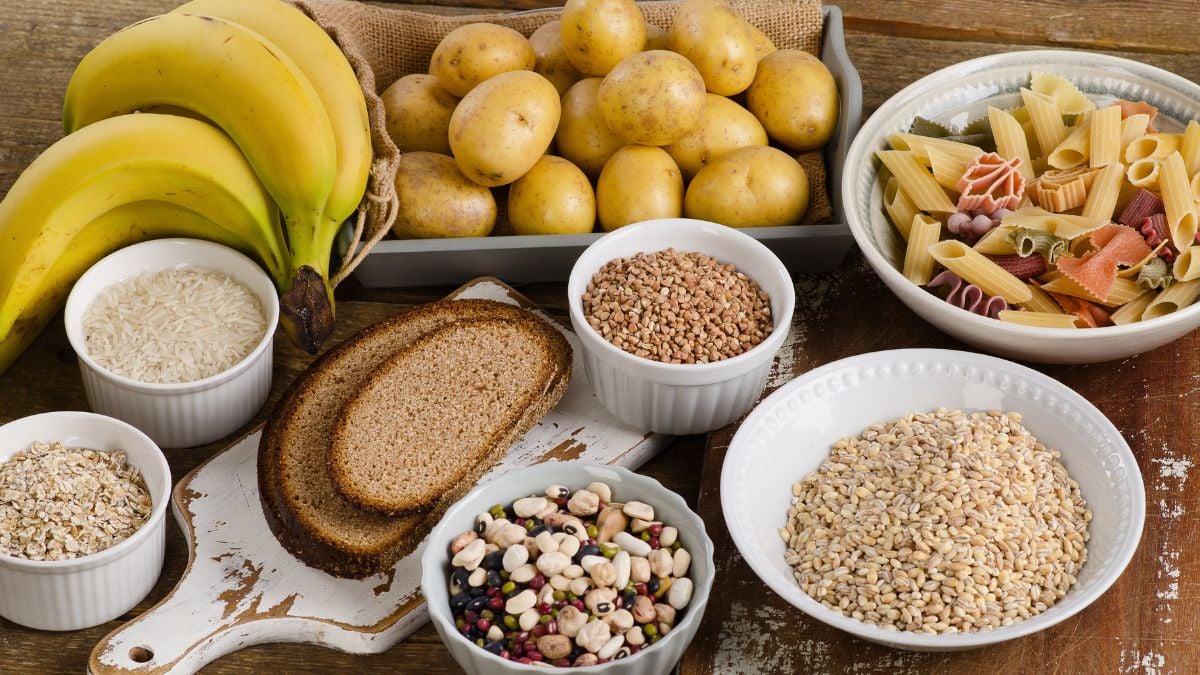
These Depression-era recipes weren’t about taste or presentation — they were about survival. They show how Americans adapted when traditional food systems failed them. Many of the dishes would raise eyebrows today, but they kept families alive. Their legacy is a reminder of resilience, creativity, and endurance.