Cracker Barrel is feeling real consequences after a controversial attempt to modernize its image. What started as a logo refresh quickly snowballed into customer backlash, stalled remodels, and falling traffic. Now, the chain is facing weaker sales, lowered revenue expectations, and a sharp stock drop. Investors, customers, and leadership are all reacting in different ways. Here’s how a branding decision rippled through Cracker Barrel’s business.
Sales Miss Wall Street Expectations
Cracker Barrel reported weaker-than-expected results for its fiscal first quarter. Revenue fell 5.7% to $797.2 million for the three months ending Oct. 31. Analysts had expected closer to $800 million. The miss added pressure to an already difficult quarter.
Restaurant Traffic Takes a Hit
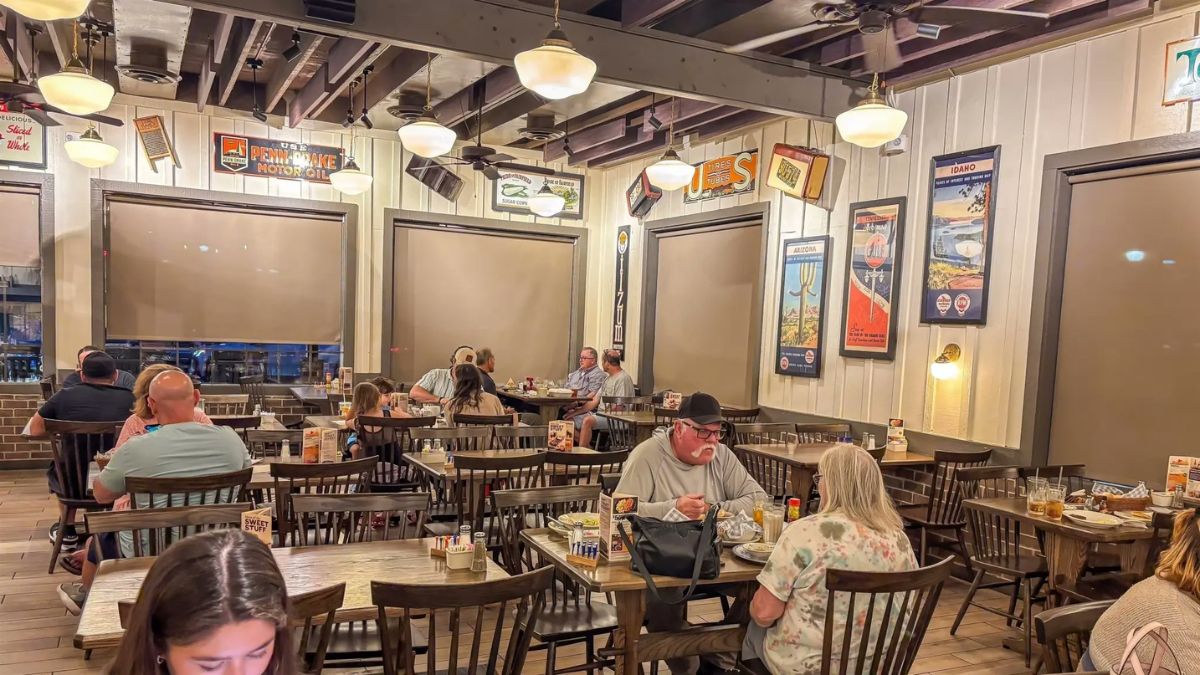
Same-store restaurant sales declined 4.7% during the quarter. Retail shop sales dropped even more sharply, falling 8.5%. Both figures came in worse than analysts anticipated. The numbers point to fewer guests walking through the doors.
Revenue Forecast Gets Cut

The company lowered its revenue outlook for the 2026 fiscal year. Cracker Barrel now expects revenue between $3.2 billion and $3.3 billion. That’s down from its previous forecast of $3.35 billion to $3.45 billion. The revision reflects ongoing traffic challenges.
Earnings Expectations Slide Sharply
Adjusted pre-tax earnings projections were also reduced. Cracker Barrel now expects between $70 million and $110 million. Previously, the company projected $150 million to $190 million. That significant drop raised alarms among investors.
Stock Reacts Immediately
Investors responded swiftly to the news. Cracker Barrel shares fell more than 10% in after-hours trading. The sharp decline underscored concerns about leadership decisions and brand strategy. Confidence clearly took a hit.
A Logo Change That Backfired Fast
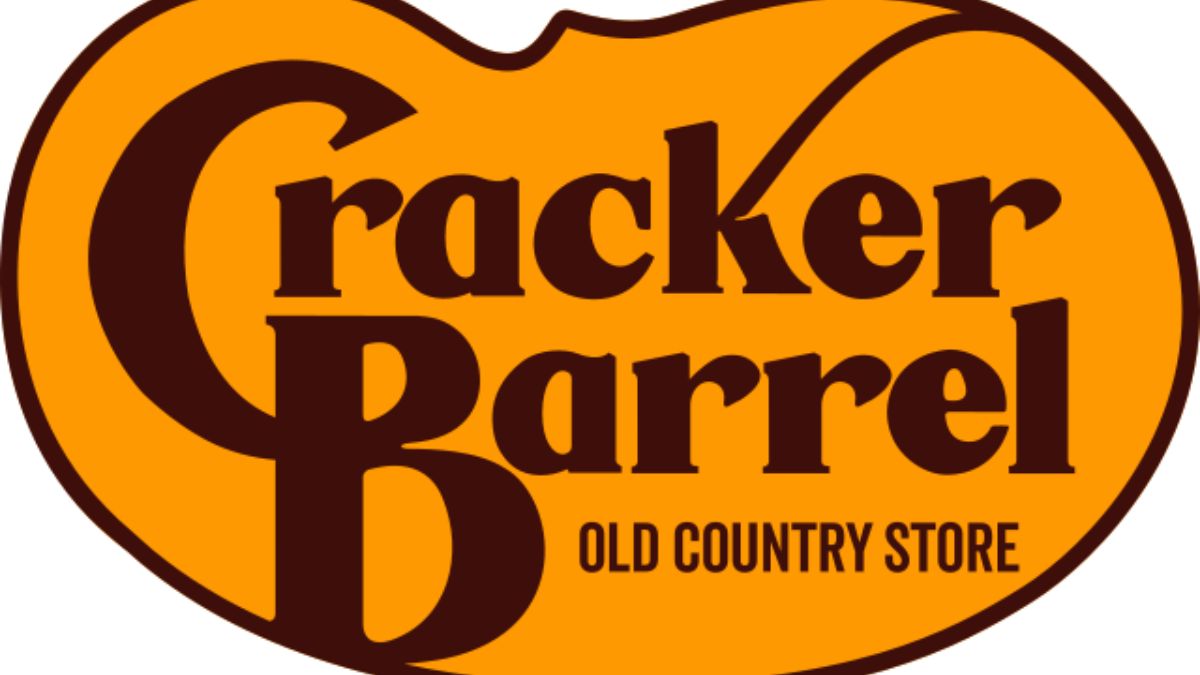
In August, Cracker Barrel announced a simplified logo as part of a modernization push. The redesign removed the familiar barrel and the overall-clad mascot. Fans also noticed the absence of the words “Old Country Store.” The reaction was overwhelmingly negative.
Customers Rejected Store Redesigns Too
The logo wasn’t the only issue upsetting loyal customers. Planned remodels aimed at updating Cracker Barrel’s dark, antique-filled restaurants also drew criticism. Fans worried the changes would erase the chain’s signature atmosphere. Pushback grew quickly.
Company Reverses Course Within Weeks
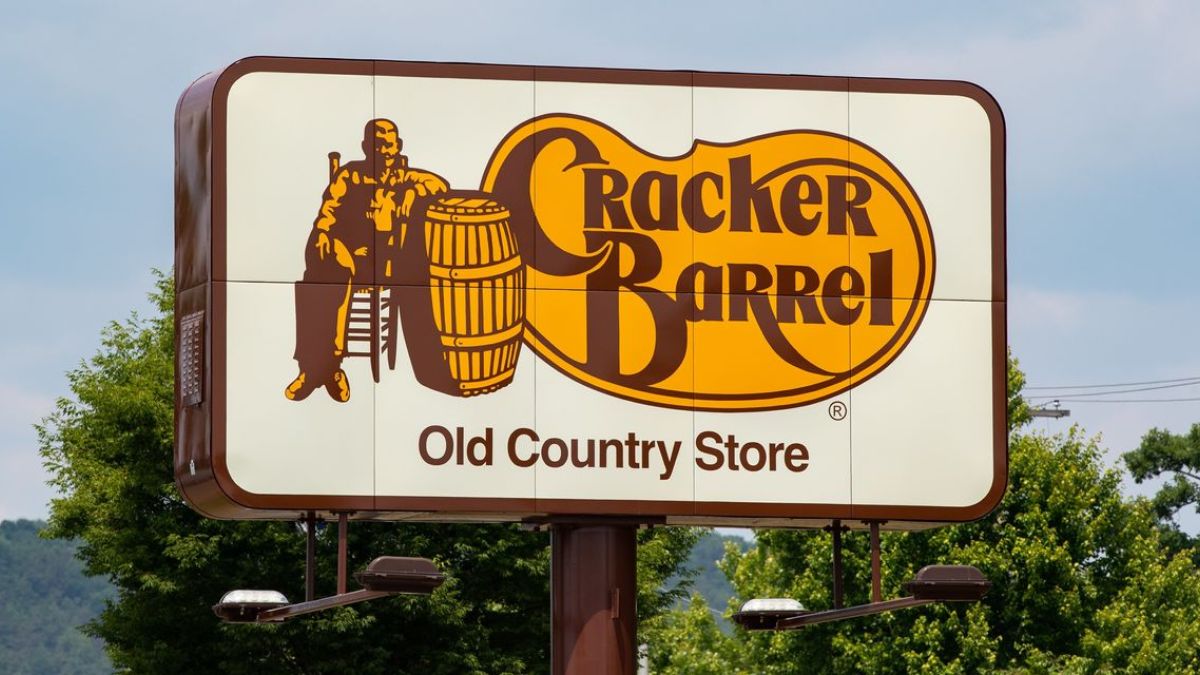
Cracker Barrel moved fast to contain the damage. Just a week after the rollout, the company said it would keep its original logo. In September, it also suspended plans to remodel stores. The reversals highlighted how strongly customers reacted.
Hundreds of Locations Feel the Impact
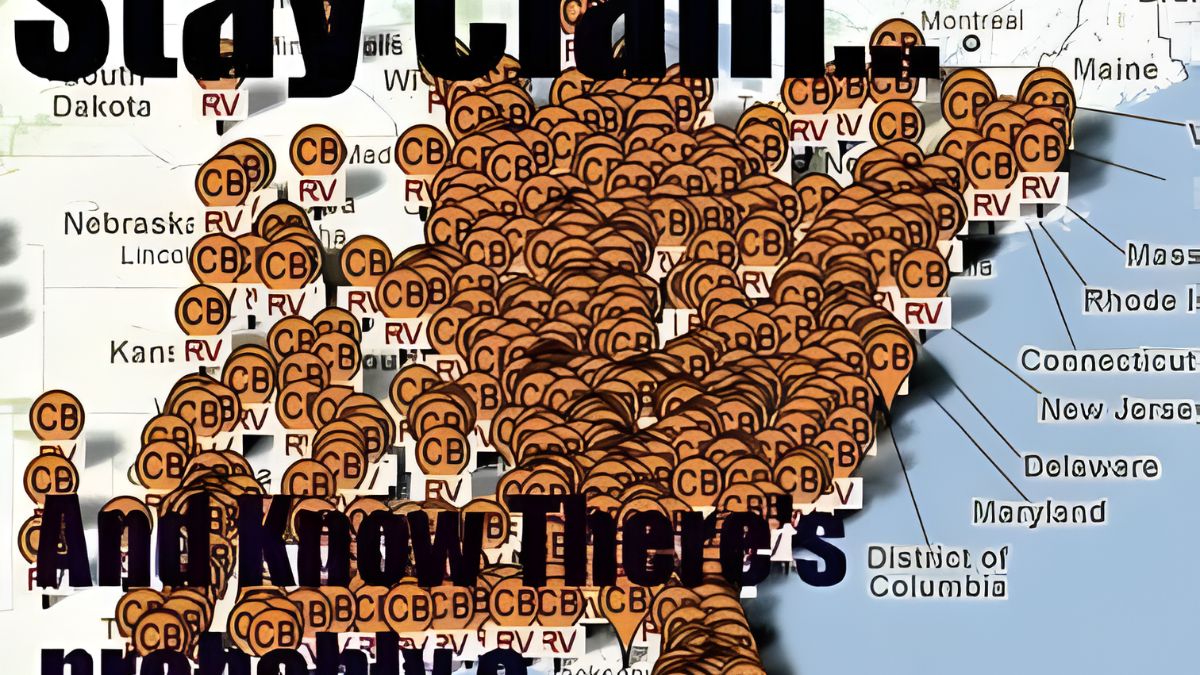
Cracker Barrel operates around 650 restaurants nationwide. Many locations are concentrated in Texas, Florida, and Tennessee. With traffic declining across the system, the effects of the controversy were widespread. The scale amplified the financial impact.
CEO Survives Shareholder Vote
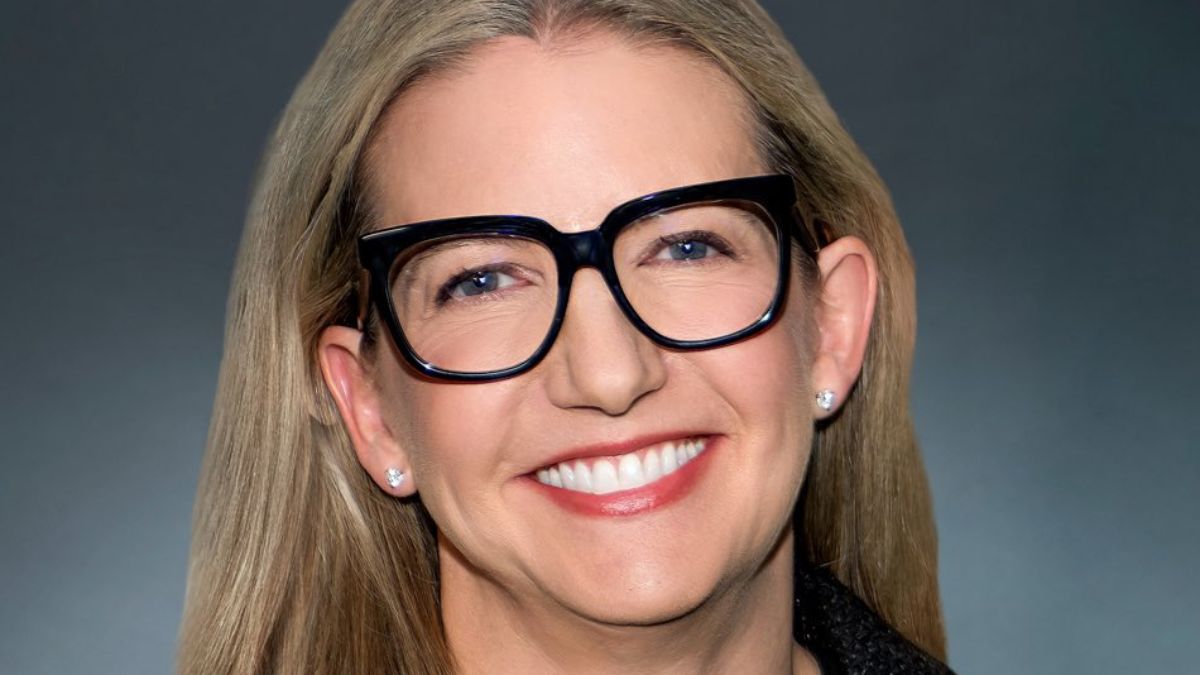
Despite the turmoil, shareholders voted to keep CEO Julie Felss Masino in her role. The vote came late last month following the logo controversy. It signaled continued, though cautious, support for leadership. Still, scrutiny remains high.
Board Shakeup Follows Logo Fallout
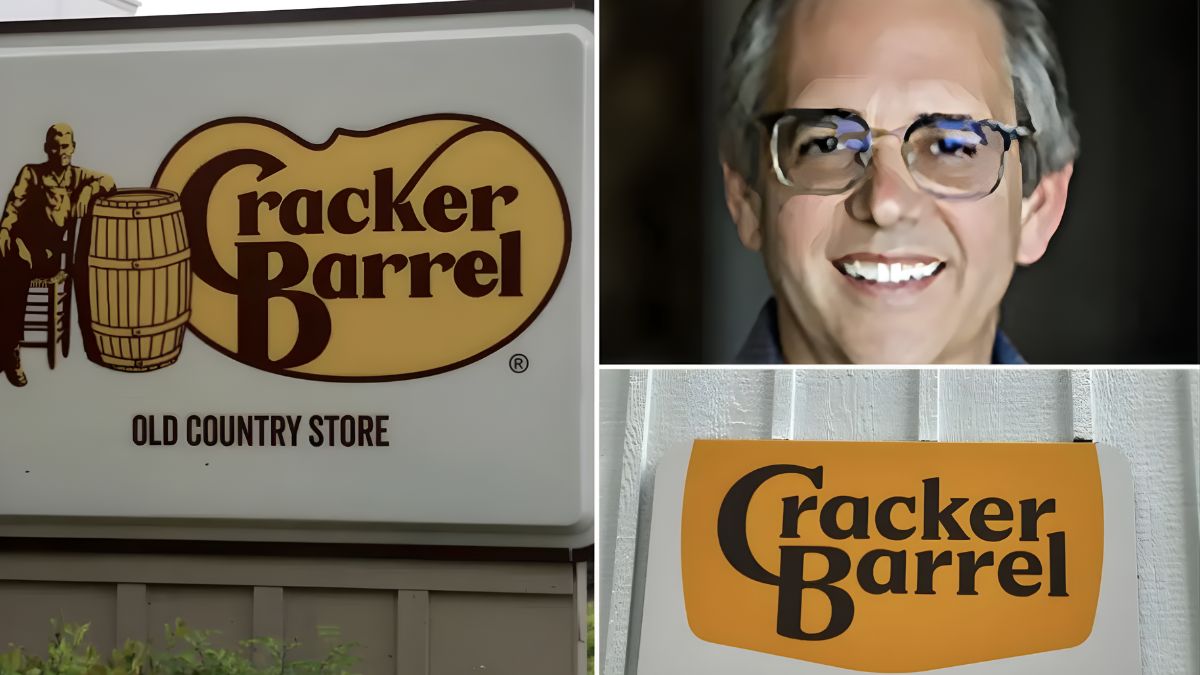
Not everyone on the board emerged unscathed. Director Gilbert Davila resigned after preliminary results showed shareholders rejected his reelection. Davila had joined the board in 2020 and oversaw advertising reviews. His exit added another layer of change.
Can Cracker Barrel Regain Its Footing?
Cracker Barrel’s logo misstep proved how sensitive loyal customers are to change. Falling traffic, reduced forecasts, and investor reactions show the cost of misjudging that loyalty. The company has reversed course, but rebuilding momentum will take time. Do you think Cracker Barrel made the right call pulling back—or was the damage already done? Share your thoughts and let us know if you noticed the changes firsthand.