Cracker Barrel may still be known for its biscuits and rocking chairs, but behind the scenes, the company is wrestling with mounting financial and operational trouble. A new report from Egan-Jones Proxy Services shines a harsh spotlight on years of slipping performance and stalled strategy. Their recommendation? That shareholders take a stand and withhold votes from key board members and the CEO. It’s a rare rebuke — and a sign of how deep the problems run. This slideshow breaks down the biggest concerns and what they could mean for the company’s future.
Historic Market Value Slide
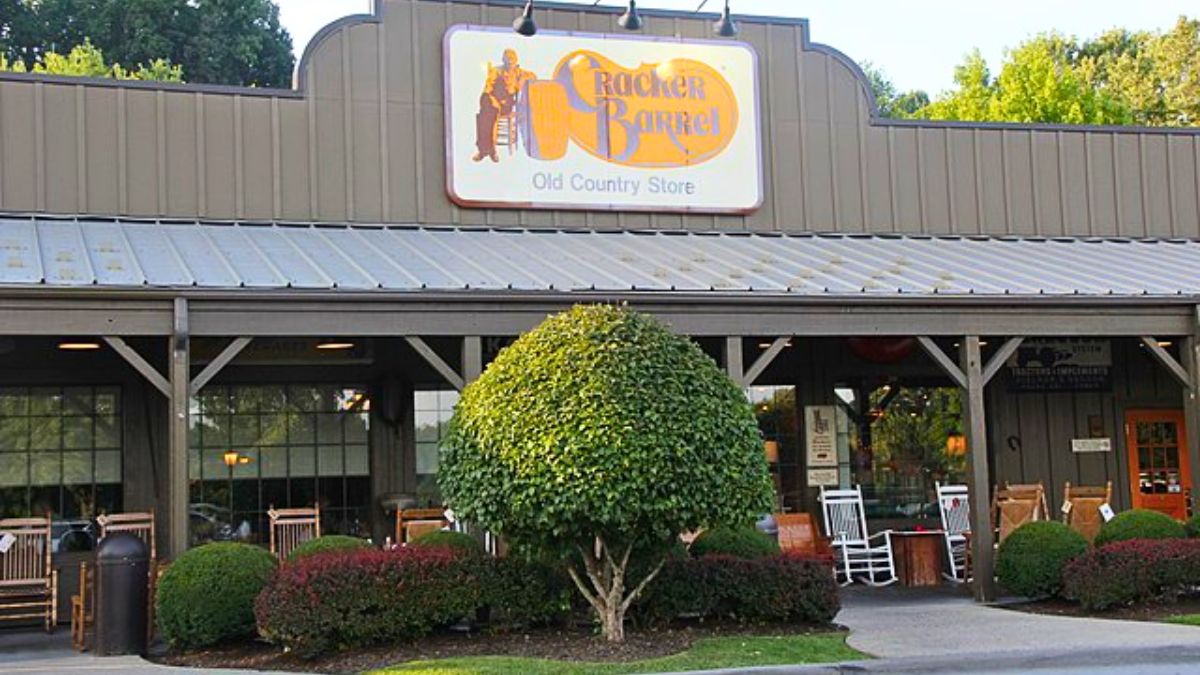
Cracker Barrel’s market cap dropping to around $730 million marks its lowest point since 2009, signaling a major shift for a company that once dominated casual dining. The report emphasizes how significant this downturn is when compared to its previous stability. Investors who once viewed Cracker Barrel as a safe, nostalgia-driven bet are now questioning the company’s long-term viability. The market valuation decline reflects not just external pressures, but years of internal missteps. It’s a warning sign that confidence has eroded at nearly every level.
Total Shareholder Return Collapse
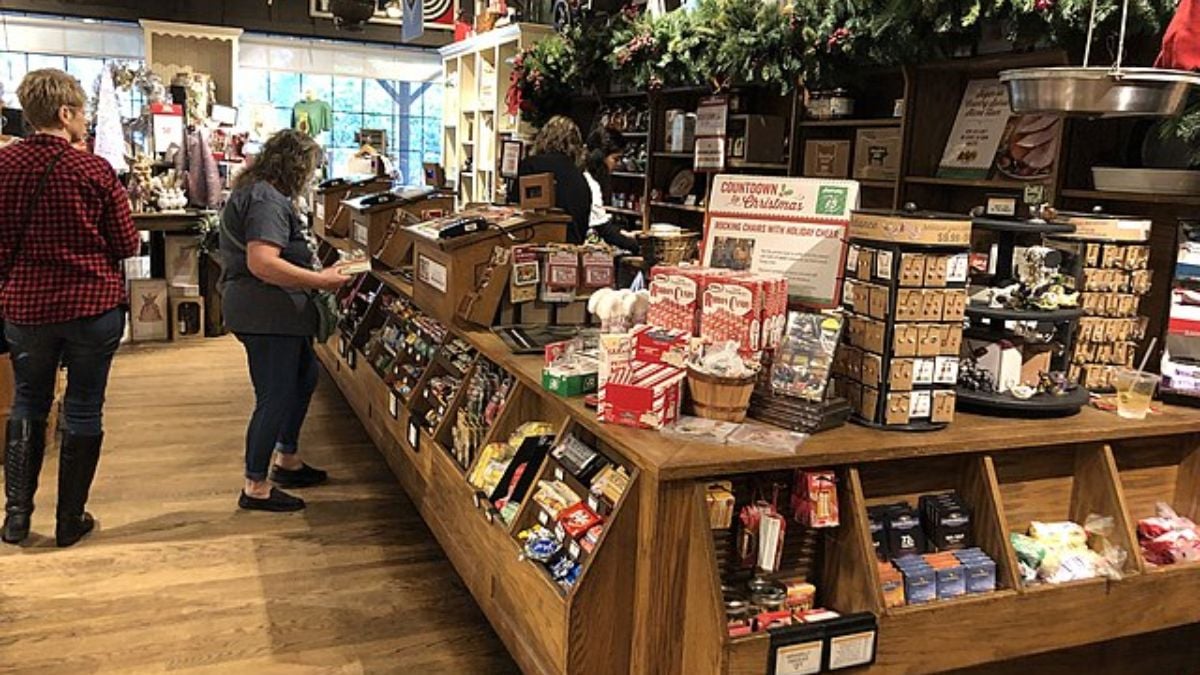
One of the most alarming metrics is the roughly 70% decline in total shareholder return since early 2020. That type of drop isn’t typical unless a company is experiencing prolonged structural issues. TSR reflects not only share price changes but also dividends — both areas where Cracker Barrel has struggled. Investors looking for stability have instead faced shrinking returns year after year. This long slump adds weight to Egan-Jones’ recommendation that leadership accountability is overdue.
Earnings Plunge Over Four Years

Net income plummeting 82% from 2021 to 2025 shows how deeply profitability has deteriorated. While many restaurant chains bounced back from early-pandemic drops, Cracker Barrel has moved in the opposite direction. Rising costs and poor execution have eaten away at margins even as customer demand softened. The combined effect has left the company with less room to reinvest or adapt. When earnings fall this steeply, shareholders naturally question whether the strategy in place is working at all.
Declining Foot Traffic Signals Bigger Trouble

Egan-Jones highlights worsening guest traffic as a central issue, one that creates a ripple effect across the entire business. Fewer customers means lower revenue — but Cracker Barrel’s fixed costs don’t shrink with fewer guests. This mismatch puts added pressure on margins and long-term profitability. The decline in traffic also points to an erosion in brand relevance. For a restaurant chain built on tradition, losing loyal diners is one of the clearest danger signs.
A Vicious Cost Cycle Taking Hold
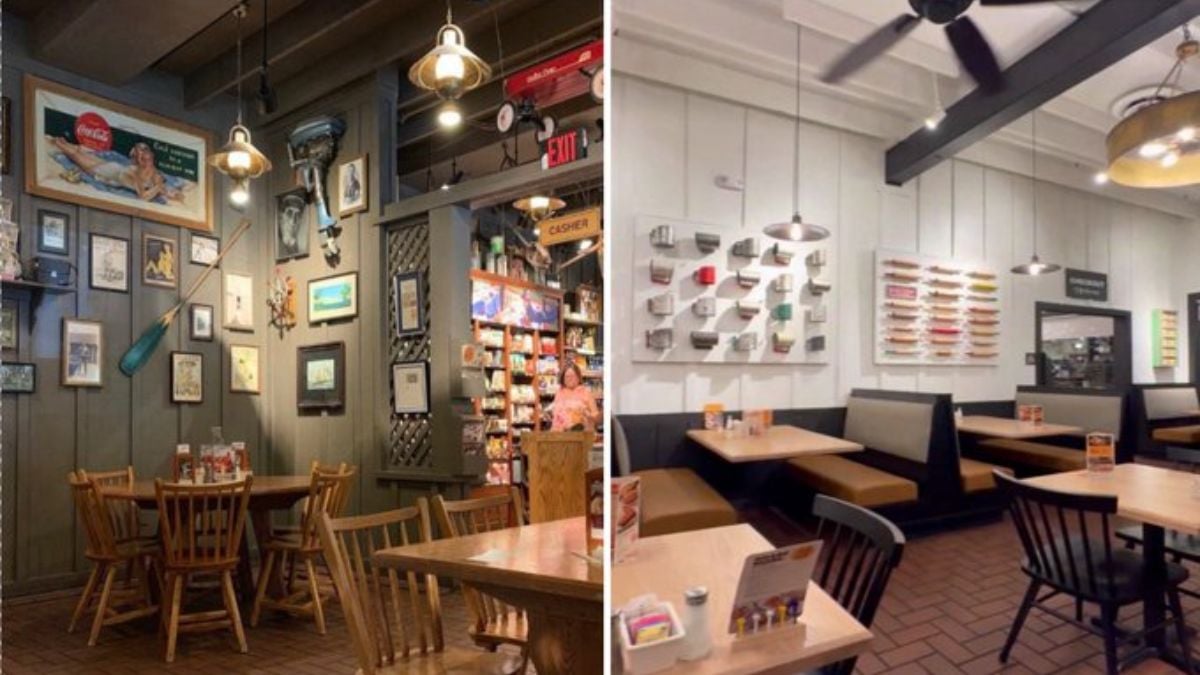
The report describes a “vicious cycle” typical of older, capital-heavy companies. As revenue drops, Cracker Barrel has deferred needed upgrades, which in turn makes the in-store experience less appealing. That reduced appeal then drives customers away, dropping revenue further. Fixed operating costs — from rent to staffing — remain high, tightening the squeeze. Without an effective turnaround, this type of cycle becomes harder to break with each passing year.
Operating Costs Rising Faster Than Revenue

Cracker Barrel is seeing operating costs rising while revenue stagnates or falls, a combination that erodes profitability. Higher labor costs, food inflation, and supply chain pressures have made margins increasingly thin. Unlike fast-casual competitors, Cracker Barrel’s model has a higher overhead burden. These structural factors mean cost controls alone won’t right the ship. Egan-Jones stresses that the board must rethink how resources are allocated.
Margins Weakening Across the Business

Weakening margins amplify every other problem. Even when revenue remains steady, shrinking margins mean less cash to invest in improvements or innovation. The company is now caught between rising expenses and declining customer interest. This creates financial fragility that discourages long-term planning. With weakened margins, Cracker Barrel’s flexibility is severely limited.
Debt Metrics Deteriorating

As margins shrink, Cracker Barrel’s debt-service metrics have worsened. This means the company is less able to comfortably pay off or manage existing debt. When cash flow is tight, even routine financial obligations start to weigh heavily. The report signals that the board has not done enough to strengthen the balance sheet. Weak debt metrics are often a precursor to tough choices like asset sales or capital raises.
Failed 2024 Rebrand Adds to Pressure
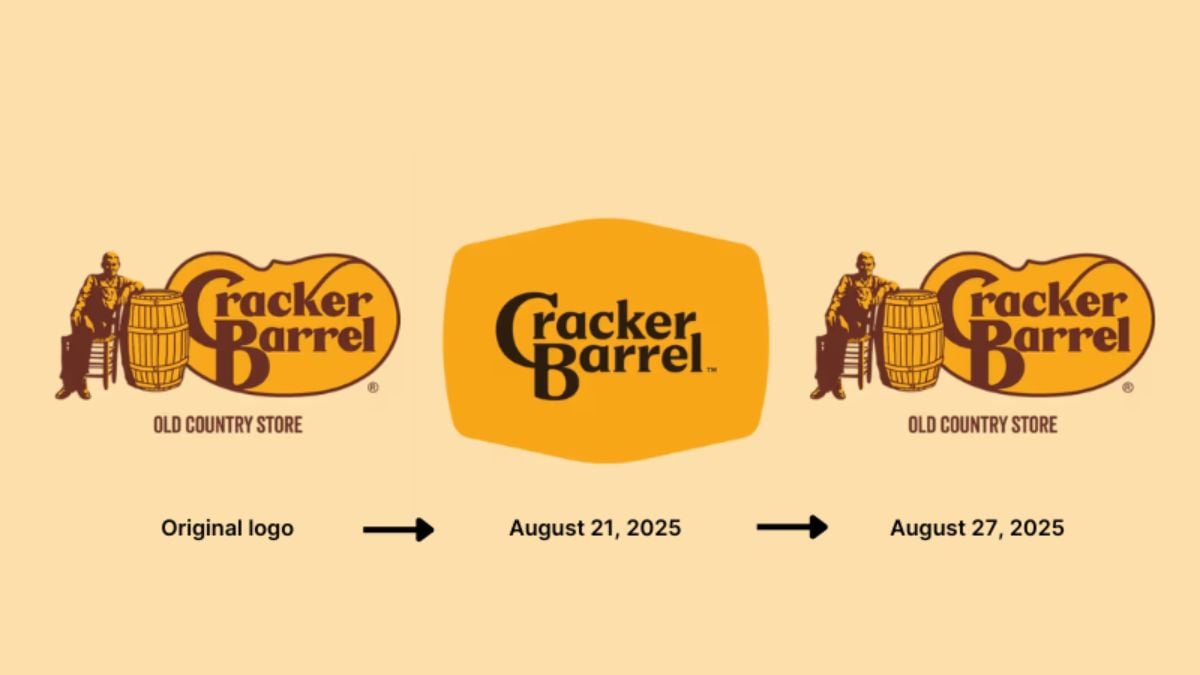
The company’s 2024 rebranding effort failed to improve customer perception or drive traffic. Though intended to modernize the brand, it didn’t resonate with diners or investors. Egan-Jones points out that no data shows any meaningful turnaround following the initiative. Failed rebrands can be costly, draining resources while delivering no return. For a company already struggling, this misstep only adds to the urgency for stronger leadership.
Management Initiatives Not Delivering

Beyond the rebrand, other management strategies have also fallen short. New initiatives were expected to revive customer interest, but foot traffic continued to fall. The report indicates these plans lacked execution or failed to address core issues. Without a measurable improvement in performance indicators, shareholders are left with little proof of progress. Management credibility is damaged when initiatives continually miss the mark.
Shareholder Rebuke: Withhold Votes

The recommendation to withhold votes from five directors and the CEO is highly significant. Such a move signals a loss of confidence in leadership’s ability to correct course. This type of action is rare and usually follows extended periods of poor performance. Shareholders are being asked to push for accountability and new direction. It’s a clear message that status quo leadership is no longer acceptable.
Names on the Withhold List
Egan-Jones specifically recommends withholding votes for CEO Julie Masino and directors Carl Berquist, Gilbert Dávila, Gisel Ruiz, and Darryl Wade. These individuals are seen as key decision-makers responsible for recent missteps. The firm argues that fresh leadership could bring new ideas and urgency. Replacing or reshaping the board is a common tactic in corporate turnarounds. The recommendation underscores how serious the situation has become.
Possible Future: Asset Sales or Capital Raises
If performance continues to deteriorate, Cracker Barrel may be forced to consider asset sales or raising additional capital. These are last-resort measures used when cash flow dries up. The report notes that without meaningful improvement, the company’s options narrow quickly. While these moves can stabilize finances, they often come with long-term trade-offs. Investors should be aware that the path forward could involve difficult financial decisions.
The Road Back Requires Winning Back Customers
Ultimately, Egan-Jones makes it clear: the only real turnaround will come from attracting new customers and getting existing ones to visit more often. Increasing spending per visit is another critical piece of the puzzle. These fundamentals are what made Cracker Barrel successful in the first place. Rebuilding customer loyalty will require operational changes, refreshed offerings, and better execution. Without customer momentum, no financial strategy will be enough.