You might think home‑cooking always saves money — but sometimes restaurants actually give you a better deal. Between expensive ingredients, energy costs, and messy cleanup, whipping up certain meals can cost way more than ordering out. That’s especially true for complex dishes like sushi, pad thai, or BBQ ribs. Thanks to bulk buying, professional equipment, and skilled prep, many restaurants serve these foods cheaper — and often better — than you ever could at home. Here are 15 meals where it’s smarter to let someone else do the cooking.
Sushi Rolls: Bulk Pricing Beats Grocery Runs
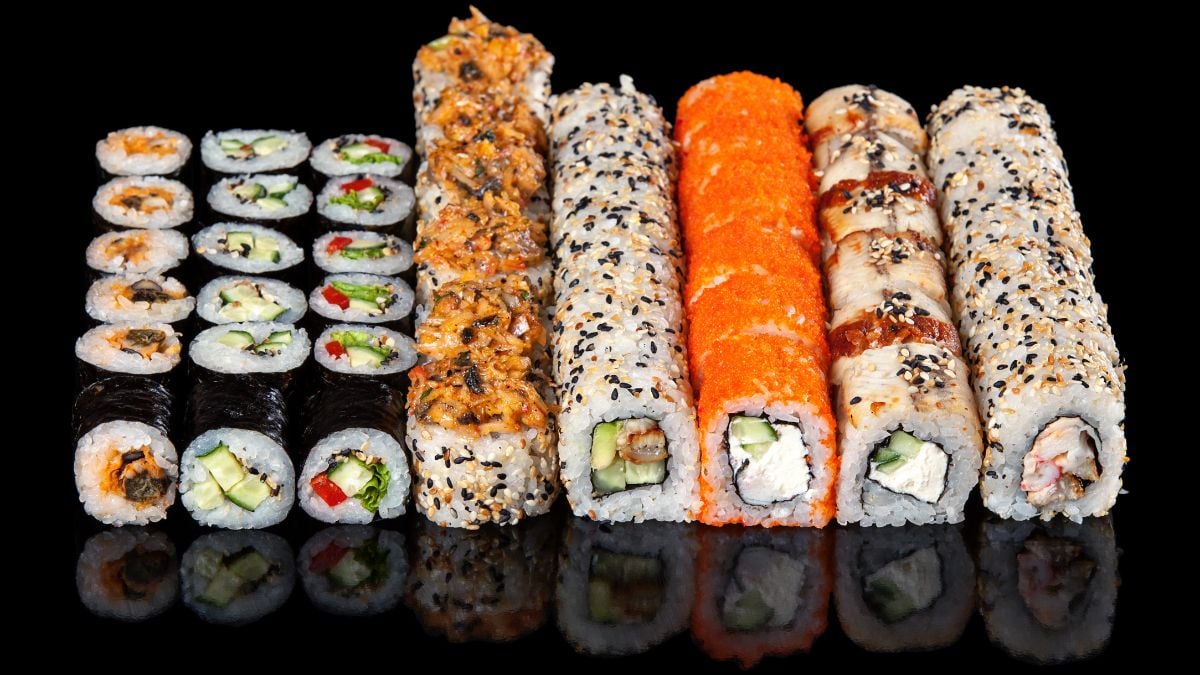
Making sushi at home sounds fun — until you buy sushi‑grade fish, nori sheets, special rice, and prep tools. For just two rolls, you might spend around $22 on ingredients alone. A restaurant California roll runs roughly $10–$12. Plus, pros use industrial-grade freezers and specialized rice cookers, ensuring consistent texture and flavor. For occasional sushi cravings, ordering out simply wins on value and convenience.
Pad Thai: Costly Ingredients, Cheap at Restaurants
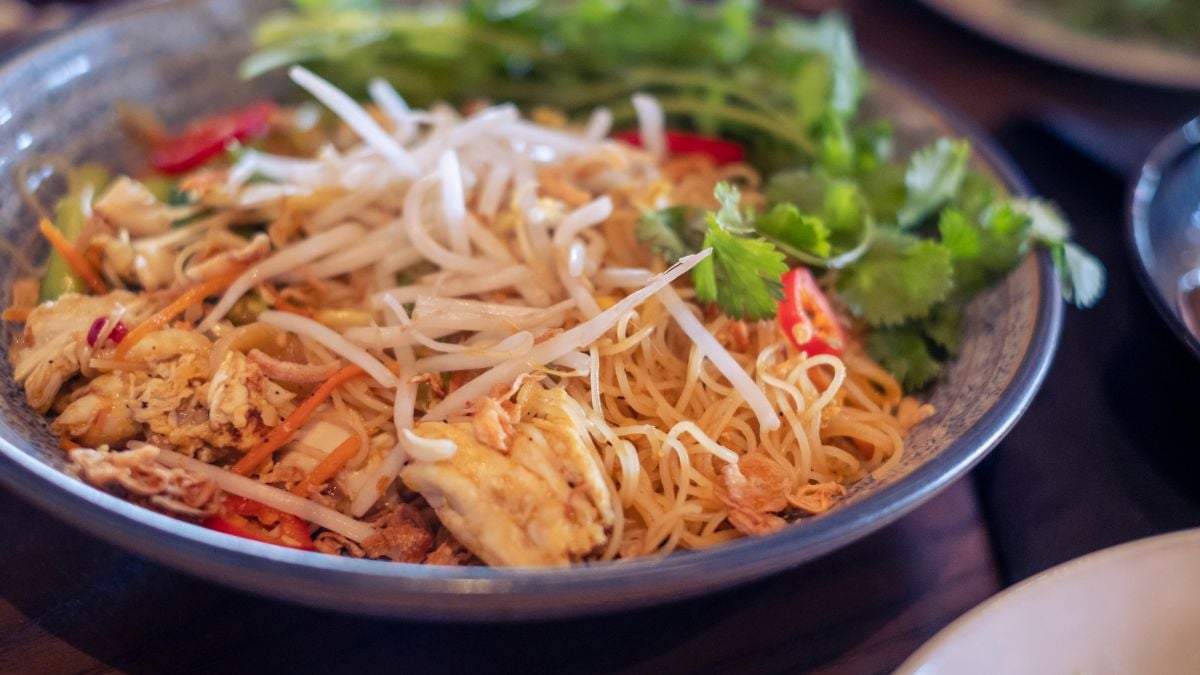
Authentic Pad Thai needs tamarind, fish sauce, shrimp or tofu, rice noodles, eggs and more — often totaling $25–$28 for only two servings at home. But a restaurant version costs about $14–$16 with generous portioning. High-heat woks and skilled chefs create that signature “wok‑hei” flavor you can’t replicate on a home stove. When you factor in ingredient waste and time, ordering Thai is a win.
Ramen: Hours of Effort vs Restaurant Speed
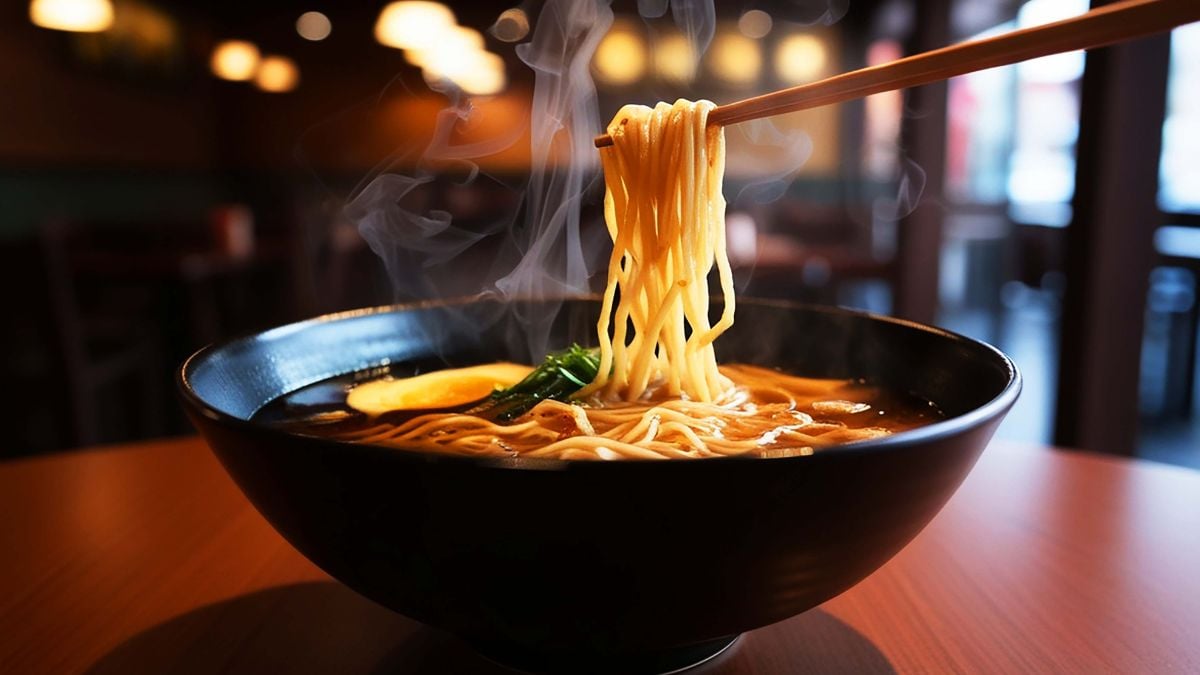
A proper bowl of ramen demands pork bones, kombu, miso, fresh noodles — and hours of simmering broth that rack up energy bills. That home batch can cost $25–$30 for two servings. A ramen shop serves bowls for about $14–$16, thanks to large-batch prep and industrial kettles. The flavor is deeper, the broth richer — and you get to eat immediately. For regular ramen lovers, restaurant bowls are the no-brainer.
Fried Chicken: Deep-Fry Drama vs Bucket Value
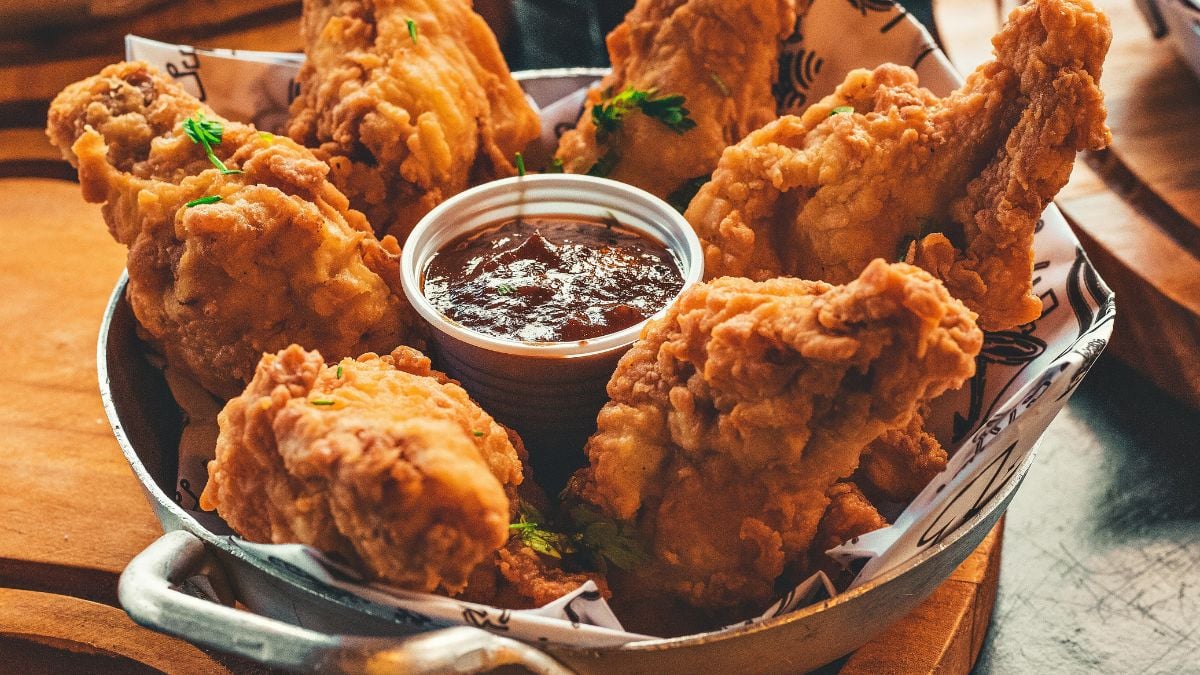
Home frying means buying fresh chicken, oil, batter, plus dealing with greasy cleanup and wasted oil. That adds up to around $23 for just a few pieces. Meanwhile, a fast-food fried chicken bucket runs about $15–$18 for similar portions. Commercial fryers reuse oil efficiently and deliver consistent crunch and juiciness. For messy finger foods like fried chicken, restaurants clearly carry the advantage.
Pizza: Bulk Cheese Beats Home Oven Costs
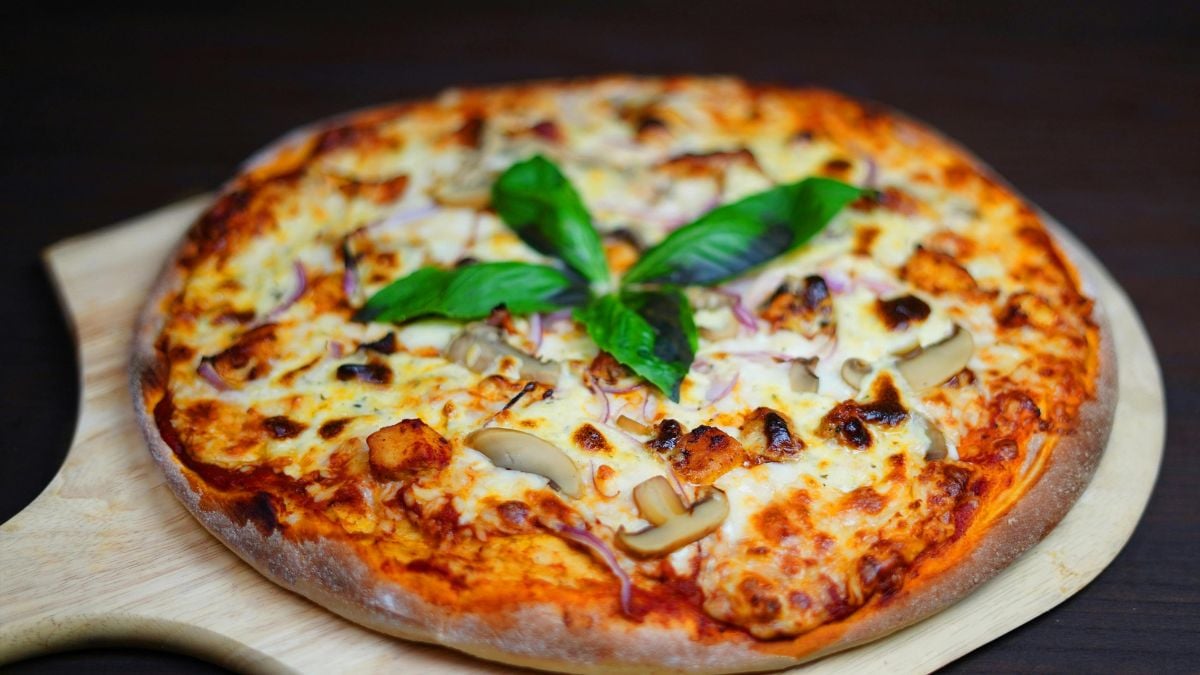
Throwing together a homemade pizza pile — flour, yeast, mozzarella, sauce — plus firing up an oven to 475°F spans money, energy, and effort. Cost for one pizza can hit $15–$18. By contrast, a large pizza from a pizzeria averages about $13 nationwide. Thanks to bulk ingredient buying and stone‑deck ovens, pizzerias offer better value, more topping variety, and a crisp crust you rarely nail at home.
Burrito Bowls: Ingredients Multiply Quickly
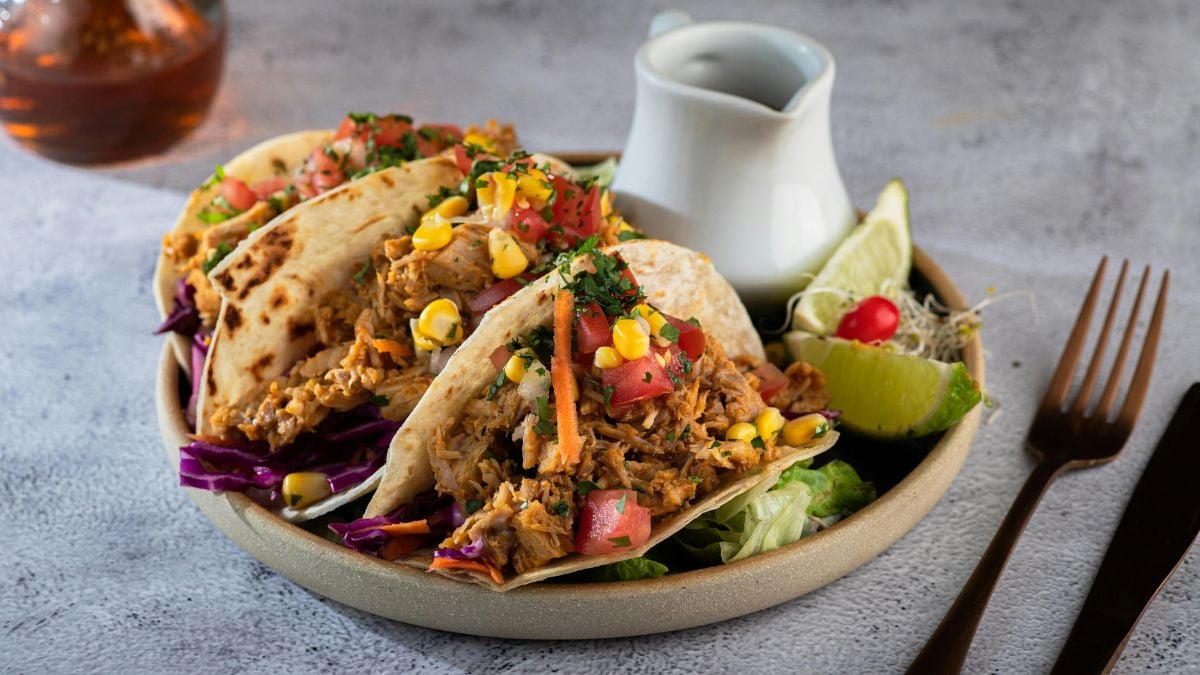
Rice, beans, protein, salsa, guac — a DIY burrito bowl stacks up fast in cost and prep. Expect to spend around $20 for one hearty meal. Ordering from places like Chipotle lands it around $13 with generous portions. No chopping, no leftover produce, no mess. For busy nights or single meals, restaurant bowls just make sense.
Indian Curry: Spice Investments That Go Bad
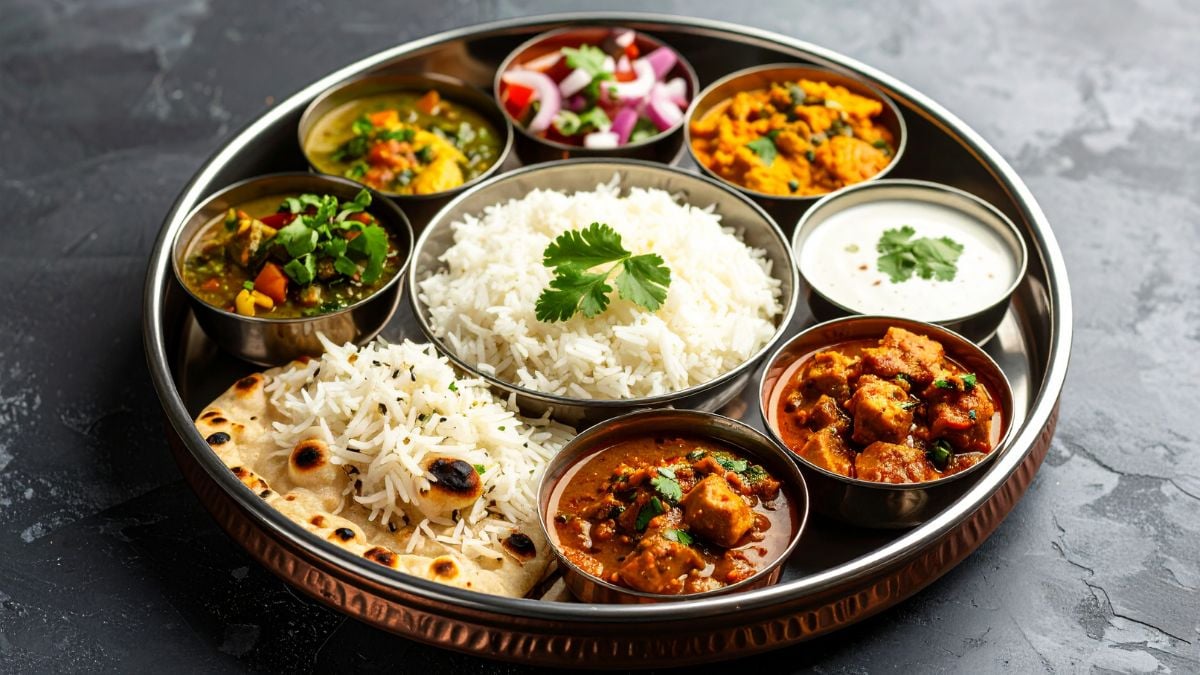
To cook curry at home, you need a dozen spices, fresh produce, cream or coconut base — and a slow simmer that runs your stove for hours. That week’s worth of groceries can exceed $30. A restaurant curry with rice rings in around $16. Restaurants spread spice cost across many dishes, achieving deep flavor without waste. For occasional curry cravings, eating out wins.
Fish and Chips: Fryer Efficiency vs Home Oil Waste
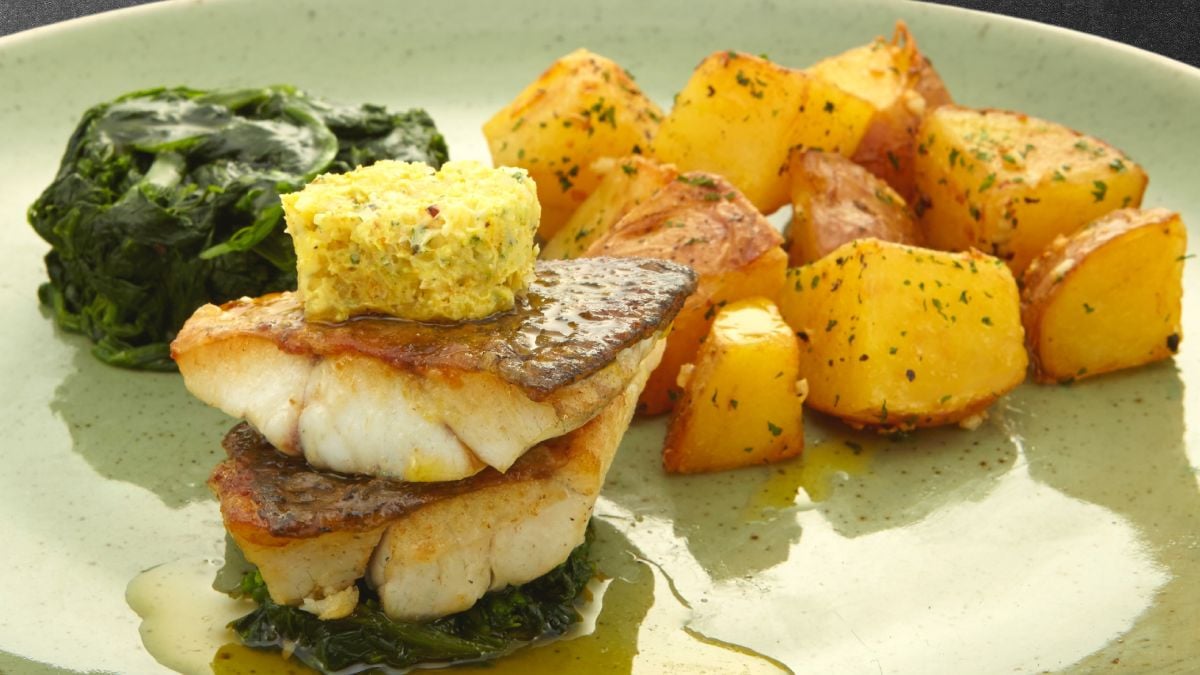
Frying cod and potatoes at home stacks up to about $24 per serving, plus several cups of used oil that you’ll need to ditch. A typical restaurant plate costs roughly $17, with proper fryers delivering crisp texture at less oil waste. Takeout also spares you the lingering fried‑food smell at home. For mess-free fish nights, pub plates beat kitchen experiments.
BBQ Ribs: Smoking Costs Add Up Quickly
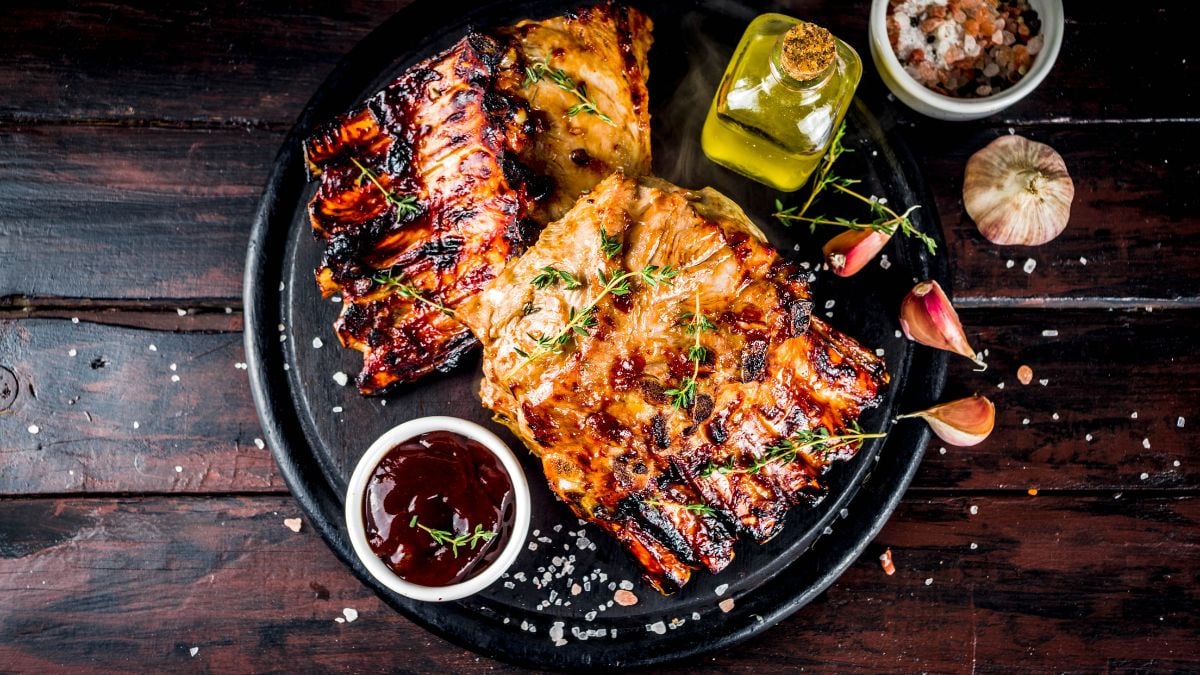
Cooking ribs low‑and‑slow with rubs, sauce, and fuel can cost about $30 for two people. A restaurant rack runs $24–$26 thanks to wholesale meat, optimized smokers, and wood blends. The result? Tender, flavorful ribs without the long wait or smoke-filled house. For carnivores craving ribs, the joint is the better bet.
Pho Soup: Broth Time vs Bowl Value
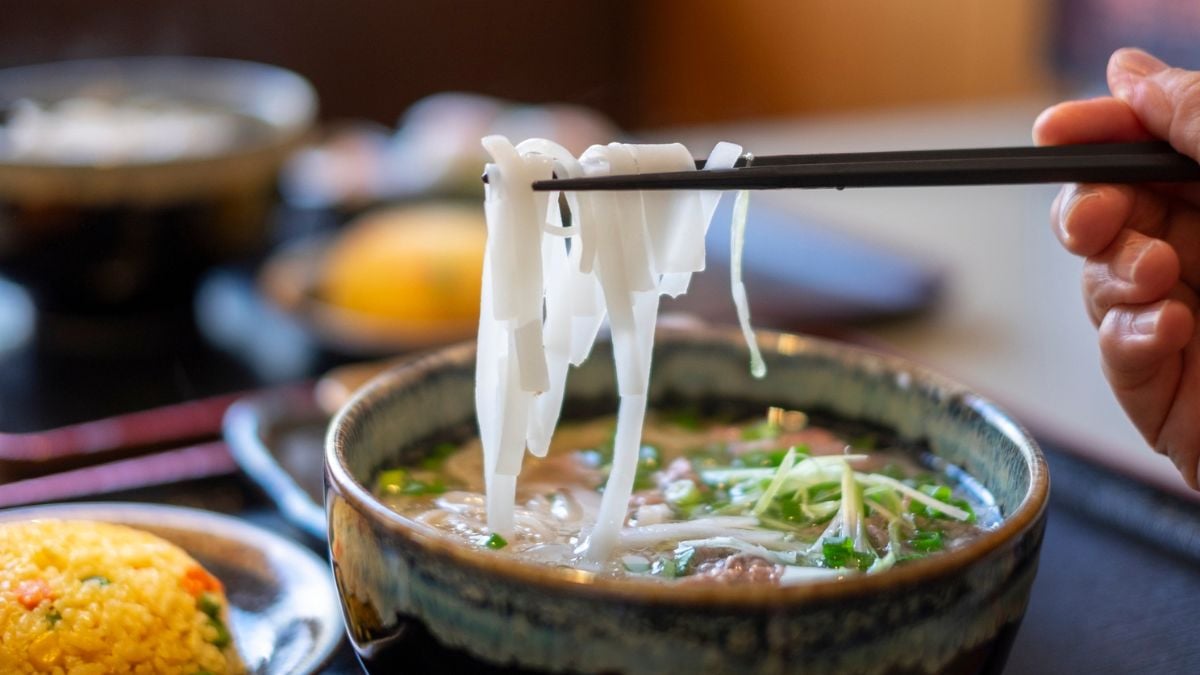
Simmering pho broth at home — with bones, spices, noodles, and herbs — can surpass $25 in ingredients and 5–6 hours of cooking time. A bowl from a Vietnamese eatery runs around $14 thanks to large-scale batch cooking. The broth is richer, the portions more generous, and effort minimal. For regular pho lovers, that’s a serious efficiency win.
Pasta Carbonara: Specialty Cheese + Risky Prep
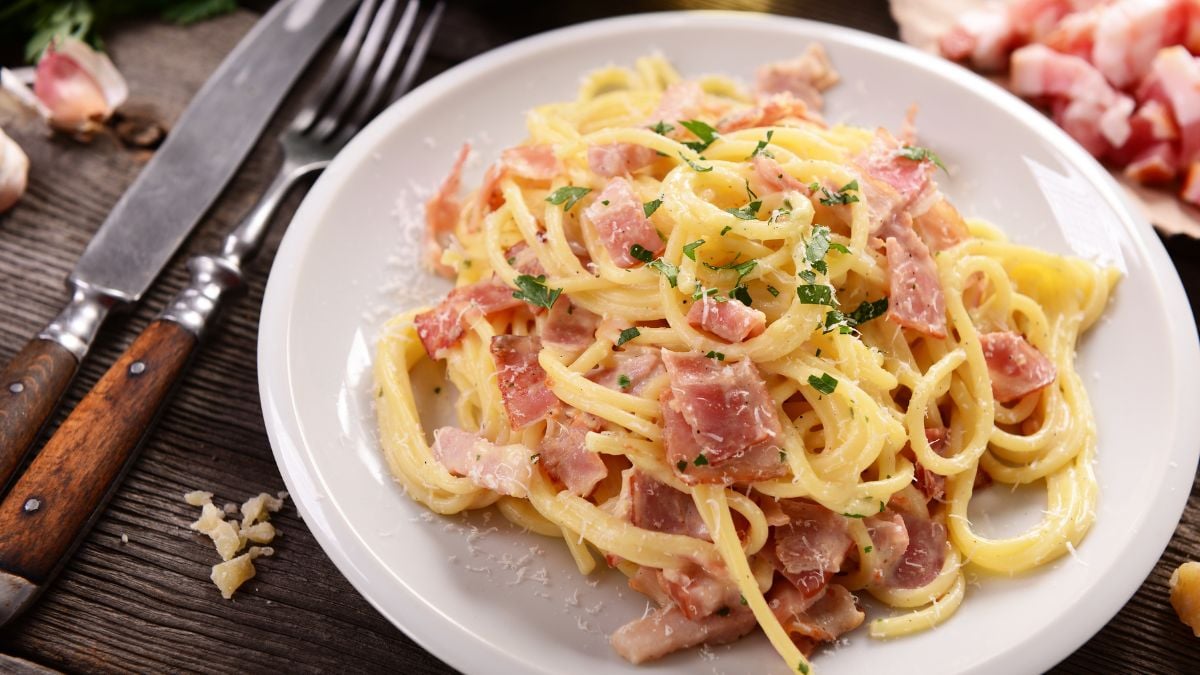
Carbonara needs pancetta or guanciale, real Parmesan, eggs — and careful timing to avoid curdled sauce. Costs stack up to about $18 for two servings at home. A trattoria might serve it for $15 or less, with creamy texture and no prep stress. For a silky sauce and minimal fuss, dining out wins — especially when your fridge doesn’t scream “leftovers.”
Burgers: Quality Beef Isn’t Cheap At Home

Premium ground beef, buns, cheese, and fries add up fast — often reaching $14–$15 per home-cooked meal. Restaurant burger combos with sides average around $13 thanks to bulk meat pricing and efficient cooking. High-heat grills give better sear and consistency compared to home stovetops. If you want juicy doneness without splurge, the burger joint wins.
Dim Sum: Labor-Intensive Dishes Done Right
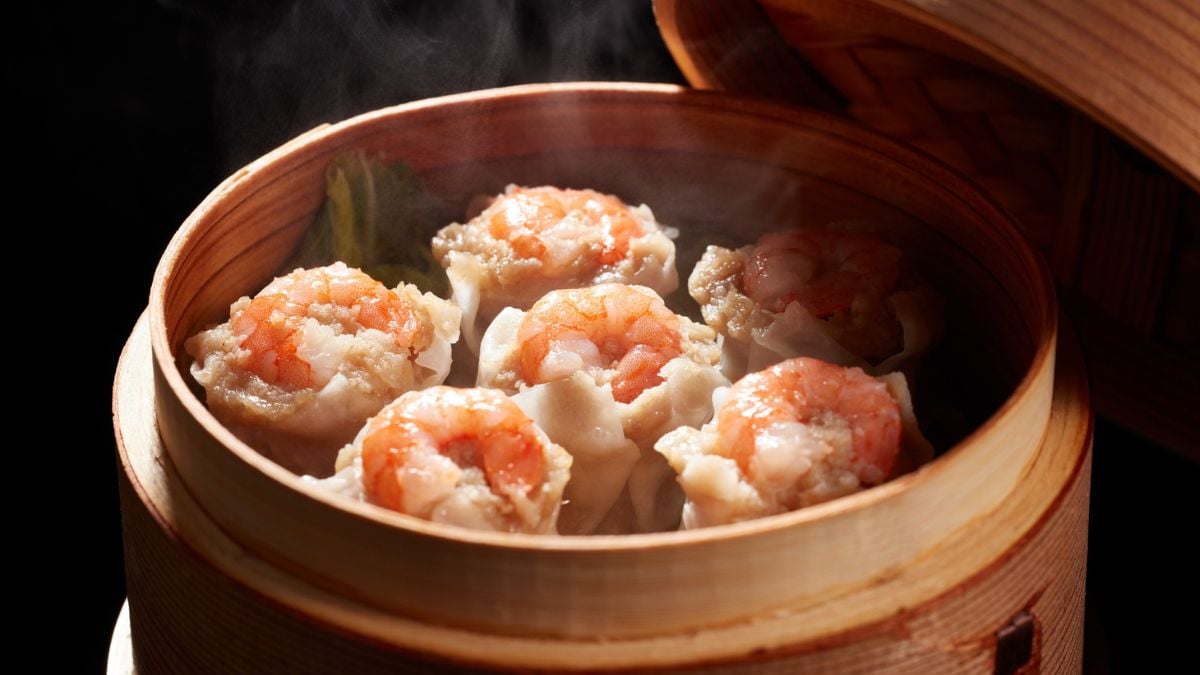
Shrimp, pork, wrappers, sauces, bamboo steamers — putting together even a small dim sum batch at home can cost $28–$30 and require serious prep. Restaurants often offer sampler platters for $16–$18. Skilled dim sum chefs deliver fresh, steamed dumplings with perfect texture in minutes. For maximum variety and minimal hassle, dim sum houses win big.
Tacos: Taquería Saves Money and Time
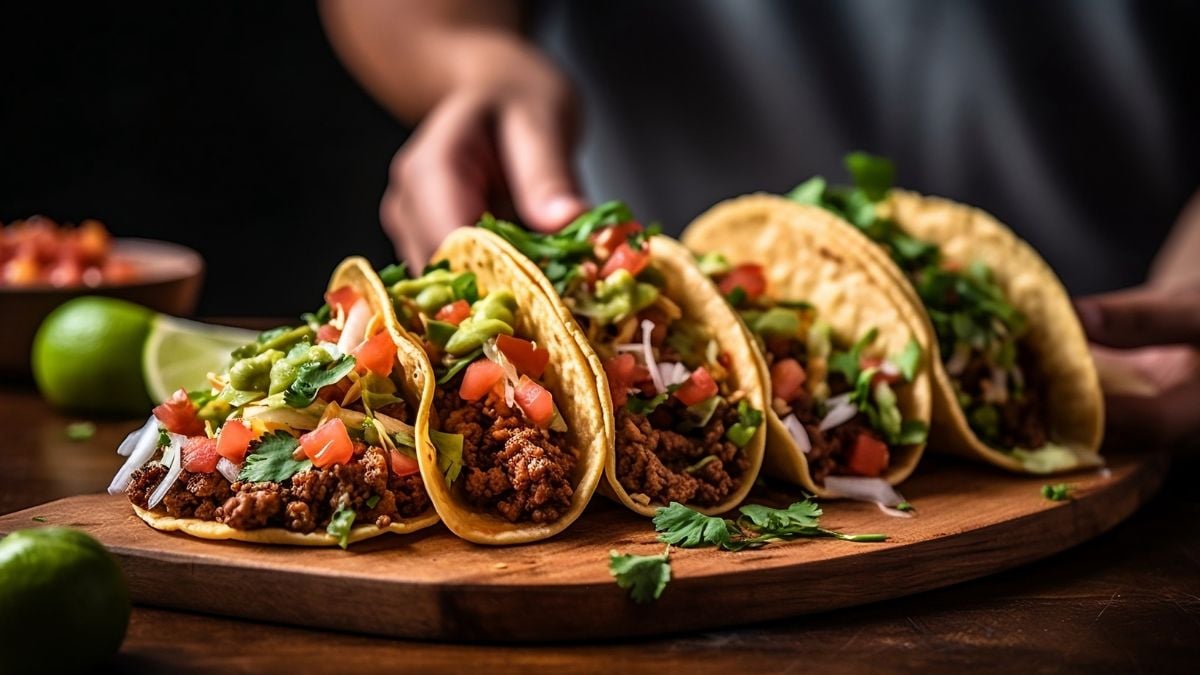
Tortillas, proteins, salsas, limes — building tacos at home pushes costs to about $12 for a three-taco set. A taquería often charges $8–$9 and delivers flavor-packed, grill-charred tacos. Restaurants use flat-top grills and seasoned meats to punch up taste while staying efficient. So unless you’re cooking for a crowd, taco nights are often cheaper on the go.
Rotisserie Chicken: Supermarket Saver vs Oven Costs
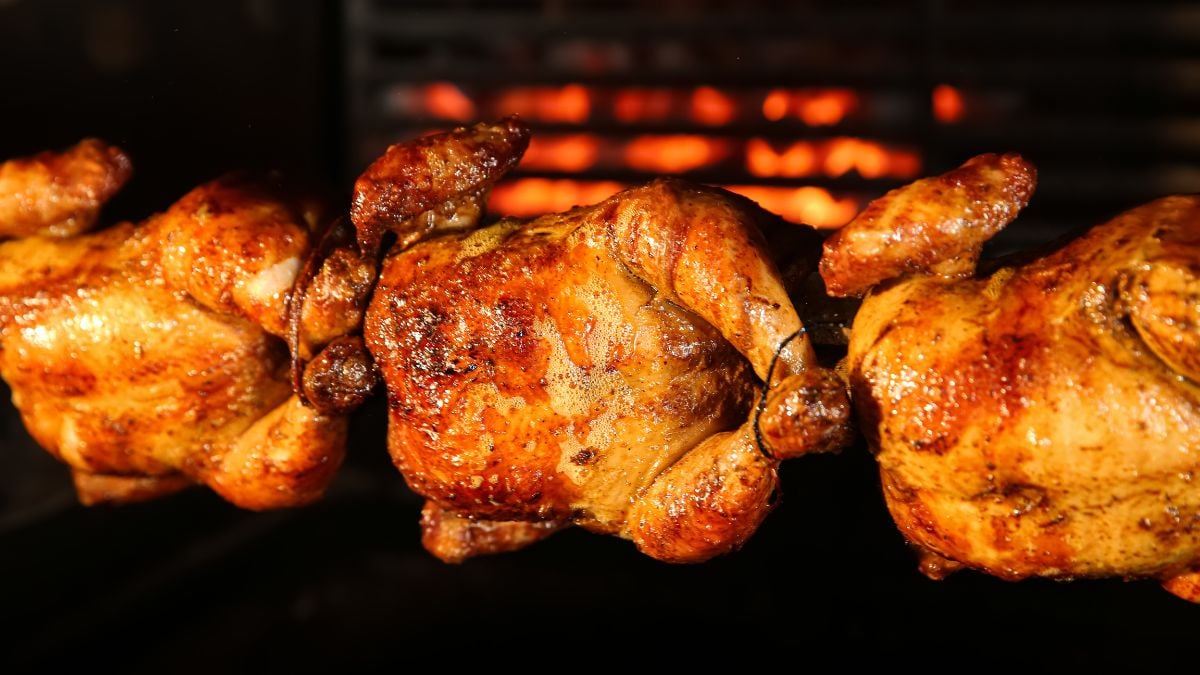
Throwing a chicken in the oven means buying raw meat, seasoning, and paying for cooking energy — often totaling over $10. Supermarket rotisserie chickens go for $5–$7 as loss‑leaders. Buying ready-roasted sells at a lower price per pound than home-cooked, plus you skip prep and cleanup. For easy weeknight meals, buying cooked beats cooking raw.
Sometimes, Ordering Out Is the Smartest Cook in the House
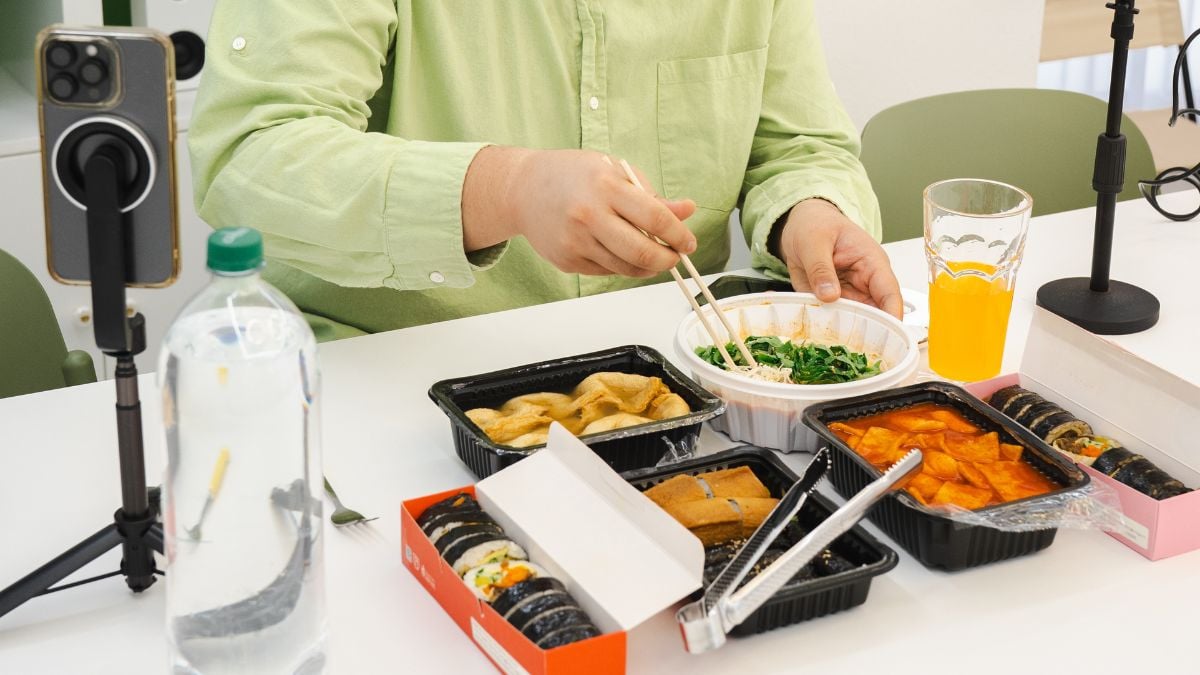
Not all meals are worth the grocery trip or the oven heat. For dishes heavy on ingredients, prep time, or clean-up — like pho, fried chicken, or dim sum — restaurants often deliver better taste and savings. If you’re looking to save money and your sanity, sometimes the drive-thru is your smartest move. What surprised you most on this list? Drop a comment and tell us your “better off bought” meal.