Great cooking isn’t just about ingredients — it’s about technique. While salt, fat, acid, and heat form the foundation of every dish, how those elements are applied makes all the difference. Around the world, chefs use specialized cooking methods to control texture, flavor, and moisture in ways home cooks rarely attempt. Some of these techniques look deceptively simple, while others require serious precision. Here’s a closer look at eight unique cooking methods that quietly shape some of the most memorable food experiences.
Technique Over Ingredients Matters Most
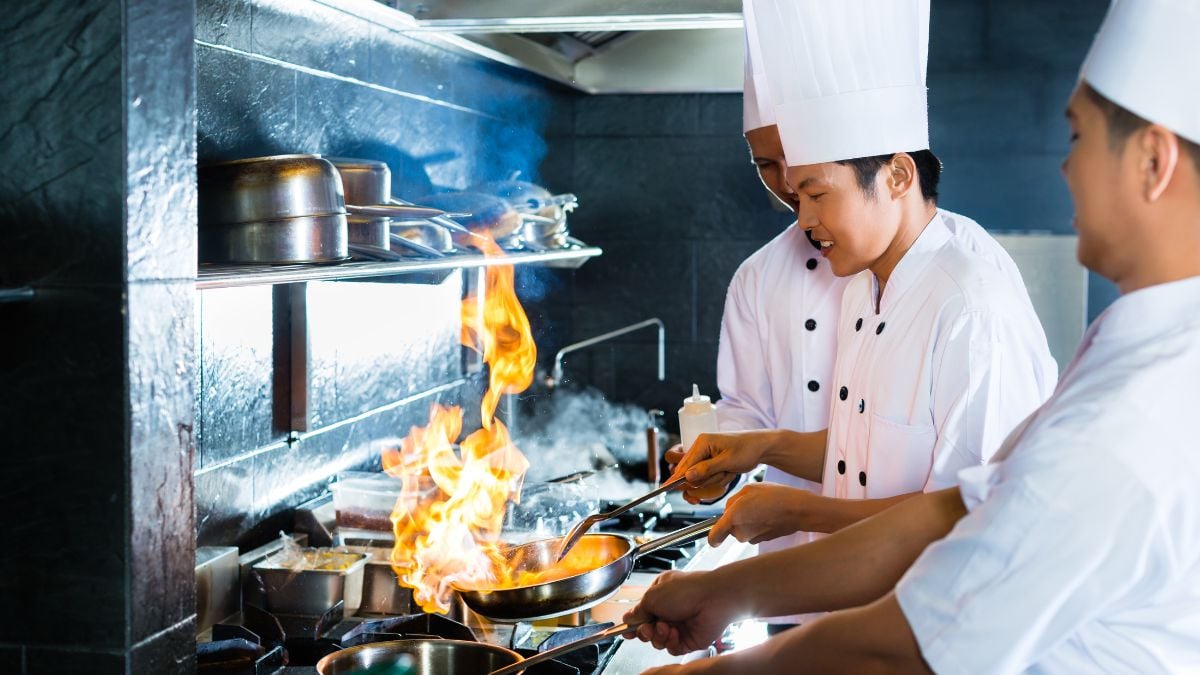
These cooking methods prove that preparation can matter more than what’s on the plate. By manipulating temperature, moisture, or chemistry, cooks unlock deeper flavors and better textures. Many of these approaches are rooted in tradition, while others emerged from modern culinary science. Each method focuses on maximizing what ingredients can naturally offer. That’s why mastering technique is often what separates good food from great food.
Sous-Vide Locks In Precision
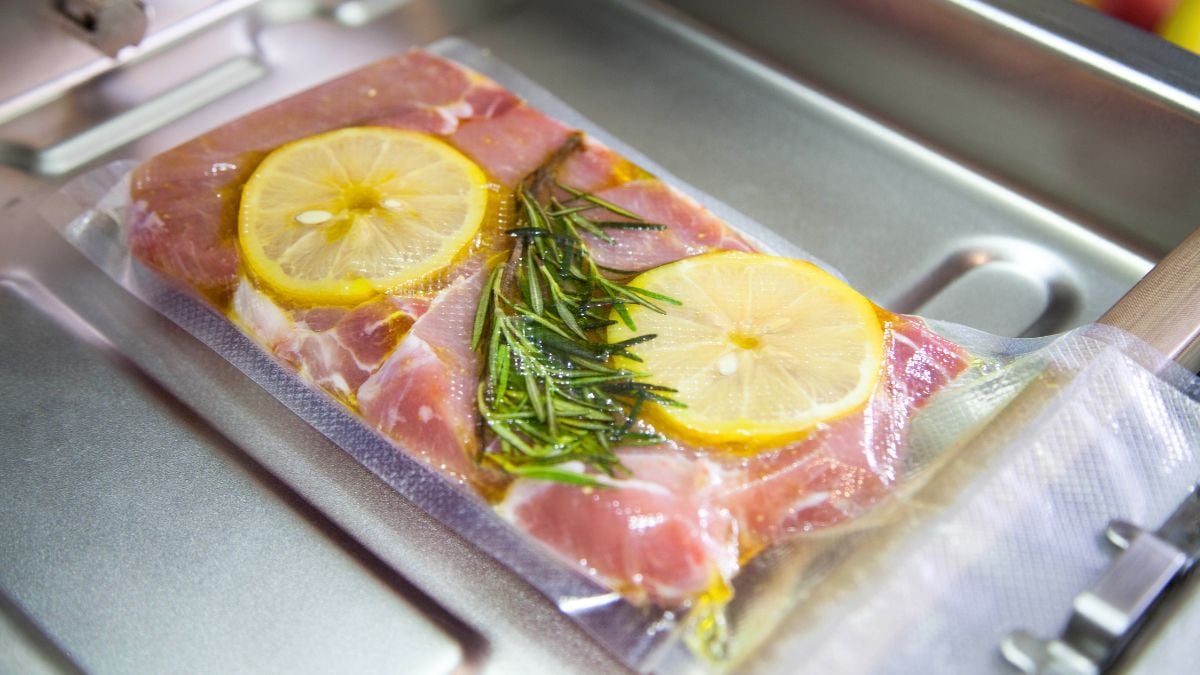
Sous-vide means “under vacuum,” and the name explains the method perfectly. Food is sealed in a plastic pouch and cooked in a temperature-controlled water bath. This allows the interior to cook evenly without overcooking the exterior. Moisture stays trapped, preventing dryness. When done right, the result is consistent doneness from edge to center.
Why Temperature Control Changes Everything
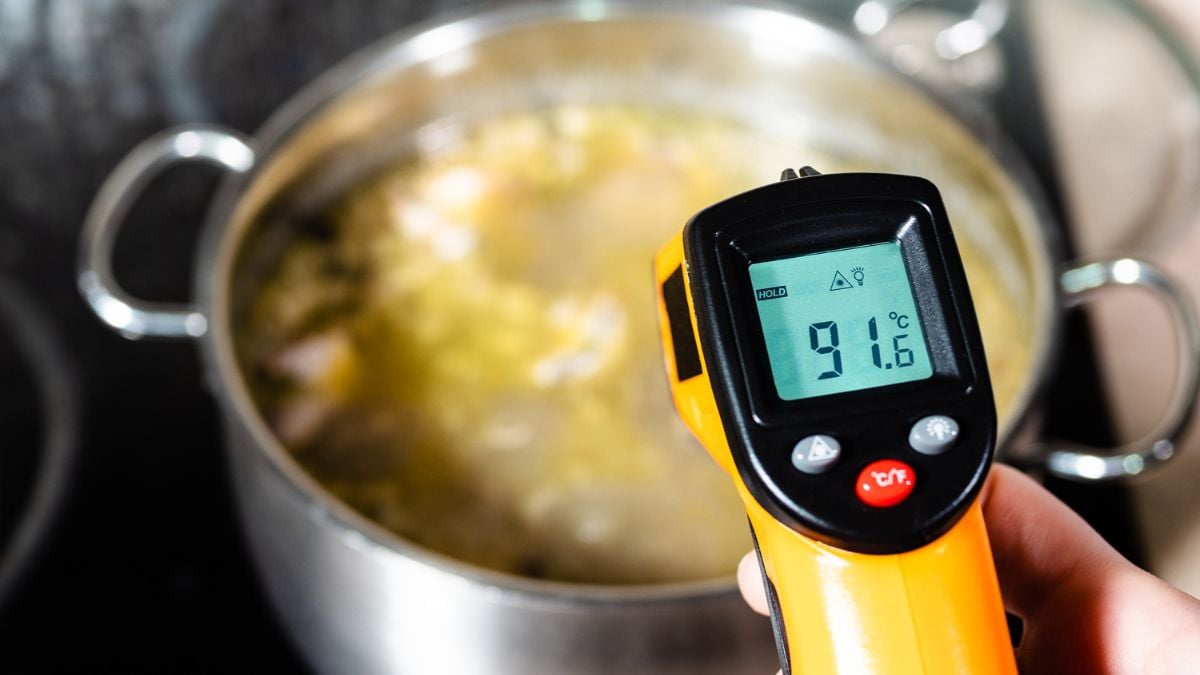
Traditional cooking methods rely heavily on visual cues and timing. Sous-vide removes guesswork by using exact temperatures throughout the cooking process. This ensures proteins don’t seize or overcook. It also allows food to hold its texture longer before serving. Precision is the real secret behind its popularity.
Air And Foam Redefine Texture
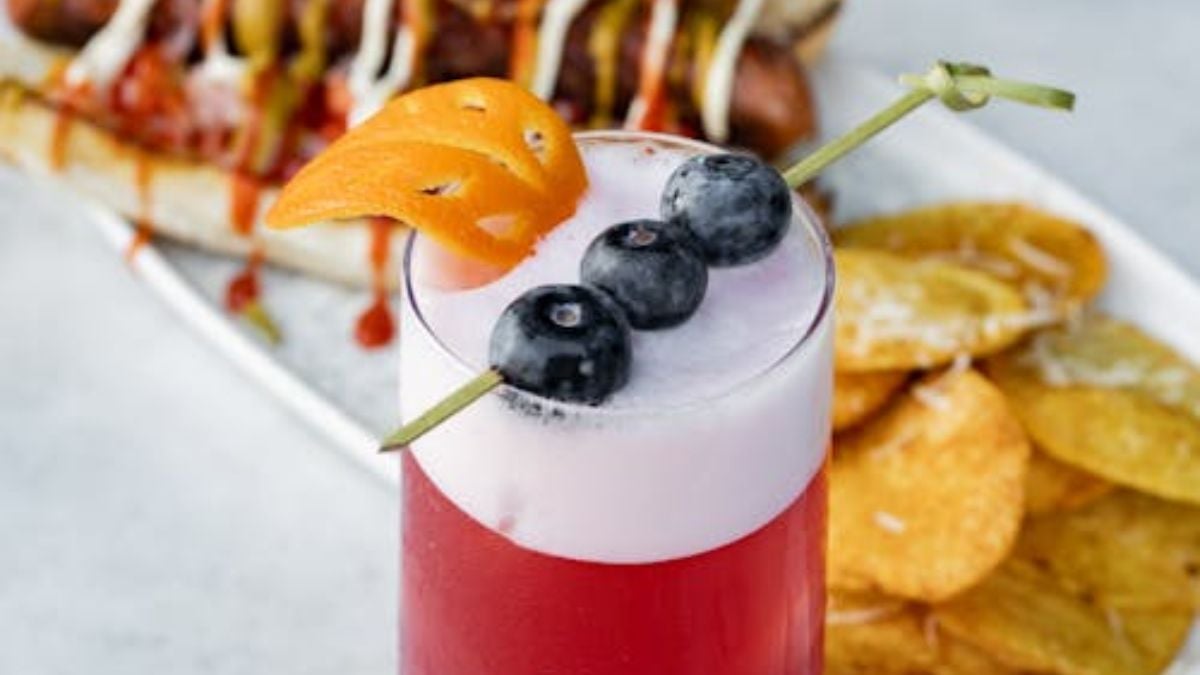
Molecular gastronomy introduced entirely new ways to experience food. Using air and foam, chefs alter a dish’s structure without changing its core ingredients. The result is a creamy texture that doesn’t feel heavy or rich. This technique focuses on mouthfeel as much as flavor. It challenges expectations with every bite.
Dry Aging Builds Umami Slowly
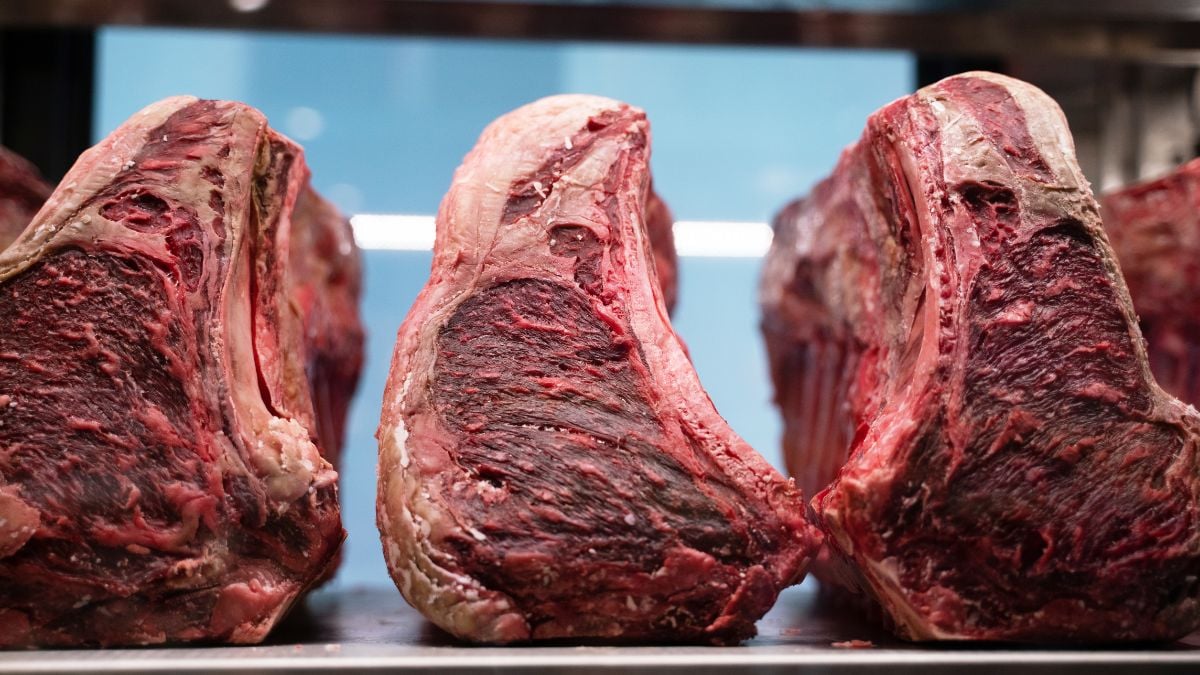
Dry aging transforms beef through time and controlled conditions. Meat is stored at low temperatures with high humidity for weeks. During this period, natural enzymes break down proteins and fats. This process creates amino acids like glutamate, which intensify umami flavor. The result is beef that’s tender, complex, and deeply savory.
Why Dry Aging Requires Precision
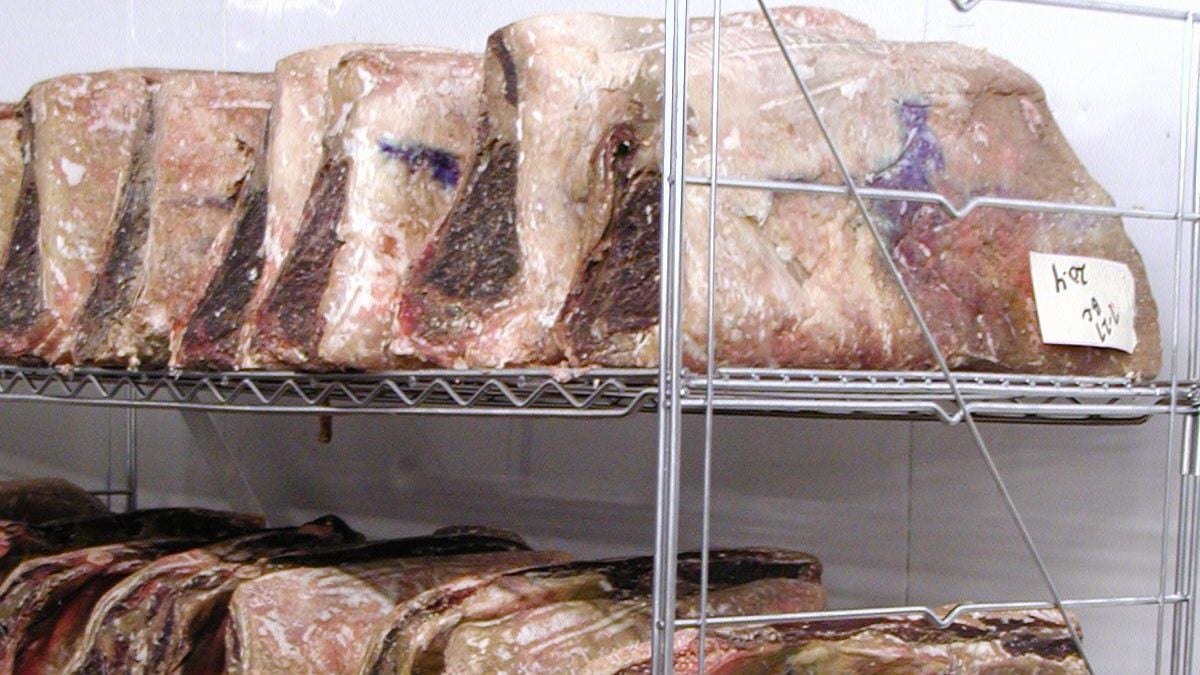
Dry aging isn’t just letting meat sit longer. Temperature and humidity must remain carefully balanced. Too much moisture invites spoilage, while too little dries the meat excessively. That precision is why chefs guard the process closely. When done properly, flavor development becomes the star.
Confit Is Not Deep Frying
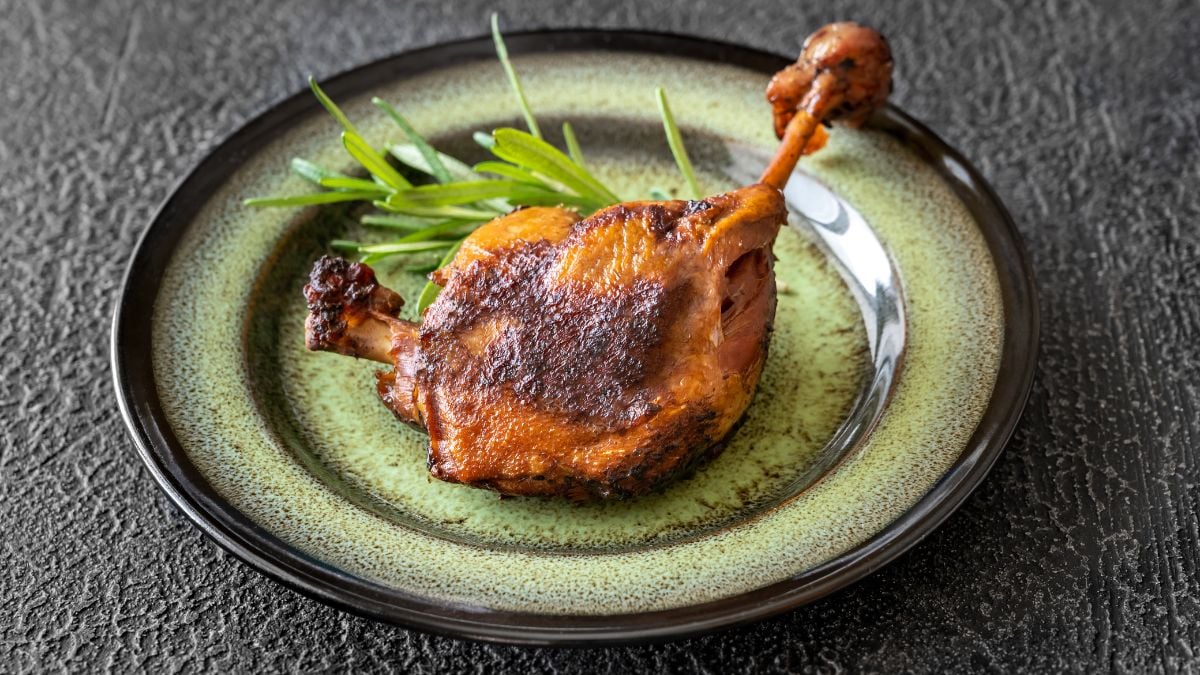
Confit originated as a preservation method long before refrigeration. Meat is salted, then slowly cooked in its own fat. Unlike deep frying, confit uses very low temperatures. This gentle heat keeps meat juicy while developing a crisp exterior. The method prioritizes patience over speed.
Tandoor Cooking Brings Intense Heat
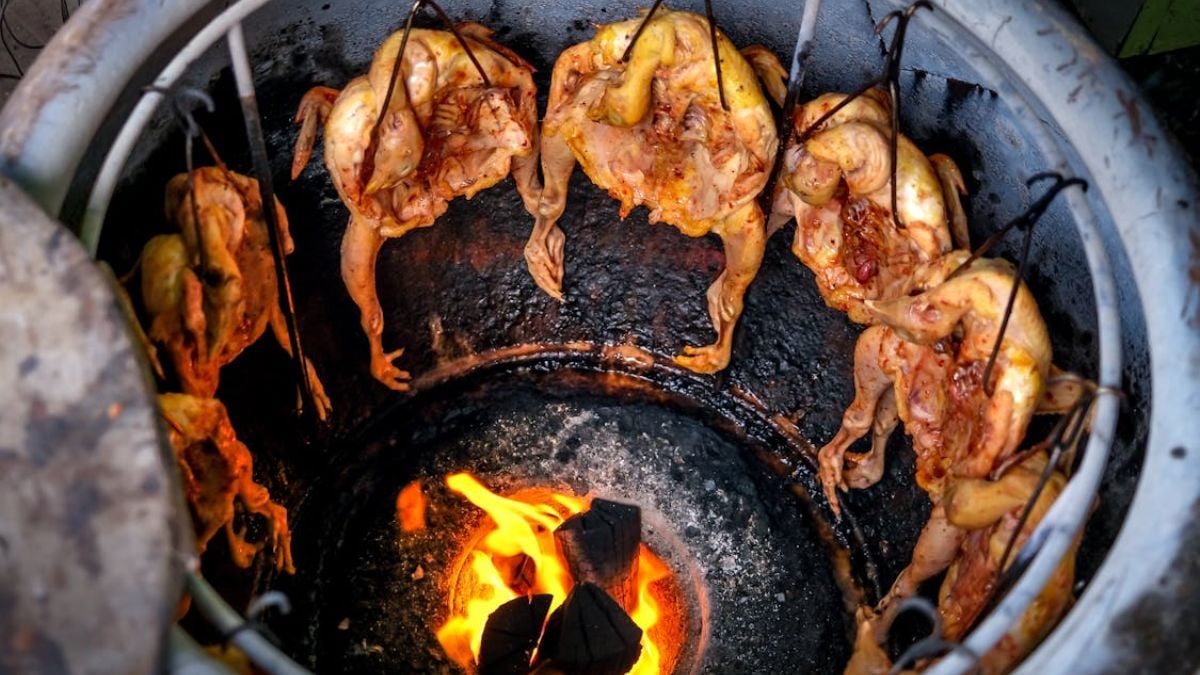
A tandoor is a traditional charcoal oven used widely in Indian cuisine. Temperatures inside can reach extreme levels. This intense heat gives naan and tandoori dishes their signature char and flavor. Cooking in a tandoor requires specialized skill. It’s not an oven just anyone can operate.
Double Roasting Shapes Coffee Flavor
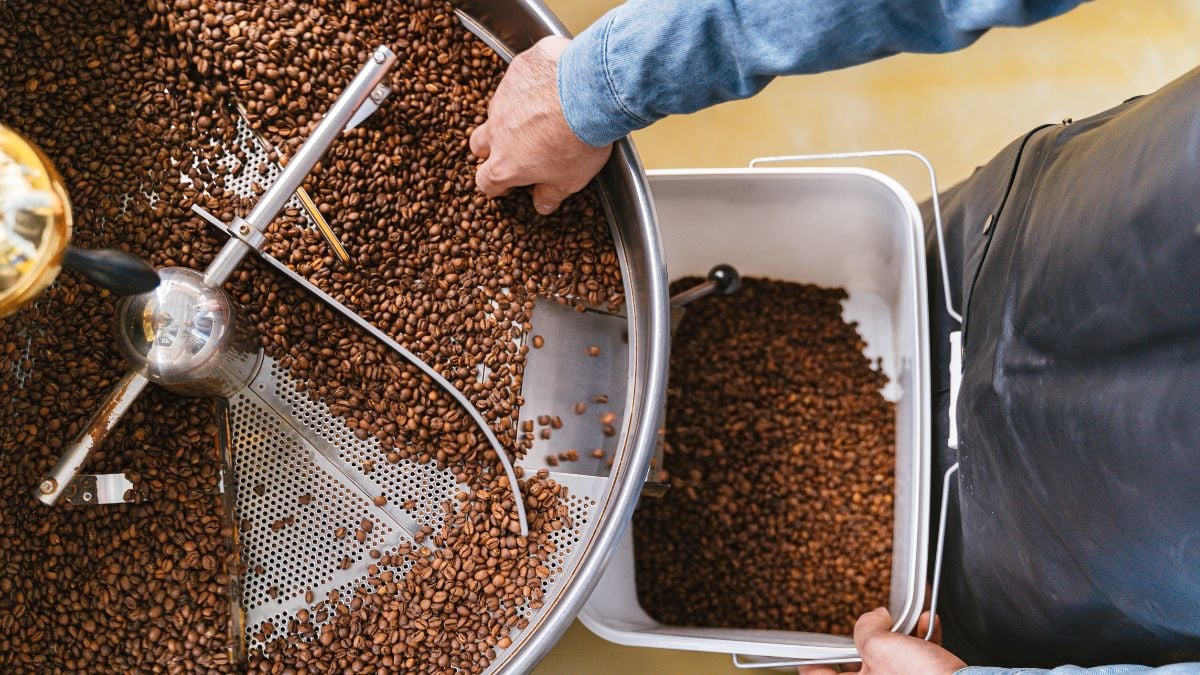
For coffee lovers, roasting is everything. Double roasting influences aroma, depth, and bitterness. The beans are ground fresh and brewed using a cloth coffee sock. Coffee is poured from a long-spouted pot, enhancing fragrance. Each step affects the final cup’s character.
Citric Acid Cooks Without Heat
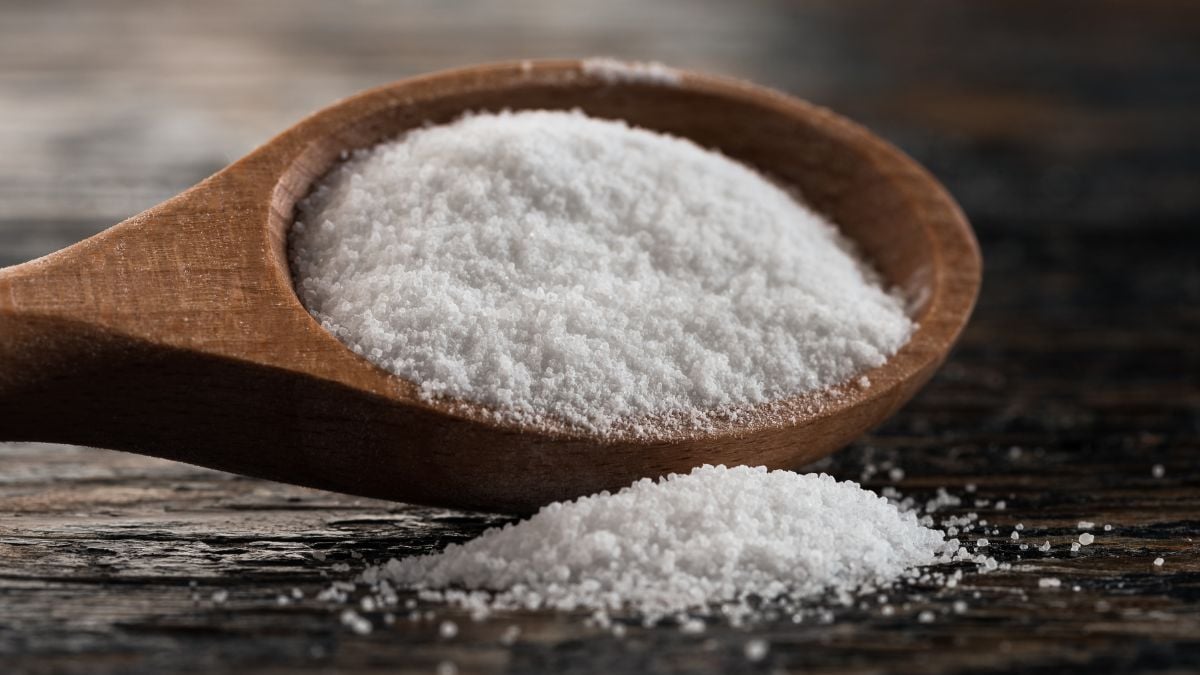
Cooking doesn’t always require fire. Citric acid can “cook” raw fish by altering its proteins. This technique is famously used in ceviche. The acid firms the fish’s exterior while keeping the interior raw-like. Freshness is essential when using this method.
Simmering Is Quietly Essential
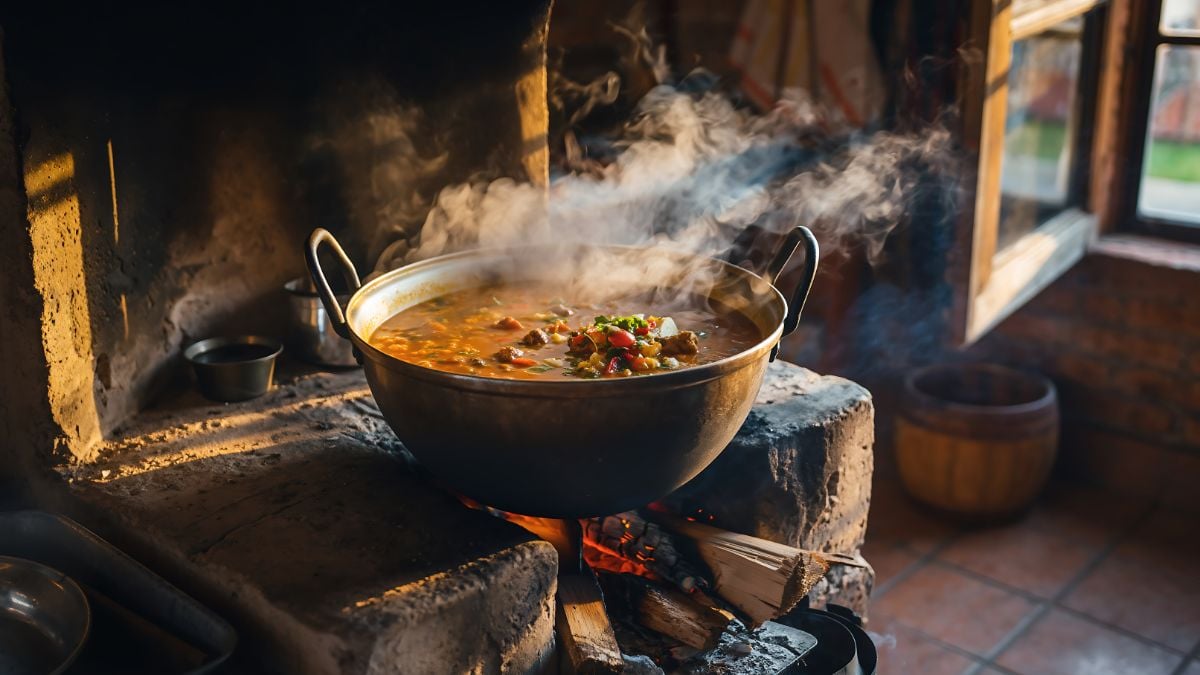
Simmering may seem basic, but it’s a foundational technique. Food cooks in liquid just below boiling temperature. This gentler heat prevents toughness and breakage. It allows flavors to develop slowly and evenly. Many classic dishes depend on mastering this simple method.
Why These Methods Still Matter
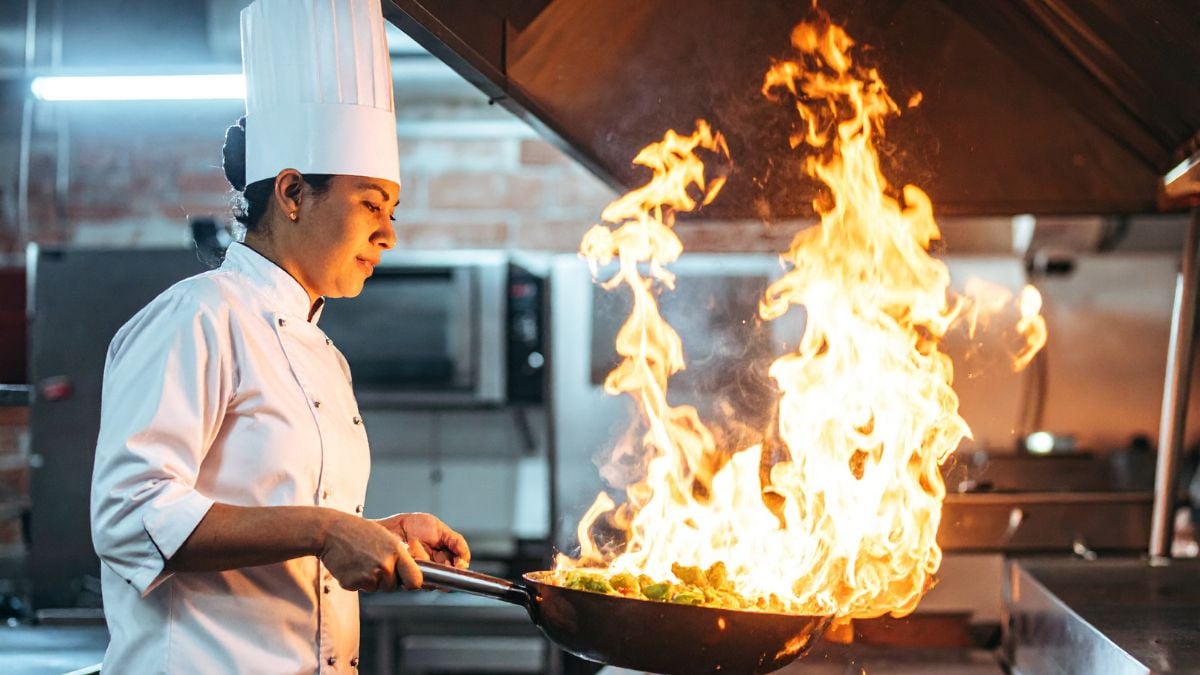
Each of these techniques highlights a different way to control flavor, texture, and moisture. Some rely on science, others on tradition, but all demand intention. Understanding them helps explain why certain dishes taste unforgettable.