The coffee giant Starbucks isn’t just closing stores—it’s revealing a shift in what we value when we buy our morning brew. With announcements of store shut-downs, job cuts, and slipping loyalty, the brand is standing at a crossroads. Is this about business strategy, or a deeper change in consumer behavior and values? Let’s walk through what’s really brewing behind the scenes.
Revenue Shrinkage: The Warning Bell

Starbucks is shutting about 1% of its North American stores—roughly 150 – 200 locations—and cutting 900 non-retail jobs as part of a $1 billion restructuring. This move marks more than cost-cutting—it signals internal pressure from declining performance and changing market dynamics. Six straight quarters of falling same-store sales have forced leadership to act.
Coffee Isn’t Worth It: Customers Are Saying No
A LinkedIn poll showed 53% of respondents said they don’t drink Starbucks coffee, with cost being a major factor. According to a 2024 survey by Technomic, Starbucks was viewed as the least affordable chain among fast-casual coffee players. Meanwhile, 70% of coffee drinkers say they brew at home daily—according to the 2024 Deloitte Coffee Study.
The “Third Place” is Fraying

Starbucks once claimed the role of a welcoming “third place” between home and work—cafés where you linger, work, chat. But that model is under pressure. With remote work, shifting neighborhood traffic, and competition increasing, those linger-spots are less tenable.
Urban Outlets: Walking Away From Prime Locations
Some closures are happening in high-profile urban spots—downtown Seattle, Los Angeles, Chicago—despite premium real-estate settings. Analysts say foot-traffic decline, competition from drive-thrus, and changing consumer habits made these places tougher to sustain.
Prices Up, Loyalty Down
With inflation and labour costs rising, Starbucks’ premium price point is hitting the wall. Many consumers are vocal about cost. The LinkedIn poll cited price as a chief reason to skip Starbucks. If a coffee chain once built on experience now seems unfairly expensive compared to brewing at home or choosing alternatives, the brand loses ground.
Labor and Union Pressure: A Brand Battle
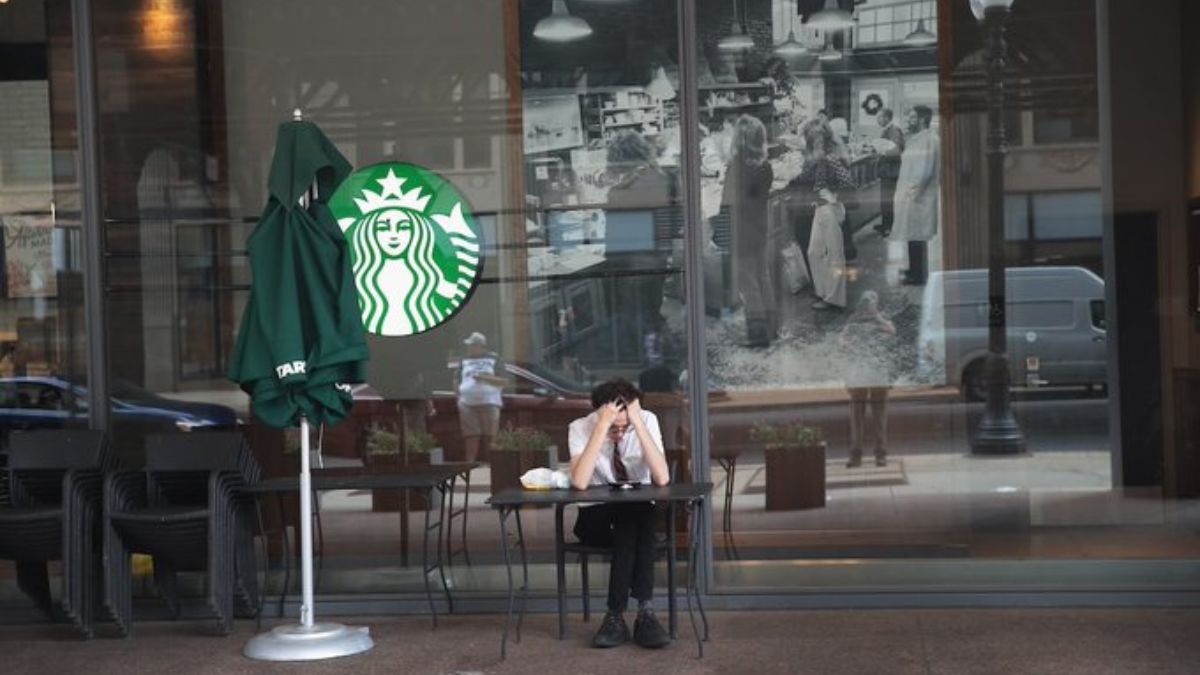
59 of the stores slated for closure have unionised staff. Starbucks has faced accusations of union-busting, and some consumers are boycotting for those reasons. The brand’s internal labour issues are bleeding into consumer perception.
Boycotts Count: Political and Ethical Risk

In late 2023, the union AFFILIATE Starbucks Workers United voiced solidarity with Palestine, triggering global backlash and accusations of adverse customer response. Some analysts link store closures and revenue hits to reputational damage from ethical/political stances.
Loss of the “Coffeehouse Feel”
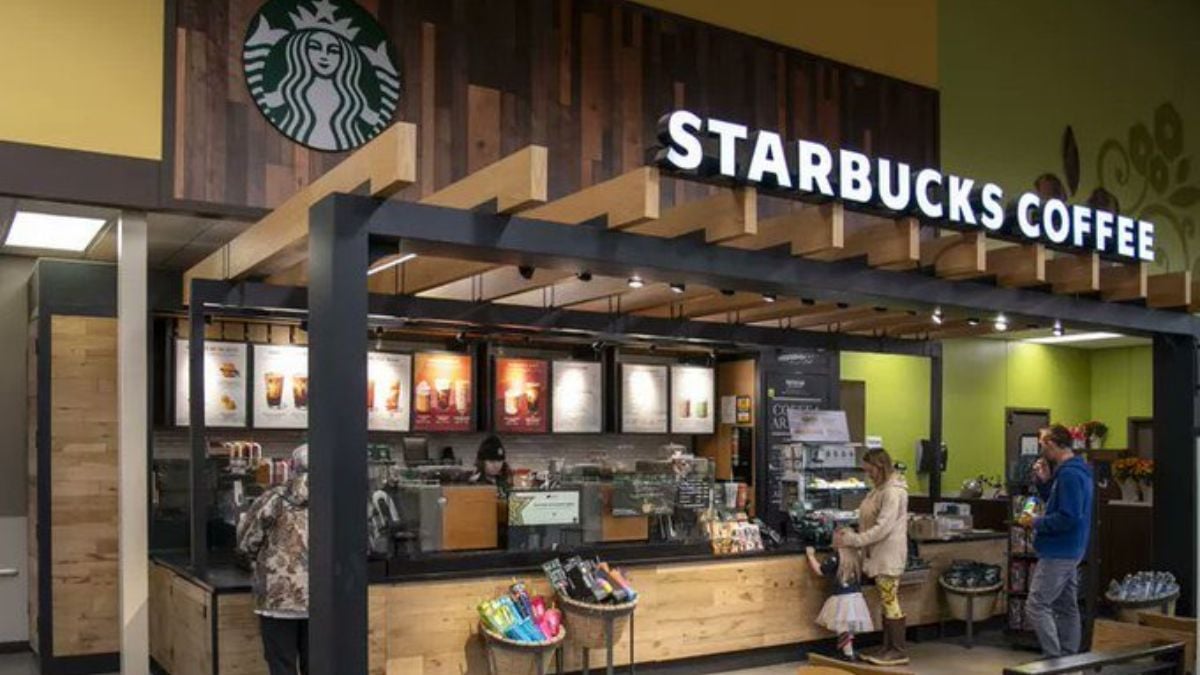
The physical cafés are becoming more transactional: faster, simpler, less “hang-out” vibe. In some cases, restroom access is restricted. That erodes what once set the experience apart. If you pay more for an experience, but get less atmosphere, you question the value.
Competitors Aren’t Waiting
Newer chains, convenience stores, and independent roasters are stepping up. Some focus on drive-thru speed; others on craft or local authenticity. Starbucks’ dominance is being challenged. Consumers now have more options for a brew, picks are no longer automatic.
Store Footprint: Less is Actually More

Closing under-performing outlets is part of a broader strategy: focus on quality, not quantity. Starbucks CEO Brian Niccol’s “Back to Starbucks” plan highlights upgrading 1,000+ stores and enhancing experience rather than wild expansion.
Rising Home-Brew Culture
With 70% of coffee drinkers making coffee at home daily, the convenience and cost of Starbucks are less compelling. As consumer habits shift toward home-based routines and more mindful spending, premium coffee chains face harder sells.
Brand Identity Crisis Underway
Starbucks once signalled lifestyle, community, status. Now it’s wrestling with what it means in a world where people care more about cost, ethics, local impact. The brand’s identity is being tested.
Employee Experience: Key to Retail Recovery

Many of the closures and restructuring decisions affect non-retail roles and support structures. The company is realigning corporate and store-level staffing to boost customer experience and cut bloated parts. If employees don’t feel valued, the service suffers—and customer loyalty fades.
What It Means for Local Communities

When Starbucks leaves, it opens gaps in the neighbourhood for independents, convenience stores, local cafés. Some analysts call this a chance for local players to reclaim space.The coffee economy is being rewritten, not just for a big brand but for entire retail ecosystems.
The Road Ahead: What Starbucks Must Do
To rebound, Starbucks must invest in employee relations, rebuild the café ambiance, recalibrate pricing, and re-earn trust. According to the original article’s author, focusing on inclusion and community culture may be the lifeline.