Chain restaurants have long promised comfort, consistency, and familiar flavors at predictable prices. But as 2026 approaches, that promise is starting to crack. Behind the scenes, many big-name chains are grappling with debt, closures, shrinking traffic, and aggressive cost-cutting. The result often shows up on your plate through smaller portions, slower service, or sudden location shutdowns. Here’s a closer look at the chains facing the most turbulence—and why diners may want to think twice before pulling in.
Boston Market’s Collapse Is Hard to Ignore
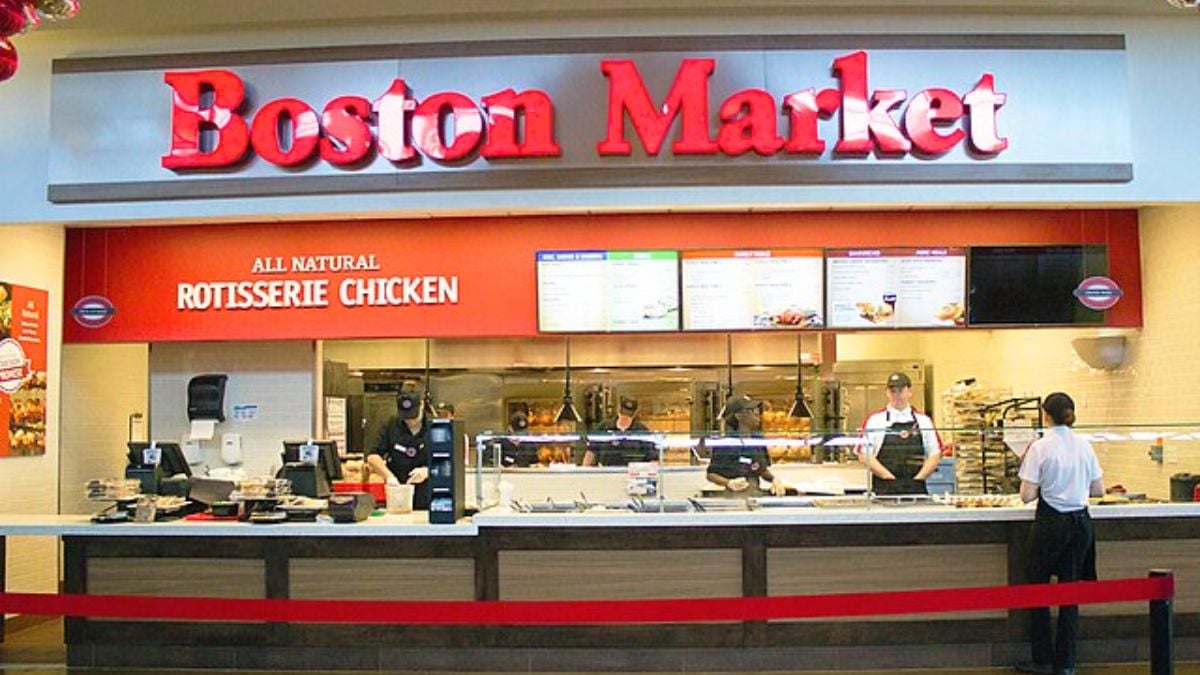
Boston Market’s situation stands out as the most alarming. Once a fast-growing rotisserie chicken favorite, the chain has shrunk from roughly 300 locations to just a couple dozen. Reports detail unpaid taxes, seized headquarters, lawsuits, and vendors refusing deliveries. Customers may experience inconsistent menus, staffing shortages, or sudden closures. Even if one near you is open today, there’s no guarantee it will be tomorrow.
Starbucks Is Shrinking, Not Growing
Starbucks is in the middle of a massive $1 billion restructuring. Roughly 400 North American locations are set to close, along with hundreds of corporate layoffs. Inflation fatigue has hit hard, with many customers rethinking pricey daily coffee runs. Competition from independent cafes and drive-thru chains has intensified. While leadership promises a cultural reset, the transition period may feel rocky for customers.
TGI Fridays Is Still in Survival Mode
TGI Fridays filed for Chapter 11 bankruptcy in late 2024 and continues operating under protection in 2026. The chain has closed dozens of locations domestically and internationally. Leadership has admitted the brand never fully recovered from pandemic-era disruptions. While some locations may feel stable, others show signs of strain. Consistency remains a big question mark.
Wendy’s Is Closing Hundreds of Stores

Wendy’s plans to close up to 350 U.S. locations after shutting down about 140 in 2024. Sales declines and shrinking profits are driving the decision. Remaining locations may feel understaffed or rushed as operators cut costs. Low-priced bundles aim to lure budget-conscious diners, but they signal mounting pressure. The brand isn’t disappearing, but it’s clearly operating defensively.
Denny’s Enters a Restructuring Era
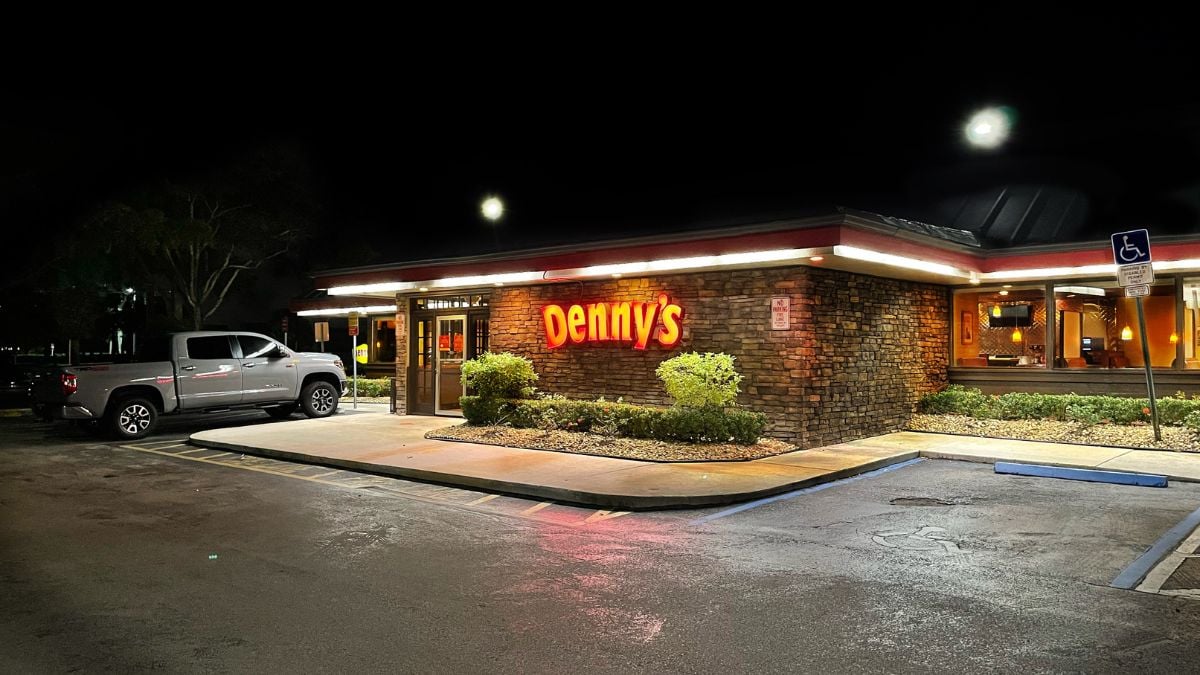
Denny’s closed roughly 150 underperforming restaurants by the end of 2025. Shortly after, the company agreed to a $620 million sale to a private equity group. Going private often shifts focus toward efficiency and cost control. Customers may notice menu changes, staffing adjustments, or reduced hours. The familiar diner vibe could feel different during the transition.
Chipotle’s Prices Are Driving Diners Away
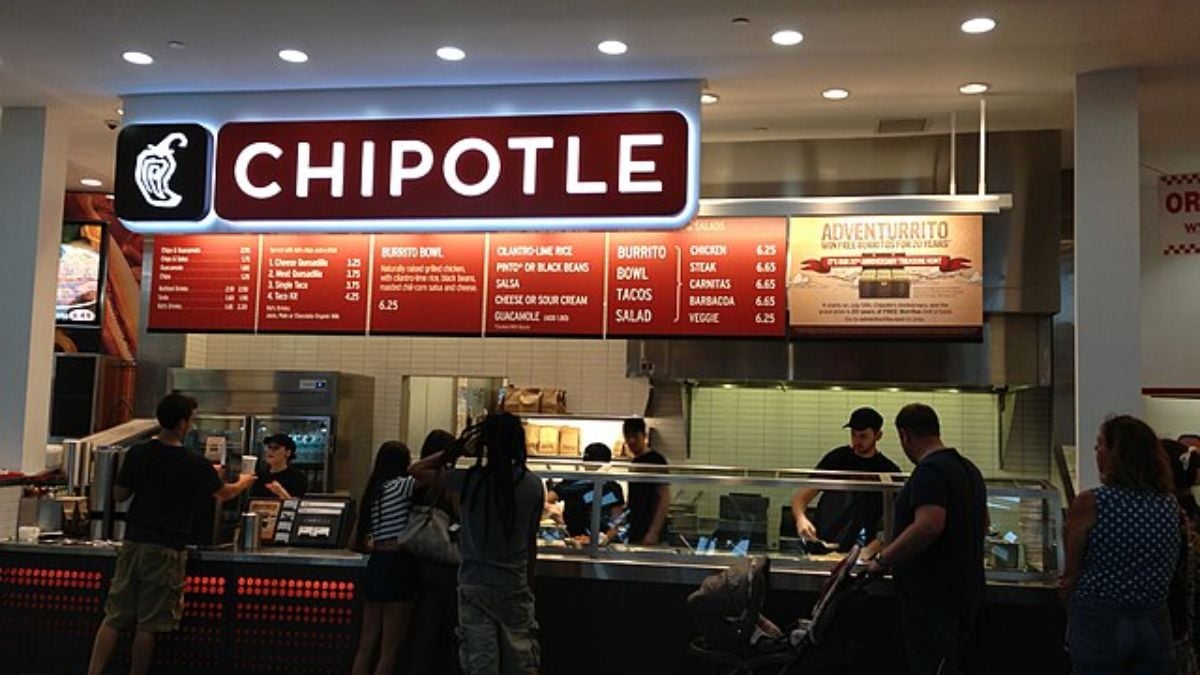
Chipotle’s once-budget-friendly reputation has faded. Average visits now cost $14 or more, pushing some customers out. Traffic in major markets has dropped by 12%, with younger and lower-income diners pulling back. Rising ingredient, labor, and supply costs have squeezed margins. The chain closed 75 locations in 2025, signaling real pressure.
Outback Steakhouse Is Pulling Back
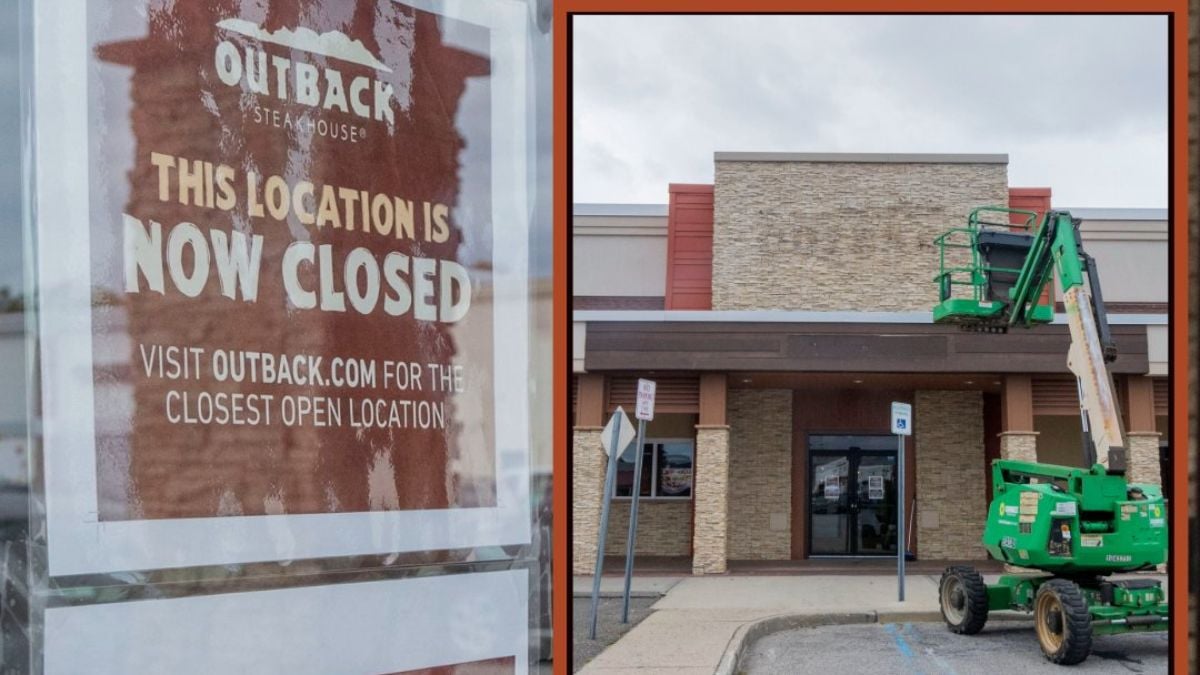
Outback’s parent company, Bloomin’ Brands, plans to close more than 40 locations. Dozens of leases won’t be renewed, signaling reduced reinvestment. When brands pull back, remaining locations often feel it through slower service and fewer upgrades. While stabilization funds exist, they’re spread across multiple brands. That uncertainty makes Outback less predictable for diners.
Jack in the Box Is Contracting Fast
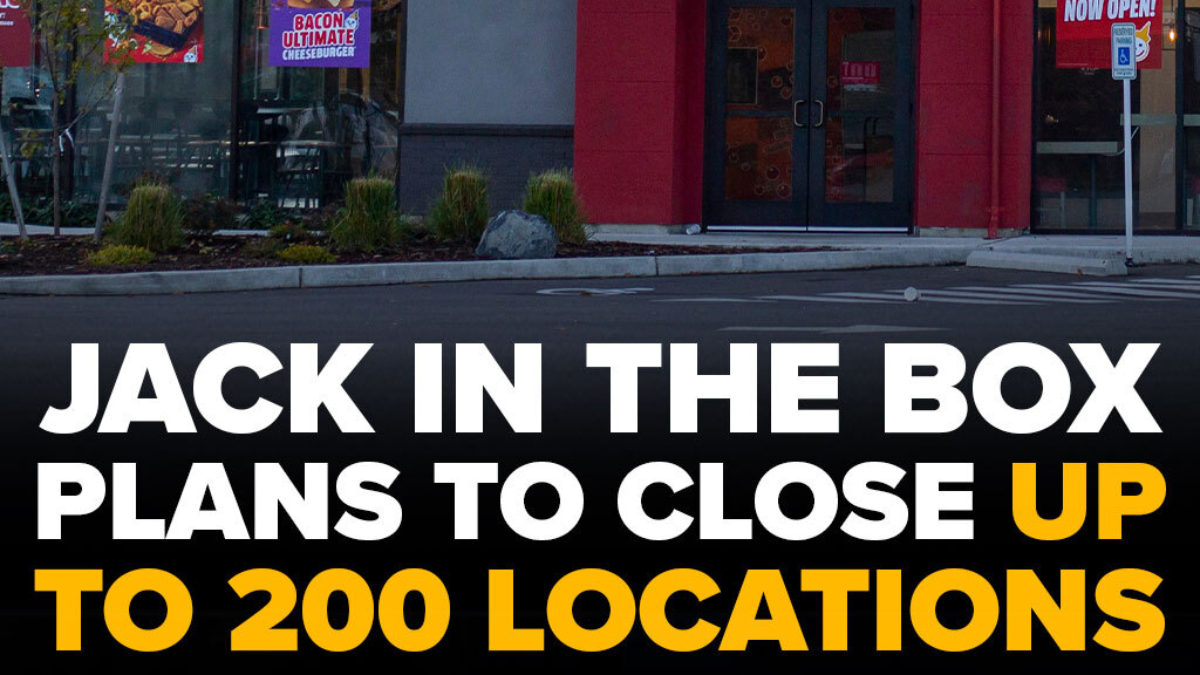
Jack in the Box has been closing underperforming locations steadily. Up to 200 stores may ultimately disappear as part of its plan. Falling traffic, rising prices, heavy debt, and increased beef costs are driving the contraction. The company even sold off its Del Taco stake. Customers may experience reduced hours or neglected locations.
Hooters Is Focused on Staying Afloat
Hooters has filed for Chapter 11 bankruptcy protection. The chain plans to sell all company-owned locations to franchise groups. Financial restructuring often sidelines customer experience improvements. Dozens of locations have already closed due to rising costs. While leadership promises continuity, instability is hard to ignore.
Noodles & Company Is Losing Its Identity
Noodles & Company has announced more closures through 2026. While price increases boosted short-term revenue, customer traffic continues to decline. Leadership changes and discussions of refinancing or selling the company add uncertainty. Menu tweaks haven’t fully reversed the trend. For diners, inconsistency has become the biggest concern.
Panera Bread Faces a Trust Problem
Panera’s decision to shut down fresh-dough facilities changed how its food is prepared. Dough is now shipped and finished in-store, which upset longtime fans. Sales have slipped as customers question value and quality. Franchise instability has led to closures and staffing challenges. The brand no longer stands out as it once did.
Why These Chains Made the List

This list is based on recent financial reports, store closures, bankruptcy filings, and restructuring announcements. Chains showing repeated signs of declining sales, heavy debt, or operational pullbacks earned a spot. Public business coverage and records helped confirm the trends. The goal isn’t to shame diners—but to spotlight warning signs. Knowing what’s happening behind the scenes helps you spend smarter.