In a move that’s ringing alarm bells across dining towns, Bloomin’ Brands, Inc.—the parent company behind familiar names like Outback Steakhouse and Bonefish Grill—is quietly shuttering dozens of its locations. A wave of closures has already hit, and many more are on the way. For regions like New York’s Hudson Valley, the consequences go beyond a missing go-to steakhouse—it’s about jobs, supply chains, and local real-estate ripple effects. Let’s take a look at what’s happening and what diners need to know.
41 Restaurants Closed in Early 2024
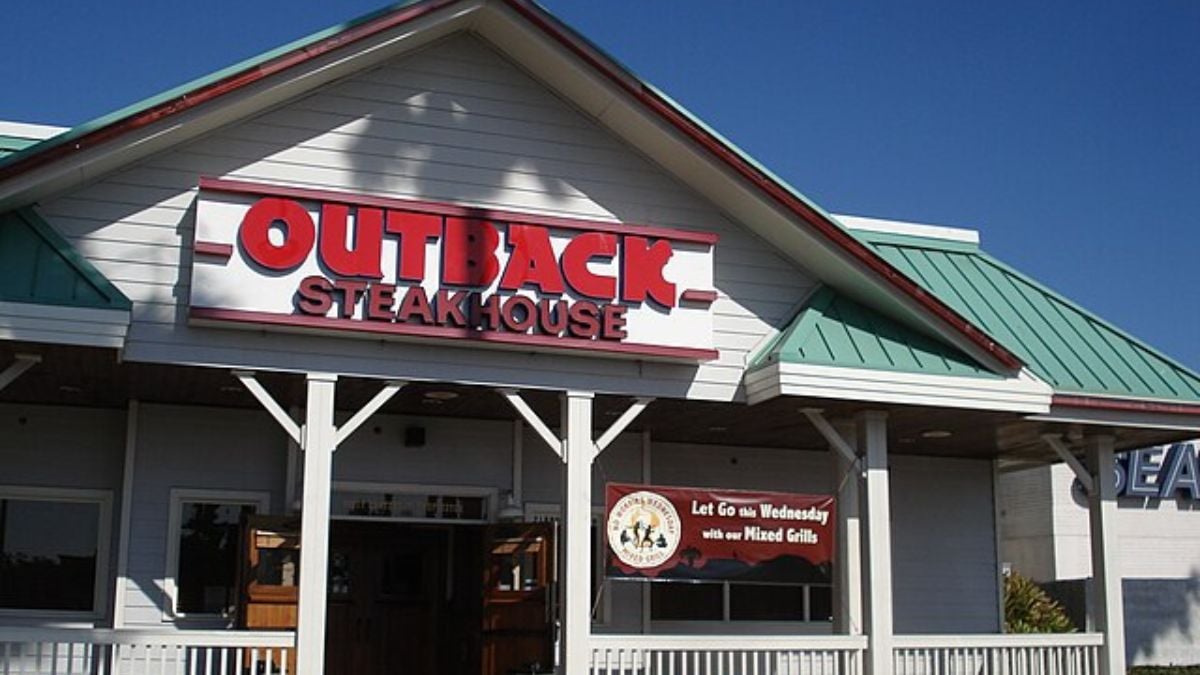
Bloomin’ Brands announced in February 2024 that it would shutter 41 underperforming units, citing leases, traffic and investment needs as key concerns. Restaurant Dive+2SeafoodSource+2 Many of these were older restaurants with less favorable lease terms and dated assets. While the company framed this as “asset optimization,” the news hit local communities hard.
21 More Closures Took Place Recently
In October 2025, Bloomin’ moved again and closed 21 additional eateries nationwide—including at least one Outback in New York. New York Post+1 The closures are part of a larger four-year turnaround strategy that expects around 22 more sites to go dark. This is more than a menu tweak—it’s a major shrink-back.
New York Is Already Feeling the Impact
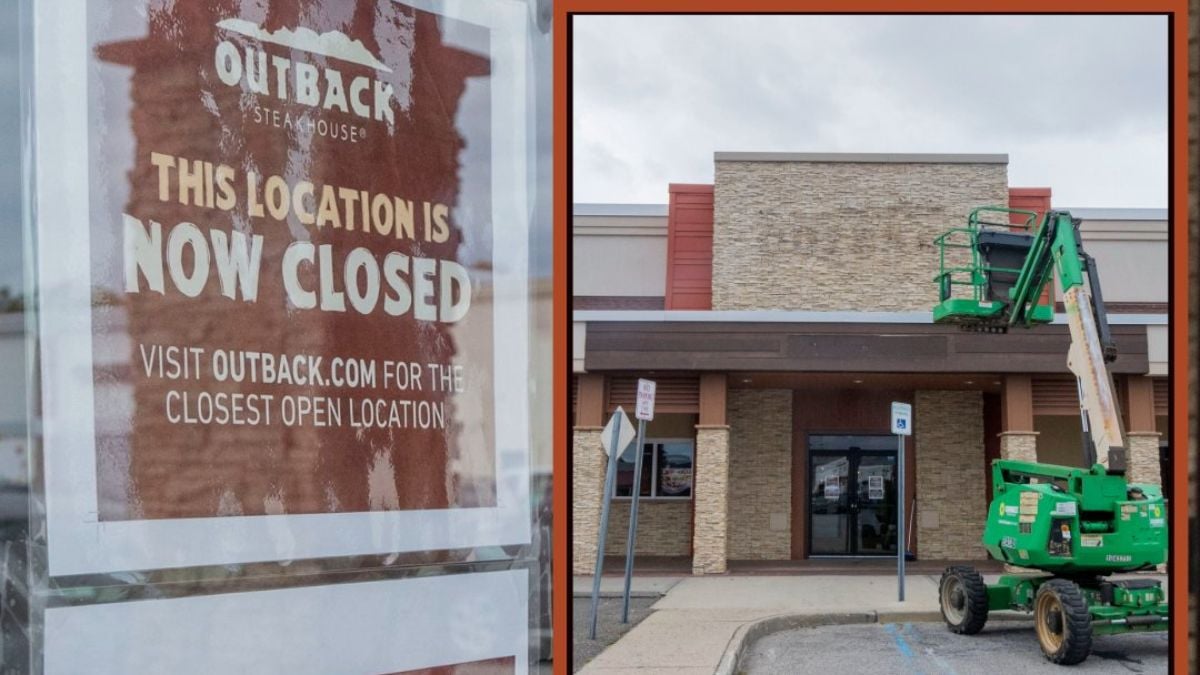
In New York, the shuttering of the Outback location at Merrick Mall in Merrick is one of the known closures. Locals say the change isn’t just missing dinner—it’s missing a community hub. With more closures possible, the regional consequences could deepen.
What’s Behind the Shutdowns?

Bloomin’ Brands points to older leases, waning traffic, and high reinvestment costs as chief reasons for the cutbacks. The Sun+1 The company described the closures as part of a plan to “simplify and strengthen” its portfolio. For diners and employees, that means tough transitions ahead.
Employees Get Transfer Options—but What About Impact?
The company says employees at closing units will be offered roles at nearby restaurants when possible. Restaurant Dive+1 While that’s a small silver lining, the effect on local labor markets and vendor ecosystems still matters. When a chain pulls back, the shockwaves spread.
Why This Matters for Hudson Valley & Beyond
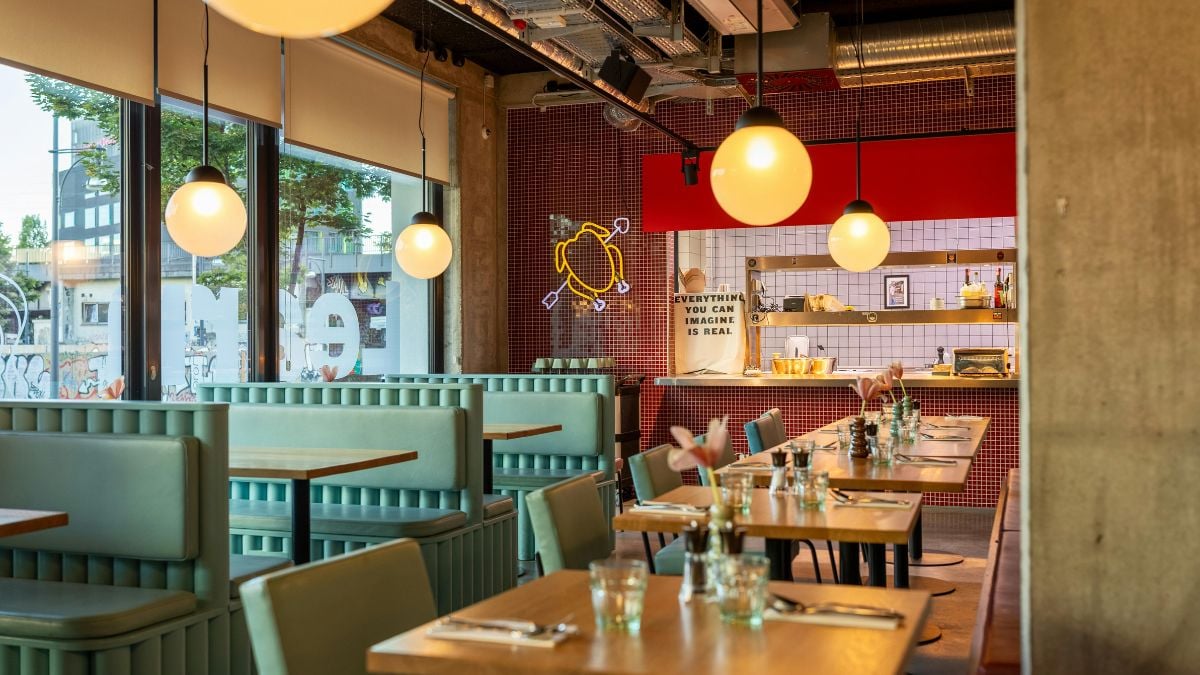
When a national chain contracts, local ripple effects follow—smaller contractors lose business, commercial spaces go vacant, and workers may face uncertainty. For communities like the Hudson Valley, the closures aren’t just about one restaurant—they’re about a segment of the regional economy shifting.
Turnaround Plan: Fewer Restaurants, Better Performance

Bloomin’ isn’t just closing stores; it’s entering a “turnaround” mode that spans years and includes store-remodels, menu simplification, and operational changes. New York Post+1 The company wants to trade quantity for quality and stability—an approach lots of chains are adopting in this era.
Menu Simplification: A Litmus Test
As part of its strategy, Bloomin’ Brands is reducing menu complexity to drive faster service and better execution. The Sun+1 For diners, this might mean fewer choices—but perhaps a more consistent experience.
Casual Dining Industry Under Pressure
Bloomin’s closures aren’t unique. Many casual-dining brands are cutting back as inflation, labor costs, and shifting habits squeeze margins. Business Insider+1 The dining world is evolving—what used to draw consistent crowds isn’t guaranteed anymore.
What You Should Watch In Your Area
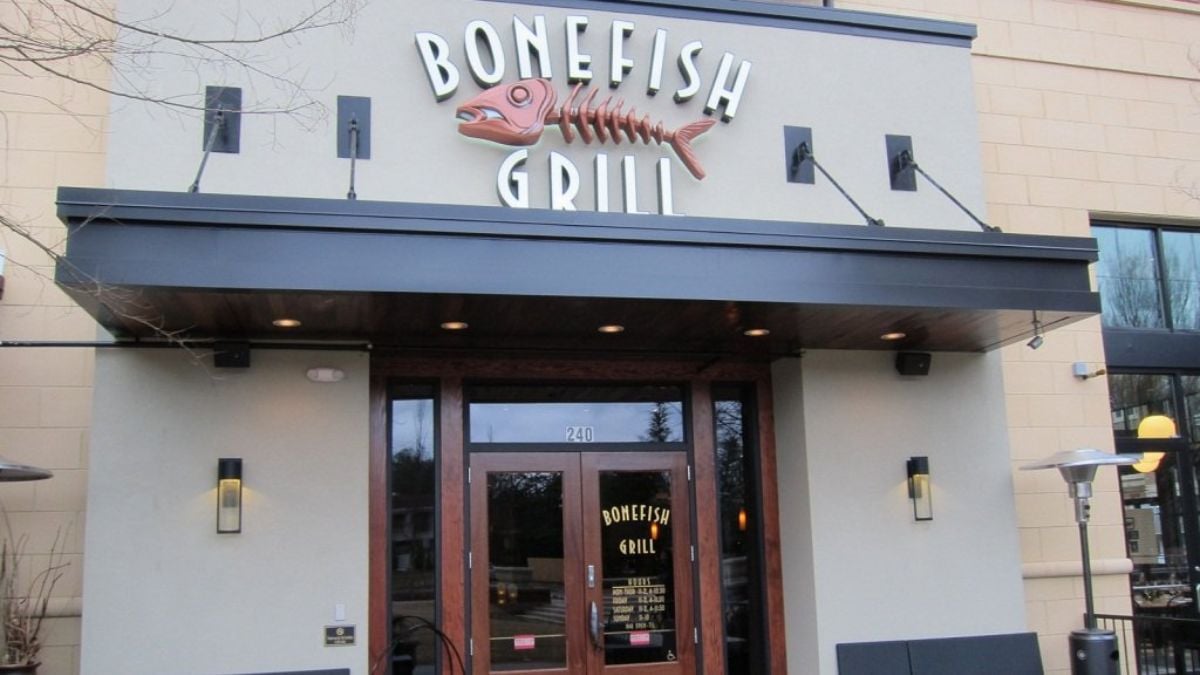
If you frequent a location of Outback, Bonefish, Carrabba’s or Fleming’s, keep an eye out. Close-ups may show lease signs, diminished maintenance, or menu changes. Local news and real-estate filings can give early hints before an official closure announcement.