Starting in 2026, California will make dining out a little safer—and a lot more transparent. The state just passed a groundbreaking law requiring large restaurant chains to list major food allergens right on their menus. That means no more guessing games for people allergic to milk, nuts, or shellfish. While allergy advocates are celebrating, some restaurant owners are sweating the extra costs and potential lawsuits. Here’s how this first-in-the-nation law could change how millions of Californians eat, cook, and even trust their favorite spots.
California Sets a National First for Allergen Disclosure
California is officially the first U.S. state to force restaurants to disclose major allergens on menus. Governor Gavin Newsom signed the landmark law in October 2025, with enforcement set to begin in 2026. The rule applies only to restaurants with 20 or more locations, covering big chains while sparing small local eateries. It’s a move that could reshape dining safety across the nation.
What the Law Actually Requires

Restaurants must now list common allergens such as milk, eggs, shellfish, peanuts, and tree nuts if they’re part of any menu item. The law covers ingredients that businesses “know or reasonably should know” are present in their food. That means no more hiding allergens under vague ingredient lists or recipe secrets—transparency is now a legal requirement.
Inspired by a Senator’s Personal Struggle

The push for this law came from State Senator Caroline Menjivar, who knows the dangers of food allergies firsthand. She’s allergic to several nuts and fruits and said her experiences inspired the legislation. Her goal: to make dining out safer and less stressful for people like her. Menjivar called it a “unique additional assurance” for families managing food allergies every day.
A Win for Families Living With Allergies

For millions of Californians—especially parents of kids with severe allergies—this law is a game-changer. Families can finally dine out with fewer worries about hidden ingredients or cross-contamination. As Menjivar noted, it’s about inclusion and comfort, giving people confidence to enjoy meals together again. It’s a small step that could make a big emotional difference.
Meet Addie Lao: The 10-Year-Old Who Helped Make It Happen

Addie Lao, a child with severe food allergies, spoke out passionately in favor of the bill earlier this year. She told lawmakers how scary eating out can be when even one bite of the wrong food can send her to the hospital. Her advocacy reminded lawmakers that behind every law are real families trying to live normal lives. Addie’s courage helped put this issue on the map.
The Restaurant Industry Pushes Back

Not everyone is thrilled. The California Restaurant Association argued that the law could be expensive and confusing for large businesses. They warned that keeping up with changing recipes, suppliers, and staff training could drive up costs. Their biggest fear? The rise of “predatory lawsuits” from customers eager to catch mistakes on menus.
Smaller Restaurants Catch a Break

Originally, the proposal would’ve covered all restaurants—but pushback from small business owners changed that. Now, only chains with 20 or more locations must comply. The adjustment eased tensions between lawmakers and mom-and-pop restaurants already struggling with inflation and rising labor costs.
Could This Spark a National Trend?
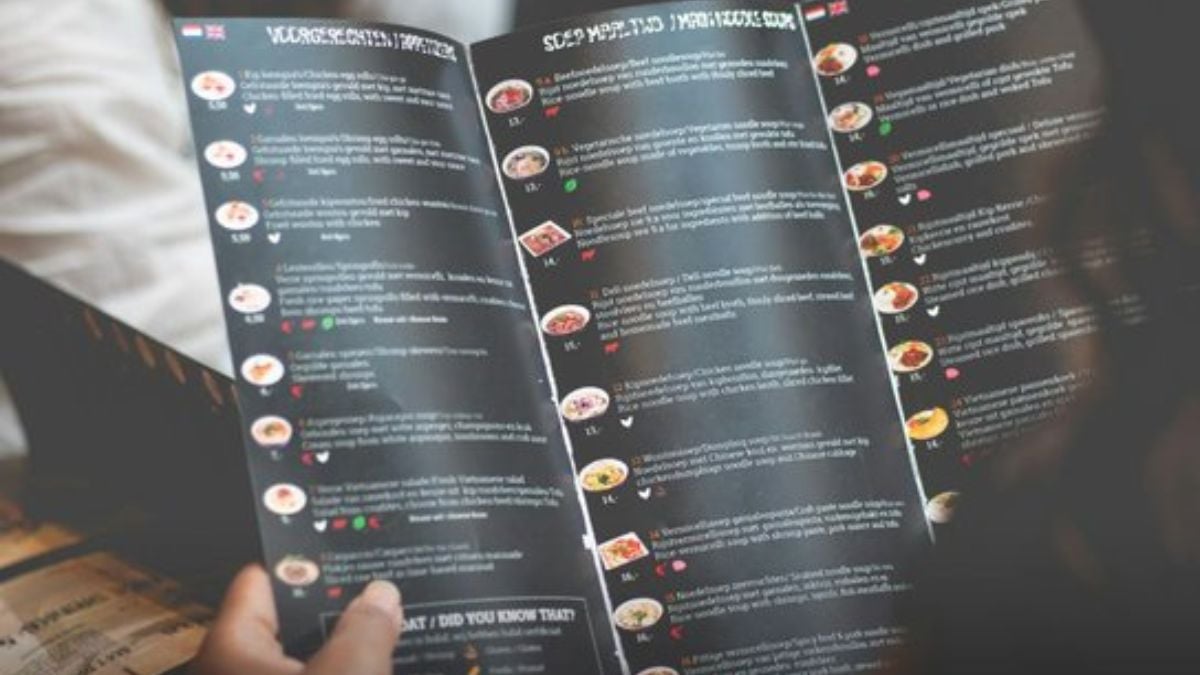
California often leads the way on consumer protection laws, and this could be no different. Experts predict other states might soon follow with their own allergen transparency rules. If successful, it could set a new standard for restaurant menus across the country—just like California did with calorie counts years ago.
Allergy Advocates Say It’s Just the Beginning
Food Allergy Research and Education (FARE), the nation’s leading allergy nonprofit, praised the bill as “a meaningful step.” They say it’s not perfect—after all, it only applies to large chains—but it opens the door to bigger reforms. Advocates hope future versions will include smaller restaurants and clearer labeling standards.
A Balancing Act Between Safety and Business Costs

While the intent is public safety, execution won’t be cheap. Restaurants will need to update menus, retrain staff, and ensure supply chain accuracy. Still, lawmakers argue that saving lives and preventing hospital visits outweigh the added cost. For families managing allergies, that trade-off seems more than fair.
Why 2026 Matters

Businesses have until 2026 to prepare for the change—time to review ingredients, update menus, and train employees. It’s a grace period meant to make the rollout smoother and reduce the risk of chaos. By then, customers might start expecting every menu—nationwide—to come with allergen info built in.
A Safer Dining Future, One Menu at a Time

California’s new allergen disclosure law could make dining out less of a gamble and more of a joy for millions. While big chains brace for changes and costs, allergy advocates are calling this a long-overdue win. Whether this sparks a national movement or stays a California experiment, it’s clear the state just raised the bar on food safety. What do you think—should every restaurant be required to list allergens on the menu?