Buffets promise endless plates and plenty of choice, but timing can quietly make or break the experience. The same restaurant can feel fresh and satisfying one day, then downright disappointing the next. That difference often has nothing to do with the food itself and everything to do with when you walk through the door. Slow periods may sound appealing, but they often come with hidden risks. Here’s why picking the wrong time can turn a buffet meal into a regret.
Slow Days Aren’t the Hidden Gem You Think
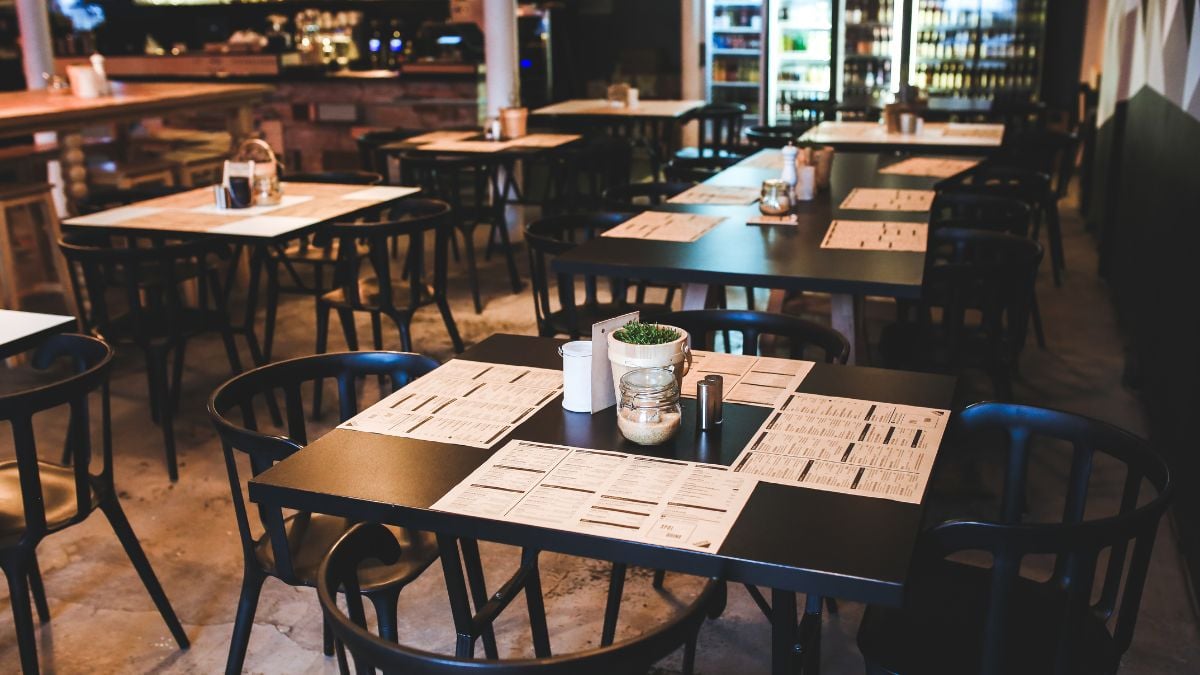
Mondays and Tuesdays are typically quiet for restaurants. Fewer diners might seem like a win, but buffets rely on constant turnover to keep food fresh. When traffic is low, dishes sit longer than they should. That means food may look fine but feel tired. The calm dining room can be misleading.
Empty Dining Rooms Are a Warning Sign
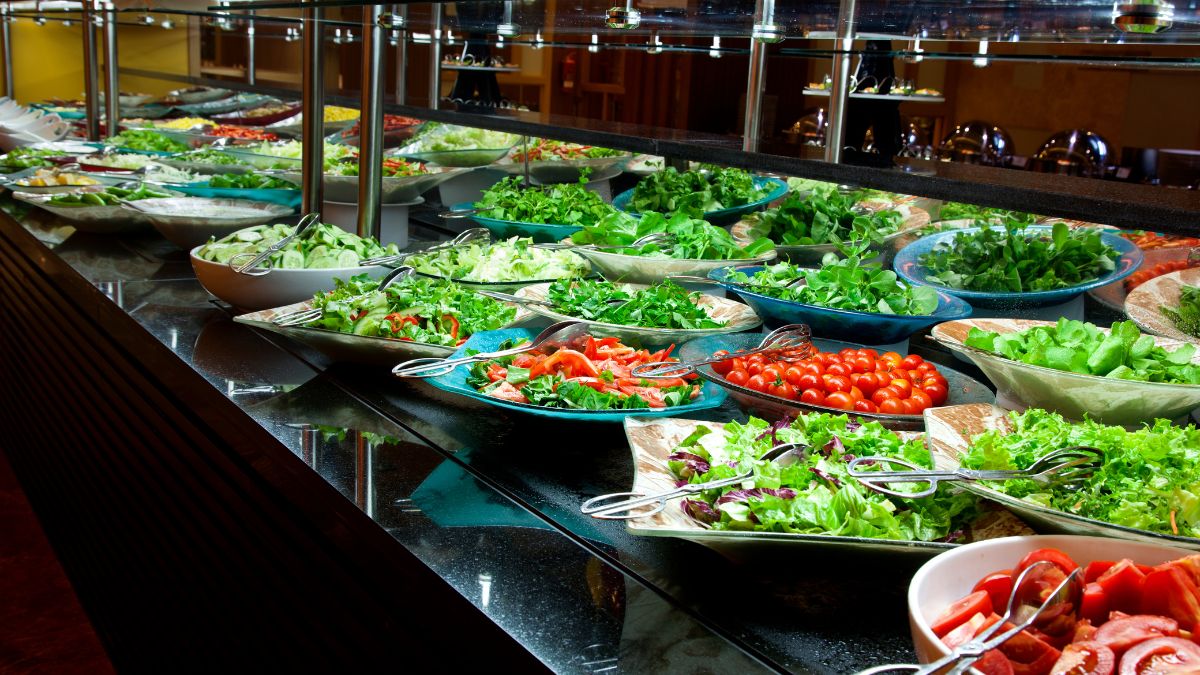
A bustling buffet is usually a healthy buffet. When trays empty quickly, they’re refilled often. In contrast, a nearly empty room can signal food that’s been waiting far too long. Less movement means fewer reasons for staff to refresh dishes. Silence can be your first red flag.
Off-Peak Hours Hurt Food Quality
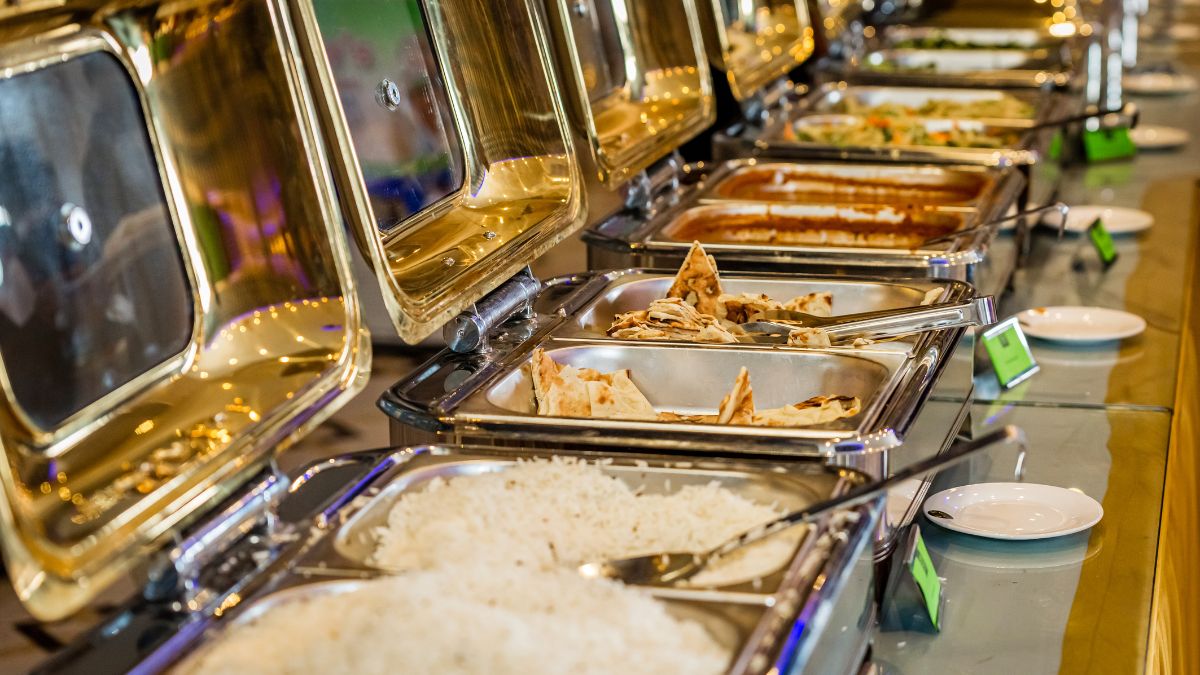
Early mornings and the time between lunch and dinner are common slow windows. During these hours, buffets may still display full spreads, but freshness suffers. Hot dishes cool, textures change, and quality slips. You’re paying the same price for food that’s past its prime. Timing quietly affects everything on your plate.
When “Fresh” Really Means Reheated
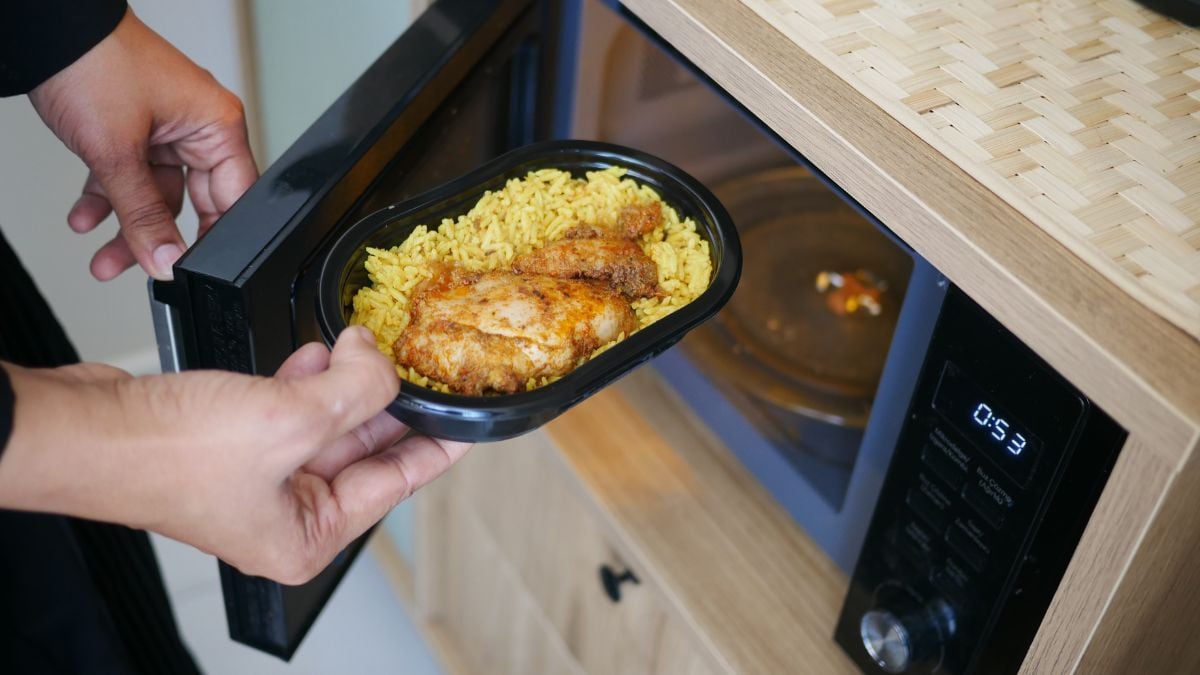
Tough meats and dried-out noodles often point to reheating. Some buffet items may be warmed or refried multiple times to avoid waste. While technically allowed, this can destroy texture and flavor. What should be tender becomes chewy or hard. The result feels disappointing, even if it’s safe to eat.
One Restaurant, Two Very Different Experiences

The same buffet can earn glowing praise and harsh criticism online. That inconsistency often comes down to timing, not recipes. Visit during a rush and everything feels lively and fresh. Show up during a lull and suddenly the reviews make sense. Time explains the contradiction.
Why Buffets Don’t Toss Food Quickly
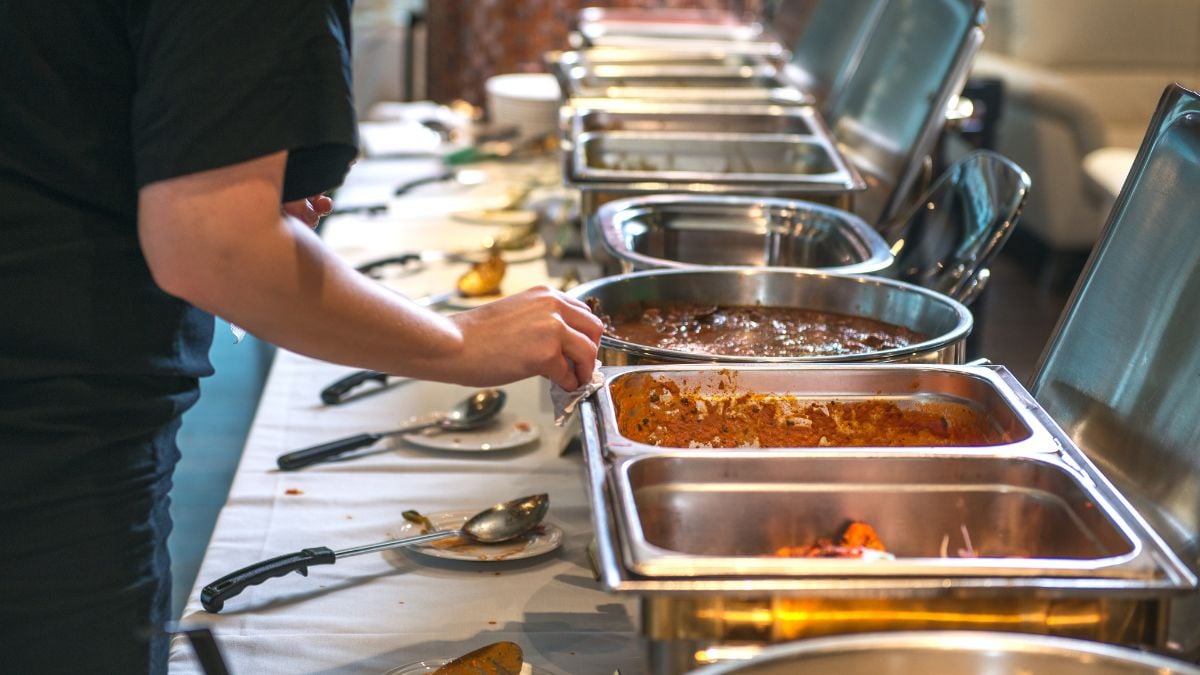
Replacing full buffet trays costs money. During slow periods, restaurants may hold food longer rather than cook fresh batches. As long as temperature rules are met, they’re allowed to do so. Unfortunately, “allowed” doesn’t always mean “enjoyable.” That’s where quality quietly drops.
Late-Night Visits Come With Risks
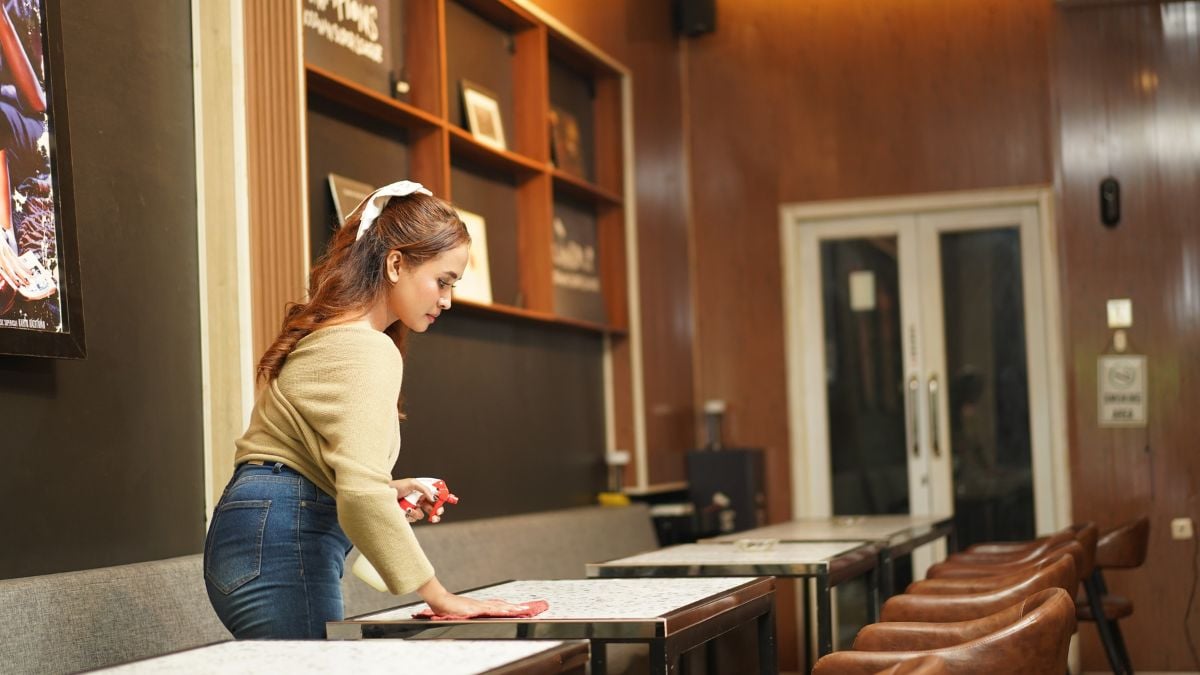
Visiting close to closing time can be just as risky as going too early. Kitchens aren’t eager to prepare full trays near the end of the day. What’s out may be all that’s left. Choices shrink, and freshness usually does too. The clock is not on your side.
Crowds Are Actually Your Best Ally
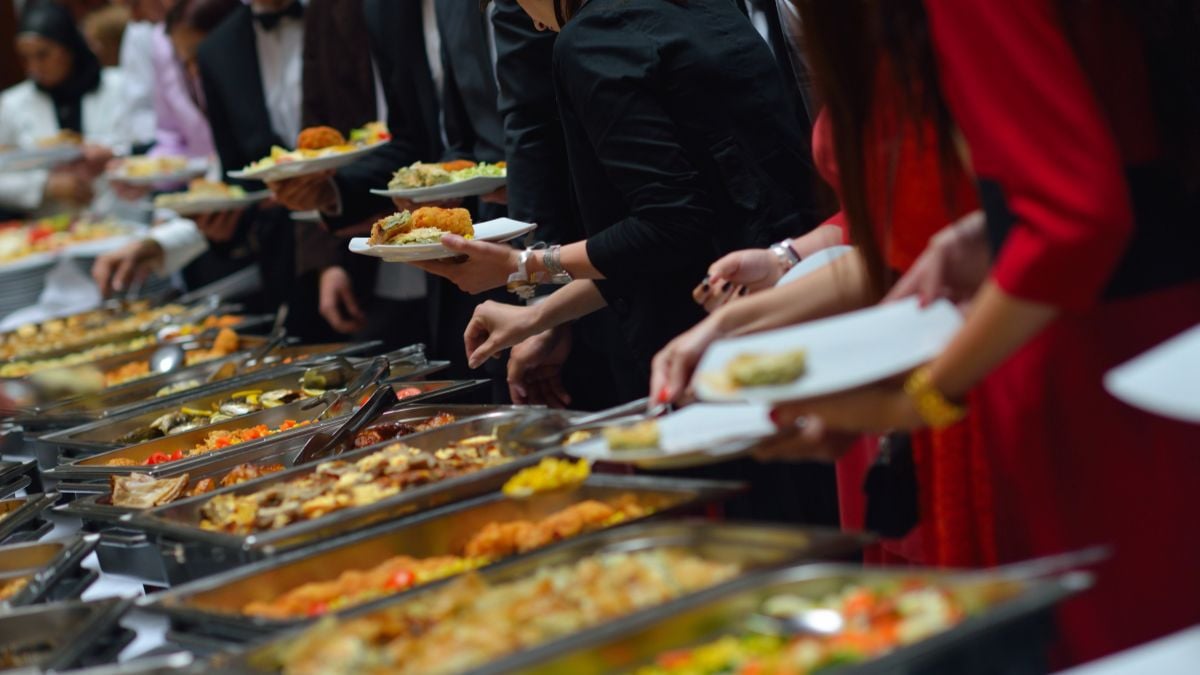
Busy times force constant replenishment. Popular hours mean trays empty fast and kitchens stay active. That cycle keeps food hot, textures right, and flavors intact. Yes, you’ll share space with more diners. But the food payoff is usually worth it.
Fresh-Made Stations Are the Exception
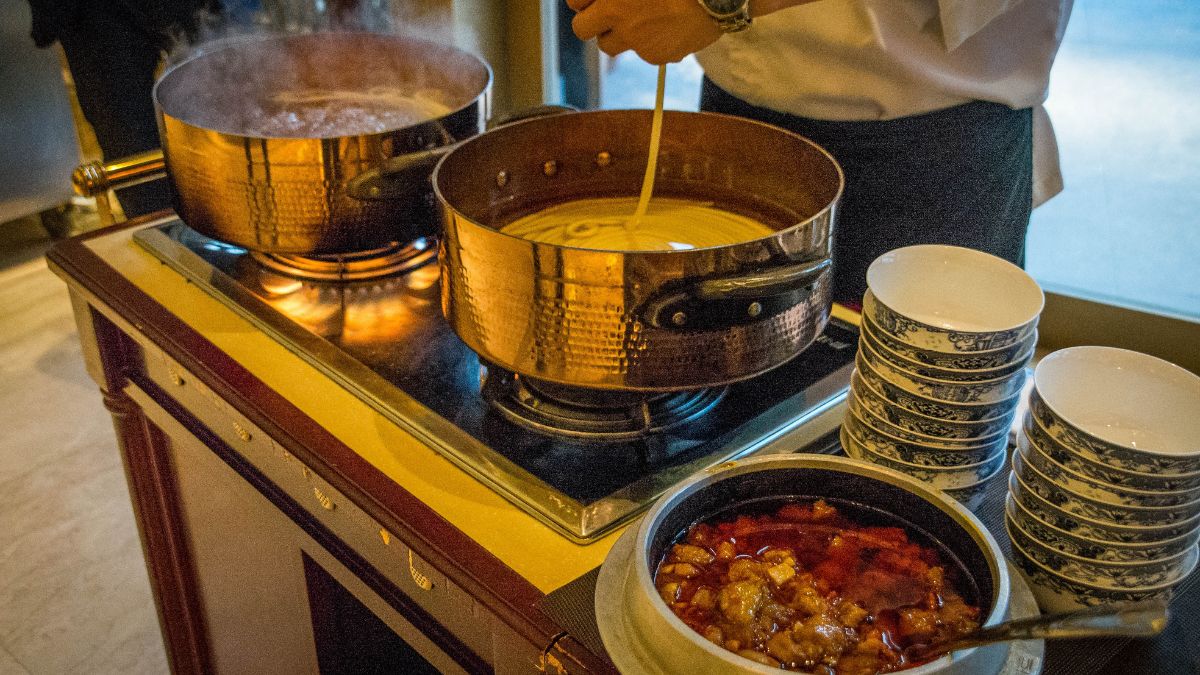
Some buffet areas cook food to order, regardless of crowd size. Omelet bars and carving stations don’t rely on holding trays. These spots are safer bets during slow times. Still, they’re the exception, not the rule. The rest of the buffet may lag behind.
The Price Never Adjusts for Timing

Buffets charge the same whether food just arrived or has lingered for hours. That’s what makes timing so important. Paying full price for subpar quality stings more at an all-you-can-eat spot. Freshness is part of the value you’re buying. Choose your timing wisely.
Timing Is the Real Buffet Secret
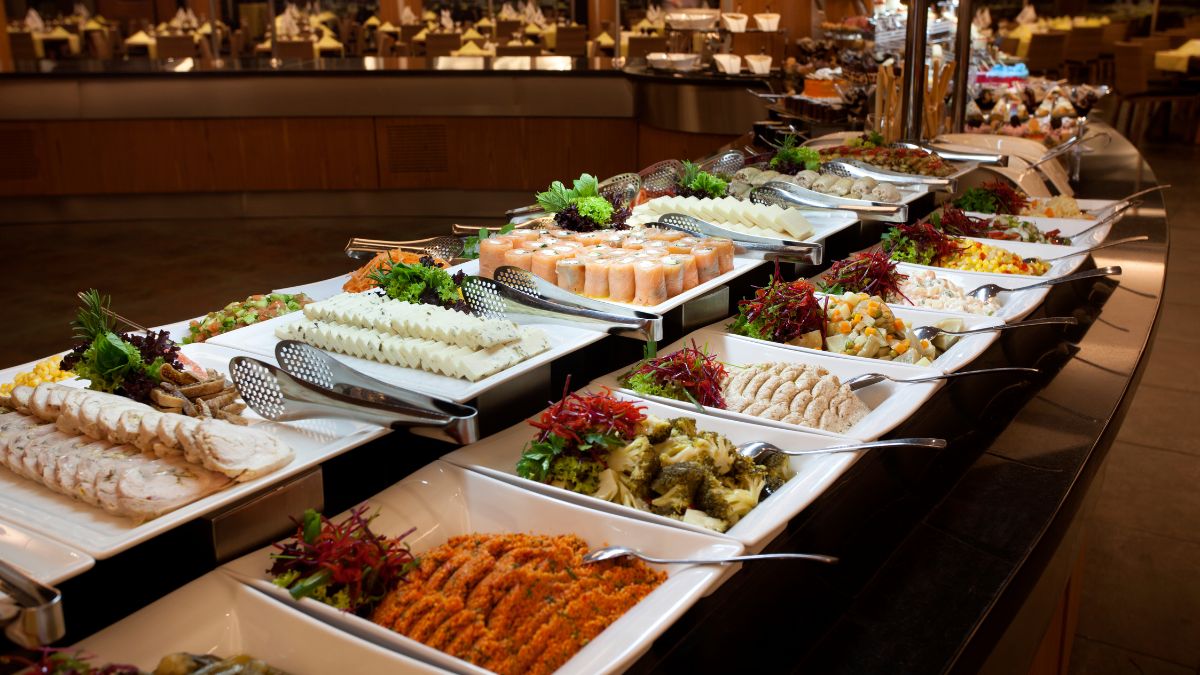
Buffets aren’t just about what’s offered—they’re about when you arrive. Quiet hours can quietly sabotage your meal, even at restaurants you trust. Have you noticed a big difference depending on timing? Drop a comment and share your best—or worst—buffet experience, and tell us if there’s a tip we missed.